You rely on welding rods for clean, reliable joins, whether you’re repairing a mower deck, building a frame, or practicing skills in the garage. Picking the right pack saves you time, reduces cleanup, and keeps projects on budget, so knowing which rods perform well across machines and materials helps you get consistent results and better value.
Top Picks
|
Category |
Product |
Score |
|---|---|---|
|
🏆 Best Beginner Pick |
94/100 |
|
|
💰 Best Value Pack |
91/100 |
|
|
🎯 Best 5lb Bundle |
88/100 |
|
|
🔰 Best Low-Hydrogen |
90/100 |
|
|
⭐ Best Hardfacing |
85/100 |
|
|
🚀 Best For Mini Welders |
87/100 |
|
|
🎨 Best TIG Filler |
89/100 |
|
|
💼 Best Pro Bulk |
86/100 |
|
|
🔧 Best Short Rods |
87/100 |
|
|
🏅 Most Consistent |
84/100 |
How We Chose These Packs
You want rods that start easily, run a stable arc, and minimize spatter so your work looks better and needs less cleanup. We prioritized arc stability, coating type (for example E6013 versus E7018 versus TIG filler), low-hydrogen formulations for structural work, and pack size so you can match the rod to the job and your welder. We also considered value per pound, real-world user feedback about consistency and storage, and versatility across AC/DC and inverter machines so you can pick a pack that fits both your projects and your budget.
You get a forgiving, easy-to-run stick in a compact pack that suits garage projects and small shop jobs. These E6013 rods fire up cleanly, keep spatter to a minimum and work on both AC and DC machines, so you can move between welders without second guessing. They’re especially handy when you need tidy beads on thin metal or when you want predictable performance without fuss.
If you do a mix of repairs and hobby fabrication, these make it simpler to get consistent results.
What People Say
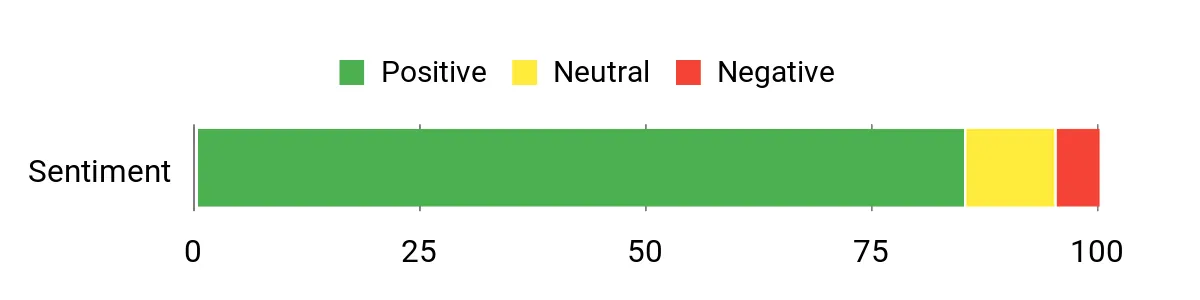
Customers repeatedly praise how easy the rods are to strike and maintain, noting consistent beads and minimal cleanup. People also like that the pack works well on small inverter welders and that the rods stay straight and coated during use.
Overall feedback points to dependable, no-frills performance ideal for hobbyists and light repair work.
Overall Sentiment: Positive
When To Use
|
Situation |
How It Helps |
|---|---|
|
Beginner Practice |
You’ll find the easy arc starts and stable puddle forgiving while you learn angle and travel speed. |
|
Home Repairs |
Low spatter and good control on thin metal make quick fixes like mower decks and railings less messy. |
|
Working With Inverters |
AC/DC compatibility and a smooth arc mean you can use these rods on small modern machines without fuss. |
|
Tight Jobs |
The 14″ stick length and straight rods are easier to maneuver in cramped spots than longer, floppier sticks. |
Durability
Coating stays intact during handling and rods remain straight out of the tube; store dry to keep performance consistent over time.
Key Benefits
- Reliable, easy arc starts that save setup time
- Low spatter for cleaner welds and less grinding
- AC/DC compatibility for versatile use
- Good for thin steel and light fabrication
Rating: 4.9 (total: 64+)
You’ll appreciate how predictable these rods run across a wide range of tasks, from patching a railing to tacking up brackets. They strike and hold an easy arc, lay down smooth beads, and peel slag without making cleanup a chore. Because they play nicely with inverter and transformer welders, you can switch machines without rethinking your setup.
If you want a reliable general-purpose rod that keeps fiddly cleanup to a minimum, these are a solid go-to.
What People Say
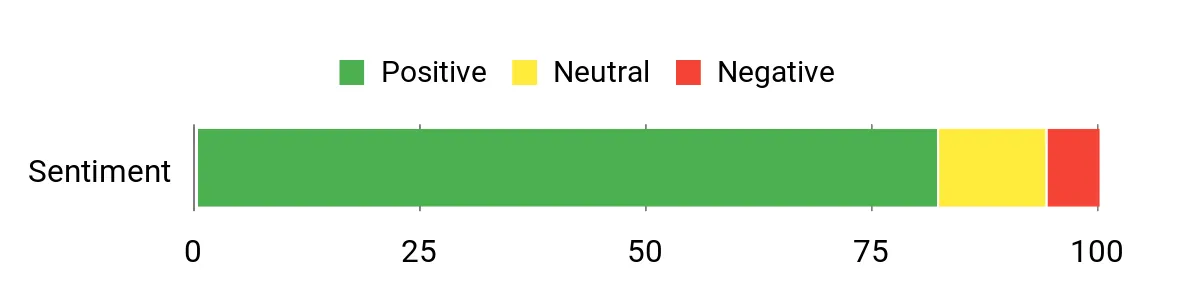
Buyers often highlight the easy arc starts and how the rods behave on inverter machines, praising the clean beads and simple slag removal. Many note they work well for home repairs and light fabrication, and experienced users say they’re dependable for routine shop work. A few mention keeping rods dry after opening for best results.
Overall Sentiment: Positive
When To Use
|
Situation |
How It Helps |
|---|---|
|
Home Repairs |
Low spatter and controllable heat make quick fixes neater and faster to finish. |
|
Practice Sessions |
Stable arc behavior helps you focus on technique without fighting the rod. |
|
Inverter Welders |
These rods run smoothly on modern small machines, so you won’t need constant adjustments. |
|
Field Work |
All-position capability means you can weld in place on frames, gates, and mounted parts. |
Durability
Coating and straightness are good out of the tube, but like all E6013 rods they absorb moisture once opened, so store them sealed or in a rod oven for long-term consistency.
Key Benefits
- Smooth, stable arc for consistent beads
- Low spatter reduces grinding and cleanup
- All-position use for awkward repairs
- AC/DC compatibility for versatile machines
Rating: 4.8 (total: 17+)
You’ll find these 5 lb rods are a practical choice when you need a dependable general-purpose electrode for shop work and home projects. They strike easily and run a steady arc, so you can focus on bead control instead of fighting the rod.
The low-spatter behavior cuts down on cleanup, and their all-position capability makes them useful for patching, brackets, and routine fabrication. If you want a straightforward pack that performs reliably across common jobs, these are worth keeping in your kit.
What People Say
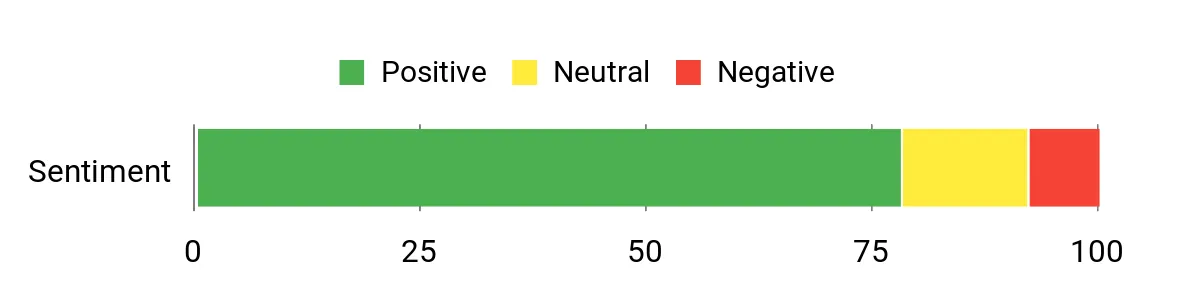
Reviews commonly note that these rods run smoothly and are easy to use on both inverter and transformer welders. Users appreciate the low spatter and clean slag removal, and experienced welders often say the pack delivers steady, predictable performance.
A few mention keeping rods dry after opening to maintain consistency.
Overall Sentiment: Positive
When To Use
|
Situation |
How It Helps |
|---|---|
|
Routine Shop Work |
You get a consistent arc and bead shape so repetitive tasks come out uniform. |
|
Home Repairs |
Low spatter and controllable heat make fixes like railings and mower decks neater. |
|
Learning Practice |
The forgiving arc lets you practice technique without constant rod-related frustration. |
|
Inverter Machines |
These rods behave well on modern small machines, so you won’t need to chase settings. |
Durability
Rods arrive straight with intact coating; like other E6013s they will absorb moisture after opening, so keep them sealed or in a rod oven for long-term reliability.
Key Benefits
- Stable, easy-to-start arc for consistent beads
- Low spatter reduces grinding and cleanup time
- All-position versatility for awkward repairs
- Good build quality appreciated by experienced users
Rating: 4.7 (total: 38+)
You’ll reach for these when strength and predictable mechanical properties matter. The E7018 formulation gives a smooth, controllable arc that’s forgiving to run but built for structural joints, tack work, and repairs where ductility and low hydrogen are important. They behave well on common stick welders, lay down even beads, and are a good choice when you want consistent results across many passes. If your projects include frames, trailers, or anything needing reliable fusion, these rods fit that role nicely.
What People Say
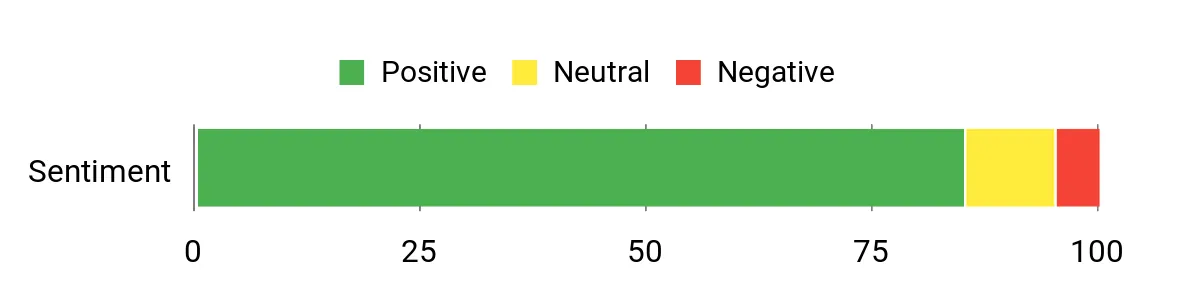
Customers commonly report reliable, predictable performance and praise the rods for laying down clean, steady beads. Many users note the E7018 behavior is comparable to name-brand rods, and both pros and hobbyists appreciate the consistency across long runs.
People also mention the pack arrives well packaged and performs as expected for structural and repair tasks.
Overall Sentiment: Positive
When To Use
|
Situation |
How It Helps |
|---|---|
|
Structural Welding |
You get low-hydrogen deposits that reduce cracking risk and produce welds with good mechanical properties. |
|
Field Repairs |
The rods run predictably so you can focus on fit-up and fusion without constantly adjusting technique. |
|
Repeated Beads |
Consistent arc and coating mean you’ll get uniform beads across multiple passes, which saves grinding and rework. |
|
Beginner Upskilling |
You can learn proper heat control and bead placement using a forgiving, steady rod that helps build confidence. |
Durability
Low-hydrogen flux promotes long-term weld integrity; rods arrive straight and coated, but store them dry to maintain peak performance over time.
Key Benefits
- Low-hydrogen coating for stronger, less brittle welds
- Smooth, steady arc that’s easier to control
- Consistent bead appearance for structural work
- Good compatibility with common stick welders
Rating: 4.7 (total: 290+)
You’ll reach for these rods when you need to build up worn faces or add a wear layer to machine parts. They run smoothly, forgeable after welding, and peel slag cleanly, which makes layered buildup and touch-up work less fiddly. They aren’t a high-impact solution, but for moderate abrasion and resurfacing tasks they deliver predictable, usable results and are straightforward to run in all positions.
What People Say
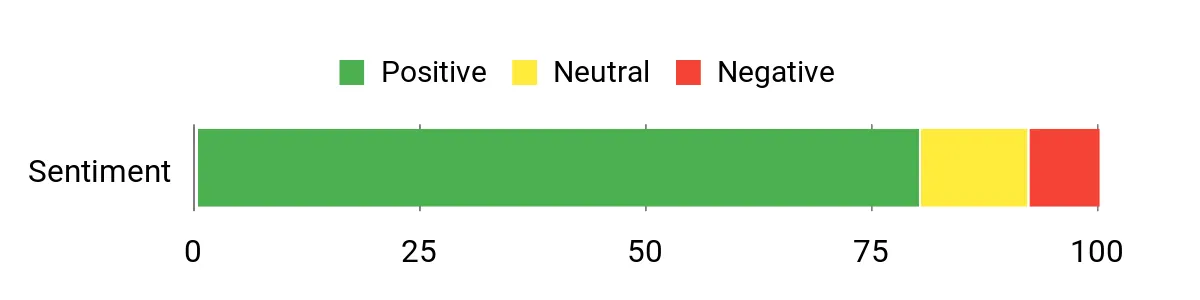
You’ll find reviewers praise how nicely the rod lays down and how straightforward the slag comes off, making buildup jobs less tedious. Many users report good results on anvils and worn parts when they preheat and apply multiple layers. Some note it’s not designed for high-impact service, so expectations about hardness and application matter.
Overall Sentiment: Positive
When To Use
|
Situation |
How It Helps |
|---|---|
|
Anvil Refacing |
Layers up cleanly and grinds to shape, letting you rebuild a face without exotic consumables. |
|
Surface Buildup |
Delivers a hard, work-ready overlay for parts that see moderate abrasion. |
|
Repairing Cast Parts |
Runs smoothly and bonds well to cast steel for patching worn sections. |
|
Shop Practice |
Easy arc and slag behavior make it useful for learning hardfacing technique on small pieces. |
Durability
Provides a hard, wear-resistant deposit for moderate abrasion but limited impact resistance; preheat and multiple passes improve final hardness and adhesion.
Key Benefits
- Smooth arc action for controlled deposits
- Easy slag removal speeds post-weld work
- Good for resurfacing and moderate abrasion
- Forgeable and workable after welding
Rating: 4.7 (total: 184+)
You’ll find these rods are very forgiving and easy to run, so they’re a smart choice when you want reliable results without fuss. They strike easily, maintain a stable puddle, and produce minimal spatter, which means less cleanup and more time welding.
Because they behave well on small inverters and larger buzz boxes, you can move between machines without chasing settings. Keep them dry after opening and they make routine repairs, practice sessions, and general fabrication feel straightforward.
What People Say
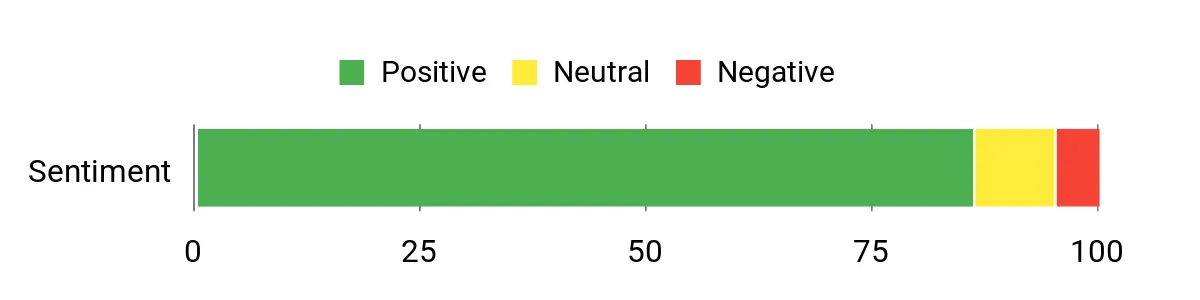
Buyers commonly point out how easy the rods are to strike and how consistent the bead shape is across runs. Many note they work well on tiny handheld welders as well as standard inverter boxes, and both newcomers and experienced users report dependable, no-nonsense performance.
A few mention storing rods dry after opening to keep them performing at their best.
Overall Sentiment: Positive
When To Use
|
Situation |
How It Helps |
|---|---|
|
Beginner Practice |
You’ll get forgiving arc behavior that makes learning angle and travel speed less frustrating. |
|
Handheld Welders |
These rods run well in small machines, so you won’t be constantly adjusting settings to keep the arc stable. |
|
Home Repairs |
Low spatter and all-position use make patches and brackets neater and faster to finish. |
|
General Fabrication |
Consistent deposits help you lay down repeatable beads when working on frames or light assemblies. |
Durability
Rods arrive straight with intact coating; like other E6013-style electrodes they can absorb moisture after opening, so keep them sealed or in a rod oven for long-term reliability.
Key Benefits
- Very forgiving arc starts for less frustration
- Low spatter for cleaner finishes and faster cleanup
- All-position performance for awkward repairs
- Consistent quality across machines, including small inverters
Rating: 4.7 (total: 358+)
You’ll like these filler rods when you need predictable, clean filler for TIG work. They arrive straight and free of major contaminants, so you can focus on puddle control and penetration instead of fighting filler that bends or flakes. They work well for general shop tasks, small fabrication, and detailed work like jump rings or thin stainless repair.
If you want a reliable set of TIG rods that behave consistently, these fit that role.
What People Say
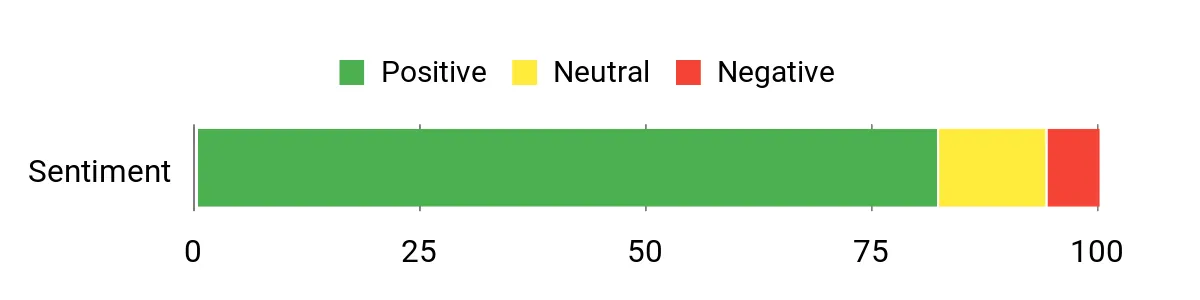
You’ll notice reviewers commonly praise how clean and straight the rods arrive and how reliably they weld. Many users report solid penetration and consistent beads, and several mention the packaging keeps rods in good condition on arrival. A few buyers wish the rods were longer for certain tasks, but overall the feedback leans toward dependable performance.
Overall Sentiment: Positive
When To Use
|
Situation |
How It Helps |
|---|---|
|
TIG Practice |
You get forgiving, consistent filler that helps you work on technique and bead control without unexpected variation. |
|
Detail Work |
Thin, straight rods make it easier to feed filler in cramped spaces or when making small components like jump rings. |
|
Light Fabrication |
Consistent deposits and good fusion make repetitive filler passes more predictable for assemblies and brackets. |
|
Stainless Repair |
These rods bond cleanly and allow controlled penetration when you’re tying into thin stainless or mixed-metal joints. |
Durability
Rods are delivered straight and clean; they perform well when kept dry and stored in their sleeve. Shorter lengths can bend more easily, so handle with care and keep them protected between uses.
Key Benefits
- Clean, straight rods that feed predictably
- Good penetration and consistent filler deposits
- Versatile for mild steel and some stainless tasks
- Nicely packaged for storage and transport
Rating: 4.7 (total: 200+)
When strength and predictable welds matter, these E7018 sticks are built for the job. They strike reliably, run a steady arc, and lay down uniform beads that make multi-pass work and fusion easier to manage. They suit structural repairs, frames, trailers, and any task where low-hydrogen deposits reduce cracking risk. Both hobbyists and pros comment that these rods behave consistently and mirror the performance of more expensive name-brand options.
What People Say
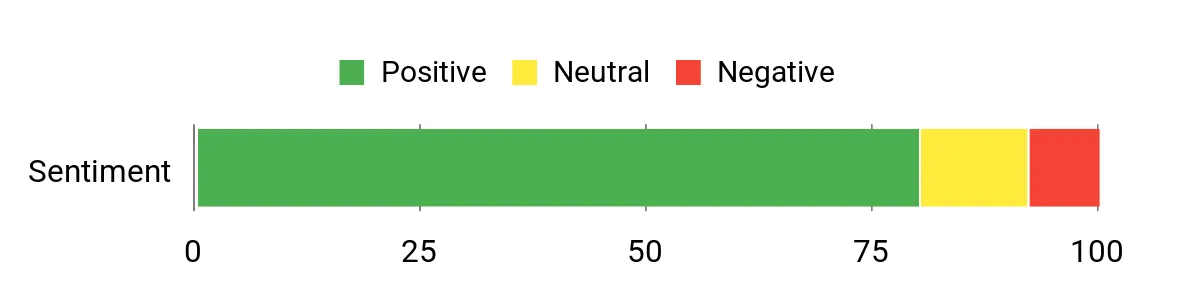
Customers frequently highlight the dependable arc and steady bead appearance, noting the rods strike up easily and stay consistent over long runs. Both experienced welders and beginners say the performance compares well to established brands, and many users appreciate that the rods hold up across field and shop work.
Overall Sentiment: Positive
When To Use
|
Situation |
How It Helps |
|---|---|
|
Structural Welding |
Low-hydrogen deposits give you tougher welds that resist cracking in frames, trailers, and load-bearing repairs. |
|
Field Repairs |
Predictable arc and steady burn mean fewer surprises when you’re working on-site and need reliable fusion quickly. |
|
Multi-Pass Work |
Consistent bead control and flux stability make layering passes more uniform and reduce rework. |
|
Learning Technique |
You can practice heat control and bead placement with a forgiving rod that responds predictably to adjustments. |
Durability
Low-hydrogen flux supports long-term weld integrity; rods arrive straight with intact coating, but store them sealed and dry to avoid moisture pickup and preserve performance.
Key Benefits
- Low-hydrogen coating for reduced cracking risk
- Smooth, controllable arc for consistent beads
- Designed for structural and multi-pass welding
- Reliable behavior across common stick welders
Rating: 4.6 (total: 457+)
You’ll appreciate how tidy these filler rods feed when you’re working TIG. They arrive straight and clean, so you spend less time prepping and more time controlling the puddle.
They’re well suited to detail work, light fabrication, and small repairs where consistent filler and predictable penetration matter. If you do a mix of practice, fabrication, and occasional stainless touch-ups, these rods make filler control feel simpler.
What People Say
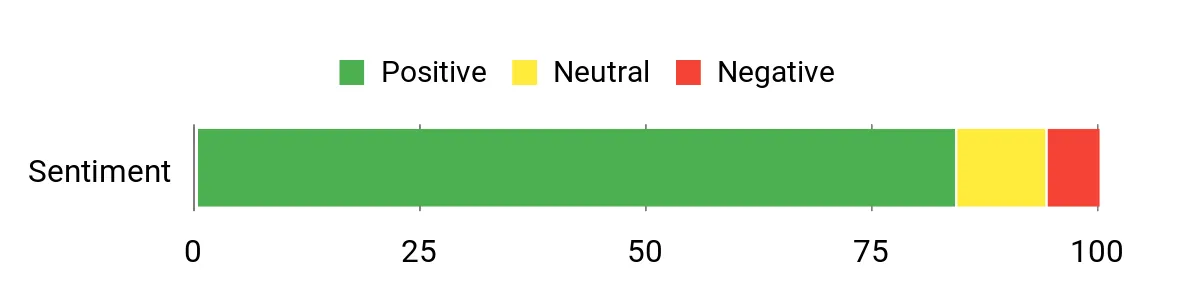
Customers often note the rods arrive clean and straight and perform reliably in real-world use. People appreciate the consistent deposits and that the rods are easy to handle during detailed TIG work.
A common trade-off mentioned is the shorter length, which some users like for convenience and others find goes faster during heavy use.
Overall Sentiment: Positive
When To Use
|
Situation |
How It Helps |
|---|---|
|
TIG Practice |
You get consistent filler that helps you focus on puddle control and rhythm without worrying about flaky rods. |
|
Detail Work |
Short, straight rods make feeding in tight spots and small components easier and more controlled. |
|
Light Fabrication |
Predictable deposits and good fusion help you build up joints and small brackets with fewer surprises. |
|
Stainless Repair |
These rods allow controlled penetration and neat filler for thin stainless or mixed-metal touch-ups when appropriate. |
Durability
Rods arrive straight and free of major contaminants; keep them dry in their sleeve as short filler rods can bend more easily and will perform best when stored protected from moisture.
Key Benefits
- Clean, straight rods that feed predictably
- Good penetration and consistent filler deposits
- Convenient length for tight work and small assemblies
- Nicely packaged for storage and transport
Rating: 4.7 (total: 901+)
You’ll grab these E7018 sticks when you need welds that hold up. They deliver a smooth, controllable arc that helps you lay down uniform beads across multiple passes, which is handy for frames, trailers, and structural repairs.
The low-hydrogen coating reduces cracking risk when you’re doing load-bearing work, and the rods behave predictably on common stick welders so you can focus on fit-up and fusion. If you want a reliable rod that mirrors name-brand performance, this pack is a solid option.
What People Say
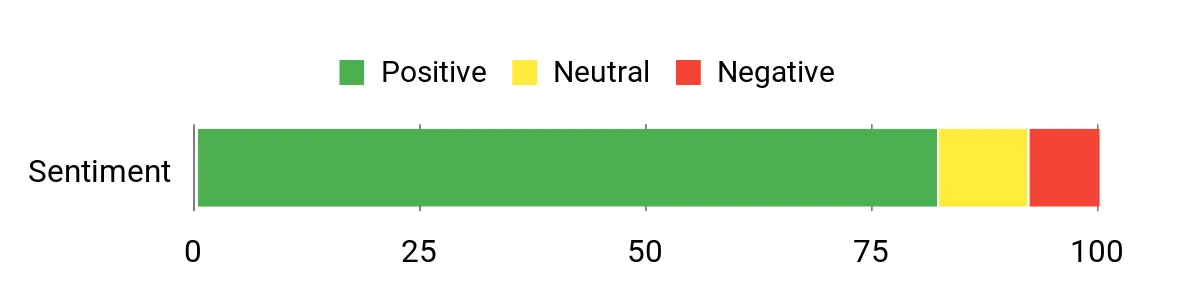
Users commonly praise the predictable arc and even bead appearance, noting the rods strike and burn consistently. Both experienced welders and newcomers report performance similar to established brands, and many appreciate the dependable behavior during multi-pass work.
A few mentioned paying attention to storage to keep rods performing at their best.
Overall Sentiment: Positive
When To Use
|
Situation |
How It Helps |
|---|---|
|
Structural Repairs |
Low-hydrogen deposits give you tougher welds that resist cracking on frames and load-bearing joints. |
|
Multi-Pass Welding |
Consistent arc and flux stability make layering passes more uniform and reduce rework. |
|
Field Work |
Predictable behavior on common stick machines means fewer surprises when welding on-site. |
|
Skill Development |
A steady, forgiving arc helps you practice heat control and bead placement with reliable feedback. |
Durability
Rods arrive straight with intact coating; store them sealed and dry to prevent moisture pickup and preserve low-hydrogen properties for reliable welds over time.
Key Benefits
- Low-hydrogen flux for reduced cracking risk
- Smooth, steady arc for better bead control
- Good for multi-pass and structural welding
- Consistent behavior across common stick machines
Rating: 4.6 (total: 1719+)
FAQ
How Do I Choose The Right Rod?
Pick the rod that fits the job and your welder. For general repairs and thin metal you’ll find E6013-style rods forgiving, easy to start and low on spatter, while E7018 low-hydrogen rods are better when strength and crack resistance matter; TIG filler like ER70S-6 is for controlled TIG work. Match rod diameter to material thickness and run a quick test on scrap to dial in amperage and technique, and remember that all-position rods make awkward repairs simpler.
How Should I Store And Maintain Rods?
Keep rods dry and sealed after you open the package because moisture affects performance, especially with low-hydrogen electrodes. If you use E7018 for structural work, store them in a rod oven or a sealed container with desiccant and follow the manufacturer’s re-drying guidelines if they get damp; for general-purpose rods a tight plastic container works fine. Keep them straight and protected so the coating stays intact and you avoid flaky or inconsistent starts.
Will These Rods Work On My Inverter Or Small Welder?
Yes, many E6013 and similar rods are friendly with inverter and small machines and strike easily without fuss. E7018 will run on most stick machines too but you’ll need to watch storage and heat settings and test on scrap to find the sweet spot; shorter TIG filler sticks are handy for tight spots but go through faster during heavy work.
Always test on scrap and adjust amperage for position and material thickness before committing to the final weld.
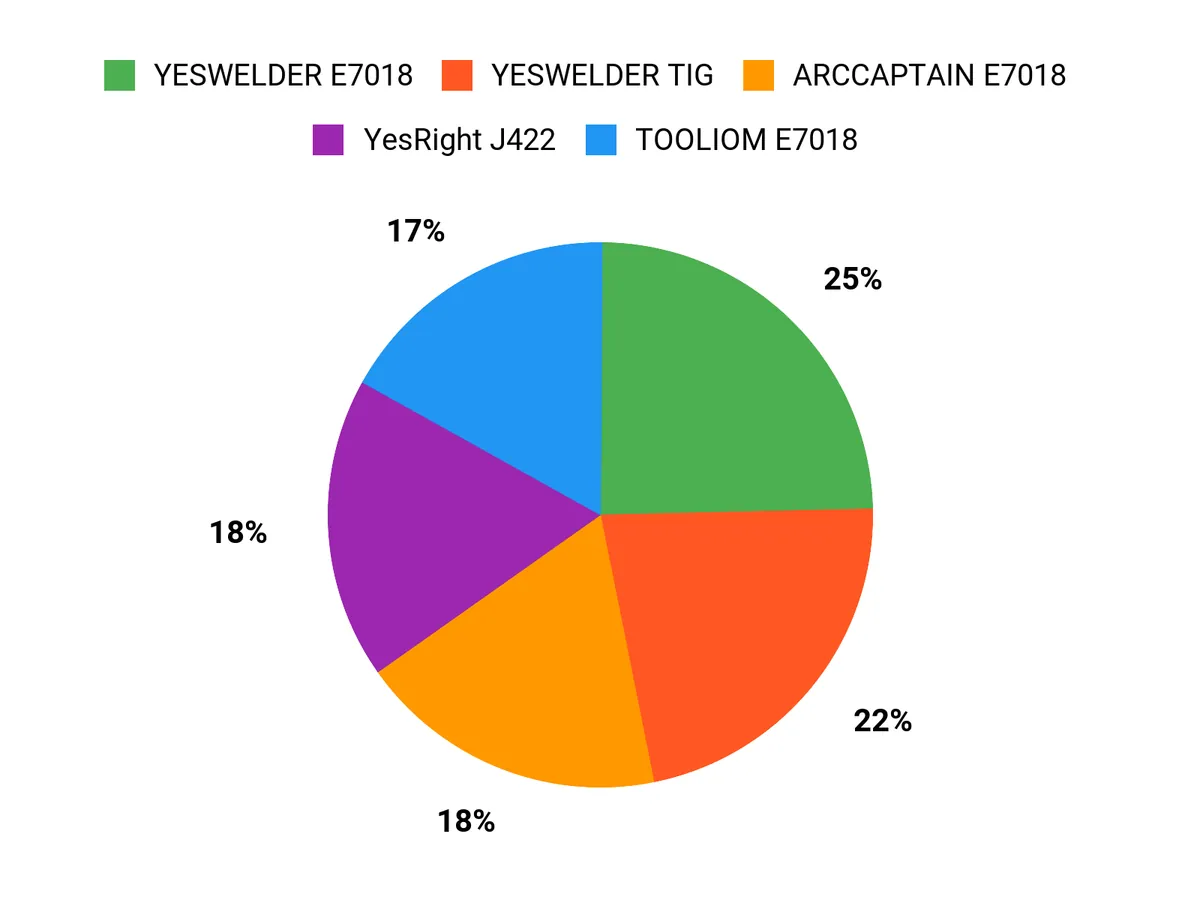
What Welders Prefer
You’ll find welders choose among these E6013 packs by looking for easy arc starts and a stable, low‑spatter run that leaves cleaner beads and less grinding. Pack size, coating quality and how the rods behave on your machine (inverter versus buzz box) usually decide it—pick the one that matches your welder, material thickness, and how much cleanup you want to avoid.
Wrapping Up
With these ten packs you can match rod type and pack size to the work you do most. If you need an easy-to-run beginner rod that sparks reliably and keeps spatter low, choose the Faiuot E6013.
If you want bulk value for general repairs, the PLOWIC and Sunstac 5lb options give usable performance at a low cost. For structural work where low-hydrogen rods matter, the TOOLIOM and ARCCAPTAIN E7018 packs offer cleaner mechanical properties.
Choose a hardfacing rod like the Forney Supercote when wear resistance is your priority, and pick TIG fillers such as the ARCCAPTAIN or YESWELDER options when filler wire control and clean finish are important. Consider your welder type, material thickness, and whether you need short sticks for tight spots before buying so you end up with rods that make your projects easier and more reliable.
| Product Name | Image | Rating | Material | Weight |
|---|---|---|---|---|
| E6013 Welding Rods 3/32” 2.5LB |
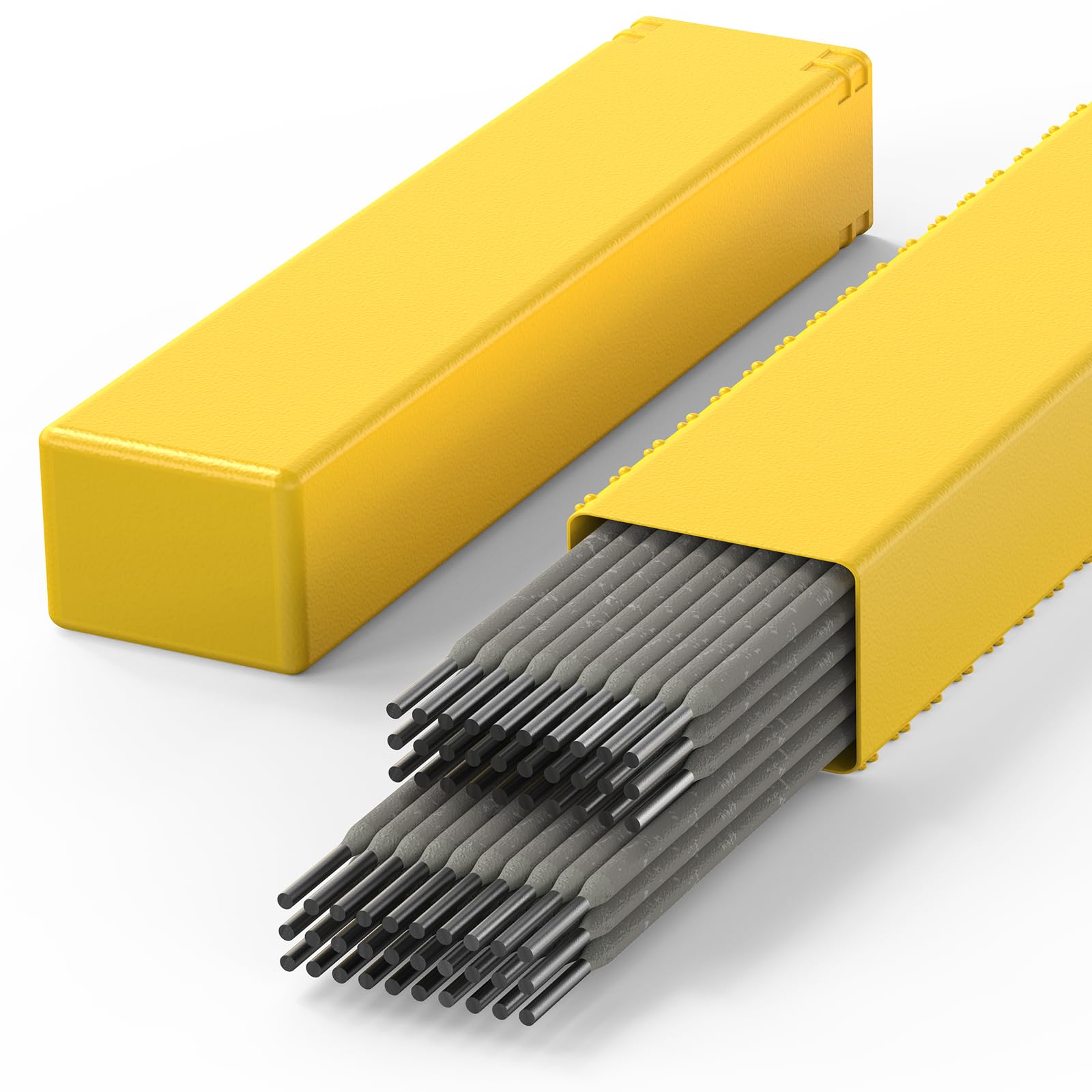 |
4.9/5 (64 reviews) | Low-Carbon Steel | 2.38 pounds |
| E6013 Welding Rods 3/32” 60 PCS |
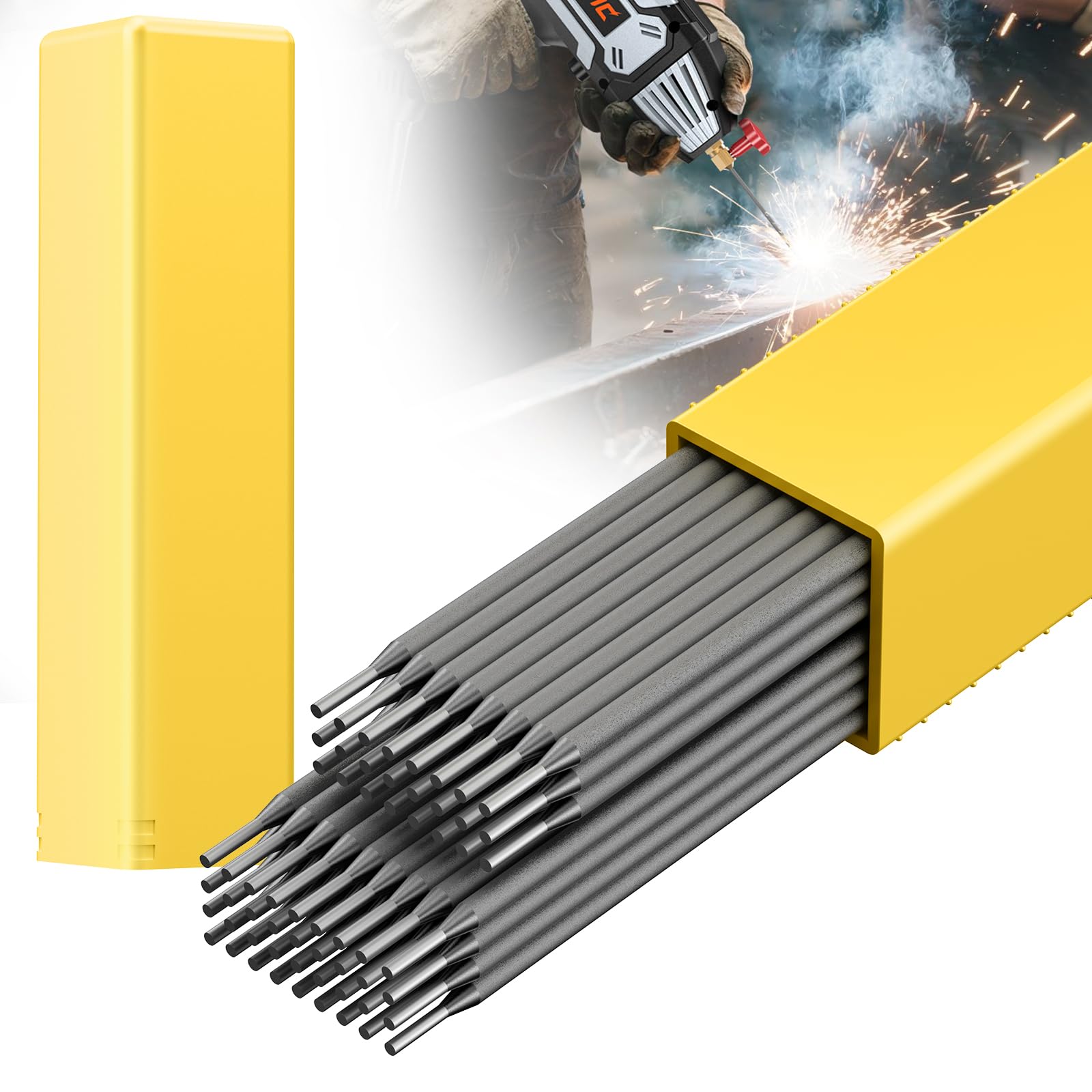 |
4.8/5 (17 reviews) | Carbon Steel | 2.31 pounds |
| E6013 Welding Rod 3/32” 5LB |
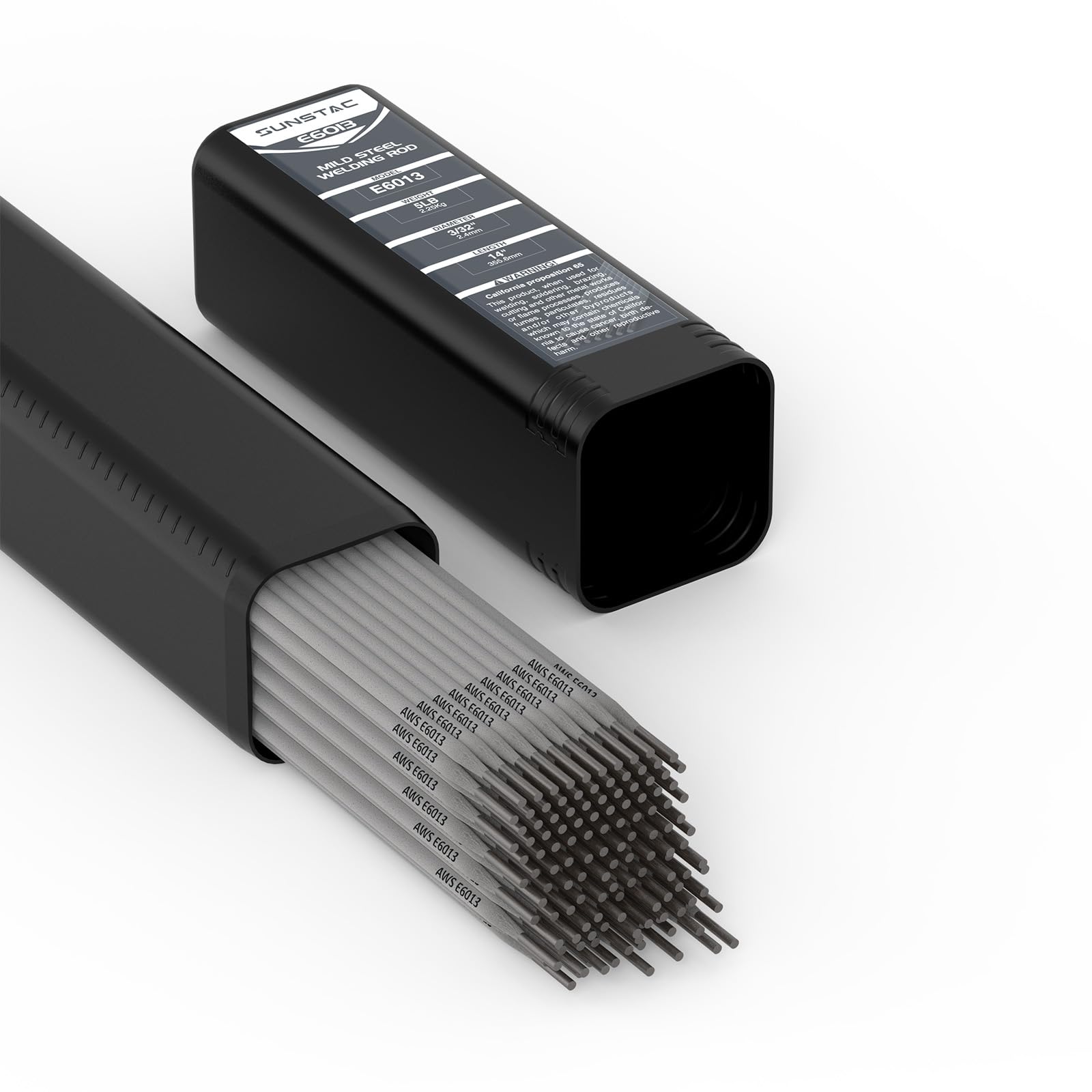 |
4.7/5 (38 reviews) | Carbon Steel | 5.21 pounds |
| TOOLIOM E7018 Low Hydrogen Welding Rod 1/8” 5LB |
 |
4.7/5 (290 reviews) | Low Hydrogen | 5.13 pounds |
| Forney 42401 Supercote Hardfacing Welding Rod |
 |
4.7/5 (184 reviews) | Super Hard Facing | 8 ounces |
| 3/32” Welding Rod J422 Carbon Steel Stick Electrodes 1LB |
 |
4.7/5 (358 reviews) | J422 Carbon Steel | 15.8 ounces |
| ARCCAPTAIN Mild Steel TIG Welding Rod ER70S-6 1/16″ 5LB |
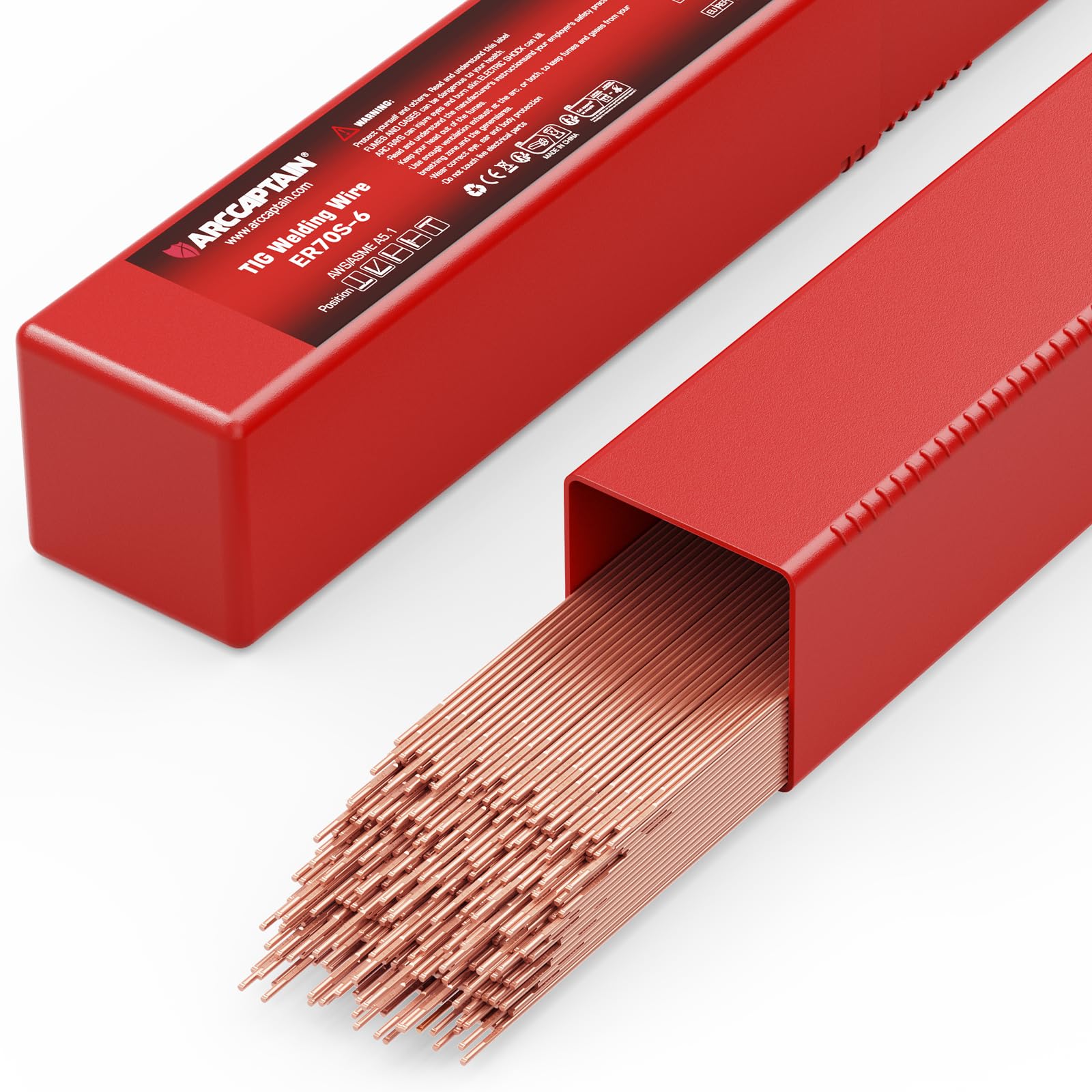 |
4.7/5 (200 reviews) | Mild Steel | 5.41 pounds |
| ARCCAPTAIN E7018 Welding Rod 1/8” 10LB |
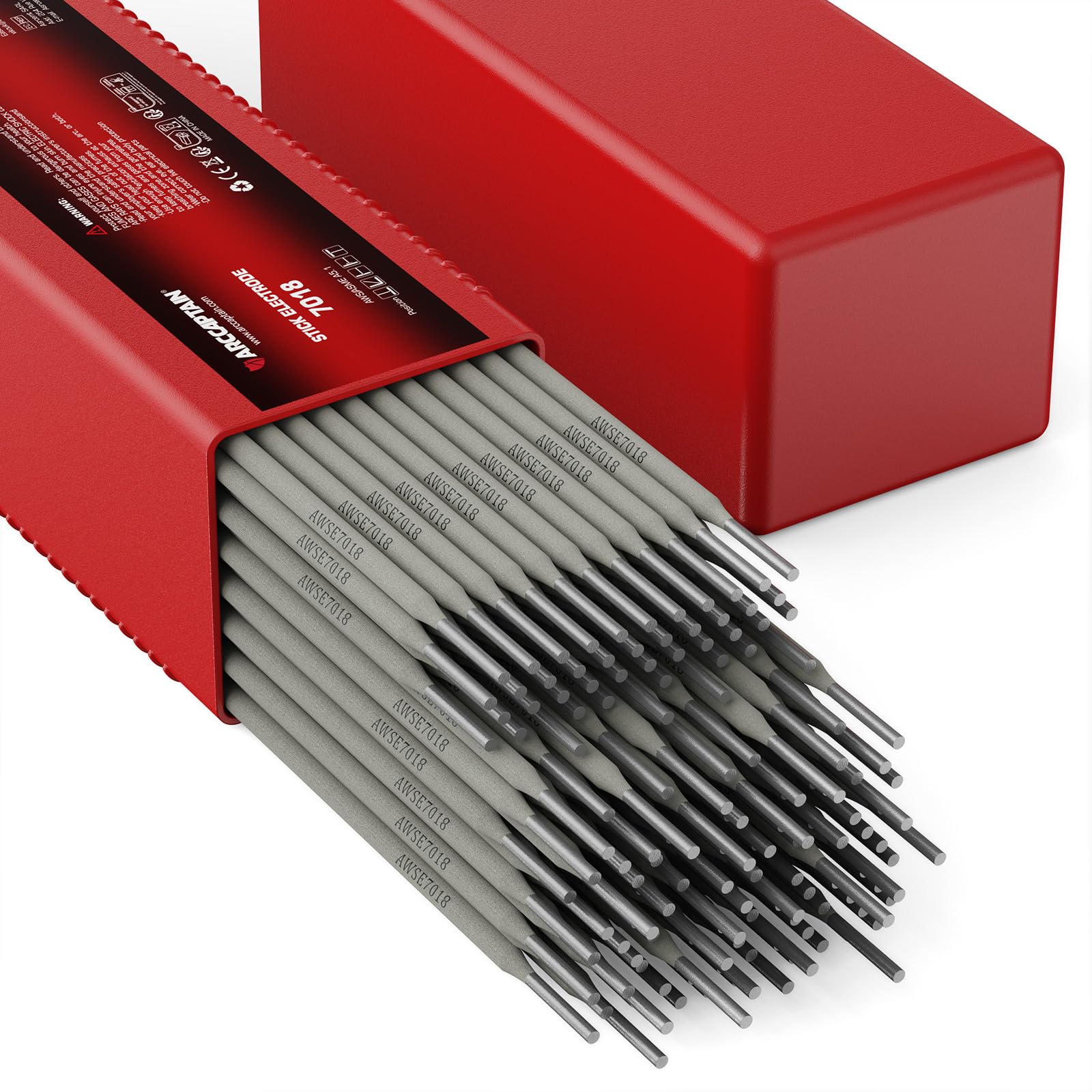 |
4.6/5 (457 reviews) | Low Hydrogen | 10.21 pounds |
| YESWELDER Mild Steel TIG Welding Rod ER70S-6 1/16″x16″ 5LB |
 |
4.7/5 (901 reviews) | Mild Steel | 5 pounds |
| YESWELDER E7018 3/32” 5LB Welding Rod |
 |
4.6/5 (1719 reviews) | Low Hydrogen | 5.19 pounds |
This Roundup is reader-supported. When you click through links we may earn a referral commission on qualifying purchases.