Disclosure: As an Amazon Associate I earn from qualifying purchases. Buying through these links costs you nothing extra.
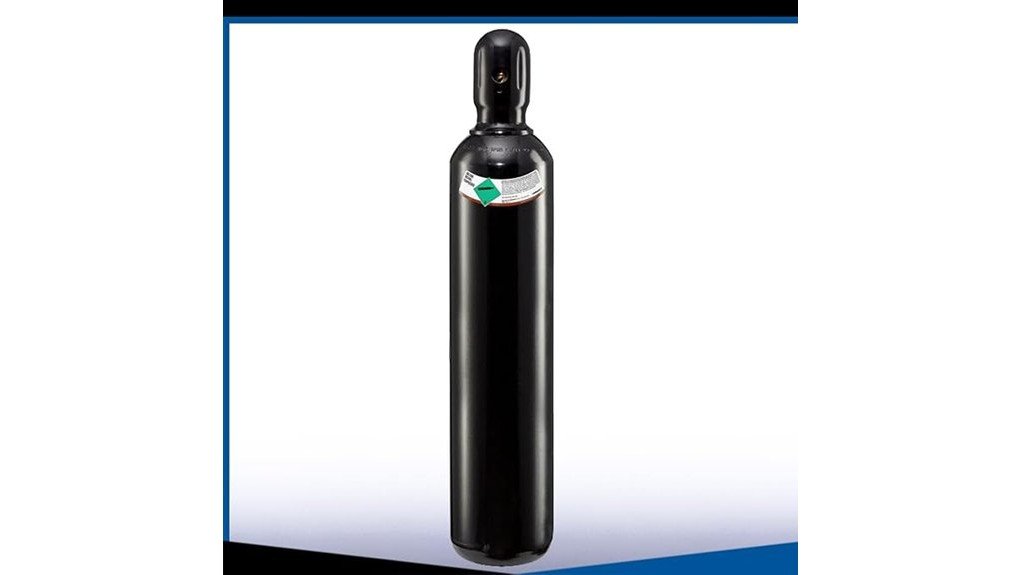
The 80 cu/ft argon cylinder tank is a steel high-pressure cylinder with a CGA 580 valve, sized for TIG welding and for MIG on aluminum or other non-ferrous metal that needs a pure argon shield. At 80 cubic feet of gas it is a common home-shop size: big enough to last many hours of welding, small enough to move with a cart. The main thing to confirm before you buy is whether the listing ships the cylinder filled or empty, and whether your local supplier will refill a cylinder you own.
80 Cu/Ft Argon Cylinder: Key Specs
| Spec | Detail |
|---|---|
| Capacity | 80 cubic feet of gas (per the listing) |
| Gas | Argon, used as shielding gas for TIG and for MIG on aluminum |
| Valve connection | CGA 580 (the standard inert-gas outlet; match your regulator) |
| Weight and size on the listing | 50 lb and 6 x 1 x 36 in; these look like shipping figures and may not match the cylinder, so check before planning storage or transport |
| Fill status | Check the listing: filled or empty, and who fills it |
| Shipping | The listing reportedly limits delivery to the lower 48 states; confirm before ordering |
| Test marking | DOT markings and a stamped test date should be visible on the cylinder |
Who This Cylinder Suits
- TIG welders who want a pure argon supply for steel, stainless or aluminum.
- MIG welders on aluminum who use straight argon.
- Small shops that want a cylinder they can carry and refill locally.
For MIG on mild steel most welders use an argon/CO2 mix instead. See the 80 cu/ft welding gas cylinder review for the 75/25 mix cylinder.
How Long Does 80 Cu/Ft of Argon Last?
Runtime is cubic feet divided by flow rate in cubic feet per hour (CFH). As an example, at 15 CFH an 80 cu/ft cylinder gives roughly five hours of gas flow (80 divided by 15). Real use is less, because gas only flows while you weld and you purge before and after. Use the flow rate your welder manual or filler-metal guide recommends, and watch the regulator pressure gauge as the cylinder empties.
Before You Order: Fill, Refill and Safety Checks
- Confirm filled or empty. If it ships empty, you must have it filled before use.
- Call your local welding supplier. Ask whether they refill or exchange customer-owned cylinders and what they require.
- Check the stamped markings and test date when it arrives. Suppliers will not fill a cylinder that is out of test.
- Match the regulator. CGA 580 needs an argon-rated regulator and flowmeter with a matching nut. See the HTP argon flow meter review.
- Plan how you will secure it. Chain or strap the cylinder upright, keep the valve cap on when moving it, and never lift it by the valve.
Safe Handling and Storage
- Keep the cylinder upright and secured to a cart, wall or rack.
- Store away from heat, sparks and direct sun. Argon does not burn, but a heated cylinder builds pressure.
- Open the valve slowly with the regulator backed off, and stand to the side of the gauges.
- Check connections for leaks with soapy water, not a flame.
- Use argon in a ventilated space. A large leak in a small closed room can displace air.
A wheeled cart makes an 80 cu/ft cylinder much easier to move; see the AosBet welding cart review.
Pros and Limitations
Pros: a practical home-shop size, a standard CGA 580 outlet, and a pure argon fill that suits TIG and aluminum.
Limitations: it is heavy to move, the listing does not make fill status or exact dimensions clear, and it is the wrong gas for MIG on mild steel. Buyer feedback is worth checking on the listing page.
Frequently Asked Questions
Does this argon cylinder come filled?
Check the listing. Some online cylinders ship empty and need a fill from a local supplier, so confirm this before you order and ask your supplier about refills.
What regulator fits an 80 cu/ft argon cylinder?
Argon cylinders use a CGA 580 outlet. Use an argon-rated regulator and flowmeter with a matching CGA 580 connection, not an oxygen or fuel-gas regulator.
Is argon right for MIG welding?
Straight argon suits aluminum and other non-ferrous MIG work and is the standard gas for TIG. For MIG on mild steel, most welders use an argon and CO2 mix, so check your wire and welder manual.
How do I know the cylinder is safe to use?
Look for DOT markings and a stamped test date, check the valve and threads for damage, and refuse a cylinder that is out of test or dented. Your gas supplier can inspect it before filling.
Can I refill it at any welding supply store?
Many suppliers fill or exchange customer-owned cylinders, but policies vary. Call first and ask what they require.
Final Thoughts
An 80 cu/ft argon cylinder is a sensible size for TIG and aluminum work in a home shop. Confirm whether the listing is filled or empty, check the test date on arrival, and line up a local refill before you order.
{
“@context”: “https://schema.org”,
“@type”: “FAQPage”,
“mainEntity”: [
{
“@type”: “Question”,
“name”: “Does this argon cylinder come filled?”,
“acceptedAnswer”: {
“@type”: “Answer”,
“text”: “Check the listing. Some online cylinders ship empty and need a fill from a local supplier, so confirm this before you order and ask your supplier about refills.”
}
},
{
“@type”: “Question”,
“name”: “What regulator fits an 80 cu/ft argon cylinder?”,
“acceptedAnswer”: {
“@type”: “Answer”,
“text”: “Argon cylinders use a CGA 580 outlet. Use an argon-rated regulator and flowmeter with a matching CGA 580 connection, not an oxygen or fuel-gas regulator.”
}
},
{
“@type”: “Question”,
“name”: “Is argon right for MIG welding?”,
“acceptedAnswer”: {
“@type”: “Answer”,
“text”: “Straight argon suits aluminum and other non-ferrous MIG work and is the standard gas for TIG. For MIG on mild steel, most welders use an argon and CO2 mix, so check your wire and welder manual.”
}
},
{
“@type”: “Question”,
“name”: “How do I know the cylinder is safe to use?”,
“acceptedAnswer”: {
“@type”: “Answer”,
“text”: “Look for DOT markings and a stamped test date, check the valve and threads for damage, and refuse a cylinder that is out of test or dented. Your gas supplier can inspect it before filling.”
}
},
{
“@type”: “Question”,
“name”: “Can I refill it at any welding supply store?”,
“acceptedAnswer”: {
“@type”: “Answer”,
“text”: “Many suppliers fill or exchange customer-owned cylinders, but policies vary. Call first and ask what they require.”
}
}
]
}