Hardware Cloth 1/2 Inch Review
By Garage Welding | Last updated: June 13, 2026
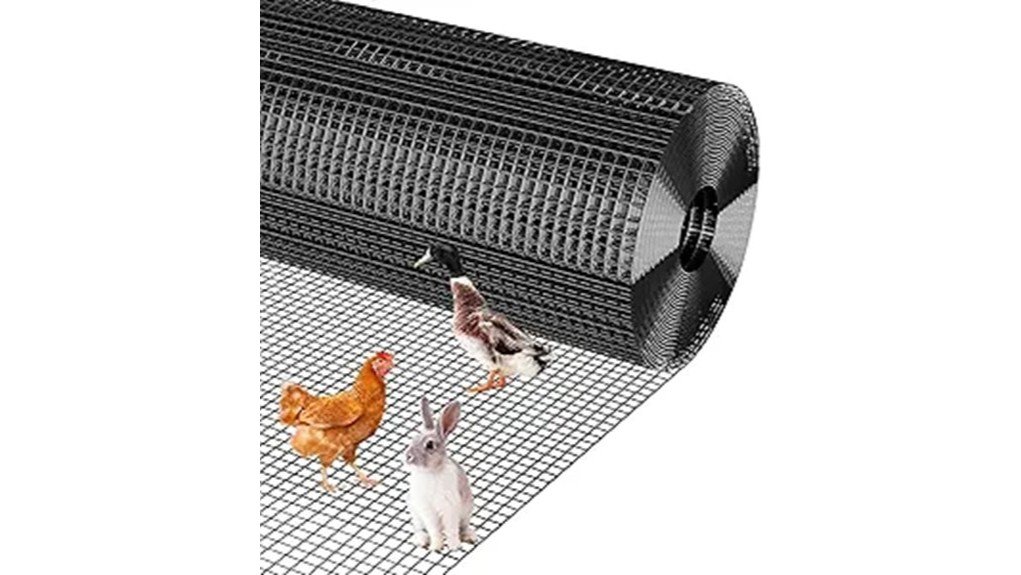
Hardware cloth with 1/2 inch mesh is made for jobs where regular chicken wire is not strong enough. This article looks at the 1/2 inch hardware cloth linked in this review, using only the details already provided in the article: 19-gauge galvanized steel, welded mesh, rust resistance, and use for gardens, livestock areas, chicken coops, rabbit cages, and pest control.
Verdict
This 1/2 inch hardware cloth is a practical choice for buyers who need a stronger barrier than chicken wire. Its 19-gauge galvanized steel and welded mesh design make it useful for garden fencing, chicken coops, rabbit cages, and other small animal or pest-control projects. Check the current Amazon listing before buying, since size options and listing details can change.
Key Specs
| Specification | Detail |
|---|---|
| Product Type | Hardware cloth |
| Mesh Size | 1/2 inch |
| Wire Gauge | 19 gauge |
| Material | Galvanized steel |
| Mesh Type | Welded mesh |
| Common Uses | Gardens, chicken coops, rabbit cages, livestock areas, pet enclosures, and pest barriers |
| ASIN | B0FRDNG5K9 |
What Is This Product?
This product is 1/2 inch hardware cloth made from 19-gauge galvanized steel. The welded mesh design creates a stronger barrier than many basic wire fencing options. It is used for outdoor protection where airflow is still needed, such as garden beds, chicken coops, rabbit cages, and pet enclosures.
The 1/2 inch openings are small enough to help block many rodents and smaller pests, while still allowing air and visibility through the fence. The galvanized steel construction helps resist rust and weather damage during outdoor use.
Who It Is For
This hardware cloth is a good fit for gardeners, chicken keepers, pet owners, and DIY users who need a durable barrier for outdoor spaces. It makes sense for raised beds, vegetable gardens, coop runs, rabbit cages, and small livestock protection.
It is also useful for custom projects because it can be cut to size with tin snips. That makes it easier to shape around frames, vents, doors, and irregular fence sections.
Who Should Skip It
Skip this product if you only need a light visual barrier or a temporary fence. Chicken wire may be enough for some low-risk projects where pest protection is not the main concern.
You should also check the current Amazon listing carefully if you need a specific roll size, width, length, or finish. Those details are not confirmed in the provided article HTML.
Key Features
- 1/2 inch mesh: The small openings help block rodents, snakes, and smaller pests better than wider fencing.
- 19-gauge galvanized steel: The article describes the wire as heavy-duty galvanized steel for outdoor durability.
- Welded mesh design: Welded joints help the cloth hold its shape and resist deformation during use.
- Rust and weather resistance: The galvanized coating helps protect the steel in outdoor conditions.
- Customizable fit: It can be cut with tin snips for fencing, cages, vents, and garden projects.
Real-World Use
In garden projects, 1/2 inch hardware cloth can be used around raised beds, along fence bottoms, or under planter boxes to reduce pest access. It is stronger than basic chicken wire and gives better protection against small animals that can squeeze through larger openings.
For chicken coops and rabbit cages, the welded mesh can help protect animals while keeping the enclosure ventilated. It can be fastened to wood frames with staples or screws. Wear gloves when handling and cutting it, since cut wire edges can be sharp.
For best results, measure the project area first, cut the cloth with tin snips, and secure it tightly to a stable frame. If using it outdoors, check the fasteners over time and repair loose sections before pests can find gaps.
Hardware Cloth vs. Chicken Wire
Hardware cloth and chicken wire are not the same. Chicken wire is usually lighter and easier to bend, but it is not as secure against small pests. It may help contain birds in some situations, but it is not the best choice when rodents, snakes, or chewing animals are a concern.
Hardware cloth is better for security-focused projects. The 1/2 inch welded mesh gives a tighter barrier, and the 19-gauge galvanized steel construction adds strength for outdoor use. For coops, garden beds, and small animal enclosures, it is often the safer option.
How to Install and Customize Hardware Cloth
- Measure the area: Measure the frame, garden bed, or enclosure before cutting.
- Wear gloves: Galvanized wire can have sharp cut edges.
- Cut to size: Use tin snips for clean cuts and a better fit.
- Secure it firmly: Use staples, screws, washers, or suitable fasteners for the surface.
- Check for gaps: Pay close attention to corners, doors, and the bottom edge, since pests often enter there.
Pros and Cons
Pros
- 1/2 inch mesh helps block rodents and smaller pests
- 19-gauge galvanized steel is stronger than many basic wire fencing options
- Welded mesh design helps the cloth keep its shape
- Can be cut with tin snips for custom garden, coop, and cage projects
Cons
- Cut edges can be sharp, so gloves are needed during installation
- Specific roll size and dimensions should be checked on the current Amazon listing
- May be more material than needed for very light indoor or temporary projects
Is It Worth the Price?
This hardware cloth is worth considering if your project needs strength, pest resistance, and outdoor durability. The value comes from the 1/2 inch welded mesh and 19-gauge galvanized steel construction, not from extra features or accessories.
It is a better value for long-term garden and animal enclosure projects than thin wire that may bend, tear, or leave gaps. Before buying, compare the current roll size on Amazon with the area you need to cover.
Alternatives to Consider
- YARDGARD Hardware Cloth: A common hardware cloth option for garden and small animal enclosure projects.
- Fencer Wire Hardware Cloth: Another similar welded wire mesh product often used for outdoor barriers.
- Amagabeli Hardware Cloth: A comparable option for garden fencing, chicken coops, and pest-control applications.
Frequently Asked Questions
Can This Hardware Cloth Be Used Indoors?
Yes. It can be used indoors for vents, small barriers, craft projects, or critter-control areas. For indoor use, cover or bend back sharp cut edges to reduce the risk of scratches.
Is It Safe for Pets and Animals?
It can be safe for pets and animals when installed correctly. Make sure the cloth is secured tightly, cut edges are not exposed, and there are no gaps where an animal can get stuck or escape.
How Does It Perform in Extreme Weather Conditions?
The article describes it as galvanized steel that resists rust and weather damage. For harsh outdoor conditions, inspect it regularly for loose fasteners, bent areas, or corrosion.
What Tools Are Needed for Installation?
Common tools include tin snips for cutting, gloves for hand protection, a tape measure, and fasteners such as staples or screws. A hammer, staple gun, or drill may also be useful depending on the frame material.
Can It Be Painted or Stained?
It may be painted if you use a coating made for galvanized metal. Stain is not a good fit for metal mesh. If you paint it, clean the surface first and follow the paint maker’s instructions.
Is Hardware Cloth Better Than Chicken Wire?
For pest protection, hardware cloth is usually the better choice. Its welded mesh and smaller openings make it harder for rodents and smaller pests to get through compared with many chicken wire products.
Final Verdict
This 1/2 inch hardware cloth is a strong option for garden protection, chicken coops, rabbit cages, pet enclosures, and other DIY barriers. The 19-gauge galvanized steel and welded mesh design make it more secure than standard chicken wire for many outdoor projects.
Buy it if you need a durable, cut-to-fit mesh barrier. Skip it if you only need a light temporary fence or if the current Amazon listing does not match the size your project requires.