Disclosure: As an Amazon Associate, we earn from qualifying purchases. If you click a link on this page and make a purchase, we may receive a small commission at no extra cost to you.
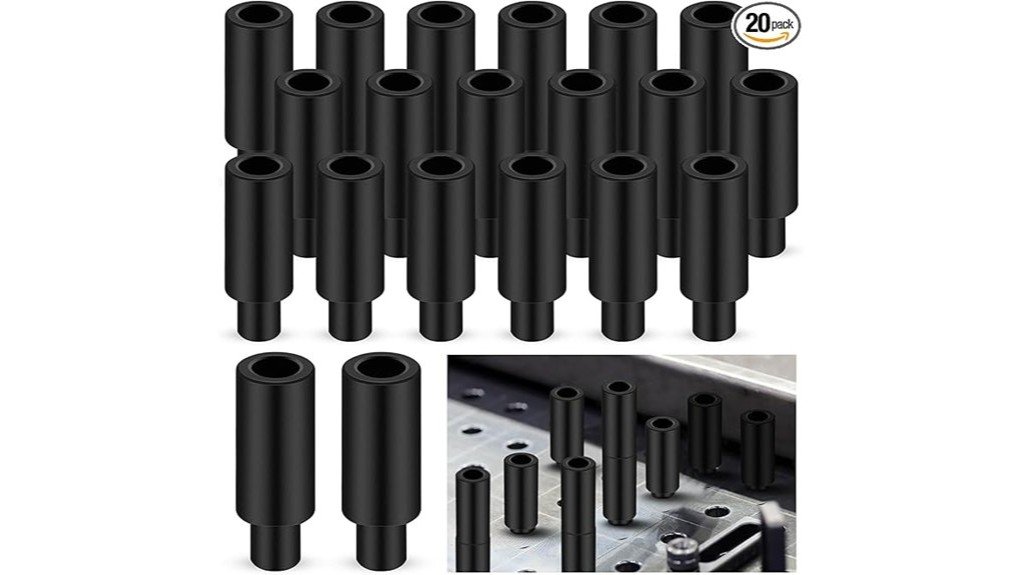
Keeping metal parts square, steady, and repeatable can slow you down when your welding table setup relies only on clamps and guesswork. The Hicarer Welding Table Fixture Pins are made to help you position workpieces on 5/8-inch aperture welding tables with less movement during layout and tack welding. This review looks at the pin size, carbon steel build, 20-piece pack, setup benefits, and the main fit limitation you should check before buying. The set makes the most sense if your table uses 5/8-inch holes, but it is not a universal fit for every welding table.
Quick Verdict
Rating: 7.6/10
Best For: Welders who use 5/8-inch hole welding tables and want simple fixture pins for repeatable part alignment.
Bottom Line: The Hicarer Welding Table Fixture Pins are useful for quick positioning, repeat setups, and reducing workpiece movement on compatible tables. The main tradeoff is fit, because they are designed around 5/8-inch apertures and should not be treated as load-rated support hardware unless the seller provides a rating.
Key Specifications
| Specification | Detail |
|---|---|
| Brand | Hicarer |
| Product type | Welding table fixture pins |
| Height | 2 inches |
| Outer diameter | 1 inch |
| Bottom diameter | 5/8 inch |
| Material | Carbon steel |
| Quantity | 20 pieces per pack |
| Compatibility | Designed for 5/8-inch aperture welding tables |
| Works with | Compatible table clamps and positioning setups |
| Best use | Workpiece alignment, repeat positioning, layout support, and welding table setup |
| Care note | Keep dry, clean off debris after use, and store away from moisture to help limit rust on carbon steel. |
Before You Buy: Confirm your welding table uses 5/8-inch holes before ordering. These pins are not described as a universal fit for metric tables, larger 3/4-inch systems, or custom tables with worn or oversized holes.
Key Takeaways
- The Hicarer Welding Table Fixture Pins are built for 5/8-inch aperture welding tables.
- Each pin is 2 inches tall with a 1-inch outer diameter and a 5/8-inch bottom diameter.
- The carbon steel construction gives the pins a sturdy feel for repeated positioning work.
- The 20-piece pack helps when you need several stops or reference points across one table setup.
- They are best used for alignment and positioning, not as a substitute for proper clamping or load-rated support.
What Is the Hicarer Welding Table Fixture Pins Set?
The Hicarer Welding Table Fixture Pins set is a 20-piece group of metal pins designed to fit welding tables with 5/8-inch apertures. Each pin stands 2 inches tall, has a 1-inch outer diameter, and uses a 5/8-inch bottom diameter so it can sit in compatible table holes.
These pins work as simple locating points for parts, clamps, and repeat layouts. Instead of measuring the same edge position again and again, you can place fixture pins in the table holes and use them as physical stops while you align workpieces.
The set is most useful for small fabrication shops, DIY welders, and metalworkers who need a basic way to reduce workpiece movement during setup. It does not replace clamps, squares, or good fit-up practice, but it can make those tools easier to use on the right table.
Who Should Buy It?
Best For
- You use a welding table with 5/8-inch aperture holes.
- You need repeatable stops for brackets, frames, tabs, or small fabrication parts.
- You want a 20-piece set so you can place several reference points at once.
Skip If
- Your welding table uses 3/4-inch, metric, or non-standard holes.
- You need pins with a verified weight rating or a stated coating.
- You want a complete fixture system with clamps, squares, and stops included.
Fit and Compatibility
Fit is the most important buying detail with this set. The pins are described for 5/8-inch aperture tables, and the bottom diameter is listed as 5/8 inch. That makes them a practical match for welding tables built around that hole size.
If your table holes are larger, smaller, damaged, heavily worn, or filled with spatter, the pins may not sit correctly. A loose pin can reduce accuracy, while a tight or dirty hole can make setup frustrating. Measure your table holes before buying, especially if you use a custom table or an older top.
Materials and Build Quality
The pins are made from carbon steel, which is a sensible material for shop accessories that need to handle repeated placement and contact with metal parts. Carbon steel gives the pins a more durable feel than plastic layout aids and helps them stand up to normal fixture work.
The tradeoff is corrosion care. Carbon steel is not the same as stainless steel, and the original product details do not confirm a rust-resistant coating. You should wipe the pins clean after use and keep them away from moisture when they are not on the table.
Ease of Use and Setup
The basic setup is simple: place the pins in compatible 5/8-inch table holes, position your workpiece against them, then clamp the workpiece before welding. This helps turn the pins into reference points instead of relying only on hand placement.
The 2-inch height gives you enough vertical contact for many small positioning tasks. It can help when aligning flat bar, tubing, plates, brackets, or tabs against a fixed edge. For taller or heavier workpieces, you should still use suitable clamps and supports.
Pro Tip: Before your first project, test several pins in different table holes and mark any loose or tight spots on the table. Clean spatter and debris from the holes so the pins sit more consistently.
Alignment and Welding Precision
Fixture pins help most when you need parts to return to the same position across multiple pieces. Once you place the pins, they give your workpiece a repeatable edge or stop point. That can reduce measuring time during batch work and make tack welding feel more controlled.
They also help lower the chance of small parts drifting before you clamp them. This does not remove the need for a square, tape measure, or proper clamping pressure, but it gives you another stable reference on the table.
How It Performs in Real Use
For Small Fabrication Parts
For tabs, brackets, small plates, and short pieces of flat bar, these pins can speed up layout. You can set a simple stop line with several pins, place the workpiece against them, and clamp once the part is square.
For Repeat Layouts
The 20-piece pack is useful when you need more than one reference point. You can place multiple pins along a line or create a basic corner setup so repeated parts start from the same position.
For Table Clamp Setups
The original article notes compatibility with table clamps, so these pins make sense as part of a broader table setup. Use them to locate the work, then use clamps to hold the part firmly before welding.
For Long-Term Shop Use
Carbon steel can hold up well for repeated shop handling, but long-term use depends on care. Keep the pins dry, remove metal dust, and avoid leaving them where water, coolant, or outdoor humidity can sit on the surface.
Setup Tips Before First Use
- Measure your table holes: Confirm that your table uses 5/8-inch apertures before you rely on the fit.
- Clean the table surface: Remove slag, spatter, and grinding dust from the holes so the pins seat correctly.
- Use pins as stops, not clamps: Position the workpiece with the pins, then secure it with the right clamp for the job.
- Check squareness: Use a square or measuring tool before tack welding, especially on frames or right-angle joints.
- Store them together: Keep the 20 pieces in a small bin, pouch, or drawer so they do not get lost around the bench.
Compatibility and Safety
These pins are best treated as positioning accessories. They can help line up workpieces, but the article does not provide a verified load rating. Do not use them as lifting points, jack supports, or primary structural supports unless the seller or manufacturer provides clear limits.
Because the pins are carbon steel, they may get hot if placed near active weld areas. Let the setup cool before handling the pins, and follow normal shop safety practices for gloves, eye protection, and safe workpiece support.
Pros and Cons
Pros
- Designed for 5/8-inch aperture welding tables.
- 2-inch height provides a useful stop surface for many layout tasks.
- Carbon steel construction supports repeated shop use.
- 20-piece pack gives you enough pins for multi-point setups.
- Helpful for faster repeat positioning when used with proper clamps.
Cons
- Limited to tables that match the 5/8-inch fit.
- No verified weight capacity is provided in the article.
- Carbon steel may need dry storage and basic rust prevention.
Is It Worth the Price?
The Hicarer Welding Table Fixture Pins offer strong value for the price if you already own a compatible 5/8-inch welding table. The 20-piece count is useful because fixture work often needs more than one stop point, especially when you are setting up corners, edges, or repeated parts.
This is a smart buy for everyday shop use if your goal is faster alignment and simpler workpiece positioning. It is not the best fit if you need a full clamping kit, a verified load-rated fixture component, or pins for a different table hole size.
How It Compares to Alternatives
Compared with magnetic welding squares, these pins are better for table-based repeat positioning because they use the table holes as reference points. Magnetic squares may be more flexible on surfaces without holes, but they can shift if the surface is dirty, curved, or not magnetic enough.
Compared with standard clamps or hold-down clamps, the Hicarer pins are simpler and faster for creating stops. They do not replace clamps, but they pair well with them when you want the workpiece to land in the same place before you tighten everything down.
Frequently Asked Questions
Do the Hicarer Welding Table Fixture Pins fit every welding table?
No. They are described for 5/8-inch aperture tables, so you should confirm your table hole size before buying. They are not listed as a universal fit for 3/4-inch, metric, or custom hole patterns.
What are the main dimensions of these fixture pins?
Each pin is listed as 2 inches tall with a 1-inch outer diameter and a 5/8-inch bottom diameter. Those measurements matter because the bottom diameter controls table-hole fit.
How many pins come in the pack?
The article-supported package detail is 20 pieces per pack. That count gives you enough pins for multiple stops, corners, or reference points on a single table setup.
Can these pins replace welding clamps?
No. Use them as positioning pins or stops, then secure the workpiece with the right clamps before welding. Pins can help reduce setup movement, but they are not a full clamping system.
Are the pins rust-resistant or coated?
The article identifies the pins as carbon steel, but it does not verify a rust-resistant coating. Store them dry and wipe off debris after use to help protect the surface.
What weight capacity do these fixture pins have?
A verified weight capacity is not provided in the supplied article. Treat the pins as alignment and positioning accessories, not as load-rated supports, unless the seller provides a specific rating.
How should you clean them after use?
Brush off metal dust, spatter, and shop debris after use. If you use a solvent or cleaner, dry the pins fully before storage because the carbon steel material may be vulnerable to rust.
Who should skip this set?
Skip it if your table does not use 5/8-inch holes or if you need a complete fixture kit with clamps included. You should also compare other options if you need coated pins or published load ratings.
The Bottom Line
The Hicarer Welding Table Fixture Pins are worth considering if you use a 5/8-inch aperture welding table and want a simple 20-piece set for alignment, stops, and repeat positioning. Their main strength is practical setup control, while the main limitation is compatibility with only the right table-hole size and the lack of a verified weight rating in the supplied article.