
Disclosure: As an Amazon Associate, we earn from qualifying purchases. If you click a link on this page and make a purchase, we may receive a small commission at no extra cost to you.
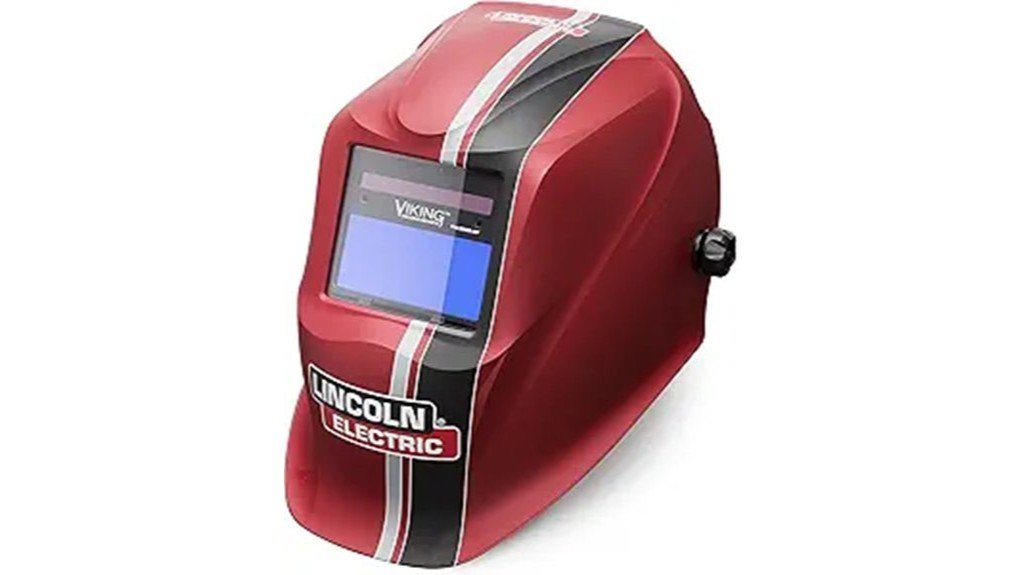
Choosing a welding helmet comes down to one simple question: can you see the puddle clearly while staying comfortable and protected? The Lincoln Electric Viking 1740 focuses on that balance with 4C Lens Technology, a 1/1/1/1 optical clarity rating, adjustable shade control, and a lightweight 1.5-pound design. This review helps you decide if its clear lens, grind mode indicator, and comfort features fit your welding setup. It is a strong option for welders who want better visibility, but you should still confirm the exact shade needs for your process before you buy.
Quick Verdict
Rating: 8.3/10
Best For: Welders who want a clear auto-darkening helmet with adjustable shade, sensitivity, delay, and a lightweight fit for longer sessions.
Bottom Line: The Lincoln Electric Viking 1740 is worth considering if lens clarity and comfort matter most. Its main tradeoff is that you need to match its shade range and settings to your exact welding process and amperage.
| Specification | Detail |
|---|---|
| Brand | Lincoln Electric |
| Model | Viking 1740 |
| Product type | Auto-darkening welding helmet |
| Lens technology | 4C Lens Technology |
| Optical clarity rating | 1/1/1/1 |
| Variable shade range | 9-13 |
| Sensitivity control | Adjustable |
| Delay control | User-defined |
| Grind mode | Green flashing LED indicator |
| Weight | Approximately 1.5 pounds |
| Power | AAA batteries |
| Warranty | 5 years, as stated in the source article |
| Best use | Welding jobs where lens clarity, comfort, and adjustable shade control matter |
What Is the Lincoln Electric Viking 1740?
The Lincoln Electric Viking 1740 is an auto-darkening welding helmet built around visibility and comfort. Its main feature is 4C Lens Technology, which is designed to give you a clearer view of the arc and weld puddle with less color distortion than a basic dark lens.
The helmet also gives you a 1/1/1/1 optical clarity rating, variable shade settings from 9 to 13, adjustable sensitivity, and user-defined delay control. Those settings matter because different welding conditions can create different arc brightness, reflection, and viewing needs.
At about 1.5 pounds, the Viking 1740 stays manageable for longer sessions. It also includes comfort-focused headgear padding and a grind mode indicator with a green flashing LED, which helps you avoid leaving the helmet in the wrong mode by accident.
Before You Buy: Match the helmet’s shade range, safety requirements, and settings to your welding process, amperage, and workplace rules. Do not rely on any helmet setting until you confirm it is appropriate for the job.
Who Should Buy It?
Best For
- Welders who want a clearer view of the arc and puddle.
- Users who need adjustable shade, sensitivity, and delay controls.
- DIY welders, hobbyists, and professionals who value lighter headgear for longer work sessions.
Skip If
- You need a helmet with a shade range outside 9-13.
- You want the cheapest possible welding helmet for occasional use.
- You prefer a helmet only after verifying every current listing detail with the seller or manufacturer.
Exceptional Lens Technology
The biggest reason to consider the Lincoln Electric Viking 1740 is its lens system. The helmet uses 4C Lens Technology, which aims to improve color accuracy and make the weld puddle easier to read while you work.
The 1/1/1/1 optical clarity rating is a key selling point because it points to strong performance in optical class, light diffusion, luminous transmittance variation, and angle dependence. In everyday terms, that means the lens is built to reduce blur, distortion, and uneven brightness.
Better lens clarity can help when you need to track the puddle edge, position your electrode, or judge travel speed. It does not replace skill, clean material, or the right machine setup, but it can make the work easier to see.
Comfort and Headgear Usability
A welding helmet can have great optics and still feel frustrating if it gets heavy or shifts on your head. The Viking 1740 weighs about 1.5 pounds, which helps reduce neck strain during longer sessions compared with heavier head protection.
The article-supported headgear details include improved padding and adjustment for different head sizes. A better fit helps keep the lens in the right position and reduces the need to pause work just to readjust the helmet.
The comfort advantage matters most if you weld for longer stretches, switch between setup and welding often, or need to keep both hands focused on the workpiece. For short, occasional tasks, the benefit may feel less dramatic.
Customizable Settings for Better Control
The Viking 1740 includes variable shade settings from 9 to 13. That gives you a practical range for many common arc welding tasks, but you still need to choose the correct shade for the process and amperage.
Adjustable sensitivity helps the helmet respond to arc brightness in different lighting conditions. Delay control lets you decide how quickly the lens returns to a lighter state after the arc stops, which can help when the weld area remains bright for a moment.
The grind mode indicator is also useful because the green flashing LED gives you a visible reminder. That matters because welding in the wrong mode can create a serious safety issue.
Pro Tip: Before starting a new weld, check the shade, sensitivity, delay, and grind mode indicator while you are away from the arc. A quick settings check can prevent visibility problems and unsafe mode mistakes.
How It Performs in Real Use
For Shop Welding
In a shop setting, the 4C lens and 1/1/1/1 clarity rating help you keep a more consistent view of the weld area. This is useful when you need steady bead placement and want fewer distractions from lens distortion.
For Hobby and DIY Projects
For garage welding, the Viking 1740 offers enough adjustability to handle changing workpieces, lighting, and welding positions. The main benefit is that you can fine-tune shade, sensitivity, and delay instead of relying on one fixed setting.
For Longer Sessions
The 1.5-pound weight and improved padding make the helmet easier to wear for longer work periods. You may still need to adjust the headgear for your head shape, but the lighter design helps reduce fatigue.
For Welding and Grinding Changes
The grind mode indicator helps when your workflow moves between welding and grinding. The visible LED reminder gives you one more check before you return to welding.
Setup Tips Before First Use
Start by adjusting the headgear so the helmet sits securely without pressure points. A loose fit can shift the viewing area, while an overly tight fit can create discomfort during longer sessions.
Next, test the shade, sensitivity, and delay controls according to the product instructions. Use a darker setting first when you are unsure, then adjust only within safe limits for the process you are using.
Keep spare AAA batteries nearby if you weld often. The article notes that battery life can last several months depending on use, but replacement timing will vary with work frequency and storage habits.
Safety and Maintenance Notes
A welding helmet is part of your eye and face protection, not a shortcut around safe work habits. Always follow the helmet manual, your welder’s instructions, and workplace safety rules for the process you are using.
Check the lens, shell, headgear, and controls before each work session. Do not use the helmet if the lens is cracked, the shell is damaged, or the auto-darkening function does not respond correctly.
For cleaning, use a soft cloth on the lens and avoid harsh chemicals unless the manual allows them. Keep the helmet stored where the lens will not get scratched, crushed, or exposed to unnecessary heat.
Pros and Cons
Pros
- 4C Lens Technology supports a clearer view of the weld area.
- 1/1/1/1 optical clarity rating helps reduce distortion and uneven viewing.
- Shade 9-13 range gives you useful control for many arc welding jobs.
- Adjustable sensitivity and delay help you fine-tune performance.
- 1.5-pound weight and improved padding support longer use.
Cons
- Shade 9-13 may not fit every cutting or welding requirement.
- Settings require user attention, especially when switching modes.
- AAA batteries will need periodic checks and replacement.
Is It Worth the Price?
The Lincoln Electric Viking 1740 makes the most sense as a mid-range to higher-value helmet for buyers who care about viewing quality. The 4C lens, 1/1/1/1 clarity rating, adjustable controls, and comfort-focused design give it a stronger feature set than many basic auto-darkening helmets.
It is worth considering if you weld often enough to notice the difference between a basic lens and a clearer, more adjustable helmet. The value is weaker if you only weld once in a while or if your process requires a different shade setup.
Since Amazon pricing and availability can change, check the current product details before you decide. Also confirm the exact version, included items, and warranty details on the listing or with the seller.
How It Compares to Alternatives
Compared with basic fixed-shade or entry-level auto-darkening helmets, the Viking 1740 stands out for lens clarity, comfort features, and adjustable settings. It is better for buyers who want a clearer view and more control rather than the lowest possible cost.
If you want a larger viewing area or more premium features, you may want to compare it with higher-tier Lincoln Electric Viking models or other professional helmets from brands such as Miller and ESAB. The Viking 1740 is strongest when you want clear optics and practical controls without moving into the most expensive category.
Frequently Asked Questions
Is the Lincoln Electric Viking 1740 good for beginners?
Yes, it can work well for beginners who want clearer visibility and adjustable controls. New users should still read the manual, learn correct shade selection, and practice safe welding habits before relying on any helmet.
What shade range does the Viking 1740 use?
The article-supported shade range is 9-13. That range can suit many welding tasks, but you should always match the shade to your process, amperage, and safety requirements.
Can the helmet be used for grinding?
Yes, the article notes a grind mode indicator with a green flashing LED. Always confirm the helmet is in the correct mode before welding again.
How much does the Lincoln Electric Viking 1740 weigh?
The article-supported weight is approximately 1.5 pounds. That lighter weight helps reduce fatigue during longer welding sessions.
How long do the AAA batteries last?
Battery life depends on how often you weld, how you store the helmet, and how much the auto-darkening system is used. The original article states that the batteries may last several months under typical use.
What does the 1/1/1/1 optical clarity rating mean?
The rating points to strong lens performance across key clarity categories. For buyers, the main benefit is a cleaner view with less blur, distortion, and angle-related brightness variation.
Who should skip the Viking 1740?
Skip it if you need a helmet with a shade range beyond 9-13 or if you want the lowest-cost option for rare use. You should also pause before buying if you cannot verify the current listing details, included items, or warranty terms.
The Bottom Line
The Lincoln Electric Viking 1740 is a solid pick if you want a clearer auto-darkening welding helmet with 4C Lens Technology, 1/1/1/1 optical clarity, adjustable controls, and a lightweight fit. It is best for welders who care about visibility and comfort, but it may not be right if your work needs a different shade range or you want the cheapest helmet available.


