
Disclosure: As an Amazon Associate, we earn from qualifying purchases. If you click a link on this page and make a purchase, we may receive a small commission at no extra cost to you.
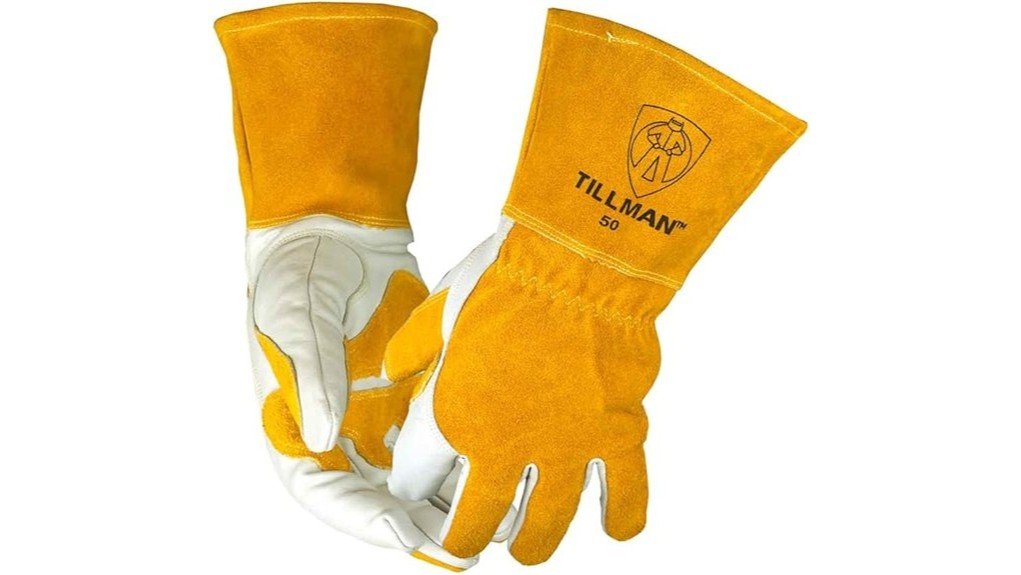
Hot spatter, stiff leather, and bulky cuffs can make a welding job harder than it needs to be. These MIG welding gloves aim to give you a practical mix of protection, comfort, and hand movement with a top grain cowhide palm, cowhide split reinforcements, DuPont Kevlar stitching, a fleece lining, and a 4-inch cuff. This review will help you decide if they make sense for routine MIG welding, shop work, and general heat protection. The main strength is the protective leather build, while the main limitation is that the source listing does not provide every sizing and certification detail you may want before buying.
Quick Verdict
Rating: Recommended with caveats
Best For: MIG welders who want leather gloves with reinforced construction, heat-resistant stitching, and a protective cuff.
Bottom Line: These gloves are a sensible pick if you want cowhide protection, Kevlar stitching, and a fleece lining for longer welding sessions. They are not the best choice if you need verified certification details, exact sizing options, or specialized gloves for extreme heat processes.
| Specification | Detail |
|---|---|
| Product type | MIG welding gloves |
| Primary use | Hand protection during MIG welding and related shop tasks |
| Palm material | Top grain cowhide palm |
| Reinforcement | Cowhide split leather reinforcements |
| Stitching | DuPont Kevlar stitching |
| Lining | Fleece lining for comfort and insulation |
| Cuff | 4-inch cuff for extra wrist and forearm coverage |
| Overall length | 14 inches, based on the source article |
| Care note | Inspect regularly, hand clean with mild soap when needed, air dry away from direct heat, and store in a cool, dry place |
| Warranty note | The source article states one year, but you should confirm current warranty terms on the product page before purchase |
What Are These MIG Welding Gloves?
These are leather MIG welding gloves built for welders who need protection from heat, sparks, light spatter, and shop debris while still keeping enough flexibility to handle a torch, clamp, or workpiece. The design uses a top grain cowhide palm for durability and cowhide split reinforcements in higher-wear areas.
The gloves also use DuPont Kevlar stitching, which is a useful detail because thread failure can shorten the life of welding gloves. The 4-inch cuff adds wrist coverage, while the fleece lining gives the glove a softer feel during longer sessions.
Because the source article does not list a brand name, model number, exact size range, or certification standard, you should treat this as a practical leather MIG glove review rather than a complete technical specification sheet.
Before You Buy: Check the current Amazon listing for the exact size, fit notes, warranty terms, and any safety certifications. The source article supports the material and cuff details, but it does not confirm every technical standard a professional shop may require.
Who Should Buy It?
Best For
- MIG welders who want leather gloves with reinforced cowhide construction.
- Shop users who need a 4-inch cuff to help cover the wrist area from sparks and debris.
- Buyers who prefer a fleece-lined glove for comfort during longer work sessions.
Skip If
- You need verified ANSI, EN, or jobsite-specific certification details before purchase.
- You need very thin gloves for fine TIG work, where fingertip feel matters more than bulk protection.
- You need gloves for extreme heat work beyond normal MIG welding tasks.
Key Features of MIG Welding Gloves
The best feature here is the mix of top grain cowhide, split leather reinforcement, and Kevlar stitching. Cowhide gives the glove a tough outer layer, while reinforcement helps reduce wear in stress points that see repeated contact with tools, metal edges, and work surfaces.
The 4-inch cuff is also practical. It helps cover the wrist and lower forearm area, which can reduce exposure to sparks and debris when you are reaching around a joint or working near a hot surface.
The fleece lining adds comfort and insulation. That matters during longer welding sessions because a rough inner glove can cause irritation, especially when your hands are moving in and out of the glove through a full workday.
Materials and Build Quality
The top grain cowhide palm is the main durability feature. Top grain leather is often chosen for work gloves because it can handle friction while staying more flexible than thicker, rougher leather layers.
The cowhide split reinforcements help protect areas that can wear down faster during welding. This matters if you often grip a torch, adjust clamps, move metal, or rest your hand near a work surface.
DuPont Kevlar stitching gives the seams a stronger heat-resistant thread than basic cotton stitching. Seam quality matters because a glove can still fail early if the leather holds up but the thread burns, frays, or pulls apart.
Comfort and Usability
Comfort is not just about softness. A glove that is too bulky can make it harder to hold a MIG gun steadily, control your wire angle, or make small adjustments at the joint. These gloves are designed to balance protection with enough flexibility for routine welding tasks.
The fleece lining helps reduce the harsh feel that some leather gloves have on the inside. It also adds light insulation, which can be useful when you are working in cooler conditions or handling warm material.
The 14-inch length gives more coverage than a short work glove. That added length can be helpful when sparks travel up your sleeve or when your wrist sits near hot metal during positioning.
Pro Tip: Before your first full welding session, wear the gloves for a few minutes while holding your MIG gun, clamps, and pliers. A quick fit check helps you spot tight fingers, excess palm bulk, or cuff interference before you are working near heat.
Heat Protection and Cuff Coverage
For MIG welding, glove protection needs to cover more than the palm. You also need coverage around the wrist, where sparks and small pieces of hot debris can land when you are working close to the weld area.
The 4-inch cuff gives these gloves an advantage over short utility gloves. It helps bridge the gap between your sleeve and your hand, though it should still be used with proper welding sleeves, jacket, or shop-approved protective clothing when the job requires it.
The source article describes heat resistance from the leather build and Kevlar stitching, but it does not provide a certified temperature rating. That means you should avoid treating these gloves as a substitute for specialized high-heat gloves used for foundry work, heavy stick welding, or prolonged contact with hot metal.
Fit and Sizing Tips Before You Buy
Fit affects both comfort and safety. A glove that is too loose can reduce control, while a glove that is too tight can make your hand tire faster and may limit movement.
Check the current product listing for the exact size options before you order. The source article advises using the size chart, but it does not include the actual hand measurements, so you should not guess based on general glove size alone.
- Measure across your palm and compare it with the seller’s current size chart.
- Make sure the fingers are not so long that they fold over the torch trigger.
- Check that the cuff fits over or under your sleeve setup without leaving exposed skin.
- Choose a fit that lets you grip tools without needing to squeeze harder than normal.
How It Performs in Real Use
For Routine MIG Welding
For regular MIG welding tasks, the cowhide construction and Kevlar stitching should give you a practical balance of hand protection and durability. The reinforced leather helps when you are handling workpieces, adjusting clamps, or working around sharp metal edges.
For Longer Shop Sessions
The fleece lining is the comfort feature that matters most during longer sessions. It gives the inside of the glove a softer feel, which can reduce irritation when you are putting the gloves on and taking them off repeatedly.
For Wrist and Forearm Coverage
The 14-inch length and 4-inch cuff help protect more of your wrist area than a short glove. This is useful when sparks travel toward your sleeve or when your hand position puts your wrist close to the weld zone.
For General Shop Handling
These gloves can also help with basic shop handling around warm metal, grinding debris, and rough surfaces. They should not be used as a replacement for cut-rated gloves, chemical gloves, or specialized high-heat gloves when those protections are required.
Care and Maintenance
Good care can extend glove life. Inspect the leather, seams, fingertips, and cuff before each welding session. Replace the gloves if you see holes, burned-through areas, loose seams, or thinning leather where heat can reach your skin.
For cleaning, use mild soap and water by hand when needed. Avoid machine washing because heat, agitation, and harsh detergent can damage leather and reduce the glove’s shape and comfort.
Let the gloves air dry away from direct heat. Do not place them on a heater or near an open flame to dry faster, because that can stiffen or crack the leather.
Safety and Material Notes
These gloves touch your skin and are used around heat, sparks, and metal, so safe use matters. The source article supports a leather construction with fleece lining and Kevlar stitching, but it does not verify safety certifications or a tested temperature rating.
Use the gloves as part of a complete welding safety setup. That may include a welding helmet, jacket, sleeves, apron, safety glasses, boots, and respiratory protection when the work environment requires it.
Never use damaged gloves for active welding. Small holes, open seams, or hardened leather can reduce protection and make burns more likely.
Pros and Cons
Pros
- Top grain cowhide palm gives the glove a durable work surface.
- Cowhide split reinforcements add protection in wear-prone areas.
- DuPont Kevlar stitching helps protect the seams from heat-related failure.
- 4-inch cuff improves wrist coverage around sparks and debris.
- Fleece lining improves comfort during longer welding sessions.
Cons
- Exact brand, model, and size range are not listed in the source article.
- Safety certifications and tested temperature ratings are not confirmed in the source article.
- The fleece lining may feel warmer than you want in hot workspaces.
Is It Worth the Price?
These MIG welding gloves are worth considering if you want a leather glove with reinforced cowhide, Kevlar stitching, a fleece lining, and added cuff coverage. Those details make them a smart buy for everyday use if your main goal is practical protection and comfort during normal MIG welding tasks.
The strongest value comes from the material mix. A glove with reinforced leather and stronger stitching can be more useful than a cheaper glove that wears quickly at the seams or palm.
The main value limitation is missing verification. Since the source article does not confirm the current brand name, exact size range, certification details, or listing-specific warranty terms, you should review the Amazon page carefully before buying.
How It Compares to Alternatives
Compared with thinner TIG gloves, these MIG welding gloves should offer more coverage and insulation, but less fingertip feel. That makes them better for MIG welding than for fine torch control where a very thin goatskin TIG glove may be preferred.
Compared with heavy stick welding or high-heat gloves, this pair may feel easier to handle, but it may not offer the same level of extreme heat protection. The best fit is routine MIG welding where you want leather durability, reinforced construction, and reasonable hand movement.
Frequently Asked Questions
Are these gloves best for MIG welding?
Yes, the source article positions them as MIG welding gloves. The cowhide construction, Kevlar stitching, fleece lining, and 4-inch cuff make them better suited to general MIG welding than fine TIG work.
Can you use these gloves for TIG or stick welding?
You may be able to use them for some shop tasks, but they are not ideal for every welding process. TIG work often needs thinner gloves for better finger control, while heavy stick welding may require higher heat protection.
What size should you choose?
Use the seller’s current size chart before ordering. The source article recommends checking fit, but it does not provide exact hand measurements, so measure your palm and compare it with the active listing.
Can these MIG welding gloves be machine washed?
No. The source article advises against machine washing because leather can degrade, stiffen, or lose shape. Hand clean with mild soap when needed, then air dry away from direct heat.
Does the 4-inch cuff make a real difference?
Yes, the cuff helps protect the wrist area from sparks, heat, and shop debris. It should still be used with proper sleeves or a welding jacket when your work exposes your forearms to heat or spatter.
How long are these welding gloves?
The source article states a 14-inch length. That length gives you more coverage than a short utility glove and helps reduce exposed wrist area during welding.
What is the warranty period?
The source article states a one-year warranty. Because warranty terms can change by seller and listing date, confirm the current warranty details on the Amazon product page before you buy.
Who should skip these gloves?
Skip them if you need verified safety certifications, a listed temperature rating, or a confirmed size range before purchase. You should also compare other options if you need very thin TIG gloves or very heavy high-heat gloves.
The Bottom Line
These MIG welding gloves are a good fit if you want cowhide protection, reinforced leather, Kevlar stitching, a fleece lining, and a 4-inch cuff for routine welding work. Skip them if you need verified certification details, exact sizing data, or gloves built for highly specialized heat protection. The verdict is Recommended with caveats because the material package is practical, but key listing details should be checked before purchase.
Ready to Buy?
Check the latest price, size options, and product details before you decide.


