Disclosure: As an Amazon Associate, we earn from qualifying purchases. If you click a link on this page and make a purchase, we may receive a small commission at no extra cost to you.
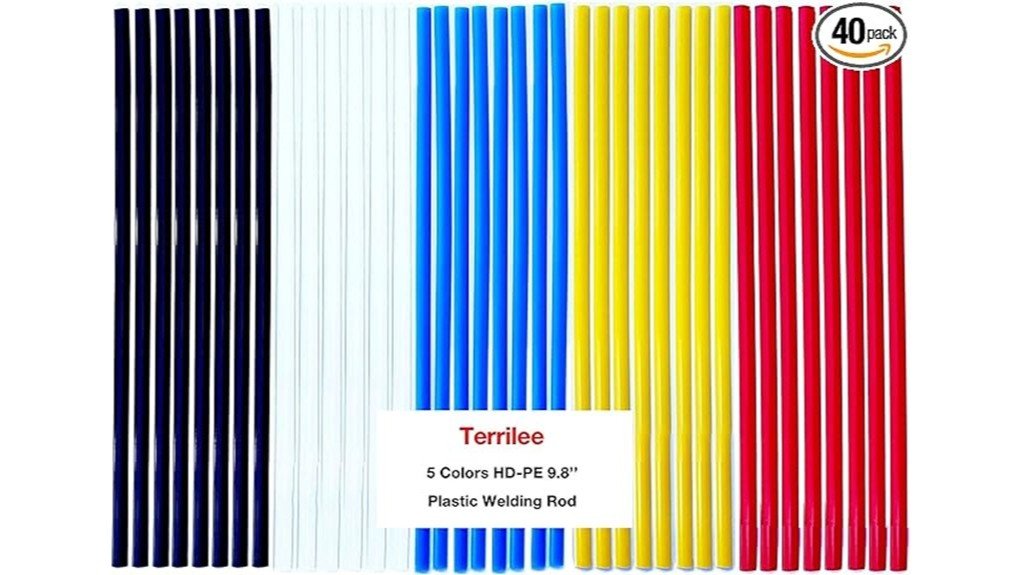
Plastic cracks are frustrating because the wrong repair material can look fine at first and fail once the part flexes, holds water, or goes back outside. The Terrilee 40Pcs Plastic Welding Rods are made for HDPE repairs, with 40 rods in five colors and a 9.8-inch length for small to medium plastic welding jobs. This review helps you decide whether these rods match your repair material, tool setup, and expected durability before you buy.
The set makes the most sense when you already know the damaged item is HDPE or can confirm the plastic type before welding. It is not a universal plastic repair solution, so material matching matters more than color choice or rod count.
Quick Verdict
Rating: 8/10 (Recommended with caveats)
Best For: DIY and garage users repairing confirmed HDPE bins, tanks, containers, bumpers, and outdoor plastic parts
Bottom Line: These rods offer good value if you need HDPE-compatible repair material in multiple colors. The main tradeoff is narrow compatibility, because they can form weak joints on the wrong plastic.
| Specification | Detail |
|---|---|
| Brand | Terrilee |
| Product Name | Terrilee 40Pcs Plastic Welding Rods |
| Product Type | Plastic welding rods for heat-welding repairs |
| Material | HDPE |
| Rod Length | 9.8 inches (25 cm) |
| Quantity | 40 pieces |
| Colors | Black, White, Blue, Yellow, Green |
| Compatibility | Best for confirmed HDPE plastic surfaces |
| Common Uses | Bins, tanks, containers, HDPE bumper sections, garden items, and outdoor plastic gear |
| Not Ideal For | Unconfirmed PP, PVC, ABS, or high-load structural parts |
| Safety Note | Confirm the plastic type and follow safe heat-tool practices before welding. |
What Is the Terrilee 40Pcs Plastic Welding Rods?
The Terrilee 40-piece set is a group of HDPE plastic welding rods used as filler material during heat-welding repairs. You heat the damaged plastic and the rod so the filler can fuse into a crack, seam, or worn area on a compatible HDPE surface.
Each rod measures 9.8 inches, which works well for shorter repair runs, patch work, and small shop jobs. The five-color mix helps you choose a closer visual match or separate repair areas by color when appearance or organization matters.
This set is made for users who already have a plastic welding tool or heat source suitable for plastic repair. It does not replace surface preparation, plastic identification, or proper heat control.
Who Should Buy It?
Best For
- DIY users repairing confirmed HDPE bins, tubs, tanks, or containers
- Garage users who want a 40-piece supply for repeated plastic repairs
- Buyers who need several color options for visible or sorted repair work
Skip If
- You cannot confirm that the damaged plastic is HDPE
- You need rods for PP, PVC, ABS, or mixed-plastic repairs
- You are repairing a safety-critical, pressurized, or high-load part
Material Compatibility and Build Quality
The most important detail is the HDPE material. HDPE can be flexible and moisture resistant, which makes it a common choice for storage bins, tanks, containers, and outdoor plastic items.
That same material focus is also the main limitation. HDPE rods should be used on compatible HDPE surfaces because plastic welding depends on similar materials melting and bonding together.
If the base plastic is PP, PVC, ABS, or an unknown blend, the repair may not fuse correctly. A weak bond can crack again, leak, or separate once the part flexes.
Before You Buy: These rods are best for confirmed HDPE. Do not rely on color alone, because a matching color does not prove the plastic material is compatible.
Color Options and Practical Use
The set includes black, white, blue, yellow, and green rods. That color range gives you more flexibility than a single-color pack, especially when the repair stays visible after the weld cools.
Color matching is useful for bins, garden containers, outdoor gear, and cosmetic plastic repairs. For structural strength, though, material match and technique matter more than choosing the closest color.
The 40-piece quantity makes sense if you expect several small repairs instead of one isolated patch. It also gives you room to practice on scrap HDPE before touching the actual part.
Repair Performance in Real Use
HDPE Storage Bins and Outdoor Containers
For cracked HDPE bins, tubs, and garden containers, these rods can fill splits and worn edges when the surface is clean and lightly roughened. The rods are useful for low-stress repairs where the part does not carry heavy loads after the patch.
Water Tanks and Moisture-Exposed Plastic
HDPE is often chosen for moisture-exposed plastic, so these rods can suit compatible tank or container repairs. You should still treat water-holding repairs carefully, because surface contamination, poor heat control, or an incomplete weld can cause leaks.
Automotive Plastic Repairs
These rods can help with automotive plastic only when the damaged section is HDPE. Many vehicle plastic parts use different materials, so check markings on the part before assuming the rods will bond well.
Workshop and Garage Repairs
For a garage or small workshop, the set works best as a supply item for repeat HDPE repairs. The color variety also makes it easier to keep practice welds, cosmetic repairs, and functional repairs separated.
Pro Tip: Look for recycling marks or molded material codes on the damaged plastic before welding. Practice on scrap HDPE first so you can dial in heat, speed, and pressure.
How to Use It Correctly
Start by cleaning the repair area so dirt, oil, and loose plastic do not contaminate the weld. Lightly roughening the surface can give the melted rod and base material a better area to bond.
Heat control matters. Too little heat can leave the rod sitting on top of the surface, while too much heat can burn, distort, or weaken the plastic around the crack.
For longer cracks, work slowly and keep the weld bead consistent. Let the repair cool naturally before trimming, sanding, or testing the part.
Compatibility and Safety Notes
Plastic welding uses heat, so you should work in a ventilated area and follow the instructions for your welding tool. Keep the tool away from flammable materials and avoid touching hot plastic until it cools.
Do not use this rod set as a guaranteed fix for pressurized tanks, fuel-related parts, food-contact surfaces, or safety-critical vehicle parts unless a qualified professional approves the repair. For high-risk parts, replacement may be safer than patching.
For mixed or unknown plastics, test compatibility before making a final repair. A small test weld can show whether the filler rod fuses into the base material or peels away after cooling.
Pros and Cons
Pros
- HDPE material works well for confirmed HDPE repairs
- 40-piece set provides enough rods for multiple small projects
- Five colors help with visual matching and shop organization
- 9.8-inch length is practical for small to medium repair runs
- Useful for bins, tanks, containers, and outdoor plastic gear
Cons
- Limited compatibility if your damaged part is not HDPE
- Requires proper heat control and surface prep for a strong weld
- Not the best choice for safety-critical or high-load repairs
Need HDPE repair rods for your next project?
Is It Worth the Price?
This set offers strong value for the price if you regularly repair HDPE items. You get 40 rods and multiple colors, so it is more useful than a tiny single-color pack for repeat garage or household repairs.
The best value comes from matching the rods to the right material. If most of your repairs involve unknown plastics, a broader mixed-material kit may be more practical.
It is worth considering if you want a simple HDPE rod supply for bins, containers, outdoor items, and other compatible plastic parts. It is not the best fit if you need certified materials, industrial documentation, or a guaranteed fix for high-stress parts.
How It Compares to Alternatives
Compared with generic plastic welding rods, the Terrilee set is stronger for buyers who specifically need HDPE and want several colors in one pack. Generic mixed-plastic kits may be better if you repair different materials and need PP, ABS, or other rod types in the same box.
Specialized PP or ABS rods make more sense when the damaged part is clearly marked as those plastics. The Terrilee set makes the most sense when HDPE compatibility is already confirmed.
Frequently Asked Questions
What plastics are compatible with these rods?
They are designed mainly for HDPE plastic surfaces. For the best bond, the filler rod and the base material should be compatible.
Can I use them on PP, PVC, or ABS?
You should not assume they will bond well to PP, PVC, ABS, or unknown plastics. Use rods that match the marked material of the part whenever possible.
How many rods come in the package?
The set includes 40 plastic welding rods. The article-supported color mix includes black, white, blue, yellow, and green.
Are these rods good for beginner plastic welding?
Yes, beginners can use them, but practice matters. Try a scrap HDPE piece first so you can learn heat control before repairing the final part.
Will the repaired area be waterproof?
A clean, complete HDPE weld can resist water exposure, but the rod alone does not guarantee a leak-free repair. Surface prep, heat control, and the condition of the damaged part all matter.
Do the different colors affect strength?
The color is mainly for matching and identification. Strength depends more on material compatibility, surface prep, and welding technique.
Who should skip this set?
Skip it if you cannot identify the plastic or need a certified repair for a high-stress part. You should also skip it if your project clearly needs PP, ABS, PVC, or another rod material.
The Bottom Line
The Terrilee 40Pcs Plastic Welding Rods are a smart buy for users who repair confirmed HDPE plastics and want a 40-piece, multi-color supply. Their main strength is practical HDPE repair coverage for bins, tanks, containers, and outdoor gear, while the main limitation is poor suitability for unknown or non-HDPE plastics.
Buy them if you can confirm material compatibility and are comfortable using a plastic welding tool. Skip them for safety-critical, high-load, pressurized, or mixed-plastic repairs where the correct rod material is uncertain.