Disclosure: As an Amazon Associate, we earn from qualifying purchases. If you click a link on this page and make a purchase, we may receive a small commission at no extra cost to you.
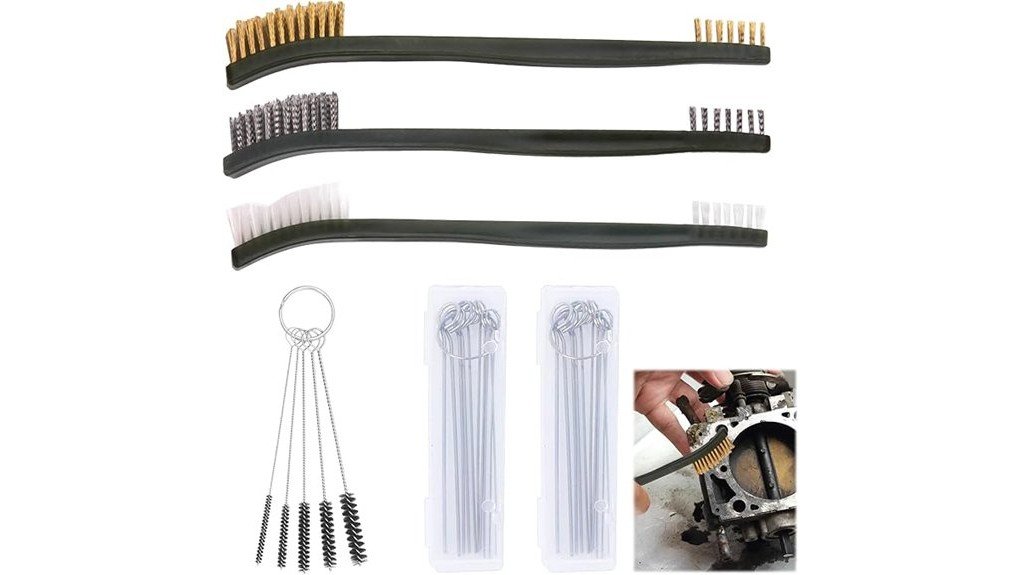
Cleaning small carburetor jets, throttle body passages, and tight engine orifices is hard when a cloth or spray cleaner cannot reach the buildup. The Throttle Body Cleaner Kit gives you a compact set of stainless steel cleaning wires, nylon brushes, and polishing brushes for detailed maintenance work on small engine and automotive parts. This review helps you decide if the kit has the right size range, tool mix, and safety limits for your garage. It looks useful for precise cleaning, but you should not treat it as a complete chemical cleaner or a fix for every fuel-system problem.
Quick Verdict
Rating: 8.2/10
Best For: DIY users and mechanics who clean carburetor jets, throttle bodies, fuel passages, small engine parts, motorcycles, ATVs, and similar tight orifices.
Bottom Line: This kit is useful if you need several small wire sizes and brush shapes in one compact pouch. The main tradeoff is that it is a manual cleaning tool set, so you still need the right cleaner, careful technique, and professional help for sensitive or electronic engine components.
| Specification | Detail |
|---|---|
| Product type | Throttle body, carburetor, and small-orifice cleaning tool kit |
| Amazon listing reference | B0DTP9BR5W |
| Cleaning wires | 20 precision stainless steel wires |
| Wire size range | 0.5 mm to 2.5 mm |
| Brushes included | 8 specialized cleaning brushes and 3 double-ended polishing brushes |
| Materials | Stainless steel wires with high-density nylon bristles |
| Dimensions | 7.24 x 5.67 x 0.83 inches |
| Weight | 0.06 kilograms |
| Compatibility | Carburetors, throttle bodies, fuel-system orifices, motorcycles, ATVs, small engines, and some welding equipment cleaning tasks |
| Best use | Manual removal of carbon, varnish, residue, and debris from small passages |
| Safety note | Use gentle pressure, follow the equipment manual, and avoid scraping delicate sensors, coatings, or electrical parts. |
What Is the Throttle Body Cleaner Kit?
The Throttle Body Cleaner Kit is a small manual cleaning set made for tight passages that are difficult to reach with towels, cotton swabs, or general shop brushes. It includes 20 stainless steel cleaning wires in sizes from 0.5 mm to 2.5 mm, plus multiple brush styles for wider passages and surface cleaning.
The kit is aimed at people who maintain carburetors, throttle bodies, small engines, motorcycles, ATVs, and other equipment with narrow orifices. It can help loosen carbon, gum, and light debris from small parts, but it is not a replacement for proper diagnosis, safe disassembly, or the correct chemical cleaner.
Key Takeaways
- The kit includes 20 precision stainless steel cleaning wires, 8 specialized cleaning brushes, and 3 double-ended polishing brushes.
- The wire range runs from 0.5 mm to 2.5 mm, which gives you more flexibility when working on small jets and narrow passages.
- Stainless steel wires and high-density nylon bristles support repeated use when you clean and store the tools properly.
- The compact 7.24 x 5.67 x 0.83-inch size makes the kit easy to keep in a toolbox, motorcycle bag, or small engine repair drawer.
- It works best as a detail-cleaning kit for accessible parts, not as a cure for clogged fuel systems, damaged injectors, or electronic throttle issues.
Who Should Buy It?
Best For
- DIY users who clean carburetor jets, small engine passages, and throttle body edges by hand.
- Motorcycle, ATV, and small engine owners who need several wire sizes in one compact kit.
- Mechanics who want backup cleaning wires and brushes for tight orifices during routine maintenance.
Skip If
- You need a chemical throttle body cleaner spray, since this article-supported kit list includes tools, not solvent.
- You are working on sealed, electronic, or sensor-heavy components that require professional service.
- You want a one-step repair for rough idle, fuel delivery problems, or check-engine codes.
Before You Buy: Do not assume this kit includes aerosol cleaner or replacement parts. It is a manual tool kit, so you may still need the correct cleaning spray, shop towels, gloves, eye protection, and your equipment manual.
Product Features and Specifications
The main strength of this kit is the number of small tools packed into a lightweight case. You get 20 stainless steel wires for different opening sizes, 8 specialized cleaning brushes, and 3 double-ended polishing brushes for broader cleaning contact.
The 0.5 mm to 2.5 mm wire range matters because carburetor jets and small passages do not all share the same opening size. A wire that is too large can damage a passage, while one that is too small may not remove buildup well. Having multiple sizes gives you more control when you match the tool to the part.
The kit measures 7.24 x 5.67 x 0.83 inches and weighs 0.06 kilograms. That makes it easy to store in a small toolbox without taking up the space of a larger cleaning kit.
Materials and Build Quality
The kit uses stainless steel cleaning wires and high-density nylon bristles. Stainless steel is useful for narrow orifices because it resists rust and keeps enough stiffness to push through light buildup. The nylon bristles are better for brushing surfaces where you want more coverage without using a hard metal edge.
Durability still depends on how you use the tools. Thin cleaning wires can bend if forced into the wrong passage, and any brush can wear down if used aggressively against sharp metal edges. Clean the tools after use, dry them before storage, and avoid leaving chemical residue on the wires or bristles.
Cleaning Performance and Efficiency
The spiral-style cleaning wires are made to loosen carbon, varnish, and small debris from narrow openings. This is helpful on carburetor jets, small fuel passages, and other orifices where buildup can restrict flow. The brushes add surface coverage for ports, edges, and wider passages that do not need a wire.
For best results, use the smallest wire that fits the passage and work up only when needed. Forcing a wire into a tight orifice can enlarge, scratch, or distort the opening. That mistake can create more problems than the clog itself.
The best use for this kit is controlled detail cleaning, not aggressive scraping.
Fit and Compatibility
The kit is described for carburetors, throttle bodies, motorcycles, ATVs, small engine components, fuel injector maintenance tasks, welding equipment, and similar cleaning jobs. That makes it more versatile than a single brush, especially when you work on lawn equipment, powersports parts, and small shop tools.
Compatibility depends on the part design. The kit is best for accessible mechanical passages and removable parts. It is not ideal for sealed assemblies, delicate coated surfaces, electrical connectors, sensors, or components where the manufacturer warns against wire cleaning.
How It Performs in Real Use
For Carburetor Jets and Small Orifices
The 0.5 mm to 2.5 mm wires are the most useful part of the kit for small jets and passages. You can choose a close-fitting wire, loosen residue, then rinse or clean the part according to the product label or service manual. This is where the kit makes the most sense because a normal brush often cannot reach the clog.
For Throttle Body Edges and Ports
The brushes can help clean around accessible throttle body edges and ports where carbon collects. Use light pressure and avoid scraping sensors, coatings, or electronic throttle components. If the throttle body has a special coating or drive-by-wire system, check the service manual before using any wire or solvent.
For Motorcycles, ATVs, and Small Engines
Motorcycles, ATVs, lawn equipment, and small engines often have narrow fuel and air passages that collect varnish after storage. A compact wire and brush kit is useful for seasonal maintenance when you have the part removed and can inspect the passage clearly.
For Toolboxes and Repeat Maintenance
Because the kit is thin and lightweight, it is easy to keep on hand for repeat cleaning jobs. That matters if you regularly maintain small engines, repair used equipment, or clean parts after long storage. The tradeoff is that the small pieces require careful organization so you do not lose the wire sizes you use most.
How to Use It Correctly
Start by identifying the part you are cleaning and checking the equipment manual. Remove loose dirt first so you do not push debris deeper into a passage. Choose a wire that slides into the opening without force, then use short, controlled movements instead of hard stabbing or twisting.
After loosening buildup, clean the part with the correct solvent or method recommended for that component. Dry the tool before putting it away, especially after using chemical cleaner. This helps protect the stainless steel wires, nylon bristles, and storage pouch from residue.
Pro Tip: Label the most-used wire sizes or keep them in order after your first cleaning session. Small wires look similar, and keeping the size sequence organized helps you avoid forcing the wrong wire into a jet or passage.
Compatibility and Safety
Wear gloves and eye protection when cleaning engine parts, especially if you use spray cleaners or remove carbon buildup. Work in a ventilated area and keep solvents away from sparks, hot surfaces, and open flames. Follow the cleaner label and the service manual for the part you are working on.
Use extra care around plastic parts, rubber seals, coated throttle bodies, and electronic components. Nylon brushes are usually gentler than metal wires, but any tool can damage a sensitive surface if you use too much pressure. For high-voltage systems, sealed assemblies, or parts tied to safety-critical operation, get professional guidance.
Pros and Cons
Pros
- 20 wire sizes give you better control when cleaning different small passages.
- 0.5 mm to 2.5 mm range covers many carburetor and small-engine orifices.
- Stainless steel wires resist rust and hold up better than disposable soft picks.
- Included nylon and polishing brushes add more options for wider surfaces and ports.
- Compact 0.06-kilogram design is easy to store in a toolbox or repair drawer.
Cons
- Does not replace chemical cleaner, diagnosis, or proper disassembly.
- Thin wires can bend or damage parts if you force the wrong size into a passage.
- Not ideal for sealed, electronic, coated, or sensor-heavy components without manual guidance.
Is It Worth the Price?
This kit is worth considering if you often clean small passages and want several wire sizes in one place. It is a strong value for the price if you work on carburetors, small engines, motorcycles, ATVs, or similar parts that need detail cleaning.
You get the most value from it when you already know how to remove and clean the part safely. It is not the best fit if you want a full cleaning chemical kit, replacement parts, or a tool that can solve running issues without inspection.
How It Compares to Alternatives
Compared with an aerosol-only throttle body cleaner, this kit gives you physical tools for small passages that spray may not clear by itself. Compared with a basic single-size jet cleaner, the 20-wire range gives you more size options and lowers the chance of using a poor fit.
A larger professional fuel-system service kit may be better for shop-level diagnostic work, but this compact set makes more sense for small manual cleaning jobs. Choose this kit when you need detail brushes and wire sizes, not when you need pressure equipment or electronic testing tools.
Frequently Asked Questions
Does this kit include throttle body cleaner spray?
The article-supported contents list cleaning wires, specialized brushes, and polishing brushes. It does not list aerosol cleaner or liquid solvent, so plan to buy the correct cleaner separately if your job requires it.
What wire sizes are included?
The kit includes 20 precision stainless steel cleaning wires ranging from 0.5 mm to 2.5 mm. Use the smallest wire that fits the passage instead of forcing a larger one.
Can you use it on carburetor jets?
Yes, carburetor jets and small orifices are one of the best matches for the wire range. Work gently, keep the wire straight, and clean the part according to the service manual.
Can you use the wires on plastic parts?
Use caution on plastic parts because stainless steel wires can scratch or gouge soft materials. For plastic, rubber, or coated areas, start with the nylon brush and avoid hard pressure.
Is this kit suitable for electric vehicles?
Most electric vehicles do not use carburetors or traditional throttle bodies like gas engines. Do not use these tools on high-voltage systems, sealed electronics, sensors, or EV components unless the manufacturer specifically allows that type of service.
How should you store the kit after cleaning?
Wipe residue off the wires and brushes, let them dry, and keep them organized in a dry space. Good storage helps prevent rust, bent wires, and lost sizes.
Who should skip this cleaner kit?
Skip it if you need a chemical-only cleaner, a professional diagnostic tool, or a repair for damaged fuel-system parts. It is also not the right choice for sealed or sensitive electronic components unless your service manual supports manual cleaning.
The Bottom Line
The Throttle Body Cleaner Kit is a practical buy if you need a compact set of small wires and brushes for carburetor jets, throttle body areas, and small engine maintenance. Its best strength is the 20-wire size range and mixed brush set, while its main limitation is that it requires careful manual use and does not include cleaner spray. Skip it if you need professional diagnostics, replacement parts, or service for sealed electronic components.