Disclosure: As an Amazon Associate, we earn from qualifying purchases. If you click a link on this page and make a purchase, we may receive a small commission at no extra cost to you.
Choosing the wrong TIG filler rod can leave you with weak welds, extra cleanup, or poor compatibility with your base metal. The UNIFAMILY 1LB TIG Welding Rod ER70S-6 is made for mild steel and low-alloy steel work, giving you a small 1 lb pack for garage repairs, fabrication, and automotive steel projects. Its 1/16-inch diameter works best when you need control on thinner material, smaller weld joints, tack welds, or light repair work. This review helps you decide where this rod makes sense, where it falls short, and what to check before you buy it.
Quick Verdict
Rating: 8.2/10, Recommended with caveats
Best For: DIY welders, repair shops, and fabricators working with mild or low-alloy steel.
Bottom Line: The UNIFAMILY ER70S-6 rod is a practical small-pack TIG filler for clean mild steel work. It gives you useful size control and a copper-plated surface, but you must match it to the right metal, shielding gas, and welding setup.
Key Takeaways
- The UNIFAMILY 1LB TIG Welding Rod is an ER70S-6 mild steel TIG filler rod for mild and low-alloy steel projects.
- Each rod measures about 1/16 inch in diameter and 15.75 inches, or 400 mm, long, giving you good control on smaller welds.
- The copper-plated surface helps protect the rods during storage and handling, but you should still keep them dry and clean.
- This rod is best for steel fabrication, automotive repairs, machinery work, tack welding, and general shop use.
- It is not the right choice for aluminum, stainless steel, cast iron, MIG welding, flux-core welding, or projects that require a different filler classification.
| Specification | Detail |
|---|---|
| Brand | UNIFAMILY |
| Model / Classification | ER70S-6 |
| Product Type | TIG welding filler rod for steel |
| Welding Process | TIG / GTAW |
| Material | Mild steel / carbon steel filler rod |
| Surface | Copper-plated finish |
| Diameter | 1/16 inch, about 1.6 mm |
| Rod Length | 15.75 inches, about 400 mm |
| Package Weight | 1 lb, about 450 g |
| Compatible Base Metals | Mild steel and compatible low-alloy steel |
| Best Use | Shop fabrication, automotive steel repair, machinery repair, tack welding, home welding projects |
| Not For | Aluminum, stainless steel, cast iron, MIG wire-feed welding, or flux-core welding |
| Storage Note | Store dry, clean, and protected from moisture, oil, dust, and shop contamination. |
What Is the UNIFAMILY 1LB TIG Welding Rod?
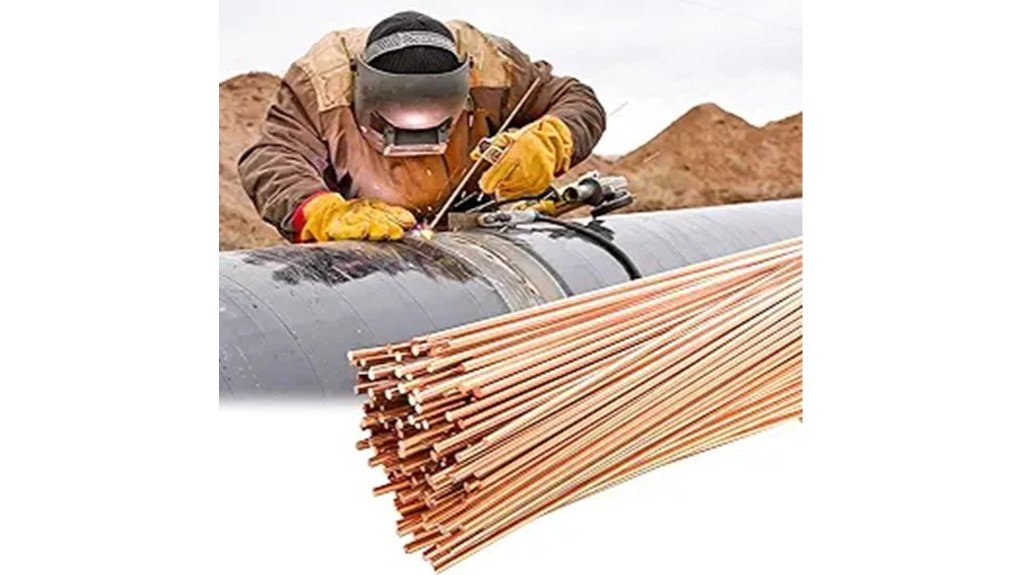
The UNIFAMILY 1LB TIG Welding Rod is an ER70S-6 filler rod for TIG welding mild steel and compatible low-alloy steel. It comes in a 1 lb package, which makes it practical for small shops, mobile repair kits, hobby projects, and occasional fabrication work.
The 1/16-inch diameter gives you better hand control than a thicker rod when you work on smaller joints or thinner steel. The rods are also about 15.75 inches long, so you can feed them steadily without handling an overly long 36-inch rod in tight spaces.
The copper-plated surface helps with storage resistance and rod handling, but it does not make the rod universal. You still need clean base metal, the correct TIG setup, suitable shielding gas, and welding settings that match the material thickness.
Before You Buy: This is a mild steel ER70S-6 TIG filler rod. Do not buy it for aluminum, stainless steel, cast iron, flux-core welding, MIG wire-feed use, or a certified job that calls for another filler classification.
Who Should Buy It?
Best For
- You TIG weld mild steel or compatible low-alloy steel in a garage, shop, or repair setting.
- You want a 1/16-inch filler rod for smaller joints, lighter steel, tack welds, or more controlled feeding.
- You need a 1 lb pack instead of a large bulk box for occasional projects or a compact repair kit.
Skip If
- You need filler rod for aluminum, stainless steel, cast iron, or chromoly-specific work.
- You want long 36-inch rods for production welding and fewer rod changes.
- You are using a MIG welder and need spool wire rather than hand-fed TIG filler rod.
Quality and Durability of UNIFAMILY TIG Welding Rods
The strongest part of this product is its simple, useful construction. The rods use mild steel ER70S-6 filler metal, a common choice for many TIG welding jobs on mild steel and compatible low-alloy steel.
The copper-plated surface helps protect the rods from surface corrosion during storage and handling. That matters because dirty, oily, or rusty filler rod can make your puddle harder to control and may lead to extra cleanup.
The rod diameter also matters. At 1/16 inch, these rods suit controlled hand feeding, tack welds, small brackets, patch panels, and lighter fabrication better than large-gap heavy welding. For thicker steel, you may need a larger rod size, more heat, multiple passes, or a different filler choice based on your welding procedure.
The UNIFAMILY ER70S-6 rods make the most sense when you need a clean, controlled TIG filler for mild steel, not a universal rod for every metal.
Ease of Use and Compatibility
The UNIFAMILY 1LB TIG Welding Rod is easy to handle because the rods are compact and light. The 15.75-inch length gives you enough filler to work steadily, while still staying manageable in tight areas or small repair jobs.
Compatibility depends on your welding process and base metal. These rods are meant for TIG welding steel, so you should pair them with a TIG welder, clean mild or low-alloy steel, and the shielding gas recommended by your welder, filler rod, and project instructions.
For most TIG work on steel, 100% argon is the standard starting point. Avoid treating CO2 or argon/CO2 MIG gas advice as automatic TIG guidance unless your equipment manual or welding procedure specifically supports it.
Pro Tip: Wipe each rod before use and store the open pack in a dry tube or sealed container. Cleaner filler rod helps you keep the puddle more stable and reduces avoidable weld contamination.
Versatility in Applications
The UNIFAMILY ER70S-6 rod gives you useful versatility inside one clear lane: mild steel and compatible low-alloy steel. It can work well for shop projects, equipment brackets, automotive repairs, truck body work, small structural pieces, and general steel fabrication.
Its 1/16-inch size is especially useful when you want fine control. You can feed the rod gradually, build a smaller bead, and work around tight joints where a thicker filler rod may feel clumsy.
The limitation is material range. If your project uses aluminum, stainless steel, copper alloys, cast iron, or specialty steel, you need a filler rod designed for that base metal. Matching filler metal to base metal is not optional if you want a reliable weld.
How It Performs in Real Use
For Garage Repairs
For home garage work, this 1 lb pack is easy to keep on hand without buying more rod than you need. It suits small repairs, brackets, tabs, and mild steel parts when the base metal is clean and properly fitted.
For Automotive Steel Work
The 1/16-inch diameter gives you control on lighter automotive steel parts, especially when you need a smaller weld bead. It is useful for mild steel components, but it should not be used on aluminum body parts or stainless exhaust work that requires a different filler.
For Fabrication and Tack Welding
These rods are a good fit for tack welding, fit-up work, small shop fixtures, and controlled bead placement. The shorter rod length can also feel easier to manage when you work around a bench, frame, jig, or tight corner.
For Maintenance Projects
Maintenance welds often involve repair work on steel parts with imperfect surfaces. ER70S-6 can be useful for many mild steel repairs, but you should still remove rust, oil, paint, and scale before welding whenever possible.
How to Use It Correctly
Start by confirming that your base metal is mild steel or a compatible low-alloy steel. Then clean the joint area with a grinder, wire brush, or suitable cleaning method so the weld puddle is not fighting rust, oil, paint, or mill scale.
Choose amperage based on the thickness of your workpiece, tungsten size, joint design, and welder manual. The original guidance of 60 to 130 amps can work as a broad starting range for some jobs, but real settings vary, so do not treat it as a fixed rule.
Feed the 1/16-inch rod smoothly into the leading edge of the puddle. Keep the filler rod tip inside the shielding gas coverage so it does not oxidize before it enters the weld.
- Keep the rod clean and dry before welding.
- Do not dip contaminated filler into the puddle.
- Cut or discard badly contaminated rod ends.
- Use proper TIG shielding gas and flow settings for your setup.
- Follow your welder manual, filler instructions, and applicable welding procedure when the weld is safety-critical.
Common Mistakes to Avoid
The biggest mistake is treating this rod like a universal filler. It is not a fix for aluminum, stainless steel, cast iron, unknown alloys, or MIG wire-feed welding. Before you strike an arc, confirm the base metal and the process.
Another common mistake is skipping joint prep. ER70S-6 can be forgiving in many mild steel repair jobs, but paint, oil, rust, heavy mill scale, and poor fit-up can still hurt puddle control and weld quality.
- Do not use the rod as a tungsten electrode.
- Do not use it with a MIG welder as spool wire.
- Do not assume one amperage setting works for every steel thickness.
- Do not weld coated or unknown metal without proper safety guidance.
Material Safety and Welding Notes
Welding rods are only one part of a safe weld. You still need proper eye protection, gloves, flame-resistant clothing, ventilation, and a safe work area free from flammable materials.
Do not weld coated, painted, galvanized, oily, or unknown metals without proper preparation and safety guidance. Fumes and coatings can create health and fire risks, and some jobs should be handled by a qualified welder.
For load-bearing parts, vehicle safety components, pressure vessels, trailers, and structural repairs, follow the correct welding code or get professional guidance. A convenient filler rod does not replace proper procedure, inspection, or fit-up.
Pros and Cons
Pros
- ER70S-6 filler classification works for many mild steel and compatible low-alloy steel TIG jobs.
- 1/16-inch diameter gives you good control on smaller joints, tack welds, and lighter material.
- 1 lb package is practical for hobbyists, repair kits, and occasional shop use.
- Copper-plated surface helps protect the rods during storage and handling.
- Shorter 15.75-inch rod length is easier to control in tight spaces than long production rods.
Cons
- Not suitable for aluminum, stainless steel, cast iron, MIG welding, or every specialty alloy.
- 1/16-inch rods may be too small for heavier steel, large gaps, or high-deposition work.
- Short 15.75-inch rods may require more frequent rod changes than 36-inch shop rods.
Is It Worth the Price?
The UNIFAMILY 1LB TIG Welding Rod is worth considering if you need a small, manageable pack of mild steel TIG filler rod. It is a smart buy for everyday shop use, especially if you do not want a larger box taking up space.
The value is strongest for welders who work on mild steel repairs, small fabrication jobs, and automotive steel parts. You get a useful diameter, a compact rod length, and a common ER70S-6 classification in one easy package.
It is not the best fit if you need long production rods, a different metal classification, or filler for heavy structural work. In those cases, compare diameter, classification, package size, and welding procedure before you buy.
How It Compares to Alternatives
Compared with ER70S-2 filler rod, ER70S-6 is often chosen for general mild steel work where a smooth puddle and common shop compatibility matter. ER70S-2 may be preferred for some specific tubing or cleaner TIG applications, depending on the welding procedure.
Compared with stainless rods such as ER308L or aluminum rods such as ER4043 and ER5356, the UNIFAMILY ER70S-6 serves a different purpose. Buy this rod when you are welding compatible mild or low-alloy steel, not when your project requires stainless or aluminum filler.
Frequently Asked Questions
What metals can you weld with the UNIFAMILY ER70S-6 TIG rod?
This rod is intended for mild steel and compatible low-alloy steel. It is not the right filler for aluminum, stainless steel, cast iron, copper alloys, or specialty alloys that need a different rod classification.
Is this rod for TIG welding or MIG welding?
This is a hand-fed TIG filler rod for the GTAW process. It is not spool wire for a MIG welder, and it should not be treated like flux-core or wire-feed welding wire.
Can these rods be used for aluminum welding?
No. Aluminum welding requires an aluminum filler rod, such as a compatible 4043 or 5356 rod, depending on the base metal and procedure. Using mild steel filler on aluminum is the wrong match.
What shielding gas should you use with these TIG rods?
For TIG welding steel, 100% argon is the common starting point. Always follow your welder manual, filler instructions, and welding procedure because gas choice affects arc stability and weld quality.
What is the best storage method for these welding rods?
Keep the rods dry, clean, and protected from dust, oil, and shop moisture. A sealed tube, rod holder, or dry drawer helps protect the copper-plated surface and keeps the rods ready for cleaner welding.
Is the 1/16-inch diameter good for beginners?
The 1/16-inch size can be easier to control on small joints, but beginners still need practice with torch angle, puddle control, filler timing, and heat settings. It is not a shortcut for poor fit-up or dirty base metal.
What amperage range should you use?
The original guidance of 60 to 130 amps can work as a broad starting range for some jobs, but it is not universal. Set amperage based on material thickness, joint type, tungsten size, machine settings, and your welding procedure.
Who should skip this UNIFAMILY TIG rod?
Skip it if your project uses aluminum, stainless steel, cast iron, or a metal that calls for another filler classification. You should also compare larger diameter rods if you mainly weld thicker steel, wide gaps, or production work.
The Bottom Line
The UNIFAMILY 1LB TIG Welding Rod ER70S-6 is a smart buy if you need a compact mild steel TIG filler rod for garage repairs, automotive steel work, tack welding, and general fabrication. Its main strengths are the 1/16-inch size, copper-plated finish, and practical 1 lb pack, while its main limitation is material compatibility.
Buy it if you are welding mild or compatible low-alloy steel and want controlled filler feeding. Skip it if your project calls for aluminum, stainless, cast iron, heavy production rods, or a certified welding procedure with a different filler requirement.