Disclosure: As an Amazon Associate, we earn from qualifying purchases. If you click a link on this page and make a purchase, we may receive a small commission at no extra cost to you.
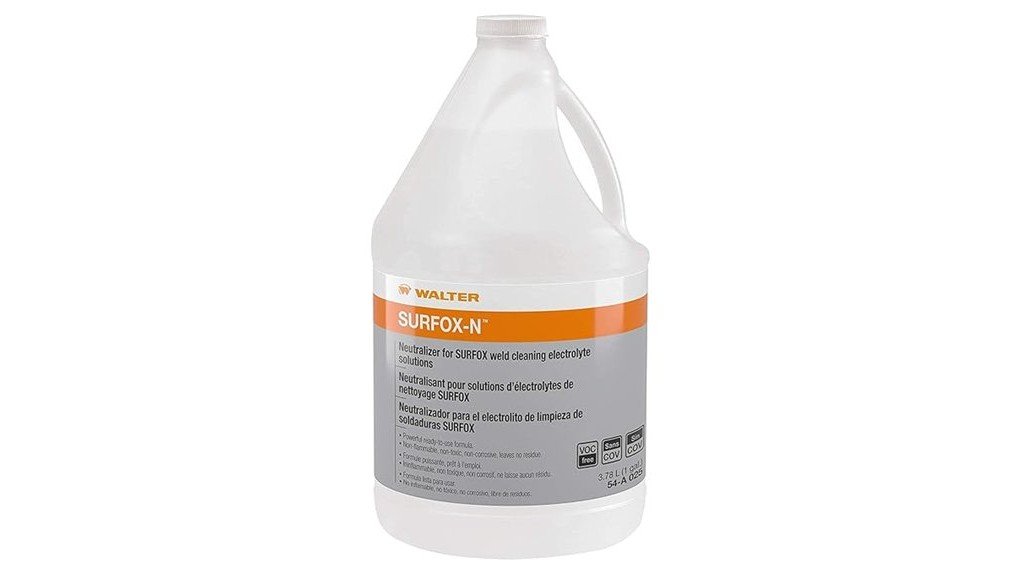
After electrochemical weld cleaning, the job is not finished until the acidic electrolyte residue has been properly neutralized. Walter Surface Technologies SURFOX-N is a ready-to-use cleaning and neutralizing formula made for that final step in the SURFOX process. The 3.78 L (1 gal) jug, manufacturer part 54A025, is aimed at fabricators, stainless steel shops, and maintenance teams that already use compatible SURFOX weld-cleaning solutions. Its main strength is simple, system-specific neutralization, while its main limitation is equally important: it is not a general-purpose pre-weld degreaser or a substitute for the acidic electrolyte used to remove heat tint.
Quick Verdict
Rating: 8.5/10
Best For: Shops using SURFOX electrochemical weld-cleaning solutions that need a dedicated post-cleaning neutralizer.
Bottom Line: SURFOX-N is a focused, ready-to-use neutralizing formula that helps remove residual SURFOX electrolyte after weld cleaning. It makes the most sense inside the Walter SURFOX workflow, so buyers who need a general metal cleaner or an unrelated-system chemical should choose by compatibility first.
| Specification | Detail |
|---|---|
| Brand | Walter Surface Technologies |
| Product | SURFOX-N Cleaning and Neutralizing Formula |
| Manufacturer Part | 54A025 |
| Container Size | 3.78 L (1 gal) |
| Container Type | Jug |
| Form | Water-based liquid |
| Color | Clear |
| Primary Use | Neutralizes SURFOX-T and SURFOX Renew residues and cleans SURFOX-G residue after electrochemical weld cleaning |
| Material Compatibility | Described for all materials, with aluminum, stainless steel, and titanium specifically listed by product sellers |
| VOC / Flammability | VOC-free and non-flammable |
| Best Use | Post-cleaning neutralization in a compatible SURFOX weld-cleaning workflow |
Key Takeaways
- SURFOX-N is a post-weld-cleaning neutralizer, not the acidic electrolyte that removes heat tint and not a general pre-weld degreaser.
- The 3.78 L jug is Walter part 54A025 and is intended to neutralize SURFOX-T and SURFOX Renew while cleaning SURFOX-G residue.
- Product literature describes it as water-based, VOC-free, non-flammable, and suitable across metalworking materials, including stainless steel, aluminum, and titanium.
- Its biggest buying advantage is compatibility within the SURFOX system. Its biggest limitation is that you should not assume compatibility with unrelated weld-cleaning chemicals or processes.
- For best results and safe handling, follow the current Walter product label, SDS, and instructions for the exact SURFOX solution you use.
What Is the Walter SURFOX-N Cleaning and Neutralizing Formula?
SURFOX-N is the neutralizing stage of Walter Surface Technologies’ electrochemical weld-cleaning system. Walter’s SURFOX cleaning electrolytes use acidic chemistry during weld cleaning and electropolishing. After that process, residual acidic solution needs to be neutralized so it does not remain active on the treated metal surface.
The 3.78 L version is supplied as a jug under manufacturer part 54A025. It is a practical shop-size option when you clean and neutralize welds regularly and do not want to rely on smaller spray containers. The product is ready to use, so you are not buying a concentrate that needs an improvised dilution ratio.
This distinction matters when you shop. SURFOX-N is designed to finish the cleaning workflow after discoloration has already been removed. If your goal is to remove grease before welding, strip heavy oxidation, or provide the electrochemical cleaning action itself, this is not the product for that stage.
Before You Buy: Do not buy SURFOX-N expecting it to replace SURFOX-T, SURFOX Renew, or another weld-cleaning electrolyte. It is the neutralizing and cleanup step used after the weld-cleaning chemistry has done its work.
Who Should Buy It?
Best For
- Fabricators already using Walter SURFOX electrochemical weld-cleaning equipment and solutions.
- Shops that need a larger 3.78 L supply for repeated post-cleaning neutralization.
- Stainless steel and mixed-metal fabrication work where a manufacturer-specified neutralizer is preferred over a water-only rinse.
Skip If
- You need a general-purpose pre-weld degreaser for oil, fingerprints, or shop dirt.
- You use a different weld-cleaning chemical system and have not confirmed neutralizer compatibility.
- You only do occasional small jobs and would rather buy a smaller container.
How Does SURFOX-N Neutralize After Weld Cleaning?
The core job of SURFOX-N is chemical neutralization after electrochemical weld cleaning. Walter’s guidance explains that simply rinsing an acidic weld-cleaning electrolyte with water may dilute the acid without fully neutralizing it. SURFOX-N is used to stop that residual acidic action and help remove remaining cleaning-solution residue from the treated area.
That is different from the original idea of using SURFOX-N to break down ordinary oils, dirt, and oxidation before welding. For normal surface preparation before welding, use a cleaner or degreaser that is specifically approved for that task and material. SURFOX-N belongs after the electrochemical cleaning step.
Pro Tip: Keep your weld-cleaning electrolyte and your neutralizer clearly labeled and physically separated on the bench. Treat SURFOX-N as the finishing chemical in the workflow so it is not confused with the acidic cleaning solution.
What Are the Benefits of Using SURFOX-N?
Designed for the SURFOX Workflow
The main benefit is compatibility with Walter’s own cleaning process. SURFOX-N is specifically identified for neutralizing SURFOX-T and SURFOX Renew and for cleaning SURFOX-G residue. That makes the product easier to justify when your shop already uses those consumables because you are following a defined system instead of improvising a neutralizer.
Ready-to-Use Formula
SURFOX-N is sold as a ready-to-use liquid. That removes the need to create your own dilution ratio for routine use. In a production setting, fewer mixing steps can also make the workflow easier to standardize from one operator to another.
Water-Based, VOC-Free, and Non-Flammable
Product literature describes SURFOX-N as water-based, VOC-free, and non-flammable. Its safety data sheet also states that it is not classified as a hazardous substance or mixture under the referenced OSHA Hazard Communication Standard. That does not mean normal shop precautions can be ignored, but it is a useful distinction when comparing it with more aggressive chemical products.
Useful for More Than Stainless Steel
Stainless steel is the material most closely associated with electrochemical weld cleaning, but SURFOX-N literature is not limited to stainless alone. Sellers list compatibility with aluminum and titanium as well, and some describe it for all metal types. If your job involves an unusual alloy or a critical finish requirement, confirm compatibility with Walter before processing production parts.
Which Metals Are Compatible With SURFOX-N?
Verified product information specifically names stainless steel, aluminum, and titanium, while broader Walter distributor descriptions state that SURFOX-N can be used on all types of metals or materials. That gives it broader shop usefulness than a stainless-only label would suggest.
- Stainless steel: The primary use case for SURFOX electrochemical weld cleaning and post-cleaning neutralization.
- Aluminum: Specifically listed as a compatible material by product sellers.
- Titanium: Also specifically listed in compatibility information.
- Other metals: Broader listings describe all-metal compatibility, but critical or unusual alloys should still be checked against current Walter instructions.
How It Performs in Real Use
After Stainless Steel Weld Cleaning
This is the scenario where SURFOX-N makes the most sense. After the electrochemical cleaner has removed weld discoloration, you use the neutralizer as the cleanup stage specified for the SURFOX chemistry. The benefit is process control: you are not relying on water alone to deal with residual acidic solution.
In a Repetitive Fabrication Workflow
The 3.78 L jug is better suited to repeated shop use than a small trigger bottle. If operators clean multiple welds across a shift, the larger container reduces how often you need to replace your neutralizer supply. You still need to use an appropriate application method and follow the product instructions rather than pouring directly onto work without control.
For Mixed-Metal Shop Work
Because the product is listed for materials beyond stainless steel, it can be useful in shops that handle aluminum or titanium as well. The limitation is that the neutralizer does not automatically make every electrochemical cleaning method appropriate for every metal. The entire process, including the cleaning solution and machine settings, must be suitable for the material.
For Occasional Home or Small-Shop Use
The formula is simple to understand, but a 3.78 L jug may be more than a light user needs. If you only neutralize a few welds occasionally, compare the larger jug with Walter’s smaller SURFOX-N formats before buying. Container size affects convenience and storage even when the chemistry is the same.
How to Use It Correctly
Use SURFOX-N only after the weld-cleaning or electropolishing stage specified by the Walter process. Remove the weld discoloration with the correct SURFOX equipment and electrolyte first, then apply the neutralizer according to the current product instructions. Product literature for SURFOX-N describes a straightforward apply-and-wipe workflow, but the exact procedure should follow the label and instructions for your system.
Avoid treating SURFOX-N as a substitute for good surface preparation. Oil, grease, coatings, scale, or contamination present before welding may need a separate cleaning method. Keeping the pre-weld cleaning stage, electrochemical weld-cleaning stage, and final neutralization stage separate helps prevent the most common buying and use mistake with this product.
Compatibility and Safety
SURFOX-N has a comparatively mild safety profile in its published SDS, but you should still handle it as an industrial shop chemical. Read the current SDS, wear the personal protective equipment required by your workplace and process, avoid eye contact, and keep the product in its labeled container. If the product contacts your eyes or skin, follow the first-aid instructions on the current SDS.
Do not mix SURFOX-N with unrelated chemicals in an attempt to make it stronger or more versatile. You should also follow local rules for chemical storage and disposal rather than assuming that a VOC-free or non-flammable product can be poured into a drain. For critical fabrication, food-contact, pharmaceutical, or code-controlled work, follow the governing procedure and customer requirements in addition to the product label.
Pros and Cons
Pros
- Purpose-built for neutralizing SURFOX-T and SURFOX Renew residues.
- Also specified for cleaning SURFOX-G residue.
- Ready-to-use, water-based formula simplifies the post-cleaning step.
- VOC-free and non-flammable according to product literature.
- 3.78 L jug is practical for repeated shop use.
Cons
- Specialized neutralizer, not a replacement for the weld-cleaning electrolyte or a general degreaser.
- Best value is tied to using the compatible SURFOX process.
- The 3.78 L size may be excessive for occasional small jobs.
Is It Worth the Price?
SURFOX-N is best judged as a system consumable rather than as a generic bottle of cleaner. If you already use Walter’s SURFOX weld-cleaning solutions, a manufacturer-matched neutralizer offers strong practical value because it gives you a clear, repeatable finishing step for the process.
The 3.78 L jug is especially sensible for a fabrication shop that uses the product regularly. It is less compelling for buyers who only need a small amount or who are not using a compatible SURFOX electrolyte. In those cases, buying more chemical than you need or choosing a neutralizer without checking system compatibility can erase the value quickly.
How It Compares to Alternatives
Other electrochemical weld-cleaning brands also use dedicated neutralizing fluids. Cougartron, for example, specifies a neutralizer after its weld-cleaning fluids, and Ensitech’s TIG Brush system also includes dedicated neutralising products. The important buying difference is system compatibility, not simply bottle size or price.
If your shop is already standardized on Walter SURFOX, SURFOX-N is the straightforward choice. If you use Cougartron, TIG Brush, or another platform, compare the neutralizer recommended by that system’s manufacturer rather than assuming one brand’s chemistry is interchangeable with another.
What Should You Look for in Buyer Feedback?
No verified Amazon rating or review count is used here. For this industrial consumable, focus on feedback about compatibility with the exact SURFOX cleaner, finish quality after the proper process, packaging, and whether the container size fits the shop’s usage rate.
Where Can You Find SURFOX-N?
SURFOX-N is sold through welding and industrial-supply retailers in several container sizes, including the 3.78 L jug reviewed here. When comparing listings, verify that the product is SURFOX-N and that the 3.78 L version shows Walter manufacturer part 54A025. That helps you avoid confusing it with the smaller 500 mL bottle or larger pail formats.
For online purchases, check the exact seller listing, package size, and product code before ordering. Stock and seller details can change, so the product identifier is more reliable than a temporary availability statement.
Frequently Asked Questions
Is SURFOX-N a weld-cleaning acid?
No. SURFOX-N is the neutralizing and cleanup formula used after compatible SURFOX weld-cleaning solutions. It is not the electrolyte that performs the main electrochemical removal of weld discoloration.
What does SURFOX-N neutralize?
Walter’s product information identifies SURFOX-N for neutralizing SURFOX-T and SURFOX Renew. It is also specified for cleaning SURFOX-G residue after the related process.
Can I use water instead of SURFOX-N?
Walter guidance explains that water can dilute residual acid but does not provide the same neutralizing action. Follow the current SURFOX procedure for the cleaning solution you use instead of substituting a water-only step without approval.
Can SURFOX-N be used on aluminum?
Yes, aluminum is specifically listed in compatibility information for SURFOX-N. You should still make sure the complete weld-cleaning process, not just the neutralizer, is suitable for the aluminum alloy and finish you are working on.
Is SURFOX-N flammable?
Product literature describes SURFOX-N as non-flammable and VOC-free. Even so, store and handle it according to the current product label, SDS, and your workplace chemical-handling rules.
Is the 3.78 L jug the same as Walter part 54A025?
Yes. Current product and SDS information identify 54A025 as the 3.78 L (1 gal) SURFOX-N format. Checking that part number is a useful way to confirm you are ordering the jug reviewed here.
Can I use SURFOX-N with another brand’s weld cleaner?
Do not assume cross-brand compatibility. SURFOX-N is documented around Walter SURFOX solutions, so check with the chemical or equipment manufacturer before combining it with a different electrochemical weld-cleaning system.
Who should skip the 3.78 L size?
Occasional users who only neutralize a few welds may find a smaller SURFOX-N container easier to store and use. The 3.78 L jug is more attractive when you need a repeat supply for regular fabrication work.
The Bottom Line
Walter SURFOX-N 3.78 L is a strong fit for fabricators who already use the SURFOX weld-cleaning process and want a dedicated, ready-to-use neutralizer in a practical shop-size jug. Its main strength is clear compatibility with Walter’s own cleaning solutions, while its main limitation is specialization: buyers needing a general cleaner or a neutralizer for another brand should choose a product matched to that job.
For the intended SURFOX workflow, the 8.5/10 rating is justified by its simple role, verified 54A025 format, and straightforward post-cleaning use. Just confirm the exact cleaning chemistry and material compatibility before you put it into your process.