You want reliable welds without guessing which rod to reach for when a repair or project pops up. Choosing the right filler makes welding easier, reduces rework and helps you get stronger, cleaner joints.
This guide highlights ten common rods you’ll encounter as a home welder and explains what each one is best for so you can spend less time troubleshooting and more time welding.
Top Picks
|
Category |
Product |
Score |
|---|---|---|
|
🏆 Best Low-Hydrogen |
88/100 |
|
|
💰 Best Budget Stainless TIG |
90/100 |
|
|
🎯 Best Value E7018 |
86/100 |
|
|
⭐ Best For Light Fabrication |
83/100 |
|
|
🚀 Best Beginner-Friendly |
85/100 |
|
|
🔰 Best Stainless Stick |
82/100 |
|
|
💼 Best For Pipe Work |
89/100 |
|
|
🎨 Best Small TIG Pack |
92/100 |
|
|
🔥 Best Mild Steel TIG |
90/100 |
|
|
🧰 Best For Deep Penetration |
87/100 |
How We Chose These Rods
You need rods that match common shop tasks, so we prioritized versatility, ease of use and proven performance for home projects. We looked at rod type and chemistry first because E7018, E6010, E6013 and stainless filler rods behave very differently and suit different weld joint conditions.
Practical factors such as rod length and pack size, packaging for moisture protection and amp range matter for how easy a rod is to use in a typical garage welder. Customer feedback and overall ratings helped identify consistent performers, while price and value ensured the list includes options for both budget-minded hobbyists and occasional stainless or TIG work.
Finally, we favored rods that are forgiving for beginners but still respected by experienced users so you get equipment that grows with your skills.
This is a dependable E7018 low-hydrogen rod you can reach for when you need consistent, clean welds on mild and structural steel. You’ll notice a steady arc and predictable bead that make it easier to control heat and penetration, which helps whether you’re fixing a trailer, repairing farm equipment or tackling general shop work.
The 1/8″ diameter is a common size for home projects and the pack arrives in a tidy box that keeps rods organized. If you want a rod that behaves like a pro-grade electrode but doesn’t require special handling beyond keeping it dry, this one fits that role nicely.
What People Say
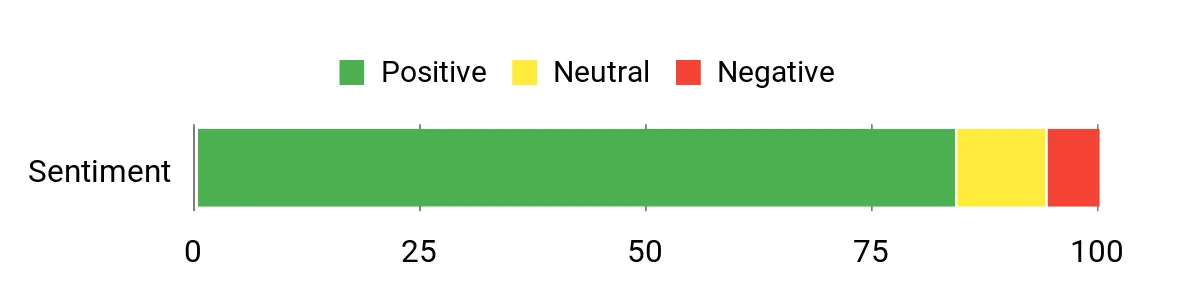
Most buyers report a reliable, even burn and say the rods strike and run smoothly, making setup less fiddly. People often note the rods perform like higher-end brands for routine repairs, and that the packaging keeps them tidy.
A small number of users mention minor quality variation, but the overall pattern is consistent satisfaction with performance and ease of use.
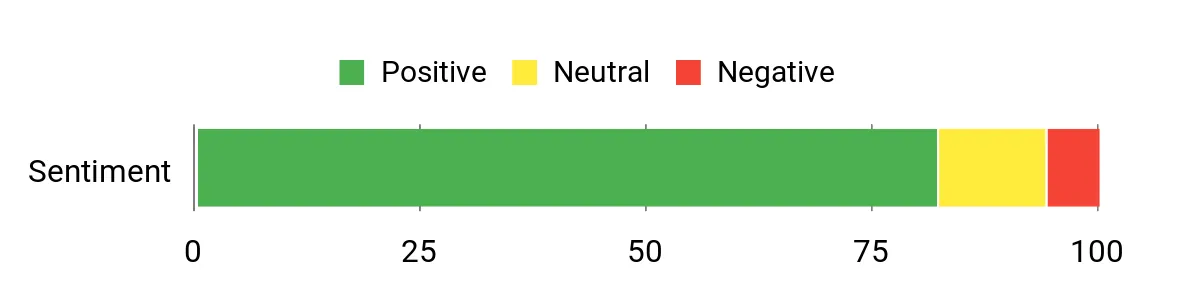
Overall Sentiment: Positive
Versatility
Great for everyday structural repairs, farm and trailer fixes, and general maintenance where you need dependable penetration and a durable joint.
Durability
The low-hydrogen coating supports strong, crack-resistant welds when stored properly; keep the box dry to maintain peak performance over time.
Key Benefits
- Stable arc and steady bead for easier control
- Low-hydrogen chemistry reduces cracking risk on structural work
- User-friendly for beginners yet trusted by experienced welders
- Packaged to stay organized and reasonably protected from moisture
Rating: 4.6 (total: 457+)
If you work with 304 or similar stainless, these ER308L TIG rods are a convenient go-to for thin-sheet repairs and small fabrications. You get 1/16″ diameter rods at a manageable 16″ length that make bench work and tight spots less awkward, and the filler metal lays into the puddle cleanly so you can keep neat beads without overthinking every pass.
They’re handy for regular garage fixes, kitchen or exhaust work, and any time you need corrosion-resistant joints. If you switch between TIG and other processes, these are solid to keep on the shelf for the occasional stainless job.
What People Say
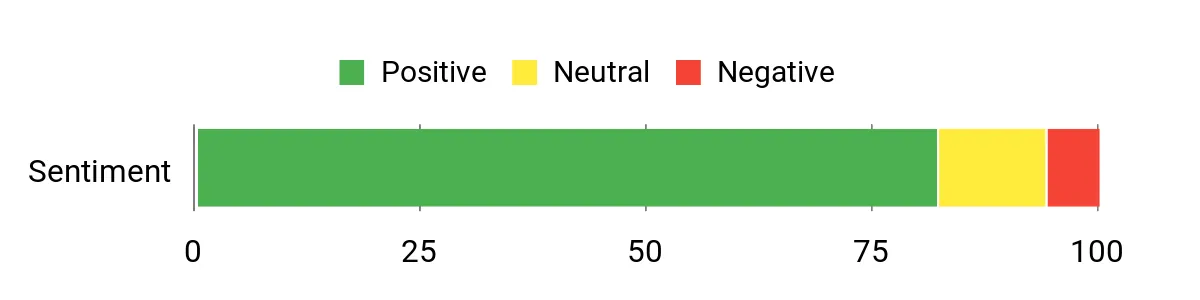
Customers commonly praise the rod quality and how well the filler feeds into the puddle, making neat welds easier to achieve. Many owners appreciate the shorter length for bench work, though some mention that short sticks can feel wasteful for longer runs and that packaging varies between shipments. Overall the feedback points to reliable performance for hobbyists and light fabrication.
Overall Sentiment: Positive
Versatility
Well suited to TIG repairs, thin stainless sheet work, and small fabrication where control and cleanliness matter.
Durability
The ER308L chemistry gives good corrosion resistance in 300-series stainless welds; store rods dry to keep surface condition optimal.
Key Benefits
- Good arc stability and smooth filler flow for tidy beads
- Sized for thin stainless and cramped working areas
- Helpful packaging for storage and organization
- Consistent material quality suitable for hobby and light professional work
Rating: 4.7 (total: 901+)
This E7018 stick offers the kind of dependable, low-hydrogen performance you want for structural repairs and everyday shop work. You’ll get a steady arc and a predictable bead that makes it easier to control penetration on trailer repairs, farm gear or steel frames. The 1/8″ size is versatile for thicker home-shop tasks while still being approachable if you’re improving your technique.
Keep the rods dry and they reward you with consistent strikes and clean welds; they’re a solid pick whether you’re a hobbyist or doing occasional pro-level fixes.
What People Say
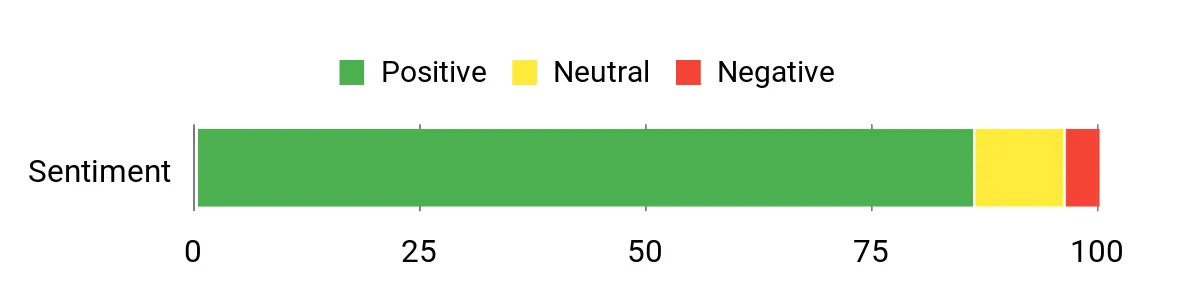
Buyers frequently note that these rods run like more expensive name-brand electrodes, delivering consistent results and easy arc starts. People appreciate the reliable bead shape and the practical packaging that keeps rods neat.
A few users remind others to set amps correctly, but the general consensus is dependable performance for routine repairs.
Overall Sentiment: Positive
Versatility
Well suited for structural welding, equipment repair, trailer and farm fixes, and general maintenance where strong, crack-resistant joints matter.
Durability
The low-hydrogen coating supports durable welds when rods are stored dry; proper storage preserves coating integrity and peak performance over time.
Key Benefits
- Stable arc and consistent bead for easier control
- Low-hydrogen formulation reduces cracking risk on structural joints
- Friendly for beginners while meeting pro expectations
- Comes in a box that keeps rods organized and protected
Rating: 4.6 (total: 1719+)
This E6013 rod is the go-to for lighter fabrication, sheet metal and general garage repairs where you want a smooth, forgiving arc. You’ll find it easy to control on thinner material, which makes tack welding, patching and hobby projects more approachable. The coating promotes a stable puddle and relatively easy slag removal, so cleanup stays simple after a few passes.
Keep a pack handy for day-to-day shop tasks and occasional projects where neat beads and straightforward handling matter.
What People Say
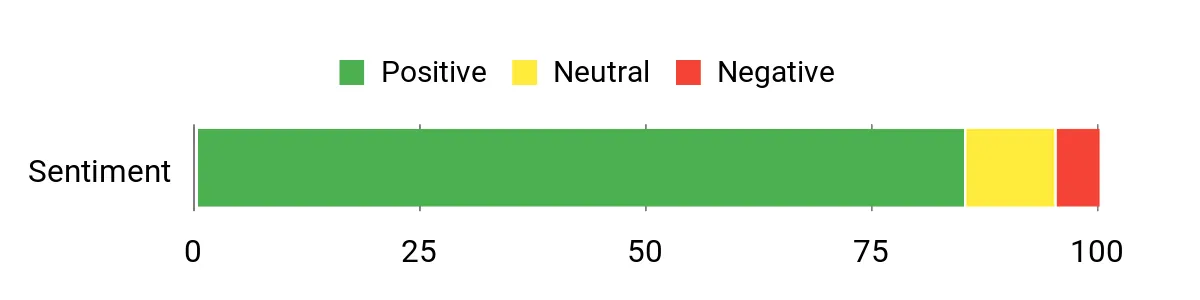
Users consistently mention how easy these rods are to strike and run, making them popular for beginners and light fabricators. Many appreciate the predictable bead shape and how the rods handle on thinner stock, while packaging and storage get positive notes for keeping rods organized. A few buyers remind others to dial in the right amp setting, but the overall sentiment is that these are reliable, everyday electrodes.
Overall Sentiment: Positive
Versatility
Ideal for thin-to-medium sheet work, automotive patching, light fabrication and general maintenance tasks in a home shop.
Durability
The flux coating produces consistent welds when rods are stored dry; proper storage keeps the coating effective and the rods ready to use.
Key Benefits
- Forgiving arc that helps when you’re learning or working on thin metal
- Flows smoothly for tidy beads and easy slag removal
- Compact pack size is convenient for hobbyists and small shops
- Works well in common inverter and transformer machines
Rating: 4.6 (total: 1719+)
You’ll like this E6013 if you want an easy-to-handle rod for thin-to-medium sheet work and routine repairs. It produces a forgiving arc that helps when you’re tacking or filling small gaps, and the flux coating gives a smooth puddle with straightforward slag removal so cleanup is less of a chore. It’s handy for automotive patching, garden equipment fixes and light fabrication around the shop.
Keep the rods dry and they’ll give you reliable, predictable results whether you’re just getting started or knocking out weekend repairs.
What People Say
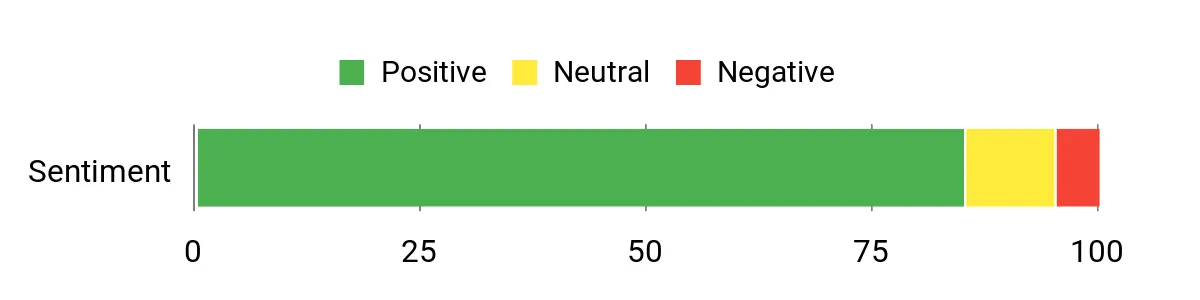
Users often highlight how easy the rods are to strike and run, praising the steady bead and control they get on common repairs. Many note the rods handle similarly to pricier brands and appreciate the practical packaging.
A few mention being careful with amp settings, but the overall consensus is reliable everyday performance.
Overall Sentiment: Positive
Versatility
Well suited for auto patching, light fabrication, tacks and general home or farm equipment repairs.
Durability
The coating supports consistent welds when rods are stored dry; proper storage preserves coating effectiveness and keeps performance steady over time.
Key Benefits
- Forgiving arc makes thin metal easier to weld
- Smooth puddle and easy slag removal for cleaner beads
- Good for tack work and short runs in cramped spaces
- Packaged to stay organized and ready to use
Rating: 4.6 (total: 457+)
If you need to weld stainless without a MIG or TIG setup, these E308L stick electrodes are a practical option to keep around. They produce a fairly self-cleaning bead that’s handy on exhaust work, tubing and small repairs where surface finish matters.
The 14″ length and stick format make them easier to use in the field or on awkward pieces, and the finish they leave can reduce post-weld cleanup compared with some other stick rods. A couple of users note missing amp/polarity guidance on the packaging, so plan to dial settings with a test piece first. For occasional stainless repairs, they’re a solid, approachable choice to have on the shelf.
What People Say
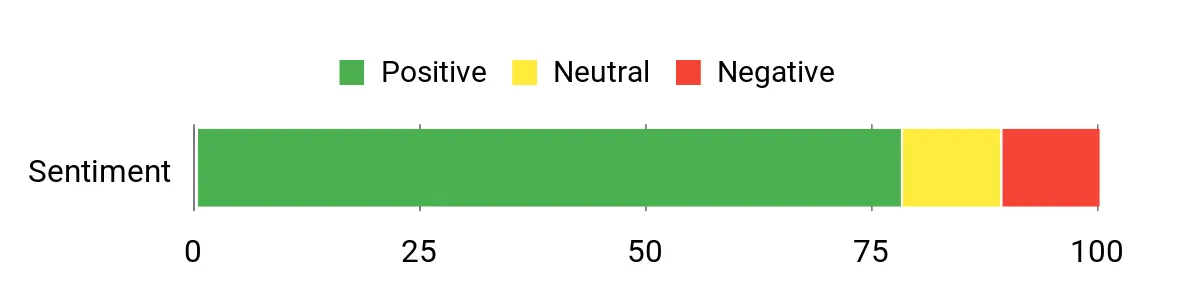
Customers commonly mention that these rods work well for stainless repairs when you don’t have access to MIG or TIG, producing clean beads and manageable slag. The packaging gets positive notes for keeping rods dry, though some buyers wish the box included clearer amp and polarity guidance. A minority report inconsistent results, so testing on scrap before a final weld is a common recommendation.
Overall Sentiment: Positive
Versatility
Best for field repairs, exhaust and small stainless fabrication when MIG or TIG aren’t practical.
Durability
The electrodes are reasonably stable when stored in their tube or box, but like any stainless stick rod they perform best when kept dry and used within a reasonable timeframe.
Key Benefits
- Produces self-cleaning beads that peel off slag cleanly
- Good option for exhaust, tubing and light stainless repairs
- Reusable-style packaging helps keep rods protected
- Leaves a tidy finish that reduces grinding and cleanup
Rating: 4.5 (total: 18+)

You’ll find these J422 rods are a reliable, no-nonsense choice for everyday shop tasks. They strike easily and produce a forgiving arc that helps when you’re working on thinner plates or doing tack work, and the bead profile is tidy with straightforward slag removal so cleanup doesn’t slow you down. They work well in both inverter and transformer machines and are flexible enough for hobby projects, garage repairs and light construction. Keep a few on the shelf and you’ll have a dependable rod for most routine welding jobs.
What People Say
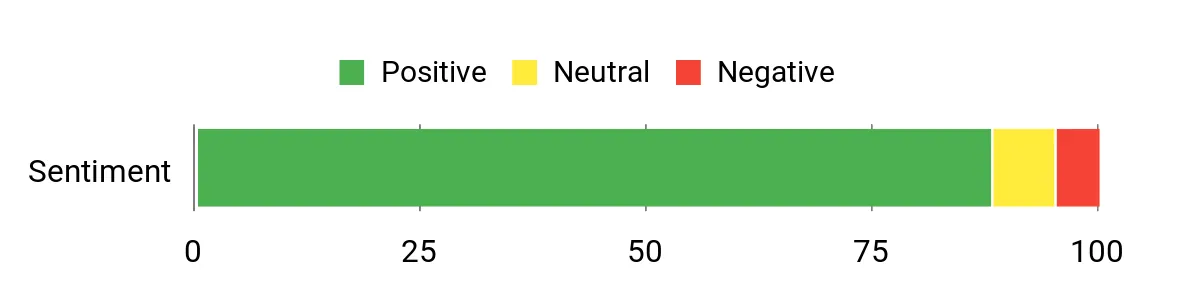
Customers frequently praise how easy these rods are to use and how consistently they perform across machines. Many point out the nice bead shape and the minimal fuss when removing slag, which makes them a go-to for routine repairs.
A lot of users also mention the rods feel well made and are suitable for beginners and occasional pros alike.
Overall Sentiment: Positive
Versatility
Great for automotive patching, small structural repairs, pressure pipe work and general home or farm maintenance.
Durability
The electrodes hold up well when stored properly; their flux coating delivers steady performance and stays effective if kept dry.
Key Benefits
- Easy arc starts and forgiving behavior for beginners
- Consistent bead and simple slag removal for faster cleanup
- Works across a range of machines, from handheld to shop units
- Good fit for light-to-medium structural and sheet work
Rating: 4.7 (total: 358+)
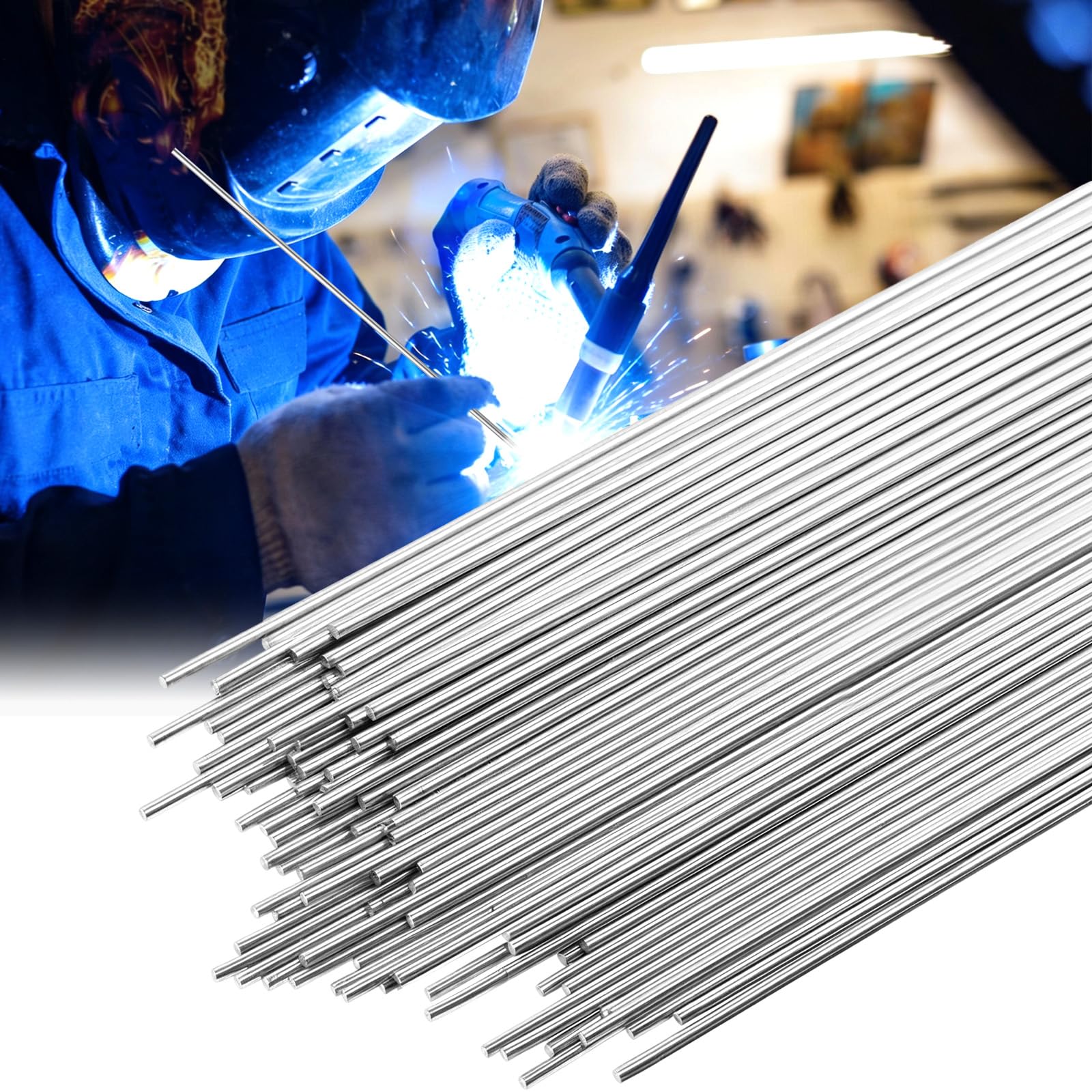
These ER308L TIG rods are a handy, low-drama option when you’re working on 300-series stainless in the shop. The 1/16″ diameter and 16″ length make bench work and tubing repairs easier to handle, and the low-carbon chemistry helps with corrosion resistance and crack control.
You’ll get a smooth feed into the puddle and good arc stability, which keeps beads tidy and reduces cleanup. The 20-piece pack suits hobbyists and occasional stainless work; if you weld stainless regularly you might prefer larger spools, but for repairs and small projects these rods are a practical choice to keep on the shelf.
What People Say
Buyers frequently mention how consistent the rods are for light stainless TIG work and appreciate the ease of feeding into the puddle. Many praise the cleanliness of the rods out of the package and how that helps produce tidy welds, while a few note the 20-piece count is ideal for occasional use rather than high-volume welding.
Overall Sentiment: Positive
Versatility
Great for 304 stainless repairs, thin sheet and tubing work, and small fabrication tasks where control and finish matter.
Durability
ER308L chemistry gives good long-term corrosion resistance in 300-series applications; store rods in a dry place to keep surface condition optimal.
Key Benefits
- Stable arc and smooth filler flow for neat beads
- Low-carbon composition improves corrosion resistance
- Convenient 16″ length for bench and tubing work
- Clean arrivals with minimal surface contamination
Rating: 5.0 (total: 7+)
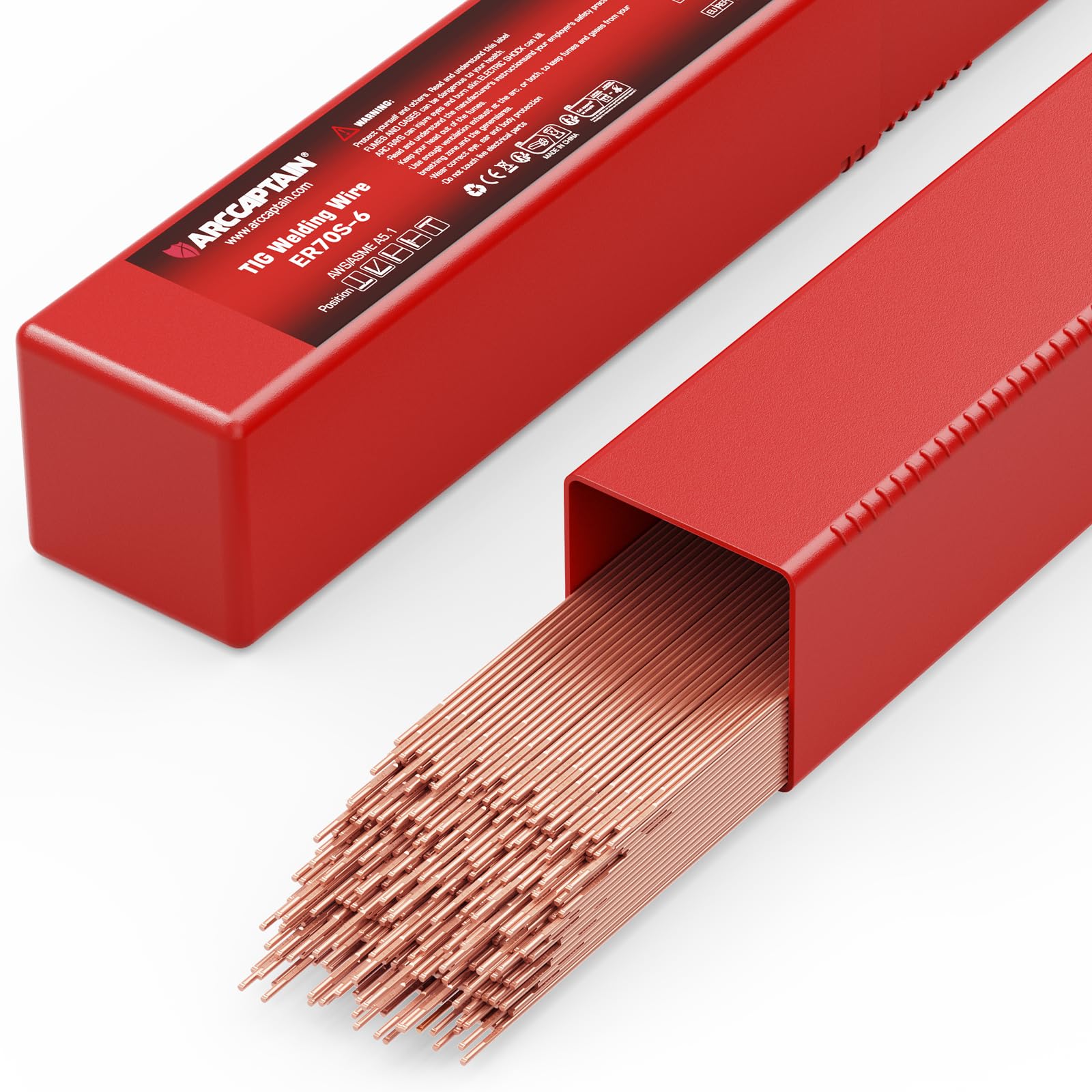
These ER70S-6 TIG rods are a solid, all-around choice when you’re doing mild steel TIG work in the shop. You get straight, clean rods that feed smoothly into the puddle, which makes controlling the bead and keeping spatter low a lot easier. They work well for bench repairs, tubing and light fabrication, and some people even use them for small craft tasks like jump rings where a reliable filler helps.
If you want a dependable mild steel filler that behaves predictably and is easy to handle in tight spots, these are worth keeping on the shelf.
What People Say
Buyers often highlight how clean and straight the rods arrive, which makes setup and feeding noticeably easier. Many users report reliable welds and good penetration for typical mild steel projects, while a few mention they’d prefer longer lengths for bigger jobs.
Overall the feedback centers on predictable performance and solid material quality.
Overall Sentiment: Positive
Versatility
Well suited to mild steel TIG repairs, thin-sheet fabrication, tubing work and small creative projects like jewelry or chainmail components.
Durability
The rods show consistent performance when stored dry; the clean surface and straightness help maintain reliability over multiple uses.
Key Benefits
- Straight, clean rods that feed well into the puddle
- Good arc stability for tidy beads and minimal spatter
- Suitable 1/16″ size for thin sheet and tubing work
- Consistent material quality with low contamination
Rating: 4.7 (total: 200+)
You’ll reach for E6010 when you need deep penetration and reliable performance on difficult surfaces. These rods bite into rust, paint and tight-fit joints better than most, making them a solid choice for pipe work, root passes and repairs where cleanliness isn’t perfect.
They run well on both inverter and transformer machines and produce a strong, narrow bead that helps when you need to weld through contaminants or get good fusion in grooves. If your projects include repairs on farm equipment, structural patching or any work where you want the weld to dig in and hold, these are a practical, workhorse electrode to keep close at hand.
What People Say
Customers commonly praise these rods for their ability to dig into less-than-perfect surfaces and deliver strong, clean fusion, which is why pros and maintenance folks keep them around. People also note dependable arc stability across different machines and consistent packaging.
A few users recommend testing amps and technique to get the best out of them, but overall the consensus is that they do the tough jobs well.
Overall Sentiment: Positive
Versatility
Best for pipe welding, root passes, structural repairs and situations where metal is dirty, painted or otherwise contaminated.
Durability
When stored dry, the coating and flux perform consistently to deliver dependable welds; these rods are built to stand up to field use and heavy-duty tasks.
Key Benefits
- Excellent deep penetration for root passes and dirty metal
- Reliable arc on inverter and transformer welders
- Tolerant of surface contamination and tight fits
- AWS-certified formulation suitable for structural repairs
Rating: 4.6 (total: 95+)
FAQ
How Do I Choose The Right Rod?
Start by matching the rod to the metal and the joint you’re welding: use E7018 for structural, low-hydrogen work; E6010 when you need deep penetration or are welding dirty or painted steel; E6013 or J422 for forgiving, light fabrication and thin sheet; ER70S-6 and ER308L are filler choices for TIG on mild steel and 300-series stainless respectively. Pay attention to diameter and length — 1/8″ and 3/32″ are common stick sizes while 1/16″ is typical for TIG filler — and make sure the rod suits your machine type and the joint fit-up.
When in doubt, match the rod to the metal and do a quick test weld to confirm settings.
How Should I Store And Care For Rods?
Keep rods dry and organized in their original packaging or a sealed container with a desiccant so the flux coating stays effective; low-hydrogen rods are especially sensitive to moisture. If rods get damp, follow the manufacturer’s guidance — some low-hydrogen electrodes require re-baking, while others should be replaced — so check instructions rather than guessing. Treat storage as routine maintenance, and you’ll avoid arc instability and poor weld quality caused by contaminated coatings.
What Practical Tips Improve My Welds?
Set the correct amps and polarity, angle the rod to control penetration, and maintain a steady travel speed; small adjustments often fix bead shape more than changing rods. Always test on scrap before starting a job so you can fine-tune heat and technique, clean stainless before TIG and use proper shielding, and remember that shorter TIG filler rods are handy in tight spots but can waste material on long runs.
Practice consistent striking and slag removal habits and you’ll see noticeable improvements across different rod types.
Welders Favorites
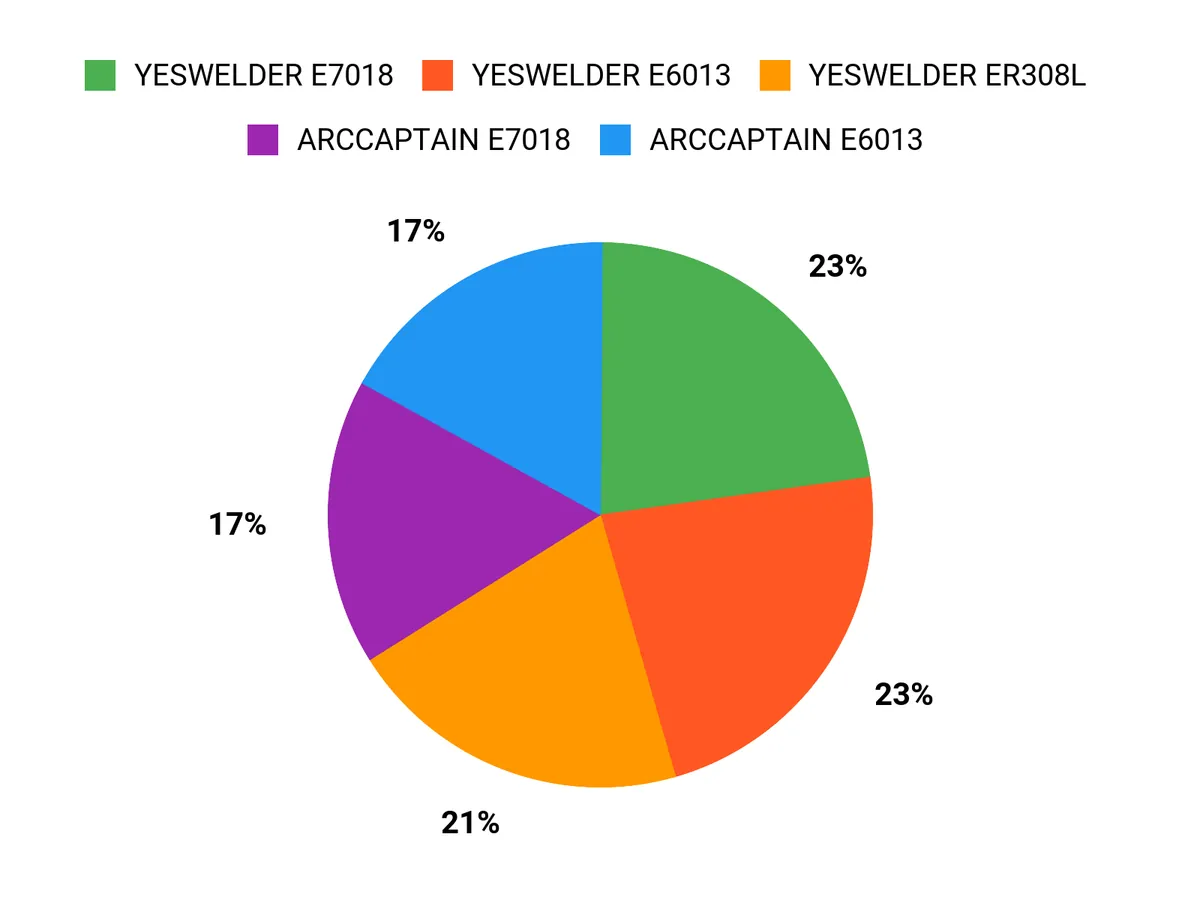
When you’re choosing between ARCCAPTAIN E7018, YESWELDER ER308L and YESWELDER E7018, you tend to prioritize the job: pick E7018s for low‑hydrogen structural work, ER308L for stainless TIG repairs, and the YESWELDER E7018 when you want a reliable general‑purpose stick rod. You also value consistent arc behavior, easy striking and packaging that keeps rods dry, since those practical details make the difference between a smooth repair and extra rework.
Wrapping Up
By matching rod type to the metal and joint you’re working on you can avoid common welding problems and finish jobs faster. Keep E7018 rods for structural, low-hydrogen work and E6010 when you need deep penetration on dirty or reclaimed steel. Use E6013 and J422-style rods for light fabrication and tack work, choose ER70S-6 for mild steel TIG jobs and ER308L when you need stainless filler.
Small TIG packs like the Convivium set are handy for low-volume stainless repairs, while budget-friendly stainless TIG and stick options cover occasional use. Store rods dry, check amp ranges, and pick the rod that fits your welder and the metal you plan to join so your next repair goes smoothly.
| Product Name | Image | Rating | Material | Size | Weight |
|---|---|---|---|---|---|
| ARCCAPTAIN E7018 Welding Rod 1/8” 10LB |
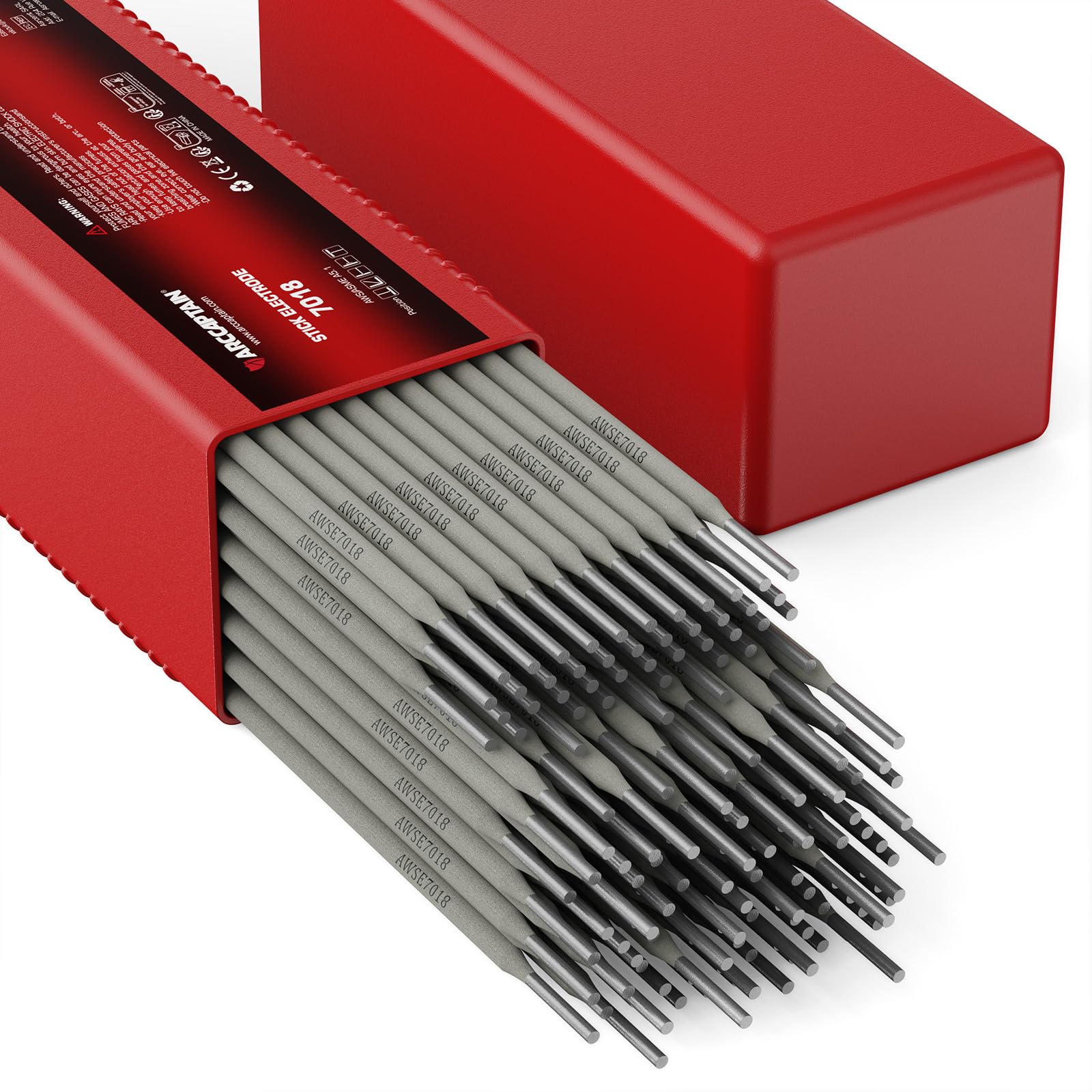 |
4.6/5 (457 reviews) | Low Hydrogen Carbon Steel | 1/8″ | 10.21 lbs |
| YESWELDER Stainless Steel TIG Rod ER308L 1/16″x16″ 5LB |
 |
4.7/5 (901 reviews) | Stainless Steel ER308L | 1/16″x16″ | 5.13 lbs |
| YESWELDER E7018 1/8” 5LB Welding Rod |
 |
4.6/5 (1719 reviews) | Low Hydrogen Carbon Steel | 1/8″ | 5.26 lbs |
| YESWELDER E6013 3/32” 2LB Welding Rod |
 |
4.6/5 (1719 reviews) | Carbon Steel | 3/32″ | 1 lb |
| ARCCAPTAIN E6013 Welding Rod 3/32″ 5LB |
 |
4.6/5 (457 reviews) | Carbon Steel | 3/32″ | 5.13 lbs |
| YESWELDER E308L-16 Stainless Steel Stick Electrodes |
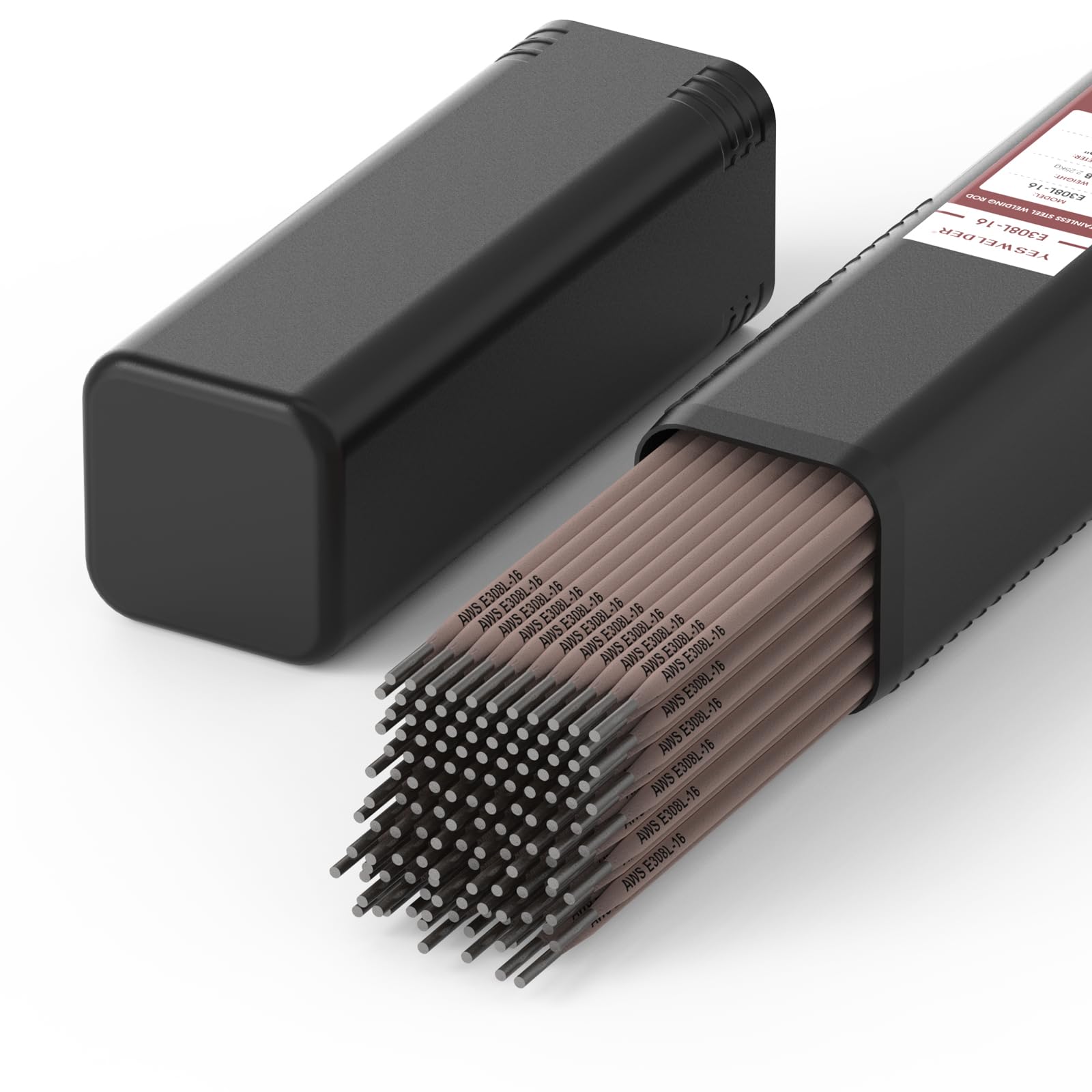 |
4.5/5 (18 reviews) | Stainless Steel | 3/32″ x 14″ | 5.26 lbs |
| 6010 Welding Rod 1/8″ E6010 Stick Welding Electrodes |
 |
4.6/5 (95 reviews) | Carbon Steel | 1/8″ x 14″ | 5 lbs |
This Roundup is reader-supported. When you click through links we may earn a referral commission on qualifying purchases.