Disclosure: As an Amazon Associate, we earn from qualifying purchases. If you use an Amazon link on this page, we may receive a commission at no extra cost to you.
Grabbing the wrong welding rod wastes material, causes poor fusion, and can turn a quick repair into hours of rework. The right choice depends on your welding process, base metal, machine output, joint design, and material thickness.
This guide compares ten stick electrodes and TIG filler rods for mild steel, stainless steel, light fabrication, general repairs, and deeper-penetration work. Use the process labels carefully because a TIG filler rod cannot replace a coated stick electrode, and a stick rod cannot be fed into a TIG puddle like bare filler.
YESWELDER E7018
is a practical all-around option for home-shop mild-steel repairs when the job calls for a 1/8-inch E7018 electrode. Its 5-pound pack is easier for occasional users to store than a bulk box.
Check Price on Amazon
Buyer’s Guide: How to Choose the Right Welding Rod
Start with the welding process. E7018, E6013, J422, E308L-16, and E6010 are coated stick electrodes for SMAW machines. ER308L and ER70S-6 are bare TIG filler rods that require a suitable TIG setup, shielding gas, and the correct tungsten and polarity.
- Confirm the process: Stick electrode or TIG filler rod.
- Match the metal: Mild steel and stainless steel require different filler classifications.
- Check polarity: Not every machine can run every electrode.
- Choose the diameter: Smaller rods provide more control on thin material, while larger rods require more amperage.
- Check the pack: Buy only what you can store correctly before moisture or contamination becomes a problem.
- Review the data sheet: Critical, structural, pressure, or code work requires approved consumables and procedures.
For classification standards and filler-metal guidance, consult the American Welding Society and the manufacturer’s current product data sheet.
Quick Comparison
| Product | Process | Best For | Size and Pack | Amazon |
|---|---|---|---|---|
| ARCCAPTAIN E7018 | Stick/SMAW | Bulk E7018 supply | 1/8″, 10 lb | Check Price on Amazon |
| YESWELDER ER308L TIG | TIG/GTAW | 304/304L-type stainless | 1/16″ × 16″, 5 lb | Check Price on Amazon |
| YESWELDER E7018 | Stick/SMAW | General E7018 repairs | 1/8″, 5 lb | Check Price on Amazon |
| YESWELDER E6013 | Stick/SMAW | Occasional light fabrication | 3/32″, 2 lb | Check Price on Amazon |
| ARCCAPTAIN E6013 | Stick/SMAW | Regular E6013 use | 3/32″, 5 lb | Check Price on Amazon |
| YESWELDER E308L-16 Stick | Stick/SMAW | Stainless work without TIG | 3/32″ × 14″, 5 lb | Check Price on Amazon |
| YesRight J422 | Stick/SMAW | General light-to-medium steel work | 3/32″, 4.5 lb | Check Price on Amazon |
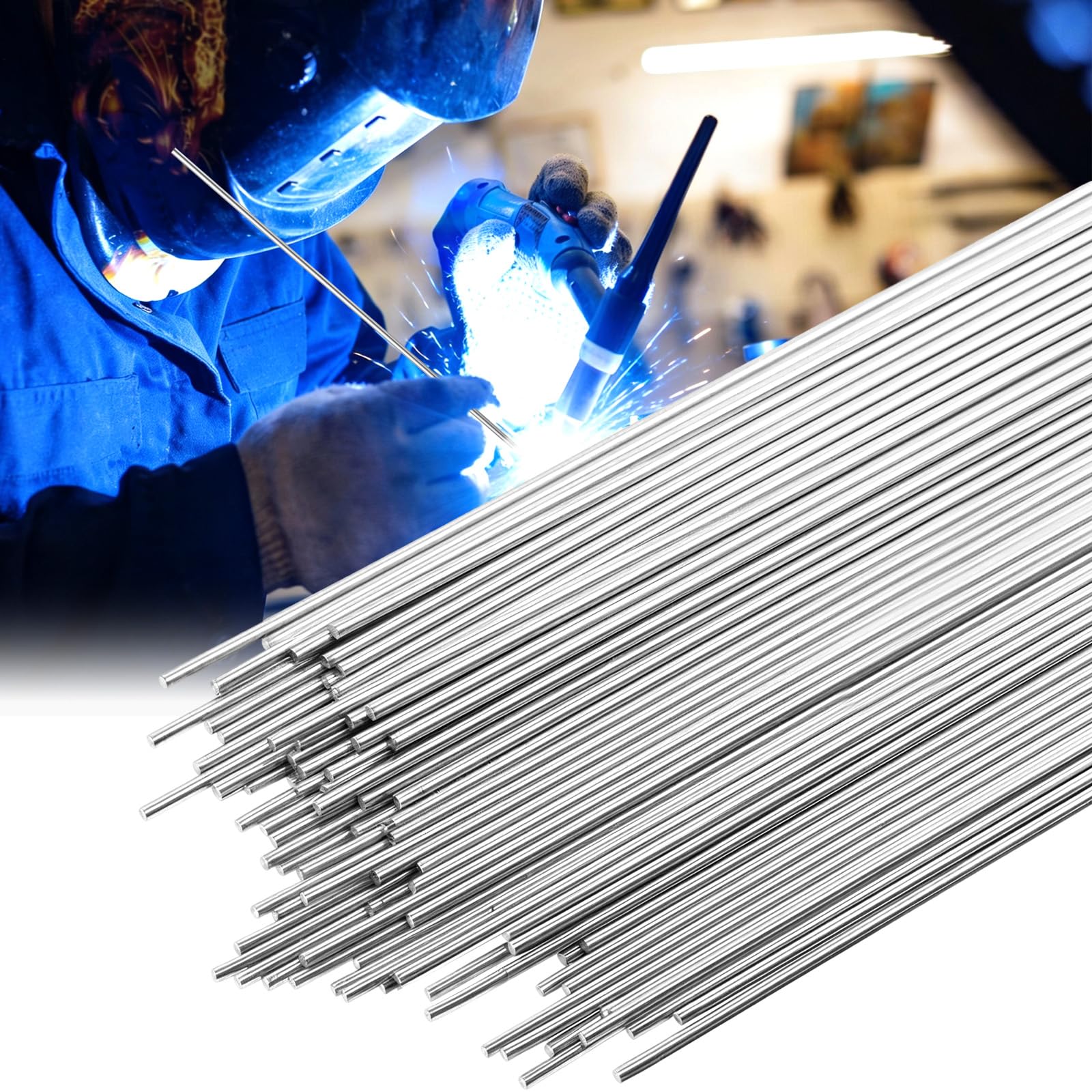
| Convivium ER308L | TIG/GTAW | Occasional stainless TIG | 1/16″ × 16″, 20 rods | Check Price on Amazon |
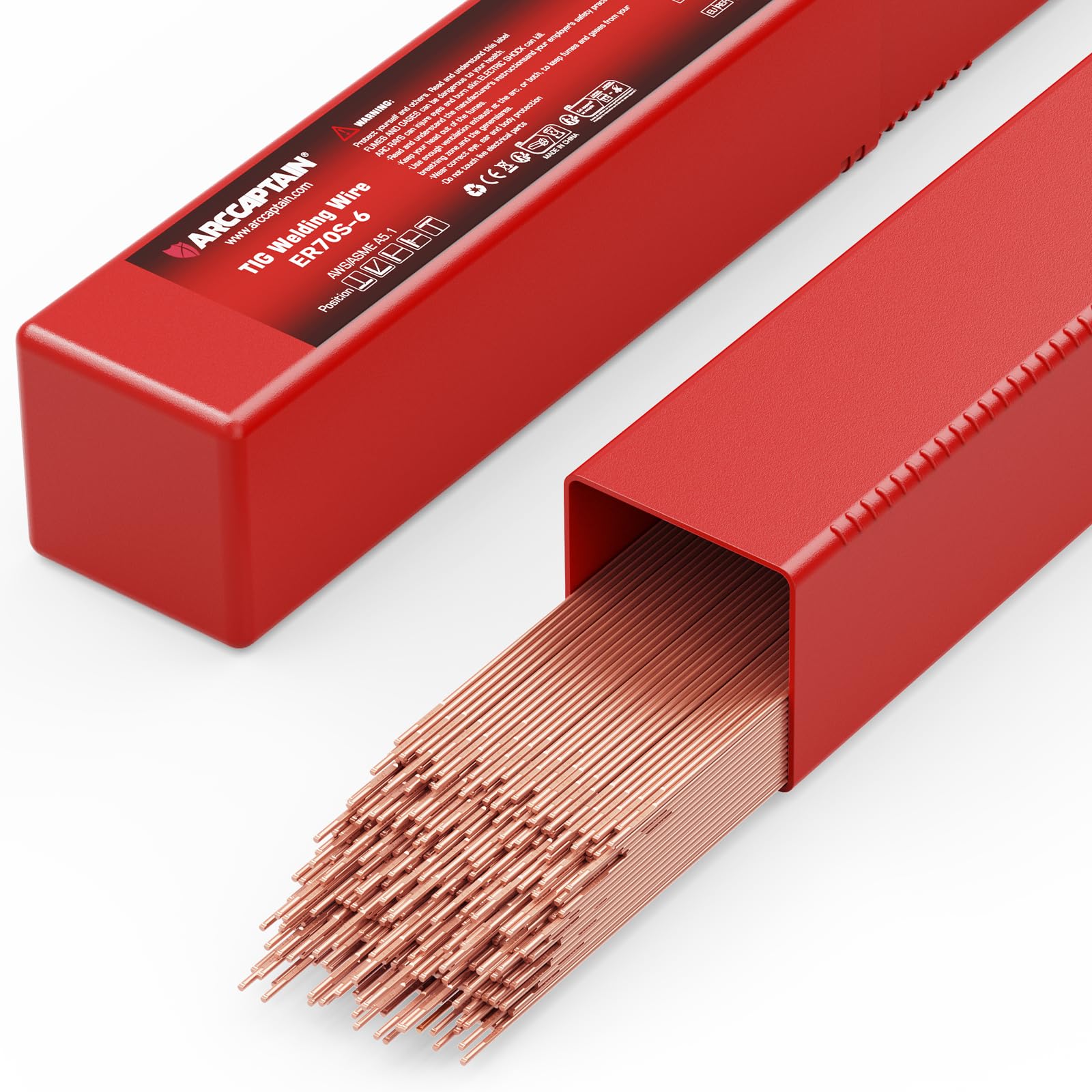
| ARCCAPTAIN ER70S-6 | TIG/GTAW | Mild-steel TIG | 1/16″ × 16″, 5 lb | Check Price on Amazon |
| STARTECHWELD E6010 | Stick/SMAW | Root passes and deep penetration | 1/8″ × 14″, 5 lb | Check Price on Amazon |
Top Picks
| Category | Product | Process |
|---|---|---|
| 🏆 Best Bulk E7018 | ARCCAPTAIN E7018 | Stick/SMAW |
| 💰 Best 5 lb Stainless TIG Pack | YESWELDER ER308L | TIG/GTAW |
| 🎯 Best Overall E7018 | YESWELDER E7018 | Stick/SMAW |
| ⭐ Best Small E6013 Pack | YESWELDER E6013 | Stick/SMAW |
| 🚀 Best 5 lb E6013 Pack | ARCCAPTAIN E6013 | Stick/SMAW |
| 🔰 Best Stainless Stick | YESWELDER E308L-16 | Stick/SMAW |
| 💼 Best General-Purpose J422 | YesRight J422 | Stick/SMAW |
| 🎨 Best Trial-Size Stainless TIG Pack | Convivium ER308L | TIG/GTAW |
| 🔥 Best Mild-Steel TIG Filler | ARCCAPTAIN ER70S-6 | TIG/GTAW |
| 🧰 Best for Deep Penetration | STARTECHWELD E6010 | Stick/SMAW |
How We Chose These Rods
We compared the products by process, filler classification, metal compatibility, diameter, rod length, pack quantity, storage needs, and likely home-shop use. We gave extra weight to options that fill a clear role rather than treating every rod as a universal choice.
Product specifications were checked against available manufacturer or retailer information where possible. Because Amazon ratings, review totals, prices, and availability change frequently, they are not used as fixed ranking factors in this guide.
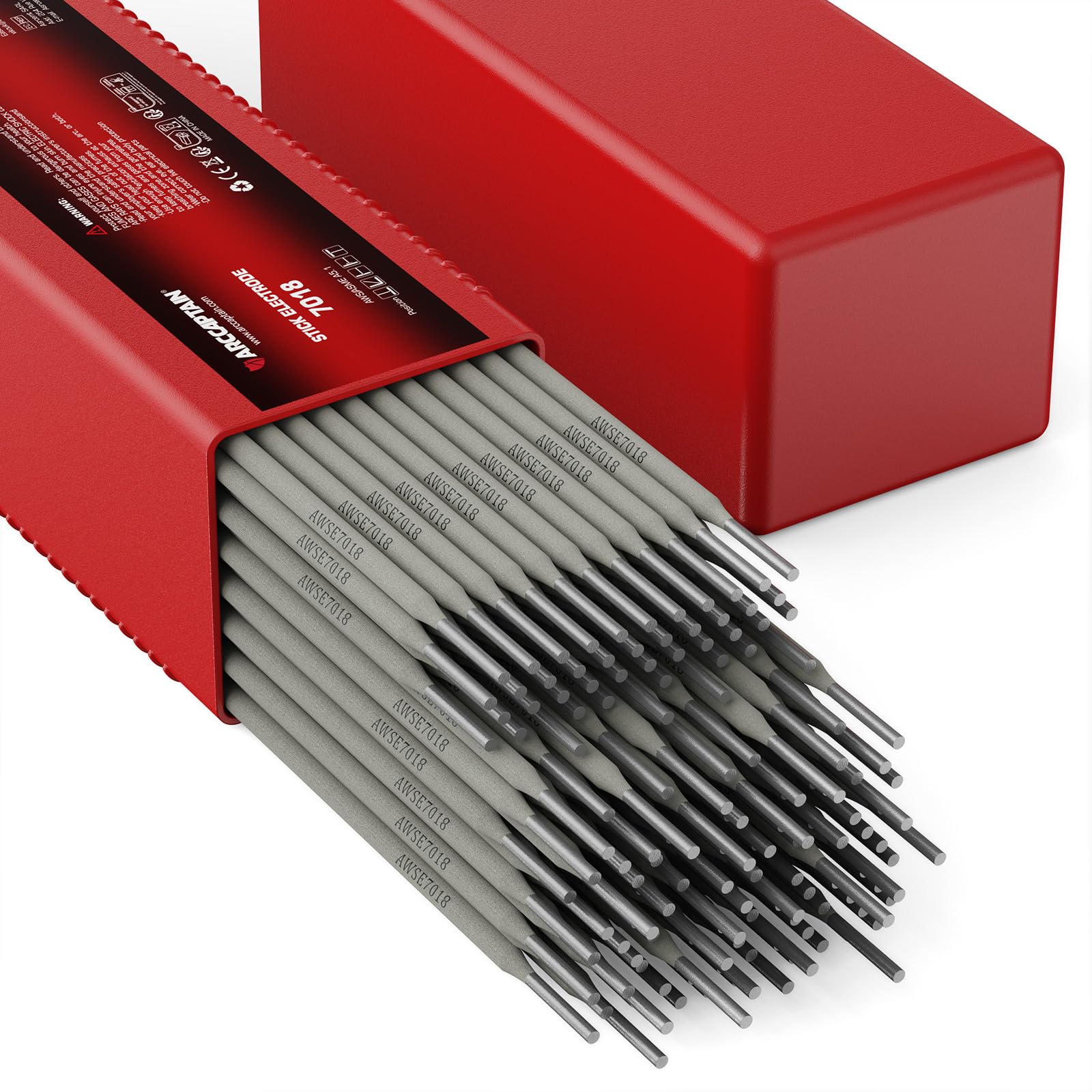
This is the bulk option for welders who already know that a 1/8-inch E7018 fits their machine, procedure, and project. E7018 is commonly selected when low-hydrogen weld metal and a controlled bead are required on suitable carbon-steel applications.
The 10-pound box makes more sense for regular use than for someone who welds only a few times each year. Low-hydrogen electrodes require careful storage, so the larger pack is valuable only when you can keep unused rods within the manufacturer’s exposure limits.
Best for: Regular mild-steel repair and fabrication where the job calls for 1/8-inch E7018.
Why you’ll like it: The larger pack reduces frequent reordering for active home shops.
Who should avoid it: Occasional welders without suitable dry storage or machines that cannot comfortably run 1/8-inch electrodes.
Pros
- Large 10-pound pack for frequent use
- Common 1/8-inch size for medium-to-thicker steel applications
- Low-hydrogen E7018 classification for appropriate procedures
Cons
- Requires disciplined storage and moisture control
- Bulk quantity may be wasteful for infrequent users
Review Themes From the Source Sample
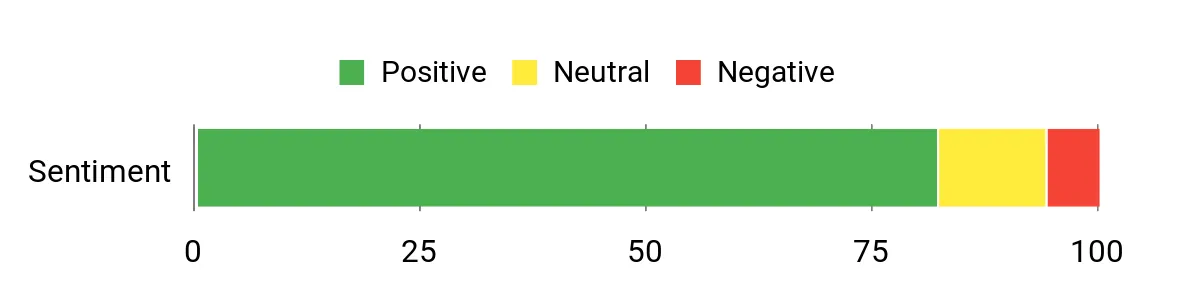
The captured review sample emphasized arc consistency, bead appearance, and value compared with more established brands. A smaller number of comments mentioned variation between rods or packages, so inspect the coating and test a rod before beginning important work.
Versatility
Suitable for general fabrication, equipment repair, trailer work, and other carbon-steel projects when E7018 is permitted by the procedure.
Durability and Storage
The deposited weld properties depend on correct technique, joint preparation, and electrode condition. Follow the package limits for atmospheric exposure and re-drying rather than using a universal oven schedule.
Key Benefits
- Bulk supply for active shops
- Predictable role in E7018-compatible work
- Common diameter with broad machine support at adequate amperage
- Useful choice when low-hydrogen consumables are specified
This is a bare TIG filler rod for compatible 300-series stainless applications, including many 304 and 304L jobs. The 1/16-inch diameter gives you useful control on thinner tubing, sheet, kitchen equipment, and exhaust components.
ER308L’s low carbon content helps limit carbide precipitation and preserve corrosion resistance when it is matched correctly to the base metal and service conditions. Stainless exhaust tubing should also be cleaned thoroughly and may require back purging to protect the root side of the weld.
Best for: Welders who regularly TIG-weld compatible 304/304L-type stainless and want a full 5-pound tube.
Why you’ll like it: The small diameter is easier to meter into a compact stainless puddle.
Who should avoid it: Stick-only users or anyone who has not confirmed the stainless grade.
Pros
- 1/16-inch diameter provides control on thinner stainless
- Five-pound quantity suits repeated TIG work
- ER308L is a common match for suitable 304/304L applications
Cons
- Not appropriate for every stainless grade or dissimilar-metal joint
- Sixteen-inch rods require more changes than longer cut lengths
Review Themes From the Source Sample
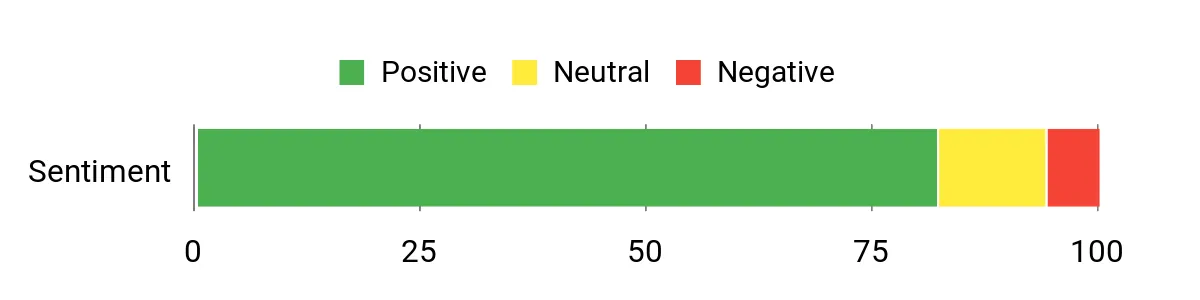
The source review sample focused on clean rod condition, predictable feeding, and satisfactory results in hobby and light-fabrication work. Some users preferred longer rods for extended welds, while others liked the shorter length at a bench.
Versatility
Useful for compatible stainless tubing, sheet, kitchen equipment, brackets, and exhaust fabrication when ER308L is the correct filler classification.
Durability and Storage
Keep bare filler rods clean, dry, and separated from carbon-steel grinding dust. Surface contamination can affect weld appearance and corrosion performance.
Key Benefits
- Controlled filler addition on thin stainless
- Convenient cut length for bench work
- Five-pound supply for regular projects
- Common stainless filler classification
This 5-pound E7018 pack is easier to justify for a home shop than a larger bulk box. The 1/8-inch diameter is commonly used on medium-to-thicker carbon steel, provided your machine has enough output and the welding procedure permits E7018.
A stable E7018 bead still depends on clean steel, a short arc, correct amperage, suitable polarity, and dry electrodes. Practice on matching scrap before attempting an important repair.
Best for: Home welders who need E7018 periodically and prefer a moderate pack size.
Why you’ll like it: It balances useful quantity with easier storage.
Who should avoid it: Welders using low-output machines or anyone unable to control electrode moisture.
Pros
- Practical 5-pound pack for home-shop use
- Common 1/8-inch E7018 format
- Suitable for appropriate low-hydrogen procedures
Cons
- Correct storage and exposure control are essential
- One-eighth-inch rods may be demanding on small 120-volt welders
Review Themes From the Source Sample
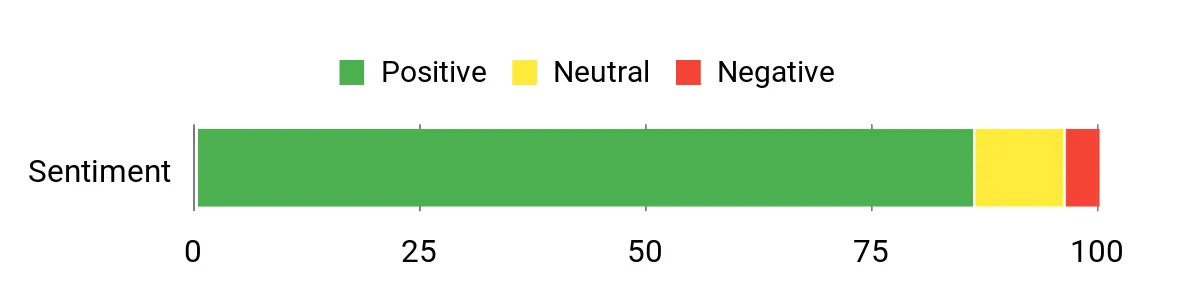
The captured comments highlighted easy starts, bead shape, and acceptable performance after the amperage was adjusted correctly. Setup sensitivity appeared repeatedly, which is normal enough to justify testing on scrap before the real joint.
Versatility
A practical choice for compatible repair, fabrication, farm, and trailer projects where an E7018 electrode is specified or otherwise appropriate.
Durability and Storage
Keep unopened and opened rods according to the manufacturer’s storage instructions. Do not assume a kitchen oven or a guessed temperature can restore exposed low-hydrogen electrodes.
Key Benefits
- Moderate pack size
- Common diameter
- Defined role in low-hydrogen SMAW work
- Suitable for skill-building on prepared scrap
E6013 is commonly chosen for light fabrication, sheet-metal practice, brackets, and general repairs because it usually offers a smoother, less forceful arc than E6010. The 3/32-inch diameter is easier to manage on lighter material than a larger 1/8-inch rod.
The 2-pound package suits occasional use and reduces the number of electrodes sitting in storage. E6013 still requires clean enough metal, correct travel speed, and careful heat control to avoid trapped slag or burn-through.
Best for: Occasional repairs, practice, and light fabrication on suitable carbon steel.
Why you’ll like it: You get a useful starter quantity without committing to a bulk box.
Who should avoid it: Welders needing deep penetration, root-pass behavior, or a low-hydrogen structural electrode.
Pros
- Small 2-pound pack limits overbuying
- 3/32-inch diameter suits lighter work
- E6013 commonly supports AC and DC machines
Cons
- Shallow-to-moderate penetration is not right for every joint
- Poor technique can trap slag or produce a cold-looking bead
Review Themes From the Source Sample
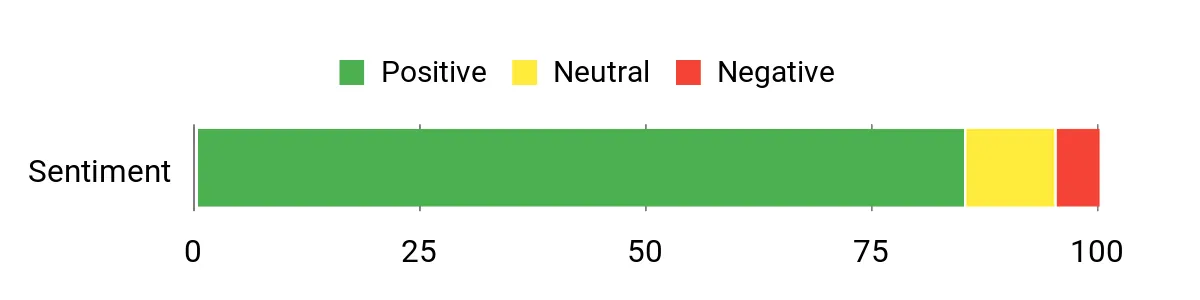
The source sample emphasized straightforward arc starts, manageable bead control, and convenient packaging. Several comments also stressed the need to tune amperage rather than relying only on the machine display.
Versatility
Useful for thin-to-medium sheet, small brackets, lawn-equipment repairs, hobby fabrication, and basic welding practice.
Durability and Storage
Store the electrodes dry and protect the flux coating from chips, impact, oil, and humidity.
Key Benefits
- Forgiving choice for basic practice
- Compact quantity
- Suitable diameter for lighter work
- Broad compatibility with many AC/DC stick welders
This option fills the same general role as the smaller YESWELDER E6013 pack but gives regular users more rods. The 3/32-inch size is useful for controlled tacks, patching, and lighter repair work where a larger electrode may add heat too quickly.
E6013 can produce a neat bead when the amperage, angle, and travel speed are correct. It is not a substitute for E7018 on specified low-hydrogen work or E6010 when a forceful digging arc is required.
Best for: Home shops that use 3/32-inch E6013 regularly.
Why you’ll like it: The 5-pound pack provides more working time without moving to a large industrial carton.
Who should avoid it: Occasional users who may not consume the pack before storage conditions become a concern.
Pros
- Five-pound quantity for regular use
- 3/32-inch diameter for lighter steel
- General-purpose E6013 classification
Cons
- Not intended to replace low-hydrogen electrodes
- More rods to store than a small trial pack
Review Themes From the Source Sample
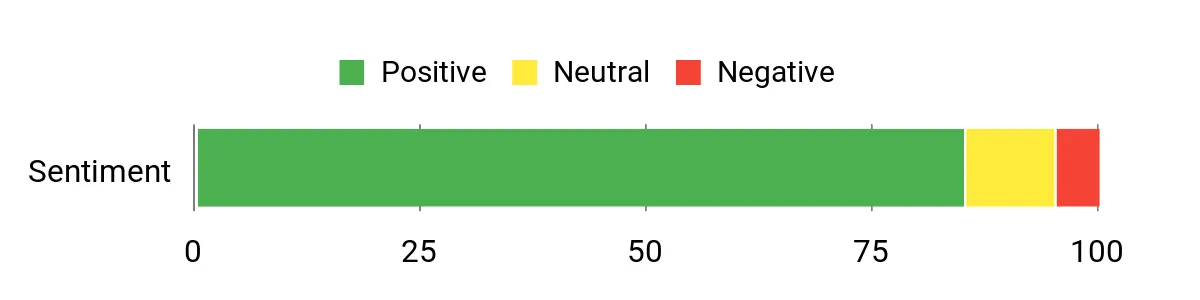
The source sample described straightforward starts, smooth-looking beads, and manageable slag when the settings were correct. As with the other E6013 option, amperage and travel speed had a strong effect on satisfaction.
Versatility
Suitable for patching, tack welds, light fabrication, brackets, and general carbon-steel maintenance.
Durability and Storage
Keep the flux dry and intact. Discard rods with badly damaged coatings rather than trying to run them through an important joint.
Key Benefits
- Useful general-purpose classification
- Controlled 3/32-inch diameter
- Larger home-shop pack
- Compatible with many common stick welders when run at the listed polarity and amperage
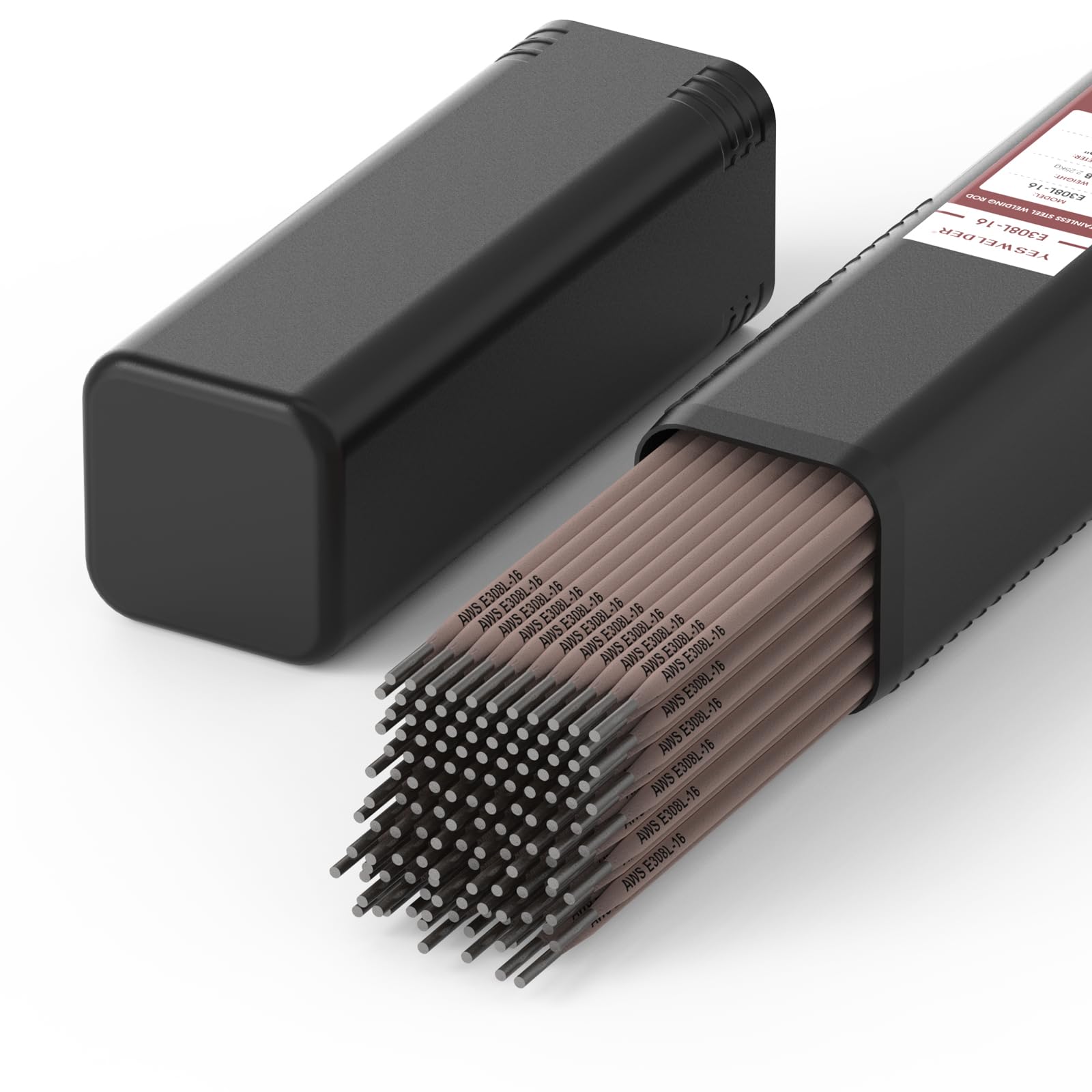
This product gives stick-welder owners a way to join compatible stainless steel without a TIG setup. E308L-16 is commonly used for appropriate 304/304L-type stainless applications, but you should still identify the base metal before choosing it.
Stainless stick welding usually creates more slag, smoke, and cleanup than TIG. The final appearance depends heavily on heat input, arc length, electrode angle, and slag control.
Best for: Field repairs or home shops that need stainless capability from a stick machine.
Why you’ll like it: It avoids buying a complete TIG setup for occasional compatible stainless work.
Who should avoid it: Buyers who need TIG-level bead control, very thin-wall tubing, or filler for an unidentified stainless grade.
Pros
- Works with suitable SMAW equipment
- 3/32-inch diameter offers more control than larger stainless electrodes
- Five-pound quantity suits repeated stainless repairs
Cons
- Polarity and amperage must be confirmed from current product instructions
- Stick welding produces slag and more cleanup than TIG
Review Themes From the Source Sample
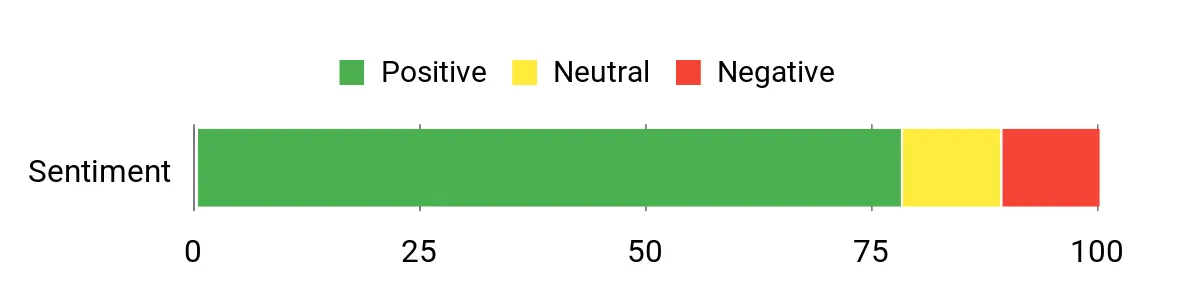
The captured comments described usable stainless welds and manageable slag after the settings were tuned. Some users wanted clearer amperage and polarity guidance, which makes a scrap test especially important.
Versatility
Useful for compatible stainless brackets, tubing, maintenance repairs, and field jobs where TIG equipment is impractical.
Durability and Storage
Keep the electrodes dry and free from contamination. Store stainless consumables away from carbon-steel dust and grinding debris.
Key Benefits
- Stainless capability from a stick welder
- Common E308L-16 classification
- Manageable 3/32-inch size
- Useful for repairs away from a TIG station
J422 is an imported electrode classification marketed for general carbon-steel construction and repair. The 3/32-inch size and 4.5-pound quantity make this option more relevant to routine shop jobs than occasional one-off use.
US buyers should not assume that the J422 marking automatically supplies the same documentation as an AWS-classified electrode. Confirm the manufacturer’s classification, tensile requirements, polarity, approvals, and certificates before using it on pressure systems or regulated work.
Best for: Noncritical general steel repairs when the product documentation matches the job.
Why you’ll like it: The moderate pack size provides a practical supply for routine fabrication.
Who should avoid it: Buyers who need traceable AWS certificates or an electrode approved by a specific welding procedure.
Pros
- 3/32-inch size for lighter steel and controlled tacks
- Moderate 4.5-pound pack
- Marketed for general carbon-steel use
Cons
- J422 is less familiar to many US buyers than AWS classifications
- Not suitable for critical work without verified documentation
Review Themes From the Source Sample
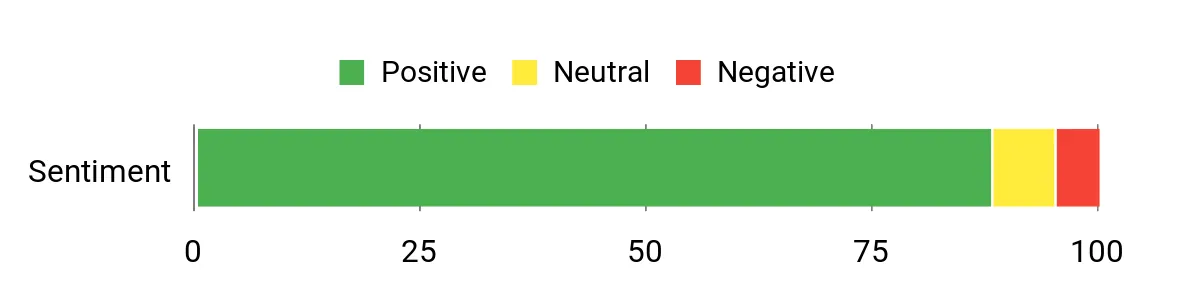
The source sample highlighted straightforward starts, bead appearance, and easy cleanup in general repair work. Those comments do not establish suitability for pressure, structural, or code-regulated joints.
Versatility
Potentially useful for noncritical brackets, repairs, light fabrication, and maintenance when the current product instructions support the application.
Durability and Storage
Keep the coating dry and undamaged. Review the package for storage limits because imported classifications may not use the same handling language as familiar AWS products.
Key Benefits
- General-purpose positioning
- Manageable diameter
- Useful pack quantity
- Option for buyers familiar with J422 consumables
This 20-piece pack is aimed at welders who need only a small amount of ER308L filler. It lets you handle an occasional compatible 304/304L-type repair without storing a full 5-pound tube.
The 1/16-inch diameter suits controlled filler addition on lighter stainless. As with any ER308L product, verify the base-metal grade and service environment rather than choosing filler by appearance alone.
Best for: A small repair, a trial project, or occasional stainless TIG work.
Why you’ll like it: The piece-count pack reduces unused material and initial commitment.
Who should avoid it: Regular fabricators who would quickly consume 20 rods.
Pros
- Small 20-piece quantity
- 1/16-inch diameter for thinner stainless
- No need to purchase a full 5-pound tube
Cons
- Poor value for frequent TIG work
- Limited long-term buyer history compared with established bulk products
Review Themes From the Source Sample
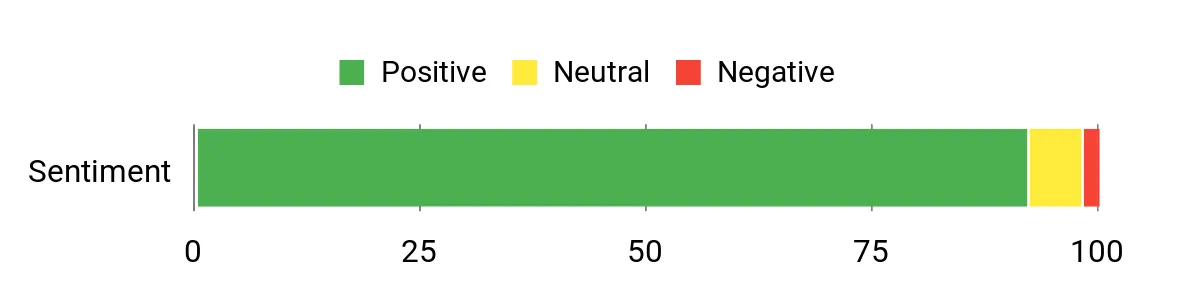
The source article captured only a small number of comments. Those comments were positive about rod cleanliness and feeding, but the sample is too limited to support a strong quality ranking.
Versatility
Useful for compatible stainless tubing, thin sheet, brackets, and small bench repairs.
Durability and Storage
Store the rods dry and protect them from carbon-steel dust, oil, handling residue, and moisture.
Key Benefits
- Low-commitment pack
- Controlled 1/16-inch diameter
- Common ER308L classification
- Convenient for occasional repair kits
ER70S-6 is a common mild-steel filler with manganese and silicon deoxidizers that help it handle light mill scale or minor surface variation better than some lower-deoxidizer fillers. You should still clean the joint thoroughly for the best TIG result.
The 1/16-inch rods suit thinner sheet, tubing, brackets, and precision fabrication. The manufacturer identifies this filler for TIG use with DCEN and argon shielding gas, but your machine settings should follow the joint and material thickness.
Best for: Regular TIG fabrication and repair on compatible mild or low-carbon steel.
Why you’ll like it: The small diameter makes filler addition easier to control.
Who should avoid it: Stick-only users or buyers working primarily with stainless, aluminum, or unidentified alloys.
Pros
- 1/16-inch diameter for thin steel and tubing
- Five-pound pack for regular TIG use
- ER70S-6 deoxidizers support a fluid puddle on suitable mild steel
Cons
- Requires a complete TIG setup and shielding gas
- Sixteen-inch rods require frequent changes on long welds
Review Themes From the Source Sample
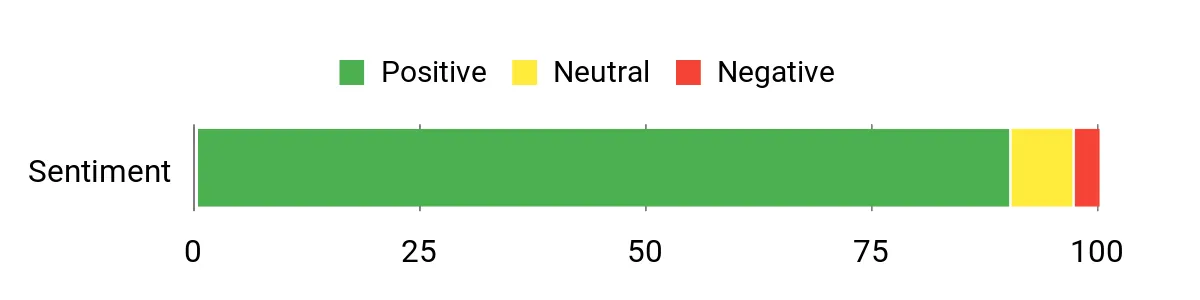
The source sample emphasized straight rods, clean arrival, and predictable feeding. A few users preferred longer filler lengths for extended welds, but the 16-inch format remains convenient for compact work areas.
Versatility
Suitable for compatible mild-steel sheet, tubing, automotive fabrication, brackets, furniture, and general repair work.
Durability and Storage
Keep the copper-coated rods clean and dry. Wipe away contamination before the rod enters the shielding-gas envelope.
Key Benefits
- Common mild-steel TIG classification
- Controlled small diameter
- Full 5-pound supply
- Suitable for DCEN TIG setups using the required shielding gas
E6010 is designed for a forceful, deep-penetrating arc and fast-freezing puddle. It is commonly associated with root passes, pipe work, open-root joints, maintenance, and out-of-position welding.
This rod requires DCEP. Your welder must also have suitable open-circuit voltage and E6010 capability because some small inverter machines struggle to maintain the cellulose-electrode arc.
E6010 tolerates less-than-perfect steel better than E7018, but that does not remove the need for safe preparation. Remove paint, galvanizing, oil, plating, and heavy contamination whenever possible instead of burning through hazardous coatings.
Best for: Experienced users who need a digging arc for root passes, repair, or field work.
Why you’ll like it: It fills a role that smooth-running E6013 and E7018 rods cannot duplicate.
Who should avoid it: Beginners, AC-only users, and owners of inverters that do not specifically support E6010.
Pros
- Deep penetration and fast-freezing puddle
- Useful for root passes and out-of-position work
- Listed as AWS/SFA A5.1 E6010
Cons
- Requires DCEP and a capable power source
- More demanding technique than E6013
- Produces more smoke and spatter than smoother-running electrodes
Review Themes From the Source Sample
The captured comments praised penetration and the ability to maintain fusion on imperfect joints. Other comments recommended tuning amperage and practicing the whipping or stepping motion before beginning critical work.
Versatility
Best suited to root passes, pipe practice, maintenance, open-root joints, and field repairs that specifically benefit from E6010 characteristics.
Durability and Storage
Keep the rods dry and follow the manufacturer’s storage instructions. Do not treat E6010 storage or reconditioning as identical to E7018 handling.
Key Benefits
- Forceful digging arc
- Fast-freezing puddle
- All-position E6010 role
- Useful for experienced maintenance and pipe welders
Frequently Asked Questions
How Do I Choose the Right Welding Rod?
Start with the process and base metal. Use a coated SMAW electrode in a stick welder and a bare filler rod in a TIG setup. Then match the classification, diameter, polarity, amperage, joint design, and service conditions to the manufacturer’s data and your welding procedure.
What Is the Difference Between E7018, E6013, and E6010?
E7018 is a low-hydrogen electrode used in suitable strength-sensitive and structural procedures. E6013 offers a smoother general-purpose arc for lighter work, while E6010 provides deep penetration and a fast-freezing puddle on DCEP. They are not interchangeable simply because their diameters match.
What Is the Difference Between ER308L and ER70S-6?
ER308L is stainless-steel filler commonly used with compatible 304/304L-type stainless. ER70S-6 is intended for compatible mild and low-carbon steel. Confirm the base-metal grade before selecting either filler.
How Should I Store Welding Rods?
Keep coated electrodes dry, organized, and protected from damaged flux. Low-hydrogen electrodes require especially careful exposure control. Bare TIG filler should remain clean, dry, and separated from grinding dust, oil, and other contamination.
Should I Re-Bake Damp E7018 Rods?
Only follow the exact re-drying instructions published for that electrode. Temperature and time vary by manufacturer, packaging, exposure, and application. Never use an oven that will later prepare food, and replace questionable rods when reliable reconditioning instructions are unavailable.
What Amperage Should I Use?
Use the range printed on the electrode package or manufacturer data sheet. Diameter alone is not enough because E6010, E6013, E7018, and stainless electrodes can require different settings. Begin within the stated range on matching scrap and adjust based on arc stability, fusion, bead shape, and position.
Can I Run E6010 on an AC Welder?
Standard E6010 normally requires DCEP. E6011 is commonly selected when similar deep-penetrating characteristics are needed from an AC-capable electrode. Check your machine manual before buying either type.
Can I Weld Painted or Galvanized Steel With E6010?
E6010 may maintain an arc on imperfect steel, but you should not use that ability as a substitute for safe preparation. Remove coatings and contamination when possible, identify hazardous materials, provide suitable ventilation or fume extraction, and follow applicable safety procedures.
Common Mistakes to Avoid
- Mixing processes: A TIG filler rod is not a stick electrode.
- Ignoring polarity: E6010 will not perform correctly on an AC-only output.
- Choosing by diameter alone: Classification and application matter just as much.
- Guessing the metal grade: Stainless fillers must match the base metal and service.
- Using damp or damaged rods: Moisture and broken flux can affect weld quality.
- Welding through hazardous coatings: Remove paint, oil, galvanizing, and unknown finishes when possible.
- Using consumer reviews as procedure approval: Critical welds require qualified documentation and inspection.
Follow OSHA welding, cutting, and brazing guidance and the safety data sheets for the electrode, base metal, and coatings involved.
Welders’ Favorites by Use Case
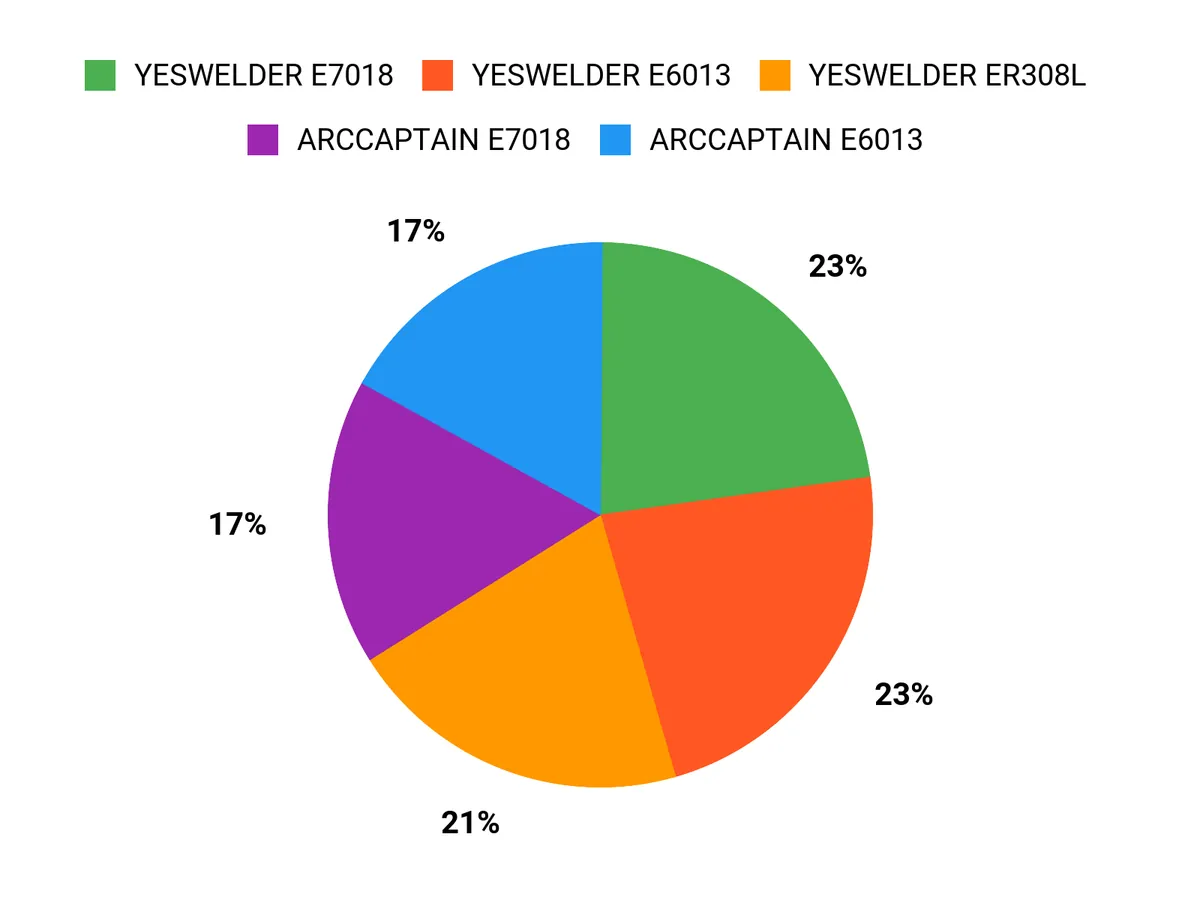
Choose the YESWELDER E7018 when you want a moderate home-shop pack and the job calls for E7018. Choose ARCCAPTAIN E7018 when you use enough 1/8-inch electrode to justify a 10-pound box. For lighter general-purpose stick work, compare the two E6013 packs by quantity.
For TIG, use ER70S-6 on compatible mild steel and ER308L on suitable stainless steel. Choose the YESWELDER ER308L for repeated stainless work or the Convivium pack when you need only a small number of rods. Select STARTECHWELD E6010 only when you need E6010 behavior and own a DCEP machine that runs cellulose electrodes correctly.
Final Recommendation
For a general home-shop E7018 option: Start with the YESWELDER 5-pound pack if your machine and project support 1/8-inch E7018.
For lighter general repairs: Choose a 3/32-inch E6013 pack based on how often you weld.
For TIG: Pick ER70S-6 for compatible mild steel or ER308L for suitable 304/304L-type stainless.
For deep penetration: Choose E6010 only after confirming DCEP output and cellulose-electrode compatibility.
The classification on the box matters more than branding or review volume. Match the rod to the process, base metal, joint, polarity, and procedure, then test your settings on representative scrap. Check the current Amazon product details for the options above before ordering.
Detailed Product Comparison
| Product Name | Image | Process | Material | Size | Pack |
|---|---|---|---|---|---|
| ARCCAPTAIN E7018 Welding Rod |
 |
Stick/SMAW | Carbon steel, low-hydrogen electrode | 1/8″ | 10 lb |
| YESWELDER ER308L Stainless TIG Rod |
 |
TIG/GTAW | Compatible 300-series stainless | 1/16″ × 16″ | 5 lb |
| YESWELDER E7018 Welding Rod |
 |
Stick/SMAW | Carbon steel, low-hydrogen electrode | 1/8″ | 5 lb |
| YESWELDER E6013 Welding Rod |
 |
Stick/SMAW | Carbon steel | 3/32″ | 2 lb |
| ARCCAPTAIN E6013 Welding Rod |
 |
Stick/SMAW | Carbon steel | 3/32″ × 14″ | 5 lb |
| YESWELDER E308L-16 Stainless Stick Electrodes |
 |
Stick/SMAW | Compatible stainless steel | 3/32″ × 14″ | 5 lb |
| YesRight J422 Welding Rod |
 |
Stick/SMAW | Carbon steel | 3/32″ | 4.5 lb |
| Convivium ER308L Stainless TIG Rod |
 |
TIG/GTAW | Compatible 300-series stainless | 1/16″ × 16″ | 20 rods |
| ARCCAPTAIN ER70S-6 Mild-Steel TIG Rod |
 |
TIG/GTAW | Mild and low-carbon steel | 1/16″ × 16″ | 5 lb |
| STARTECHWELD E6010 Welding Rod |
 |
Stick/SMAW | Carbon steel | 1/8″ × 14″ | 5 lb |
Related reading: Welding carts for organizing a plasma-cutting setup