Disclosure: As an Amazon Associate, we earn from qualifying purchases. If you click a link on this page and make a purchase, we may receive a small commission at no extra cost to you.
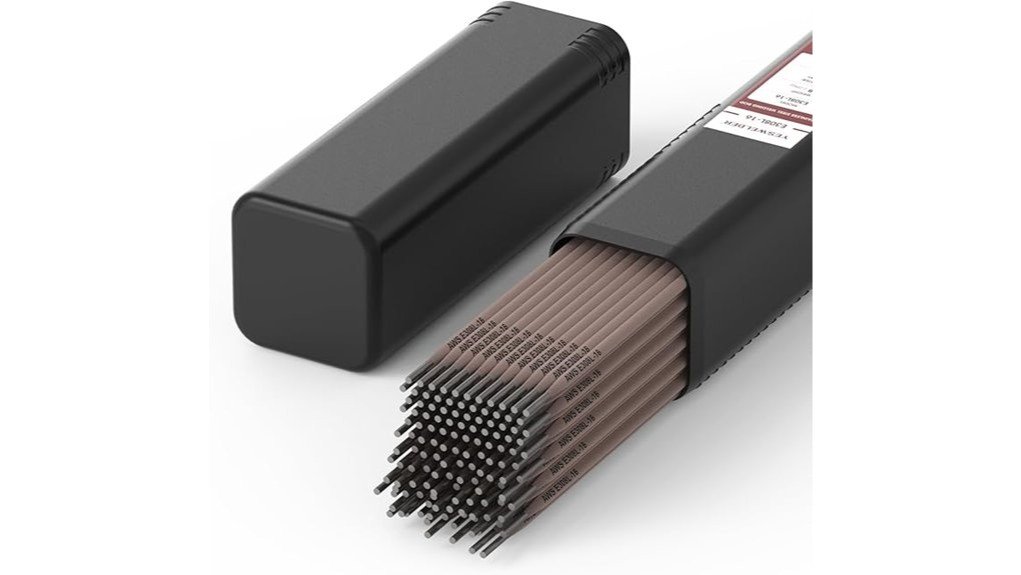
Stainless steel stick welding can get frustrating when the rod sticks, the bead looks dirty, or heat control gets away from you. The YESWELDER E308L-16 Electrodes are made for stainless steel welding jobs where you need a smooth arc, low spatter, and cleaner bead control. Their 3/32-inch diameter and 14-inch length make them a practical choice for controlled manual stick welding on thinner stainless steel sections, repair work, and all-position projects. This review helps you decide where these rods make sense, where they may fall short, and what to check before you buy.
Quick Verdict
Rating: 8.5/10, Recommended with caveats
Best For: Stainless steel fabrication, maintenance repair, and all-position stick welding practice
Bottom Line: These electrodes are a strong fit if you want smoother stainless steel stick welds with less spatter and better corrosion-resistant results. They still require steady technique, correct amperage control, and proper material matching.
| Specification | Detail |
|---|---|
| Brand | YESWELDER |
| Model | E308L-16 |
| Product Type | Stainless steel stick welding electrodes |
| Electrode Diameter | 3/32 inch |
| Electrode Length | 14 inch |
| Welding Process | Manual stick welding |
| Welding Position | All-position welding |
| Material Use | Unstabilized stainless steel and austenitic stainless steel applications |
| Key Traits | Smooth arc, low spatter, self-peeling slag, corrosion-resistant welds |
| Suggested Working Range | About 70 to 100 amps, adjusted by joint thickness and welding position |
| Best Use | Fabrication, stainless steel repair, maintenance work, and shop projects |
| Safety Note | Use proper ventilation, PPE, and machine settings before welding stainless steel. |
What Is the YESWELDER E308L-16 Electrodes?
The YESWELDER E308L-16 Electrodes are stainless steel stick welding rods for manual arc welding. The E308L-16 classification is commonly used for austenitic stainless steel work where corrosion resistance and clean bead appearance matter.
These rods are aimed at fabricators, maintenance welders, and skilled DIY users who need stainless steel welds in flat, vertical, overhead, and awkward positions. Their main appeal is stable arc behavior, which helps you keep better control when welding thinner stainless steel sections.
The 3/32-inch diameter makes them more manageable for controlled work than larger rods on lighter stainless pieces. You still need the right heat setting, short arc control, and clean base metal to get the best result.
Who Should Buy It?
Best For
- Welders repairing or fabricating stainless steel parts
- Users who need all-position stick welding flexibility
- Shop, maintenance, and DIY projects where low spatter helps reduce cleanup
Skip If
- You need rods for heavy structural carbon steel welding
- You cannot control amperage, travel speed, or arc length consistently
- You need a verified package count, warranty term, or certification before ordering
Before You Buy: Confirm that E308L-16 matches your base metal, project requirements, and welding machine setup. These rods are for stainless steel work, not a general replacement for structural steel electrodes.
Welding Performance and Arc Behavior
Arc stability is the main reason to consider these electrodes. A smoother arc makes it easier to start the weld, hold a steady puddle, and avoid excessive sticking during ignition.
The low-spatter behavior helps keep the weld area cleaner. That matters on stainless steel because extra grinding can affect appearance and may add more cleanup time after the weld cools.
The self-peeling slag behavior can also save time when your settings and technique are dialed in. Poor arc length, dirty material, or too much heat can still leave a rough bead, so these rods do not remove the need for proper setup.
Build, Size, and Handling
The 3/32-inch diameter gives you a controllable rod size for lighter stainless steel work. It is easier to manage on thinner sections than a larger electrode because you can work with less heat and a smaller weld puddle.
The 14-inch length gives you enough working reach for common shop and repair tasks. For tight spaces, you may still need to plan your rod angle carefully so the electrode holder does not limit your movement.
Because stainless steel reacts poorly to overheating, the smaller rod size is useful when bead control matters more than fast fill. You should still test your settings on scrap material before welding the final part.
Material Compatibility and Best Applications
These electrodes are designed for stainless steel welding, especially applications where corrosion resistance matters. They make the most sense for repair work, stainless fabrication, maintenance tasks, and controlled shop projects.
They are not the right choice for every metal. If your project involves thick structural carbon steel, mixed metals, or a code-sensitive weld, check the required electrode class before using them.
For food equipment, chemical tanks, or similar stainless assemblies, the electrode is only one part of the decision. Surface preparation, base metal grade, joint design, welding procedure, and final cleaning all affect the finished result.
How It Performs in Real Use
For Stainless Steel Fabrication
In fabrication work, these rods help you keep the weld area cleaner because of their low-spatter behavior. They are useful when bead appearance and corrosion resistance matter more than fast weld deposition.
For Repair and Maintenance Work
For stainless repairs, the all-position design helps when you cannot rotate the part into a perfect flat position. This is useful on brackets, panels, shop fixtures, and stainless components in tight working areas.
For Workshop and DIY Welding
Home users can benefit from the smoother arc, but stainless stick welding still takes practice. You should run test beads on scrap stainless so you can tune amperage, travel speed, and arc length before working on the final piece.
For Vertical and Overhead Positions
The all-position capability helps when you need to weld vertically or overhead. Technique matters more in these positions because too much heat can make the puddle harder to control and increase the chance of an uneven bead.
Setup Tips Before First Use
Start near the middle of the working range and adjust based on joint thickness, rod behavior, and welding position. The article-supported range is about 70 to 100 amps, but your exact setting should match the metal, joint, and machine.
Clean the stainless steel before welding. Oil, paint, oxidation, or contamination can make arc starts harder and can leave a rougher weld surface.
Keep a short, steady arc and avoid lingering too long in one spot. Stainless steel can lose bead control when overheated, so smooth movement helps protect the weld appearance.
Pro Tip: Run two or three short test beads on scrap stainless before the final weld. Adjust amperage until the rod starts cleanly, the puddle stays controlled, and slag releases without heavy chipping.
Safety and Material Notes
These electrodes are intended for stainless steel welding only. Use a welding helmet, gloves, protective clothing, and proper ventilation before starting any weld.
Always follow your welder manual, electrode packaging, and shop safety rules. If the project is structural, pressure-related, food-contact, or safety-critical, use a qualified welding procedure or get professional guidance.
Do not assume one stainless rod fits every stainless job. Base metal grade, service environment, joint design, and final use all affect the correct electrode choice.
Pros and Cons
Pros
- 3/32-inch size supports better control on thinner stainless sections
- Smooth arc behavior helps reduce sticking and improves bead control
- Low spatter can reduce cleanup after stainless steel welding
- All-position design works for flat, vertical, overhead, and awkward welds
- Self-peeling slag can save time when settings and technique are correct
Cons
- Requires correct amperage control for clean stainless results
- Not intended for heavy structural carbon steel welding
- Beginners may need practice to control heat, travel speed, and arc length
Is It Worth the Price?
The YESWELDER E308L-16 Electrodes are worth considering if you need stainless steel rods for repair, fabrication, and maintenance work. They offer strong value for the price when your priority is smoother arc control, low spatter, and all-position flexibility.
You get the most value if you already understand stick welding basics and need a rod for stainless steel, not general steel work. The main limitation is that performance depends heavily on your machine settings, material prep, and hand control.
Before ordering, check the current product page for package quantity and any listing details that matter to your project. Do not buy based on rod classification alone if your job has strict code, strength, or certification requirements.
How It Compares to Alternatives
Compared with general mild-steel stick electrodes, the YESWELDER E308L-16 is more focused on stainless steel work and corrosion-resistant welds. That makes it a better match for stainless repairs, but not a better choice for every structural steel project.
If you need a different stainless application, compare the required electrode class before buying. E309L-type rods are often considered for certain dissimilar-metal jobs, while E316L-type rods may be worth comparing for stainless projects that need a different corrosion-resistance profile.
Frequently Asked Questions
What materials are these electrodes best for?
They are designed for stainless steel welding, especially unstabilized stainless grades and austenitic stainless steel applications. They are commonly used for fabrication, repair, and maintenance work where corrosion resistance matters.
What amperage should I use?
A common working range for this article is about 70 to 100 amps. Start with test welds and adjust based on joint thickness, welding position, and how the puddle responds.
Can beginners use YESWELDER E308L-16 Electrodes?
Yes, but beginners should practice before using them on a finished project. Stainless steel can be less forgiving when heat control is poor, so scrap test pieces help you learn the right arc length and travel speed.
Do they work in all welding positions?
Yes, these electrodes are designed for all-position welding, including flat, vertical, and overhead work. Results still depend on steady hand control and correct heat settings.
Are these rods good for thick structural steel?
No, they are not the best fit for heavy structural carbon steel welding. Use the electrode type required by your base metal, joint design, and welding procedure.
Why does the 3/32-inch size matter?
The 3/32-inch diameter gives you better control on lighter stainless steel sections than larger rods. It is useful when you need a smaller puddle and more careful heat input.
What is the biggest mistake to avoid?
The biggest mistake is using too much heat or holding too long in one spot. Stainless steel needs controlled travel speed, a steady arc, and clean base metal for the best bead appearance.
Should I verify package details before buying?
Yes. Check the current Amazon product page for package quantity, seller details, and any updated listing notes before ordering. The welding application matters most, but package details can affect value.
The Bottom Line
The YESWELDER E308L-16 Electrodes are a solid choice if you need stainless steel stick welding rods with smoother arc control, low spatter, and all-position flexibility. Buy them for stainless fabrication, maintenance repair, and controlled shop work where corrosion-resistant results matter.
Skip them if you need heavy structural carbon steel rods, a verified code-specific electrode, or a beginner-proof solution that does not require heat control. The 8.5/10 rating fits because the rods offer strong stainless performance, but your final weld quality still depends on setup and technique.