Welding rods for newbies should be forgiving: E6013 for easy arc starts, E7018 once you are comfortable, and TIG fillers only if you own a TIG machine. These ten options mix stick and TIG rods in small and large packs so you can start without overbuying.
Welding Rods for Newbies Compared
|
Category |
Product |
|---|---|
|
Best Mild Steel TIG |
|
|
Best Budget Stick |
|
|
Best Low Hydrogen |
|
|
Best Stainless TIG |
|
|
Best Small Pack |
|
|
Best for Beginners |
|
|
Best Versatile Rod |
|
|
Best Value Pack |
|
|
Best Dual Size |
|
|
Best Stainless Stick |
How These Picks Were Chosen
Picks are based on the product listings and manufacturer-stated specs, not on hands-on testing. The list mixes processes on purpose, so match the rod to the machine you actually own.
Weights and dimensions in the comparison table come from the listings.

If you’re learning TIG on mild steel, these ER70S-6 rods give you a predictable, user-friendly filler that helps you focus on technique. You’ll notice the shorter lengths are easier to manage when you’re practicing dabs and small beads, and the 5 lb pack means you have enough material for steady progress.
They work well for shop practice, small repairs, and hobby projects, and they’re a sensible option when you want reliable puddle control without overthinking rod choice. For most beginners and hobbyists, they’re a solid, practical pick to keep in the toolbox.
When It Helps Most
|
Situation |
How It Helps |
|---|---|
|
Learning Basic TIG Technique |
You get shorter rods that are easier to manipulate, so you can concentrate on steady hand movement and pulse timing without wrestling long filler. |
|
Small Shop Repairs |
These rods are sized and rated for mild steel, so you can tack and run beads on light repairs with predictable fusion and minimal fuss. |
|
Practice Sessions |
The 5 lb pack gives you enough filler to run lots of practice beads, letting you build consistency before moving to more expensive or specialized rods. |
Who It’s For
Beginner to Hobbyist
Why It Helps
- Easy-to-handle short lengths that help with control during learning
- Consistent puddle for predictable TIG filler performance
- 5 lb pack gives ample practice material for hobby projects
- Suitable for common mild steel repairs and shop work

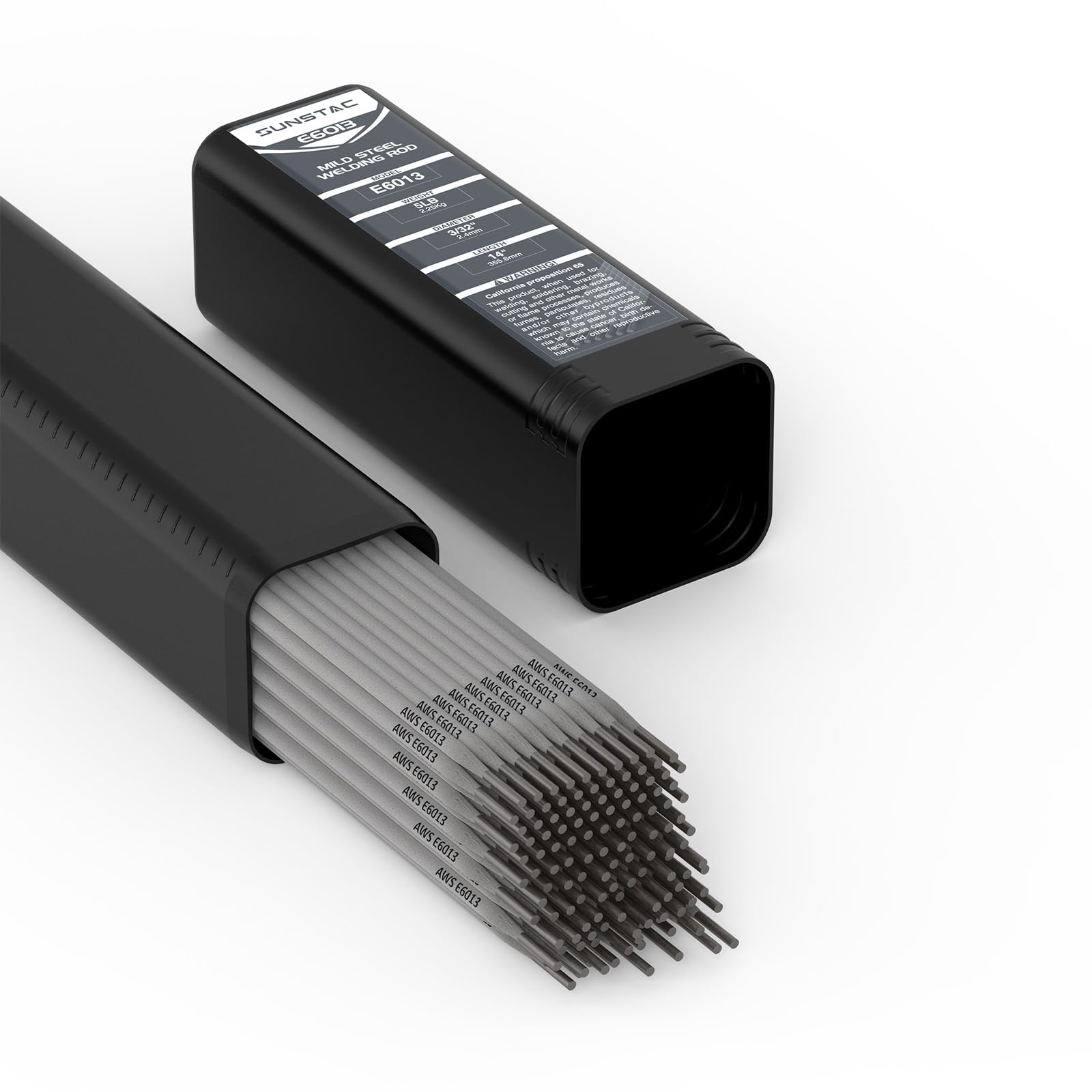
If you’re getting comfortable with stick welding, these E6013 rods are a forgiving choice that helps you build steady beads without overthinking settings. You’ll find them easy to strike and control, which is handy when you’re practicing or tackling routine repairs around the shop or farm.
They handle thin to medium steel well and work reliably with common welders, so they’re a practical option whether you’re learning, maintaining equipment, or doing light fabrication. For most beginners and hobbyists, they’re a straightforward, dependable rod to keep on hand.
When To Use
|
Situation |
How It Helps |
|---|---|
|
Learning Stick Welding |
You get forgiving behavior and easy arc starts, so you can focus on rhythm and travel speed without constantly restarting the arc. |
|
Equipment Repairs |
These rods weld well on farm gear and structural fixes where dependable fusion and a steady bead matter more than finesse. |
|
Tight Fitups |
The predictable puddle makes it easier to control penetration in narrow joints and to clean slag after each pass. |
Skill Level
Beginner to Intermediate
Key Benefits
- Easy arc starts that reduce frustration while learning
- Consistent and predictable bead appearance
- Works well on thin to medium mild steel

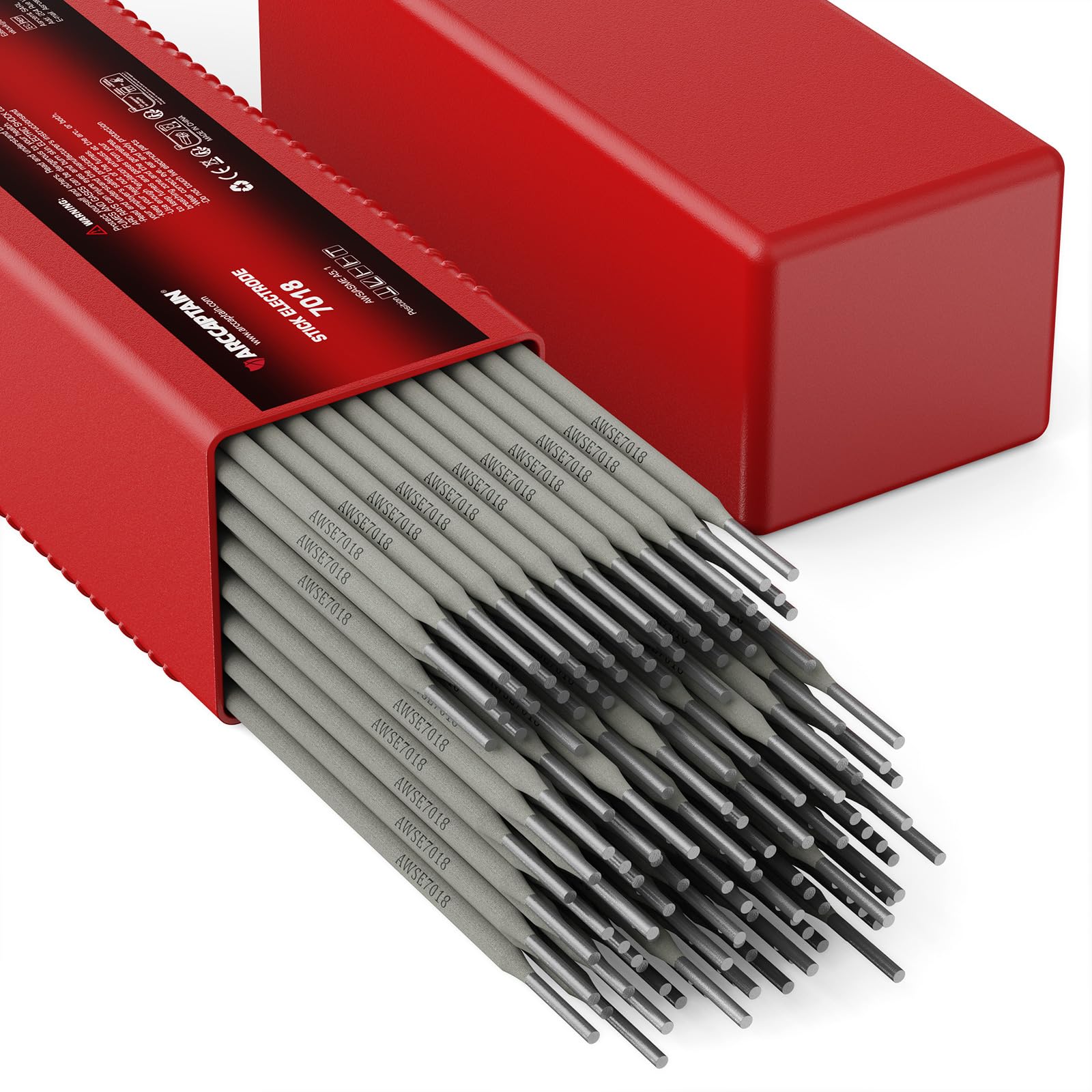
These E7018 rods are a solid pick when you want strength and predictable results. If you’re working on repairs or structural pieces that need reliable fusion, they give a smooth, steady bead and are forgiving once you find the right heat.
You’ll see them used for everyday shop fixes, automotive brackets, and heavier fabrication where low hydrogen helps reduce cracking. They’re versatile enough for a learner to grow into and trusted enough that experienced welders keep them handy.
When To Use
|
Situation |
How It Helps |
|---|---|
|
Learning Arc Welding |
You get a predictable arc and steady puddle, which helps you practice travel speed and bead placement without constant surprises. |
|
Structural Repairs |
Low-hydrogen properties reduce the risk of cracking, so welds on frames, brackets, and supports hold up better under stress. |
|
Professional Fabrication |
The consistent burn and clean slag behavior make it easier to maintain quality across multiple passes and deliver durable joints. |
Skill Level
Beginner to Professional
Key Benefits
- Low-hydrogen formula for tougher, crack-resistant welds
- Consistent burn and steady bead for predictable results
- Good packaging and usable right out of the container

If you’re working with stainless steel and learning TIG, these ER308L rods are a practical option that balances control and finish. The shorter sticks make it easier to dab and feed without getting tangled, which helps when you’re building confidence on thin tubing, exhaust work, or small fabrications.
They produce tidy puddles and clean beads when you keep joints and surfaces prepared, so they’re useful for regular shop tasks and occasional stainless projects. For a hobbyist or a beginner stepping into stainless TIG, these rods are a straightforward tool to practice with and rely on for tidy results.
When To Use
|
Situation |
How It Helps |
|---|---|
|
Thin Stainless Tubing |
Short rods make it easier to control filler and avoid overwelding, so you can maintain a small puddle and avoid burn-through. |
|
Exhaust And Small Repairs |
They deliver tidy beads and good fusion on thin sheet and tubing, which is handy for patching and rebuilding exhaust components. |
|
Practice Sessions |
The manageable stick length and consistent puddle help you repeat bead patterns and build steady hand movements faster. |
Who It’s For
Beginner to Hobbyist
Key Benefits
- Short lengths that are easier to manage while learning TIG
- Formulation suited for stainless steel with good bead finish
- 5 lb pack provides enough filler for repeated practice
- Works well for small repairs, tubing, and exhaust work

If you’re getting comfortable with stick welding, this 2 lb E6013 pack is a handy, no-fuss option to keep nearby. You’ll find the rods strike easily and give a predictable puddle, which helps when you’re working on rhythm and travel speed.
They suit thin to medium mild steel, so they’re useful for small repairs, DIY metalwork, and practice sessions where you want consistent results without fussing over settings. The smaller pack makes it easier to test the rod and keep fresh sticks on hand as you refine your technique.
When To Use
|
Situation |
How It Helps |
|---|---|
|
Practice Sessions |
Shorter pack and consistent rods let you run many beads to build muscle memory without switching materials. |
|
Light Repairs |
Predictable puddle and easy starts make it simpler to fix brackets, frames, and thin panels with minimal fuss. |
|
Tight Fitups |
The steady bead behavior helps control penetration and slag removal where joint access is limited. |
Skill Level
Beginner to Intermediate
Key Benefits
- Easy arc starts that reduce downtime while learning
- Consistent, predictable bead appearance
- Works well on thin to medium mild steel
- Small pack is convenient for testing and practice

If you’re just getting comfortable with stick welding, these Saker E6013 rods are a friendly option to practice with. You’ll find they start the arc easily and produce a smooth bead that helps you learn rhythm and travel speed. They work well for handheld welders, small shop repairs, and DIY metal projects where ease of use matters more than specialty performance. The compact 1 lb tube is convenient for testing and short sessions, so you can keep fresh sticks on hand while you build confidence.
When To Use
|
Situation |
How It Helps |
|---|---|
|
Learning Sessions |
The forgiving arc and smooth puddle make it easier to practice bead patterns and build steady hand movement. |
|
Handheld Welders |
These rods strike reliably and behave predictably with portable machines, so you spend more time welding and less time troubleshooting. |
|
Quick Shop Repairs |
Good bead control and manageable slag remove make small fixes on frames, brackets, and panels straightforward. |
Skill Level
Beginner to Hobbyist
Key Benefits
- Easy arc starts that reduce restart time while learning
- Smooth bead appearance that aids practice
- Compact tube packaging for handy storage and protection
- Good choice for handheld welders and small repairs

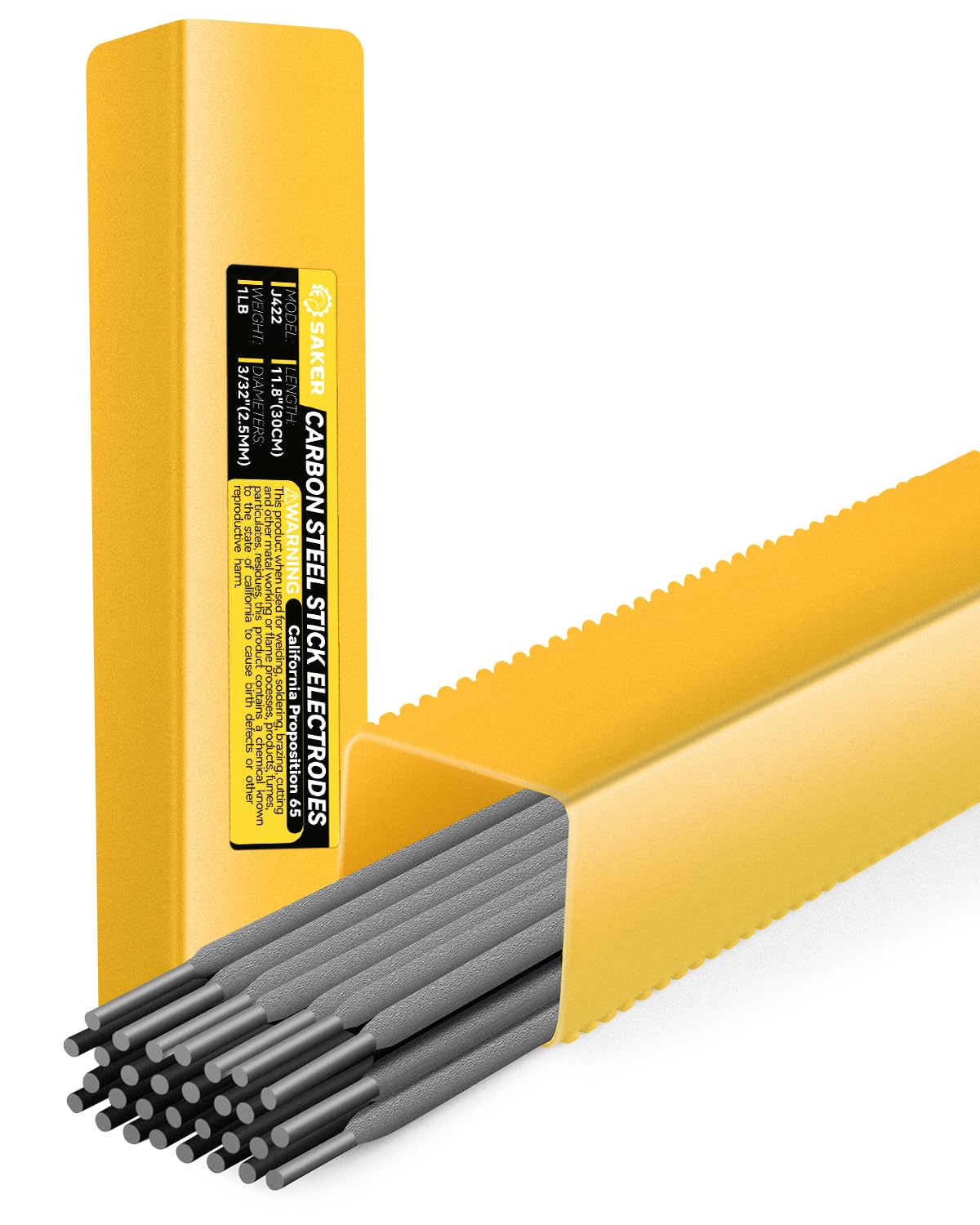
If you’re starting out or need reliable general-purpose rods, these J422 sticks are easy to work with across different machines. They handle thin to medium steel well, so they’re useful for handheld welders, shop maintenance, and small fabrication tasks.
Keep a tube or two handy and you’ll have a straightforward rod that helps you focus on improving your technique.
When To Use
|
Situation |
How It Helps |
|---|---|
|
Beginner Practice |
The forgiving arc and steady puddle let you repeat beads and build control without constant arc-outs. |
|
Handheld Welding |
They strike reliably with portable machines, so you waste less time adjusting and more time welding. |
|
Light Fabrication |
Good flow and easy slag removal make short runs and tack welding simpler when fitting small parts. |
Skill Level
Beginner to Hobbyist
Key Benefits
- Very forgiving arc that helps when you’re learning
- Nice bead appearance and easy slag removal
- Works well with a variety of welding machines
- Suitable for handheld welders and quick shop fixes

These E6013 rods are a dependable choice when you want straightforward stick performance that helps you build technique. You’ll find them easy to strike and forgiving enough for repeated practice, while still delivering clean-looking beads for everyday repairs and light fabrication. Use them for shop maintenance, patching panels, or hobby metalwork where consistent results matter.
If you want a no-nonsense rod that helps you focus on your welding rather than fiddling with settings, these are worth keeping on hand.
When To Use
|
Situation |
How It Helps |
|---|---|
|
Daily Shop Repairs |
Predictable burn and tidy slag removal make quick fixes on frames and brackets straightforward. |
|
Practice Sessions |
Easy arc strikes and steady puddles let you repeat beads and build muscle memory without constant interruptions. |
|
Restoration Work |
Low spatter and consistent fusion help produce cleaner-looking welds on visible panels and thin metal. |
Skill Level
Beginner to Intermediate
Key Benefits
- Smooth bead appearance with minimal spatter
- Good for thin to medium mild steel repairs
- Pack size suits regular shop use and repeated practice

This dual-spec E7018 pack is convenient when you want one container that covers common stick welding needs. You get both 3/32″ and 1/8″ rods split into bags so you can grab the right size without hunting through mixed sticks. The low-hydrogen formulation makes these rods suited to repairs and structural work where toughness matters, and the consistent burn helps you focus on technique rather than chasing erratic arcs. Keep this kit in your shop if you want a versatile, reliable set that serves beginners learning the groove and experienced welders doing heavier repairs.
When To Use
|
Situation |
How It Helps |
|---|---|
|
Learning Stick Welding |
The predictable arc and clear size choices let you practice technique with less guesswork about which rod to use. |
|
Structural Repairs |
Low-hydrogen properties reduce post-weld cracking, so repairs on frames and supports hold up better under stress. |
|
Workshop Stocking |
Having both common diameters in one container keeps your bench ready for a range of jobs without extra trips to the store. |
Skill Level
Beginner to Professional
Key Benefits
- Dual sizes in one sealed container for convenience and organization
- Low-hydrogen chemistry reduces cracking risk on structural welds
- Consistent burn and easy arc strikes that aid repeatable beads
- Packaged to stay fresh and ready for occasional or frequent use

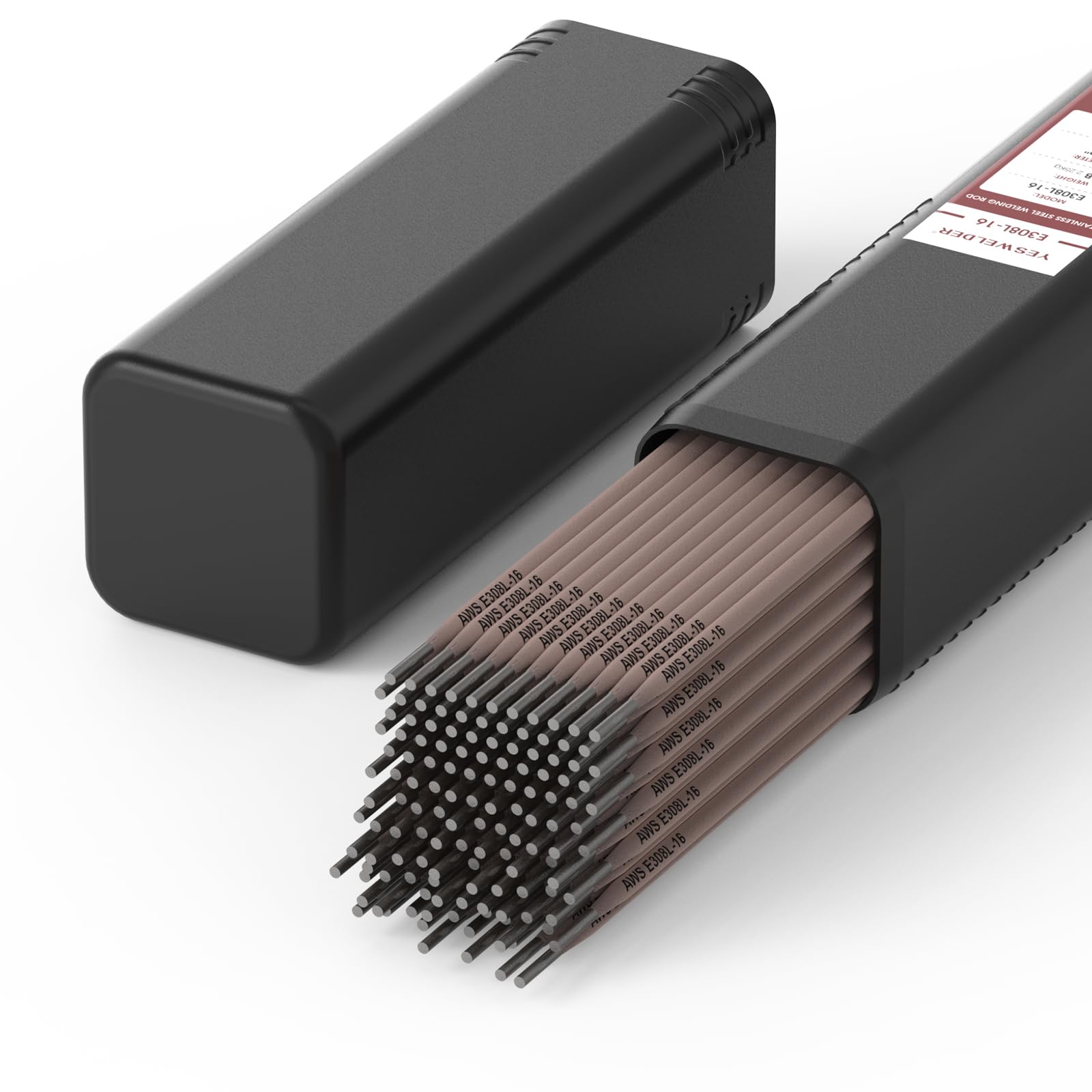
If you need to weld stainless without a MIG or TIG setup, these E308L stick rods are a practical option to keep around. You can use them for small exhaust repairs, patching thin stainless tubing, or any job where a clean bead matters and wire feed isn’t available.
The rods tend to produce self-cleaning slag and a nice finish when you use a slight drag and control your travel, so they’re handy for shop jobs and on-the-spot fixes. They’re best if you already have some stick welding basics down, but they’re forgiving enough for careful hobbyists to get good results.
When To Use
|
Situation |
How It Helps |
|---|---|
|
Exhaust And Tubing Repair |
Produces a small, controlled puddle and clean beads that are useful when welding thin stainless sections. |
|
Shop Patches |
Self-cleaning slag and tidy finish reduce cleanup time on visible repairs and short runs. |
|
When MIG/TIG Are Unavailable |
Lets you complete stainless jobs with a stick setup while still getting decent appearance and fusion. |
Skill Level
Intermediate to Professional
Key Benefits
- Formulation suited for stainless repairs with good bead finish
- Self-cleaning slag behavior simplifies post-weld cleanup
- Works with standard stick welders where MIG/TIG aren’t available
- Reusable packaging helps protect sticks from moisture
Related guides: best welding rod for beginners | PGN E6013 beginner rod review | E6013 3/32 beginner stick electrode review
FAQ
Which Rods Should You Start With?
Start with forgiving, general-purpose rods so you can focus on technique. For stick work many beginners find E6013 easy to strike and control, while a mild steel TIG filler like ER70S-6 works well when you’re learning TIG puddle control. Keep a low-hydrogen option such as E7018 on hand once you move into repairs that need extra toughness, and choose ER308L if you plan to do stainless work.
How Do You Choose Size And Type?
Match the rod type and diameter to the metal thickness and the process you’re using: thinner metal usually needs smaller diameters and lighter heat, thicker work needs larger rods and more amps. For stick welding 3/32″ is a common, versatile size and 1/8″ is for heavier sections; for TIG filler 1/16″ is common for thin material.
Also pay attention to chemistry—mild steel, low-hydrogen, and stainless formulations behave differently—so pick the rod that matches the base metal and the job’s strength requirements.
How Should You Store And Care For Rods?
Keep rods dry, cool, and sealed so the flux and low-hydrogen coatings stay effective; if packaging is reusable, use it, and store containers away from moisture. Wipe TIG filler rods before use if they pick up oil or fingerprints, and follow manufacturer guidance if a low-hydrogen rod ever absorbs moisture.
When practicing, try both short sticks and full-length rods so you learn handling and understand trade-offs between control and waste.
Which One Should You Choose?
If you have a stick welder, start with 3/32 in. E6013 on clean mild steel in a 1 to 5 lb pack, and move to E7018 when you need stronger structural welds. Buy ER70S-6 or ER308L TIG rods only if you have a TIG machine and argon. Skip stainless and 10 lb packs until you have practiced on scrap.
Wrapping Up
Start with a forgiving stick rod in a small pack and add other rods as your projects require. Confirm details on each listing before you buy.