You depend on welds that stay strong long after you walk away from the job, and preventing cracks is central to that. Choosing the right electrode affects hydrogen absorption, slag removal, and weld bead quality, so you get fewer repairs and safer structures. These welding rods for crack resistance are suited to tricky steels and repair work.
This guide highlights rods with proven crack resistance, versatile sizes, and packaging that keeps flux dry so you can focus on getting the weld right the first time.
Top Picks
|
Category |
Product |
Score |
|---|---|---|
|
🏆 Best Overall |
95/100 |
|
|
💰 Best Value |
92/100 |
|
|
🎯 Best TIG Filler |
90/100 |
|
|
🔰 Best For Beginners |
87/100 |
|
|
🚀 Most Versatile |
91/100 |
|
|
⭐ Best Stainless Stick |
88/100 |
|
|
💸 Best Budget Pick |
89/100 |
|
|
💪 Best For Heavy Work |
90/100 |
|
|
🛠️ Best For Dirty Metal |
86/100 |
|
|
🔬 Best Small Stainless |
85/100 |
Selection Criteria
You want electrodes that reduce cracking risk while matching the steel, fit-up and welding process you use. We prioritized low-hydrogen E7018 types and E6010 where deep penetration is needed, stainless fillers for corrosion resistance, and TIG wire for controlled fusion.
Packaging and moisture protection matter because damp flux ruins crack resistance, so we favored rods with sealed or reusable containers. We also weighed user reports on consistency, ease of striking, slag removal, and value so you can choose rods suited to your skill level and budget.

You get a low-hydrogen E7018 stick rod that’s built to perform when crack resistance matters. It lays predictable beads, works well for common structural and repair tasks, and comes in a reusable container that helps keep flux dry between jobs.
Use it for everyday repairs around the farm or garage, for structural welds on metal frames, and when you need a dependable electrode for welds that must resist cracking. If you want a reliable, easy-to-manage E7018 that behaves like a premium rod without fuss, this one is worth trying.
What People Say
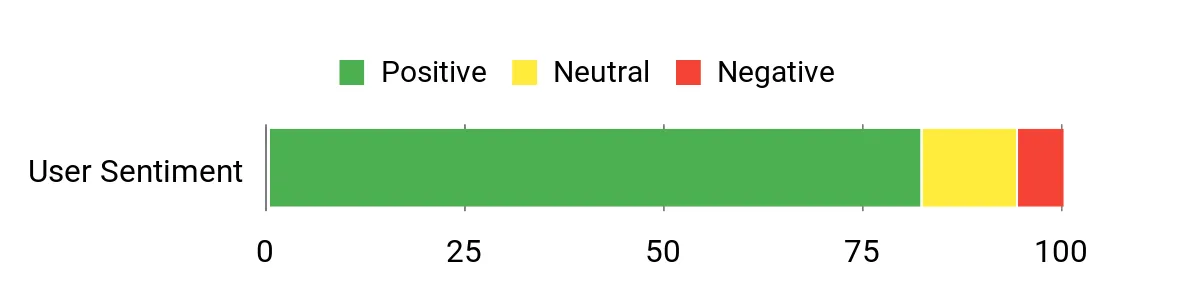
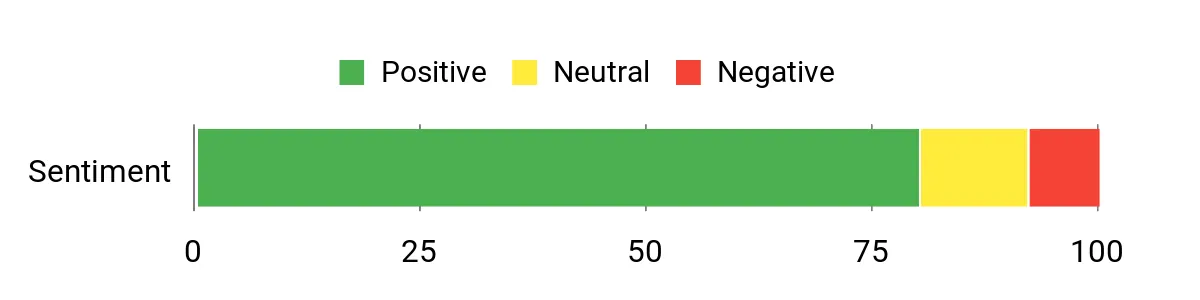
People generally praise the rod for consistent performance and value compared with name-brand alternatives. Common notes mention reliable bead appearance, good first-strike behavior, and handy packaging that helps preserve the rods.
A few users stress the need to dial in heat and technique for best results, but overall feedback leans positive.
Overall Sentiment: Positive
DIY Tips
Keep the rods sealed until you need them and store opened packs in a cool, dry place so flux stays effective. When you weld, match your amperage to the rod size and aim for a steady travel speed to produce a smooth bead.
If you’re new to stick welding, practice striking and maintaining a short arc on scrap to get comfortable with how this rod behaves.
Crack Resistance
The low-hydrogen E7018 chemistry tackles one of the biggest causes of weld cracking by reducing hydrogen pickup and producing a tough, ductile deposit. That means fewer stress-related fissures in structural joints and a better chance your welds hold up under load and vibration.
Key Benefits
- Low-hydrogen formulation that helps minimize cracking
- Consistent arc and predictable bead for repeatable results
- Reusable, protective packaging to keep rods dry
- Performs like higher-priced brand rods for many users
Rating: 4.6 (total: 1719+)

You get a low-hydrogen E7018 stick rod that’s meant to give predictable, steady beads whether you’re fixing a trailer or fabricating a frame. It’s easy to strike and control, so it works well for routine shop work and for those special jobs where weld integrity matters.
You can rely on it for everyday repairs, farm maintenance, and structural tack welding, and many users find it behaves like pricier brand rods while being straightforward to run. If you want a dependable E7018 that’s friendly to both beginners and experienced welders, this one is a solid pick.
What People Say
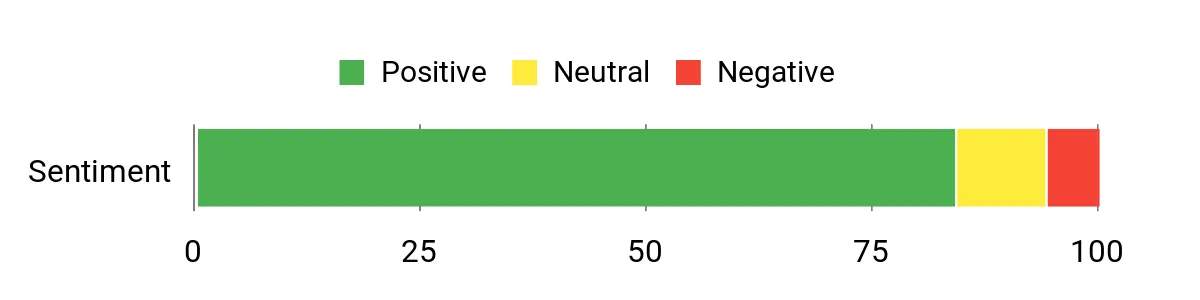
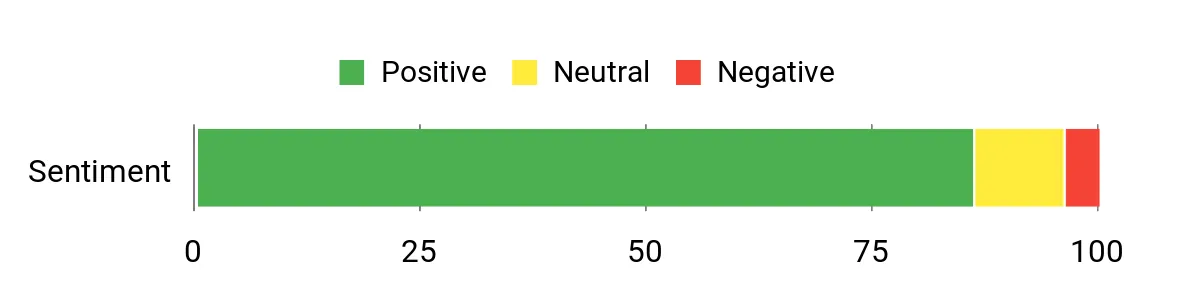
Customers commonly praise how consistently the rods run and how easy they are to strike, noting good bead control and reliable performance. Many mention the rods compare well to name brands and are packaged in a protective box that keeps flux in good condition.
A few users point out the coating feels lighter, which can change arc brightness but does not harm weld quality.
Overall Sentiment: Positive
DIY Tips
Keep the rods sealed until use and store them somewhere dry so the flux stays effective. Match amperage to the 3/32″ size and practice maintaining a short, steady arc on scrap metal before tackling critical joints.
Chip the slag and wire-brush between passes for clean, inspectable beads.
Crack Resistance
The E7018 formulation targets hydrogen-induced cracking by limiting hydrogen pickup and producing a tough, ductile weld deposit, which helps joints resist stress and fatigue in service conditions.
Key Benefits
- Low-hydrogen chemistry to reduce crack risk
- Steady arc and predictable bead appearance
- Easy to strike and restart for intermittent work
- Friendly to both novice and experienced welders
Rating: 4.6 (total: 459+)

You’ll find these ER70S-6 TIG filler rods surprisingly easy to work with whether you’re finishing a daily repair or tackling a special stainless-to-mild steel project. They’re straight, clean and sized for good control in tight spots, so feeding and laying in filler feels natural once you get the rhythm.
Use them for fabrications, slip-fit repairs, and detailed TIG work where neat fusion and easy cleanup matter. If you want a dependable TIG filler that behaves predictably and gives solid penetration, this is a practical choice to keep in your shop.
What People Say
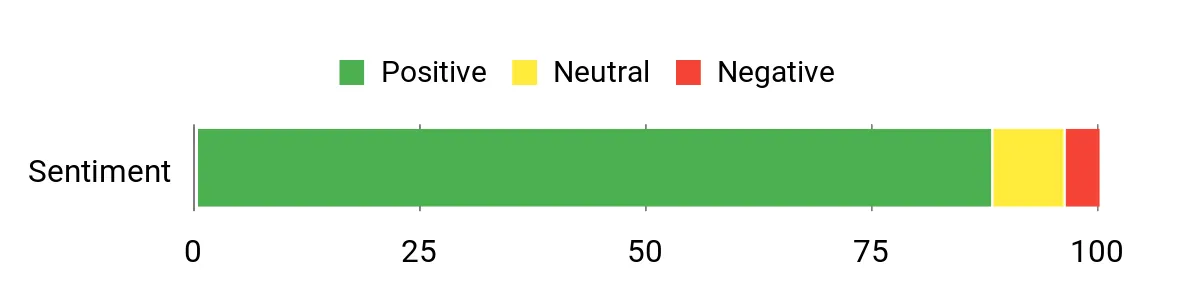
Most users note the rods arrive clean and straight, making them easy to feed and weld with minimal fuss. Feedback often highlights solid penetration, reliable fusion and an overall feeling that these rods perform like higher-end alternatives.
A few people mention the length can be a bit short for cramped spots, but overall impressions skew positive.
Overall Sentiment: Positive
DIY Tips
Keep the rods dry and free from oil or grease before use, and cut or hold them so you have comfortable reach when working in tight areas. Match your torch angle and filler feed rhythm to the puddle size, and practice on scrap to dial in travel speed and heat for the best fusion.
Crack Resistance
These ER70S-6 rods help you avoid porosity and inclusions thanks to their clean makeup, and their consistent feed supports steady deposits that reduce the need for rework. For projects where controlled fusion and tidy beads matter, they give you the predictable filler behavior that helps prevent weak spots.
Key Benefits
- Clean, straight rods with minimal contaminants
- Consistent thickness for predictable feeding
- Good penetration and easy post-weld cleanup
- Suitable for detailed TIG work and small assemblies
Rating: 4.7 (total: 200+)

You’ll appreciate this E6013 if you want an electrode that’s forgiving while you work. It’s easy to strike and maintains a steady arc, which makes it great for routine shop jobs, hobby projects, and quick repairs around the house or farm.
Use it for sheet metal, thin-gauge repairs, or when you need a rod that helps you lay smooth beads with less fuss. If you’re learning stick welding or need a dependable rod for everyday tasks, this one is a practical, approachable choice.
What People Say
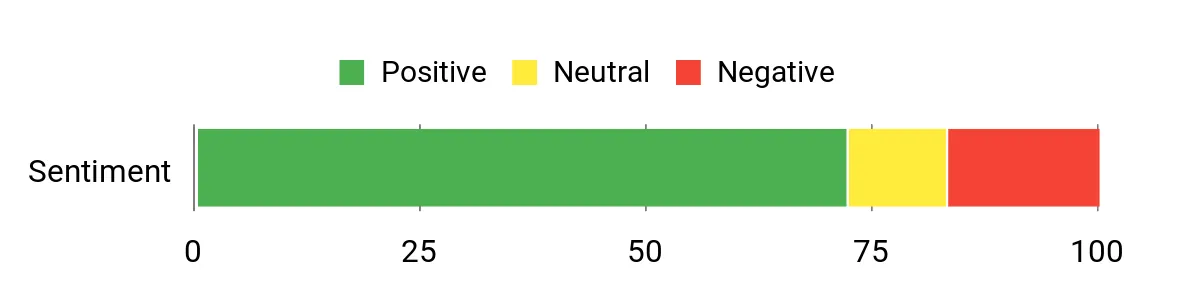
Buyers frequently point to how easy these rods are to strike and how consistently they run, which helps when you’re practicing or doing small repairs. Many users like the bead appearance and the protective tube, though a few note occasional chips in the coating or expected spatter with this alloy.
Overall, impressions trend toward reliable performance for routine stick welding tasks.
Overall Sentiment: Positive
DIY Tips
Store rods in a dry place and leave them sealed until you’re ready to weld. Match your amperage to the 3/32″ size and practice a steady short arc on scrap metal to get comfortable.
Clean the joint and chip slag between passes for the best-looking beads.
Crack Resistance
E6013 helps you get welds down quickly and neatly, reducing operator mistakes that can cause weak spots, but it’s not a low-hydrogen rod. For critical, crack-prone structural work you’ll still want a true E7018 low-hydrogen electrode, while E6013 is ideal for light repairs and easier handling.
Key Benefits
- Very easy arc starting for quicker setup
- Smooth, attractive bead that’s easy to clean
- Compact packaging that protects rods in transit
- Good choice for beginners and light repairs
Rating: 4.6 (total: 333+)

You get two common E7018 sizes in one container, which makes this handy if you switch between light tack work and heavier structural passes. The container has dividers and a near-airtight seal so rods stay dry between jobs, and the rods run with the consistent arc behavior you expect from low-hydrogen electrodes.
Use the 3/32″ for tighter fit-ups and the 1/8″ when you need more deposition on thicker joints; both are useful for farm repairs, frame work, and shop fabrication. If you want a practical, versatile pack that reduces trips to the supply store and keeps your workflow smooth, this one fits that role.
What People Say
Customers frequently highlight the convenience of having both sizes and praise the packaging for keeping rods dry. Many report steady, predictable welding performance that compares well to more expensive brands, and users appreciate that the rods are ready to run right out of the container. A small number note that technique and heat control still matter to get the best results.
Overall Sentiment: Positive
DIY Tips
Keep the container sealed when not in use and store it in a dry spot. Match your amperage to the rod size and practice on scrap to feel the difference between 3/32″ and 1/8″.
Chip and brush slag between passes and allow proper cooling before handling.
Crack Resistance
The low-hydrogen E7018 formulation reduces hydrogen in the weld deposit, which lowers the chance of hydrogen-induced cracking in structural joints. Using properly stored E7018 rods helps maintain deposit toughness and reduces rework from stress-related fractures.
Key Benefits
- Two popular diameters in one sealed container for flexible use
- Low-hydrogen E7018 chemistry for improved crack resistance
- Dividers and tight packaging help preserve rod condition
- Consistent arc behavior suitable for both beginners and pros
Rating: 4.6 (total: 103+)

You’ll reach for these E308L stainless stick rods when you need to weld stainless but don’t have a MIG or TIG rig handy. They run with a small puddle and self-cleaning slag that makes finishing easier on thin tubing and exhaust work, and the reusable packaging helps keep rods dry between jobs.
They’re handy for spot repairs, patching exhausts, and occasional stainless fabrication in the shop. If you need a stick option for stainless that gives neat-looking beads and decent corrosion resistance, these are a sensible choice.
What People Say
Reviews commonly note these rods work well for stainless repairs and produce attractive, self-cleaning beads. Many buyers appreciate the protective packaging and say the rods performed for tasks like exhaust and small fabrications.
A few users wished for clearer polarity or amp guidance, and there are occasional reports of inconsistent results depending on setup.
Overall Sentiment: Positive
DIY Tips
Keep the rods dry and choose a slightly lower amperage to form a small, controllable puddle. Use a gentle drag technique and weld slightly uphill on thin tubing to control penetration, and chip and brush the slag carefully to reveal the finished bead.
Confirm your machine polarity and run a short test on scrap stainless to dial in heat before the real job.
Crack Resistance
E308L filler helps you join stainless with good corrosion resistance and tidy bead appearance, which reduces cleanup and touch-ups. While not a substitute for TIG in precision work, it solves many common repair scenarios where a stick electrode is the only practical option.
Key Benefits
- Formulated for stainless repairs when MIG/TIG isn’t available
- Produces self-cleaning beads that simplify slag removal
- Reusable slip-tube packaging helps protect rods from moisture
- Good finish on thin sections like exhaust tubing
Rating: 4.5 (total: 18+)
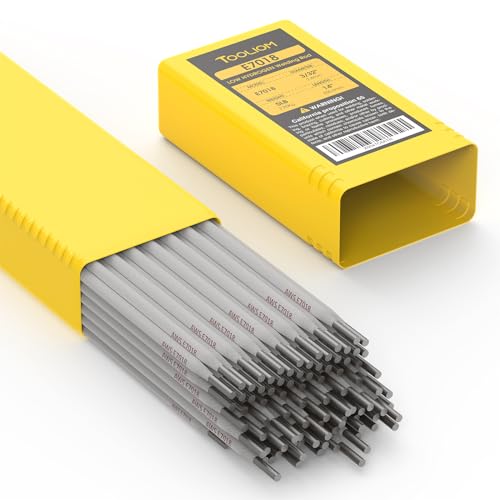
You’ll like this E7018 if you want a dependable low-hydrogen rod that behaves predictably when crack resistance matters. It runs with a steady arc and gives a ductile, tough deposit suited to structural repairs, frame work, and general shop fabrication.
Keep it in your toolbox for routine maintenance, farm fixes, or any job where you need a weld that resists stress-related fractures. For a straightforward, no-nonsense 7018 that many users find performs consistently, this is a practical choice to keep on hand.
What People Say
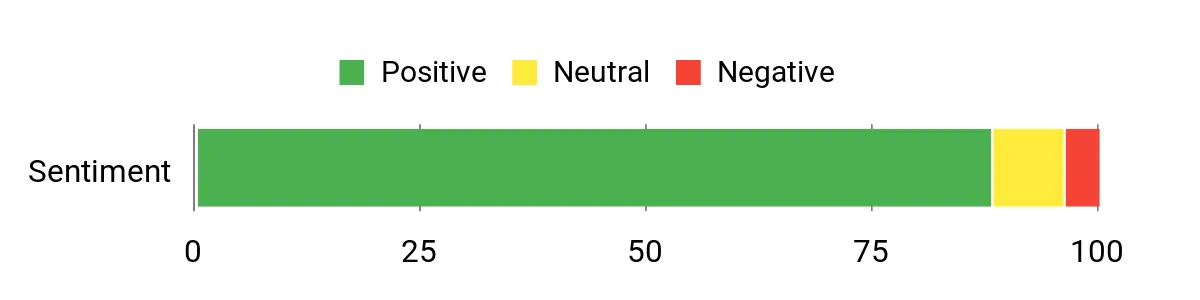
Most users report the rods perform as expected and praise the consistent burn and dependable welds. Feedback often highlights that the rods are easy to run and suit a range of tasks from light repairs to heavier structural work.
A few comments note users waiting to try them or emphasizing setup and heat control, but overall reactions are favorable.
Overall Sentiment: Positive
DIY Tips
Store rods sealed and dry to protect the flux. Match your amperage to the 3/32″ size and practice a short, steady arc on scrap before tackling critical joints. Chip and brush slag between passes and allow proper cooling to inspect bead integrity.
Crack Resistance
The E7018 chemistry reduces hydrogen pickup and deposits a ductile weld metal that resists stress cracking, which helps you avoid rework and keeps structural joints tougher under load.
Key Benefits
- Low-hydrogen mix that helps minimize cracking
- Consistent arc and predictable bead for reliable results
- Good for structural repairs and everyday fabrication
- Accessible for both hobbyists and experienced welders
Rating: 4.7 (total: 290+)

You’ll reach for these 1/8″ E7018 rods when you need heavier deposition and dependable low-hydrogen performance. They’re made for structural repairs, thicker frame work, and situations where weld toughness matters more than finesse.
The rods run with a steady arc and lay down a robust, ductile bead, so you can handle farm repairs, trailer frames, or thicker plate without worrying as much about hydrogen-induced cracking. Keep a pack in the shop for jobs that need reliable strength rather than precision appearance.
What People Say
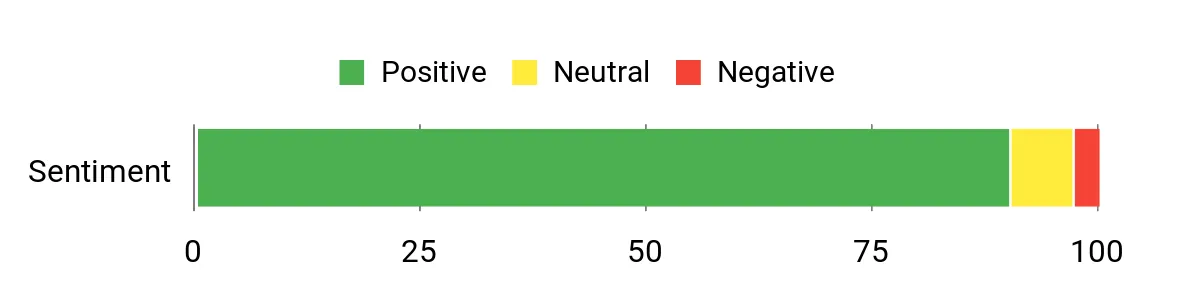
Users tend to highlight reliable performance and solid weld appearance on heavier sections, noting the rods handle well for structural repairs. Reviewers often mention good value and consistent burn behavior, with several experienced welders saying the rods met their expectations for toughness. A few comments remind you to set amperage correctly for best results.
Overall Sentiment: Positive
DIY Tips
Store rods sealed and dry to protect flux. Match your amperage to the 1/8″ diameter and practice a steady travel speed on scrap to get the puddle size right. For thicker material, consider slight preheat and chip and brush slag between passes to inspect penetration and bead quality.
Crack Resistance
The E7018 chemistry reduces hydrogen pickup and deposits a ductile weld metal that resists stress cracking, helping you avoid brittle failures in load-bearing joints and cutting down on rework.
Key Benefits
- Low-hydrogen formulation to lower cracking risk
- Thicker 1/8″ size for better deposition on heavy joints
- Consistent arc for predictable bead shape
- Durable packaging that helps preserve rod condition
Rating: 4.7 (total: 38+)
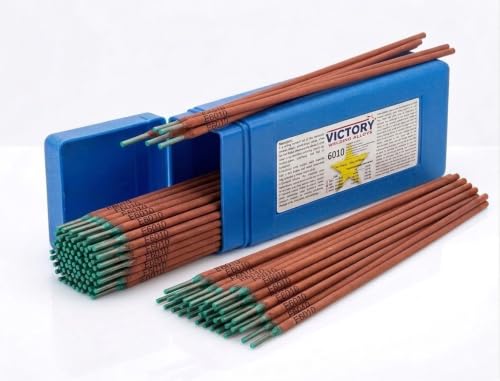
You’ll reach for E6010 when you need a rod that digs in and gets good root penetration, especially on dirty or poorly prepared metal. It’s handy for maintenance work, structural restoration, buried root passes, and situations where cleaning to bare metal isn’t practical. The arc runs hot and deep, so it’s useful for both everyday shop repairs and tougher field jobs where penetration matters more than cosmetic finish.
If your goal is reliable fusion on rough surfaces, this rod is a practical choice to keep available, while you might follow with a low-hydrogen filler for final passes on crack-sensitive joints.
What People Say
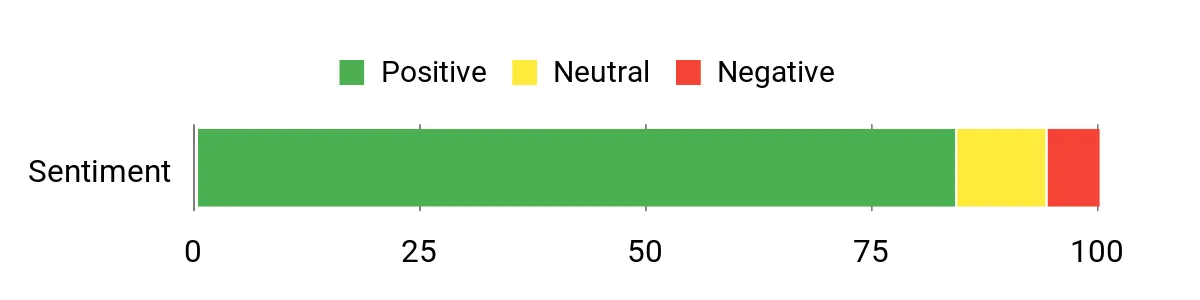
Most users highlight the rod’s ability to dig deep and produce solid penetration even on less-than-perfect metal, which makes repairs quicker and more dependable. Feedback often notes easy arc starting and consistent performance across different machines, with many welders appreciating that it handles dirty or coated surfaces without fuss.
A few comments remind you to adjust your machine and technique to the job for best results.
Overall Sentiment: Positive
DIY Tips
Keep the rods dry and practice steady short arcs on scrap to get comfortable with the puddle. Check your machine’s settings and be ready to increase amperage slightly for deeper penetration, then chip and brush slag between passes so you can inspect the weld.
Use E6010 for root and heavy penetration needs, and consider following with a low-hydrogen rod for critical, crack-prone joints.
Crack Resistance
E6010 solves the common problem of achieving good fusion on dirty or poorly fitted joints by delivering a penetrating arc that cleans and fills deep grooves. While it helps form strong root passes, it is not a low-hydrogen electrode, so pairing it with appropriate fillers and preheat practices is the best way to manage crack risk in structural work.
Key Benefits
- Deep penetration for strong root welds
- Performs well on dirty, painted or galvanized steel
- Reliable arc stability on inverter and transformer machines
- Versatile for field repairs and structural work
Rating: 4.6 (total: 95+)

You’ll reach for these ER308L rods when you need a small batch of stainless filler that flows nicely and cleans up with minimal buffing. They’re well suited to headers, small fabrication, and occasional stainless repairs where corrosion resistance matters but you don’t need industrial quantities.
The rods are reasonably straight and feed predictably for most TIG setups, though they perform best when your machine can deliver steady amperage. If you want a handy one-pound option for light stainless work, these are a practical addition to your tool chest.
What People Say
Customers often praise the rods for flowing well and producing tidy welds on small stainless projects, noting that cleanup is straightforward. Many appreciate the convenience of the one-pound format, while some users call out variable packaging and the need for a rig that can hold steady amperage.
Overall impressions lean positive for hobbyists and lighter shop work.
Overall Sentiment: Positive
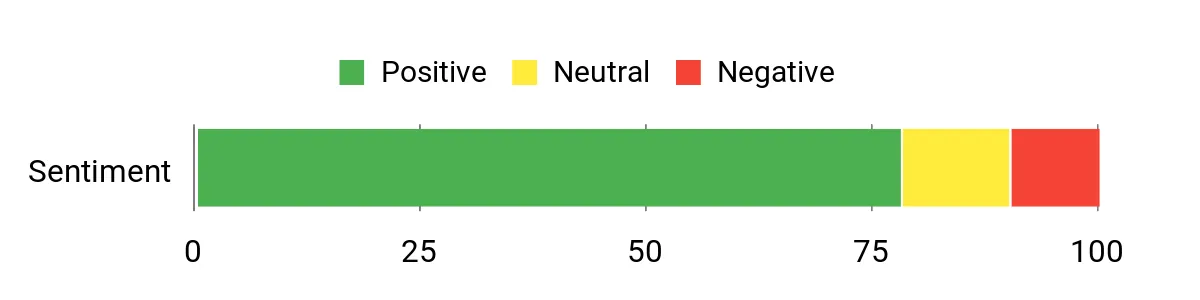
DIY Tips
Keep rods dry and free of grease, then run a quick test on scrap stainless to confirm your amperage and travel speed. Feed smoothly into a steady puddle, use a clean filler-to-torch rhythm, and polish lightly after slag and oxide removal.
If your machine struggles with stickiness, try a slightly higher amperage or shorter filler lengths.
Crack Resistance
These ER308L rods help you join and repair stainless with decent corrosion resistance and tidy appearance, which reduces post-weld work and the likelihood of surface-related defects. They’re not a substitute for premium production wire but solve common repair and light fabrication needs effectively.
Key Benefits
- Good flow and low splatter for cleaner finish
- Sized for detailed TIG work and small repairs
- Useful one‑pound pack for occasional stainless projects
- Acceptable quality for hobby and light professional use
Rating: 4.5 (total: 59+)
FAQ
How Do Low‑Hydrogen Rods Prevent Cracking?
You reduce cracking risk by limiting hydrogen in the weld metal, and that’s exactly what low‑hydrogen E7018-type rods do. They deposit a tougher, more ductile weld that tolerates stress and cooling without forming brittle fissures, so joints are less likely to develop hydrogen-induced cracks.
Proper technique and matching rod chemistry to the base metal still matter, but choosing a low-hydrogen electrode is the first step toward crack-resistant welds.
Which Rods Are Best For Different Jobs?
You’ll pick rods based on the job: use E7018 for structural work and crack-prone joints where toughness matters, E6010 when you need deep penetration and root passes on dirty or coated steel, and E6013 for thin-gauge or beginner-friendly work with smoother beads. For stainless repairs choose E308L or ER308L stick/TIG fillers, and use TIG filler like ER70S‑6 for precise fusion work.
A common approach is to run a penetrating root with an appropriate rod and finish with a low‑hydrogen filler for the best balance of fusion and crack resistance.
How Should I Store And Prepare Rods For Use?
Treat storage as part of quality control: keep rods dry in their sealed container and away from humidity because moisture in flux introduces hydrogen. If low‑hydrogen rods absorb moisture, you can follow manufacturer guidance to re-bake them in a rod oven before use, and always match amperage and arc length to the rod size.
Finally, practice steady travel speed, chip and brush slag between passes, and inspect beads—those habits help you make the most of crack-resistant electrodes.
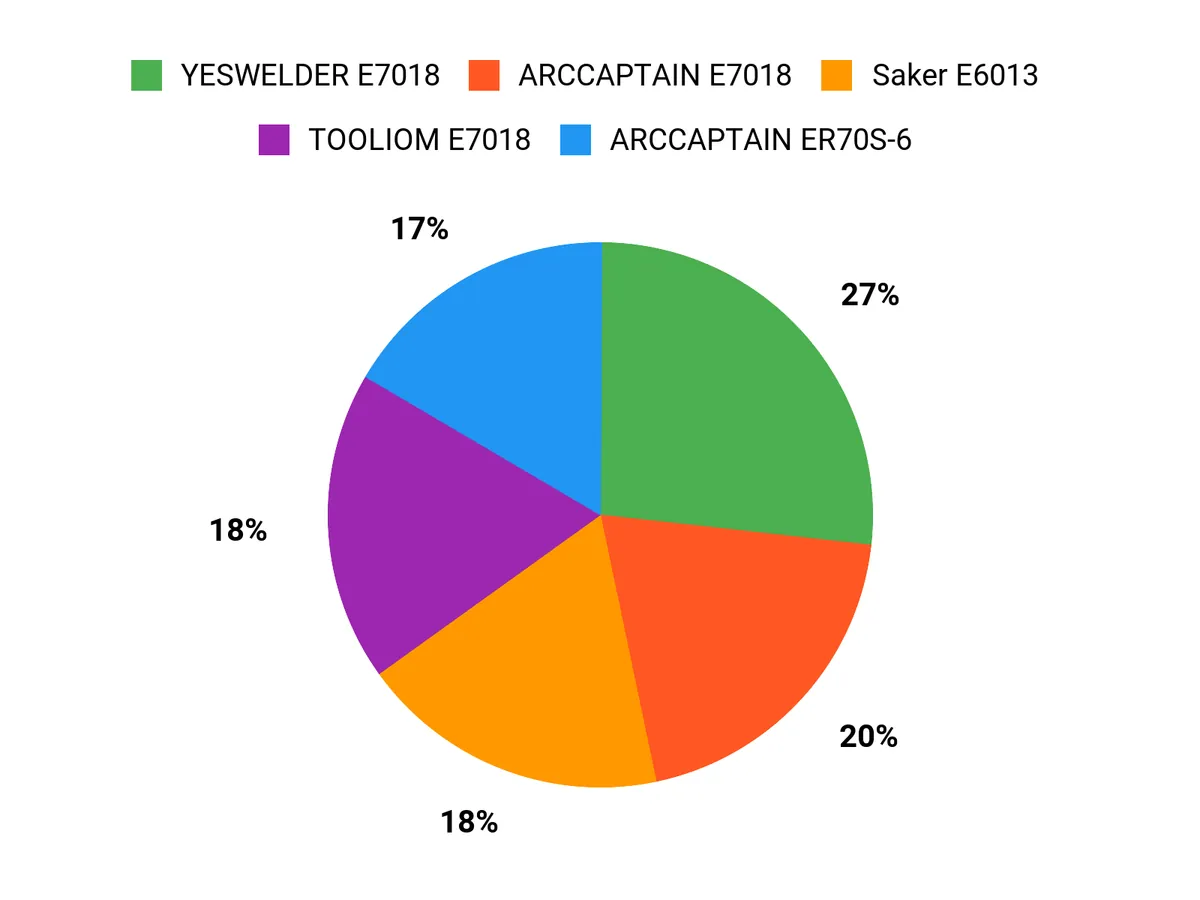
What Welders Prefer
You usually decide based on the job: if crack resistance and structural toughness are top priorities you lean toward the low‑hydrogen E7018 sticks from YESWELDER or ARCCAPTAIN, while the ARCCAPTAIN ER70S-6 is chosen when you need TIG-style control and a cleaner fusion. You also weigh ease of striking, consistent arc behavior, and packaging that keeps flux dry so the rod matches your machine and skill level for predictable, crack-resistant welds.
Wrapping Up
Now that you know the key differences, pick the rod that matches your job: use low-hydrogen E7018s for structural work and crack-prone joints, E6010 for deep root penetration on dirty or painted steels, and stainless stick or TIG filler for corrosion-sensitive projects. Pay attention to rod size, packaging and whether you need a sealed container for storage. Choosing the right electrode saves you time, reduces rework, and helps you deliver welds that stay crack-free under load.
| Product Name | Image | Size | Material | Item Weight | Package Dimensions |
|---|---|---|---|---|---|
| YESWELDER E7018 3/32” 5LB Welding Rod |
 |
3/32″ | E7018 5LB | 5.19 pounds | 14.02 x 2.52 x 2.2 inches |
| ARCCAPTAIN E7018 3/32” 5LB Welding Rod |
 |
3/32″ | E7018 5LB | 5.28 pounds | 14.09 x 3.11 x 1.42 inches |
| ARCCAPTAIN Mild Steel TIG Welding Rod ER70S-6 |
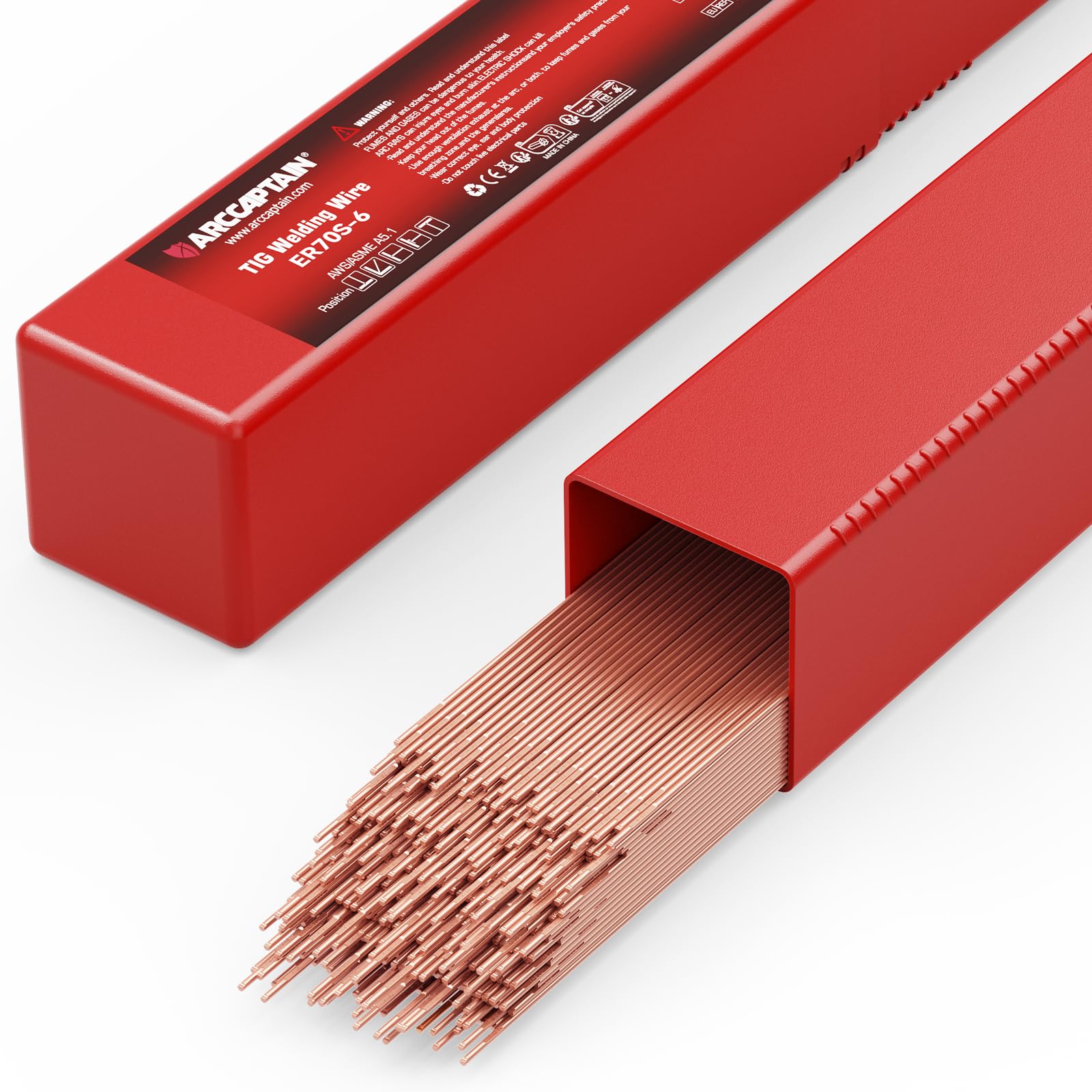 |
1/16″ x 16″ | ER706-S Mild Steel | 5.41 pounds | 16.38 x 2.68 x 2.64 inches |
| Saker E6013 Welding Rod 3/32” 1-Pound |
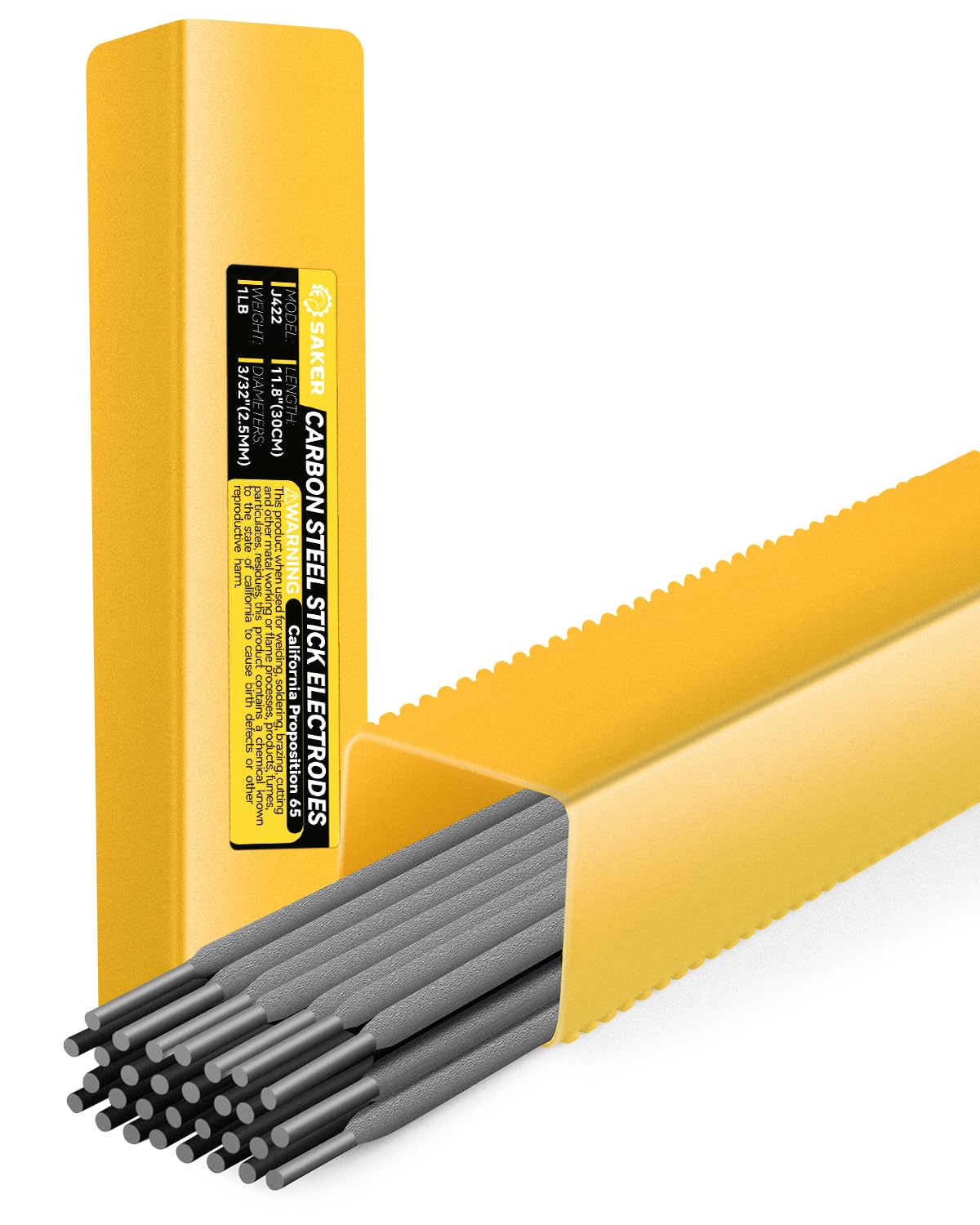 |
3/32″ 1LB | Carbon Steel | 1.01 pounds | 11.73 x 1.06 x 1.06 inches |
| YESWELDER E7018 3/32″(2.5lb)+1/8″(2.5lb) Welding Rod |
 |
3/32″+1/8″ | E7018 | 5.19 pounds | 14.02 x 2.83 x 2.52 inches |
| YESWELDER E308L-16 Stainless Steel Stick Electrodes |
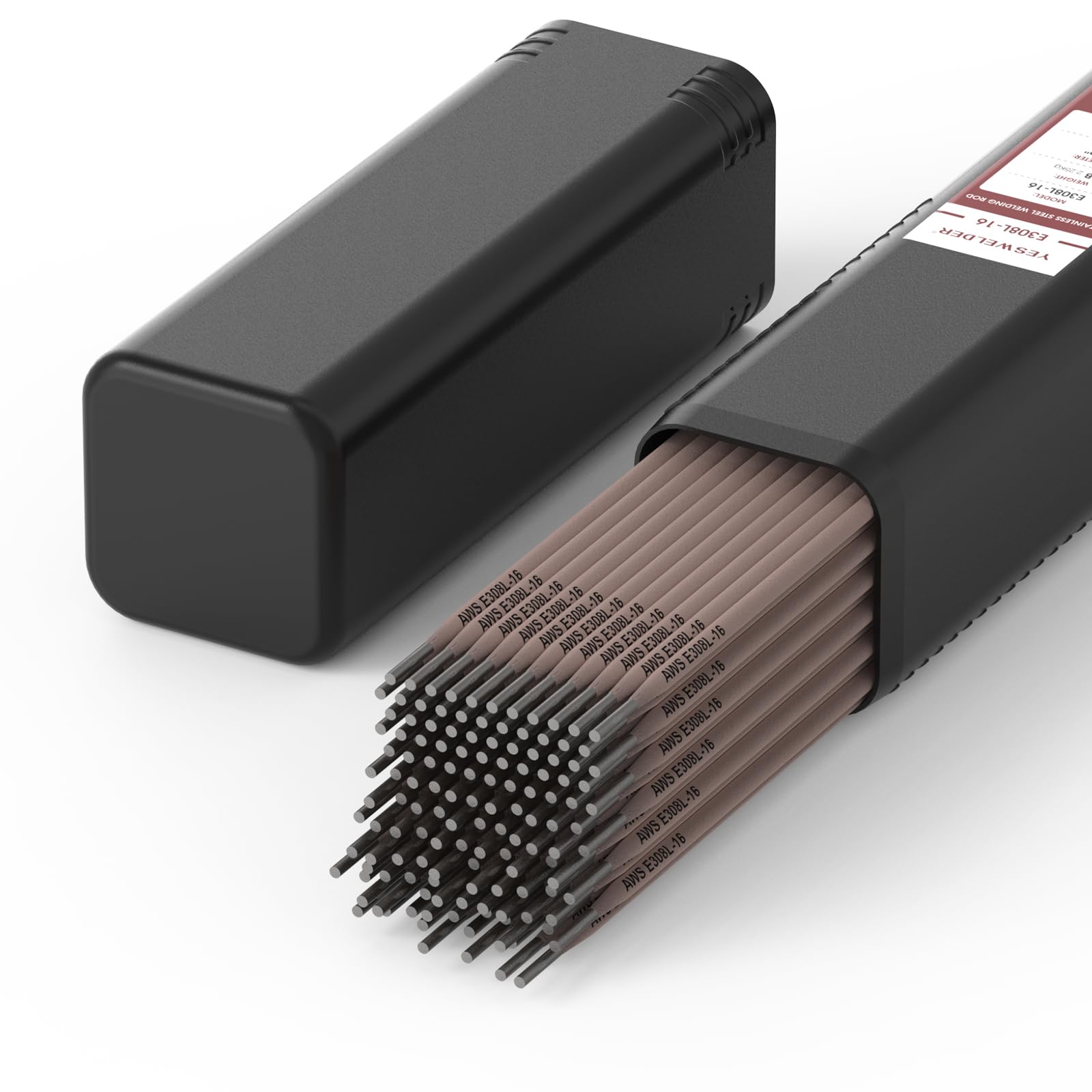 |
3/32″ | Stainless Steel | 5.26 pounds | 14.09 x 2.44 x 2.44 inches |
| TOOLIOM E7018 Low Hydrogen Welding Rod |
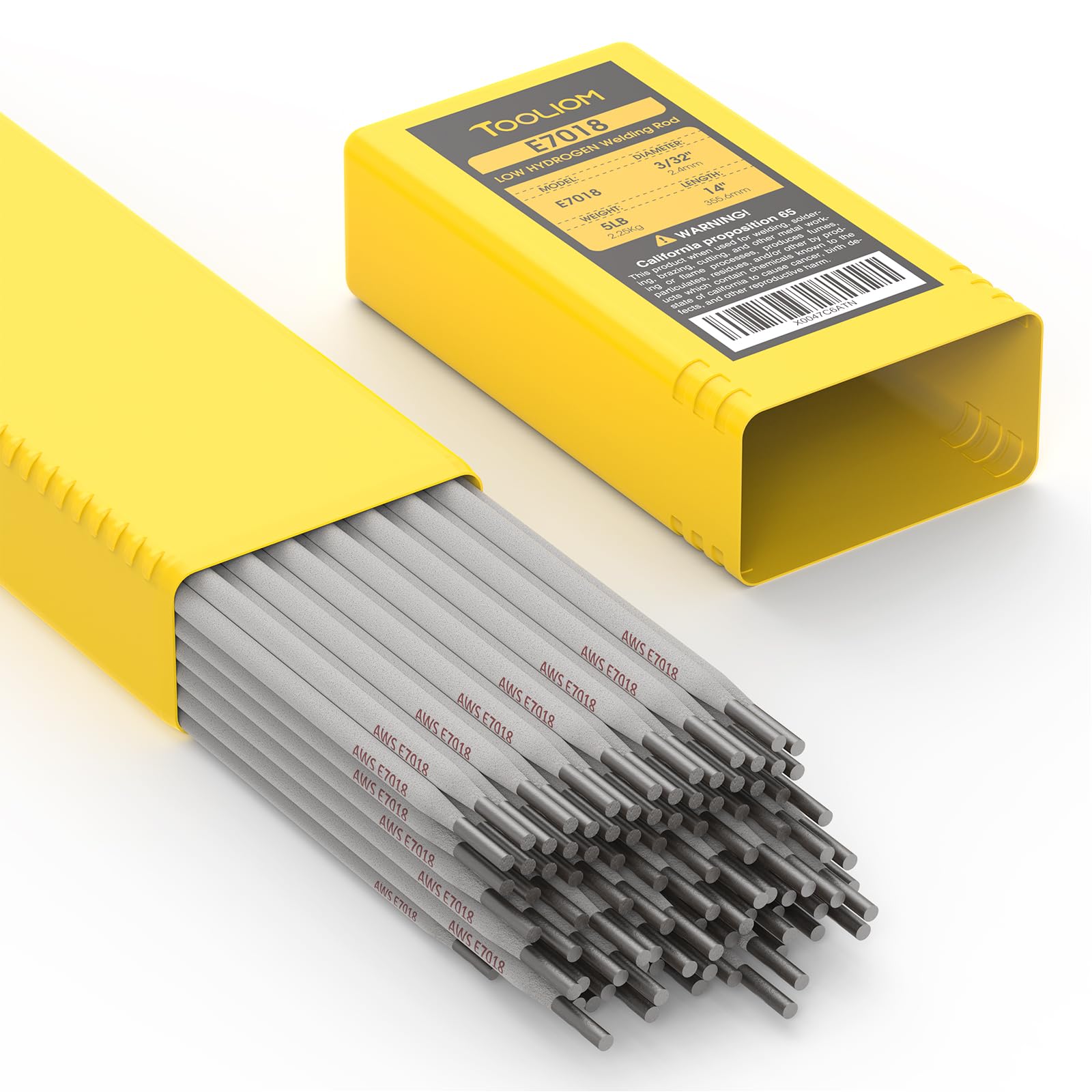 |
3/32″ 5LB | E7018 | 5.13 pounds | 14.41 x 2.83 x 1.46 inches |
| E7018 Welding Rod 1/8″ 5LB |
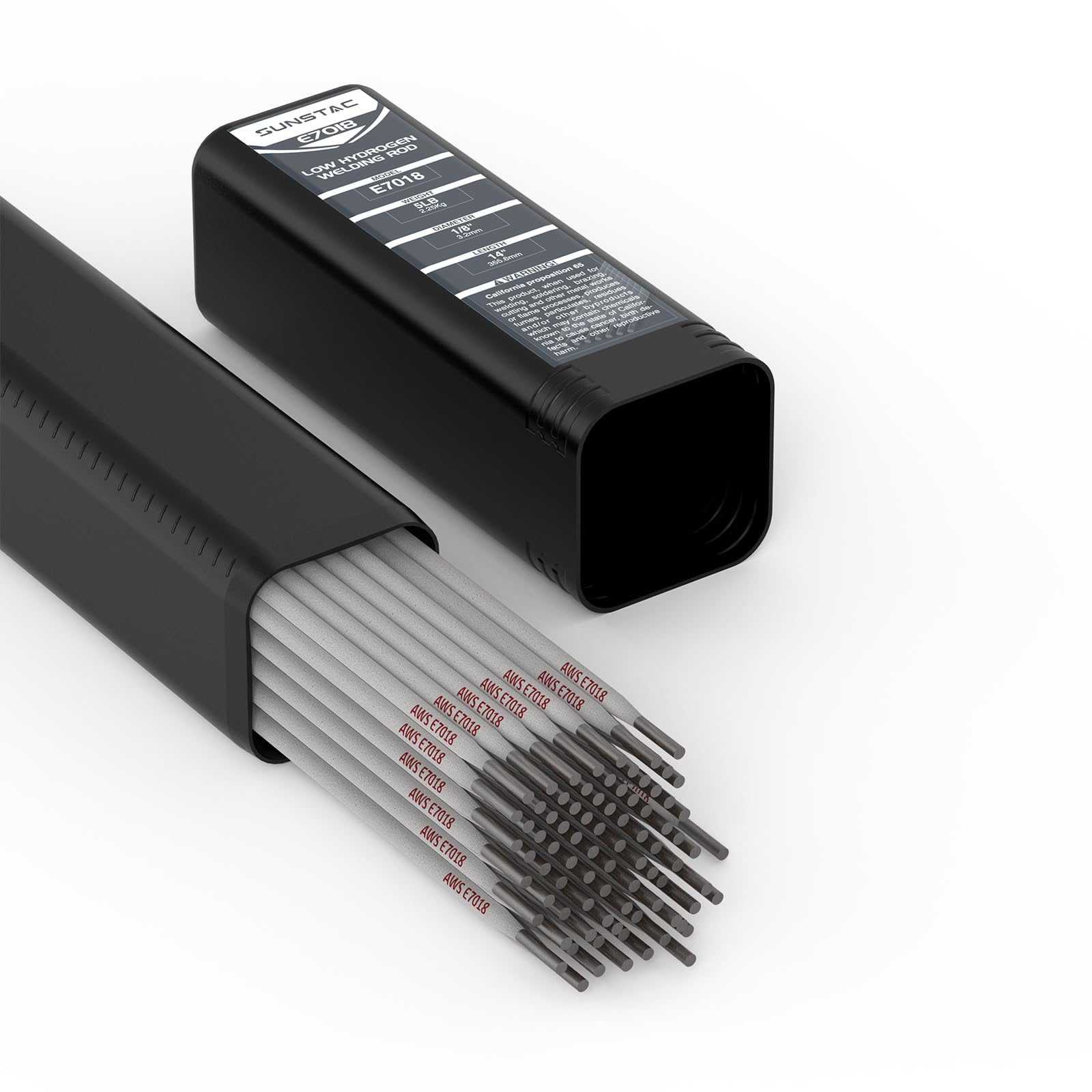 |
1/8″ 5LB | E7018 | 5.24 pounds | 14.13 x 2.44 x 2.4 inches |
| 6010 Welding Rod 3/32″ |
 |
3/32″ x 14″ | Carbon Steel | 5 pounds | 14 x 3 x 2 inches |
| UNIFAMILY Stainless Steel TIG Welding Rod ER308L |
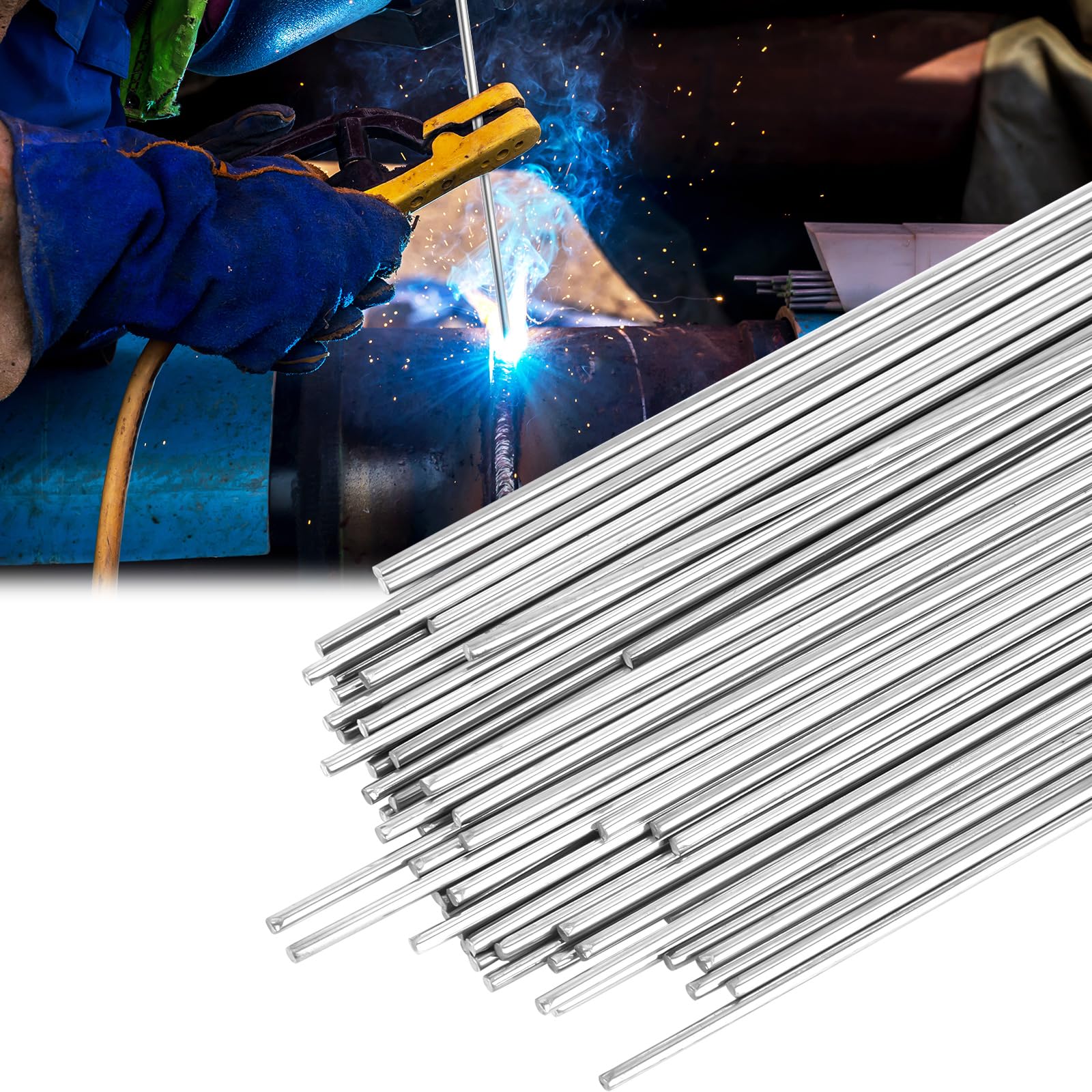 |
1/16″ x 16″ | Stainless Steel | 1 pound | 16 x 0.06 x 0.06 inches |
This Roundup is reader-supported. When you click through links we may earn a referral commission on qualifying purchases.