The right welding rods for sheet metal depend on the metal and process: E6013 or J422 for mild steel with a stick welder, ER70S-6 for mild steel TIG, ER308L for stainless TIG and low-temp rods for light aluminum patches. This page compares 10 rods covering those options.
The specs come from the Amazon listings, so confirm class, diameter and pack size on the listing before you buy.
Top Picks
|
Category |
Product |
|---|---|
|
Best Value Mild Steel |
|
|
Best For Stainless |
|
|
Best Budget Stick |
|
|
Best For Fine Work |
|
|
Best For Handheld |
|
|
Best For Strong Joints |
|
|
Low-Temp Aluminum Brazing |
|
|
Best Bulk Stick |
|
|
Most Versatile Rod |
|
|
Low-Temp Aluminum Set |
How the Picks Were Chosen
This list is built from the Amazon listing details for each product, not from hands-on testing. These are the points compared:
- Process: stick, TIG or torch brazing.
- Metal: mild steel, stainless or aluminum.
- Diameter: smaller rods are easier on thin sheet.
- Pack size: 1 lb to 10 lb, or 30 rods for the aluminum sets.

This ER70S-6 TIG filler is built for mild steel work on thin sections, and it’s the kind of rod you reach for when you want predictable puddles and easy control. You’ll notice the shorter 16″ lengths make handling in tight spots simpler, especially when you’re practicing or tackling delicate seams.
It’s well suited to hobby projects, light repair work, and small fabrication jobs where heat control matters. If you mostly weld thin steel, this rod is a reliable everyday option that balances user-friendly handling with consistent performance.
When It Helps
|
Situation |
How It Helps |
|---|---|
|
Auto Body Light Repairs |
You can control heat to avoid burn‑through on thin panels, and the manageable rod length makes navigating seams less awkward. |
|
Home Shop Practice |
The predictable puddle and forgiving behavior help you focus on technique without fighting inconsistent filler. |
|
Tacks and Tight Spots |
Shorter pieces make quick tacks and small joints easier to place when you don’t have room for a full‑length rod. |
Versatility
This rod is focused on mild steel TIG work and excels on thin plates and general light fabrication. It’s not intended for aluminum or stainless applications, so you’ll want a different chemistry for those metals. For general-purpose mild steel tasks, it’s a flexible choice to keep in your kit.
Key Benefits
- Predictable puddle control for thin mild steel
- Short 16″ length improves maneuverability in tight spaces
- Consistent quality that suits beginners and hobbyists
- Sturdy filler for routine repair and light fabrication

This ER308L TIG filler is made for thin stainless work, giving you clean, corrosion‑resistant joints that look right on visible surfaces. The 16″ length makes it easier to handle in cramped spots and control heat on delicate sheets, and the chemistry is aimed at joining 300‑series stainless with good strength and finish.
You’ll find it useful for small fabrication, appliance repair, and any job where appearance and corrosion resistance matter. If you weld thin stainless often, this is a practical rod to have on hand for consistent, predictable results.
When To Use
|
Situation |
How It Helps |
|---|---|
|
Thin Stainless Panels |
You can manage heat to avoid distortion while achieving a neat, corrosion‑resistant bead that cleans up well for visible work. |
|
Pipe and Tubing Repairs |
The stainless chemistry matches 300‑series materials so repaired joints retain strength and resist staining in moist environments. |
|
Decorative or Food‑Grade Surfaces |
Welds finish smoothly and polish well, which matters when appearance and hygiene are priorities. |
Versatility
This rod is focused on stainless TIG work and excels on thin 300‑series sheets and small welded parts. It’s not suitable for aluminum, and for mild steel projects you’ll want a different filler. Keep it alongside a mild steel rod to cover most thin‑metal tasks in your shop.
Key Benefits
- Clean, corrosion‑resistant welds on stainless
- Short 16″ length improves maneuverability
- Consistent quality that suits hobbyists and pros
- Good puddle control for thin sheet work

This E6013 stick rod is the kind of everyday electrode you reach for when you need reliable, easy‑striking welds on thin to medium steel. You’ll like how forgiving the arc is when you’re practicing, doing farm repairs, or knocking out small fabrication tasks.
It handles tight fitups and light structural work well, and it’s a solid choice if you want predictable beads without fuss. Keep it handy in your toolbox for routine fixes and learning sessions.
When To Use
|
Situation |
How It Helps |
|---|---|
|
Tractor and Farm Repairs |
You can stitch up brackets, frames, and light structural pieces without fighting inconsistent arcs, so repairs finish faster and stronger. |
|
Learning the Basics |
The forgiving arc helps you practice bead control and travel speed without getting discouraged by unpredictable puddles. |
|
Tight Fitups |
E6013 works well in close gaps and awkward angles, making it easier to get consistent welds on cramped joints. |
Versatility
This rod is versatile across general stick welding tasks on mild and carbon steel, especially for thin to medium sections. It’s not suitable for stainless or aluminum, so pair it with specialty fillers when you switch metals.
Key Benefits
- Easy arc starting and steady arc behavior
- Good for light repairs and tight fitups
- Consistent bead appearance suitable for beginners
- Well packaged for storage and transport

This ER308L rod is built for thin stainless work where a tidy finish matters. You’ll appreciate the clean puddle and corrosion resistance when you’re repairing or fabricating small parts, and the 16″ length makes it easier to maneuver in tight spots.
It’s a good pick for visible stainless joins, appliance fixes, and light-duty tubing repairs. If you want reliable stainless performance without fuss, this rod covers most of the small workshop needs you’ll run into.
When To Use
|
Situation |
How It Helps |
|---|---|
|
Appliance and Decorative Repairs |
You get tidy, corrosion‑resistant beads that polish well and look right on visible surfaces. |
|
Pipe and Tubing Work |
The chemistry matches 300‑series stainless so repaired joints retain strength and resist staining. |
|
Tight Access Joints |
Shorter rods are easier to position and control when you’re working in cramped or awkward spots. |
Versatility
This rod is focused on stainless TIG tasks and performs well on thin 300‑series sheet and small parts. It’s not suitable for aluminum or mild steel, so keep a dedicated mild steel filler if you switch metals often.
Key Benefits
- Neat, corrosion‑resistant welds on 300‑series stainless
- Consistent thickness and straightness for predictable feeding
- Short length improves handling in cramped areas
- Good penetration and cleanup for visible work

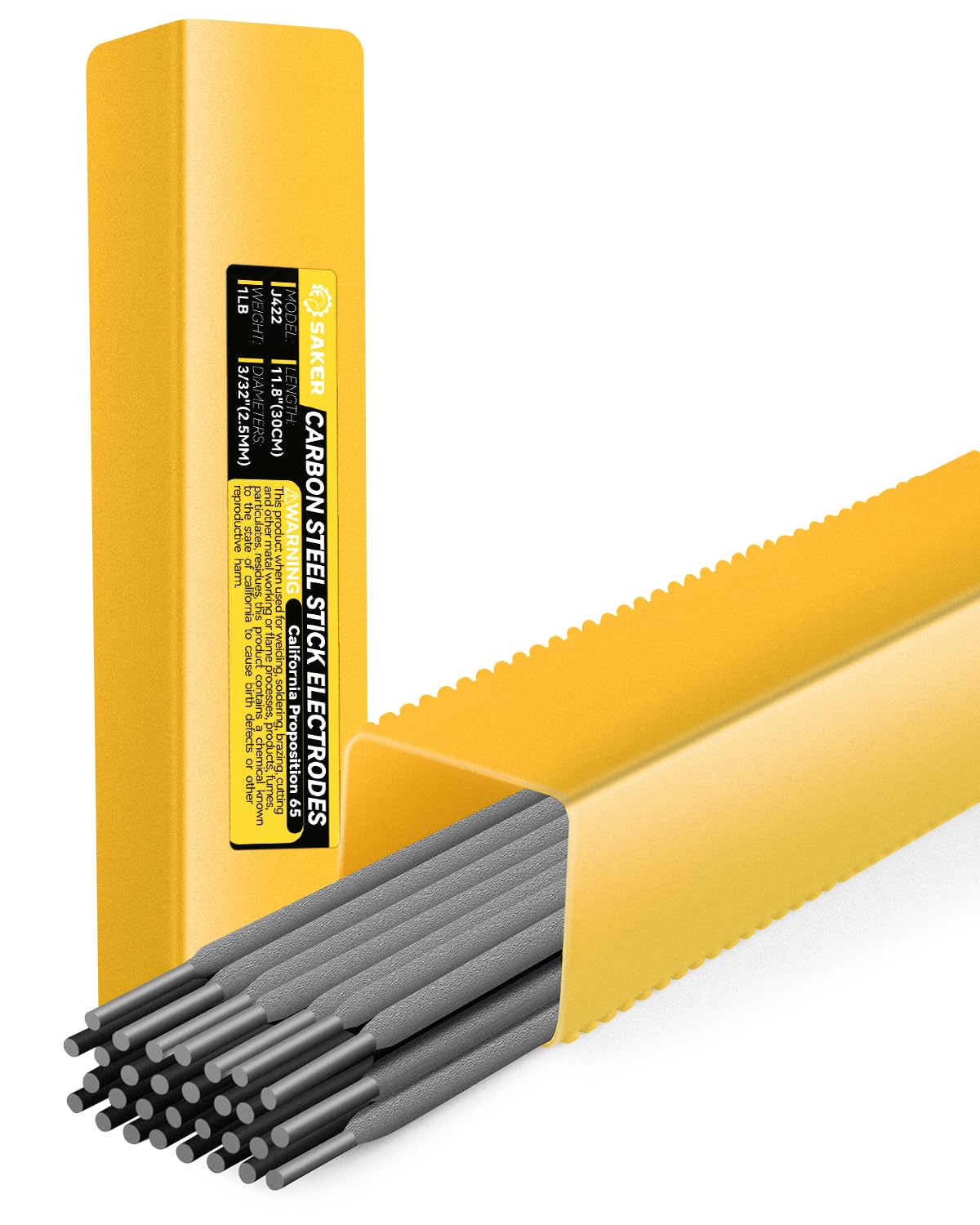
This 3/32″ E6013 stick rod is a dependable go-to for light repairs, learning sessions, and handheld welders. You’ll find the arc forgiving and easy to start, which makes it nice when you’re practicing bead control or fixing small farm and workshop items.
It handles tight fitups and awkward angles without fuss, and the pack is convenient to store and carry in your toolbox. If you want a straightforward rod that helps you get consistent results, this one is worth keeping on hand.
When To Use
|
Situation |
How It Helps |
|---|---|
|
Farm and Equipment Repairs |
You can stitch brackets, mounts, and light components with fewer surprises, so repairs hold up and take less time. |
|
Beginner Practice |
The forgiving arc lets you focus on travel speed and bead shape without constantly restarting or fighting the puddle. |
|
Handheld Welder Use |
This rod pairs well with portable units, making it easier to manage starts and maintain a steady bead in awkward positions. |
Versatility
This electrode is versatile across mild and carbon steel tasks, especially for thin to medium sections and quick repairs. It’s not meant for stainless or aluminum, so swap to a dedicated filler when you change metals.
Key Benefits
- Easy arc starting and steady arc behavior
- Works well in tight fitups and awkward angles
- Good for practice and everyday repairs
- Convenient packaging for storage and transport

This 1/8″ E6013 stick rod is a reliable choice when you need steady, predictable welds on thin to medium steel. You’ll find the arc forgiving enough for routine repairs and robust enough for light structural work, so it’s handy for everything from fence posts to pipe patches. The rod handles tight fitups and varied angles without fuss, making it a practical pick for both daily shop tasks and weekend projects.
Keep it in your toolbox for dependable, straightforward welding when technique and heat control are your priorities.
When To Use
|
Situation |
How It Helps |
|---|---|
|
Tractor and Farm Repairs |
The steady arc and predictable puddle make it easier to repair brackets, mounts, and frames without constant rework. |
|
Light Structural Work |
You can lay functional beads on pipe and small structural pieces with less fuss, so repairs hold up under load. |
|
Skill Building and Practice |
The forgiving nature helps you focus on travel speed and bead shape while you build confidence and control. |
Versatility
This electrode covers a wide range of mild and carbon steel tasks, from thin panels to moderate structural repairs. It isn’t suitable for stainless or aluminum, so switch to a dedicated filler when you change metals.
Key Benefits
- Consistent arc and bead appearance across jobs
- Good for tight fitups and awkward angles
- Forgiving behavior helps when you’re dialing in technique
- Convenient pack and storage for workshop use

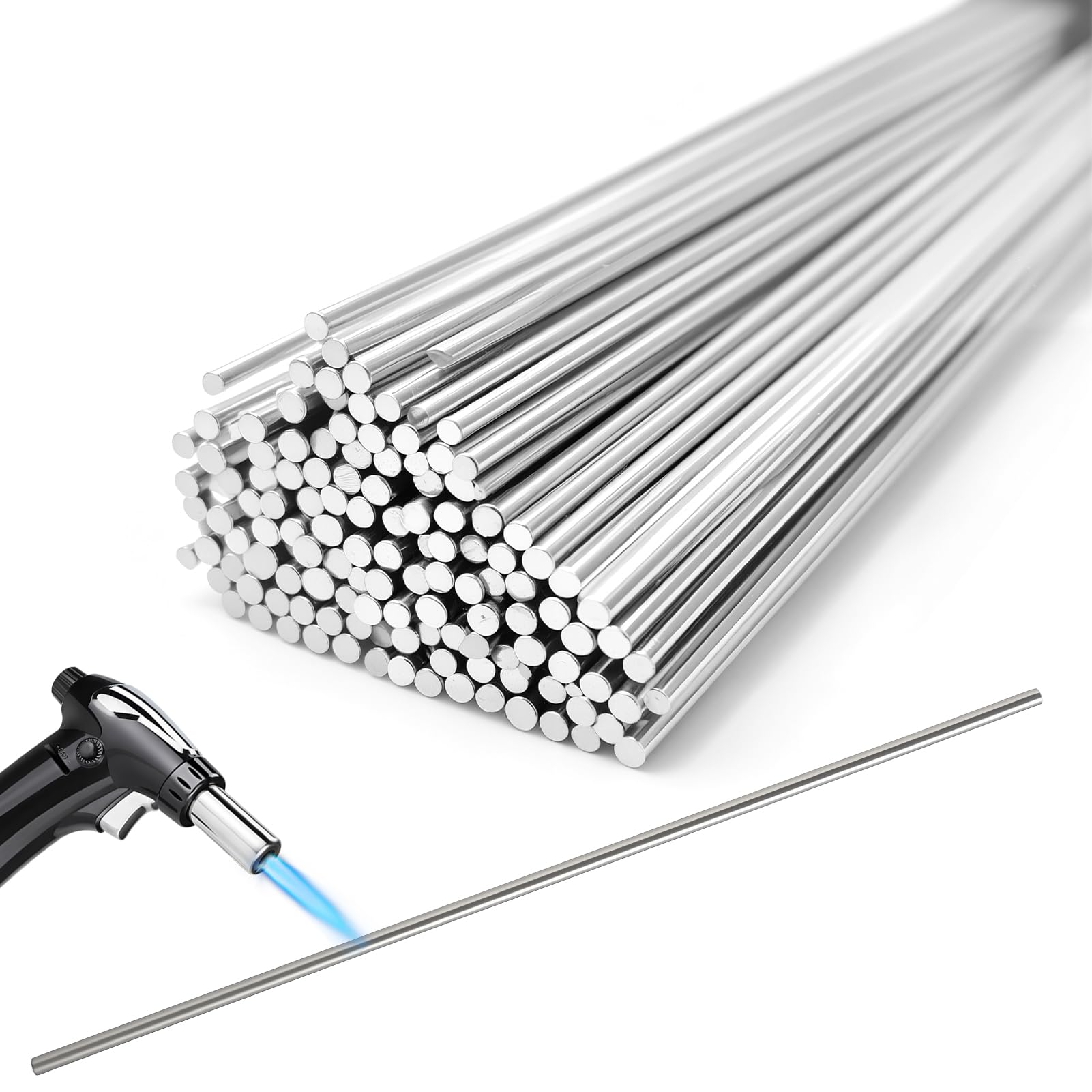
These tiny aluminum brazing rods are aimed at lightweight repairs and delicate joints where you don’t want to weld with a TIG. You’ll reach for them for small patch jobs, HVAC tweaks, or hobby metalwork when joining thin aluminum pieces. In practice you need to be realistic about heat: these rods work best if you can get the joint hot enough, and they’re more of a brazing/soldering shortcut than a structural fix. If you have a proper torch and patience, they can be handy for noncritical, small repairs, but they’re not a substitute for proper aluminum welding.
When To Use
|
Situation |
How It Helps |
|---|---|
|
Small Cosmetic Patches |
You can make neat, low‑strength joins on thin sheet metal where appearance matters but load capacity does not. |
|
Hobby and Model Work |
The thin rods let you add filler in precise spots without overwhelming a small part. |
|
When You Have High Heat |
With an acetylene or high‑output torch and careful preparation the rods are more likely to flow and bond as intended. |
Versatility
These rods are narrowly focused: useful for tiny, nonstructural aluminum brazing when you can reach the right temperature and you accept limited strength. They aren’t suitable for structural repairs or for use without adequate heat, and you’ll want dedicated aluminum filler or TIG for critical joins.
Key Benefits
- Low‑melt alloy intended for easy aluminum brazing
- Thin gauge suited to small, detailed work
- Compact bundle that’s simple to handle for spot repairs
- Potentially useful with high‑output torches and proper prep

This 3/32″ E6013 10 lb pack is the sort of rod you grab when you want dependable, repeatable results across lots of repairs. You’ll appreciate the forgiving arc and steady puddle which make fence, pipe, and farm work go faster, and the larger pack keeps you stocked for bigger jobs.
It performs well in tight fitups and on handheld welders, so it’s useful whether you’re practicing or fixing something that needs to hold up.
When To Use
|
Situation |
How It Helps |
|---|---|
|
Farm and Equipment Repairs |
You can stitch brackets and mounts reliably, so fixes hold up under daily use and reduce repeat work. |
|
Pipe and Fence Work |
The rod lays functional beads on tubular and flat sections, making structural repairs quicker and more predictable. |
|
Practice and Skill Building |
The forgiving arc lets you focus on travel speed and bead shape while you develop consistency. |
Versatility
This electrode is broadly useful for mild and carbon steel tasks, from thin panels to moderate structural repairs. It isn’t for stainless or aluminum, so keep dedicated fillers when you switch metals.
Key Benefits
- Reliable arc starts and consistent bead formation
- Good for tight fitups and varied angles
- Bulk pack keeps you supplied for frequent repairs
- Forgiving behavior helps when you’re building technique

This 3/32″ J422 rod is a reliable, no-nonsense choice for light gauge projects and everyday repairs. You’ll find it easy to strike and forgiving as you work, which makes it a good match for handheld welders, beginners, and quick shop fixes. The rod flows well when you increase amps for penetration and cleans up with minimal slag, so it’s useful for fence work, small structural patches, and practice sessions where consistent results matter.
Keep it on hand when you want a straightforward electrode that just works for common steel tasks.
When To Use
|
Situation |
How It Helps |
|---|---|
|
Beginner Practice |
The forgiving arc lets you focus on travel speed and bead shape while you build confidence without frequent restarts. |
|
Handheld Welder Tasks |
Easy starts and stable performance make it simpler to manage portable rigs and awkward positions on site. |
|
Light Structural Repairs |
Good flow and penetration at modest amps let you stitch brackets, pipe, and fence components reliably. |
Versatility
This rod is geared toward mild and medium carbon steel work and performs across a wide range of everyday shop tasks. It’s not intended for stainless or aluminum, so switch to dedicated fillers when you change base metals.
Key Benefits
- Easy arc starting and forgiving behavior
- Consistent bead and simple slag removal
- Works well in tight fitups and awkward angles
- Suitable for handheld welders and beginner practice

These thin aluminum brazing rods are aimed at quick, low‑strength repairs and hobby work where you don’t want to pull out a TIG. You’ll find them handy for tiny cosmetic patches, model work, or HVAC touch‑ups if you can get the joint hot enough and use proper flux. In many real‑world cases they require more heat than advertised, so treat them as a convenience tool rather than a structural repair solution.
When To Use
|
Situation |
How It Helps |
|---|---|
|
Small Cosmetic Patches |
Allows precise filler placement on thin sheet where strength isn’t critical and appearance matters more. |
|
Model and Hobby Work |
Thin rods let you add tiny amounts of filler for delicate assemblies and small parts. |
|
High‑Heat Torch Use |
When you have an acetylene or high‑output torch and proper flux, the rods are more likely to flow and bond. |
Versatility
These rods are narrowly focused: useful for tiny, nonstructural brazing on aluminum when you can reach sufficient temperature and use flux. They’re not a substitute for TIG or proper aluminum filler on load‑bearing repairs.
Key Benefits
- Very thin gauge for precise, small filler work
- Made for aluminum and Al‑Mg alloys when conditions are right
- Compact bundle easy to store and handle
- Suitable for nonstructural, cosmetic joins with high heat
Related guides: how to stick weld thin sheet metal, how to measure sheet metal thickness for welding and TIG filler rod selection chart.
FAQ
Which welding process is best for sheet metal?
TIG gives the most control on thin sheet, MIG is faster, and stick works with a small rod and low amperage. If you only own a stick welder, use a 3/32 inch or smaller E6013 rod and weld in short stitches.
What rod do I use for stainless sheet?
Use ER308L filler for TIG or E308L electrodes for stick on 304-type stainless. Both are low-carbon grades. Do not use carbon steel rods on stainless.
Can I weld aluminum sheet with these rods?
The low-temp aluminum rods are for torch repairs on thin aluminum, and the joint is weaker than a TIG weld. For structural aluminum use TIG with a matching filler.
How do I measure sheet metal thickness?
Use a gauge or calipers. Our guide on measuring sheet metal thickness for welding explains the gauge numbers.
Choosing Welding Rods for Sheet Metal
Identify the metal and thickness first, then choose the process you can run. Mild steel sheet suits TIG ER70S-6 or small E6013 stick rods, stainless sheet needs ER308L or E308L, and aluminum needs aluminum filler. Keep heat low with short stitch welds, backing or clamps, and cool between runs to limit warping.
Specs at a Glance
Figures come from the Amazon listings and can change, so confirm class, diameter and pack size before you order.




Wrapping Up
Pick the rod by metal first, then the process and diameter. Small stick rods and TIG fillers handle mild steel and stainless sheet, and the low-temp aluminum sets are for light patches only. Check each listing for current price and return terms before you order.