Bulk stick welding rods come in large cans and multi-box cases, which suits shops that weld often. The most common choices are E7018 for structural work, E6010 and E6011 for dirty or rusty steel, and E308L or E309L for stainless.
This page compares 10 bulk and large-pack stick electrodes by size, weight and material. The specs come from the Amazon listings, so confirm them on the listing before you buy.
Top Picks
|
Category |
Product |
|---|---|
|
Best Industrial |
|
|
Best Root Pass |
|
|
Best Value Pack |
|
|
Best For Thick Steel |
|
|
Best Stainless Cladding |
|
|
Best For 304 Stainless |
|
|
Best For Dirty Metal |
|
|
Best Budget Stainless |
|
|
Best Small Pack |
|
|
Another E7018 Option |
How the Picks Were Chosen
This list is built from the Amazon listing details for each product, not from hands-on testing. These are the points compared:
- Rod class: E7018, E6010, E6011, E308L or E309L.
- Diameters offered: 3/32, 1/8 and 5/32 inch.
- Pack size: from about 5 lb stainless packs to 50 lb and 60 lb cans or cases.
- Packaging: E7018 is a low-hydrogen rod and needs dry storage once opened.

You get a workhorse rod that was built for everyday structural work. The 50 lb steel can supplies a lot of low-hydrogen E7018 electrodes so you can tackle fabrications, repairs and heavy seams without constantly restocking.
The rod runs well on DC reverse polarity and AC, performs in all positions and gives a smooth bead with controlled slag when handled properly. For daily shop use or mobile repairs you’ll appreciate the consistent arc and penetration, and if you need bulk capacity this can keeps enough rods on hand for longer projects, just watch for shipping damage to the can.
Situational Benefits
|
Situation |
How It Helps |
|---|---|
|
Mobile or Field Repairs |
You can rely on the E7018 chemistry for strong, forgiving welds on site where conditions vary and rework is costly. |
|
Shop Fabrication |
The consistent arc and all-position capability mean you can use the same rod across plates and joints without swapping types frequently. |
|
Learning and Practice |
If you’re building hours, the easy strike and predictable slag removal make it a comfortable rod to practice bead control and positioning. |
Versatility
This rod covers mild steel, low alloy and higher tensile steels and works AC or DC, making it a flexible choice whether you’re doing tack welding, fillets or vertical passes. The 1/8″ diameter suits medium to heavy work and the can format scales from hobbyists to pros.
Key Benefits
- Reliable low-hydrogen E7018 performance for structural welds
- Easy arc strike and stable puddle for consistent beads
- Bulk 50 lb steel can keeps a ready supply when intact

If you need rods that dig in and lay a deep root, this E6010 pack is one to consider. You’ll find it suits pipeline work, root passes and situations where penetration matters more than flash.
The mix of sizes covers common shop and field needs, and the heavier pack is convenient when you’re running lots of beads.
Situational Benefits
|
Situation |
How It Helps |
|---|---|
|
Pipeline and Root Welding |
The E6010 chemistry and rod profile deliver deep penetration needed to form reliable root passes. |
|
Mobile Repair Work |
Sealed packs and sturdy rods give you dependable performance on varied jobsite conditions. |
|
High-Volume Fabrication |
Bulk quantity and mixed sizes reduce downtime for restocking and let you match rod diameter to joint size quickly. |
Versatility
These E6010 rods cover several diameters so you can handle thin tack work up to heavier structural seams. They’re more specialized for deep-penetration tasks than for cosmetic stainless work, but within their niche they’re very adaptable.
Key Benefits
- Deep penetration ideal for root passes and heavy joints
- Available in multiple common diameters to cover varied tasks
- Well sealed packaging on many lots helps protect rods from moisture

You get a versatile, all-position E7018 pack that’s aimed at heavier shop work and repeat jobs. The six 10 lb boxes give you manageable handling while keeping bulk on hand, and the rods are tuned for steady, low-hydrogen deposits that suit hardenable and cold-rolled steels. If you do structural fabrication, routine repairs or occasional overhead work, this pack covers those bases with a predictable arc and minimal spatter. It’s a solid choice when you want consistent beads across multiple joint types without swapping electrodes often.
Situational Benefits
|
Situation |
How It Helps |
|---|---|
|
Shop Fabrication |
You can rely on consistent deposits and low-hydrogen chemistry for structural joints and repeated production runs. |
|
Overhead and Vertical Work |
The all-position formulation helps you control the puddle and limit spatter when welding in challenging positions. |
|
Mixed-Material Repairs |
E7018’s forgiving arc and good bead profile make it easier to repair cold-rolled or higher-sulfur steels where stress relief isn’t an option. |
Versatility
This pack covers multiple diameters and works AC or DC in common amperage ranges, so it handles everything from tack work to moderate structural seams and suits both routine shop use and occasional field repairs.
Key Benefits
- All-position E7018 performance for structural welds
- Smooth arc with minimal spatter for cleaner beads
- Six 10 lb boxes balance bulk with easy handling

You get a heavy-duty E7018 option aimed at jobs that call for low-hydrogen deposits and reliable all-position performance. The 5/32″ diameter is set up for medium-to-heavy work, so it’s useful for structural repairs, fabrication and longer runs where you want consistent penetration and a controllable puddle.
If you do a mix of shop and field work, this pack gives you a steady go-to rod that handles vertical and overhead passes with minimal fuss. It’s a practical choice when you want a straightforward, dependable electrode for everyday welding tasks.
Situational Benefits
|
Situation |
How It Helps |
|---|---|
|
Structural Repairs |
The low-hydrogen formulation helps you get welds with good toughness and reduced cracking risk on stress-bearing joints. |
|
Fabrication Runs |
The 5/32″ size lays down more metal per pass, so you spend less time on long seams and can maintain consistent bead appearance. |
|
Field Work |
All-position performance gives you flexibility on site when you need to weld in awkward orientations without changing electrodes. |
Versatility
This rod is focused on carbon and low-alloy steels and performs across positions, making it a solid single-choice for many structural and repair jobs rather than a specialty stainless or thin-sheet electrode.
Key Benefits
- Low-hydrogen E7018 chemistry for strong structural welds
- 5/32″ diameter suited to medium and heavy sections
- All-position capability reduces the need to switch electrodes

You’re looking at a stainless-focused rod that handles welds where corrosion resistance and cladding matter. These E309L electrodes lay down a uniform bead and are built to resist inter-granular corrosion thanks to low carbon content.
They work on DCEN, DCEP and AC, so you can switch power sources without changing rods, and they’re useful when you need to deposit a lot of metal for cladding or buildup. For slow, controlled heating and applications that demand corrosion resistance, this is a dependable pick for both shop work and field repairs.
Situational Benefits
|
Situation |
How It Helps |
|---|---|
|
Stainless Cladding |
Delivers low-carbon deposits that reduce carbide precipitation, helping protect welded surfaces from inter-granular corrosion. |
|
Fabrication & Repairs |
Smooth, uniform beads make it easier to achieve neat joints on tanks, fittings and heat-resistant parts. |
|
High-Deposition Work |
Good for laying down a lot of material quickly when you need buildup or cladding over carbon or low-alloy steels. |
Versatility
Focused primarily on stainless and cladding tasks, but compatible with carbon and low-alloy steels; suitable for shop or controlled field work when rods are kept dry and handled properly.
Key Benefits
- Excellent for stainless-to-carbon welding and cladding
- Smooth arc and uniform bead for attractive welds
- Works with DCEN, DCEP and AC for flexible setup

If you work with stainless, this E308L rod is a solid, workmanlike choice that balances corrosion resistance with a predictable arc. You can use it for plate, pipe and fittings where a neat, uniform bead matters, and it handles oxidizing or mildly acidic conditions better than general-purpose rods.
It runs well in common power setups and is useful for both shop fabrication and targeted repairs where toughness and appearance are important. Keep the rods dry and rebake if they pick up moisture, and you’ll get repeatable, attractive welds.
Situational Benefits
|
Situation |
How It Helps |
|---|---|
|
Stainless Fabrication |
Provides low-carbon deposits that limit carbide precipitation, helping maintain corrosion resistance on tanks and fittings. |
|
Cladding & Buildup |
Smooth arc and steady deposition make it easier to add material for repair or wear surfaces with a consistent bead. |
|
Field Repairs |
Compatible with common power setups so you can switch between AC and DC without changing electrodes for many repair tasks. |
Versatility
Focused on stainless and compatible with carbon or low-alloy steels for cladding; works across positions and common power polarities, making it useful for both shop and controlled field applications.
Key Benefits
- Low-carbon formulation reduces carbide precipitation and improves corrosion resistance
- Smooth running arc produces a uniform, flat bead for cleaner welds
- Suitable for a range of stainless types and common fabrication tasks

You’ll find this E6011 bundle useful if you do a mix of shop work and on-site repairs. The combo of common diameters covers tacks, fillets and deeper-penetration passes, and the two-pack format keeps you stocked without dealing with a giant can. These rods tend to handle less-than-perfect surfaces better than some alternatives, so they’re handy when you can’t pre-clean every joint.
If you want a straightforward, versatile pack for practice, maintenance and field jobs, this is a practical choice.
Situational Benefits
|
Situation |
How It Helps |
|---|---|
|
Field Repairs |
You can tackle rusty or painted joints with less fuss, since the E6011 formulation is forgiving on imperfect surfaces. |
|
Root Passes |
The rod’s penetration characteristics help you establish solid root beads where strength is critical. |
|
Practice and Training |
Mixed diameters let you work on different joint sizes without buying multiple individual packs. |
Versatility
This pack covers several common diameters and works well across shop and field environments, making it a good all-around option when you need a single go-to electrode for varied tasks.
Key Benefits
- Good penetration for root passes and repair work
- Mixed diameters cover common shop and field needs
- Convenient two-pack reduces downtime for restocking

You’ll like this pack if you need a compact stainless rod that behaves more like a workshop staple than a specialty item. The E308L chemistry gives low-carbon deposits that help limit carbide precipitation, so it’s useful for cladding, exhaust work and repairs where corrosion resistance matters. The rods run well across common power set-ups and produce tidy, self-cleaning beads when you use a slight drag technique. Keep them dry and expect a reusable, air-tight style of packaging that helps preserve performance during storage.
Situational Benefits
|
Situation |
How It Helps |
|---|---|
|
Stainless Cladding |
Delivers low-carbon deposits that help preserve corrosion resistance when cladding or welding stainless components. |
|
Exhaust & Thin Tubing |
Produces a small puddle and clean bead, making it easier to weld uphill and across thin-walled parts. |
|
Workshop Repairs |
Reusable packaging and reliable arc behavior mean you can keep a small, ready supply for occasional repair jobs. |
Versatility
Primarily aimed at stainless work and cladding, but compatible with carbon and low-alloy steels for buildup. Works across common polarities and fits both shop and controlled field tasks when rods are kept dry.
Key Benefits
- Good stainless cladding and repair performance
- Smooth, self-cleaning bead for neat appearance
- Reusable packaging that helps protect rods from moisture

If you work with stainless or need reliable cladding, this small 2-kg pack is a handy option to keep in the shop. You’ll get a smooth, steady arc that helps lay down a uniform bead, which is useful for pipe, fittings and repair work where appearance and corrosion resistance matter.
The low-carbon chemistry reduces carbide precipitation so welded joints hold up better in corrosive environments, and the compact pack size is great when you don’t want to commit to large cans. Treat the rods like any stainless electrode — keep them dry and rebake if needed — and they’ll serve well for both routine repairs and more careful fabrication tasks.
Situational Benefits
|
Situation |
How It Helps |
|---|---|
|
Pipe and Fitting Work |
The smooth, controlled deposit makes it easier to get a neat bead on curved or confined joints. |
|
Cladding & Buildup |
Low-carbon deposits reduce carbide formation so your cladding retains corrosion resistance after welding. |
|
Light Shop Repairs |
The small pack size is practical for occasional fixes without having to store bulk cans. |
Versatility
Designed for stainless but compatible for cladding on carbon and low-alloy steels; works across common polarities and fits both controlled shop tasks and targeted field repairs when rods are kept dry.
Key Benefits
- Smooth arc and uniform bead for cleaner stainless work
- Low-carbon formulation helps resist inter-granular corrosion
- Compact 2-kg pack is convenient for shop use and repairs

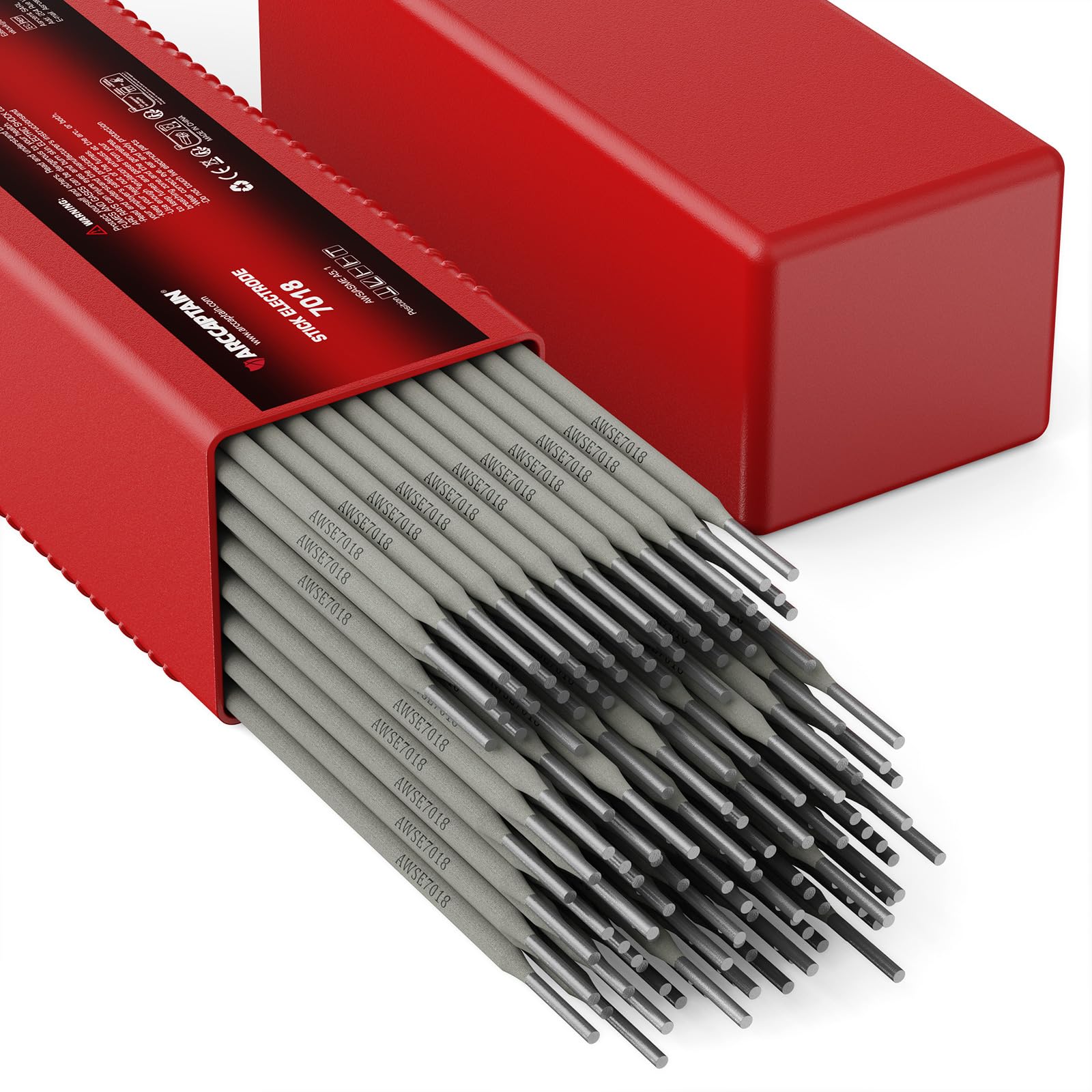
This E7018 1/8″ pack is a go-to if you want a dependable low-hydrogen rod that lays a steady bead and behaves predictably across positions. You can use it for structural welds, routine repairs and buildup where toughness matters, and its ease of striking and burn control make it approachable whether you’re a beginner or a seasoned pro. The rod gives good arc stability and minimal sticking when handled at the proper amperage, which helps keep weld appearance consistent. It’s a practical, work-ready choice when you need reliable deposits and straightforward performance on real jobs.
Situational Benefits
|
Situation |
How It Helps |
|---|---|
|
Structural Welding |
Provides low-hydrogen deposits that reduce the risk of cracking and create strong, load-bearing welds. |
|
Mobile Repairs |
Easy striking and steady burn make it dependable on job sites where conditions change and speed matters. |
|
Learning & Practice |
Predictable arc and manageable puddle help you build bead control and confidence during training. |
Versatility
Focused on carbon and low-alloy steels, this E7018 performs across positions and common power setups, making it useful for everything from routine shop fabrications to field repairs.
Key Benefits
- Low-hydrogen chemistry for tougher, crack-resistant welds
- Easy arc strike and steady bead for consistent results
- Works well across positions, suitable for both practice and production
Related guides: which welding rods need oven storage, how to store low-hydrogen electrodes and how to weld stainless steel with a stick welder.
FAQ
Is it worth buying stick welding rods in bulk?
It makes sense if you weld often and will use the rods before they absorb moisture. Occasional welders are usually better off with a smaller pack. Check the listing for price per pound and return terms.
How do I store bulk E7018 rods?
Keep unopened cans sealed. Once opened, store the rods dry, ideally in a rod oven or a sealed container, and follow the manufacturer re-drying instructions. See how to store low-hydrogen electrodes.
What is the difference between E6010 and E6011?
Both are cellulose-coated rods for deep penetration on dirty or rusty steel. E6010 is normally run on DC electrode positive only, while E6011 also runs on AC, so E6011 suits AC buzz-box machines. Check the rod label and your welder.
Can I weld stainless steel with these rods?
The E308L and E309L electrodes in the list are made for stainless; E309L is also used to join stainless to carbon steel. See how to weld stainless steel with a stick welder for technique.
Choosing Bulk Stick Welding Rods
Match the class to the work: E7018 for structural joints, E6010 or E6011 for root passes and dirty metal, E308L for 304 stainless and E309L for stainless-to-carbon joins. Buy the diameter your machine and joint thickness call for, and only buy a 50 lb can of E7018 if you can store it dry.
Specs at a Glance
Figures come from the Amazon listings and can change, so confirm rod class, diameter and pack weight before you order.
| Product Name | Image | Item Weight | Material |
|---|---|---|---|
| 50 lb Steel Can E7018 1/8″ Stick Electrode Welding Rod |
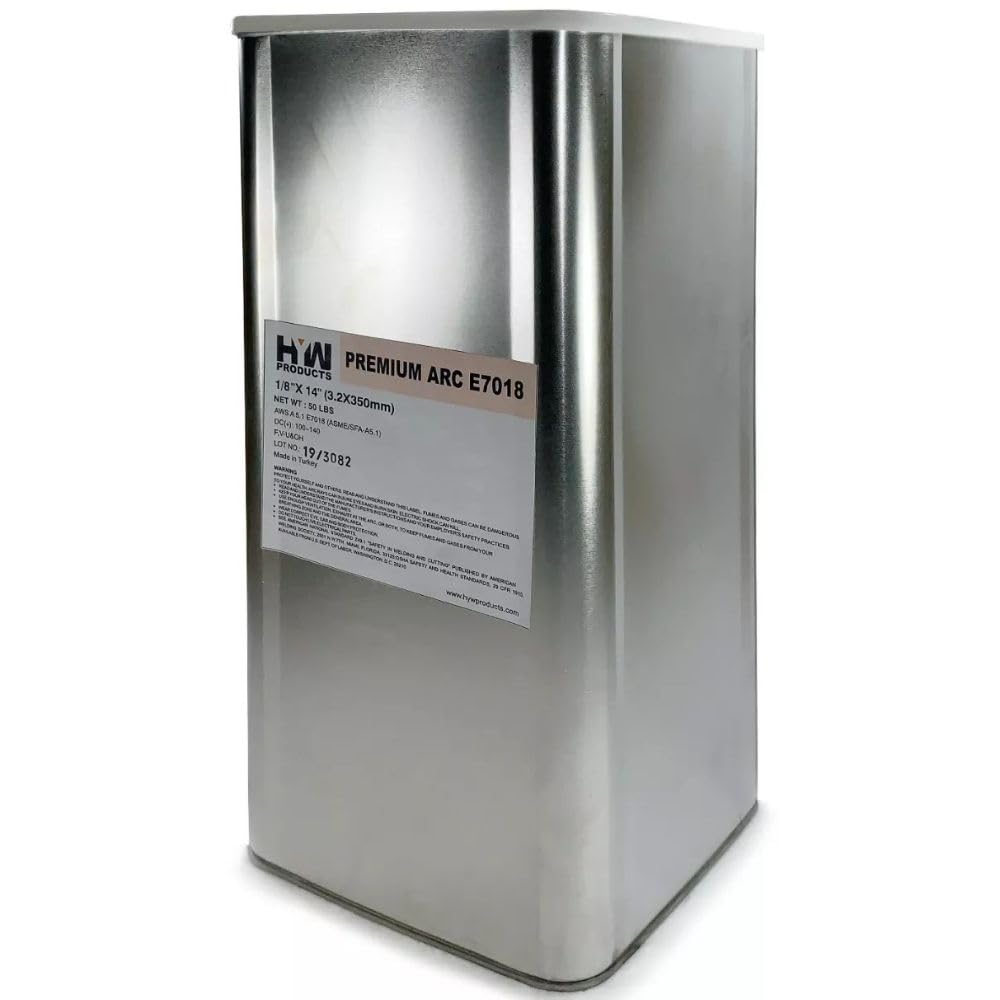 |
50 lb | Other |
| E6010 Premium Arc Stick Electrodes Welding Rods 3/32″ 1/8″ 5/32″ 10 lb x 6-pk |
 |
60 lb | Metal |
| 10 lbs x 6 Boxes Premium Arc E7018 1/8″ Stick Electrodes Welding Rod |
 |
60 lb | Carbon Steel |
| Findmall E7018 5/32 Inch Arc Welding Rod |
 |
50.9 lb | N/A |
| WeldingCity 8.8-Lb Stainless Steel E309L-16 1/8″ Stick Welding Electrode Rods |
 |
11 lb | Stainless Steel |
| WeldingCity 8.8-Lb Stainless Steel Stick Welding Electrodes E308L-16 3/32″ Rods |
 |
11 lb | Stainless Steel |
| E6011 Premium Arc Stick Electrodes Welding Rods 3/32″ 1/8″ 5/32″ |
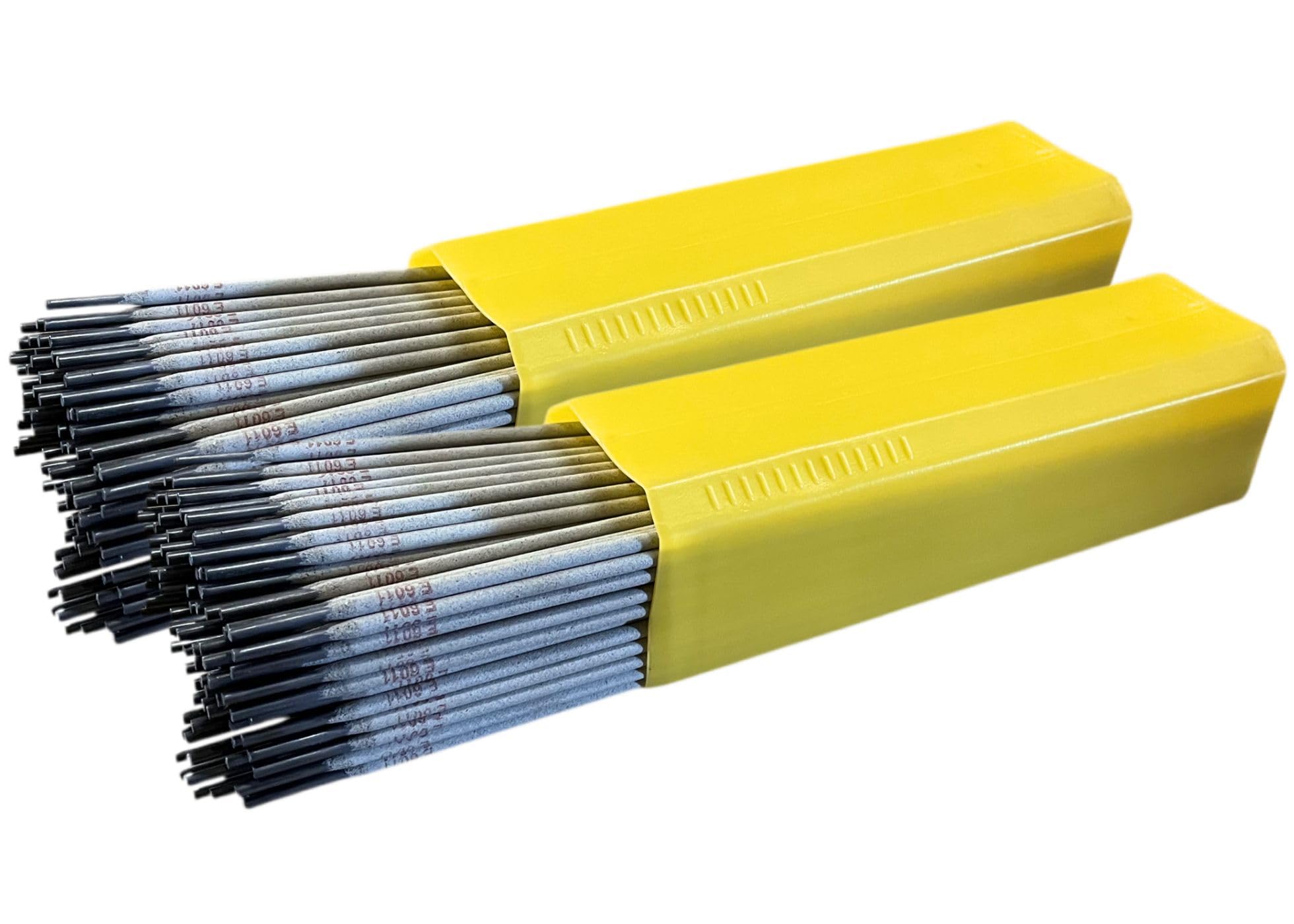 |
20 lb | Mild Steel |
| YESWELDER E308L-16 Stainless Steel Stick Electrodes |
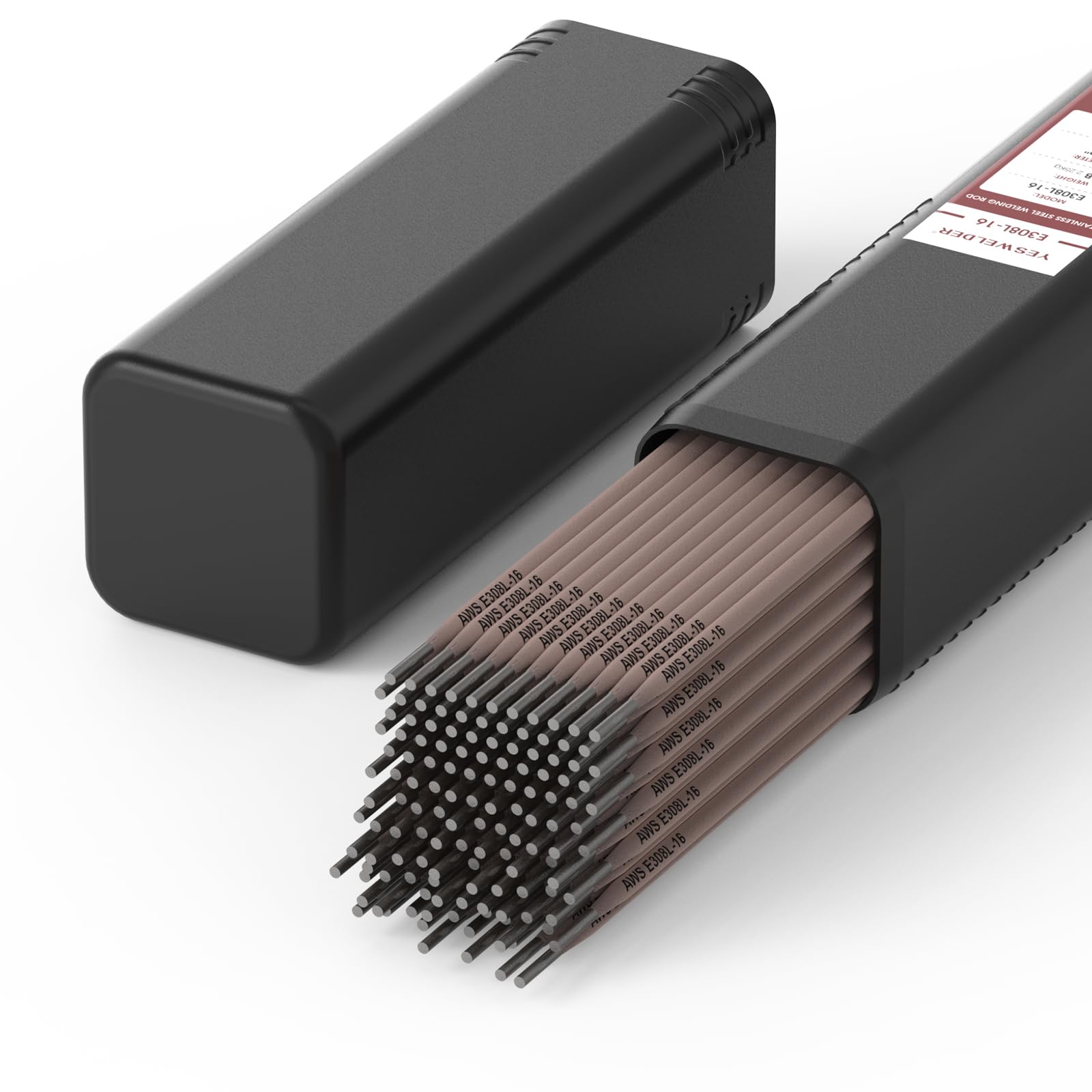 |
5.26 lb | N/A |
| WeldingCity 2-Kg (4.4-Lb) Stainless Steel Stick Welding Electrodes E308L-16 |
 |
5 lb | Stainless Steel |
| ARCCAPTAIN E7018 Welding Rod 1/8” 10LB Low Hydrogen Carbon Steel Welding Sticks |
 |
10.21 lb | E7018-10LB |
Wrapping Up
Bulk rods save trips to the store if you weld regularly, but they only pay off when you can keep them dry. Choose the class and diameter for your joints, then check each listing for current price, pack weight and return terms.