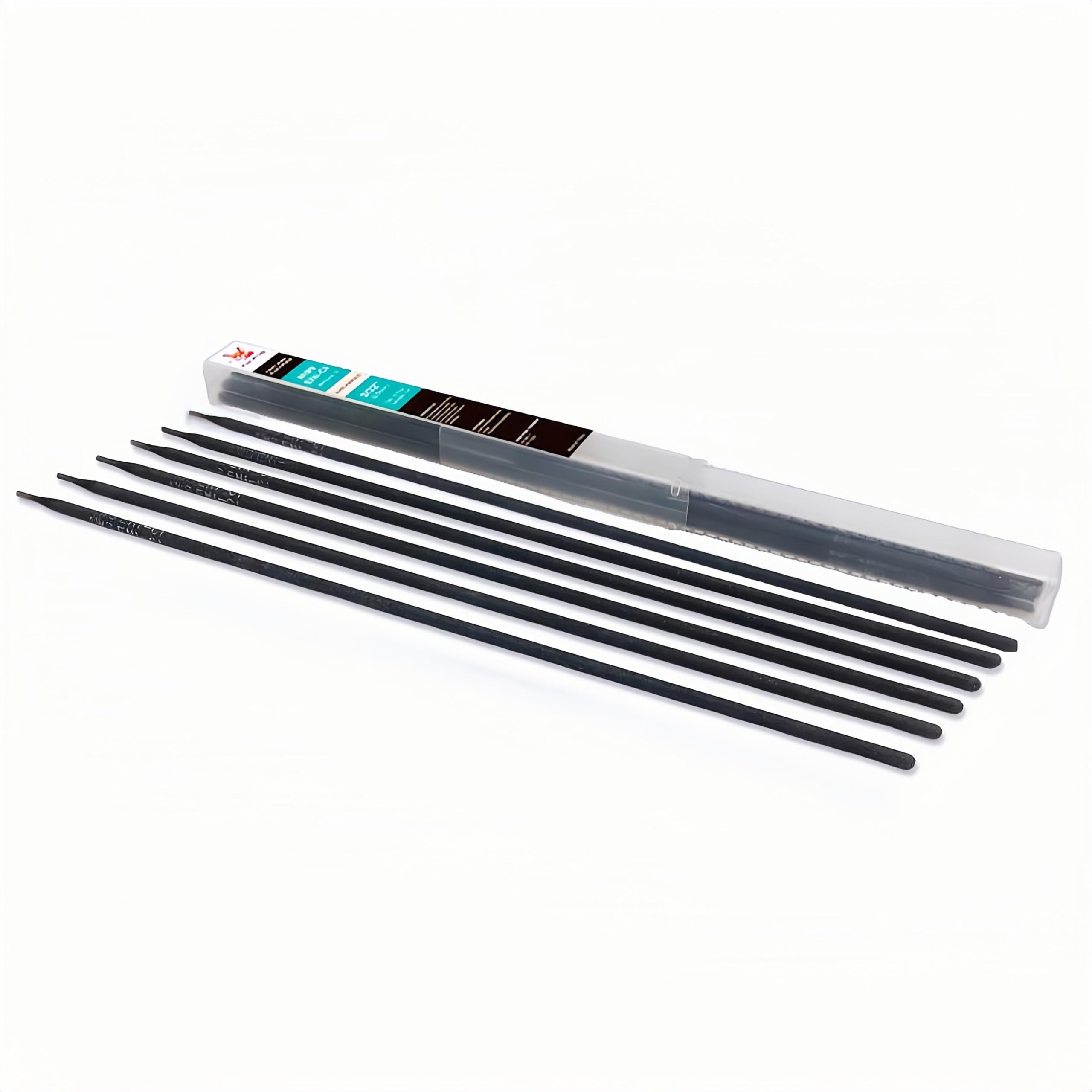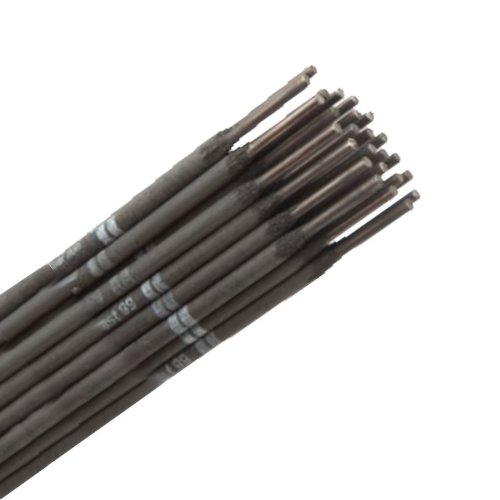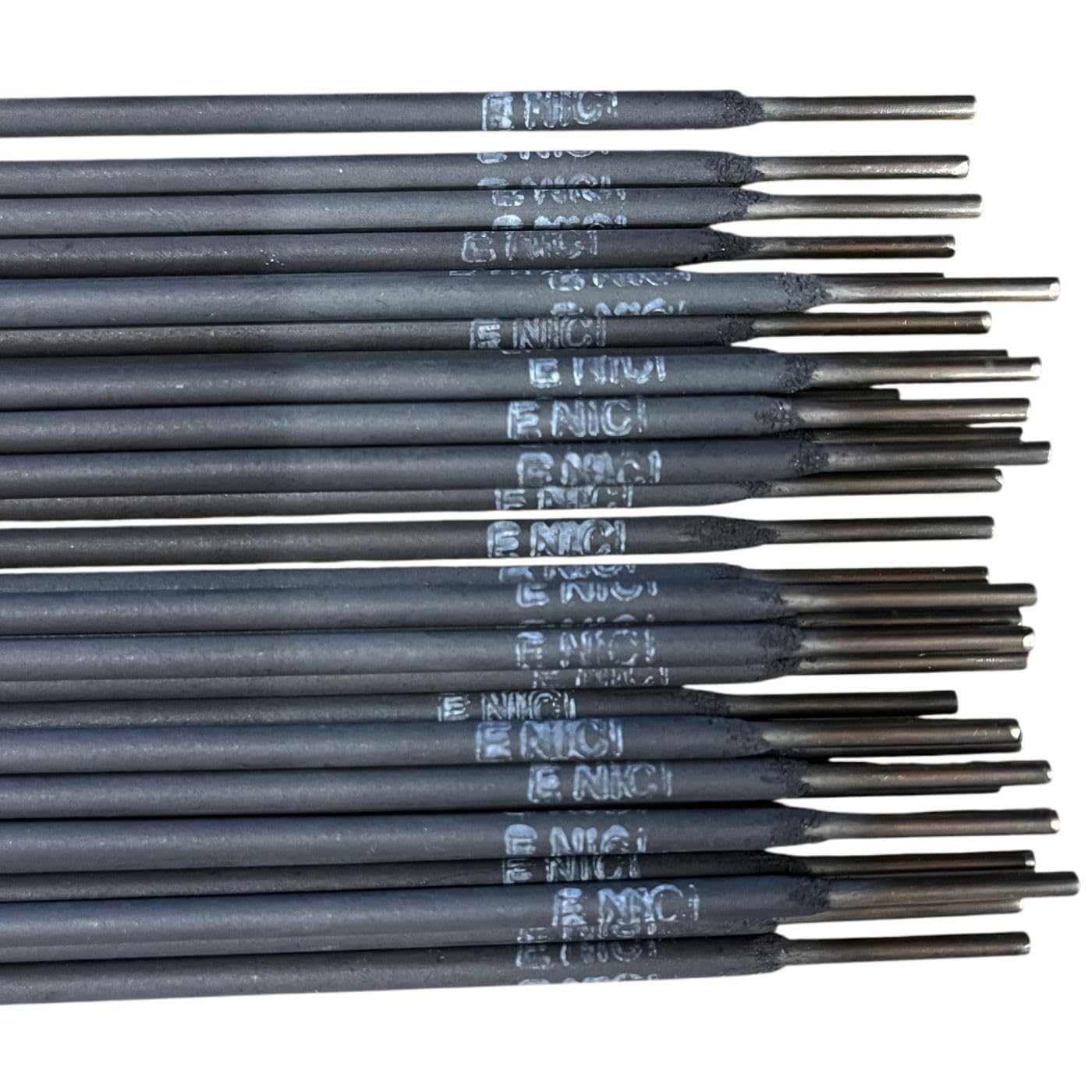
Nickel 99 welding rods are the standard choice for repairing gray cast iron when you want a weld you can machine afterward. These ten ENi-CI and nickel 99 options vary by diameter, rod count and pack size, and the notes below cover how to run them on a casting.
Nickel 99 Welding Rods Compared
|
Category |
Product |
|---|---|
|
Best Starter Pack |
|
|
Best Professional Grade |
|
|
Best For Quick Repairs |
|
|
Also Consider |
|
|
Best For TIG Welding |
|
|
Best For Precision Work |
|
|
Best For Machining |
|
|
Best Bulk Buy |
|
|
Best Budget Pick |
|
|
Best For Occasional Projects |
How These Picks Were Chosen
Picks are based on the product listings and manufacturer-stated specs, not on hands-on testing. Some listings sell a handful of sticks and others sell by the pound, so compare the pack count and weight, not just the price.
Listing details differ between sellers. Check the AWS classification and preheat guidance on the listing or package before you start.

These 3/32″ sticks are compact enough for one-off repairs yet substantial enough to handle short welds on cast iron parts.
They machine reasonably well and feel familiar if you’ve used nickel rods before, so you’ll spend less time guessing and more time welding. If you need a handy, travel-friendly option for occasional cast iron work, this is an easy pick.
Ease Of Use
|
Feature |
Ease Level |
|---|---|
|
Starting |
Easy |
|
Arc Stability |
Moderate |
|
Slag Removal |
Moderate |
|
Machinability |
Good |
Durability
You can expect durable, strong welds for typical cast iron fixes when you follow preheat and slow-cool practices; the rods perform reliably for short to medium-length passes.
Key Benefits
- Pure Nickel 99 formulation suited for cast iron compatibility
- Compact 6-piece pack ideal for small repairs and occasional use
- Good machinability for finishing and smoothing repair areas

You get a dependable, workshop-ready Nickel 99 rod that’s built for serious cast iron repairs. It’s designed to join gray iron to itself or dissimilar steels, and the welds clean up nicely for machining when you follow the recommended preheat and cooling routine.
If you work on brake parts, housings, or any cast iron that needs strong, machinable joints, this rod is a solid choice that rewards patience and proper procedure.
Ease Of Use
|
Feature |
Ease Level |
|---|---|
|
Starting |
Moderate |
|
Puddle Control |
Easy |
|
Preheat Management |
Requires Skill |
|
Machinability |
Good |
Durability
When used with recommended preheat and short, controlled passes, the welds hold up well under stress and machine cleanly. Proper cooling and peening improve long-term durability.
Key Benefits
- Consistent, controllable weld puddle for steady results
- Good machinability after welding for clean finishes
- Works well for joining cast iron to mild or stainless steel
- Recommended preheat guidance reduces cracking risk

You get a compact 5-stick pack that’s handy for occasional cast iron fixes around the house or in the shop.
The shorter pack size makes it easy to keep a set in your toolbox without committing to a full tub, and if you follow basic preheat and cooling practices you’ll get reliable, strong joints.
Ease Of Use
|
Feature |
Ease Level |
|---|---|
|
Starting |
Easy |
|
Arc Control |
Moderate |
|
Slag Removal |
Moderate |
|
Finishing |
Limited |
Durability
When used with recommended preheat and short, controlled passes, the welds form robust joins that handle typical stresses; these rods are focused on strength and repair rather than being optimized for machining.
Key Benefits
- Good compatibility with gray cast iron
- Portable 5-stick pack for occasional repairs
- Produces strong, durable joints when preheat is used
- Simple material choice for mixed metal joins

You get a full pound of versatile Nickel 99 rods that suit both workshop repairs and weekend projects. The pack offers both 3/32″ and 1/8″ sizes so you can match rod diameter to the job, and the consistent arc behavior makes it easier to stitch short passes. If you want a reliable, all-purpose option to keep in your shop, this one is a smart choice.
Ease Of Use
|
Feature |
Ease Level |
|---|---|
|
Starting |
Moderate |
|
Arc Stability |
Good |
|
Preheat Management |
Requires Skill |
|
Pass Control |
Moderate |
Durability
Welds made with these rods are durable when you use short, controlled beads, peen where appropriate, and follow preheat and slow cooling practices. Proper technique minimizes cracking and yields long lasting repairs.
Key Benefits
- Good flow and bonding for cast iron repairs
- Available in common diameters for different tasks
- Consistent arc for short controlled passes
- Useful for both hobby projects and heavier repairs

You get a TIG-friendly Nickel 99 wire that flows well and is made for rebuilding cast iron parts with control. The 1/8″ tube gives you enough material to do multiple repairs and the consistent wetting makes it easier to stitch short passes and finish cleanly.
If you weld cast iron with TIG or MIG and want predictable flow and machinability, this rod is a reliable option to keep on hand.
Ease Of Use
|
Feature |
Ease Level |
|---|---|
|
Starting |
Easy |
|
Flow/Wetting |
Good |
|
TIG Performance |
Good |
|
Finishing |
Moderate |
Durability
Welds are durable when you use short passes, proper preheat, and slow cooling; peening and controlled cooling further reduce cracking and improve long-term strength.
Key Benefits
- Smooth flow and good wetting for TIG and MIG
- Machinable results for finished repairs
- Suitable for decorative and structural cast iron work
- Consistent performance across short controlled passes
You get a 3/32″ Nickel 99 tube that’s tuned for TIG work and precision cast iron repairs.
The predictable flow and machinable finish make it a good fit for restoration work where appearance and strength both matter. Keep it handy in your kit if you want a reliable rod for controlled, repeatable repairs.
Ease Of Use
|
Feature |
Ease Level |
|---|---|
|
Starting |
Easy |
|
Flow/Wetting |
Good |
|
TIG Performance |
Good |
|
Finishing |
Moderate |
Durability
When used with proper preheat, short passes, and slow controlled cooling, welds hold up well and machine cleanly; peening and gradual cool-down further reduce cracking risk.
Key Benefits
- Smooth flow and predictable wetting for TIG
- Good machinability for finished repairs
- Well suited to decorative and restoration work
- Consistent performance across short, controlled passes

You get a specialty Nickel 99 rod built for jobs where machinability and thin-section work matter.
If you want a rod that helps you produce machinable welds on delicate cast pieces, this is a practical option to keep in the toolbox.
Ease Of Use
|
Feature |
Ease Level |
|---|---|
|
Starting |
Moderate |
|
Coating Prep |
Moderate |
|
Arc Control |
Good |
|
Finishing |
Good |
Durability
Welds are robust when you follow recommended polarity and use short passes with proper cooling; tensile strength and controlled technique yield long-lasting repairs.
Key Benefits
- Non-conductive coating suited for thin cast iron sections
- High machinability for clean finishes after welding
- Designed for automotive and pump housing repairs
- Clear polarity and amperage guidance for consistent results

You get a hefty 5 lb supply of Nickel 99 rods meant for regular shop repairs and larger restoration runs. These rods work well when you need to build up, join, or repair cast iron parts and they machine down cleanly when preheat and slow cooling are used.
If you value consistency and fewer trips to the store, this bulk option keeps you stocked.
Ease Of Use
|
Feature |
Ease Level |
|---|---|
|
Starting |
Easy |
|
Puddle Visibility |
Challenging |
|
Hot-Start/Restart |
Easy |
|
Machinability |
Good |
Durability
When used with proper preheat, short passes, and gradual cooling, welds are strong and hold up under stress. Following sound technique and controlled cooling improves longevity and reduces cracking.
Key Benefits
- Large 5 lb supply for multiple repairs or regular shop use
- Good machinability for clean finishes after welding
- Suitable for joining cast iron to itself and to steels
- Accessible choice for hobbyists and small shops
You get a small, convenient pack that’s perfect when you only need a few rods for household fixes or a weekend restoration.
They start reliably for short passes and, when you preheat and cool slowly, the results machine down nicely. If you want a low-commitment option to try Nickel 99 on light repairs, this five-pack makes that simple.
Ease Of Use
|
Feature |
Ease Level |
|---|---|
|
Starting |
Easy |
|
Puddle Visibility |
Challenging |
|
Hot-Start/Restart |
Easy |
|
Machinability |
Good |
Durability
Welds are durable for typical light-to-medium repairs when you use short passes, peening where appropriate, and a controlled cool down to minimize cracking.
Key Benefits
- Compact 5-stick pack for occasional repairs
- Good compatibility with gray cast iron
- Easy to start and restart for short passes
- Machinable finish when preheat and cooling are used

The rods are easy to stash in a toolbox and the flow is predictable enough for short passes; with basic preheat and slow cooling you can expect clean, usable repairs. If you want a low-commitment pack that still performs like supply-house rods, this is a sensible pick.
Ease Of Use
|
Feature |
Ease Level |
|---|---|
|
Starting |
Easy |
|
Flow Control |
Moderate |
|
Packaging |
Good |
|
Versatility |
Moderate |
Durability
Welds are dependable for light-to-medium repairs when you use short passes and follow preheat and slow cool practices; results hold up under normal use.
Key Benefits
- Handy five-stick pack for one-off repairs
- Good compatibility with gray cast iron
- Predictable flow for short controlled passes
- Well packaged and ready to use out of the box
Related guides: ENi-CI nickel cast iron electrode review | Ni-55 vs Ni-99 cast iron electrodes | cast iron welding rods
FAQ
Which Rod Should I Choose?
Pick the rod that fits the job rather than hoping one size does everything. For small repairs and tight spots you’ll often reach for 3/32 inch, while 1/8 inch handles thicker sections and general rebuilding better.
Choose TIG or MIG wire if you plan to TIG or MIG weld, and opt for a small five-stick pack if you only need a one-off repair versus a pound or bulk supply for repeated work. Check the product notes for terms like machinable or non-machinable so the rod matches how you plan to finish the weld.
How Do I Avoid Cracking?
Controlling heat is the key to crack-free repairs: follow the electrode maker preheat guidance, use short, controlled weld passes, and allow the assembly to cool slowly between passes. Peening as you go and storing the workpiece in dry sand or wrapped in a blanket while it cools helps relieve stress, and avoiding large continuous beads reduces hot spots that lead to cracking.
If you follow those steps you’ll greatly reduce the chance of fracture, especially on older or thin castings.
Will My Welds Machine Cleanly?
Nickel 99 (ENi-CI) deposits are generally machinable, but listings differ, so double-check the listing before you buy. When a rod is labeled machinable, using preheat, short passes, peening, and a slow cool will give you a weld that grinds and machines down smoothly.
If a product is marked non-machinable, plan to use it only for build-up or structural repairs where fine machining isn’t required.
Which One Should You Choose?
Use 3/32 in. electrodes for thin or small castings and 1/8 in. for thicker sections. Common practice is short beads at low amperage, light peening after each bead and letting the casting cool between passes. Follow the electrode maker instructions for preheat, and remember cast iron can crack if it is heated or cooled unevenly.
Wrapping Up
Pick the diameter for the casting thickness and a pack size that fits the job, and follow the maker guidance for preheat and cooling. Confirm details on each listing before you buy.