Disclosure: As an Amazon Associate, we earn from qualifying purchases. If you click an Amazon link and make a purchase, we may receive a commission at no extra cost to you.
Last updated: July 23, 2026
Cast iron can crack when a repair creates too much localized heat, shrinkage stress, or restraint. The electrode matters, but it is only one part of the repair. Joint preparation, casting type, bead length, heat control, and cooling method all affect the result.
This guide compares five nickel stick electrodes for cast iron. The main choices are ENiFe-CI nickel-iron rods, often called Ni-55, and ENi-CI high-nickel rods, often called Ni-99. You will also need to choose between a smaller 3/32-inch rod and a higher-deposition 1/8-inch rod.
Quick Verdict
- Best overall: WeldingCity Ni-55 1/8-inch for regular repairs and a larger electrode supply.
- Best for machinable repairs: WeldingCity Ni-99 1/8-inch when the weld must be drilled, tapped, milled, or finished flush.
- Best for small cracks: Fox Alloy 3/32-inch for lower heat input and controlled short beads.
- Best budget pack: WeldingCity Ni-55 3/32-inch when you only need a few electrodes.
Need help choosing? Compare Ni-55 and Ni-99, review the rod-size and amperage guidance, or jump to the FAQ section.
Top Picks
| Category | Product | Electrode Type | Best Use |
|---|---|---|---|
| Best for Small Cracks | Fox Alloy 3/32-inch | ENiFe-CI, Ni-55 | Thin sections, small cracks, controlled heat input |
| Best Overall | WeldingCity Ni-55 1/8-inch | ENiFe-CI, Ni-55 | Frequent repairs, larger joints, cast iron to steel |
| Best Budget Pack | WeldingCity Ni-55 3/32-inch | ENiFe-CI, Ni-55 | One-off repairs and low-commitment purchases |
| Best 1/8-Inch Small Pack | Fox Alloy 1/8-inch | ENiFe-CI, Ni-55 | Wider joints without buying a one-pound pack |
| Best for Machinable Repairs | WeldingCity Ni-99 1/8-inch | ENi-CI, high nickel | Gray iron repairs that need drilling, tapping, or machining |
How We Chose These Electrodes
Each product had to be a stick electrode intended for cast iron repair. We then compared the electrode classification, nominal nickel type, rod diameter, rod length, pack size, intended casting types, machinability, and suitability for occasional or repeated use.
Current price, temporary stock status, star ratings, and review totals were not used to rank the products because those details change. The recommendations focus on specifications and use cases that help you select the right electrode type.
Important Safety Note
Cast iron welding can produce fumes, hot fragments, arc radiation, and electrical hazards. Read the electrode instructions and safety data sheet, use suitable ventilation and personal protective equipment, and keep combustible materials away from the work area. Pressure-containing castings, vehicle steering or suspension parts, lifting equipment, and heavily loaded structural components should be evaluated by a qualified welding professional.
Why It Stands Out
The smaller 3/32-inch diameter gives you finer control than a 1/8-inch electrode and usually requires less current. That makes it useful for short stringer beads on small cracks, broken tabs, decorative castings, and other areas where excessive heat could widen the heat-affected zone.
The seven-rod pack also suits buyers who only encounter an occasional cast iron repair and do not want to store a full one-pound tube.
Review Snapshot
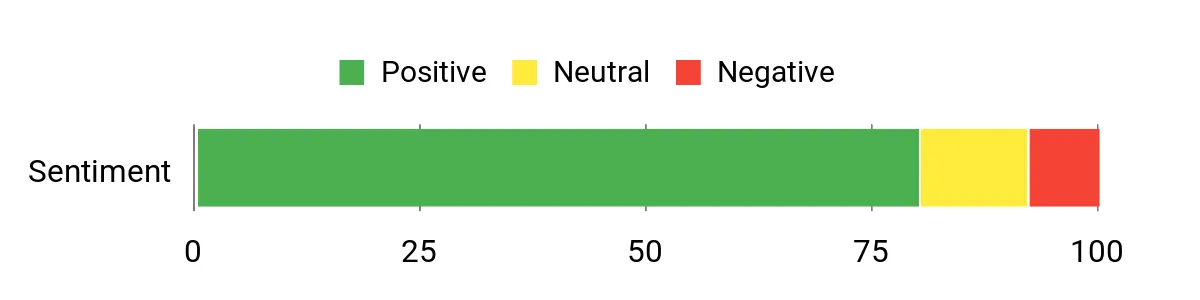
The sentiment graphic below reflects the article’s original review snapshot. Ratings and customer experiences can change, so check the newest Amazon reviews for comments about arc starting, packaging condition, slag removal, and performance on castings similar to yours.
Trade-Offs
A 3/32-inch rod deposits less filler metal per pass. It gives you control, but a wide groove or long crack may require more beads and more electrodes than expected. The seven-rod supply can also run short on a larger repair.
Key Benefits
- 3/32-inch diameter supports controlled, lower-amperage welding
- ENiFe-CI composition for common gray and ductile iron repairs
- Seven-rod pack suits occasional use
- Useful for short beads on small or detailed castings
Check Current Amazon Availability
Why It Stands Out
This is the most versatile option in the roundup. The ENiFe-CI nickel-iron formulation is intended for joining and surfacing several common cast iron types and can also be useful for selected dissimilar-metal joints. The 1/8-inch diameter provides more filler per pass than a 3/32-inch electrode, while the one-pound pack is better suited to repeated maintenance work.
Choose it when strength and broad repair compatibility matter more than obtaining the softest possible deposit for machining.
Review Snapshot
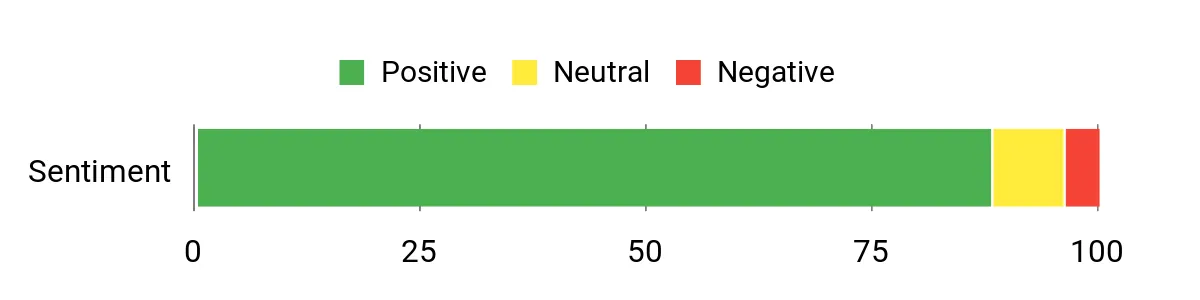
The graphic below represents the original review-sentiment snapshot. Check recent Amazon feedback before buying, especially for comments about arc stability on your type of welder, electrode condition on arrival, and performance at lower amperage settings.
Trade-Offs
The larger diameter adds heat faster than a 3/32-inch electrode. It may be more difficult to control on thin castings, short broken tabs, or tight areas. ENiFe-CI deposits can be machinable, but they are generally not as easy to drill, tap, or mill as an ENi-CI high-nickel deposit.
Key Benefits
- Versatile ENiFe-CI nickel-iron electrode type
- 1/8-inch diameter provides a higher deposition rate
- One-pound pack suits regular repairs
- Useful for gray, malleable, and ductile iron applications
- Suitable for selected cast-iron-to-steel joints when the procedure allows
Check Current Amazon Availability
Why It Stands Out
This pack combines the broader repair range of an ENiFe-CI electrode with the lower heat input and finer control of a 3/32-inch diameter. It is a practical way to buy a recognized cast iron electrode type without committing to a one-pound package.
It also makes sense when you want extra rods for practice beads before working on the actual casting.
Review Snapshot
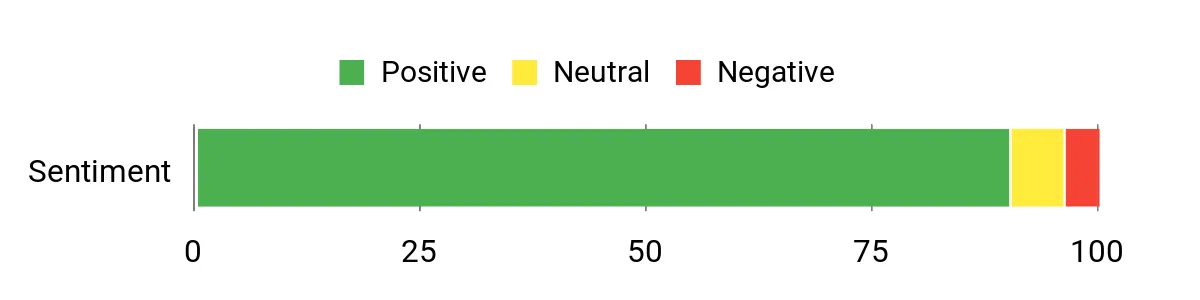
The image below preserves the article’s original review-sentiment snapshot. Because feedback and product batches can change, read the latest Amazon reviews for reports about coating condition, arc starts, slag behavior, and the number of rods received.
Trade-Offs
Five rods provide little margin for practice, restarts, or an unexpectedly deep groove. The smaller diameter also means slower gap filling than a 1/8-inch electrode.
Key Benefits
- Low-commitment five-electrode pack
- 3/32-inch diameter for controlled short beads
- ENiFe-CI formulation for general cast iron repair
- Useful for practice runs and one-off fixes
Check Current Amazon Availability
Why It Stands Out
The Fox Alloy 1/8-inch pack fills the gap between a small-diameter trial pack and a full one-pound tube. The larger electrode can place more filler into a prepared groove per pass, while the five-piece quantity keeps the initial purchase modest.
It is most useful when you already know that your machine, joint size, and casting can accommodate a 1/8-inch nickel-iron electrode.
Review Snapshot
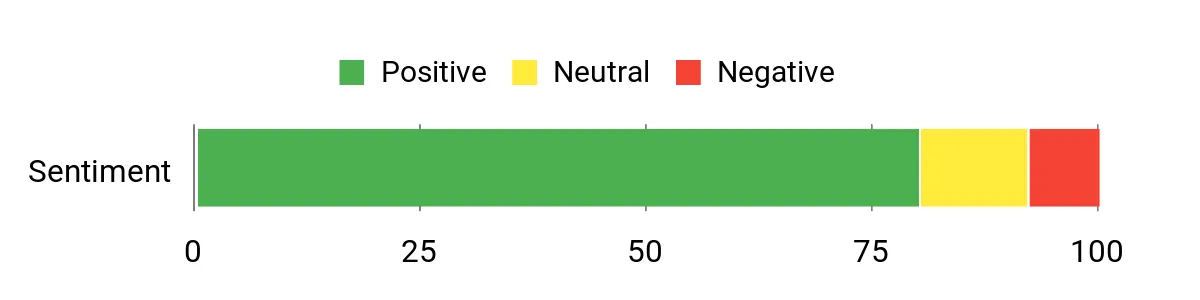
The original sentiment graphic is shown below. Check the latest Amazon reviews for current observations about recommended amperage, arc length, electrode coating, and use with AC or inverter welders.
Trade-Offs
A five-rod pack may not leave enough material for practice and a complete repair. A 1/8-inch electrode also requires more current and can add heat faster than a 3/32-inch rod, so it is not automatically the easier choice for a new welder.
Key Benefits
- 1/8-inch diameter for higher filler deposition
- Five-piece pack avoids buying a full pound
- ENiFe-CI nickel-iron formulation
- Useful for moderate grooves and thicker household castings
Check Current Amazon Availability
Why It Stands Out
The main advantage of an ENi-CI or Ni-99 electrode is not maximum structural strength. It is the softer, high-nickel weld deposit, which is generally easier to machine than an ENiFe-CI deposit. This makes the rod useful when a repaired mounting surface, threaded hole, flange, housing, or other gray iron component needs post-weld finishing.
The one-pound pack suits workshops that perform this type of repair more than once, but it may be more material than an occasional user needs.
Review Snapshot
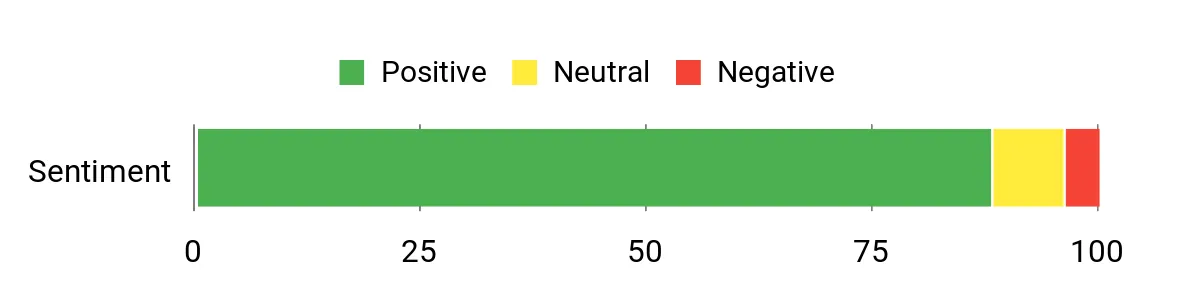
The graphic below is the article’s original review-sentiment snapshot. Read current Amazon feedback for comments about machinability, arc behavior, packaging, and results on the same grade and thickness of cast iron you intend to repair.
Trade-Offs
Ni-99 electrodes usually cost more than Ni-55 options, and the softer deposit is not automatically the best choice for every highly loaded repair. For ductile iron, cast-to-steel joints, or applications where deposit strength is the main concern, an ENiFe-CI electrode may be the better starting point.
Key Benefits
- High-nickel ENi-CI electrode type
- Soft deposit intended for strong post-weld machinability
- Useful for drilling, tapping, milling, and surface finishing
- One-pound pack for repeated workshop use
- Suitable for selected gray cast iron repair procedures
Check Current Amazon Availability
Ni-55 vs Ni-99: Which Cast Iron Electrode Should You Choose?
Ni-55 and Ni-99 are convenient trade descriptions. The classifications you will usually see are ENiFe-CI for nickel-iron electrodes and ENi-CI for high-nickel electrodes. Some seller listings display the final capital “I” as the number “1,” but the classification refers to cast iron.
| Factor | Ni-55, ENiFe-CI | Ni-99, ENi-CI |
|---|---|---|
| Nominal electrode type | Nickel-iron, commonly described as about 55% nickel | High nickel, commonly described as approximately 99% nickel core wire |
| Deposit character | Stronger and harder than a high-nickel deposit | Softer and easier to machine |
| Machinability | Generally machinable, but not as easily as ENi-CI | Usually the better choice for drilling, tapping, or milling |
| Common casting applications | Gray, malleable, and ductile iron; selected cast-to-steel joints | Primarily gray cast iron repairs where machinability matters |
| Best reason to choose it | Broader repair compatibility and higher deposit strength | Soft, machinable weld metal |
| Main limitation | Harder to machine than ENi-CI | Not automatically the best choice for highly loaded or ductile iron repairs |
Bottom line: Choose Ni-55 for most general repairs, ductile or malleable iron, and selected cast-to-steel joints. Choose Ni-99 when you are repairing gray cast iron and need the softest practical deposit for machining afterward.
3/32 vs 1/8-Inch Rods and Starting Amperage
| Rod Diameter | Typical Advantage | Common Starting Window | Best Fit |
|---|---|---|---|
| 3/32 inch | Lower current and finer puddle control | Approximately 40–80 amps, depending on the product | Small cracks, thin sections, short controlled beads |
| 1/8 inch | More filler metal per pass | Approximately 80–120 amps, depending on the product | Larger grooves, thicker sections, repeated repairs |
Important: These are broad starting windows, not universal settings. Use the range printed on the electrode package or technical data sheet. Machine calibration, polarity, welding position, arc length, casting thickness, and electrode formulation can all change the correct amperage.
Before You Buy
- Identify the casting: Gray iron, malleable iron, and ductile iron do not always use the same procedure.
- Check the classification: ENiFe-CI usually suits broader and higher-strength repair work, while ENi-CI prioritizes machinability.
- Choose the diameter carefully: A smaller rod offers heat control; a larger rod deposits more filler.
- Confirm polarity: Do not assume every nickel electrode works on every AC or DC setting.
- Review the amperage range: Make sure your welder can operate smoothly near the product’s recommended current.
- Buy enough electrodes: Include material for practice beads, restarts, groove filling, and more than one pass.
- Plan post-weld finishing: Choose a machinable deposit if the repaired surface must be drilled, tapped, milled, or accurately resurfaced.
- Assess the consequence of failure: Use a qualified professional for safety-critical, pressure-containing, or highly loaded castings.
Cast Iron Welding Tips That Matter More Than the Brand
- Remove contamination: Grind away paint, rust, oil-soaked material, and damaged metal. Contaminated cast iron may need repeated cleaning.
- Prepare the joint: Stop-drilling crack ends and preparing a suitable groove may be necessary, depending on the repair procedure.
- Control heat input: Use short stringer beads, allow temperature to equalize, and avoid long continuous passes unless the approved procedure calls for them.
- Follow the correct preheat method: Some repairs use limited preheat, while heavy or restrained castings may require controlled heating.
- Use an approved bead sequence: Skip welding or back-step techniques can help distribute shrinkage stress.
- Cool according to the procedure: Avoid water, compressed air, or other forced cooling. When slow cooling is required, use a suitable welding blanket, furnace, or controlled insulation method intended for hot metal.
FAQ
Which Welding Rod Should I Use for Cast Iron?
Use an ENiFe-CI nickel-iron electrode for general repair work, higher-strength castings, ductile or malleable iron, and selected cast-iron-to-steel joints. Use an ENi-CI high-nickel electrode when the weld must remain as soft and machinable as practical.
Choose 3/32-inch electrodes for small cracks and lower heat input. Choose 1/8-inch electrodes when you need more filler per pass and the casting can accept the additional current and heat.
What Is the Difference Between Ni-55 and Ni-99?
Ni-55 is the common name for an ENiFe-CI nickel-iron electrode. It generally produces a stronger deposit and has broader compatibility with gray, malleable, and ductile iron. Ni-99 refers to an ENi-CI high-nickel electrode that produces a softer deposit with better machinability.
Ni-99 is not automatically stronger or better. It is the better choice when drilling, tapping, milling, or precision finishing after welding is a major requirement.
Does Cast Iron Always Need to Be Preheated?
No. Cast iron repair procedures range from low-heat methods using short beads to hot-welding procedures that use controlled preheating. Thin sections may require little or no broad preheat under some electrode instructions, while heavy or highly restrained castings may need controlled heating.
Follow the instructions for the exact electrode and casting. Do not apply a single temperature to every repair.
What Amperage Should I Use?
Common starting windows are approximately 40–80 amps for 3/32-inch nickel electrodes and 80–120 amps for 1/8-inch electrodes. These ranges overlap several products but are not universal.
Start with the manufacturer’s stated range and use the lowest current that maintains a stable arc and controlled puddle. Stop and correct the setup if the rod repeatedly sticks, the puddle becomes uncontrollable, or the casting overheats.
Can I Use These Rods With an AC Welder?
Many ENi-CI and ENiFe-CI electrodes are designed for AC or DCEP use, but compatibility is product-specific. Check the package or technical data sheet for the exact rod rather than relying only on the electrode class.
Are Nickel Electrodes Easy to Run?
They can require more practice than common mild-steel electrodes. Arc length, amperage, bead length, contamination, and casting temperature have a large effect on the puddle. Practice on a non-critical piece of similar cast iron before starting the final repair.
Can I Weld Cast Iron to Mild Steel?
Some ENiFe-CI electrodes are intended for selected cast-iron-to-steel joints. The joint design, dilution, preheat, restraint, and service load still matter. Confirm that the exact electrode supports the base metals and use an approved welding procedure.
Can I Repair a Safety-Critical Cast Iron Part Myself?
A cosmetic or lightly loaded household casting is different from a pressure vessel, vehicle steering component, suspension part, lifting device, or highly loaded structural casting. Safety-critical repairs should be inspected and completed by a qualified welding professional.
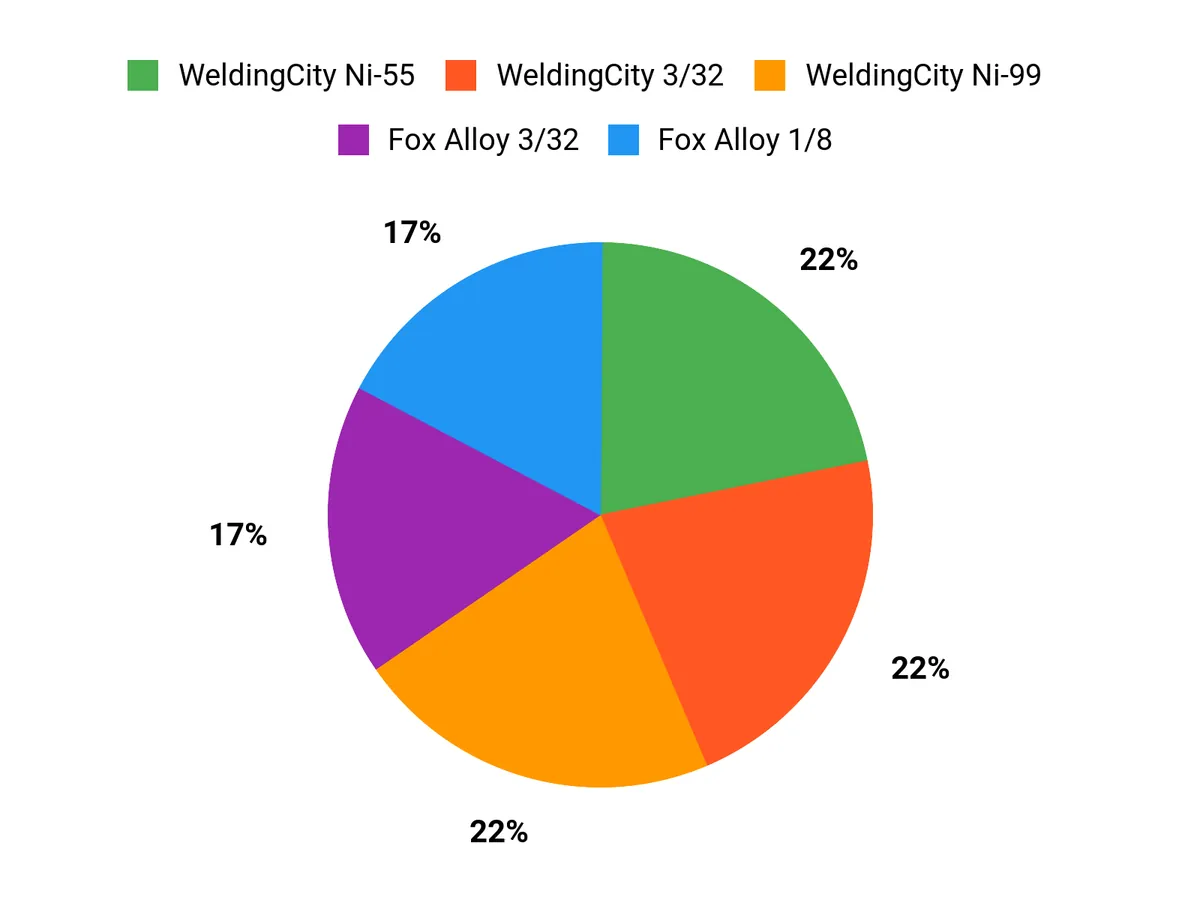
What Welders Usually Prioritize
Rod chemistry and diameter usually matter more than brand name alone. ENiFe-CI is the practical starting point for broad repair compatibility and stronger deposits. ENi-CI becomes more attractive when machinability is the deciding factor. After chemistry, choose the diameter that matches the casting thickness, groove size, machine output, and heat-control plan.
The chart below is retained from the original article. Treat it as a general preference snapshot rather than a live measurement of current sales, ratings, or professional consensus.
Final Recommendation
Choose the WeldingCity Ni-55 1/8-inch pack for the broadest mix of regular cast iron repairs, larger joints, and one-pound value.
Choose the Fox Alloy 3/32-inch pack when heat control and a smaller puddle matter more than deposition speed.
Choose the WeldingCity Ni-99 1/8-inch pack when the repaired gray iron surface must be drilled, tapped, milled, or machined afterward.
No rod can compensate for the wrong casting identification, poor cleaning, an unsuitable joint design, excessive heat, or uncontrolled cooling. Select the electrode class first, match the diameter to the job, and follow the manufacturer’s welding procedure.
Check Best Overall Pick on Amazon
Full Product Comparison
| Product | Image | Classification | Diameter | Length | Pack Size | Best For | Amazon |
|---|---|---|---|---|---|---|---|
| Fox Alloy 3/32-inch Ni-55 |
 |
ENiFe-CI | 3/32 inch | 12 inches | 7 rods, 1/4 pound | Small cracks and controlled heat input | Check Details |
| WeldingCity Ni-55 1/8-inch |
 |
ENiFe-CI | 1/8 inch | 14 inches | 1 pound | Frequent repairs and broader compatibility | Check Details |
| WeldingCity Ni-55 3/32-inch |
|
ENiFe-CI | 3/32 inch | 12 inches | 5 rods | Budget buyers and one-off repairs | Check Details |
| Fox Alloy 1/8-inch Ni-55 |
 |
ENiFe-CI | 1/8 inch | 14 inches | 5 rods | Moderate grooves without a full-pound purchase | Check Details |
| WeldingCity Ni-99 1/8-inch |
|
ENi-CI | 1/8 inch | 14 inches | 1 pound | Soft, machinable gray iron repairs | Check Details |
Product specifications can change. Confirm the electrode classification, diameter, length, pack quantity, polarity, and recommended amperage on the current Amazon listing and product package before use.