Last Updated: June 5, 2026
Affiliate Disclosure: As an Amazon Associate, we may earn from qualifying purchases when you click links in this guide.
Best Stick Welding Rods for Spring Repairs
Spring repairs often mean rusty fence panels, trailer brackets, gate hinges, and outdoor steel that has been sitting through rough weather. The best stick welding rod depends on the metal, the joint, your welder output, and how much penetration you need.
This guide compares E6013, E6010, E7018, and E316L stick welding rods so you can choose a rod that fits common garage, farm, and outdoor repair work.
Top Picks
| Category | Product | Score |
|---|---|---|
| 🏆 Best for Beginners | Saker E6013 Check Price |
88/100 |
| 💼 Best for Deep Penetration | Startech E6010 Check Price |
92/100 |
| 💰 Best Value | Sunstac E6013 Check Price |
93/100 |
| 🎯 Best Smaller E6010 Rod | Startech E6010 3/32 Check Price |
90/100 |
| ⭐ Best Smooth Finish | Startech E6013 Check Price |
96/100 |
| 🔰 Best Low-Hydrogen | Bestarc E7018 Check Price |
94/100 |
| 🚀 Best for Stainless | Startech E316L Check Price |
91/100 |
Quick choice: Choose E6013 for easier starts and cleaner beads, E6010 for deeper penetration on dirty steel, E7018 for stronger low-hydrogen welds, and E316L for stainless steel repairs.
How We Picked These Stick Welding Rods
You want rods that match the common demands of spring renovation work, so we weighed practical attributes like electrode type, diameter, position capability, and how each rod handles dirty or painted metal. We looked for reliable arc starts, stable puddle control, suitable penetration, and packaging that helps limit moisture exposure. Value matters for hobbyists who need a full box, while specialty rods like stainless or low-hydrogen electrodes earn points for corrosion resistance and all-position use.
Why You Can Trust This Roundup
This roundup focuses on product type, electrode classification, diameter, listed material, common use case, and buyer intent. It does not claim hands-on testing. Current Amazon ratings, review counts, and availability can change, so verify those details before publishing a final update.
You want a rod that gets you through common spring jobs without fuss and the Saker E6013 fits that role. It starts easily, produces a smooth bead for surface repairs, and is forgiving when you’re working on slightly rusty or painted metal. For everyday tasks like fence fixes, gate hinges, trailer touch-ups or learning stick welding, this rod keeps things simple while still delivering a tidy finish.
It isn’t a specialty structural rod, but if you need a reliable, user-friendly electrode for routine repairs, it’s a solid pick.
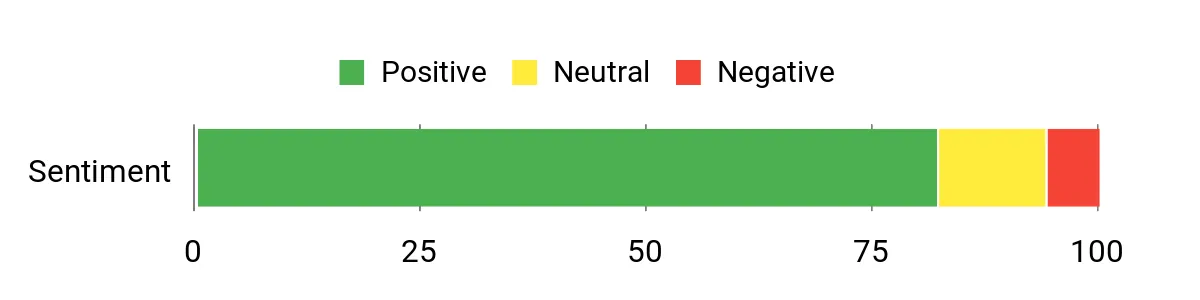
What People Say
Customers commonly note that the rod is easy to strike and produces attractive, smooth welds, which makes it popular for beginners and light repair work. People also appreciate the packaging that helps keep rods dry and ready to use, though a few mention modest spatter and occasional minor coating chips.
Overall Sentiment: Positive
Safety and Storage Notes
The rods come in a plastic tube that shields them from moisture during storage; you should still keep them dry and use a rod oven if you store open packages. Always wear appropriate PPE, ground your setup properly, and follow standard stick welding safety practices.
Best Use Case
Use this rod for easier starts and cleaner-looking light repairs. It is not the best choice when you need heavy structural penetration.
Key Benefits
- Easy arc starting that helps you get consistent beads
- Good for beginners and casual renovators learning stick welding
- Protective plastic tube reduces moisture exposure in storage
Pros and Cons
- Pros: Easy to start, beginner-friendly, and good for light repair work.
- Cons: Not ideal for deep penetration or heavy structural joints.
Best for: Beginners, light gates, small brackets, and clean-looking surface repairs.
Skip if: You need a root pass, heavy penetration, or code-level structural work.
Rating: 4.6 (total: 333+)
You’ll reach for the Startech E6010 when a repair needs muscle more than finesse. It’s designed to dig into rusty, painted or galvanized surfaces so you get full penetration on joints that other rods might skim over.
That makes it handy for trailer frames, structural tack-ups and spring projects where material condition isn’t perfect. It runs well on both inverter and transformer setups, so if you need consistent digging power for heavy repairs this is a dependable choice.
What People Say
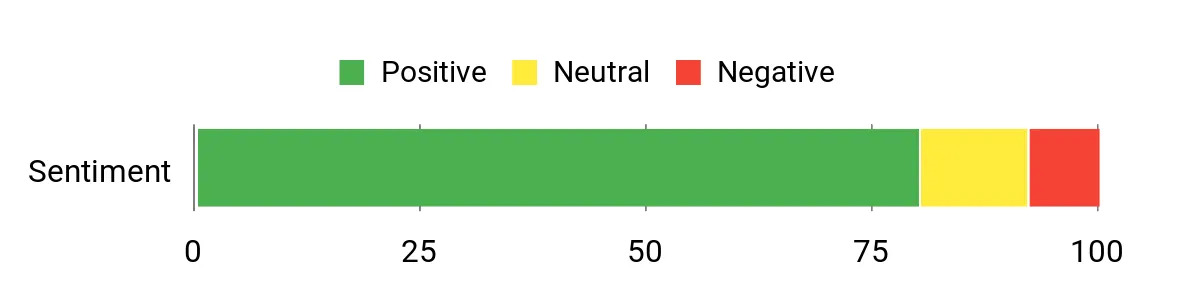
Readers consistently point out that this rod handles dirty or rusty steel better than many general-purpose sticks, and that it produces a solid, digging arc for structural work. Users also mention good packaging and value, and that the rod performs well on different machine types with minor current adjustments.
A few suggest tuning your settings for best results on specific metals.
Overall Sentiment: Positive
Safety and Storage Notes
Certified to AWS/SFA 5.1 E6010 standards and packaged to protect rods in storage; you should still store opened rods dry, use a rod oven if needed, and wear proper PPE and eye protection when welding.
Best Use Case
Use this rod when the steel is not perfectly clean and the joint needs deeper bite. It can reduce extra prep and repeat passes when you set amperage correctly for the material.
Key Benefits
- Strong penetration for coated or dirty metal
- Stable arc suitable for inverter and transformer machines
- Reliable packaging and consistent performance for repeated jobs
Pros and Cons
- Pros: Deep penetration, fast-freeze behavior, and strong fit for rusty or coated steel.
- Cons: Less forgiving for beginners and not chosen for the prettiest finish.
Best for: Root passes, farm repairs, trailer work, and dirty carbon steel.
Skip if: You mainly weld thin, clean metal and want a soft cosmetic bead.
Rating: 4.6 (total: 95+)
You’ll like the Sunstac E6013 when you want a straightforward rod that makes routine fixes look clean. It’s built for steady arcs and low-to-moderate spatter, so you can tidy up gates, brackets, and light fabrication without fuss. The 1/8″ size handles common spring projects well, and experienced welders often grab it for consistent bead appearance while hobbyists appreciate how forgiving the puddle feels.
Keep it dry and it’s a dependable option for general maintenance and aesthetic repairs.
What People Say
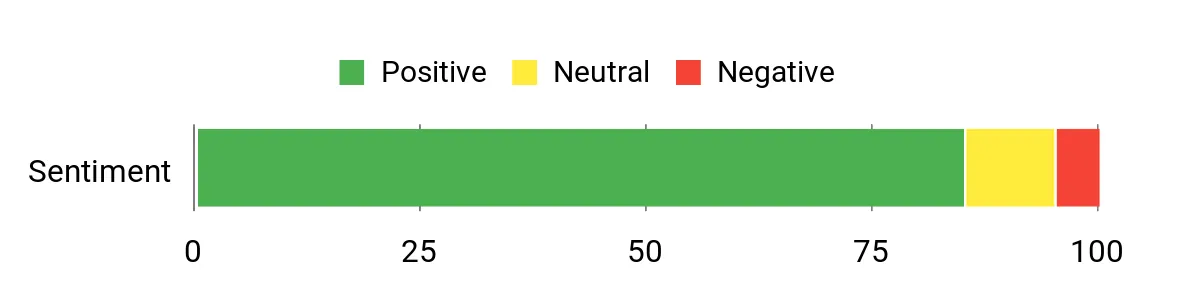
Customers frequently praise the rod for producing clean-looking welds with minimal fuss, noting that it’s a solid choice for everyday fabrication and repairs. Reviewers also point to dependable packaging and consistent performance batch to batch, with experienced users endorsing its value for routine shop work.
Overall Sentiment: Positive
Safety and Storage Notes
The product is packaged to reduce moisture exposure; still store opened rods in a dry place or a rod oven. As with any stick welding work you should use proper eye, hand, and skin protection and ensure good grounding and ventilation.
Best Use Case
Use this rod when you want a tidy bead on light repair or cosmetic work. The steady arc and manageable spatter can reduce cleanup after the weld cools.
Key Benefits
- Smooth, attractive bead for finish-focused repairs
- Easy arc control that helps less experienced welders
- Good packaging and consistent performance out of the box
Pros and Cons
- Pros: Smooth bead, easy puddle control, and a practical 5 lb box for routine repairs.
- Cons: It is still a general-purpose rod, so it is not the best pick for deep root penetration.
Best for: General garage repairs, light fabrication, gates, brackets, and visible welds.
Skip if: You need a low-hydrogen structural electrode or a stainless filler rod.
Rating: 4.7 (total: 38+)
You’ll reach for the Startech E6010 3/32 when a repair needs real penetration rather than a pretty bead. It’s built to dig through rust, paint and galvanized coatings so you can weld joints that haven’t been perfectly prepped. That makes it a go-to for trailer frames, fence posts, structural tack-ups and other spring renovations where material condition is imperfect. It runs well on both inverter and transformer machines, though you may tweak current settings for optimal performance.
If you need dependable digging power for heavy repair work, this rod is a reliable choice.
What People Say
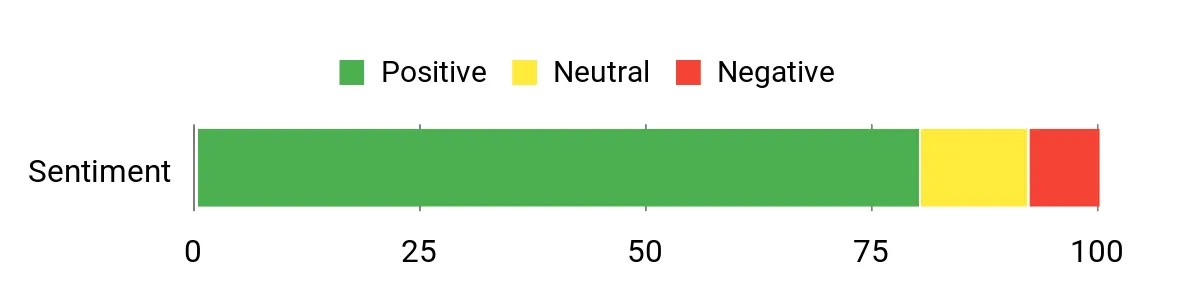
You’ll find reviewers consistently praising this rod for its ability to dig into less-than-ideal surfaces and deliver solid welds. People often highlight reliable arc stability on both inverter and transformer welders and note the packaging keeps rods in good condition. A few users mention adjusting settings for their specific setups to get the best results.
Overall Sentiment: Positive
Safety and Storage Notes
Certified to AWS/SFA 5.1 E6010 standards and packaged to protect rods from moisture; still store opened rods in a dry place or rod oven. Use appropriate PPE, ensure proper grounding, and maintain good ventilation when welding.
Best Use Case
This rod tackles the common spring-renovation problem of welding on rusty or coated metal by providing deep penetration and reliable arc control, reducing the need for excessive cleaning or multiple passes to achieve a secure joint.
Key Benefits
- Strong penetration for dirty or coated steel
- Stable arc across different machine types
- Consistent performance and protective packaging
Pros and Cons
- Pros: Smaller 3/32″ diameter gives better control than larger E6010 rods on moderate work.
- Cons: It is still a deep-penetration E6010, so use care on very thin sheet metal.
Best for: Smaller E6010 jobs, dirty steel, vertical work, and repairs needing controlled penetration.
Skip if: You want a beginner-friendly rod for smooth cosmetic welds.
Rating: 4.6 (total: 95+)
You’ll reach for the Startech E6013 when you want a reliable rod that balances ease of use with a nice finished bead. It delivers a soft, steady arc that’s forgiving while you’re working on gates, brackets, light fabrication or aesthetic repairs, and it melts in evenly so cleanup is simpler.
Use it for daily maintenance around the yard or when you want a presentable weld on a weekend project; experienced welders also keep a box on hand for consistent, predictable results.
What People Say
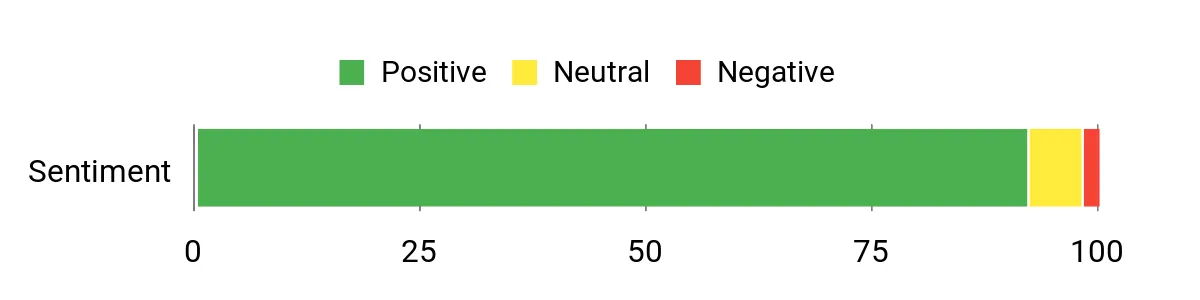
You’ll notice reviewers commonly praise how smoothly these rods burn and the attractive weld appearance they produce, which makes them a go-to for visible repairs. Folks also mention reliable packaging and consistent quality, with users appreciating that the rod behaves predictably whether you’re doing shop work or field fixes.
Overall Sentiment: Positive
Safety and Storage Notes
Certified to AWS/SFA 5.1 E6013 standards and packaged to reduce moisture exposure; still store opened rods in a dry place or use a rod oven. Always wear appropriate eye, hand, and skin protection, ensure proper grounding, and work in a well-ventilated area.
Best Use Case
Use this rod for visible repairs where bead appearance matters more than deep digging penetration. It is better for tidy maintenance work than heavy structural joints.
Key Benefits
- Smooth, even bead appearance for finish-focused work
- Soft, steady arc that’s forgiving for less experienced welders
- Consistent performance across batches for dependable results
Pros and Cons
- Pros: Soft arc, clean bead appearance, and easier control for everyday repairs.
- Cons: Not the strongest choice for dirty steel or deep structural penetration.
Best for: Clean carbon steel, brackets, furniture-style metalwork, and visible repair beads.
Skip if: The steel is heavily rusted, painted, or needs a deep root pass.
Rating: 4.9 (total: 40+)
You’ll reach for these Bestarc E7018 rods when you need clean, strong welds that hold up in repairs and light fabrication. They offer a steady arc and low spatter, which makes cleanup quicker and beads look neater whether you’re working flat, vertical or overhead.
That versatility is handy for trailer repairs, fence posts, and any spring project where strength and appearance both matter. If you want a rod that tolerates a bit of user error and still leaves a tidy result, these are a dependable choice.
What People Say
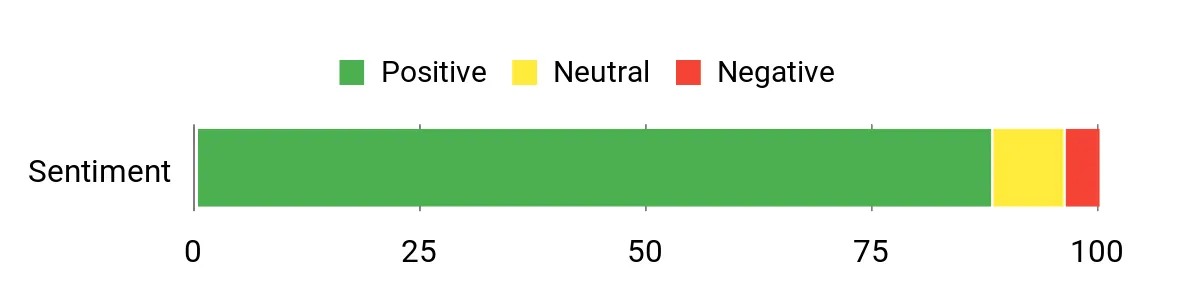
People tend to highlight the consistent arc stability and the clean weld appearance, which makes these rods popular for both practice and real repairs. Reviewers also praise the low spatter and easy slag removal, and many note the protective case keeps rods ready to use.
A few users remind you to keep rods dry or use a rod oven after opening for best results.
Overall Sentiment: Positive
Safety and Storage Notes
Packaged in a sturdy plastic case to limit moisture exposure; handle and store opened rods in a dry place. Always use appropriate PPE, keep good ventilation, and follow standard stick welding safety practices.
Best Use Case
Use these rods when you want stronger low-hydrogen welds with less cleanup. Keep them dry after opening because moisture can hurt low-hydrogen performance.
Key Benefits
- Stable arc with low spatter for easier cleanup
- Works in all positions for versatile repairs
- Durable packaging helps protect rods from moisture
Pros and Cons
- Pros: Low-hydrogen design, stronger weld focus, and useful all-position capability.
- Cons: More sensitive to moisture than general-purpose rods after opening.
Best for: Stronger repairs, all-position welding, and projects where a cleaner slag release matters.
Skip if: You cannot store low-hydrogen rods dry after opening.
Rating: 4.7 (total: 24+)
You reach for an E316L rod when corrosion resistance matters and you need welds that hold up to moisture and food-grade environments. This stainless electrode lays down a clean, stable bead and is suited for marine repairs, exhaust work, food equipment, and decorative stainless projects. It’s not your everyday mild-steel rod, but if you’re joining or repairing stainless it removes the guesswork and gives you predictable results when you match filler to base metal.
What People Say
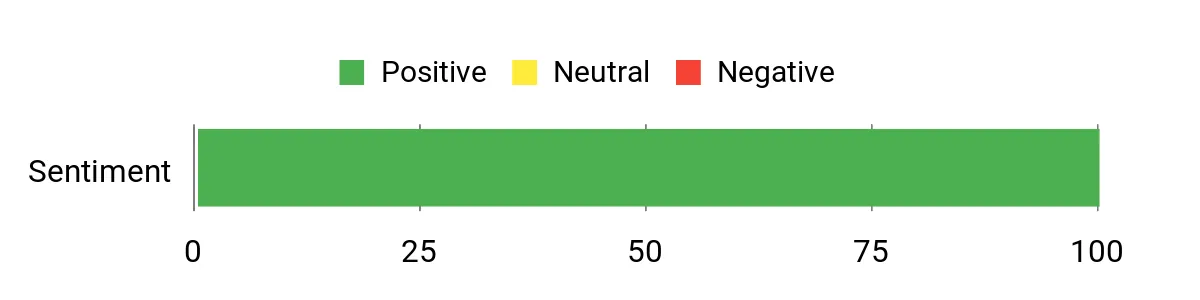
With only a few reports available, users highlight that the rod produces solid stainless welds and behaves predictably during use. Buyers appreciate consistent quality and that the filler matches stainless bases well, making it a trusted choice for specialized repairs.
Overall Sentiment: Positive
Safety and Storage Notes
Handle stainless electrodes with clean surfaces to avoid contamination; store them dry and avoid contact with carbon steel tools. Always use proper PPE, ventilation, and grounding when welding stainless to control fumes and spatter.
Best Use Case
Use this rod when the base metal is stainless and corrosion resistance matters. It is a specialty pick, not a substitute for general mild-steel electrodes.
Key Benefits
- Corrosion-resistant welds suited for marine and food-contact applications
- Good bead appearance and predictable puddle for stainless repairs
- Appropriate size for light to medium stainless work and touch-ups
Pros and Cons
- Pros: Correct specialty direction for 316/316L stainless and corrosion-focused repairs.
- Cons: Very low review count in the source article, so buyer confidence is weaker.
Best for: Stainless steel repairs where matching the filler metal matters.
Skip if: You are welding common mild steel or want a high-review general-purpose rod.
Rating: 5.0 (total: 1+)
How to Choose the Right Stick Welding Rod
Start with the base metal and the repair type. A clean, light repair usually needs a different rod than a rusty trailer bracket or stainless part.
- E6013: Best for easier starts, light repairs, cleaner beads, and beginner practice.
- E6010: Best for deeper penetration on rusty, painted, or less-prepared carbon steel.
- E7018: Best when you need a stronger low-hydrogen weld and can store rods dry.
- E316L: Best for stainless steel where corrosion resistance and filler match matter.
Also check diameter before buying. A 3/32″ rod is easier to control on lighter material, while a 1/8″ rod needs more amperage and fits thicker sections better.
FAQ
Which Rod Should You Use?
Pick the rod based on the metal and the job rather than grabbing whatever’s closest. For general repairs and tidy beads you’ll like E6013 options because they start easily and are forgiving; reach for E6010 when you need deep penetration on rusty or galvanized parts; choose E7018 for low-spatter, all-position strength; and use E316L when you’re welding stainless.
A practical approach is to keep one general-purpose rod and one specialty rod so you can handle both surface repairs and structural fixes.
How Should You Store And Prepare Rods?
Rods are sensitive to moisture, especially low-hydrogen types, so keep rods dry and in their protective tube or a sealed container when not in use. If a box sits open, dry the rods in a rod oven or a warm, dry space before welding and avoid using visibly damp rods since they can cause porosity and arc instability. The protective plastic case many packs include helps, but once opened store them in a dry, controlled spot.
What Size Rod Do You Need?
Match diameter to the metal thickness and your machine’s output: smaller diameters like 3/32″ suit thin to medium sheet and give easier control, while 1/8″ handles thicker sections and heavier welds. Consider your welder’s amperage because larger rods need more current to run well, and if in doubt choose the size that fits the joint and lets you maintain a steady arc without maxing out your machine.
Is E6013 Good for Beginners?
Yes. E6013 is usually easier to strike and control than deeper-penetrating rods. It is a practical starting point for light repairs, practice beads, and clean carbon steel.
Is E6010 Better Than E6013?
E6010 is better when you need deeper penetration on dirty or coated steel. E6013 is better when you want easier handling and a cleaner-looking bead on light to medium repairs.
Do E7018 Rods Need Special Storage?
Yes. Low-hydrogen E7018 rods should stay dry after opening. If moisture gets into the coating, weld quality can suffer, so sealed storage or a rod oven is a smart choice.
Can You Weld Stainless Steel With Regular Carbon Steel Rods?
You should match the filler to the base metal when corrosion resistance matters. For 316 or 316L stainless, an E316L rod is the safer direction than a regular mild-steel electrode.
What Customers Prefer
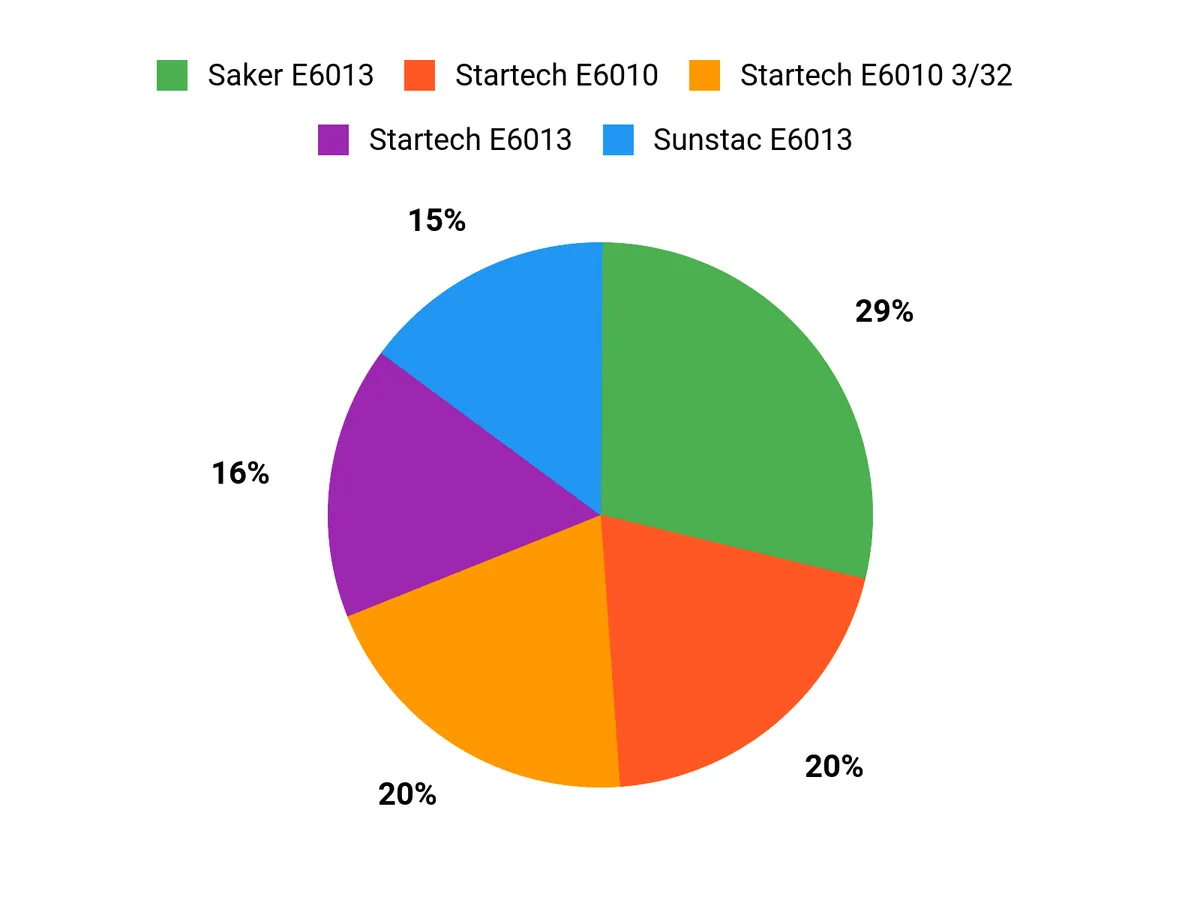
When choosing between the Saker E6013, Startech E6010 and Sunstac E6013 you’ll mainly weigh ease of use versus digging power. Pick E6013 rods for easy arc starts and tidy beads and reach for the E6010 when you need deep penetration on rusty or galvanized parts. You also prioritize consistent packaging that keeps rods dry, low spatter, and compatibility with your welder because predictable arc performance and less cleanup make spring repairs faster.
Final Verdict: Which Stick Welding Rod Should You Buy?
For most spring repairs, start with an E6013 rod if you want easy starts and cleaner-looking beads. Choose E6010 when the steel is dirty or the joint needs deeper penetration. Move to E7018 when strength and low-hydrogen performance matter, and use E316L only when you are welding stainless steel.
The safest buying decision is simple: match the rod classification and diameter to the metal in front of you, then keep the rods dry before welding.
Stick Welding Rod Comparison Table
| Product Name | Image | Rating | Item Weight | Material |
|---|---|---|---|---|
| Saker E6013 Welding Rod 3/32″ 1 lb Check Price on Amazon |
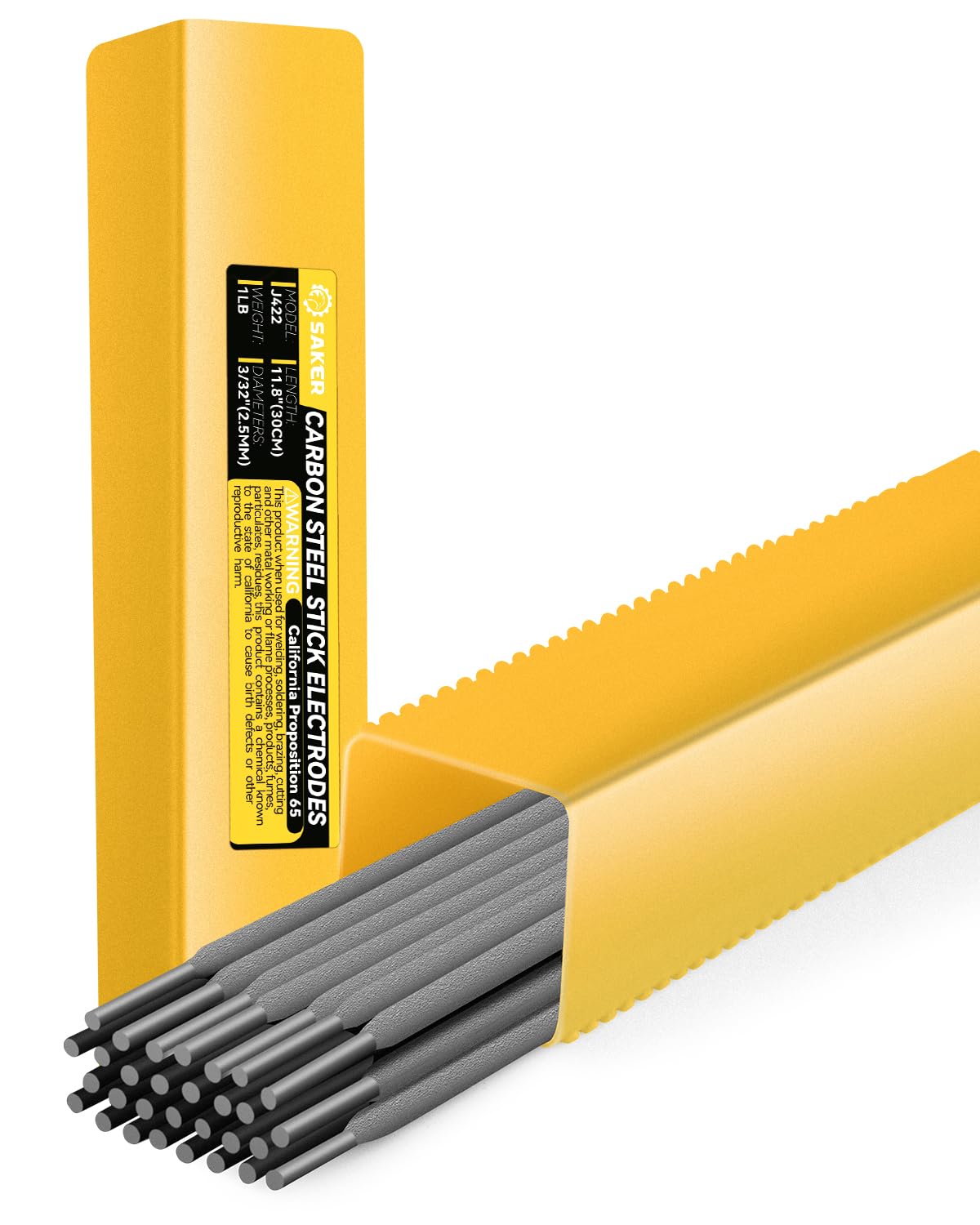 |
4.6/5 (333 reviews) | 1.01 pounds | Carbon Steel |
| Startech E6010 Welding Rod 1/8″ 5 lb Check Price on Amazon |
 |
4.6/5 (95 reviews) | 5 pounds | Carbon Steel |
| Sunstac E6013 Welding Rod 1/8″ 5 lb Check Price on Amazon |
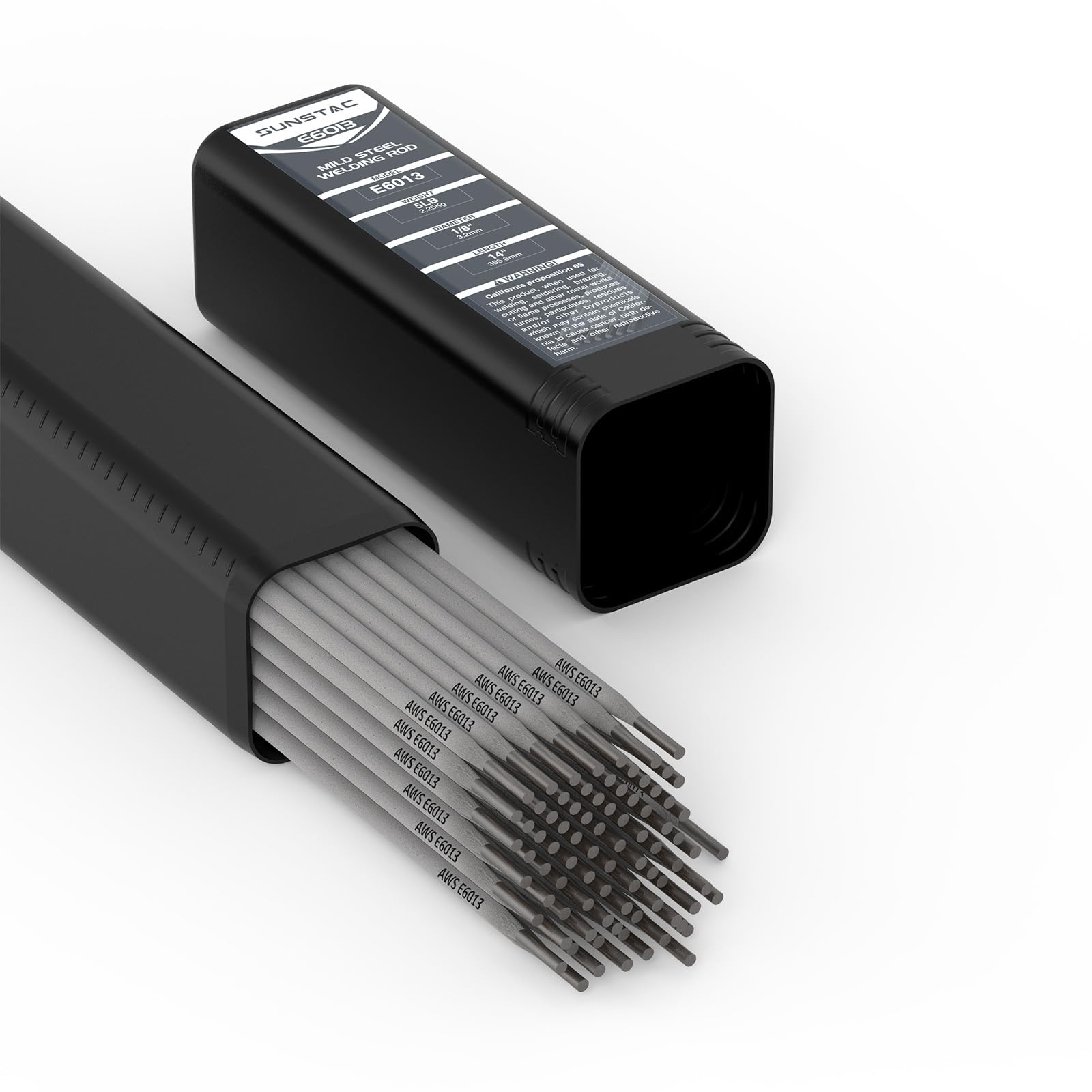 |
4.7/5 (38 reviews) | 5.24 pounds | Carbon Steel |
| Startech E6010 Welding Rod 3/32″ 5 lb Check Price on Amazon |
|
4.6/5 (95 reviews) | 5 pounds | Carbon Steel |
| Startech E6013 Welding Rod 1/8″ 5 lb Check Price on Amazon |
 |
4.9/5 (40 reviews) | 5 pounds | Carbon Steel |
| Bestarc E7018 Welding Rod 1/8″ 5 lb Check Price on Amazon |
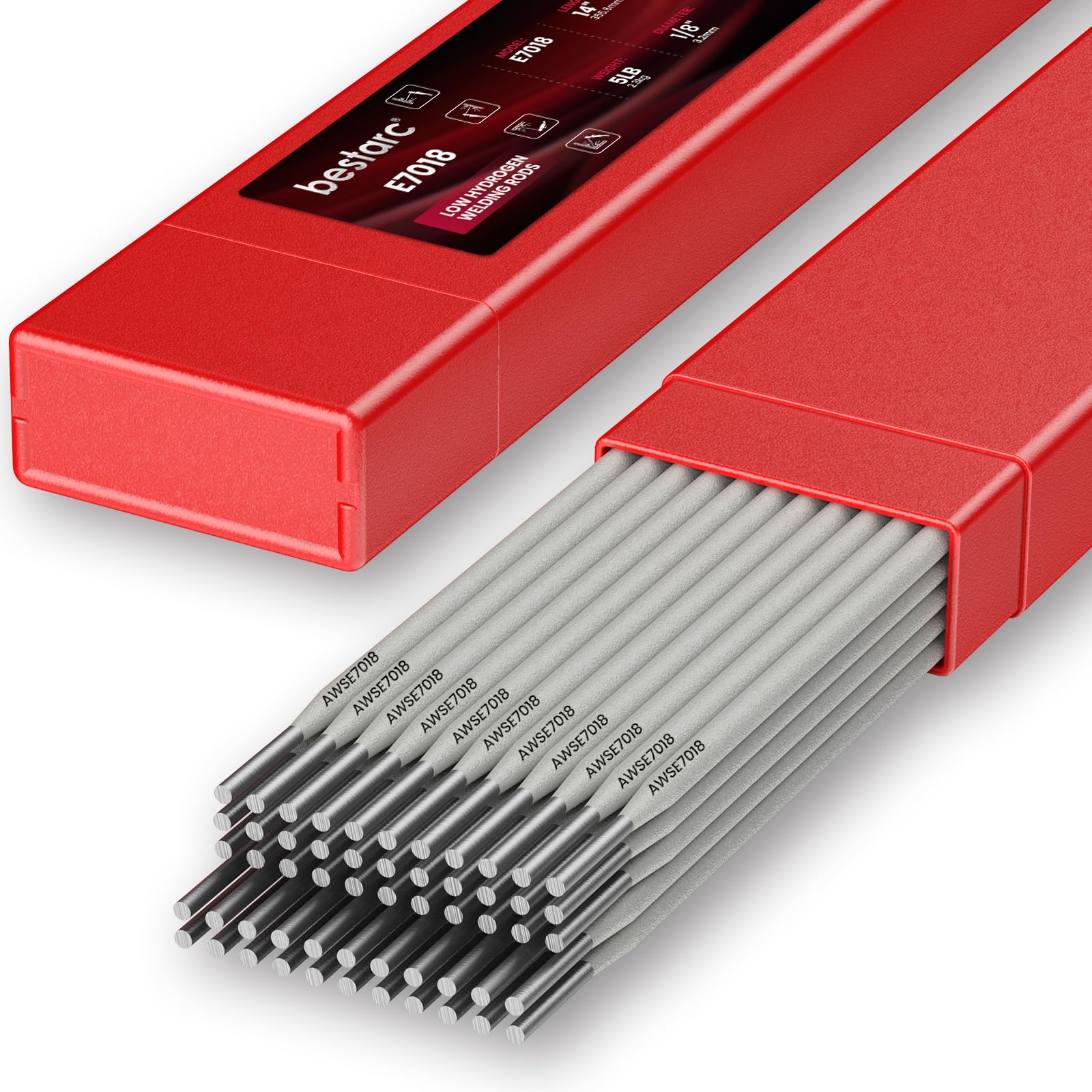 |
4.7/5 (24 reviews) | 5.92 pounds | Low Hydrogen Carbon Steel |
| Startech E316L Stainless Steel Welding Rod 3/32″ 5 lb Check Price on Amazon |
 |
5.0/5 (1 review) | 6 pounds | Stainless Steel |
Affiliate Disclosure: This roundup is reader-supported. When you click through links, we may earn a referral commission on qualifying purchases.