Disclosure: As an Amazon Associate, we earn from qualifying purchases. If you click a link on this page and make a purchase, we may receive a small commission at no extra cost to you.
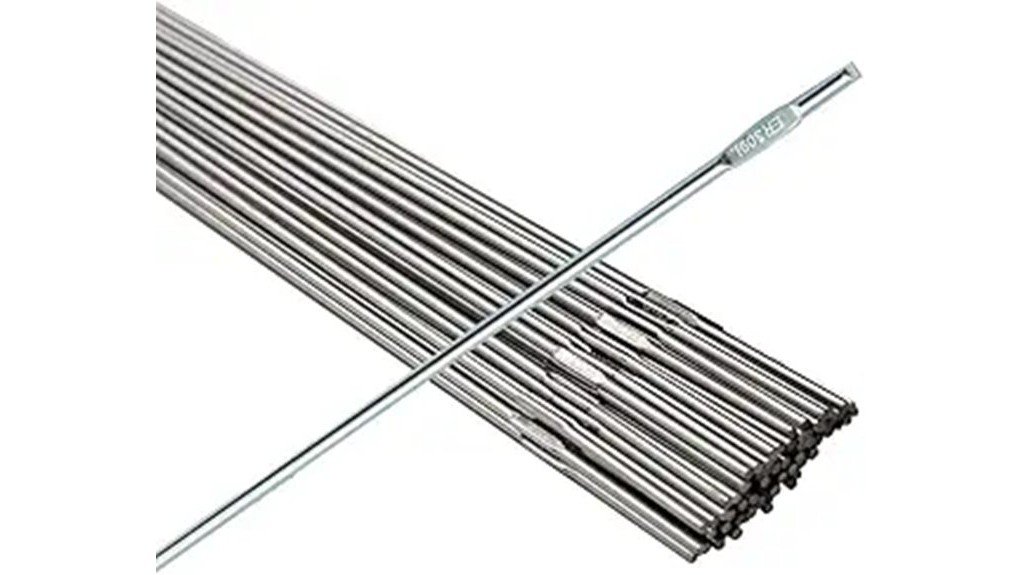
Choosing the wrong stainless filler rod can leave you with weak joints, poor corrosion resistance, or a weld that does not match the job. The WeldingCity ER309L TIG Welding Rod is made for TIG welding stainless steel, joining stainless to mild steel, and creating corrosion-resistant overlays on mild steel. This review helps you decide if this ER309L rod fits your shop, repair work, or fabrication project. It offers strong versatility, but you still need the correct diameter, base metal match, shielding gas, and welding procedure for safe results.
Quick Verdict
Rating: 8.6/10
Best For: TIG welders who need ER309L filler rod for stainless-to-mild-steel joints, stainless repairs, and corrosion-resistant overlays.
Bottom Line: WeldingCity ER309L is a practical choice when your project calls for 309L stainless filler in 36-inch TIG rod form. The main tradeoff is that it is not a universal filler metal, so you must confirm your base metals, rod diameter, and shielding gas before welding.
Key Takeaways
- Best use: ER309L is commonly used for TIG welding dissimilar alloys, especially mild steel to stainless steel.
- Standards: The rod is listed under AWS A5.9/ASME SFA A5.9/ER309L.
- Size options: Available diameters include 0.045″, 1/16″, 3/32″, and 1/8″, with 36-inch rod length.
- Composition: The listed composition includes 24.5% chromium and 13% nickel, with low carbon content.
- Important limitation: This is a TIG filler rod for stainless-related work, not an aluminum rod, flux-cored wire, or stick electrode.
| Specification | Detail |
|---|---|
| Brand | WeldingCity |
| Product type | Stainless steel TIG welding rod |
| AWS classification | ER309L |
| Specification | AWS A5.9 / ASME SFA A5.9 / ER309L |
| Amazon model number | ER309L-TIG-36-116 |
| Part number | ER309L-TIG-36-116 |
| Rod length | 36 inches, listed as 914 mm to 915 mm depending on source |
| Diameter options | 0.045″, 1/16″, 3/32″, and 1/8″ |
| Reviewed size | 1-Lb, 1/16″ x 36″ listing |
| Material | Stainless steel |
| Listed composition | C=0.025, Cr=24.5, Ni=13, Si=0.38, Mo=0.35, Mn=1.88, Cu=0.35, P=0.02, S=0.01, Fe balance |
| Process | TIG welding / GTAW |
| Shielding gas note | Shielding gas required, usually 100% argon |
| Package options | 1-Lb, 5-Lb, and 10-Lb options listed on Amazon |
| Amazon technical details | 1 lb item weight, 36 x 3 x 3 inch product dimensions for the reviewed listing |
| Best use | Dissimilar metal welding, stainless-to-mild-steel joints, and corrosion-resistant overlays on mild steel |
What Is the WeldingCity ER309L TIG Welding Rod?
The WeldingCity ER309L TIG Welding Rod is a stainless steel filler rod for the GTAW, or TIG, welding process. The reviewed Amazon listing is for the 1-Lb 1/16″ x 36″ version, though other diameters and package sizes are also listed.
ER309L filler metal is commonly chosen when you need to join stainless steel to mild steel or create a stainless overlay on mild steel. Its higher chromium and nickel content helps support corrosion resistance and toughness when used with the right base metals and welding procedure.
This rod makes the most sense for welders who already understand TIG setup basics. You still need the proper tungsten, shielding gas, amperage, surface prep, and joint design to get the best result.
Who Should Buy It?
Best For
- TIG welders joining stainless steel to mild steel.
- Fabricators who need ER309L filler for stainless repair or overlay work.
- Shops that want 36-inch rods in several diameter and package options.
Skip If
- You need filler rod for aluminum, cast iron, or general mild steel TIG welding.
- You need stick electrodes, MIG wire, or flux-cored wire instead of TIG rods.
- You cannot verify that ER309L matches your base metals, service environment, or welding procedure.
Features and Specifications
AWS A5.9 and ASME SFA A5.9 Classification
The key specification is the ER309L classification. WeldingCity lists this rod as conforming to AWS A5.9 and ASME SFA A5.9, which helps you match the filler metal to a known stainless welding classification instead of buying a vague stainless rod.
That matters most when your weld has to meet a procedure, shop standard, or repair requirement. You should still check your welding procedure specification, base metal, and service conditions before using it on critical work.
309L Stainless Chemistry
The listed composition includes 24.5% chromium and 13% nickel, plus low carbon content. This chemistry is one reason ER309L is often used for stainless-to-carbon-steel transition welds and overlays.
The “L” in ER309L refers to low carbon. Low carbon content can help reduce the risk of intergranular carbide precipitation when the rod is used correctly, which is useful in stainless work where corrosion resistance matters.
Rod Sizes and Package Options
WeldingCity lists diameter choices of 0.045″, 1/16″, 3/32″, and 1/8″, all in 36-inch rod length. The Amazon listing also shows 1-Lb, 5-Lb, and 10-Lb package options, so you can buy a small tube for occasional work or a larger quantity for shop use.
The exact product reviewed here is the 1-Lb 1/16″ x 36″ listing. If you choose a different size from the same listing family, double-check the selected diameter and package weight before checkout.
Before You Buy: ER309L is not a universal stainless filler. Confirm your base metal, filler classification, rod diameter, and shielding gas needs before using it on structural, pressure, food-contact, or code-related work.
Applications and Benefits
The strongest reason to choose WeldingCity ER309L is its flexibility in stainless and dissimilar metal work. It is suited for TIG welding dissimilar alloys such as mild steel to stainless steel, and it can also be used for direct overlay on mild steel when corrosion resistance is the goal.
It may also be used for welding 18-8 base metals under severe corrosion conditions or when dissimilar metals are involved. That makes it useful for repair shops, maintenance teams, and fabrication settings where one project may not use the same metal on both sides of the joint.
- Stainless-to-mild-steel joints: Useful when your project needs a transition weld between different alloys.
- Corrosion-resistant overlays: Helps create stainless-facing layers on mild steel surfaces when the procedure allows it.
- Maintenance repairs: Practical for shops that handle mixed stainless and carbon steel parts.
- Fabrication work: Gives you a known ER309L filler option for GTAW projects that call for this classification.
How It Performs in Real Use
For Stainless-to-Mild-Steel Welding
This is one of the main use cases for ER309L. The rod gives you a filler metal designed for dissimilar alloy work, which can help when stainless steel must be joined to mild steel in brackets, repair parts, or fabricated assemblies.
For Stainless Repair Work
For stainless repair jobs that call for ER309L, the 36-inch rod length is convenient for bench work and shop welding. The available diameter choices also help you match the filler to thinner or heavier material.
For Corrosion-Resistant Overlays
ER309L can be used as an overlay on mild steel for corrosion applications when your welding procedure supports that approach. This is useful when you want a stainless weld surface without making the entire part from stainless material.
For Occasional Shop Use
The 1-Lb package is practical if you only need ER309L for repairs or occasional dissimilar metal projects. Larger packages make more sense for frequent welders who already know they use this classification often.
Choosing the Right Diameter
Pick the rod diameter based on material thickness, joint design, and your TIG amperage range. Smaller rods like 0.045″ or 1/16″ suit thinner material and more controlled puddle work, while 3/32″ and 1/8″ rods fit heavier sections and higher heat input.
The 1/16″ version is a practical middle ground for many small repairs and light fabrication tasks. For thicker materials or production work, review your welding procedure and consider stepping up to a larger diameter when appropriate.
Pro Tip: Before starting the weld, clean both base metals well and keep the rods dry and free from oil. Stainless TIG work is less forgiving when the joint has contamination, mill scale, or poor fit-up.
Storage, Handling, and Safety Notes
Store these rods in a clean, dry area, ideally inside their tube or a sealed rod container. Moisture, shop dust, oil, and grinding debris can affect weld quality, especially on stainless work where cleanliness matters.
Use the right welding PPE every time. Wear a welding helmet with the correct shade, gloves, flame-resistant clothing, and eye protection. Weld only with proper ventilation or fume control, since stainless welding fumes can contain hazardous compounds.
The product listing notes that shielding gas is required and usually 100% argon is used. Do not treat that as a substitute for your machine settings, procedure, or professional guidance on critical welds.
Pros and Cons
Pros
- ER309L classification suits many stainless-to-mild-steel TIG applications.
- Listed to AWS A5.9 and ASME SFA A5.9 standards.
- Multiple diameters help you match the rod to thinner or thicker material.
- 36-inch length is practical for shop TIG welding.
- Package options support occasional repair use or larger shop needs.
Cons
- Not suitable for aluminum welding or general ER70S mild steel TIG jobs.
- Requires TIG equipment, shielding gas, and proper stainless welding technique.
- Package size and diameter must be selected carefully before ordering.
Packaging Options and Availability
The Amazon listing shows this WeldingCity ER309L rod family in 1-Lb, 5-Lb, and 10-Lb package options. The reviewed listing is the 1-Lb 1/16″ version, which is a good size when you need ER309L for repair work, testing, or occasional fabrication.
For frequent stainless or dissimilar metal work, a larger package may make more sense. Still, you should confirm the selected diameter and package weight on the product page because Amazon variations can change depending on the option you choose.
Is It Worth the Price?
WeldingCity ER309L is worth considering if you need a known 309L stainless TIG filler rod without stepping into a specialty industrial order. It offers strong value for welders who need the right filler for stainless-to-mild-steel joints or mild steel overlays.
It is not the best fit if you only weld mild steel, aluminum, or projects that call for a different stainless filler such as ER308L or ER316L. The value depends on whether ER309L is the correct match for your actual job.
How It Compares to Alternatives
Compared with common ER308L rods, ER309L is usually the better match when the project involves dissimilar metal welding between mild steel and stainless steel. ER308L is more commonly associated with similar 304-type stainless applications, so it should not be treated as a direct substitute.
Other ER309L options from brands such as Blue Demon or larger industrial suppliers may be worth comparing if you need a different package size, certification documentation, or shop-approved brand. WeldingCity makes the most sense if you want a straightforward ER309L TIG rod option in common diameters.
Frequently Asked Questions
What is WeldingCity ER309L TIG rod used for?
It is used for TIG welding stainless steel applications, especially dissimilar metal joints such as mild steel to stainless steel. It can also be used for direct overlay on mild steel when corrosion resistance is needed.
Can ER309L rods be used for aluminum welding?
No. ER309L is a stainless steel TIG filler rod, not an aluminum filler rod. Aluminum welding requires an aluminum filler metal that matches the base metal and application.
What shielding gas should you use with this rod?
The listing notes that shielding gas is required and usually 100% argon is used for TIG welding. Always follow your machine settings, welding procedure, and gas supplier guidance for your exact job.
Which diameter should you choose?
Use smaller diameters such as 0.045″ or 1/16″ for thinner materials and more delicate weld control. Use 3/32″ or 1/8″ for heavier material when your procedure and amperage range support a larger filler rod.
Is ER309L the same as ER308L?
No. ER309L and ER308L are different stainless filler classifications. ER309L is commonly chosen for dissimilar welding, while ER308L is often used for similar 304-type stainless applications.
How should you store ER309L TIG rods?
Keep the rods dry, clean, and protected from oil, moisture, and shop contamination. Store them in their tube or a sealed rod container when not in use.
Does the package include welding accessories?
The listing is for ER309L TIG welding rods. It does not list a torch, tungsten, regulator, gas cylinder, gloves, helmet, or other welding accessories as included.
Who should skip this welding rod?
Skip it if your project calls for aluminum filler, mild steel ER70S filler, MIG wire, or stick electrodes. You should also skip it if you cannot confirm ER309L is approved for your base metals and service conditions.
The Bottom Line
The WeldingCity ER309L TIG Welding Rod is a strong choice for welders who need ER309L filler for stainless-to-mild-steel joints, stainless repairs, or mild steel overlays. It offers useful diameter and package options, but it is only the right buy when ER309L matches your welding procedure and base metals.
Skip it if you need aluminum filler, general mild steel filler, or a different stainless classification. For the right TIG welding project, it is a practical and dependable rod to keep in the shop.
Ready to Buy?
Check the latest product details and selected diameter before you decide.