How to install hardware cloth: measure the opening, cut the mesh with wire cutters or tin snips, and fasten it to a solid frame with staples or screws and washers. Overlap the seams, finish the cut edges, and seal the bottom edge so animals cannot dig under it. This guide covers the tools, mesh sizes, steps and common mistakes, plus what to check on the linked Amazon roll before you order.
Quick Answer
- Wear gloves and eye protection before you cut.
- Cut the mesh 2 to 3 inches larger than the opening.
- Fasten every few inches along the full edge of a rigid frame.
- For digging pests, add an outward apron at ground level.
Tools and Materials
- Hardware cloth roll in the mesh size and gauge your project needs
- Wire cutters, aviation snips or tin snips
- Heavy work gloves and safety glasses
- Heavy-duty staple gun, or exterior screws with fender washers
- Tape measure and a marker
- Wood framing, posts or a coop wall to attach to
Choosing Mesh Size and Gauge
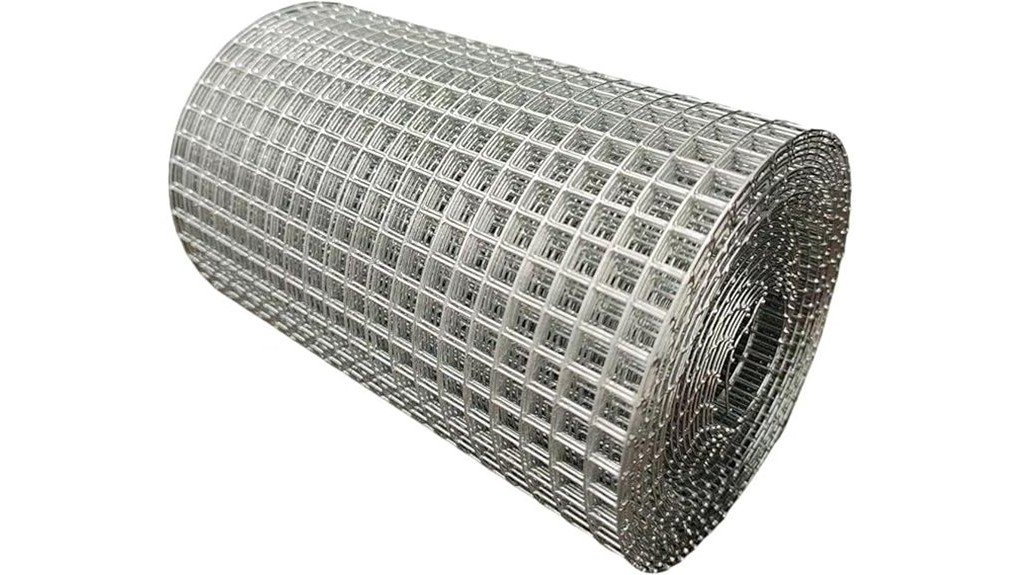
Mesh size decides which animals you stop. Gauge decides how much force the wire can take. Smaller gauge numbers mean thicker wire.
| Mesh opening | Typical use |
|---|---|
| 1/4 inch | Mice, small pests, vent and gap screening, seedlings |
| 1/2 inch | Coop windows and runs, rabbit hutches, raised bed protection |
| 1 inch | Larger animals and light enclosures; too wide to stop small pests |
Thicker wire such as 19 gauge handles more animal pressure than 23 gauge. Lighter 23-gauge mesh is easier to cut and shape but needs a firm frame behind it.
How to Install Hardware Cloth Step by Step
- Measure. Measure the opening or fence run and add 2 to 3 inches on each side for overlap.
- Unroll and flatten. Let the roll relax on a flat surface, or bend it against the curve, so it lies flat.
- Cut. Mark the line and cut with wire cutters or snips. Wear gloves and eye protection because cut ends spring and are sharp.
- Position. Hold the mesh against the frame and keep it taut so it does not bow.
- Fasten. Staple or screw through washers every few inches along the full edge, including corners and seams.
- Seal the bottom. For burrowing or digging pests, bend the bottom edge outward into an apron and anchor it at ground level.
- Finish the edges. Fold, trim or cover cut ends, especially on the side animals or people can touch.
- Inspect. Look for gaps, loose fasteners and bent wire, and recheck after storms.
Best Projects for Hardware Cloth
- Chicken coops and runs: Cover windows, vents and lower walls. Hardware cloth is sturdier than chicken wire, which is meant to keep birds in, not predators out.
- Raised garden beds: Line the bottom or wrap the sides to block burrowing pests.
- Vents, eaves and crawl spaces: Screen openings while keeping airflow.
- Rabbit hutches and pet enclosures: Cover sharp edges and fasten securely.
- Gutter guards and soil sifters: Cut small pieces and attach them to a frame.
Safety and Common Mistakes
- Cut wire is sharp. Wear gloves and eye protection, and keep children and pets away while you work.
- Too few fasteners let animals push the middle of the panel loose.
- An unsealed bottom edge is the first place diggers test.
- Lightweight mesh is not a railing or load-bearing guard. Do not use it where a fall could cause injury.
- Mixing galvanized wire with other metals in wet spots can speed up corrosion. Use exterior-rated fasteners.
About the Linked Amazon Roll
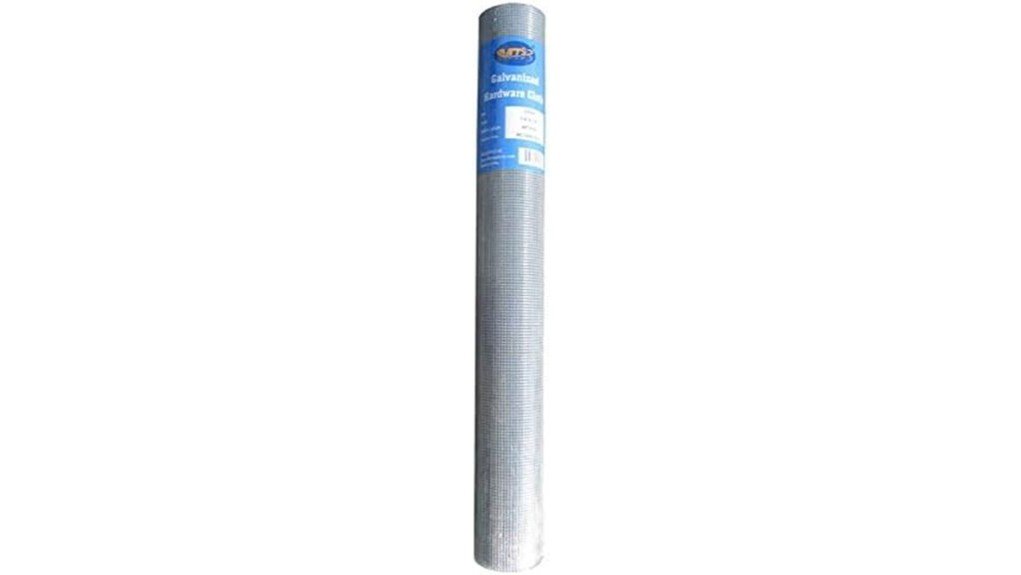
The link on this page goes to a galvanized hardware cloth listing on Amazon. Mesh opening, wire gauge and roll size change with the variation you pick, and we have not verified every variation. Before ordering, check the listing for the opening size, gauge, roll width and length, and make sure they match your project.
Related Hardware Cloth Reviews
- 1/4 inch hardware cloth, 48 x 100 ft for large jobs and tall barriers.
- Black vinyl-coated 1/4 inch hardware cloth for a coated finish.
- 1/2 inch, 19-gauge hardware cloth, 16 in x 25 ft for low barriers and skirts.
- 4 inch hardware cloth strip for narrow gaps and repairs.
Frequently Asked Questions
What tools do you need to cut and install hardware cloth?
Wire cutters or tin snips for cutting, a heavy-duty staple gun or screws with washers for fastening, a tape measure, and gloves and eye protection. Cut ends are sharp, so protective gear matters.
Can hardware cloth be painted?
Yes. Galvanized steel needs a primer made for galvanized metal before paint, or the paint may peel. Paint does not add strength, so treat it as cosmetic.
Is hardware cloth safe for pets and small animals?
It can be, if the edges are folded or covered and the mesh is firmly attached. Sharp cut ends and sagging mesh are the main risks, so inspect the installation regularly.
How do you store unused hardware cloth?
Roll it tightly, tie it with wire or zip ties, and keep it dry and off the ground so it does not rust or bend.
Can hardware cloth be used indoors?
Yes. People use it for storage dividers, pest screens and craft projects. Cover or fold cut edges where people or pets can touch them.