Disclosure: As an Amazon Associate, we earn from qualifying purchases. If you click a link on this page and make a purchase, we may receive a small commission at no extra cost to you.
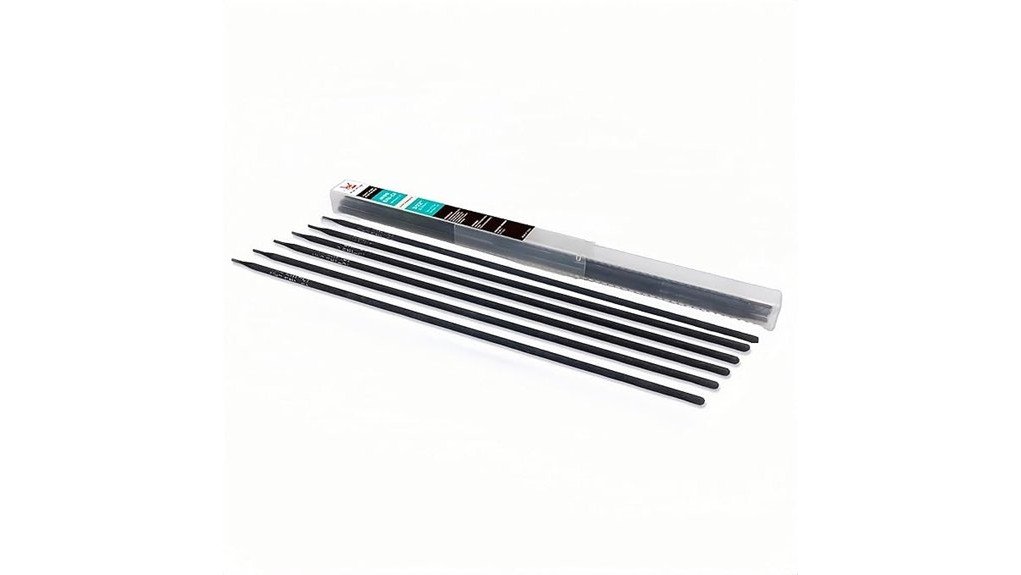
Cast iron repair is tricky because the part can crack, distort, or become hard to machine if you use the wrong rod. The ENi-CI Nickel Cast Welding Electrode Rods are made for joining and repairing cast iron with soft, machinable weld metal. This review helps you decide if these 12-inch, 3/32-inch nickel rods are the right choice for broken castings, thin cast iron sections, and small repair jobs. They are a practical option when you want a cleaner repair, but they still require careful prep, controlled heat, and proper welding technique.
Quick Verdict
Rating: 8/10, recommended with caveats
Best For: Repairing thin cast iron, correcting casting defects, and joining normal cast iron sections.
Bottom Line: These ENi-CI rods make sense if you need a nickel electrode that leaves a soft, machinable weld. The tradeoff is that cast iron repair still depends heavily on prep, heat control, storage, and compatibility with the exact base metal.
| Specification | Detail |
|---|---|
| Product name | ENi-CI Nickel Cast Welding Electrode Rods |
| Product type | Cast iron welding electrode rods |
| Welding classification | ENi-CI |
| Rod length | 12 inches |
| Rod diameter | 3/32 inch |
| Material | Pure nickel, based on the article details |
| Standards listed | AWS A5.15 ENi-CI and EN ISO 1071 |
| Best use | Joining cast iron, repairing broken cast iron parts, and correcting casting defects |
| Weld metal finish | Soft and machinable |
| Surface condition | Works on cold or slightly preheated cast iron surfaces, based on the article details |
| Storage note | Keep rods dry and cool to reduce moisture absorption before welding |
What Are ENi-CI Nickel Cast Welding Electrode Rods?
ENi-CI Nickel Cast Welding Electrode Rods are stick welding rods made for cast iron repair and joining work. The article identifies these rods as 12 inches long, 3/32 inch in diameter, and made with pure nickel. That size is useful for controlled repair work where you need a smaller rod that can fit thin or detailed cast iron sections.
The main benefit is the soft, machinable weld metal. After the repair, you may need to grind, shape, drill, or machine the welded area so the part fits back into service. A weld that is too hard can make that finish work difficult, so machinability matters on cast housings, brackets, thin parts, and defect repairs.
These rods are not a shortcut for poor fit-up or rushed cast iron welding. You still need clean metal, proper joint prep, careful arc control, and a cooling plan that fits the part. When those basics are handled well, this electrode type can help you make a stronger and cleaner repair.
Before You Buy: The article does not confirm package count, amperage range, polarity, or a brand name. Check the live Amazon listing and the rod label before you buy so the pack size and welding settings match your machine and repair job.
Who Should Buy It?
Best For
- You repair normal cast iron parts and want a nickel rod with machinable weld metal.
- You need a 3/32-inch electrode for smaller repairs, thin sections, or more controlled beads.
- You are fixing casting defects, cracks, or broken cast iron pieces where finishing the weld matters.
Skip If
- You need verified amperage, polarity, or pack count before ordering and cannot confirm it on the listing.
- You are welding a material other than cast iron and have not checked electrode compatibility.
- You need a repair that should be handled by a certified welder or machine shop due to load, safety, or precision requirements.
Product Features and Specifications
The key specification is the ENi-CI classification, which the article ties to cast iron joining and repair. These rods also list AWS A5.15 ENi-CI and EN ISO 1071 compliance, which helps you match the electrode type to cast iron applications. For a buyer, those details matter more than broad claims because they tell you the rod is intended for this repair category.
The 12-inch length is common enough for handling during stick welding, while the 3/32-inch diameter gives you more control than a larger rod on small or thin cast iron areas. That can be helpful when you are filling a defect or repairing a broken edge without adding too much heat too quickly. The smaller diameter also makes the rod easier to use in tighter repair zones.
The article describes the weld metal as soft and machinable. That is one of the biggest reasons to choose this style of electrode for cast iron. If the repair area must be shaped after welding, machinability can save time and reduce frustration during final cleanup.
Materials and Build Quality
These rods are described as pure nickel electrodes. Nickel is commonly valued in cast iron repair because it can help create a more workable weld deposit than many general-purpose rods. In practical terms, that means the finished bead should be easier to dress, machine, or blend into the original casting.
The rod coating and exact operating settings are not confirmed in the article. That means you should not guess at amperage or polarity from this review alone. Use the product label, seller details, and your welder manual before striking an arc.
Cast Iron Compatibility
The article positions these rods for normal grades of cast iron, broken cast iron parts, thin cast iron sections, and casting defects. That makes them most relevant for repair work rather than general fabrication. You might use them when a cast part needs to be restored instead of replaced.
Compatibility still depends on the exact casting. Old cast parts may contain oil, carbon, rust, paint, or unknown alloys. Clean the joint well, test on scrap when possible, and use a repair method that fits the part size and service load.
Pro Tip: Before you weld the final part, run a short test bead on a similar cast iron scrap if you have one. It helps you confirm bead control, heat input, and cleanup before you commit to the repair.
Machinable Weld Metal
A cast iron repair is often only useful if the repaired area can be finished afterward. These ENi-CI rods are designed to leave soft, machinable weld metal, which is helpful when the part has a flat mating surface, bolt hole, edge, or shaped profile. You can plan the repair with finishing in mind instead of just trying to fill the break.
That said, machinable does not mean effortless. Your result still depends on cleanliness, bead placement, heat control, and cooling. A rushed repair can still crack, become uneven, or require extra grinding.
How It Performs in Real Use
For Broken Cast Iron Parts
For broken parts, these rods make the most sense when the pieces fit back together cleanly and the repair area can be prepared properly. The 3/32-inch diameter gives you a controlled bead for smaller breaks. The machinable weld metal can also help if you need to smooth the repaired area after welding.
For Casting Defects
For casting defects, the rod is useful when you need to fill a flaw without making the repair harder than the surrounding part. Small pits, voids, or damaged edges still need proper cleaning before welding. You should also avoid piling on too much weld metal in one pass.
For Thin Cast Iron Sections
Thin cast iron can be unforgiving because heat builds quickly. A 3/32-inch rod gives you better control than a larger electrode, but it does not remove the need for careful heat management. Short beads, clean prep, and patient cooling are still important.
For Outdoor Repairs
The article notes that outdoor use is possible when you protect the weld area from wind and moisture. That matters because wind can disturb shielding and moisture can affect both the electrode and the base metal. If conditions are damp, dirty, or windy, move the repair indoors or create a protected work area.
How to Use It Correctly
Start by cleaning the cast iron until the repair area is free of rust, oil, paint, and loose contamination. Cast iron can hold oil and debris in the surface, so quick brushing may not be enough for an older part. Better prep gives the weld a better chance of bonding cleanly.
Fit the pieces before welding so you are not using the electrode to bridge a poorly aligned break. Keep the bead controlled, avoid excess heat, and let the part cool in a way that fits the repair method you are using. If the part is valuable, safety-related, or under heavy load, get help from a qualified welder or machine shop.
Store unused rods in a dry, cool place. The original article warns that moisture can hurt performance, so avoid leaving rods open in humid shops, garages, or outdoor storage boxes. If the seller or rod package gives storage instructions, follow those first.
Safety and Material Notes
Welding cast iron can expose you to heat, arc radiation, fumes, sparks, and flying slag. Use proper eye protection, welding gloves, flame-resistant clothing, and ventilation. Keep flammable items away from the repair area and use a safe work surface.
Do not weld on parts that may contain fuel, oil, sealed pressure, or unknown hazardous residue unless they have been cleaned and made safe by a qualified person. Castings from vehicles, pumps, machinery, stoves, and industrial equipment may carry hidden risks. When in doubt, stop and verify the part before welding.
Also check compatibility before mixing welding materials. A mismatched electrode can lead to poor bond quality, cracks, or a repair that fails when the part returns to service. The product is aimed at cast iron, so do not treat it as a universal rod for every metal.
Pros and Cons
Pros
- ENi-CI classification is suited to cast iron repair and joining work.
- 3/32-inch diameter is useful for smaller repairs and thin cast iron sections.
- Soft, machinable weld metal helps when the repaired area needs finishing.
- Article lists AWS A5.15 ENi-CI and EN ISO 1071 standards.
- Can be used on cold or slightly preheated surfaces when the repair method supports it.
Cons
- Package count, amperage range, and polarity are not confirmed in the article.
- Not a universal welding rod for every metal or every cast iron repair.
- Requires clean prep, correct storage, and careful heat control to avoid poor results.
Is It Worth the Price?
These rods are worth considering if you need a nickel electrode for cast iron repair and care about machinable weld metal. They are better for buyers who want a repair-focused rod instead of a general-purpose stick electrode. The value is strongest when you are repairing a part that would be costly or difficult to replace.
The limitation is that the article does not confirm the live package count or detailed welding settings. That means the actual value depends on what the Amazon listing includes at the time you order. Check the quantity, label details, and seller information before deciding.
How It Compares to Alternatives
Compared with general-purpose welding rods, ENi-CI nickel rods are more specialized for cast iron repair. That focus is useful when you need machinability and a cleaner repair on cast material, but it may not be the cheapest path for simple non-cast jobs.
Other cast iron electrode types may make sense for different repair goals, especially when strength, cost, or machinability is the top priority. The ENi-CI Nickel Cast Welding Electrode Rods make the most sense if your main goal is a cast iron repair with weld metal that can be finished after welding.
Frequently Asked Questions
What are ENi-CI Nickel Cast Welding Electrode Rods used for?
They are used for joining cast iron, repairing broken cast iron parts, and correcting casting defects. The article also points to thin cast iron sections as a good fit because the 3/32-inch diameter gives you more control.
Are these rods machinable after welding?
Yes, the article describes the weld metal as soft and machinable. That is helpful when the repaired surface needs grinding, shaping, drilling, or other finish work after the weld cools.
Can you use these rods on cold cast iron?
The article says these rods can perform on cold or slightly preheated surfaces. Even so, heat control matters with cast iron, so follow the rod label, your welding procedure, and professional guidance for the specific part.
How should you store ENi-CI electrode rods?
Store them in a dry, cool place and protect them from humidity. Moisture can reduce electrode performance, so avoid leaving rods open in damp garages, outdoor sheds, or unsealed toolboxes.
Can these rods be used outdoors?
They can be used outdoors if the weld area is protected from wind and moisture. If wind, dampness, or dirt affects the arc or the repair area, move the work to a cleaner and more controlled space.
What safety gear should you use with these welding rods?
Use a welding helmet, gloves, flame-resistant clothing, and proper ventilation. Keep sparks away from flammable materials and do not weld contaminated or sealed parts unless they have been made safe.
Who should skip these rods?
Skip them if you need a rod for non-cast materials, if you cannot confirm the welding settings you need, or if the repair is safety-critical and should be handled by a professional. They are made for a specific cast iron repair use case, not every welding job.
The Bottom Line
The ENi-CI Nickel Cast Welding Electrode Rods are a good fit if you repair cast iron and want a 12-inch, 3/32-inch nickel rod with soft, machinable weld metal. They are best for cast iron joining, thin sections, broken parts, and defect repair, but they are not ideal if you need verified package count, amperage, or polarity details before ordering.
Ready to Buy?
Check the latest product details, pack size, and rod label information before you decide.