Last Updated: July 23, 2026.
Affiliate Disclosure: As an Amazon Associate I earn from qualifying purchases. This article contains paid links, and we may earn a commission at no extra cost to you.
Cast iron can crack when welding heat and cooling are not controlled. An ENiFe-CI Nickel 55 electrode is designed for many cast iron repair jobs and can also suit certain cast iron-to-steel joints. However, the correct rod, polarity, amperage, preheat method, bead length, and cooling procedure depend on the electrode instructions and the type and condition of the casting.
This guide compares compact 3/32-inch packs, a larger 1/8-inch option, and 1-pound and 2-pound packages. It will help you choose a Nickel 55 cast iron welding rod based on repair size, rod control, storage needs, and how often you weld.
Quick Verdict: WeldingCity ENiFe-C1 is the most balanced option for common repair work because the linked 3/32-inch, 12-inch format is easy to match to small and medium repairs. Choose Fox Alloy 1/8-inch when you need a larger electrode for thicker sections. Choose Blue Demon or STARTECHWELD when you want more rods for repeated maintenance work.
Important: Do not weld a safety-critical, load-bearing, pressure-containing, or valuable casting unless you can identify the material and follow a qualified repair procedure.
Quick Picks: Best Nickel 55 Cast Iron Welding Rods
| Category | Product | Best For | Format |
|---|---|---|---|
| 🏆 Best Overall | WeldingCity ENiFe | Small to medium repairs | 3/32 in. x 12 in.; 5-piece option |
| 💰 Best Bulk Supply | STARTECHWELD NI55 | Frequent maintenance work | 3/32 in.; 2 lb package |
| 🎯 Best Compact Pack | Fox Alloy ENiFe | Occasional small repairs | 3/32 in.; compact package |
| ⭐ Best for Thicker Sections | Fox Alloy 1/8 | Higher deposition on heavier parts | 1/8 in. x 14 in.; 5 pieces |
| 🚀 Best 1 lb Tube | Blue Demon ENiFe | Regular repair and restoration work | 3/32 in. x 14 in.; 1 lb tube |
How We Chose These Cast Iron Welding Rods
We kept products that are presented as ENiFe-CI or ENiFe-C1 Nickel 55 stick electrodes for cast iron repair. We compared electrode diameter, rod length, package size, storage format, stated power compatibility, and the type of buyer each option serves.
We did not use unverified Amazon star ratings, review counts, prices, discounts, or availability to rank the products. Those details change frequently. Product variants can also change on a shared listing, so confirm the selected diameter, length, package quantity, polarity, and manufacturer instructions before ordering.
Before You Buy
- Identify the casting: Gray, ductile, malleable, and alloy cast irons can require different repair procedures.
- Choose the diameter: A 3/32-inch electrode usually offers more control on short beads. A 1/8-inch electrode deposits more filler but normally needs more current.
- Check your welder: Confirm the recommended polarity and amperage on the package or manufacturer data sheet.
- Plan the repair: Joint preparation, preheat or no-preheat procedure, short beads, peening, interpass control, and slow cooling may all affect cracking risk.
- Consider machinability: Nickel 55 deposits are generally harder to machine than high-nickel Nickel 99 deposits.
- Avoid risky DIY repairs: Use a qualified welding professional for pressure parts, lifting equipment, steering or braking parts, structural components, and valuable castings.
Product Reviews
Why you may like it: The smaller 3/32-inch diameter is easier to place on short beads and small repair areas than a larger electrode. The compact package also limits leftover stock for buyers who weld cast iron only occasionally.
Who should buy this: Home-shop users working on non-critical small cracks, brackets, stove parts, or similar repairable castings.
Who should avoid this: Buyers who need a large rod supply or a confirmed 1/8-inch electrode for heavier buildup.
Variant Check: Published details for this ASIN are not fully consistent across sales pages. Confirm the current rod length, piece count, package weight, and polarity on Amazon before buying.
Review Data Note
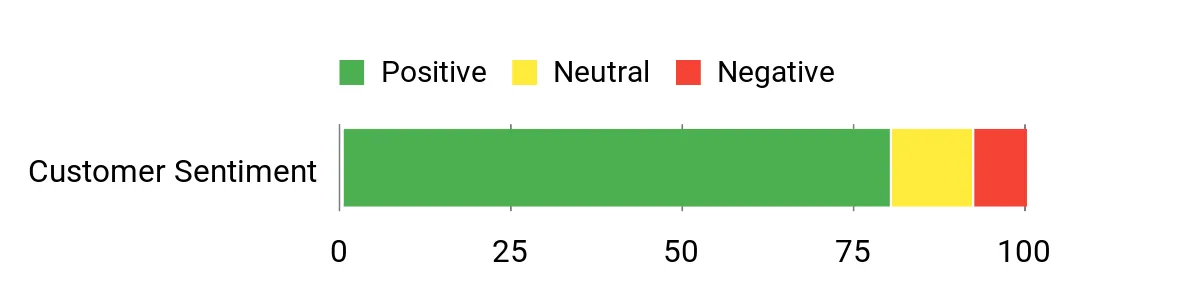
The source article included the sentiment chart below, but its underlying review sample and update date were not independently verified. Use the current Amazon listing to read recent positive and critical reviews before making a decision.
Key Benefits
- ENiFe-CI Nickel 55 electrode type matches the cast iron repair topic
- 3/32-inch diameter supports controlled, short repair beads
- Compact format suits occasional repair work
Check Current Amazon Availability ➜
Why you may like it: A 1/8-inch electrode can deposit filler faster than a 3/32-inch rod, which may help on thicker sections and moderate buildup. The five-piece format remains practical for buyers who do not need a full tube.
Who should buy this: Welders whose machine and repair procedure support a larger 1/8-inch electrode.
Who should avoid this: Beginners working on small cracks or low-amperage machines that are better matched to a smaller electrode.
Technique Note: More rod diameter does not make a repair automatically stronger. Use the recommended polarity and current, and control heat input according to the electrode data and casting condition.
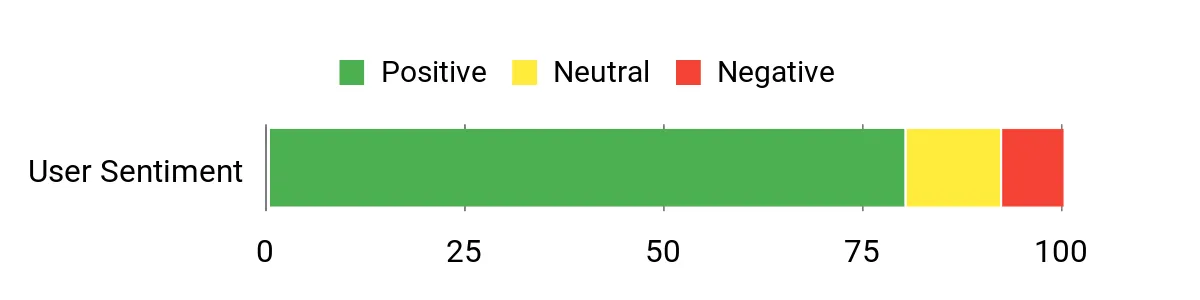
Review Data Note
The source article included the chart below. Because the current review count, rating, and sentiment sample can change, verify recent customer feedback directly on the linked product page.
Key Benefits
- 1/8-inch diameter for higher filler deposition
- 14-inch rod length and compact five-piece package
- ENiFe-CI classification is relevant to gray, ductile, and other suitable cast iron repairs
Check Current Amazon Availability ➜
Why you may like it: The tube format is easier to organize and protect than loose rods. The 3/32-inch diameter also suits controlled short beads, while the 1-pound quantity supports repeated repairs.
Who should buy this: Restoration users, maintenance teams, and home shops that expect to perform more than one cast iron repair.
Who should avoid this: Buyers who need only a few rods for a single small project.
Machining Note: Nickel 55 weld deposits are commonly described as moderately hard. Confirm the manufacturer procedure before planning post-weld machining.
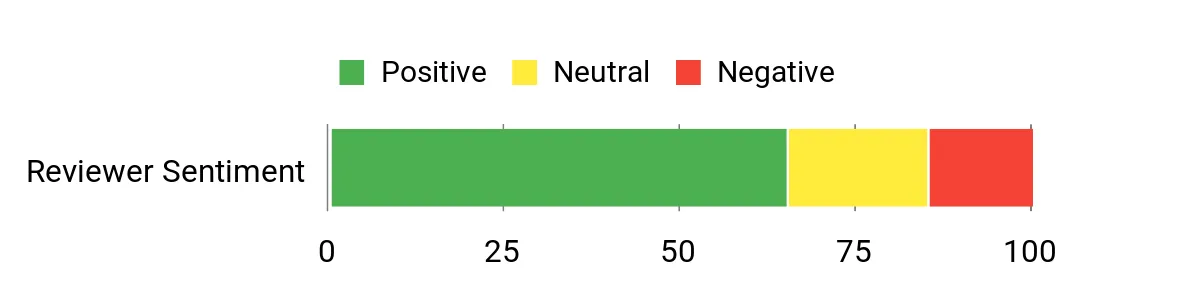
Review Data Note
The chart below was part of the source article. Treat it as a historical snapshot only because the source did not document the review sample, date, or analysis method.
Key Benefits
- 3/32-inch by 14-inch format supports controlled repair beads
- 1-pound tube provides a larger supply and cleaner storage
- Nickel 55 electrode type is intended for suitable cast iron repair work
Check Current Amazon Availability ➜
Why you may like it: The common 3/32-inch size gives you control without committing to a large package. The manufacturer lists ENiFe-C1 for joining and surfacing several cast iron types and for some dissimilar-metal work.
Who should buy this: Buyers who want a straightforward starter quantity for common non-critical repair and restoration projects.
Who should avoid this: Shops that need a full pound or more of electrodes for ongoing work.
Welder Check: The product line is offered for AC/DC use, but confirm the selected Amazon variant and package instructions before setting polarity or amperage.
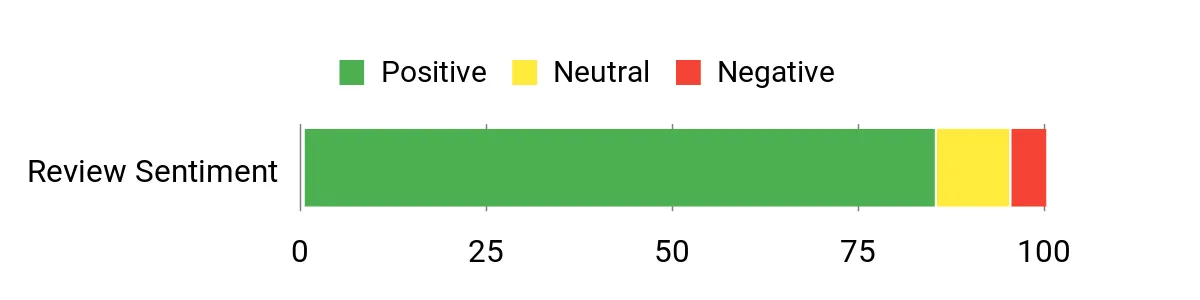
Review Data Note
The source article included the chart below without a documented review-analysis method. Check recent reviews for arc behavior, packaging condition, and whether the received size matches the selected variant.
Key Benefits
- Verified manufacturer format of 3/32 inch by 12 inch for the five-piece option
- Small package suits occasional repairs and practice work
- ENiFe-C1 Nickel 55 classification matches the article’s buyer intent
Check Current Amazon Availability ➜
Why you may like it: A 2-pound package reduces reordering when you regularly repair cast iron equipment, housings, tools, or restoration parts. The 3/32-inch diameter remains useful for controlled beads.
Who should buy this: Maintenance users and workshops that expect repeated Nickel 55 jobs and have dry electrode storage.
Who should avoid this: Occasional users who need only a few electrodes or buyers who have not confirmed that their welder supports the listing’s required settings.
Listing Check: The original comparison table incorrectly showed a 5-pound item weight. The linked offer is presented as a 2-pound package. Confirm the selected diameter, rod length, package weight, and polarity before ordering.
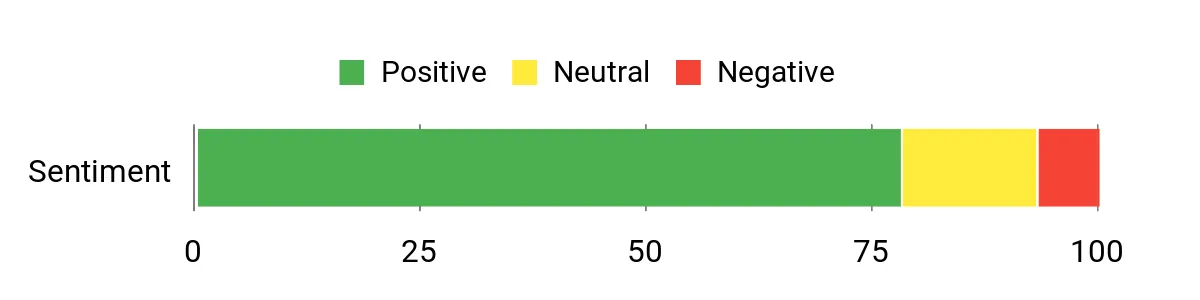
Review Data Note
The chart below came from the source article, but the current Amazon rating and review count were not used in this ranking. Read recent reviews and confirm that buyers received the same package variant shown on the listing.
Key Benefits
- 2-pound package supports repeated maintenance and shop use
- 3/32-inch diameter offers control for short repair beads
- Nickel 55 electrode type fits the intended cast iron repair category
Check Current Amazon Availability ➜
How to Choose the Right ENiFe-CI Rod
3/32 Inch vs. 1/8 Inch
Choose 3/32 inch when you want finer control, lower filler deposition, and shorter beads on small or medium repair areas. Choose 1/8 inch when the casting is thick enough, your machine can supply the required current, and the approved procedure calls for more deposition.
Small Pack vs. Bulk Package
A five-piece or compact pack makes sense for one repair, practice work, or occasional garage use. A 1-pound tube or 2-pound package makes more sense for maintenance work, restoration projects, and shops that can keep electrodes clean and dry.
Nickel 55 vs. Nickel 99
Nickel 55 contains substantial iron and is commonly selected when strength, compatibility with heavier castings, and resistance to hot cracking matter. Nickel 99 is usually preferred when easier post-weld machining is the main priority. Match the filler to the casting and repair procedure instead of choosing only by nickel percentage.
Polarity and Amperage
Do not assume every Nickel 55 rod uses the same settings. Check the exact electrode package or manufacturer data sheet. Diameter, coating, brand, and machine type can change the recommended polarity and amperage range.
Repair Procedure
Remove oil, paint, rust, carbon, and damaged metal before welding. Prepare the joint, control heat input, use short beads, and follow the electrode manufacturer’s guidance for preheat, interpass temperature, peening, and cooling. Some products allow cold or slightly preheated work, while other procedures specify a minimum preheat.
FAQ
What does ENiFe-CI mean?
ENiFe-CI is an AWS classification for a nickel-iron covered electrode used for suitable cast iron welding and repair. Product pages may also display ENiFe-C1 or ENiFe-Cl because the final characters are sometimes typed inconsistently. Confirm the actual AWS classification on the package or data sheet.
Which Nickel 55 cast iron welding rod should you choose?
Choose by diameter, package size, machine compatibility, and repair procedure. A 3/32-inch rod is a practical starting point for controlled short beads. A 1/8-inch rod is better when a thicker section and approved settings call for more filler deposition.
Does cast iron always need preheat?
No single preheat rule fits every casting or electrode. Some ENiFe-CI procedures allow cold or slightly preheated welding, while other manufacturer data sheets specify a minimum preheat and interpass temperature. Follow the instructions for the exact rod and casting.
Can ENiFe-CI rods join cast iron to steel?
Many ENiFe-CI electrodes are intended for joining suitable cast irons to mild steel. Dissimilar-metal welding still needs careful joint preparation, heat control, bead placement, and a procedure that accounts for the different base metals.
Can you machine a Nickel 55 weld?
Nickel 55 deposits are commonly moderately hard and may require carbide tooling. When easy machining is essential, compare Nickel 99 options and the manufacturer’s machinability guidance before choosing a filler.
Are Nickel 55 rods good for beginners?
A beginner can practice with a 3/32-inch rod on scrap cast iron, but important repairs require more than basic stick-welding skill. Correct material identification, joint preparation, temperature control, bead length, and cooling are critical.
How should you store cast iron welding rods?
Keep electrodes dry, clean, and protected from damaged flux. Follow the manufacturer’s storage and reconditioning instructions rather than applying a generic oven temperature to every brand.
Decision Factors Welders Compare
Diameter, package size, polarity, rod condition, machinability, and the repair procedure matter more than an unverified star score. A smaller pack reduces waste for occasional work, while a tube or bulk package improves convenience for repeated jobs.
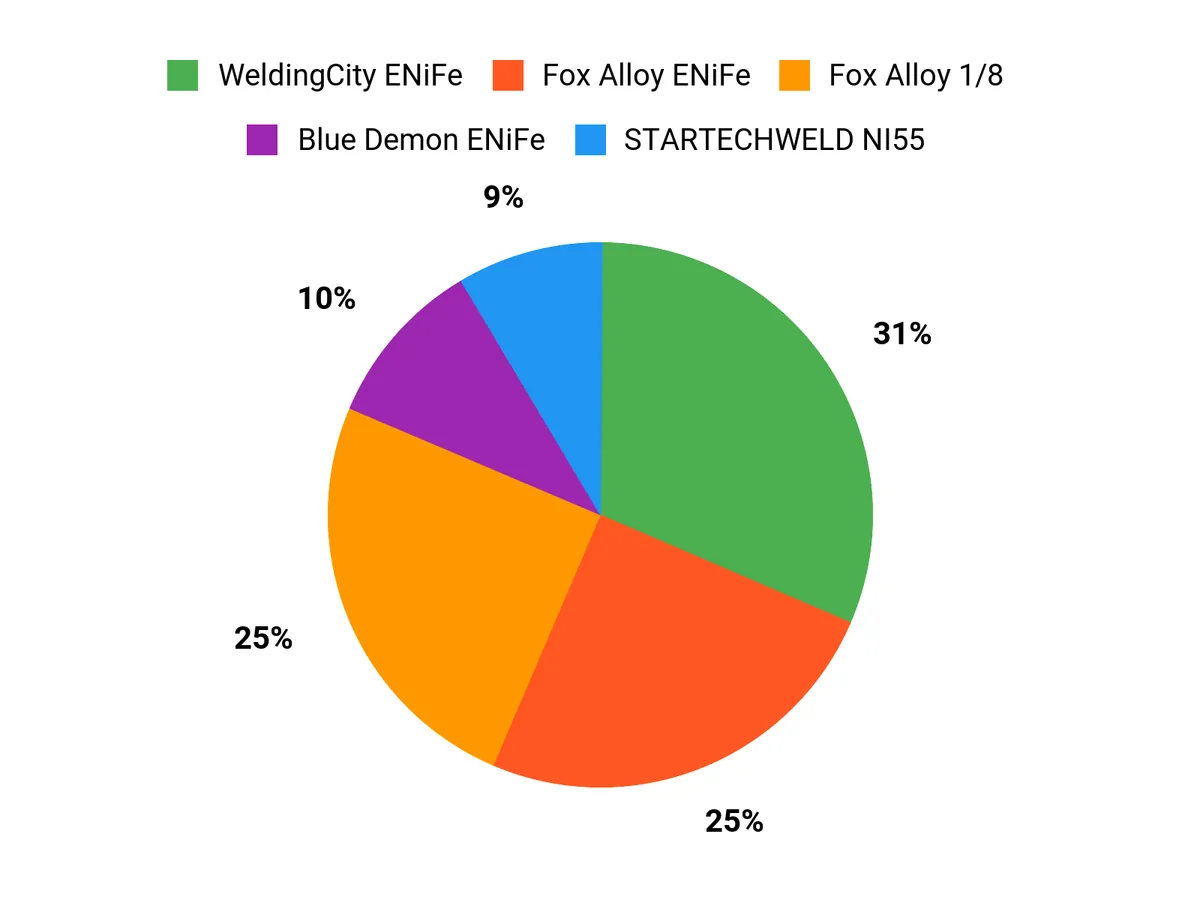
The existing chart below is retained from the source article. Its methodology and freshness were not independently verified, so use it only as a visual reference.
Final Verdict
Best Overall: WeldingCity ENiFe is the most balanced choice for buyers who want a documented 3/32-inch by 12-inch, five-piece Nickel 55 option for common repair work.
Best for Thicker Sections: Fox Alloy 1/8-inch is the better fit when your procedure and welder support a larger electrode.
Best for Frequent Use: Blue Demon offers a 1-pound tube, while STARTECHWELD offers the largest package in this comparison.
Before ordering, open the linked listing and confirm the selected variant, diameter, rod length, package quantity, polarity, and manufacturer instructions. The electrode matters, but cast iron repair success also depends on material identification, joint preparation, heat control, bead technique, and controlled cooling.
| Product Name | Image | Best For | Size / Package | Power Guidance | Amazon |
|---|---|---|---|---|---|
| ENiFe-CI Nickel 55 Cast Iron Welding Electrode Rods (3/32 in.) |
 |
Compact, occasional repairs | 3/32 in.; verify current count and length | Confirm selected listing and package | View on Amazon |
| Fox Alloy ENiFe-CI Nickel 55 Rods (1/8 in.) |
 |
Thicker sections and more deposition | 1/8 in. x 14 in.; 5 pieces | Confirm package amperage and polarity | View on Amazon |
| Blue Demon ENiFe-CI Nickel 55 Tube |
 |
Regular repair and restoration work | 3/32 in. x 14 in.; 1 lb tube | Check the package data before setup | View on Amazon |
| WeldingCity ENiFe-C1 Nickel 55 Rods |
 |
Balanced small to medium repairs | 3/32 in. x 12 in.; 5-piece option | Manufacturer lists AC/DC options; verify variant | View on Amazon |
| STARTECHWELD Nickel 55 Cast Iron Repair Rod |
 |
Frequent maintenance and bulk supply | 3/32 in.; 2 lb package | Confirm current listing and package | View on Amazon |