Disclosure: As an Amazon Associate, we earn from qualifying purchases. If you click a link on this page and make a purchase, we may receive a small commission at no extra cost to you.
Uneven fasteners, rounded edges, and slippery workshop parts can make standard pliers feel frustrating. Parrot Pliers try to solve that problem with a curved adjustable jaw, a screw-based adjustment system, and a 10-inch body for added leverage. This review helps you decide if this tool makes sense for carpentry, automotive work, maintenance, and everyday DIY jobs. It offers useful grip flexibility, but it is not the right choice for precision electronics or delicate assembly work.
Quick Verdict
Rating: 8/10 (Recommended with caveats)
Best For: DIY users, mechanics, carpenters, and workshop users who need adjustable gripping control
Bottom Line: Parrot Pliers give you flexible grip control on uneven shapes, worn fasteners, and mixed materials. The tradeoff is that the 1.2-pound weight and broad gripping design make them less useful for fine precision work.
| Specification | Detail |
|---|---|
| Product Type | Parrot-style adjustable pliers |
| Listed Length | 10 inches |
| Listed Weight | Approx. 1.2 pounds |
| Jaw Design | Curved adjustable grip for uneven shapes and varied fastener sizes |
| Adjustment System | Screw-based jaw adjustment mechanism |
| Handle Type | Ergonomic grip designed to reduce hand pressure during repeated use |
| Locking Feature | Quick-lock system for one-handed operation after proper alignment |
| Best Use | Workshop repairs, carpentry, general maintenance, and automotive handling tasks |
| Safety Note | Not described as insulated, so do not use on live electrical circuits |
| Care Note | Keep clean, lightly oiled, and stored dry to reduce rust risk |
What Is the Parrot Pliers?
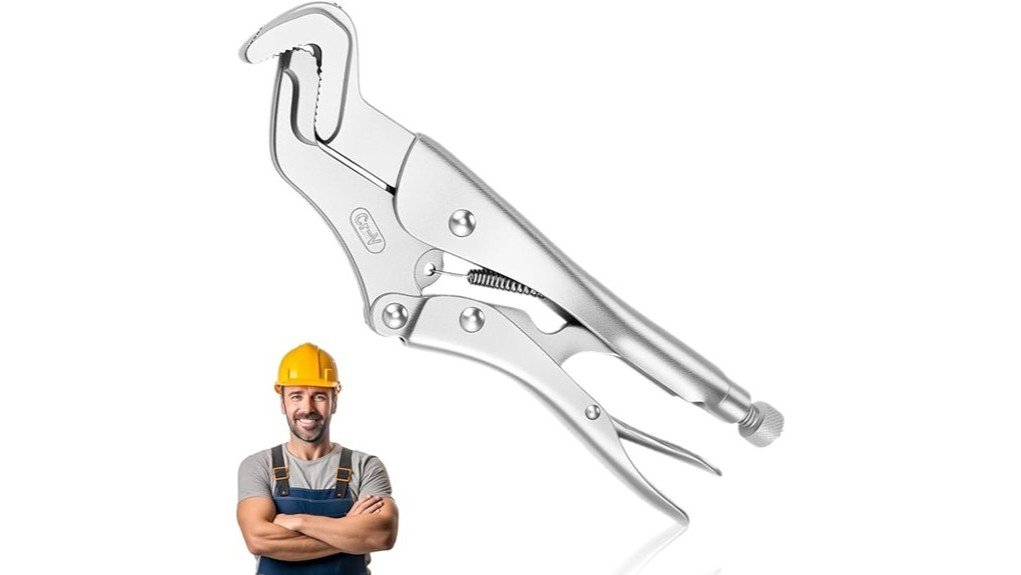
Parrot Pliers are adjustable gripping tools with a curved jaw profile. That shape helps the tool make better contact with irregular parts, including uneven metal edges, mixed materials, and fasteners that standard pliers may not hold well.
The article-supported specs list a 10-inch length and an approximate 1.2-pound weight. That size gives you more leverage than compact pliers, but it can also feel heavier during overhead work or long sessions.
The main selling point is versatility. You can adjust the jaw opening with the screw mechanism, lock the grip once aligned, and use the ergonomic handle when you need steadier control during medium-duty repairs.
Who Should Buy It?
Best For
- DIY users handling mixed home repairs with uneven parts
- Mechanics who need adjustable gripping control in tight work areas
- Carpenters and workshop users who grip wood, metal, and hardware
Skip If
- You need fine-tip pliers for electronics, jewelry, or delicate assembly
- You want a very light tool for long overhead use
- You need insulated pliers for live electrical work
Key Feature Breakdown
Curved Adjustable Jaw
The curved jaw helps the pliers contact rounded, uneven, or awkwardly shaped objects. That makes them more useful than standard straight-jaw pliers when you need to hold worn bolts, small pipes, mixed hardware, or rough workshop materials.
The benefit is control. Instead of relying only on hand pressure, you can shape the jaw opening around the workpiece and reduce the chance of slipping under moderate force.
Screw-Based Jaw Control
The screw adjustment system lets you fine-tune the grip before applying pressure. This matters when you move between different object sizes, because the wrong jaw opening can cause slippage or surface marks.
The tradeoff is speed. You may need to adjust the screw before each new task, so this tool is less convenient when you need rapid, repeated size changes.
Ergonomic Handle Design
The handle is described as ergonomic, which helps reduce pressure points during repeated gripping. That can make a difference during maintenance tasks where you need to hold a part steady while using another tool.
The approximate 1.2-pound weight adds stability and leverage. It also makes the tool less ideal for long overhead work, tight cabinet work, or jobs where you need a pocket-size plier.
Quick-Lock Mechanism
The quick-lock feature supports one-handed operation once the jaw is set correctly. This helps when your other hand is holding a part, stabilizing a panel, or reaching into a tight space.
The lock still depends on alignment. For best results, the jaw should sit squarely on the workpiece before you add torque or pulling force.
Compatibility and Safety Notes
Parrot Pliers fit general gripping tasks, not every specialized job. They can help with metal, wood, and some plastics when you use the correct pressure, but softer surfaces may mark if you clamp too hard.
The article does not verify insulated handles or electrical safety certification. Do not use this tool on live circuits, and choose properly rated insulated tools for electrical work.
For delicate parts, use a more precise tool. Needle-nose pliers, electronics pliers, or padded-jaw tools are better when you need fine control or need to protect finished surfaces.
How It Performs in Real Use
For Workshop Repairs
The adjustable jaw helps grip worn bolts, uneven metal edges, and small parts that standard pliers may not hold well. The 10-inch body gives you useful leverage for medium-duty repairs without moving into heavy clamping-tool territory.
For Carpentry Work
It can hold wood fixtures, mixed hardware, and rough materials while you align or loosen parts. Use lighter pressure on soft wood, painted surfaces, or finished trim because the jaw can leave marks.
For Automotive Tasks
The quick-lock function helps stabilize small components during loosening or tightening. It works best as a holding and positioning tool in tight engine spaces, not as a full replacement for locking pliers or specialty automotive tools.
For General DIY Use
For home repairs, the main advantage is tool flexibility. One adjustable plier can handle several gripping tasks, which is helpful when you do not want to switch between multiple pliers for a small repair.
For Tight or Overhead Work
The 10-inch size improves leverage, but the listed 1.2-pound weight may feel bulky in awkward positions. If most of your jobs happen inside small electronics, cabinet corners, or overhead spaces, a lighter compact tool may feel easier to control.
How to Use It Correctly
Start by adjusting the screw until the jaw fits the workpiece closely. The pliers should contact the surface evenly before you add pulling, twisting, or holding force.
Use only enough pressure to hold the part securely. Over-tightening can mark soft wood, plastic, painted parts, or thin metal.
After use, wipe dirt and moisture from the jaw and moving parts. A light oil on the adjustment mechanism can help reduce rust and keep the screw action smoother during storage.
Before You Buy: These pliers are built for adjustable gripping, not precision electronics, delicate assembly, or live electrical work. Choose a specialized tool when the task needs fine tips, insulation, or protected jaws.
Pro Tip: Set the jaw slightly tighter than your first guess, then test the grip gently before applying full force. This helps reduce slipping without over-clamping the surface.
Pros and Cons
Pros
- Curved jaw improves grip on irregular shapes and worn fasteners
- Screw-based adjustment helps match the jaw to different object sizes
- Quick-lock system supports one-handed holding after alignment
- Ergonomic handle helps reduce hand pressure during repeated use
- 10-inch length gives useful leverage for medium-duty repairs
Cons
- Approx. 1.2-pound weight may feel heavy during long overhead work
- Requires jaw adjustment when switching between different sizes
- Not suitable for fine electronics, delicate parts, or live electrical work
Is It Worth the Price?
Parrot Pliers sit in the mid-range category for adjustable gripping tools based on the article’s positioning. They make the most sense if you want one tool for mixed repair tasks instead of a narrow-use precision plier.
You get the most value if your work often involves uneven shapes, worn fasteners, small pipes, or mixed workshop materials. The adjustable jaw and quick-lock mechanism help reduce tool changes during common repairs.
It is not the best fit if you already own specialized pliers for precision tasks. In that case, this tool works better as a general gripping add-on than as your only plier.
How It Compares to Alternatives
Compared to standard slip-joint pliers, Parrot Pliers offer more controlled gripping on uneven shapes. Compared with locking pliers, they are easier to fine-tune, but they do not provide the same extreme clamping force.
If you need precision, needle-nose pliers are the better choice. If you need maximum clamping pressure, locking pliers make more sense. Parrot Pliers fit between those options for flexible, medium-duty grip control.
Frequently Asked Questions
What are Parrot Pliers best used for?
They are best for adjustable gripping tasks in workshops, home repairs, carpentry, and automotive maintenance. The curved jaw helps when standard pliers slip on uneven shapes or worn fasteners.
Can Parrot Pliers replace locking pliers?
They can replace locking pliers for some holding and gripping tasks, but not for maximum clamping force. Choose locking pliers when the job requires a very firm locked clamp under high load.
Are they good for beginners?
Yes, the adjustable jaw and quick-lock mechanism are simple enough for beginners. New users should practice setting the jaw tension on scrap material before using the tool on finished parts.
Can they damage wood or plastic?
They can mark soft wood, painted parts, plastic, or finished surfaces if you clamp too hard. Use lighter pressure, test the grip first, or choose a padded-jaw tool for delicate surfaces.
Can Parrot Pliers be used for electrical work?
Use them only for general handling around non-live electrical parts. The article does not verify insulated construction, so choose properly rated insulated pliers for live electrical work.
How do you adjust the jaw correctly?
Set the screw adjustment so the curved jaw fits the workpiece closely before you squeeze or lock the grip. If the jaw sits at an angle, reset it before applying force.
How should you maintain Parrot Pliers?
Wipe off dirt and moisture after use, then store the tool in a dry place. A small amount of light oil on the adjustment screw and moving parts can help reduce rust and stiffness.
The Bottom Line
Parrot Pliers are worth considering if you need a flexible gripping tool for workshop repairs, carpentry, automotive handling, and everyday DIY tasks. Their strongest advantage is the curved adjustable jaw, while the main limitation is that they are not made for delicate precision work or live electrical use. Skip them if you need a lightweight electronics plier, but consider them if you want a practical medium-duty gripping tool.