The right 1/16 inch TIG filler rods depend on the metal: ER70S-6 for mild steel, ER308L for 304 and 304L stainless, and ER4043 for common 6xxx aluminum. All ten rods below are 1/16 inch, which suits thin sheet, tube and small parts where you want fine control over how much filler enters the puddle.
Pick the alloy to match the base metal, then compare pack size and rod count. The details come from each Amazon listing; Garage Welding has not run these products in the shop.
As an Amazon Associate I earn from qualifying purchases. Buying through these links costs you nothing extra.
Top Picks: 1/16 Inch TIG Filler Rods by Metal
|
Use case |
Product |
|---|---|
|
General use |
|
|
For Stainless |
|
|
Starter Pack |
|
|
Budget Mild Steel |
|
|
Most Compact Pack |
|
|
Aluminum Performance |
|
|
Packaged |
|
|
Value Mild Steel |
|
|
Bulk Aluminum |
|
|
Aluminum |
How to Choose 1/16 Inch TIG Filler Rods
- Match the alloy to the base metal. ER70S-6 is a mild steel filler, ER308L matches 304 and 304L stainless, and ER4043 is an aluminum-silicon filler commonly used on 6xxx series aluminum.
- Check the machine. Steel and stainless are normally welded DCEN with argon. Aluminum needs an AC-capable TIG welder, so a DC-only machine will not do the job.
- Think about thickness. A common rule of thumb is to use filler no thicker than the base metal. 1/16 inch fits thin sheet and tube; for thicker joints step up to 3/32 or 1/8 inch.
- Look at length and pack. These are 16 inch rods, which are easier in tight spots than 36 inch rods but leave more stubs. Pack weights run from 2 lb to 5 lb, and some listings sell a count of pieces instead.
- Keep rods clean and dry. Wipe stainless and aluminum rods before use and store them capped.
How These Rods Were Picked
The list uses the titles, sizes, pack sizes and descriptions on the Amazon listings. Garage Welding has not tested these rods, so there are no scores or test results here. Confirm the diameter, length and alloy on the listing before you order.
The 10 TIG Filler Rods Compared

You get a dependable, no-nonsense mild steel filler that behaves the way you expect: steady arc, predictable puddle, and straightforward handling. The 1/16″ diameter is ideal for thin to medium sheet work and the shorter 16″ sticks make hobby tasks and tight spots easier to manage.
If you weld occasionally or keep a small shop supply, these are practical to grab and use, though you should know the shorter length can feel wasteful if you prefer full‑length rods for production work. For general repairs, tacks and practice runs, this is a solid, budget-conscious choice you can rely on.
When To Use
|
Situation |
How It Helps |
|---|---|
|
Hobby Repairs |
You can grab a short stick and patch brackets, frames or small panels without wrestling a long rod, making quick jobs less fiddly. |
|
Thin Sheet Welding |
The 1/16″ diameter gives you finer heat input control so you’re less likely to burn through thin material when you’re laying light beads. |
|
Tacking And Fit-Up |
Shorter rods are easy to place for tacks and hold small workpieces steady while you align parts before final welds. |
|
Learning And Practice |
If you’re building TIG skill, these rods feed predictably and let you focus on technique without getting distracted by inconsistent filler. |
Versatility
You can use these rods across a range of mild steel jobs from light fabrication to maintenance. They aren’t specialized for exotic alloys, but they cover the everyday tasks you’ll run into in a home garage or small shop.
Key Benefits
- Consistent ER70S-6 chemistry for mild steel
- Good arc stability and puddle control
- Short sticks are easier to handle in tight spots
- Accessible option for hobbyists and small shops

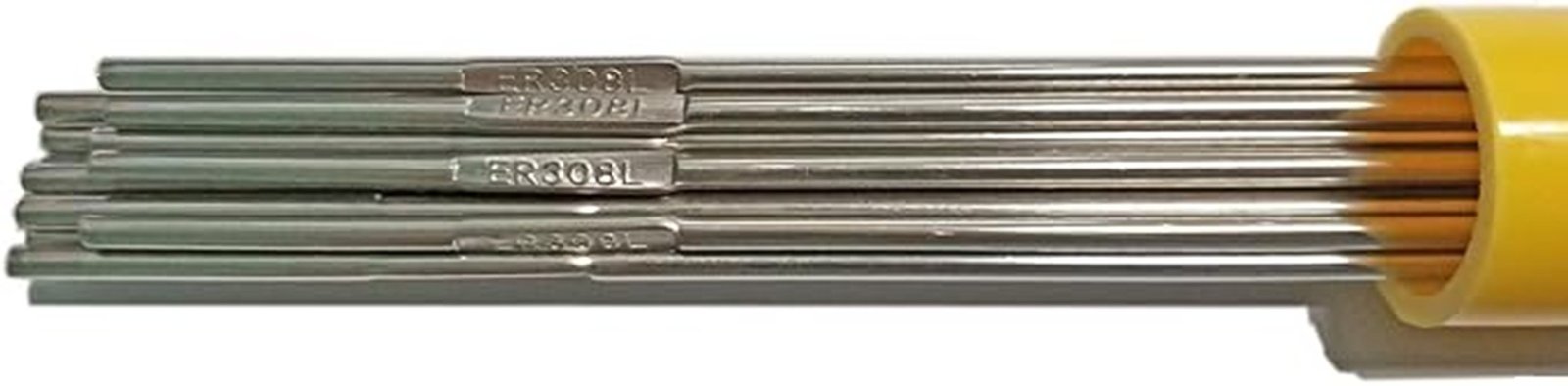
You get stainless-specific filler that’s built to behave predictably when you’re working on 304-series parts. The 1/16″ diameter gives you fine control for thin sheets and tubing, and you should still wipe stainless rods with a clean cloth before use.
They’re a solid fit for workshop repairs, small fabrication jobs, and situations where appearance and corrosion resistance matter. If you need reliable stainless filler that doesn’t fuss, these are worth keeping on hand.
When To Use
|
Situation |
How It Helps |
|---|---|
|
Tube Repairs |
You can get consistent starts and clean joints when fixing stainless tubing thanks to the rod’s straightness and stable arc. |
|
Thin Sheet Work |
The 1/16″ diameter helps control heat input so you’re less likely to warp thin panels while still achieving good fusion. |
|
Small Fabrication |
For brackets, flanges, and brackets where appearance matters, these rods produce neat welds that buff up well. |
|
Detail Projects |
If you make small parts or jewelry-like items, the predictable feed and lack of contamination make cleanup and finishing simpler. |
Versatility
These rods are tuned for 304-series stainless and perform across repair, light fabrication, and detailed work. They’re less useful for non-stainless alloys but cover most stainless needs you’ll encounter in a home shop or small professional setting.
Key Benefits
- Low-carbon ER308L chemistry for corrosion resistance
- Straight, clean rods that feed smoothly
- Good penetration for 304 stainless repairs
- Useful sleeve for organized storage

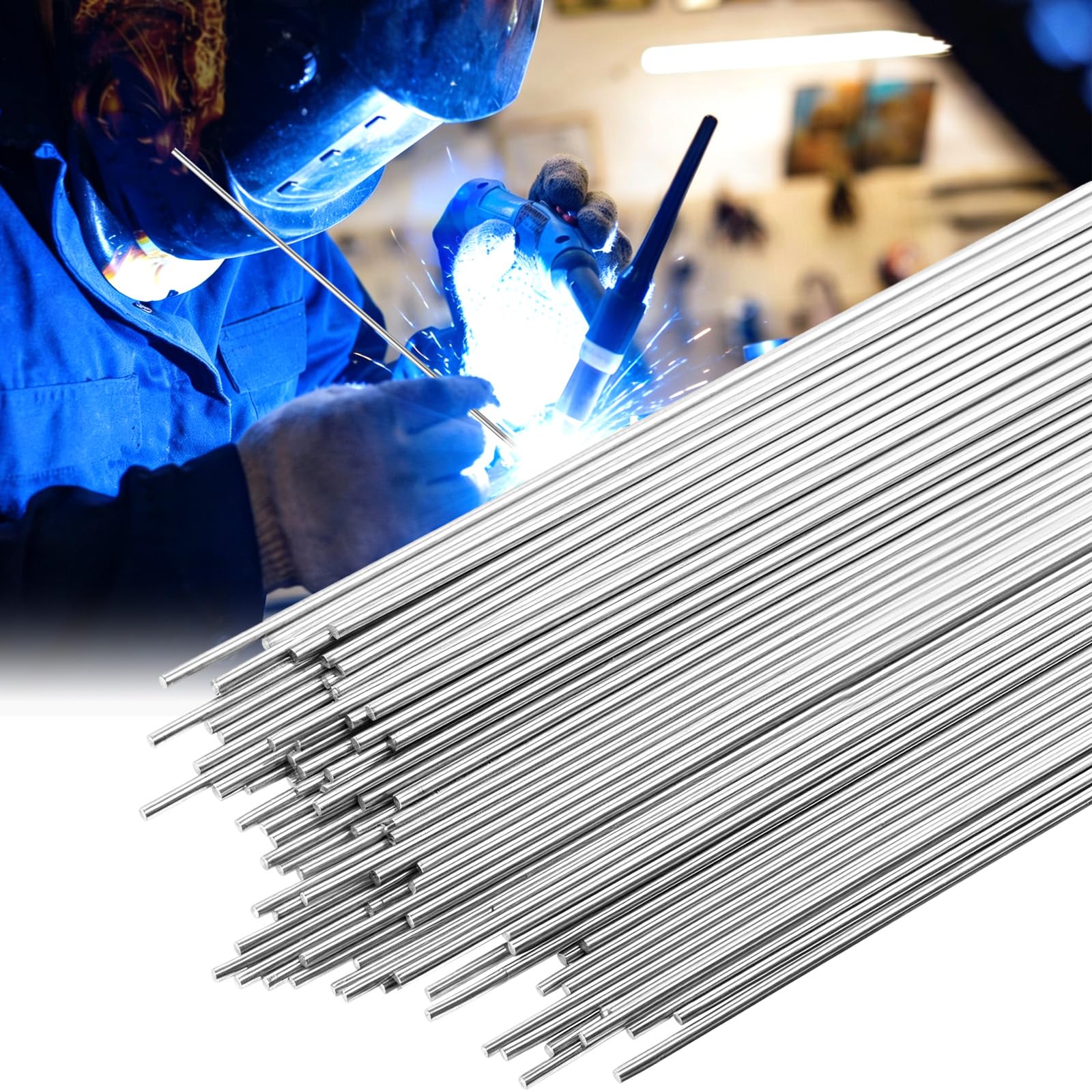
You get a small, tidy pack of ER308L rods that are made for clean stainless work. The 1/16″ diameter helps you manage heat on thin sheet and tubing. Wipe the rods clean before use anyway. They’re ideal when you need precise, low‑heat control for brackets, small repairs, or hobby fabrication, and the compact tube makes them easy to store on a bench.
If you only weld stainless occasionally or you want a no‑fuss pack for detail work, these are a convenient, dependable option.
When To Use
|
Situation |
How It Helps |
|---|---|
|
Thin Sheet Repairs |
You can control heat better with 1/16″ filler, reducing the chance of burn-through on delicate panels. |
|
Tubing Work |
The straight rods and stable feed make it easier to start and finish neat beads on small-diameter stainless tubes. |
|
Detail Fabrication |
When appearance matters, the low-carbon composition helps you lay cleaner beads that buff up well. |
|
Learning TIG |
If you’re practicing technique, consistent feed and predictable puddles make it easier to focus on your motion and control. |
Versatility
Well suited to 304/304L stainless tasks across repairs, light fabrication, and detailed work. Not intended for non-stainless alloys but covers most stainless needs for hobbyists and small shops.
Key Benefits
- Low-carbon ER308L for 304 and 304L stainless
- Stable arc and smooth feed on 304 stainless
- 1/16″ size gives fine heat control for thin metals
- Compact pack keeps rods organized and accessible

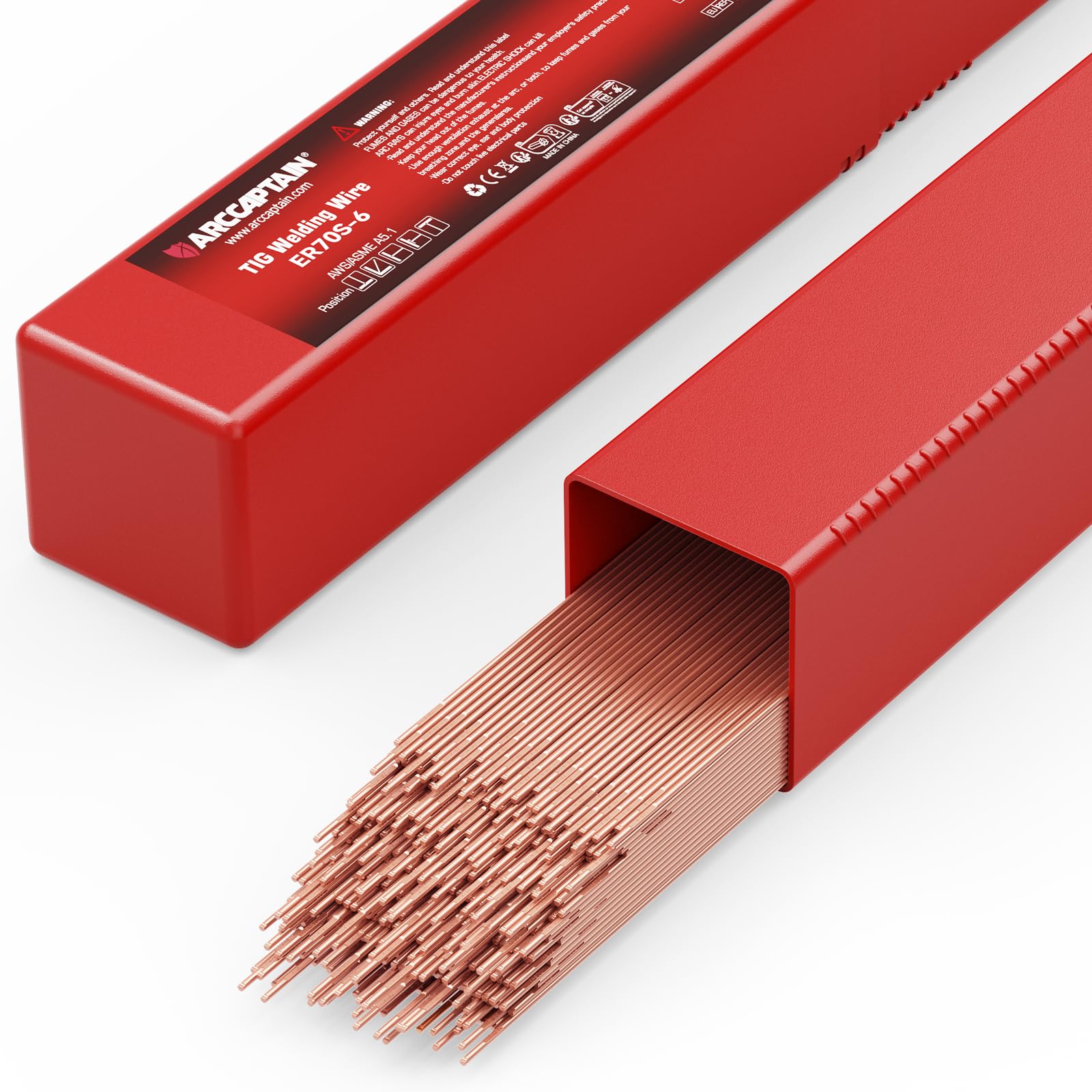
You get a dependable ER70S-6 filler that covers everyday mild steel repairs and light fabrication. The 1/16″ diameter gives you finer heat control for thinner metal and the 16″ sticks are easier to handle in cramped spaces. These rods feed consistently, produce predictable puddles, and work well for tacks, patching, and bench projects. If you keep a small shop or tackle occasional TIG jobs, they’re a practical, low-fuss option worth having on hand.
When To Use
|
Situation |
How It Helps |
|---|---|
|
Garage Repairs |
You can grab a rod and patch brackets, mounts or frames without fuss, and the predictable puddle reduces rework. |
|
Thin Sheet Welding |
The 1/16″ diameter keeps heat input lower so you’re less likely to burn through thin panels while still achieving good fusion. |
|
Tacking And Fit-Up |
Short sticks are simple to position for tacks and hold parts steady during alignment. |
|
Skill Building |
Consistent behavior and clean rods let you focus on technique while you practice puddle control and hand speed. |
Versatility
These rods handle a wide range of mild steel tasks from maintenance to light fabrication. They’re not intended for stainless or aluminum, but they cover most daily needs in a home garage or small workshop.
Key Benefits
- ER70S-6 chemistry for reliable mild steel welds
- Consistent feed and stable arc for tidy beads
- 1/16″ size helps control heat on thin material
- Shorter sticks are easier to handle in tight spots

You’ll find these Blulu rods useful for routine garage repairs and light fabrication when you want something that just works. The 1/16″ diameter gives you better heat control on thinner metal, and the shorter 16″ sticks are easier to manage in cramped spots.
They feed smoothly and produce a predictable puddle, so you can focus on your technique rather than fighting the filler. If you’re stocking a small shop or buying filler for hobby projects, these are a straightforward, no‑frills choice to keep on hand.
When To Use
|
Situation |
How It Helps |
|---|---|
|
Quick Garage Fixes |
You can pick up a rod and patch mounts, brackets, or panels quickly without fiddling with long filler. |
|
Tight Access Areas |
Shorter sticks are easier to position in cramped spots, so you spend less time wrestling the rod and more time welding. |
|
Skill Practice |
Predictable feed and stable puddle let you concentrate on improving bead control and torch motion. |
|
Low-Volume Shop Use |
If you don’t consume filler fast, the small 2 lb pack keeps stock on the shelf without excess bulk. |
Versatility
These rods cover a broad range of mild steel tasks from repairs to light fabrication. They aren’t meant for stainless or aluminum, so stick to ER70S-6‑compatible projects.
Key Benefits
- Reliable ER70S-6 chemistry for mild steel
- Smooth feed and steady puddle behavior
- Manageable 16″ length for tight work
- Good option for hobbyists and occasional use

You get an aluminum filler that’s geared toward tidy, low-spatter welding. The 1/16″ diameter is great for precise heat control on thinner pieces, and the rods feed smoothly so you’re less likely to fight the puddle. Whether you’re repairing an aluminum tank, fabricating small brackets, or doing trim work on a project, these rods make finish work simpler.
Keep them in your bench drawer when you need predictable aluminum performance.
When To Use
|
Situation |
How It Helps |
|---|---|
|
Boat And Outdoor Parts |
ER4043 gives corrosion-resistant welds for general outdoor parts. For saltwater or marine use, ER5356 is the more usual choice. |
|
Automotive Panels |
The low-spatter behavior means less grinding and prep after welding body panels and small structural pieces. |
|
Thin-Gauge Projects |
The 1/16″ diameter helps you manage heat so you’re less likely to burn through thin sheet while still getting good fusion. |
|
Detail And Finish Work |
Smooth feed and predictable puddles make it easier to lay neat beads that buff and polish cleanly. |
Versatility
These rods are focused on aluminum work—especially 6xxx series—and excel at repairs, panel work, and light fabrication. They’re not meant for steel or stainless jobs, but for aluminum tasks they’re a reliable, general-purpose choice.
Key Benefits
- Low-splatter formula for easier cleanup
- Good corrosion resistance for outdoor parts
- Consistent, smooth feed for controlled puddles
- Sized for precision on thin aluminum

You get a dependable ER70S-6 filler that’s tuned for everyday mild steel jobs, from patching brackets to light fabrication. The 1/16″ diameter helps you manage heat on thinner materials, and the rods feed smoothly so you can focus on technique instead of fighting the puddle. The listing describes a rugged storage tube that keeps rods ready for the bench, which is handy when you move between jobs.
For general garage work and hobby projects, these strike a good balance between performance and convenience.
When To Use
|
Situation |
How It Helps |
|---|---|
|
Routine Maintenance |
You can handle bracket replacements and cleaned-up repairs with predictable puddles and minimal fuss. |
|
Thin-Gauge Sheet |
The 1/16″ diameter helps keep heat input low so you’re less likely to burn through delicate panels. |
|
Outdoor Or Mobile Work |
The waterproof tube protects rods from moisture when you’re moving between job sites or working outside. |
|
Practice And Skill Building |
Stable feed and consistent behavior make these rods a good choice when you’re dialing in torch control and technique. |
Versatility
Well suited for mild steel repairs, tacks, and light fabrication in home shops and small professional settings. Not intended for stainless or aluminum applications.
Key Benefits
- Low-splatter performance for easier cleanup
- Consistent feed and steady puddle behavior
- Waterproof storage tube improves shelf life
- Sized for controlled heat on thin steel

You get a reliable ER70S-6 filler that’s geared toward everyday shop and garage tasks. The 1/16″ diameter helps you manage heat on thinner metals and the 16″ length makes maneuvering in tight spaces easier.
These rods feed predictably and let you focus on bead control, tacking, and small fabrication without fuss. If you keep a modest stock for maintenance or hobby projects, these are a practical, workaday option to have on the bench.
When To Use
|
Situation |
How It Helps |
|---|---|
|
Home Garage Repairs |
You can patch mounts, brackets, and small panels with predictable results and minimal rework. |
|
Tight Access Welding |
Shorter sticks are easier to manage in cramped spots, so you spend less time juggling filler and more time welding. |
|
Skill Practice |
Consistent feed and steady puddles help you focus on technique while you refine torch and filler coordination. |
|
Light Fabrication |
These rods perform well for brackets, small fittings, and projects where neat beads and control matter more than throughput. |
Versatility
Well suited to a broad range of mild steel tasks from repairs to light fabrication in small shops and hobby settings. Not suitable for stainless or aluminum applications.
Key Benefits
- Consistent ER70S-6 chemistry for routine mild steel work
- Predictable feed and steady arc for cleaner beads
- 1/16″ size helps limit heat input on thin sections
- Good choice for hobbyists and small workshops
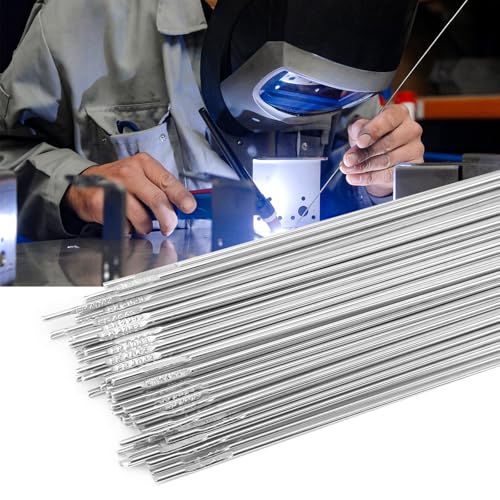
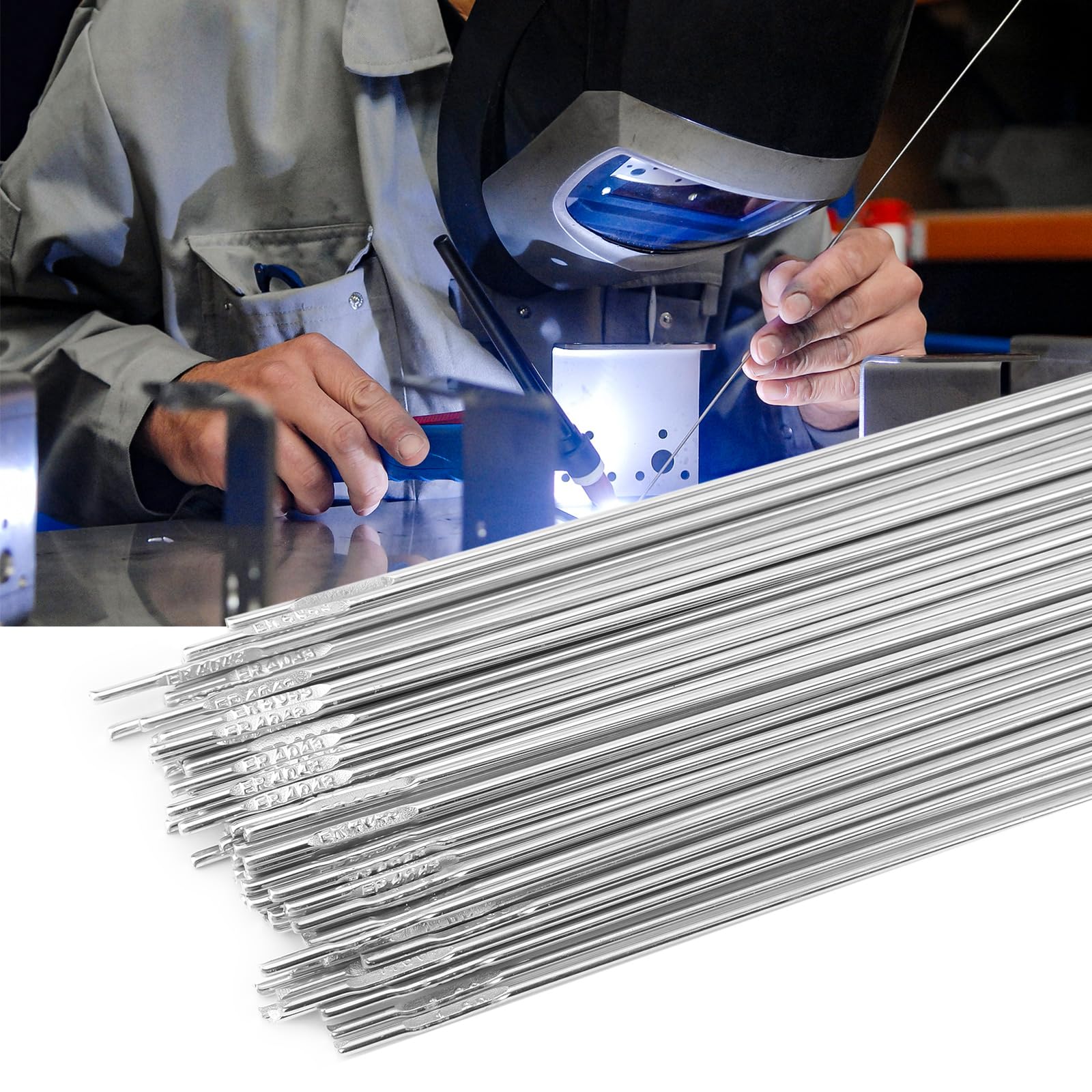
You get a bulk pack of ER4043 rods that’s handy when you work on multiple aluminum projects or want a ready supply for practice. The 1/16″ diameter is great for precision and thin-gauge work, while the larger count means fewer trips to restock. These rods feed smoothly and keep spatter down, which speeds up cleanup and helps your finish work look cleaner.
For small fabrication, tank repair, or hobby builds, this pack covers a lot of ground and saves you the hassle of buying single tubes.
When To Use
|
Situation |
How It Helps |
|---|---|
|
Aluminum Tank Work |
ER4043 is a common choice for aluminum tank repairs, but never weld a tank that has held fuel unless it has been properly purged and cleaned. |
|
Thin-Gauge Panels |
The 1/16″ size helps you manage heat so you can weld thin sheet without burning through. |
|
Hobby Fabrication |
A big pack means you can practice and iterate without running out of filler mid-project. |
|
Automotive Trim Work |
Low spatter behavior reduces finishing time when you’re working on body panels and small exterior pieces. |
Versatility
These rods are focused on aluminum tasks and perform across repairs, panel work, and small fabrication on common alloys. They aren’t suitable for steel or stainless but cover most aluminum needs in a home or small-shop setting.
Key Benefits
- Large 60-piece pack for extended projects
- Low-splatter ER4043 formula for easier cleanup
- Consistent feed and smooth puddle control
- Works well on common alloys like 6061

You get an aluminum-specific filler that’s tuned for clean, low-spatter welding. The 1/16″ diameter gives you finer heat control for thin panels and tubing, and the rods feed consistently so your puddle stays predictable. Use them for tank repairs, automotive trim, or small fabrication where appearance and corrosion resistance matter.
They’re a solid go-to when you need tidy results without a lot of post-weld cleanup.
When To Use
|
Situation |
How It Helps |
|---|---|
|
Boat And Outdoor Parts |
ER4043 gives corrosion-resistant welds for general outdoor parts. For saltwater or marine use, ER5356 is the more usual choice. |
|
Automotive Trim |
Low spatter behavior reduces cleanup time when you’re welding panels or small exterior pieces. |
|
Thin-Gauge Work |
The 1/16″ diameter gives you better heat control, lowering the risk of burn-through on delicate sheet. |
|
Hobby Fabrication |
A larger pack and consistent feed let you practice and iterate without running out of usable filler. |
Versatility
Designed for aluminum tasks, especially 6xxx series; excellent for repairs, panel work, and light fabrication. Not intended for steel or stainless applications.
Key Benefits
- Low-splatter ER4043 chemistry for cleaner finishes
- Consistent feed and smooth puddle control
- Good corrosion resistance for outdoor parts
- Sized for precise work on thin aluminum
Related guides: TIG welding filler rod selection chart | ER70S-6 TIG rods for mild steel | ER308L TIG rods for stainless steel | ER4043 aluminum TIG rods
FAQ
What are 1/16 inch TIG filler rods used for?
They are used on thin sheet, tubing and small parts where you want low heat input and fine control over filler. They are less suited to thick joints, where a larger rod such as 3/32 or 1/8 inch fills the joint in fewer passes.
Which alloy should I buy, ER70S-6, ER308L or ER4043?
Match the base metal. ER70S-6 is for mild steel, ER308L is for 304 and 304L stainless, and ER4043 is for aluminum. Do not use steel filler on stainless or aluminum, or the reverse.
Does the rod diameter have to match the metal thickness?
Not exactly. A common rule of thumb is to keep the filler about the same diameter as the base metal thickness or a little thinner. Amperage and technique matter more, so follow your welder manual or settings chart.
Can I weld aluminum with ER4043 on any TIG welder?
No. Aluminum needs an AC output, normally with pure argon. A DC-only TIG machine can weld steel and stainless but is not suited to aluminum.
Bottom Line
For thin steel, stainless or aluminum, 1/16 inch rods give you fine control. Buy ER70S-6 for mild steel, ER308L for 304 stainless and ER4043 for aluminum, and check the rod length and pack on the listing so you know what you are getting.
Clean the joint and the rod, set the machine for the metal, and practice on scrap before you weld the real part.
| Product Name | Image | Material | Weight | Power Source |
|---|---|---|---|---|
| YESWELDER Mild Steel TIG Welding Rod ER70S-6 1/16″x16″ 5LB |
 |
ER70S-6 Mild Steel | 5 pounds | N/A |
| ARCCAPTAIN Stainless Steel TIG Welding Rod ER308L 1/16″ x 16″ 5LB |
 |
ER308L Stainless Steel | 5.41 pounds | AC/DC |
| Convivium ER308L TIG Welding Rods 1/16″ x 16″, 20 Pcs |
 |
Low Carbon Steel | 6.7 ounces | AC |
| ARCCAPTAIN Mild Steel TIG Welding Rod ER70S-6, 1/16″ x 16″ 5LB |
 |
ER706-S Mild Steel | 5.41 pounds | N/A |
| Blulu Tig Welding Rod ER70S-6 Mild Steel 2lb(1/16″ x 16″) |
 |
ER70S-6 Mild Steel | 2.12 pounds | N/A |
| Aluminum TIG Welding Rod ER4043 1/16″x 16″ 1.8LB |
 |
Aluminum | 1 pound | AC |
| Mild Steel TIG Welding Rod ER70S-6 1/16″ x 16″ 5LB |
 |
ER70S-6 Mild Steel | 5.74 pounds | AC |
| TOOLIOM Mild Steel TIG Welding Rod ER70S-6 1/16″ x 16″ 5LB |
 |
Mild Steel | 5.17 pounds | Hand-powered |
| UNIFAMILY 60Pcs Aluminum Welding Rods ER4043 1/16″ x 16″ |
 |
Aluminum | 5.3 ounces | Hand-powered |
| ARCCAPTAIN Aluminum TIG Welding Rod ER4043 1/16″ x 16″ 5LB |
 |
ER4043 Aluminum | 5.39 pounds | AC/DC |