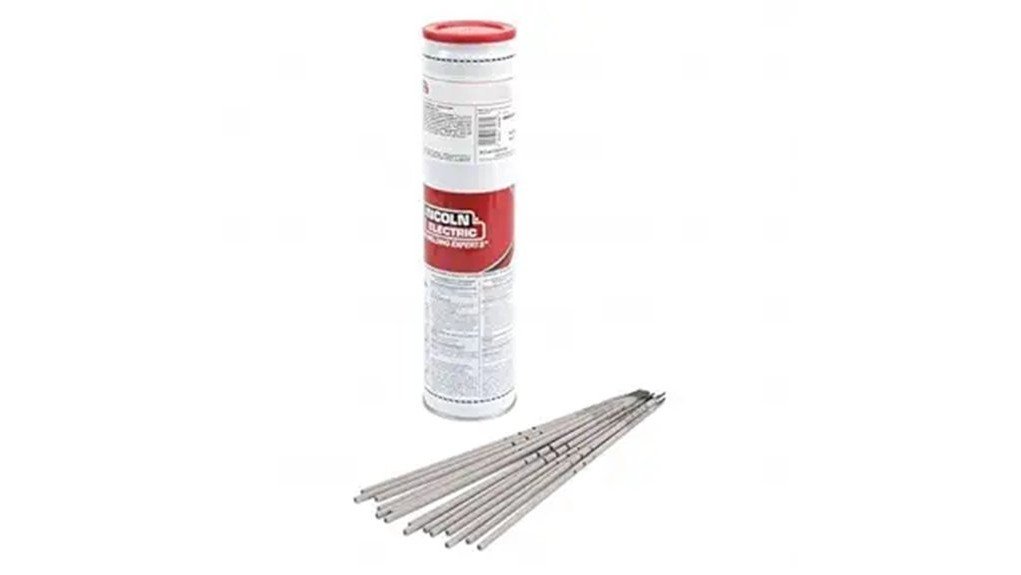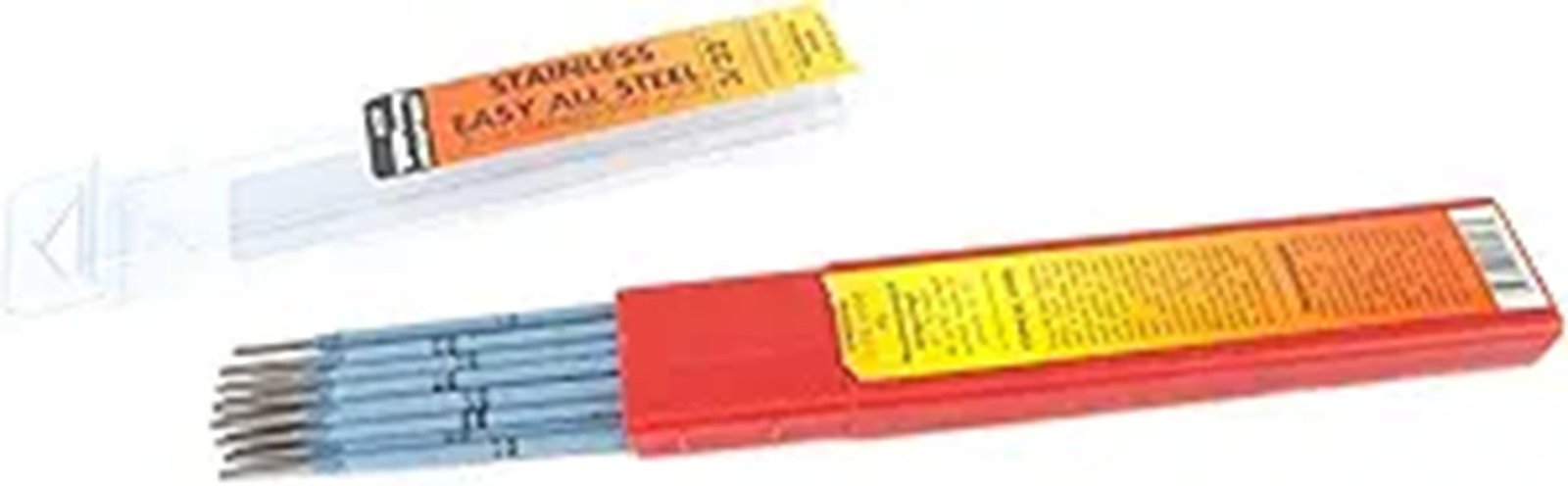
The Forney 44557 E312-16 is a 3/32-inch stainless steel electrode in a 1-pound box. E312-16 is a high-alloy rod often chosen for joining dissimilar steels, such as stainless to mild steel, and for repairing hard-to-identify steels. It is not the usual match for plain 304 or 316 stainless, where E308L or E316L is the better fit. Skip it if you only weld one known grade of stainless. The Forney 44557 stainless steel specialty rod is used for joining dissimilar steels.
This page is based on retailer listings and class standards, not hands-on testing. Confirm the size and pack on the Amazon listing before ordering.
Quick Verdict
Best for: repair and dissimilar-metal work, and joining wear-resistant or heat-resistant steels.
Skip if: you need a matching filler for a known 304 or 316 stainless grade, or you weld thin sheet.
Bottom line: a specialty rod for the jobs a mild steel rod cannot handle. Check the alloys you are joining before you buy.
Forney 44557 E312-16 specs at a glance
| Specification | Detail |
|---|---|
| Brand | Forney |
| Item number | 44557 |
| Classification | E312-16 stainless steel stick electrode |
| Diameter | 3/32 inch |
| Pack size | 1 lb, per NAPA |
| Amperage | 35 to 70 A, per retailer listings |
| Polarity | DC reverse (electrode positive) or AC, per retailer listings |
| Tensile strength | 128,000 psi, per retailer listings |
| Best for | Joining abrasion-resistant steels and steels that resist heat and corrosion; horizontal fillets |
| Not for | Aluminum, cast iron, matching 304 or 316 stainless |
What Is the Forney 44557 E312-16 Stainless Rod?
E312 deposits a high-chromium, high-nickel weld metal with a lot of ferrite. That structure tolerates dilution when it mixes with other steels, so it resists cracking on dissimilar joints, hardenable steels and alloys you cannot identify. Retailer text calls it suitable for horizontal fillet welds.
The weld is strong but not a corrosion-matching deposit for every stainless grade. For a plain 304 stainless job, E308L is the usual match, and for 316, E316L.
Who Should Buy It and Who Should Skip It
- Buy it for repairing tool steel or unknown steels, and for joining stainless to mild steel.
- Buy it for heat-resistant or wear-resistant steel repairs where you want a tough, crack-tolerant deposit.
- Skip it for food-grade or high-corrosion stainless work, where the filler must match the base grade.
- Skip it for aluminum or cast iron, which need different electrodes.
Fit and Setup Checklist
- Machine: the rod runs on AC or DC reverse, and listings give 35 to 70 A for 3/32 in. Check the box.
- Base metal: identify the steels before welding. If you cannot, test with a magnet and a spark test, or ask a supplier.
- Surface: clean oil and paint off the joint, and wire-brush with a stainless brush only.
- Joint: this rod is suited to horizontal fillets. Use a small weave and keep heat input low.
- Storage: keep the rods dry. Damp stainless electrodes cause porosity.
How to Run E312-16 Rods
- Set the amperage inside the range on the box and test on scrap of the same material.
- Hold a short arc and keep travel steady. Stringer beads or a small weave work best.
- Let the weld cool between passes to avoid overheating thin material.
- Chip slag with safety glasses on and brush with a stainless brush.
Safety and Storage
Stainless welding fume contains chromium and nickel compounds. Weld with local exhaust or strong ventilation and a suitable respirator where needed, and wear a helmet, gloves and flame-resistant clothing.
Store the rods dry and in their package, and keep stainless tools separate from carbon steel tools to avoid contamination.
Pros and Limitations
Pros
- Tolerates dilution on dissimilar steel joints
- Retailer listings give 35 to 70 A on AC or DC reverse
- Suited to horizontal fillet welds
- 3/32 in size works on smaller machines
Limitations
- Not a matching filler for plain 304 or 316 stainless
- 1 lb box is a small quantity
- Specs are from retailer listings, so confirm them on the box
- Needs good ventilation and clean, dry rods
Related guides: E309L-16 arc welding rod review · E316L-16 arc welding rod review · E308L-16 welding rod review
Frequently Asked Questions
What is the Forney 44557 rod used for?
It is an E312-16 stainless electrode used to join dissimilar steels and wear- or heat-resistant steels, and to repair steels you cannot identify.
What amperage does the Forney 44557 use?
Retailer listings give 35 to 70 A for the 3/32 in size. Use the range printed on the box.
Can it run on AC?
Listings show DC reverse (electrode positive) or AC, so it suits both DC and many AC machines.
Can I use it to weld 304 stainless to itself?
It can join it, but E308L is the usual matching filler for 304. Use E312 when mixing metals or when the alloy is uncertain.
Is it safe to weld stainless indoors?
Stainless fume contains chromium and nickel compounds, so use local exhaust or strong ventilation and the right respirator.
Bottom Line
The Forney 44557 E312-16 is a specialty rod for dissimilar-metal joints and repairs where the base alloy is uncertain. For welding a single known stainless grade, a matching E308L or E316L electrode is the better choice.