You rely on the right filler rod to get consistent, strong TIG welds. Choosing an ER70S-6 rod that fits your mild steel thickness, joint design and working style can improve puddle control, reduce avoidable cleanup and help you spend less time reworking joints.
This roundup helps you compare diameter, length, pack size, storage and best-use cases so you can pick the right TIG filler rod with more confidence.
Affiliate disclosure: This roundup is reader-supported. When you click through Amazon links, we may earn a referral commission on qualifying purchases at no extra cost to you.
Top Picks
|
Category |
Product |
Best For |
|---|---|---|
|
🏆 Best Overall |
Best all-around 3/32 in. short rods |
|
|
🎯 Best For Precision |
Thin steel, small fillets and precise filler control |
|
|
⭐ Best Value |
Everyday repairs and practice |
|
|
🔰 Most Reliable |
Clean, predictable general mild steel TIG work |
|
|
🔒 Best Packaging |
Clean storage and thin-steel jobs |
|
|
🛠️ Best For Thick Steel |
Faster buildup on heavier mild steel |
|
|
🎯 Best For Tight Spots |
Tight joints, thin panels and controlled practice |
|
|
💼 Best Starter Pack |
Trying ER70S-6 without buying 5 lb |
|
|
💰 Best Bulk Value |
Bulk shop stock and frequent welding |
|
|
🚀 Best For Long Runs |
Full-length rods and longer beads |
Quick Verdict
Best overall: YESWELDER 3/32" is the safest first pick for most mild steel TIG users because the diameter is versatile and the 5 lb short-rod pack is easy to manage.
Best for thin steel: ARCCAPTAIN 1/16" or TOOLIOM 1/16" gives you finer filler control for smaller joints and thin panels.
Best for frequent shop use: HYW 10 lb or KUNWU 3/32" makes more sense when you want bulk stock or full-length rods for longer runs.
How We Chose These Rods
You want filler rods that match the job and your workflow, so we weighed several practical factors. We checked diameter and length against common mild steel TIG jobs, looked for ER70S-6 labeling, considered rod cleanliness and straightness, and gave extra credit to packaging that helps keep filler metal dry and organized.
We also considered pack size, storage format, buyer-use cases and reported handling feedback. Exact prices, current availability, star ratings and review counts can change, so this article focuses on stable buying factors such as rod size, length, material type and the job each pack suits best.
Before You Buy
- Match the base metal: ER70S-6 is a mild steel filler choice, not a stainless or aluminum filler.
- Pick diameter by job: 1/16" is better for thin steel and small beads, 3/32" is the all-around size, and 1/8" is better for heavier work that needs faster filler buildup.
- Choose length by access: 16" rods are easier in tight spaces, while 36" rods reduce changeovers on long welds.
- Inspect before welding: Wipe dusty or oily rods, keep them dry, and avoid visibly corroded filler on important work.

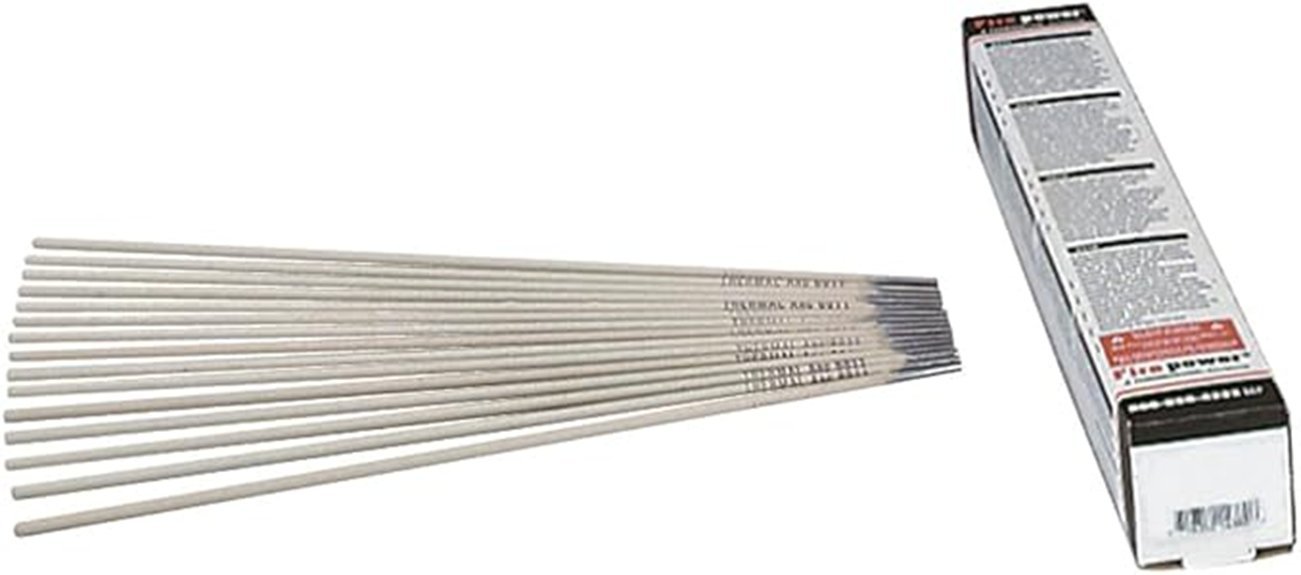
You get a reliable pack of ER70S-6 filler rods for hobbyists, repair work and light shop use. The 3/32" diameter fits many light to medium mild steel jobs, while the 16" sticks are easier to feed in cramped areas than full-length rods.
Choose this pack if you want one dependable size for practice, brackets, patches and general fabrication. Choose longer rods if you mostly run long continuous beads and want fewer leftover short ends.
Who Should Buy This
Buy this if you want best all-around 3/32 in. short rods and the listed size matches your mild steel thickness, joint design and welding style.
Who Should Avoid This
Skip it if you need a different filler alloy, you are welding stainless or aluminum, or the selected diameter does not match your base metal and amperage range.
What People Say
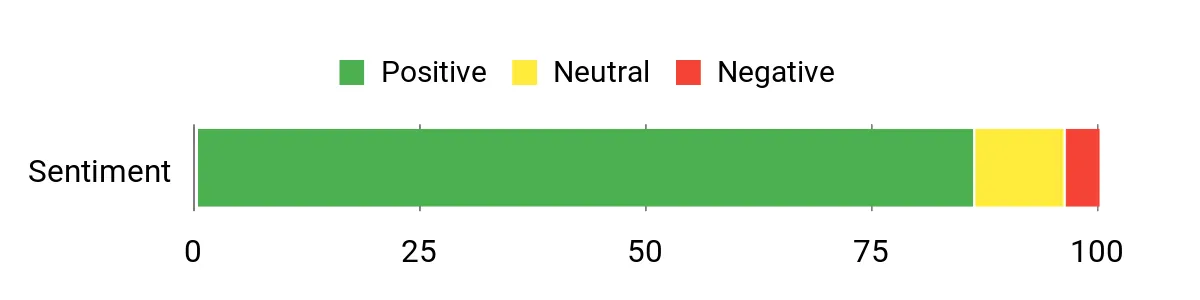
The source feedback summary is broadly positive. Buyers tend to like the clean weld behavior and manageable short length, while a smaller group would prefer a sturdier container or longer rods for production work.
Overall Sentiment: Positive
Situational Benefits
|
Situation |
How It Helps |
|---|---|
|
Beginner practice |
Short sticks make filler coordination easier while you learn torch angle, travel speed and puddle timing. |
|
Tight workspaces |
The 16" length helps you reach cramped joints without fighting a full 36" rod. |
|
Light shop tasks |
A 5 lb pack gives you useful bench stock without committing to a bulk order. |
|
All-around mild steel repairs |
The 3/32" diameter adds enough filler for common repair joints without feeling too heavy. |
Ease of Use
|
Feature |
Ease Level |
|---|---|
|
Handling short lengths |
Easy |
|
Storage and packaging |
Easy |
|
Weld preparation |
Easy |
|
Puddle control |
Easy |
Key Benefits
- Versatile 3/32" diameter for common mild steel work
- Short 16" rods improve access and control
- 5 lb pack suits hobby and small-shop storage
- Good first pick when you want one general-purpose ER70S-6 rod
Check Product Details on Amazon
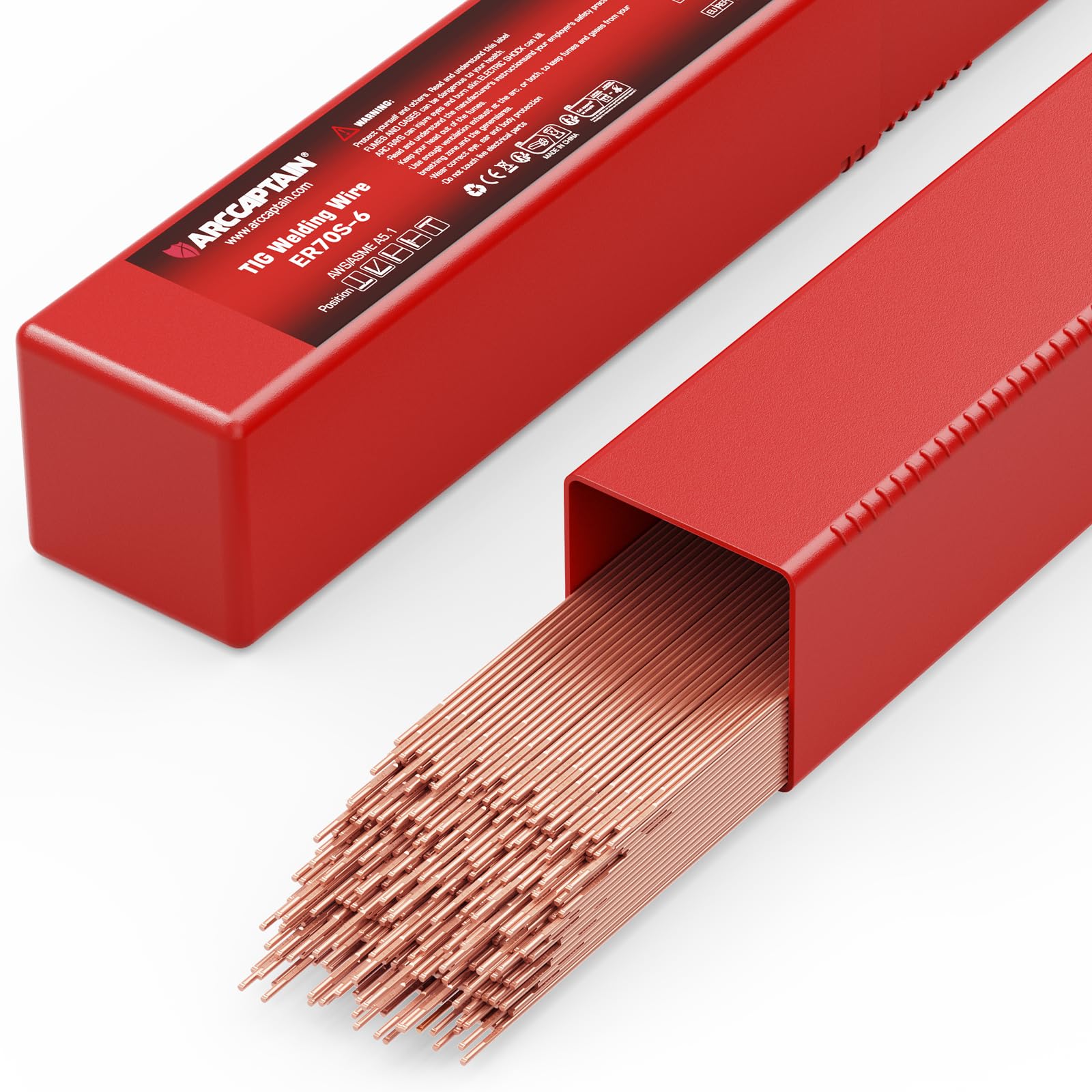
You get tidy 1/16" ER70S-6 rods for thin-gauge mild steel, small fillets and detail work where too much filler can make the bead bulky. The short sticks are easy to maneuver in tight joints and around fixtures.
This is the better choice when control matters more than speed. For thicker assemblies, step up to a 3/32" or 1/8" rod so you are not feeding constantly.
Who Should Buy This
Buy this if you want thin steel, small fillets and precise filler control and the listed size matches your mild steel thickness, joint design and welding style.
Who Should Avoid This
Skip it if you need a different filler alloy, you are welding stainless or aluminum, or the selected diameter does not match your base metal and amperage range.
What People Say
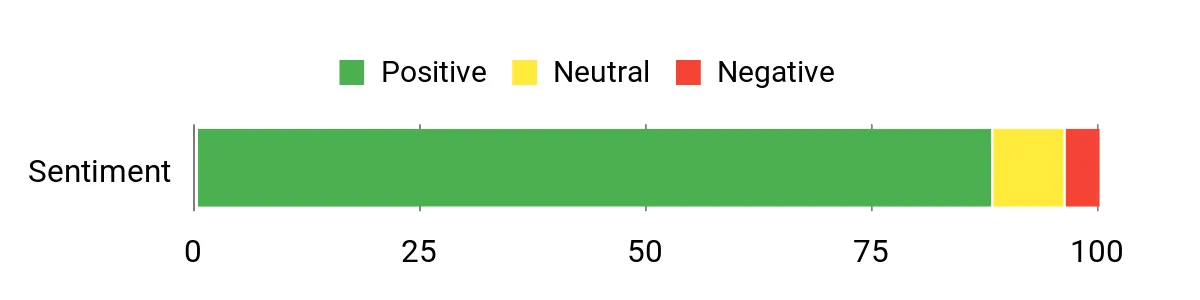
The source feedback summary is positive, with buyers commonly noting straight rods, clean handling and predictable puddle behavior. The main limitation is the short length on longer beads.
Overall Sentiment: Positive
Situational Benefits
|
Situation |
How It Helps |
|---|---|
|
Thin steel work |
The 1/16" diameter lets you add filler gradually and helps reduce the risk of an oversized bead. |
|
Detail work |
Fine filler control helps on small fillets, tabs and neat visible beads. |
|
Tight access |
Short rods are easier to position inside small assemblies or around clamps. |
|
Practice sessions |
You can focus on rhythm and puddle timing without managing a long rod. |
Ease of Use
|
Feature |
Ease Level |
|---|---|
|
Feeding and handling |
Easy |
|
Torch coordination |
Moderate |
|
Storage |
Easy |
|
Prep before welding |
Easy |
Key Benefits
- Fine 1/16" diameter for controlled filler addition
- Short rods suit cramped joints and detail work
- Useful 5 lb pack for repeated thin-steel jobs
- Good option when bead size and heat control matter
Check Product Details on Amazon

You get a no-fuss 3/32" ER70S-6 pack that makes sense for everyday mild steel work. The diameter is useful for patching, brackets and small projects, and the 16" length makes the rods simple to handle on a bench.
This is a practical value pick if you want a familiar size without buying a 10 lb supply. For long weld runs, full-length rods can be more efficient.
Who Should Buy This
Buy this if you want everyday repairs and practice and the listed size matches your mild steel thickness, joint design and welding style.
Who Should Avoid This
Skip it if you need a different filler alloy, you are welding stainless or aluminum, or the selected diameter does not match your base metal and amperage range.
What People Say
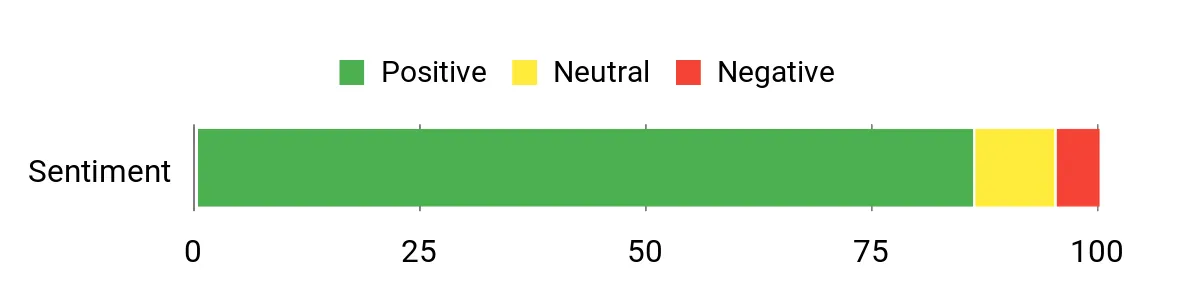
The source feedback summary is positive. Buyers usually mention clean, straight rods and steady puddle behavior, with the short length being the main tradeoff for longer work.
Overall Sentiment: Positive
Situational Benefits
|
Situation |
How It Helps |
|---|---|
|
Everyday repairs |
The 3/32" diameter is a useful middle ground for light to medium mild steel fixes. |
|
Learning and practice |
Short sticks are easier to coordinate while you build consistent filler timing. |
|
Confined spaces |
You can maneuver into tight joints without awkward long-rod positioning. |
|
Small fabrication |
A 5 lb pack gives enough supply for several small assemblies. |
Ease of Use
|
Feature |
Ease Level |
|---|---|
|
Feeding and handling |
Easy |
|
Torch coordination |
Moderate |
|
Storage |
Easy |
|
Prep before welding |
Easy |
Key Benefits
- Balanced 3/32" diameter for versatile mild steel tasks
- Short length improves control in tight spaces
- Good pack size for hobbyists and small shops
- Straightforward value pick for repeat practice
Check Product Details on Amazon

You get a dependable 3/32" ER70S-6 option for light to medium mild steel. It gives more filler than a 1/16" rod without feeling as heavy as 1/8", so it works well for routine shop repairs and small fabrication.
This pick fits welders who want predictable handling in a short-rod format. If you weld larger parts all day, a 36" bulk pack may reduce changeovers.
Who Should Buy This
Buy this if you want clean, predictable general mild steel TIG work and the listed size matches your mild steel thickness, joint design and welding style.
Who Should Avoid This
Skip it if you need a different filler alloy, you are welding stainless or aluminum, or the selected diameter does not match your base metal and amperage range.
What People Say
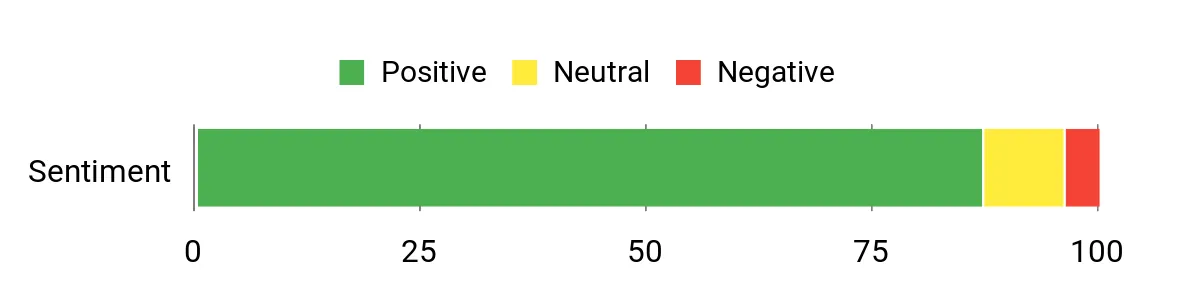
The source feedback summary is positive, especially around straightness, cleanliness and storage sleeve convenience. A few buyers still prefer longer rods for continuous shop work.
Overall Sentiment: Positive
Situational Benefits
|
Situation |
How It Helps |
|---|---|
|
Routine repairs |
The 3/32" diameter adds enough filler for common joints without overbuilding them. |
|
Confined joints |
Short sticks make it easier to feed filler in tight areas. |
|
Small fabrication |
Predictable puddle behavior helps you repeat bead size across multiple parts. |
|
Trying ER70S-6 |
A 5 lb pack gives useful stock without the commitment of a bulk order. |
Ease of Use
|
Feature |
Ease Level |
|---|---|
|
Feeding and handling |
Easy |
|
Torch coordination |
Moderate |
|
Storage |
Easy |
|
Prep before welding |
Easy |
Key Benefits
- Clean 3/32" rods for general mild steel work
- Short length helps in cramped access
- 5 lb pack is easy to store
- Good balance of control and filler volume
Check Product Details on Amazon

You get a tidy 1/16" ER70S-6 pack with the strongest storage angle in this roundup. The tube and seal help protect rods from dust and shop moisture, which matters if you weld occasionally or carry rods between work areas.
The 1/16" diameter suits thin mild steel, detailed joints and small repairs. Move up in size when you need faster filler build-up on thicker material.
Who Should Buy This
Buy this if you want clean storage and thin-steel jobs and the listed size matches your mild steel thickness, joint design and welding style.
Who Should Avoid This
Skip it if you need a different filler alloy, you are welding stainless or aluminum, or the selected diameter does not match your base metal and amperage range.
What People Say
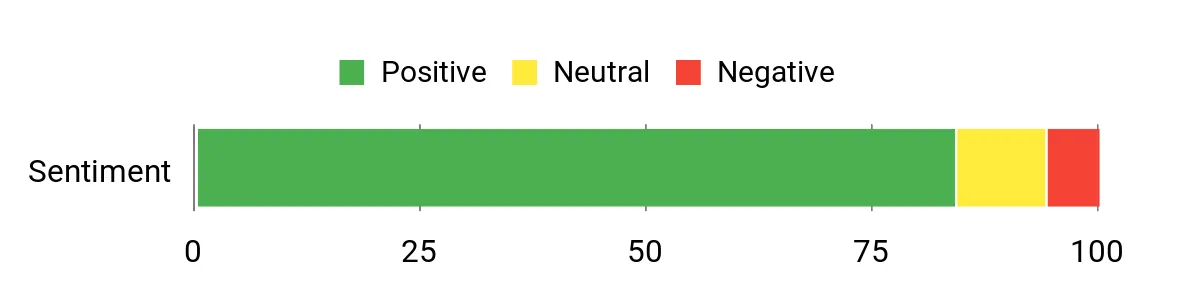
The source feedback summary is positive for storage and clean arrival. Some buyers mention tube damage during shipping, so inspect the container before storing rods long term.
Overall Sentiment: Positive
Situational Benefits
|
Situation |
How It Helps |
|---|---|
|
Field jobs |
The storage tube helps keep rods organized when you move between work areas. |
|
Thin steel work |
The 1/16" rod lets you add filler gently on thinner panels. |
|
Tight joints |
Short sticks make filler placement easier where access is limited. |
|
Toolbox storage |
A sealed tube is easier to keep clean than loose rods on a shelf. |
Ease of Use
|
Feature |
Ease Level |
|---|---|
|
Packaging and storage |
Easy |
|
Feeding and handling |
Easy |
|
Torch coordination |
Moderate |
|
Prep before welding |
Easy |
Key Benefits
- Protective storage tube with seal
- 1/16" diameter for fine filler control
- Short rods suit tight access
- Good pick when storage matters as much as rod size
Check Product Details on Amazon

You get a thicker ER70S-6 rod for jobs where a 1/16" or 3/32" filler would feel slow. The 1/8" diameter adds metal faster, which helps on brackets, edge build-up and heavier mild steel assemblies.
This is not the best match for thin sheet because the rod can add too much filler too quickly. Use it when the joint and amperage can support the larger diameter.
Who Should Buy This
Buy this if you want faster buildup on heavier mild steel and the listed size matches your mild steel thickness, joint design and welding style.
Who Should Avoid This
Skip it if you need a different filler alloy, you are welding stainless or aluminum, or the selected diameter does not match your base metal and amperage range.
What People Say
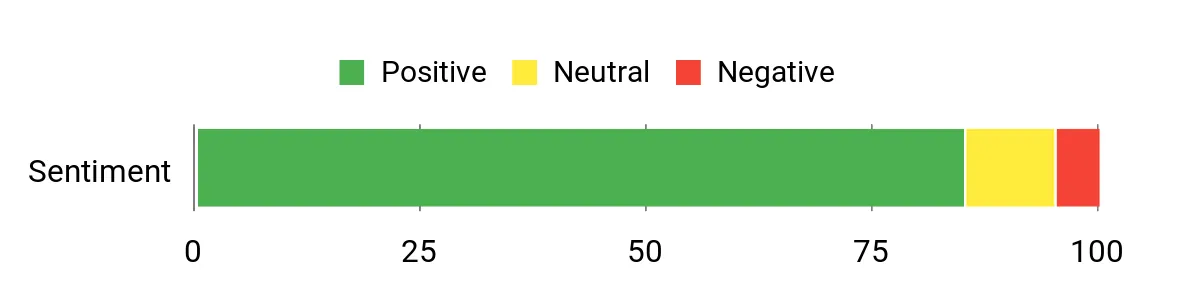
The source feedback summary is positive for predictable welding and good filler volume. The repeated limitation is the 16" length on long continuous welds.
Overall Sentiment: Positive
Situational Benefits
|
Situation |
How It Helps |
|---|---|
|
Heavier repairs |
The 1/8" diameter helps rebuild edges and fill larger joints with fewer dips. |
|
Medium fabrication |
You can add filler faster on thicker brackets and assemblies. |
|
Confined work |
Short rods still help when the joint is heavy but access is tight. |
|
Workshop stock |
A 5 lb pack is practical for occasional heavier repair work. |
Ease of Use
|
Feature |
Ease Level |
|---|---|
|
Feeding and handling |
Moderate |
|
Weld puddle control |
Easy |
|
Storage |
Easy |
|
Prep before welding |
Easy |
Key Benefits
- Thicker 1/8" rod for faster filler buildup
- Useful for heavier mild steel parts
- Short rods improve maneuverability
- Good companion to smaller rods in a shop setup
Check Product Details on Amazon

You get a small-diameter rod that is easy to place in cramped joints. The 1/16" size helps when you want a neat bead on thin steel or small parts, and the 16" length reduces the awkward feel of a full rod in tight areas.
This is a smart pick for learning, light repairs and detailed fabrication. For larger gaps or thick brackets, choose 3/32" or 1/8" instead.
Who Should Buy This
Buy this if you want tight joints, thin panels and controlled practice and the listed size matches your mild steel thickness, joint design and welding style.
Who Should Avoid This
Skip it if you need a different filler alloy, you are welding stainless or aluminum, or the selected diameter does not match your base metal and amperage range.
What People Say
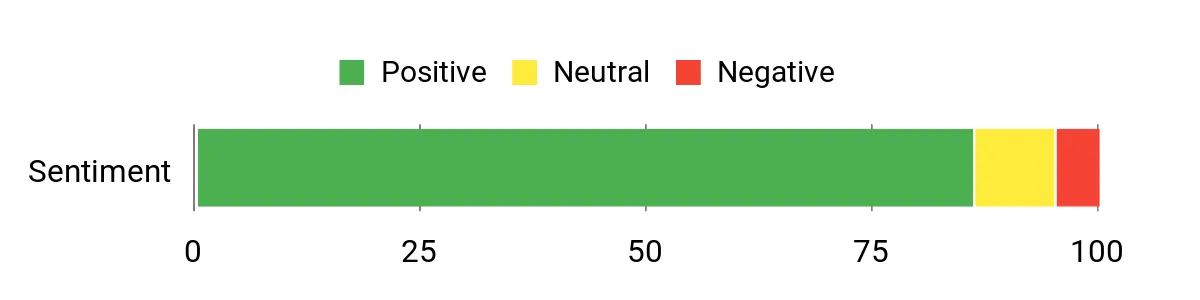
The source feedback summary is positive, especially around clean arrival, easy feeding and predictable puddle control. The tradeoff is more changeovers on long runs.
Overall Sentiment: Positive
Situational Benefits
|
Situation |
How It Helps |
|---|---|
|
Learning and practice |
Short rods let you focus on torch and filler coordination. |
|
Tight access work |
The 16" length is easier to maneuver around clamps, tubing and small assemblies. |
|
Thin panel repairs |
The 1/16" diameter helps avoid oversized filler deposits. |
|
Small fabrication |
Consistent filler size helps keep repeated beads neat. |
Ease of Use
|
Feature |
Ease Level |
|---|---|
|
Feeding and handling |
Easy |
|
Torch coordination |
Moderate |
|
Storage |
Easy |
|
Prep before welding |
Easy |
Key Benefits
- Fine 1/16" diameter for thin mild steel
- Short rods are easy to place in tight joints
- 5 lb pack gives useful practice supply
- Good choice when neat bead size matters
Check Product Details on Amazon
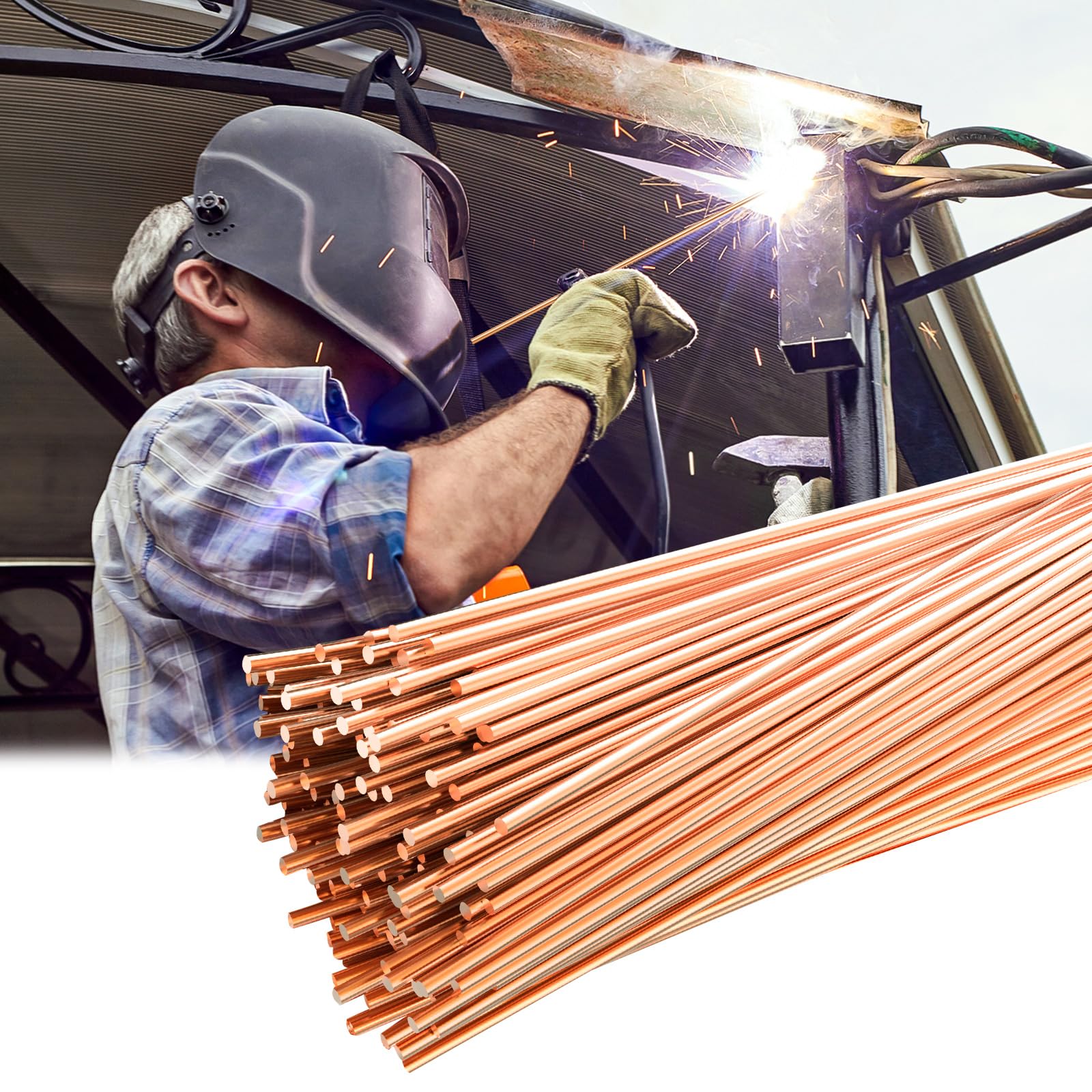
You get a small 1 lb pack that works best as a trial supply, toolbox backup or practice option. The 3/32" diameter is versatile enough for light to medium mild steel, and the smaller quantity keeps the buy-in low.
Because the source data had conflicting material metadata, treat this as a listing to verify on arrival before using it for important work. If you already know you need repeated shop supply, a 5 lb or 10 lb pack is the better value.
Who Should Buy This
Buy this if you want trying ER70S-6 without buying 5 lb and the listed size matches your mild steel thickness, joint design and welding style.
Who Should Avoid This
Skip it if you need a different filler alloy, you are welding stainless or aluminum, or the selected diameter does not match your base metal and amperage range.
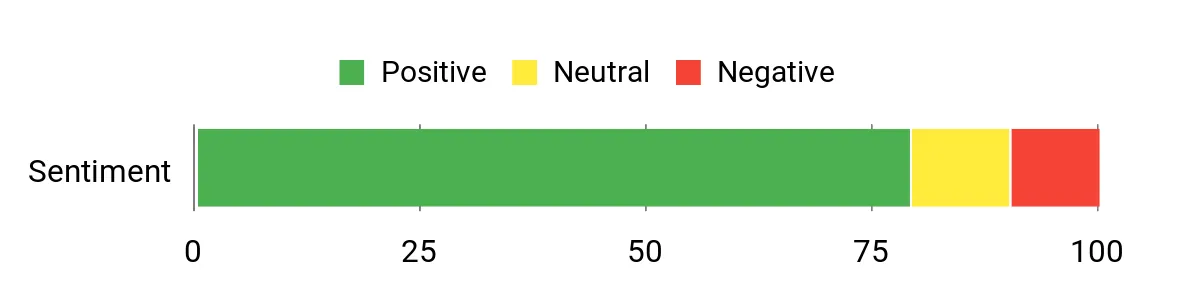
What People Say
The source feedback summary is positive but based on a smaller sample than the larger packs. The main attraction is the low-commitment quantity rather than bulk value.
Overall Sentiment: Positive
Situational Benefits
|
Situation |
How It Helps |
|---|---|
|
Trying a new diameter |
A 1 lb pack lets you see how 3/32" filler works with your settings before buying more. |
|
Quick repairs |
Keep a small supply for occasional touchups and small fixes. |
|
Practice sessions |
Short sticks are easy to handle while you build filler rhythm. |
Ease of Use
|
Feature |
Ease Level |
|---|---|
|
Handling short rods |
Moderate |
|
Feeding and control |
Easy |
|
Storage |
Easy |
|
Prep before welding |
Easy |
Key Benefits
- Small 1 lb pack for low-commitment trials
- Useful 3/32" diameter for common mild steel repairs
- Short rods improve access in cramped areas
- Good backup pack for occasional welding
Check Product Details on Amazon

You get the best bulk-style option here if you weld often and want fewer reorders. A 10 lb pack makes sense for regular mild steel fabrication, repair work and shop stock.
The source listing title references multiple diameters, so confirm the selected Amazon variant before checkout. That matters because 1/16", 3/32" and 1/8" rods behave very differently at the torch.
Who Should Buy This
Buy this if you want bulk shop stock and frequent welding and the listed size matches your mild steel thickness, joint design and welding style.
Who Should Avoid This
Skip it if you need a different filler alloy, you are welding stainless or aluminum, or the selected diameter does not match your base metal and amperage range.
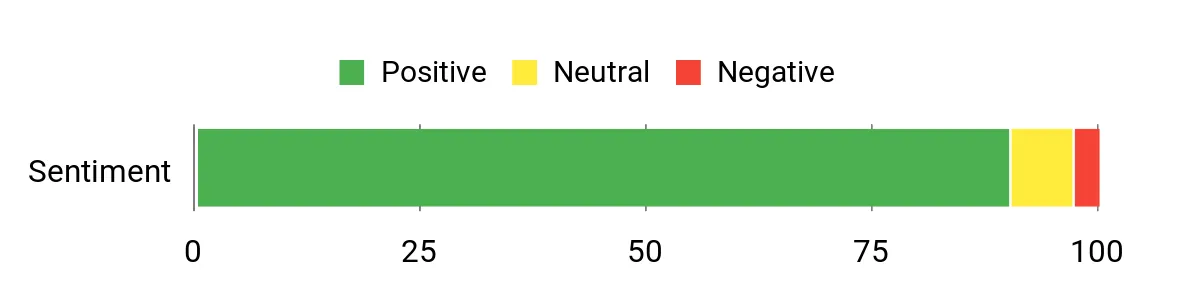
What People Say
The source feedback summary is positive for value and steady performance. A few buyers mention packaging issues, so inspect the tube and rods before putting the pack into storage.
Overall Sentiment: Positive
Situational Benefits
|
Situation |
How It Helps |
|---|---|
|
High-volume welding |
A 10 lb supply reduces restocking for frequent shop use. |
|
General fabrication |
ER70S-6 is a common mild steel filler choice when matched to the base metal and joint design. |
|
Workshop storage |
A tube keeps rods more organized than loose bundles. |
|
Diameter planning |
Variant options let you pick the rod size that matches your material thickness. |
Ease of Use
|
Feature |
Ease Level |
|---|---|
|
Feeding and handling |
Easy |
|
Weld puddle control |
Easy |
|
Storage |
Easy |
|
Prep before welding |
Moderate |
Key Benefits
- Large 10 lb pack for frequent welding
- Good choice for shop stock when you know your diameter
- Variant listing can cover several rod sizes
- Tube storage helps keep rods organized
Check Product Details on Amazon

You get full-length 36" rods that reduce changeovers during longer beads. That can improve rhythm when you weld frames, brackets or larger panels where a 16" rod would run out quickly.
This pick is best for shop users who want long rods and a 10 lb supply. Because source feedback mentions occasional dirty or corroded rods, inspect and wipe the batch before use, and avoid questionable rods on critical work.
Who Should Buy This
Buy this if you want full-length rods and longer beads and the listed size matches your mild steel thickness, joint design and welding style.
Who Should Avoid This
Skip it if you need a different filler alloy, you are welding stainless or aluminum, or the selected diameter does not match your base metal and amperage range.
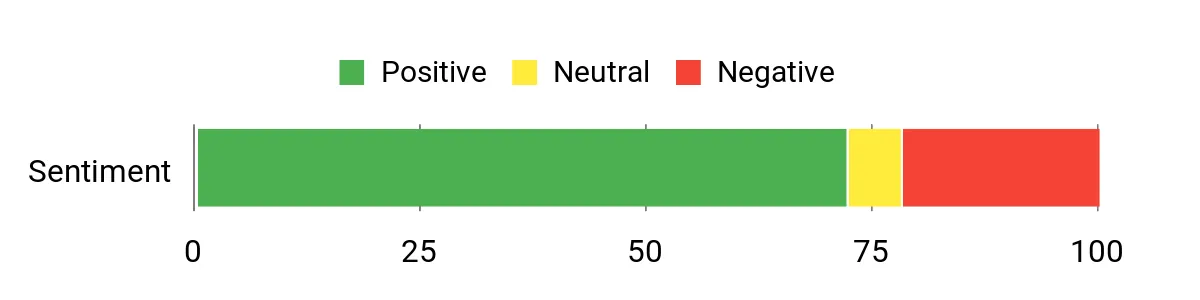
What People Say
The source feedback summary is more mixed than the top picks. Many buyers like the full-length format, but some report rods arriving dirty or with surface corrosion.
Overall Sentiment: Neutral
Situational Benefits
|
Situation |
How It Helps |
|---|---|
|
Long weld runs |
Full 36" rods let you weld longer before swapping filler. |
|
Shop stock |
A 10 lb pack keeps a regular supply on hand. |
|
Fabrication projects |
The 3/32" diameter is useful for many light to medium mild steel assemblies. |
|
Practice sessions |
Long rods help you build rhythm over repeated beads. |
Ease of Use
|
Feature |
Ease Level |
|---|---|
|
Feeding and handling |
Easy |
|
Prep before welding |
Moderate |
|
Storage |
Moderate |
|
Weld puddle control |
Easy |
Key Benefits
- Full 36" length reduces interruptions
- 10 lb pack suits frequent shop use
- 3/32" diameter works for many mild steel tasks
- Best when you value longer rods over compact handling
Check Product Details on Amazon
FAQ
Which Rod Size Should I Choose?
Pick the diameter based on steel thickness, joint fit-up and how much filler you need. For thin sheet metal and small fillets, 1/16" gives finer control. For general mild steel repairs, 3/32" is the most versatile option. For thicker brackets or faster buildup, 1/8" can be the better match.
Do not choose by appearance alone. Match the rod to the base metal, joint design, amperage range and the bead size you want.
Are Short TIG Rods Better?
Short 16" sticks are easier to manage in tight spaces and can feel less awkward when you are learning. The tradeoff is more changeovers and more leftover short ends. Full-length 36" rods are better for long runs, larger panels and shop work where fewer interruptions matter.
How Should I Store ER70S-6 TIG Rods?
Keep rods clean and dry in a sealed tube, box or sleeve. If possible, store them with desiccant, reseal the container after each session, and inspect the rod surface before welding. A quick wipe can remove light dust or oil, but visibly rusted or contaminated rods should not be used for important welds.
Can I Use ER70S-6 On Stainless Steel Or Aluminum?
No. ER70S-6 is intended for mild steel applications. Use the correct filler alloy for stainless steel, aluminum or other base metals, and follow the welding procedure recommended for that material.
Is A 10 lb Pack Worth It?
A 10 lb pack is worth it if you weld often and already know the diameter you use most. For occasional repairs, practice or testing a new size, a 1 lb or 5 lb pack is usually easier to justify and store.
Why Welders Choose
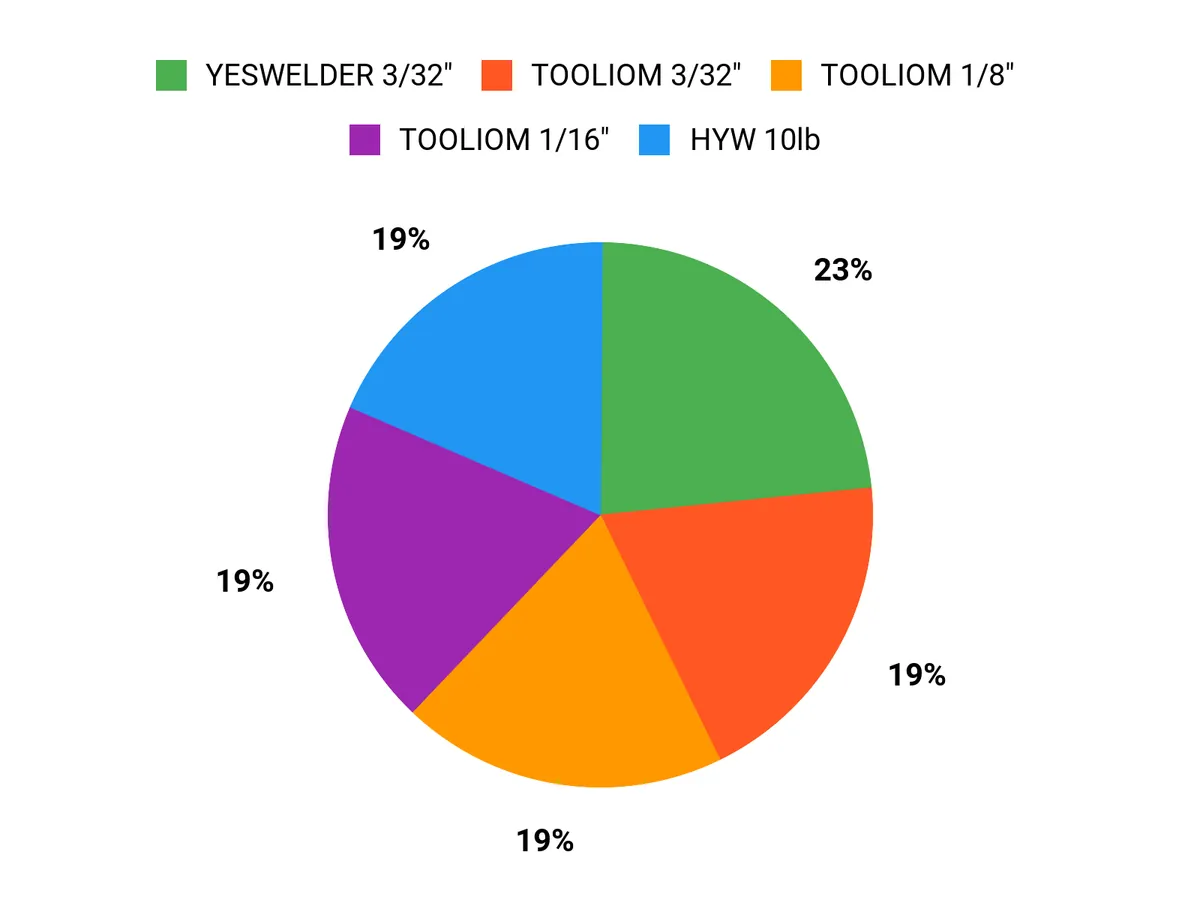
When you compare these rods, focus on diameter, rod length, pack size and storage. ARCCAPTAIN 1/16" and TOOLIOM 1/16" are better for fine control, YESWELDER 3/32" and TOOLIOM 3/32" are stronger all-around choices, TOOLIOM 1/8" is better for heavier mild steel, and HYW or KUNWU fit buyers who want bulk supply or longer rods.
Wrapping Up
Now that you have the options laid out, pick the rod that fits how you actually weld. If you want one reliable all-around choice for hobby and light shop use, start with a 3/32" ER70S-6 pack. If you work on thin steel or tight joints, move to 1/16". If you need faster buildup on heavier pieces, use 1/8".
If you weld professionally or in higher volume, full-length 36" rods and 10 lb packs can reduce interruptions and lower restocking frequency. For learning, trial work or occasional repairs, smaller packs and short rods are easier to manage. Match the filler to mild steel, keep rods clean and dry, and your welds will be easier to control.
This Roundup is reader-supported. When you click through links we may earn a referral commission on qualifying purchases.