Choosing an ER4043 aluminum TIG rod is mostly a decision about alloy compatibility, rod diameter, and package size. A smaller rod can help you meter filler on light work, while a larger rod adds filler faster on joints that can accept it. This guide compares eight ER4043 TIG filler options so you can choose a practical size and quantity without relying on unverified scores or changing product ratings.
This roundup is reader-supported. When you click through Amazon links, we may earn a referral commission on qualifying purchases.
Quick Verdict
ARCCAPTAIN 3/32 is the most versatile starting point in this group because 3/32 inch sits between fine 1/16-inch control and the higher filler volume of 1/8 inch. Choose YESWELDER 1/16 when thin work and gradual filler addition matter most. Choose ARCCAPTAIN 1/8 only when your joint, heat input, and procedure call for more filler. The UNIFAMILY 60-piece and 80-piece packs make more sense for buyers who prefer a defined rod count instead of a five-pound shop pack.
Compatibility note: ER4043 is a common aluminum-silicon filler for many 6XXX-series and cast-aluminum applications, but it is not universal. Confirm the base alloy, service conditions, anodizing requirements, and approved procedure before welding structural or safety-critical parts.
Top Picks
|
Category |
Product |
Rod Size |
Pack |
|---|---|---|---|
|
Best Overall |
3/32″ x 16″ |
5 lb |
|
|
Best Brand Alternative |
3/32″ x 16″ |
5 lb |
|
|
Best Smaller Pack |
3/32″ x 16″ |
1.8 lb |
|
|
Best 60-Piece Pack |
1/16″ x 16″ |
60 pieces |
|
|
Best for Beginners |
1/16″ x 16″ |
5 lb |
|
|
Best 1/16 Alternative |
1/16″ x 16″ |
5 lb |
|
|
Best for Higher Filler Volume |
1/8″ x 16″ |
5 lb |
|
|
Best Bulk Count Pack |
1/16″ x 16″ |
80 pieces |
How We Compared These ER4043 TIG Rods
We compared the details a buyer can use before ordering: stated ER4043 classification, rod diameter, cut length, package quantity, storage format, and the type of TIG work each option is likely to suit. We did not assign laboratory performance scores because the article does not include controlled weld tests, batch certificates, or a standardized side-by-side procedure.
Amazon product pages reviewed for this update identify the listed products as ER4043 TIG filler in the stated sizes. Product titles, sellers, package details, and availability can change, so confirm the current listing before purchase.
Before You Buy
- Confirm the process: These are cut-length TIG filler rods, not aluminum stick electrodes and not MIG wire spools.
- Confirm the base alloy: Do not choose ER4043 by product popularity alone. Use a filler-alloy chart, project specification, or qualified welding procedure.
- Choose diameter by filler demand: A 1/16-inch rod adds filler gradually, 3/32 inch is a practical middle size, and 1/8 inch adds more filler per dab.
- Compare quantity correctly: Five-pound packs are sold by weight, while the UNIFAMILY options in this guide are sold by piece count.
- Protect the filler: Keep rods dry, separated by alloy, and free from oil, dust, and shop contamination.
- Check current listing details: Review the seller, package contents, return terms, and recent customer photos before ordering.
A balanced 3/32-inch option for welders who want one ER4043 diameter for common repair, practice, and fabrication jobs.
Important limitation: Rod diameter changes how quickly you can add filler, but it does not replace correct alloy selection, joint preparation, shielding gas, amperage, and technique.
What to Check in Recent Reviews
Check recent reviews for straightness on arrival, packaging condition, and whether the 16-inch length fits your work style. Rod condition can be affected by shipping and storage, so inspect and clean filler before use.
Buyer feedback note: Review sentiment, ratings, and listing details can change. Verify the newest Amazon feedback before buying.

Situational Benefits
|
Situation |
How It Helps |
|---|---|
|
General shop work |
The 3/32-inch diameter offers a practical middle ground between fine feeding and faster filler addition. |
|
Practice and repair |
A larger supply lets you use the same diameter across repeated practice coupons and routine repairs. |
|
Limited bench space |
Sixteen-inch rods are easier to store than common 36-inch or 39-inch cut lengths. |
|
Medium filler demand |
It adds filler faster than 1/16-inch rod without being as large as 1/8-inch rod. |
Why You May Like It
- Versatile 3/32-inch diameter for many routine TIG jobs
- Five-pound supply suits regular shop use
- Protective packaging helps limit handling and shop contamination
Who Should Buy This
Buy this if you want a versatile 3/32-inch, five-pound ER4043 supply and the alloy matches your approved welding procedure.
Who Should Avoid This
Skip it if most of your work is very thin sheet or if a smaller trial pack makes more sense.
A five-pound 3/32-inch ER4043 option for hobby welders and small shops that want a familiar brand and compact rod length.
Important limitation: Rod diameter changes how quickly you can add filler, but it does not replace correct alloy selection, joint preparation, shielding gas, amperage, and technique.
What to Check in Recent Reviews
Review the newest customer photos and comments for packaging durability, rod straightness, and condition on delivery. Do not treat older sentiment or ratings as permanent.
Buyer feedback note: Review sentiment, ratings, and listing details can change. Verify the newest Amazon feedback before buying.

Situational Benefits
|
Situation |
How It Helps |
|---|---|
|
Small fabrication jobs |
The diameter balances controllable feeding with enough filler for many brackets and assemblies. |
|
Tight work areas |
The 16-inch length can be easier to manipulate than longer cut-length rods. |
|
Regular practice |
A five-pound pack reduces how often you need to reorder the same size. |
|
General repairs |
ER4043 is a common option for suitable 6XXX-series and cast-aluminum work when the procedure allows it. |
Why You May Like It
- General-purpose 3/32-inch diameter
- Five-pound quantity for repeated projects
- Storage packaging helps keep unused rods together
Who Should Buy This
Buy this if you want a familiar five-pound 3/32-inch option and the listed ER4043 alloy matches your approved welding procedure.
Who Should Avoid This
Skip it if you prefer longer cut lengths for extended beads or only need a small amount of filler.
A smaller 3/32-inch pack for buyers who want ER4043 cut lengths without committing to a full five-pound supply.
Important limitation: Rod diameter changes how quickly you can add filler, but it does not replace correct alloy selection, joint preparation, shielding gas, amperage, and technique.
What to Check in Recent Reviews
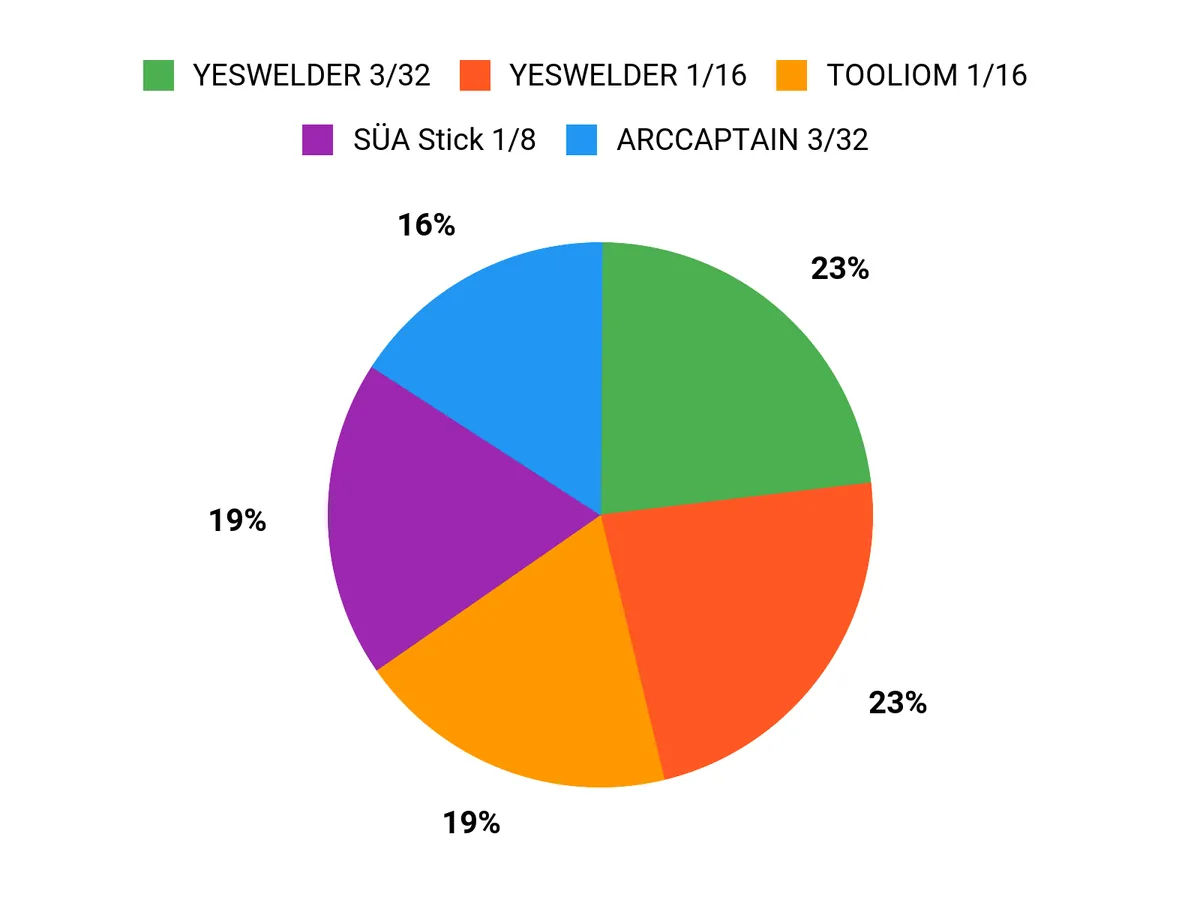
Check current listing details and recent reviews for the actual package weight, storage tube condition, and rod straightness. The chart below should be treated only as a dated snapshot.
Buyer feedback note: Review sentiment, ratings, and listing details can change. Verify the newest Amazon feedback before buying.

Situational Benefits
|
Situation |
How It Helps |
|---|---|
|
Occasional repairs |
The smaller pack is easier to justify when aluminum work is not a daily task. |
|
Skill practice |
You can test 3/32-inch feeding before buying a larger quantity. |
|
Compact storage |
A lighter pack takes less room in a home or mobile setup. |
|
Medium-detail work |
The diameter offers more filler than 1/16 inch while remaining easier to meter than 1/8 inch for many users. |
Why You May Like It
- Smaller pack lowers storage needs
- 3/32-inch diameter remains broadly useful
- Suitable for occasional repairs and practice
Who Should Buy This
Buy this if you want a smaller 1.8-pound 3/32-inch pack and the listed ER4043 alloy matches your approved welding procedure.
Who Should Avoid This
Skip it if you weld aluminum often enough that a five-pound package offers better convenience.
A count-based 1/16-inch pack for light TIG work, short practice sessions, and buyers who prefer a defined number of rods instead of a five-pound tube.
Important limitation: Rod diameter changes how quickly you can add filler, but it does not replace correct alloy selection, joint preparation, shielding gas, amperage, and technique.
What to Check in Recent Reviews
Because this is a newer and less established listing than some five-pound options, confirm the current piece count, rod length, packaging, and seller details before ordering.
Buyer feedback note: Review sentiment, ratings, and listing details can change. Verify the newest Amazon feedback before buying.

Situational Benefits
|
Situation |
How It Helps |
|---|---|
|
Thin sheet practice |
The small diameter makes it easier to add filler in modest increments. |
|
Short repair jobs |
A piece-count pack may be sufficient when aluminum welding is occasional. |
|
Training sessions |
Individual rods are easy to divide between practice coupons or students. |
|
Small assemblies |
The diameter suits jobs where adding too much filler would make bead control harder. |
Why You May Like It
- Fine 1/16-inch diameter for gradual filler addition
- Sixty-piece count is easy to budget and store
- Useful for practice, tabs, and lighter assemblies
Who Should Buy This
Buy this if you want a 60-piece 1/16-inch pack for light work or practice and the listed ER4043 alloy matches your approved welding procedure.
Who Should Avoid This
Skip it if you need a large shop supply by weight or mainly weld thicker parts.
A five-pound 1/16-inch ER4043 supply for welders who regularly work with lighter material and want gradual filler addition.
Important limitation: Rod diameter changes how quickly you can add filler, but it does not replace correct alloy selection, joint preparation, shielding gas, amperage, and technique.
What to Check in Recent Reviews
Check recent reviews for rod condition, packaging, and whether the shorter cut length matches your technique. A 1/16-inch rod can be consumed quickly on larger joints, so compare diameter with your usual work.
Buyer feedback note: Review sentiment, ratings, and listing details can change. Verify the newest Amazon feedback before buying.

Situational Benefits
|
Situation |
How It Helps |
|---|---|
|
Learning filler timing |
The smaller diameter lets beginners add metal in smaller increments. |
|
Thin brackets and tabs |
Fine rod can reduce the chance of adding an oversized filler dab. |
|
Confined access |
Shorter cut lengths can be easier to position around small fixtures. |
|
Frequent light work |
The five-pound quantity suits users who repeatedly weld thin or detailed parts. |
Why You May Like It
- Fine-diameter control for lighter sections
- Five-pound quantity for frequent use
- Sixteen-inch length is manageable in smaller workspaces
Who Should Buy This
Buy this if you want a five-pound 1/16-inch supply for frequent light work and the listed ER4043 alloy matches your approved welding procedure.
Who Should Avoid This
Skip it if your typical joint needs a high filler-deposition rate or if you only need a few practice rods.
Another five-pound 1/16-inch ER4043 choice for detail work, practice, and regular light-gauge aluminum TIG projects.
Important limitation: Rod diameter changes how quickly you can add filler, but it does not replace correct alloy selection, joint preparation, shielding gas, amperage, and technique.
What to Check in Recent Reviews
Use current Amazon feedback to check straightness, packaging quality, and consistency across the pack. The article does not independently verify every batch or customer claim.
Buyer feedback note: Review sentiment, ratings, and listing details can change. Verify the newest Amazon feedback before buying.

Situational Benefits
|
Situation |
How It Helps |
|---|---|
|
Detail fabrication |
Fine filler helps when bead size and appearance need close control. |
|
Practice coupons |
A large supply supports repeated drills without changing rod diameter. |
|
Thin repairs |
The 1/16-inch size is easier to meter than larger rod on lighter joints. |
|
Small workspaces |
Sixteen-inch rods fit compact benches and storage areas more easily than long cut lengths. |
Why You May Like It
- Small diameter supports controlled filler addition
- Five-pound pack suits regular use
- Comparable format to other 1/16-inch shop packs
Who Should Buy This
Buy this if you want another five-pound 1/16-inch option for controlled filler addition and the listed ER4043 alloy matches your approved welding procedure.
Who Should Avoid This
Skip it if you want a smaller trial quantity or normally need 3/32-inch or 1/8-inch filler.
A 1/8-inch ER4043 rod for welders whose joints and procedures need more filler volume than 1/16-inch or 3/32-inch rod provides.
Important limitation: Rod diameter changes how quickly you can add filler, but it does not replace correct alloy selection, joint preparation, shielding gas, amperage, and technique.
What to Check in Recent Reviews
Check recent feedback for straightness, packaging, and actual condition on arrival. Larger filler is not automatically stronger; joint design, base alloy, preparation, heat input, and procedure control matter more.
Buyer feedback note: Review sentiment, ratings, and listing details can change. Verify the newest Amazon feedback before buying.

Situational Benefits
|
Situation |
How It Helps |
|---|---|
|
Larger groove or fillet welds |
The 1/8-inch diameter can add filler faster when the joint and heat input support it. |
|
Repeated heavier work |
A five-pound pack reduces restocking for shops that commonly use this diameter. |
|
Higher filler demand |
The larger cross-section may reduce the number of filler dabs needed on suitable joints. |
|
Organized storage |
The included packaging keeps one diameter separated from smaller shop filler. |
Why You May Like It
- Larger diameter adds more filler per dab
- Five-pound supply supports repeated heavier work
- Protective packaging helps organize unused rods
Who Should Buy This
Buy this if your approved procedure calls for 1/8-inch filler on joints with higher filler demand.
Who Should Avoid This
Skip it for delicate sheet, small cosmetic beads, or any procedure that calls for a smaller filler diameter.
An 80-piece 1/16-inch pack for users who want more individual rods than the 60-piece option without moving to a five-pound package.
Important limitation: Rod diameter changes how quickly you can add filler, but it does not replace correct alloy selection, joint preparation, shielding gas, amperage, and technique.
What to Check in Recent Reviews
Confirm the current 80-piece count, seller, rod dimensions, and package contents on Amazon before ordering. Newer listings can change faster than established five-pound products.
Buyer feedback note: Review sentiment, ratings, and listing details can change. Verify the newest Amazon feedback before buying.

Situational Benefits
|
Situation |
How It Helps |
|---|---|
|
Frequent practice |
The higher piece count supports more starts, stops, and short bead drills. |
|
Thin repair work |
Fine rod lets you add filler gradually on suitable light sections. |
|
Shared workshop use |
A count-based pack is easy to divide and track. |
|
Occasional purchasing |
More individual rods can reduce how often a light-use buyer needs to reorder. |
Why You May Like It
- Largest piece count in this roundup
- Fine 1/16-inch diameter for controlled feeding
- Convenient for repeated short practice and repair sessions
Who Should Buy This
Buy this if you want an 80-piece 1/16-inch practice pack and the listed ER4043 alloy matches your approved welding procedure.
Who Should Avoid This
Skip it if you need a verified shop quantity by weight or primarily weld medium and heavy joints.
ER4043 TIG Rod Buying Guide
Choose the Diameter Before the Brand
Diameter is the most meaningful difference in this roundup. A 1/16-inch rod is easier to feed in small amounts, which can help on light sections and detail work. A 3/32-inch rod is a flexible general-purpose choice for many hobby and repair jobs. A 1/8-inch rod adds filler faster, but it can feel oversized on small joints and thin sheet.
Compare Five-Pound Packs With Piece-Count Packs Carefully
A five-pound tube is intended for repeated shop use and contains many more rods than a small count-based pack. A 60-piece or 80-piece pack may still be a sensible purchase for occasional use, practice, or limited storage, but it should not be described as equivalent to five pounds.
Rod Length Changes Handling and Consumption
All products here use approximately 16-inch cut lengths. That format is compact and easy to store, but each rod is consumed sooner than the longer cut lengths common in professional welding supply channels. Buyers who make long continuous welds should consider how often they are comfortable changing rods.
Alloy Selection Matters More Than Brand Labels
ER4043 contains silicon and is commonly used for many heat-treatable aluminum alloys, especially 6XXX-series material, and for many castings. It may also be listed for selected 3XXX and 5XXX applications by filler manufacturers. The correct choice still depends on the exact base alloy, strength requirements, corrosion exposure, service temperature, anodized color match, and procedure qualification.
Safety and Procedure Note
Wear proper welding PPE, control fumes, protect nearby people from arc radiation, and follow the welder and consumable manufacturer instructions. For structural, pressure, vehicle, marine, or other safety-critical work, use the specified filler and a qualified procedure rather than relying on a shopping guide.
FAQ
Which ER4043 Rod Size Should You Choose?
Choose 1/16 inch when you want small filler additions on light or detailed work. Choose 3/32 inch as a general-purpose middle size. Choose 1/8 inch when a larger joint and suitable heat input require more filler. These are practical starting points, not fixed thickness rules.
How Do You Reduce Porosity and Contamination?
Keep filler dry and clean, remove oil and surface contamination from the joint, remove aluminum oxide with an appropriate method, and maintain correct shielding-gas coverage. Also check gas flow, leaks, torch angle, arc length, travel speed, and whether the rod touched a dirty surface.
Can You Use ER4043 for Every Aluminum Project?
No. ER4043 is common for many 6XXX-series alloys and castings, but no single filler is correct for every aluminum joint. Base-alloy chemistry, required strength, corrosion exposure, elevated-temperature service, anodizing appearance, and governing specifications can change the correct choice.
Are These Rods for TIG, MIG, or Stick Welding?
The products in this guide are ER4043 cut-length TIG filler rods. They are not MIG wire spools and they are not flux-coated E4043 stick electrodes.
Is a 16-Inch TIG Rod Too Short?
Not necessarily. A 16-inch rod is compact and can be convenient in small work areas. The tradeoff is that it runs out faster than a longer cut-length rod, so you may change filler more often during extended welds.
Does a Larger Filler Rod Make a Stronger Weld?
No. A larger diameter mainly changes the rate at which you add filler. Weld strength depends on correct alloy selection, joint design, base-metal condition, penetration, heat input, technique, and procedure control.
Why Buyers Choose ER4043 TIG Rods
Buyers usually compare ER4043 rods by diameter, pack quantity, cut length, storage, and confidence in the seller. Brand claims such as “clean,” “low spatter,” or “corrosion resistant” should not replace checking the AWS classification, base-alloy match, package condition, and current listing details.
Wrapping Up
ARCCAPTAIN 3/32 is the easiest all-around starting point in this set. YESWELDER 1/16 is the better fit when gradual filler addition and light work are the priority. ARCCAPTAIN 1/8 is for joints that genuinely need more filler volume, not simply for buyers seeking a “stronger” rod.
Choose between five-pound packs and piece-count packs based on how often you weld, how much storage you have, and whether you want a long-term shop supply or a smaller practice quantity. Before ordering, confirm the current Amazon listing and verify that ER4043 matches your base alloy and welding procedure.
| Product Name | Image | Category | Rod Size | Pack | Best For | Shop |
|---|---|---|---|---|---|---|
| ARCCAPTAIN Aluminum TIG Welding Rod ER4043, 3/32″ x 16″, 5LB |
 |
Best Overall | 3/32″ x 16″ | 5 lb | General-purpose aluminum TIG work | Check Amazon |
| YESWELDER Aluminum TIG Welding Rod ER4043, 3/32″ x 16″, 5LB |
 |
Best Brand Alternative | 3/32″ x 16″ | 5 lb | Frequent 3/32-inch shop use | Check Amazon |
| Aluminum TIG Welding Rod ER4043, 3/32″ x 16″, 1.8LB |
 |
Best Smaller Pack | 3/32″ x 16″ | 1.8 lb | Occasional 3/32-inch TIG use | Check Amazon |
| UNIFAMILY ER4043 Aluminum TIG Rods, 60 Pieces, 1/16″ x 16″ |
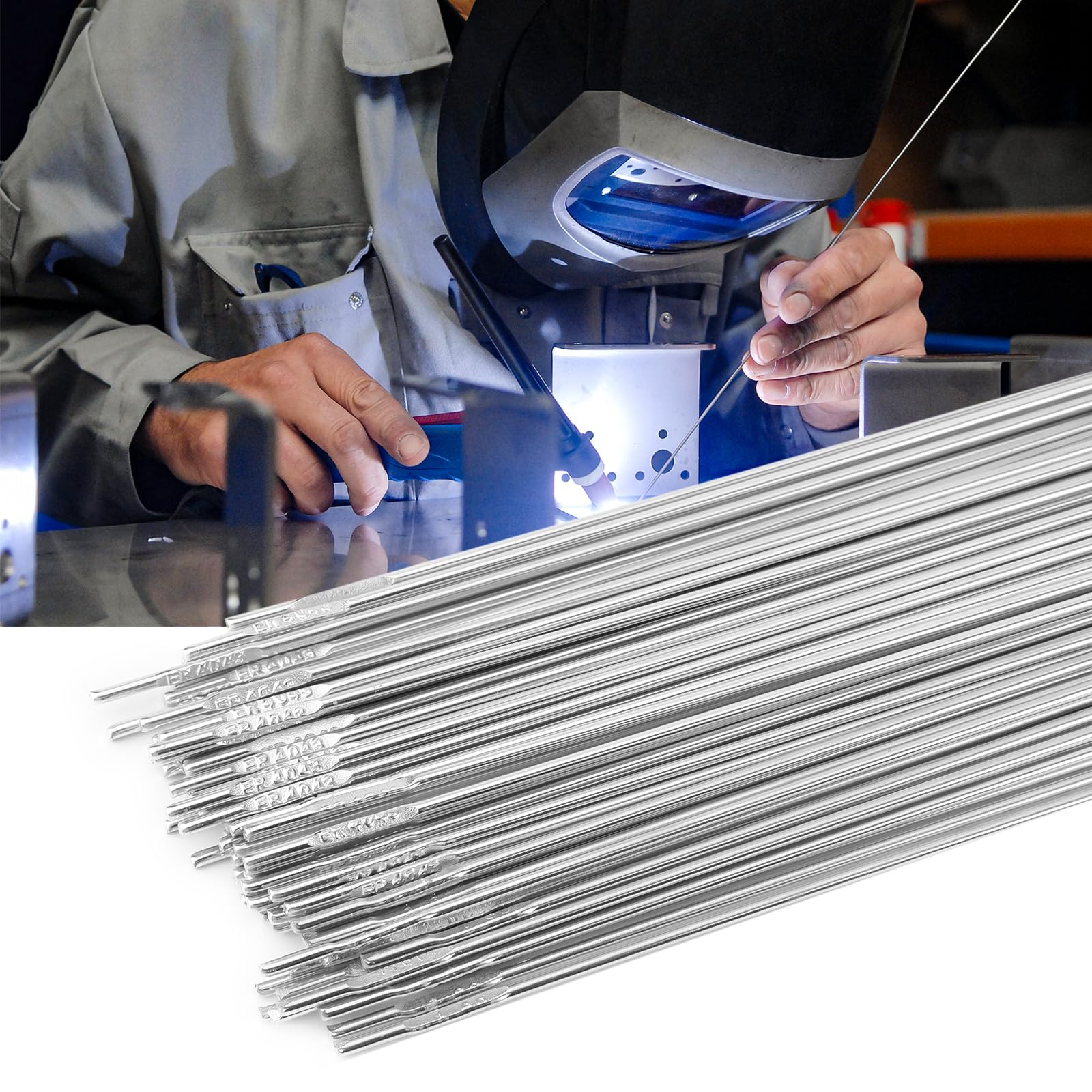 |
Best 60-Piece Pack | 1/16″ x 16″ | 60 pieces | Thin work and practice by piece count | Check Amazon |
| YESWELDER Aluminum TIG Welding Rod ER4043, 1/16″ x 16″, 5LB |
 |
Best for Beginners | 1/16″ x 16″ | 5 lb | Fine filler control and frequent thin work | Check Amazon |
| TOOLIOM Aluminum TIG Welding Rod ER4043, 1/16″ x 16″, 5LB |
 |
Best 1/16 Alternative | 1/16″ x 16″ | 5 lb | Repeatable thin-material filler control | Check Amazon |
| ARCCAPTAIN Aluminum TIG Welding Rod ER4043, 1/8″ x 16″, 5LB |
 |
Best for Higher Filler Volume | 1/8″ x 16″ | 5 lb | Larger joints and faster filler addition | Check Amazon |
| UNIFAMILY ER4043 Aluminum TIG Rods, 80 Pieces, 1/16″ x 16″ |
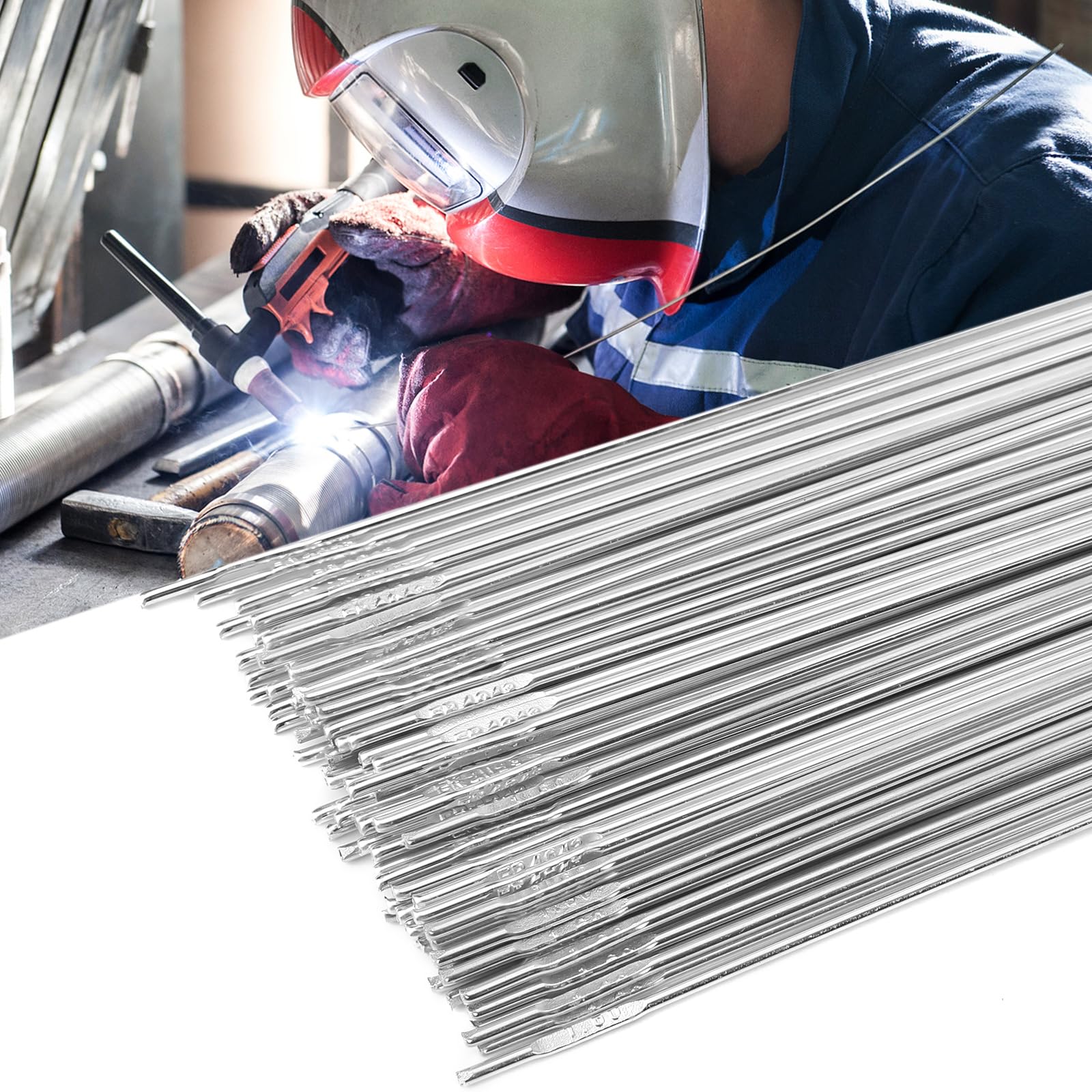 |
Best Bulk Count Pack | 1/16″ x 16″ | 80 pieces | Practice-heavy users who buy by rod count | Check Amazon |
This Roundup is reader-supported. When you click through links we may earn a referral commission on qualifying purchases.