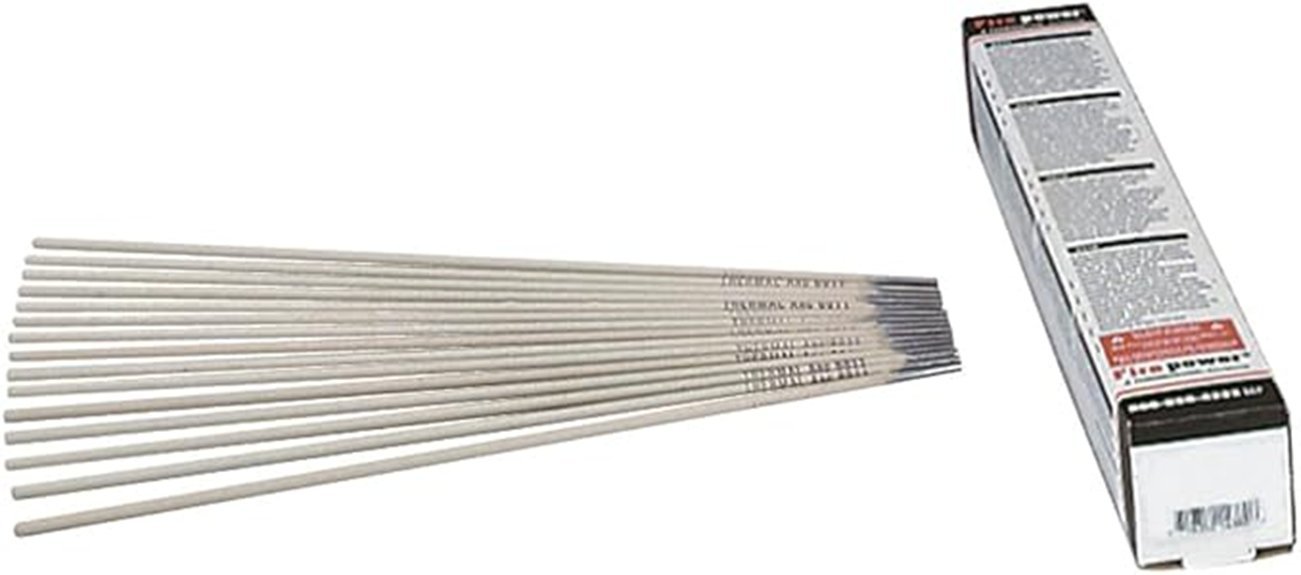
Affiliate disclosure: This article contains Amazon affiliate links. We may earn a commission from qualifying purchases at no extra cost to you.
You want a 5356 aluminum TIG filler rod that matches your base metal, joint thickness, and workload. The brand name matters less than choosing the correct alloy classification, diameter, rod length, package size, and storage condition.
This guide compares nine cut-length 5356 TIG filler products commonly marketed as ER5356. Technically, cut-length TIG rod may also be classified as R5356, while ER5356 commonly refers to electrode wire. Online listings often use the terms interchangeably, so always confirm that you are ordering straight TIG rods rather than a MIG wire spool.
Quick Verdict
HYW 5356 is the most flexible general pick because its listing offers several common diameters and package sizes. WeldingCity is a practical option for buyers who want a mid-size supply, while Blue Demon and the two Harris options are better suited to frequent shop use.
Before buying: identify the base alloy, check the selected listing variation, and avoid using 5356 as a default filler for sustained service above 150°F or 65°C.
Compatibility and Safety Note
5356 is commonly selected for many 5xxx and 6xxx aluminum alloys, especially when higher shear strength, ductility, toughness, or a closer post-anodizing color match is important. It is not a universal filler for every aluminum alloy, casting, or repair.
Do not rely on a general buying guide for wheels, pressure vessels, fuel tanks, structural parts, or other safety-critical repairs. Confirm the base alloy and follow an approved filler-metal chart, welding procedure, inspection requirement, and applicable code.
Quick Picks by Use Case
- Best Overall Ordering Flexibility: HYW 5356
- Best Mid-Size Repair Supply: WeldingCity 5356
- Best Diameter and Package Selection: SÜA 5356
- Best Bulk 3/32-Inch Box: Blue Demon 5356
- Best Small 1/16-Inch Pack: Weldcote 5356
- Best Bulk 1/8-Inch Rod: Harris 5356 1/8 Inch
- Best Bulk General-Purpose Diameter: Harris 5356 3/32 Inch
- Best Longer Rod Option: MorningRo 3/32 Inch
- Best 5-Pound 3/32-Inch Option: STARTECHWELD 5356
Top Picks
| Category | Product | Why It Fits |
|---|---|---|
| Best Overall | HYW 5356 | Several common diameter and package options in one listing |
| Best Mid-Size Supply | WeldingCity 5356 | A practical balance between a small hobby pack and a 10-pound shop box |
| Best Selection | SÜA 5356 | Useful when you need a less common diameter or a specific package quantity |
| Best Bulk 3/32 Inch | Blue Demon 5356 | Ten-pound package for frequent use with a versatile 3/32-inch diameter |
| Best Small Pack | Weldcote 5356 | One-pound package and 1/16-inch rod for occasional light work |
| Best Bulk 1/8 Inch | Harris 5356 1/8 Inch | Higher filler volume for thicker joints and larger weld deposits |
| Best Shop Diameter | Harris 5356 3/32 Inch | General-purpose diameter in a large shop quantity |
| Best Longer Rod | MorningRo 3/32 Inch | Listed with a 39-inch length for buyers who prefer longer cut lengths |
| Best 5-Pound Option | STARTECHWELD 5356 | Middle-ground quantity for repeated repairs without buying a 10-pound box |
How We Selected These Rods
These recommendations are based on the supplied product listings, stated 5356 classification, available diameter, cut length, package quantity, storage practicality, and suitability for different workloads. Products with incomplete or contradictory article coverage were removed.
This is not a hands-on laboratory test. Product variations, packaging, certificates, and seller details can change. Confirm the exact diameter, rod length, package weight, manufacturer documentation, and Amazon seller before ordering.
Important Buying Principle
Two rods that genuinely meet the same R5356 or ER5356 chemistry specification should have broadly similar alloy characteristics. The most useful buying differences are therefore diameter, length, package size, cleanliness, storage protection, documentation, and listing accuracy.
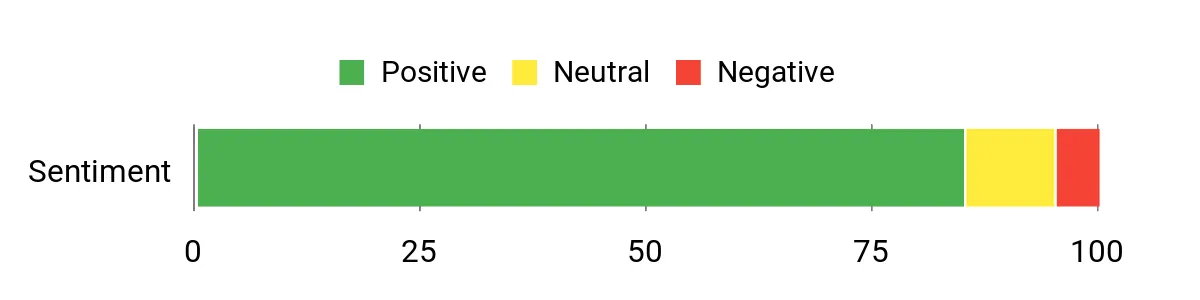
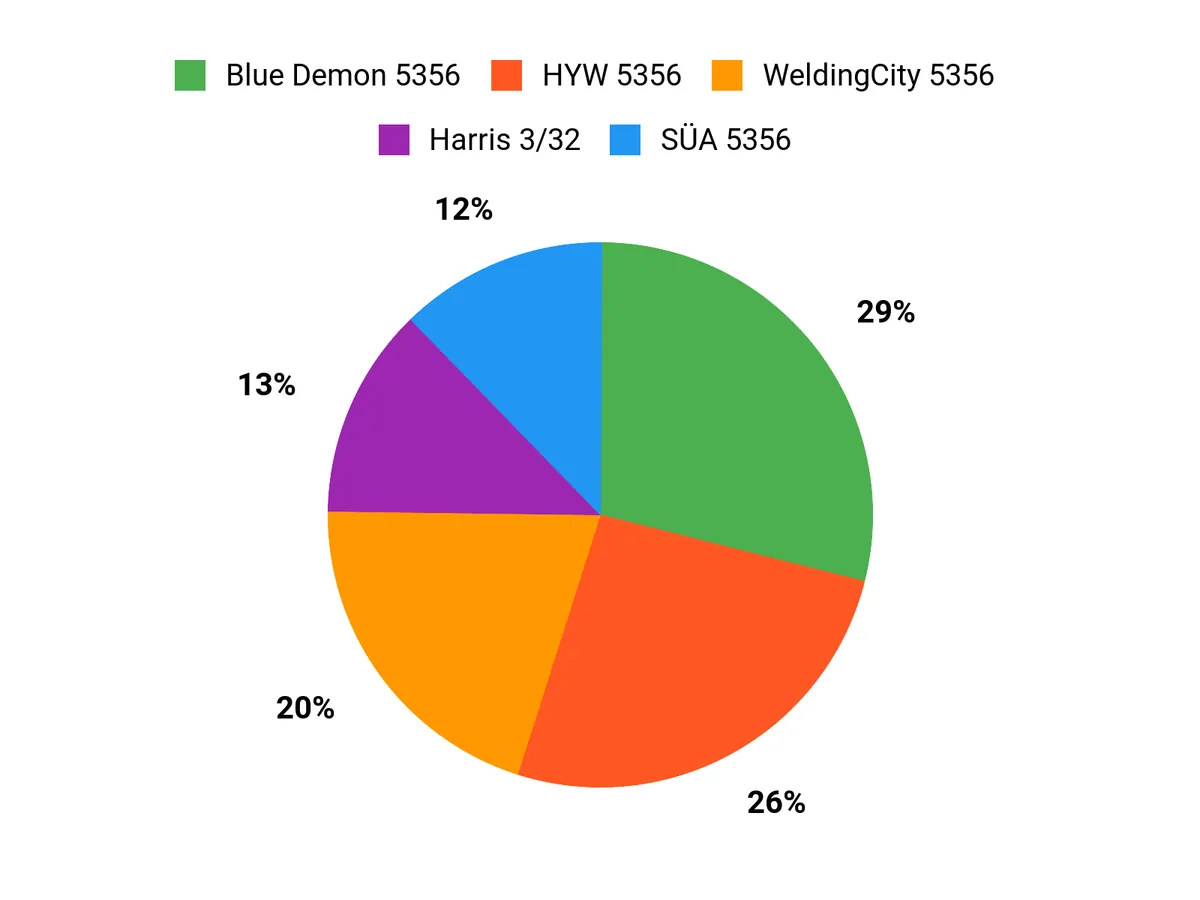
The feedback-chart images below were included in the original article and are retained as historical listing snapshots. They are not current independent test results. Check recent Amazon feedback before buying.
HYW is the easiest starting point for buyers who have not yet decided between a light 1/16-inch rod, a general-purpose 3/32-inch rod, or a higher-deposition 1/8-inch rod. Multiple package options also let you avoid purchasing a large shop quantity for a one-time job.
Best for: Buyers who want several size and quantity choices in one listing.
Skip it if: You require manufacturer certificates, lot traceability, or confirmed rigid-tube packaging. Verify those details with the seller before ordering.
Historical Listing Feedback Snapshot
This retained chart reflects the original article’s historical review analysis and may not represent current Amazon feedback.
Practical Handling
| Factor | What to Expect |
|---|---|
| Diameter choice | Easy to match to different joint sizes if the correct variation is selected |
| Preparation | Clean the rod if it has visible oxidation, oil, dust, or handling contamination |
| Storage | Transfer to a clean sealed tube if the selected package lacks rigid protection |
Key Benefits
- Multiple common diameters in one product family
- Small and bulk package choices
- Useful for buyers who work on more than one material thickness
Limitations
- Listing variations can make it easy to order the wrong diameter or weight
- Packaging and certification details should be confirmed before professional work
- Alloy suitability still depends on the exact base metal and service conditions
Check Current Amazon Availability
WeldingCity fits buyers who expect more than one or two repairs but do not need a full 10-pound shop box. A 36-inch cut length is standard and fits common filler-rod storage tubes and workbench setups.
Best for: Home shops, maintenance work, practice, and recurring fabrication where a one-pound package would be consumed quickly.
Skip it if: You only need a small amount of filler or require a sealed package with documented lot traceability.
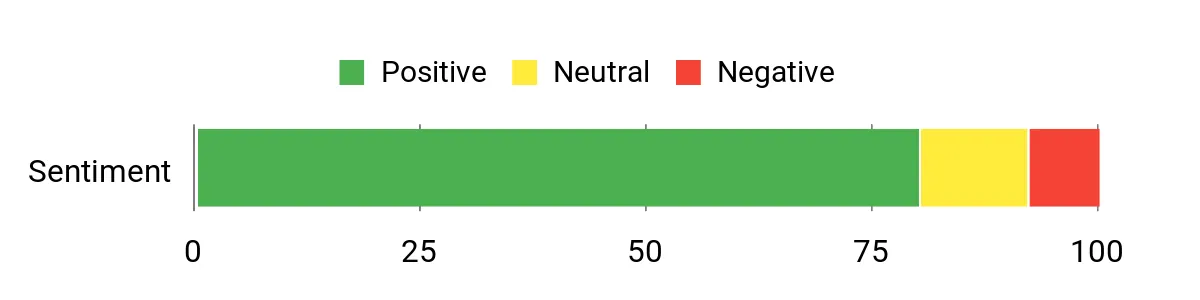
Historical Listing Feedback Snapshot
This retained chart reflects the original article’s historical review analysis and may not represent current Amazon feedback.
Practical Handling
| Factor | What to Expect |
|---|---|
| Rod length | Standard 36-inch cut length |
| Quantity | Middle ground between occasional and high-volume use |
| Storage | Confirm whether the current package includes a rigid protective tube |
Key Benefits
- Standard rod length that is easy to store and handle
- Useful package quantity for repeated repair work
- Several common diameters may be available from the listing
Limitations
- The exact package and container can vary by listing selection
- Not automatically suitable for unknown cast aluminum
- Base-alloy compatibility must be checked before welding
Check Current Amazon Availability
SÜA is useful when the usual 1/16-inch, 3/32-inch, and 1/8-inch choices do not match your established welding procedure. It also gives buyers several package quantities without requiring a separate product search.
Best for: Buyers who already know the exact filler diameter required by their procedure.
Skip it if: You are likely to choose by the main image instead of confirming the variation text. The listing specifically warns that the image may be for reference.
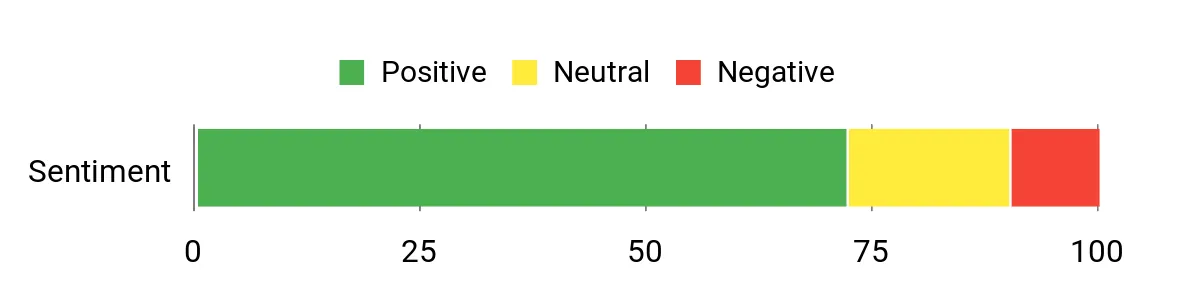
Historical Listing Feedback Snapshot
This retained chart reflects the original article’s historical review analysis and may not represent current Amazon feedback.
Practical Handling
| Factor | What to Expect |
|---|---|
| Variation range | Broader than most listings in this roundup |
| Ordering | Requires careful checking of both diameter and package weight |
| Temperature limit | Do not use 5356 as the default for sustained service above 150°F or 65°C |
Key Benefits
- Wide selection of filler diameters
- Several package quantities
- Useful when a procedure calls for a less common rod size
Limitations
- Main image may not show the selected variation
- More options increase the chance of an ordering mistake
- Not suitable for every aluminum alloy or elevated-temperature application
Check Current Amazon Availability
Blue Demon is aimed at frequent users who already know that 3/32 inch is the right diameter for their work. That size is a common middle ground for moderate material thicknesses, while the large package reduces repeat ordering.
Best for: Fabrication and maintenance shops that regularly consume 3/32-inch 5356 filler.
Skip it if: You weld aluminum only occasionally. A 10-pound box costs more upfront, occupies more storage space, and may remain open long enough to collect contamination.
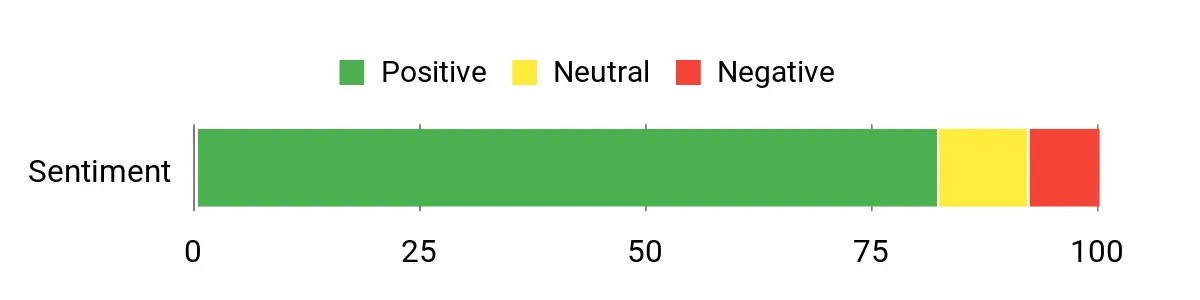
Historical Listing Feedback Snapshot
This retained chart reflects the original article’s historical review analysis and may not represent current Amazon feedback.
Practical Handling
| Factor | What to Expect |
|---|---|
| Diameter | Versatile 3/32-inch size for many moderate joints |
| Quantity | Designed for frequent use rather than occasional repairs |
| Storage | Keep the bulk supply closed, dry, and protected from shop dust |
Key Benefits
- Large quantity for steady shop consumption
- Common 3/32-inch diameter
- Standard 36-inch cut length
Limitations
- Too much filler for many hobbyists
- Bulk packaging must be protected after opening
- No diameter flexibility within this specific linked variation
Check Current Amazon Availability
This Weldcote package makes sense when you need a smaller-diameter rod but do not want several pounds of unused filler. The 1/16-inch diameter gives you lower filler volume per dip and can be easier to control on light sections when the joint and procedure call for it.
The 5356 alloy is manufactured in both MIG-wire and TIG-rod forms. This linked cut-length product is for TIG use; it is not a substitute for a spool of MIG electrode wire.
Best for: Occasional TIG work, smaller joints, and buyers who want a compact one-pound supply.
Skip it if: You usually weld moderate or thick sections that require faster filler deposition.
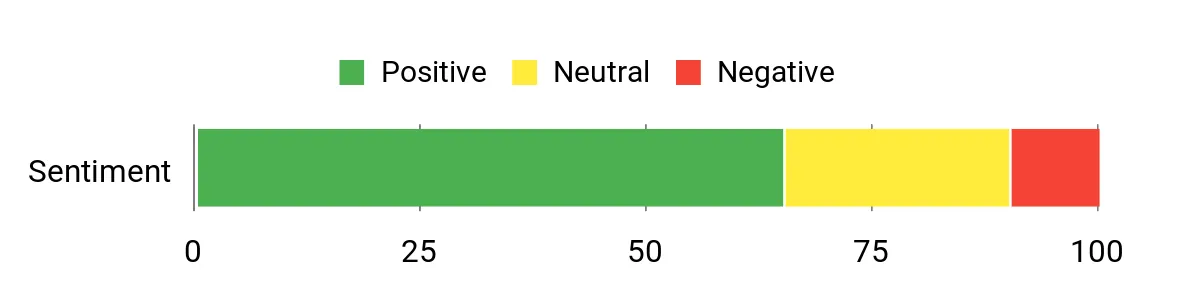
Historical Listing Feedback Snapshot
This retained chart reflects the original article’s historical review analysis and may not represent current Amazon feedback.
Practical Handling
| Factor | What to Expect |
|---|---|
| Filler control | Lower filler volume than 3/32-inch or 1/8-inch rods |
| Package size | Appropriate for occasional use |
| Process | Cut-length TIG rod, not MIG spool wire |
Key Benefits
- Small package reduces leftover stock
- Fine 1/16-inch diameter for lower filler input
- Standard 36-inch length
Limitations
- Slower deposition on thicker joints
- One-pound package may run out quickly in a busy shop
- Marine suitability still depends on the base alloy, joint design, and welding procedure
Check Current Amazon Availability
The Harris 1/8-inch option is intended for welders who need more filler volume per dip on thicker sections or larger joints. The bulk package is more practical in a production or maintenance setting than in an occasional home workshop.
Best for: Frequent work where an established procedure specifies 1/8-inch R5356 or ER5356 filler.
Skip it if: You mostly weld thin material. A 1/8-inch rod can chill a small puddle and make filler control harder at low amperage.
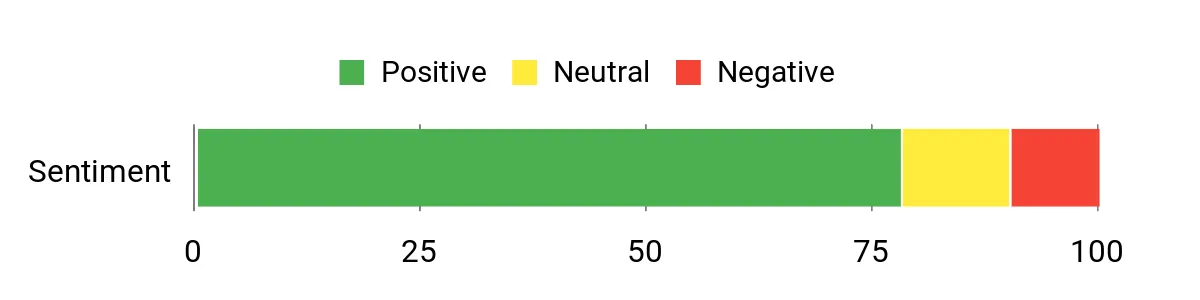
Historical Listing Feedback Snapshot
This retained chart reflects the original article’s historical review analysis and may not represent current Amazon feedback.
Practical Handling
| Factor | What to Expect |
|---|---|
| Deposition | Higher filler volume than 1/16-inch or 3/32-inch rod |
| Joint size | Better suited to thicker material and larger puddles |
| Quantity | Bulk supply for repeated use |
Key Benefits
- Higher filler deposition for larger joints
- Large package for steady shop use
- Established welding-supply brand
Limitations
- Not a good default diameter for thin sheet
- Large quantity is unnecessary for occasional jobs
- Professional or coded work may require certificates not shown in the retail listing
Check Current Amazon Availability
This Harris variation combines a broadly useful 3/32-inch diameter with a bulk shop quantity. It is easier to use on moderate joints than a 1/8-inch rod while still supplying more filler than a 1/16-inch option.
Best for: Shops that consistently use 3/32-inch 5356 and want to standardize inventory.
Skip it if: You are still experimenting with filler diameters. Test a smaller package before committing to 10 pounds.
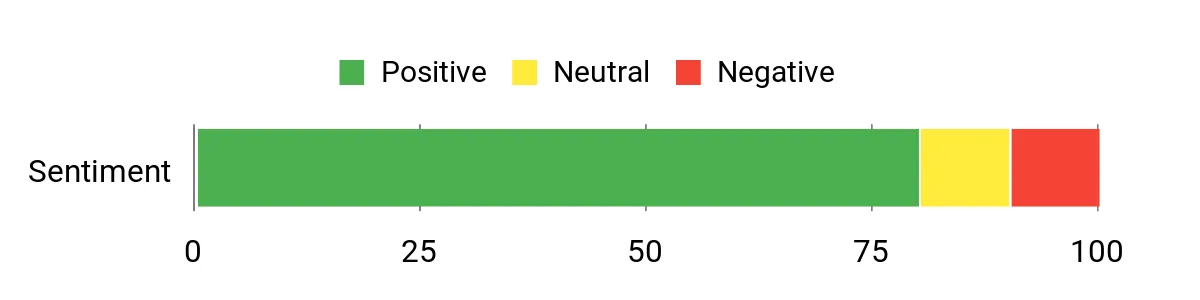
Historical Listing Feedback Snapshot
This retained chart reflects the original article’s historical review analysis and may not represent current Amazon feedback.
Practical Handling
| Factor | What to Expect |
|---|---|
| Diameter | Useful middle ground for many moderate joints |
| Rod length | Standard 36-inch format |
| Inventory | Best when the shop already consumes this size regularly |
Key Benefits
- Versatile 3/32-inch diameter
- Bulk package for repeat work
- Standard length that fits common storage systems
Limitations
- Large package is a poor value if the rod remains unused
- Does not replace a filler-selection chart
- Store carefully to protect the remaining rods after opening
Check Current Amazon Availability
The main difference is the listed 39-inch length, which is longer than the 36-inch rods in most other selections. That may reduce how often you reach for a new rod during longer beads, although it also requires a longer storage tube.
Best for: Buyers who specifically prefer 39-inch cut lengths and can confirm the current listing variation.
Skip it if: You need fully verified package specifications or only have 36-inch storage containers.
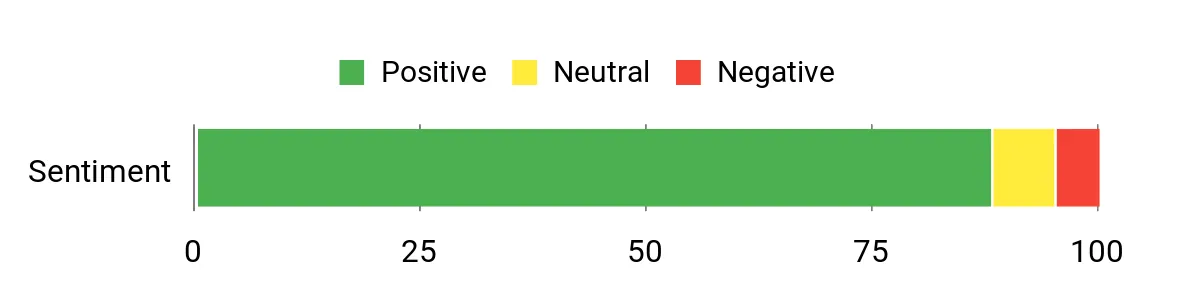
Historical Listing Feedback Snapshot
This retained chart reflects the original article’s historical review analysis and may not represent current Amazon feedback.
Practical Handling
| Factor | What to Expect |
|---|---|
| Length | Longer than the common 36-inch format |
| Storage | May not fit standard 36-inch rod tubes |
| Listing confidence | Confirm package weight and quantity before ordering |
Key Benefits
- Listed 39-inch length
- General-purpose 3/32-inch diameter
- May reduce rod changes during longer welds
Limitations
- Package weight is not consistently reported across indexed listings
- Longer rods require suitable storage
- The filler rod does not determine TIG polarity or create the welding arc
Check Current Amazon Availability
STARTECHWELD offers a useful middle quantity for buyers who consume too much filler for a one-pound pack but do not need a 10-pound box. Its 3/32-inch diameter is a practical choice when that size already matches your material and procedure.
Best for: Practice, maintenance, and repeat fabrication where five pounds is a more sensible inventory level.
Skip it if: You require extensive manufacturer documentation or only need enough rod for one small project.
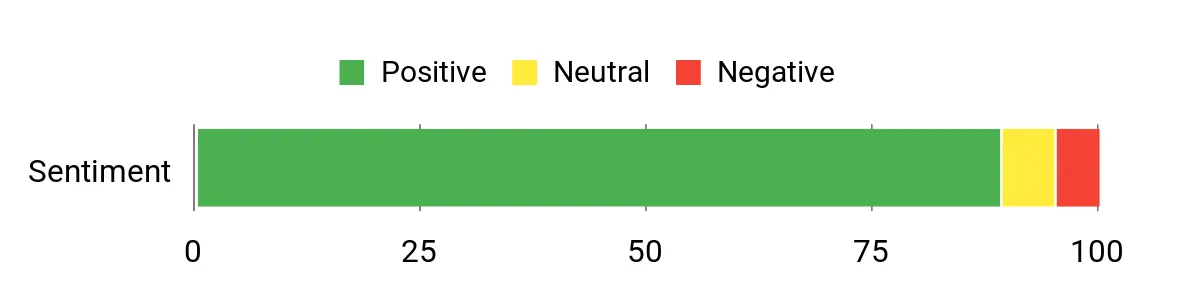
Historical Listing Feedback Snapshot
This retained chart reflects the original article’s historical review analysis and may not represent current Amazon feedback.
Practical Handling
| Factor | What to Expect |
|---|---|
| Diameter | General-purpose 3/32-inch size |
| Quantity | Middle ground between small and bulk boxes |
| Verification | Check the current seller, package weight, and specification before checkout |
Key Benefits
- Practical five-pound quantity
- Common 3/32-inch diameter
- Standard 36-inch length
Limitations
- Fewer independently verifiable listing details than established welding-supply brands
- Five pounds may still be excessive for one-time work
- Suitability depends on the exact base alloy and service conditions
Check Current Amazon Availability
How to Choose a 5356 TIG Filler Rod
1. Identify the Base Alloy First
Do not select filler from the part’s appearance alone. Look for an alloy stamp, drawing, repair manual, material certificate, or manufacturer recommendation. Many 5xxx and 6xxx alloys can be welded with 5356, but the correct choice depends on magnesium content, crack sensitivity, required strength, anodizing, service temperature, and applicable code.
For an unknown casting, do not assume 5356 is correct. Many castings use silicon-rich alloys for which 4043 or 4943 may be the more appropriate starting point.
2. Choose the Diameter for the Puddle and Joint
- 1/16 inch: Lower filler volume for thin material, small joints, and lower-amperage work.
- 3/32 inch: A useful general-purpose size for many repair and fabrication jobs.
- 1/8 inch: Higher filler volume for larger puddles, thicker sections, and larger joints.
These are general guidelines, not fixed thickness limits. Joint design, amperage, travel speed, torch angle, fit-up, and operator technique also affect the best rod size.
3. Buy a Sensible Package Quantity
A one-pound package is easier to justify for occasional work. Five pounds suits repeated projects, while a 10-pound box makes the most sense for a shop that already consumes the selected diameter regularly. Buying more does not improve weld quality if the rods sit open and become dirty.
4. Know When 4043 or 4943 May Be Better
5356 is commonly chosen when higher shear strength, ductility, toughness, or post-anodizing color match is important. A compatible 4043 or 4943 filler may offer easier puddle flow, lower shrinkage-cracking sensitivity, less smut, and better suitability for sustained elevated temperatures.
Do not use 5356 as a general recommendation for parts that will remain above approximately 150°F or 65°C during service. Check a recognized filler-metal selection chart or qualified welding procedure.
5. Check Documentation for Critical Work
Retail listings may not show certificates, lot numbers, approvals, chemical analysis, or country of manufacture. Request the required documentation before using filler on coded, structural, transportation, pressure-containing, or safety-critical work.
Preparing and Storing Aluminum Filler Rods
- Keep rods in a clean, dry, closed container.
- Handle them with clean gloves when contamination control matters.
- Remove oil and grease from the base metal before brushing.
- Use a clean stainless-steel brush dedicated only to aluminum.
- Wipe visibly dirty filler with an approved cleaner and a lint-free cloth.
- Allow any solvent to evaporate completely before welding.
- Keep solvents away from arcs, flames, sparks, and other ignition sources.
- Do not use abrasives that have previously touched steel or other contaminants.
TIG Setup Reminder
For conventional aluminum TIG welding, AC is the normal starting polarity and 100% argon is the common shielding gas. Argon-helium blends may be used for additional heat on thicker material. Follow the welder manufacturer’s instructions and the approved welding procedure rather than copying a universal amperage, polarity, or gas-flow setting.
FAQ
Is ER5356 the Same as R5356?
The alloy chemistry is closely related, but the AWS designation reflects the consumable form. ER5356 commonly refers to electrode wire, while R5356 refers to cut-length filler rod. Many retail listings still call straight TIG rods ER5356, so confirm the physical product before ordering.
Can I Use 5356 TIG Rod on 6061 Aluminum?
5356 is an accepted option for many 6061 applications, especially when shear strength, ductility, toughness, or post-anodizing color match is important. Compatible 4043 or 4943 filler may be preferred when smoother flow, lower crack sensitivity, reduced distortion, or elevated-temperature service is more important. Use a filler-metal selection chart for the exact application.
Can I Use 5356 on Cast Aluminum?
Do not treat 5356 as the default for an unknown casting. Many aluminum castings contain substantial silicon and may be better matched with 4043 or 4943. Identify the casting alloy or follow the component manufacturer’s repair procedure.
Can Straight TIG Rod Be Used in a MIG Welder?
No. A MIG system requires properly sized electrode wire supplied on a compatible spool or drum. Straight cut-length TIG rod is manually fed into a TIG puddle and is not a replacement for MIG wire.
Which Diameter Should I Choose?
Use 1/16 inch when you need lower filler volume, 3/32 inch as a versatile middle size, and 1/8 inch for larger puddles and thicker joints. Match the diameter to the joint, amperage, procedure, and your ability to keep the puddle stable.
Is 5356 Always the Best Choice for Marine Aluminum?
No. Its magnesium content can provide useful strength and corrosion performance on compatible aluminum-magnesium alloys, but marine suitability depends on the base alloy, dilution, design, environment, service temperature, and welding procedure. Confirm the exact alloy rather than choosing filler only because the part is used near saltwater.
Why Should 5356 Be Avoided Above 150°F?
Under certain sustained elevated-temperature conditions, magnesium-rich 5356 weld metal can become more susceptible to stress-corrosion cracking. A compatible 4043, 4943, or 5554 filler may be specified instead, depending on the base alloy and procedure.
How Should I Store Open Filler Rod?
Place it in a clean sealed tube or cabinet away from grinding dust, steel particles, moisture, oil, and handling contamination. Label the container with the alloy and diameter so that rods are not mixed.
What Buyers Usually Prioritize
Most buyers can narrow the list by answering three questions: which diameter does the procedure require, how much filler will be consumed, and how confidently can the listing variation be verified?
- Choose HYW or SÜA when ordering flexibility matters most.
- Choose WeldingCity or STARTECHWELD when a mid-size package is more practical.
- Choose Blue Demon or Harris when you regularly consume a specific diameter in bulk.
- Choose the one-pound Weldcote when you need a small amount of 1/16-inch rod.
- Consider MorningRo only after confirming the current length and package-weight variation.
Final Recommendation
Best Choice for Most Buyers
HYW 5356 is the easiest general recommendation because the listing lets you choose among common rod diameters and package sizes. It reduces the need to switch brands simply because your next project requires a different filler size.
For frequent shop work: Blue Demon 3/32 inch or the matching Harris bulk variation is more practical once you know which diameter your procedures use most often.
The right purchase is not necessarily the brand with the strongest marketing. Start with the base alloy and service requirements, select the correct filler classification and diameter, and then buy a package quantity you can keep clean and use within a reasonable period.
Detailed Comparison
| Product | Image | Listed Size | Listed Quantity | Best For | Amazon |
|---|---|---|---|---|---|
| HYW Products 5356 Aluminum TIG Filler Rod |
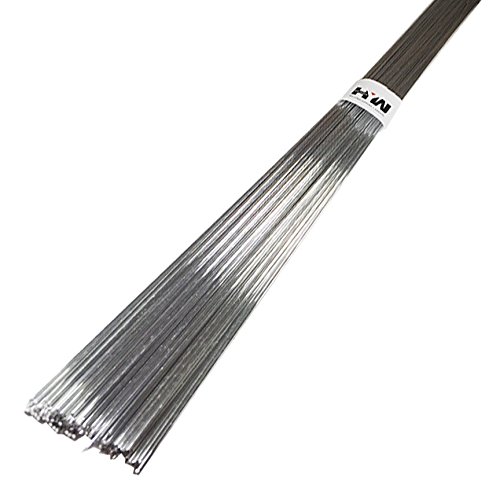 |
Multiple options | Multiple options | Ordering flexibility | Check Details |
| WeldingCity 5356 TIG Welding Rod |
 |
36-inch rods; verify diameter | Verify selected variation | Mid-size supply | Check Details |
| SÜA 5356 TIG Aluminum Welding Rod |
 |
Multiple diameters | Multiple options | Broad variation selection | Check Details |
| Blue Demon 5356 TIG Filler Rod |
 |
3/32 inch × 36 inches | 10 lb | Frequent shop use | Check Details |
| Weldcote 5356 TIG Welding Rod |
 |
1/16 inch × 36 inches | 1 lb | Light and occasional work | Check Details |
| Harris 5356 TIG Welding Rod 1/8 Inch |
 |
1/8 inch; verify length | 10 lb | Thicker joints and higher deposition | Check Details |
| Harris 5356 TIG Welding Rod 3/32 Inch |
|
3/32 inch × 36 inches | 10 lb | Bulk general-purpose inventory | Check Details |
| MorningRo 5356 TIG Welding Rod |
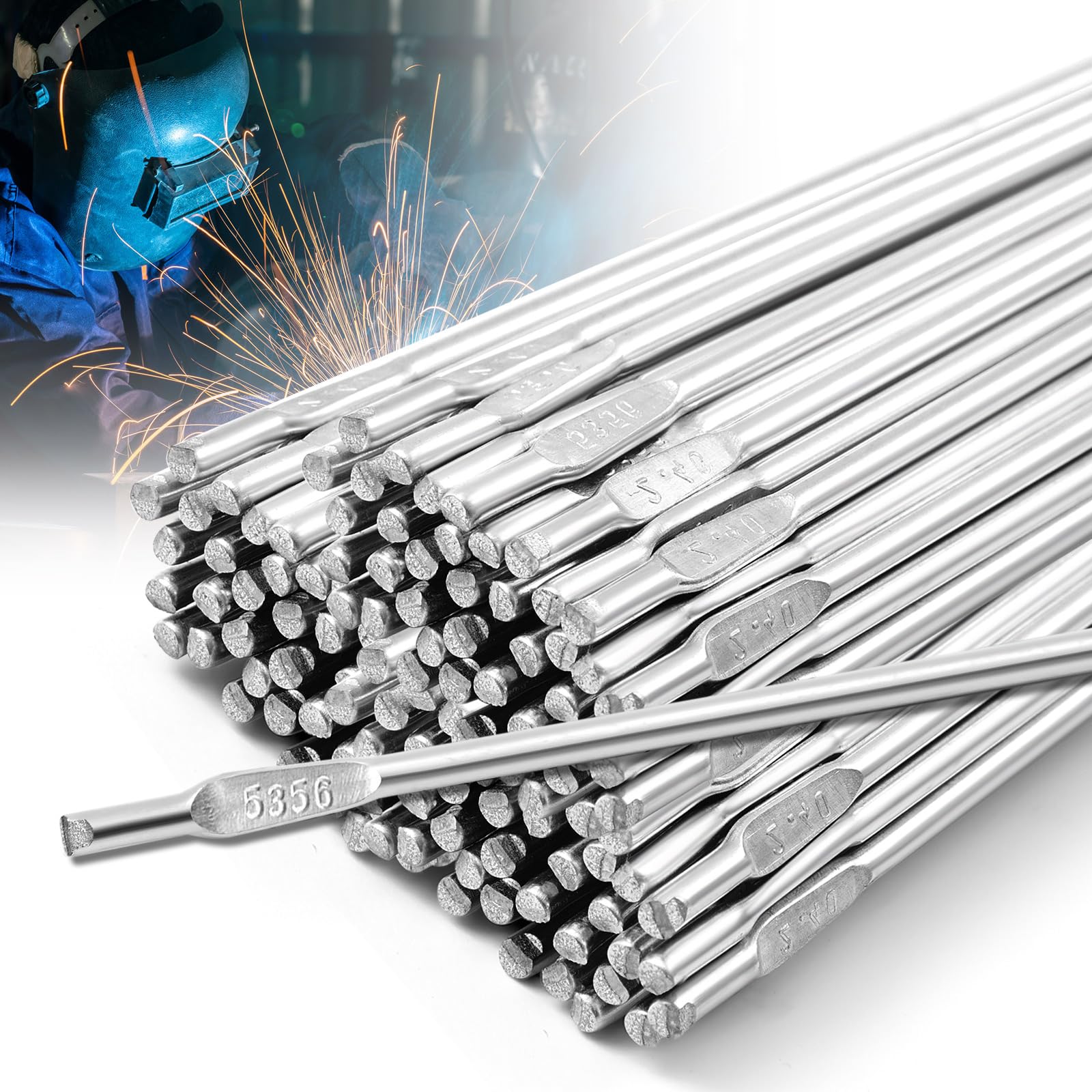 |
3/32 inch × 39 inches | Verify current variation | Longer cut length | Verify Details |
| STARTECHWELD 5356 TIG Welding Rod |
 |
3/32 inch × 36 inches | Listed as 5 lb | Mid-size repeat-work supply | Check Details |
Technical References
- Hobart Brothers: Selecting 4043, 4943, or 5356 filler metal
- Miller: Aluminum filler-metal and TIG guidance
- ESAB: R5356 TIG rod classification and technical information
- Miller: AC polarity and common aluminum TIG problems
Product dimensions, package quantities, seller details, ratings, and availability can change. Verify the selected Amazon variation and manufacturer documentation before purchasing or welding.
This roundup is reader-supported. When you purchase through qualifying Amazon links, we may earn a referral commission at no additional cost to you.