3/32 welding rods suit thin to medium steel, sheet metal repairs and lower-amp machines. These ten 3/32 in. options cover E6013, E7018, J422 and E308L stick electrodes plus ER70S-6 steel and ER4043 aluminum TIG rods, so you can pick by process and material.
This short guide gives you ten dependable options across materials, pack sizes, and skill levels so you can match the rod to the metal and the job quickly.
3/32 Welding Rods Compared
|
Category |
Product |
|---|---|
|
Best Overall |
|
|
Best for Aluminum |
|
|
Best Budget |
|
|
Best Value Pack |
|
|
Best for Stainless |
|
|
Best for Beginners |
|
|
Best TIG Mild Steel |
|
|
Also Consider |
|
|
Best Compact Pack |
|
|
Best for Repairs |
How These Picks Were Chosen
Picks are based on the product listings and manufacturer-stated specs, not on hands-on testing. All ten are 3/32 in. diameter; the differences are process (stick or TIG), alloy, pack weight and rod length.
Weights and dimensions in the comparison table come from the listings. Check the amperage range printed on each package against your machine before you order.

You want a rod that behaves predictably when the job matters, and the E7018 is built for that kind of reliability. It gives you a stable low-hydrogen arc that helps reduce cracking on carbon steel, so it’s a solid choice for repairs on farm equipment, structural tack welds, and most shop work where strength matters.
The 5 lb pack and reusable tube make it easy to keep a ready supply on the shelf, and you’ll notice consistent bead shape and manageable slag when you dial in the right amperage.
Ease Of Use
|
Feature |
Ease Level |
|---|---|
|
Arc Stability |
Easy |
|
Strike Reliability |
Easy |
|
Amperage Setup |
Moderate |
|
Slag Removal |
Easy |
Durability
Made for workshop and field repairs, the low-hydrogen chemistry helps reduce hydrogen-induced cracking and the rods hold up well if kept dry in their tube, making them durable for repeated use.
Key Benefits
- Stable low-hydrogen arc for stronger, crack-resistant welds
- Consistent bead appearance and good slag removal
- Large 5 lb pack with protective packaging for storage

You’ll find this ER4043 filler rod handy whether you’re knocking out routine aluminum repairs or doing more detailed TIG work. The thin 3/32″ diameter and 16″ length make it easy to feed for precision beads, and the low-splatter formulation keeps cleanup minimal so your parts look neater right off the torch. Use it for everyday tasks like patching panels and brackets, and for special projects such as boat fittings or custom aluminum fabrications where corrosion resistance matters. If you want a dependable aluminum rod that behaves consistently in a TIG setup, this one is a practical choice for both hobbyists and pros.
Ease Of Use
|
Feature |
Ease Level |
|---|---|
|
Arc Control |
Easy |
|
Feeding |
Easy |
|
Cleanup |
Easy |
|
Storage |
Moderate |
Durability
The alloy and finish produce durable, corrosion-resistant welds when parts are properly prepared, and rods remain usable as long as you keep them dry and stored in their tube.
Benefits
- Low spatter for cleaner weld appearance
- Good corrosion resistance on aluminum joints
- Uniform rods that feed smoothly in TIG setups
- Appropriate length and weight for multiple projects

You’ll reach for this E6013 when you want something forgiving and easy to work with on everyday shop tasks. It’s the kind of rod that handles light repairs, sheet work and routine maintenance without demanding perfect fit-up, and it plays nicely with smaller inverter machines so you don’t need industrial gear to get decent results. For special jobs like tractor fixes or on-the-go patching, its predictable flow and tidy bead make cleanup quicker and leave you with a solid joint. If you want a reliable, no-fuss stick for general welding, this one earns a spot on your shelf.
Ease Of Use
|
Feature |
Ease Level |
|---|---|
|
Arc Starting |
Easy |
|
Bead Control |
Easy |
|
Amperage Adjustment |
Moderate |
|
Versatility |
Easy |
Durability
These rods are built for workshop and field repairs; they deliver dependable joints when kept dry and stored in their tube, with consistent coating that resists flaking during normal handling.
Key Benefits
- Easy arc starting for faster setup
- Smooth bead profile suitable for light to medium steel
- Good match for small inverter welders and handheld jobs
- Reusable packaging that keeps rods in good condition

You’ll reach for these E6013 rods when you need a simple, no-fuss electrode that behaves well on common shop jobs. They’re forgiving on fit-up so they work nicely for sheet repairs, small farm fixes, and hobby projects, and they pair well with compact inverter machines you might already own.
The short pack size makes it easy to keep a spare set in your toolbox for on-the-go repairs, while still giving you predictable bead appearance and decent slag control once you dial in the heat. If you want a straightforward rod that helps you get the job done without overthinking settings, this is a practical choice.
Ease Of Use
|
Feature |
Ease Level |
|---|---|
|
Arc Starting |
Easy |
|
Fit-Up Tolerance |
Easy |
|
Amperage Tuning |
Moderate |
|
Portability |
Easy |
Durability
Built for routine workshop and field repairs, these rods hold up well when stored dry; the coating stays intact during normal handling and produces reliable joints for light to medium steel.
Key Benefits
- Easy arc starting for quick setups
- Forgiving on fit-up for repair work
- Clean, predictable bead for routine projects
- Compact 1 lb pack suited for occasional welders

You’ll like these J422 rods if you need a dependable general-purpose electrode that behaves well across a range of shop tasks. They’re forgiving on fit-up, easy to start with most machines, and produce a smooth bead that’s simple to clean up, which makes them handy for farm repairs, structural tack work, and hobby projects.
The larger 4.5 lb pack keeps you stocked for longer jobs, and their consistency means fewer surprises when you change amps or machines. Keep them dry and matched to the proper amperage and they’ll cover most light to medium steel needs without fuss.
Ease Of Use
|
Feature |
Ease Level |
|---|---|
|
Arc Strike |
Easy |
|
Slag Removal |
Easy |
|
Fit-Up Tolerance |
Easy |
|
Machine Compatibility |
Easy |
Durability
These rods hold up well when stored dry; the coating resists chipping during normal handling and produces consistent joints for light to medium steel work.
Key Benefits
- Reliable arc start across different machines
- Forgiving on fit-up for quick repairs
- Nice bead appearance and easy slag removal
- Large pack suited for sustained jobs

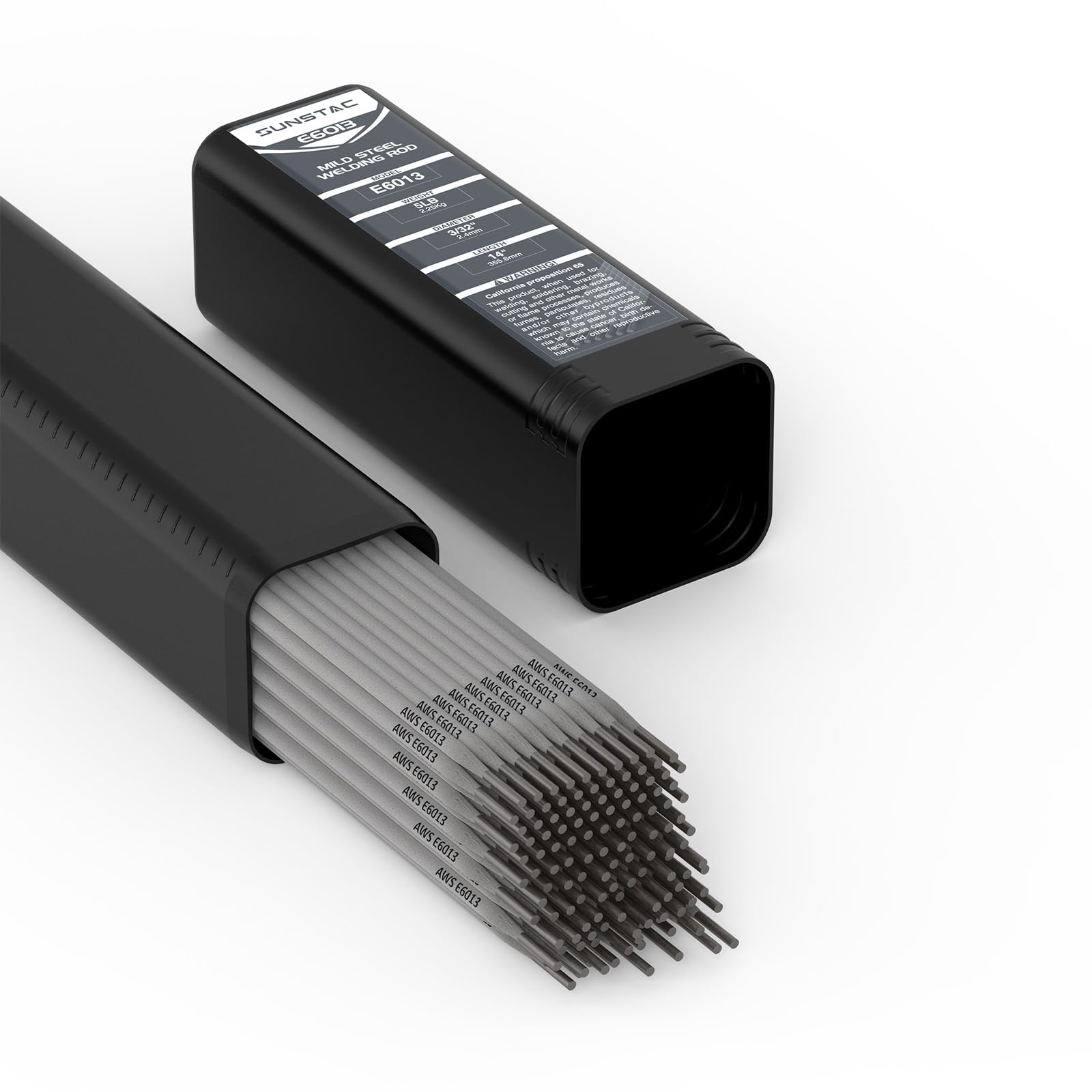
You’ll find the Sunstac E6013 a solid choice when you need a dependable general-purpose rod for shop and field work. It handles light to medium steel well, forgiving on fit-up and friendly with inverter machines, so it’s useful for routine maintenance, tractor repairs, and basic fabrication.
The larger 5 lb pack keeps you stocked for longer jobs and the consistent coating helps you get repeatable beads once you dial in the amperage. If you want a practical, no-nonsense electrode that behaves predictably across common tasks, this one fits the bill.
Ease Of Use
|
Feature |
Ease Level |
|---|---|
|
Arc Starting |
Easy |
|
Bead Control |
Easy |
|
Slag Removal |
Easy |
|
Amperage Tuning |
Moderate |
Durability
The coating holds up during normal handling and, when stored dry, the rods deliver consistent joints for general workshop and field repairs.
Key Benefits
- Reliable arc starting for faster setups
- Consistent bead appearance and flow
- Forgiving on fit-up for repair work
- Large 5 lb pack suited to longer projects

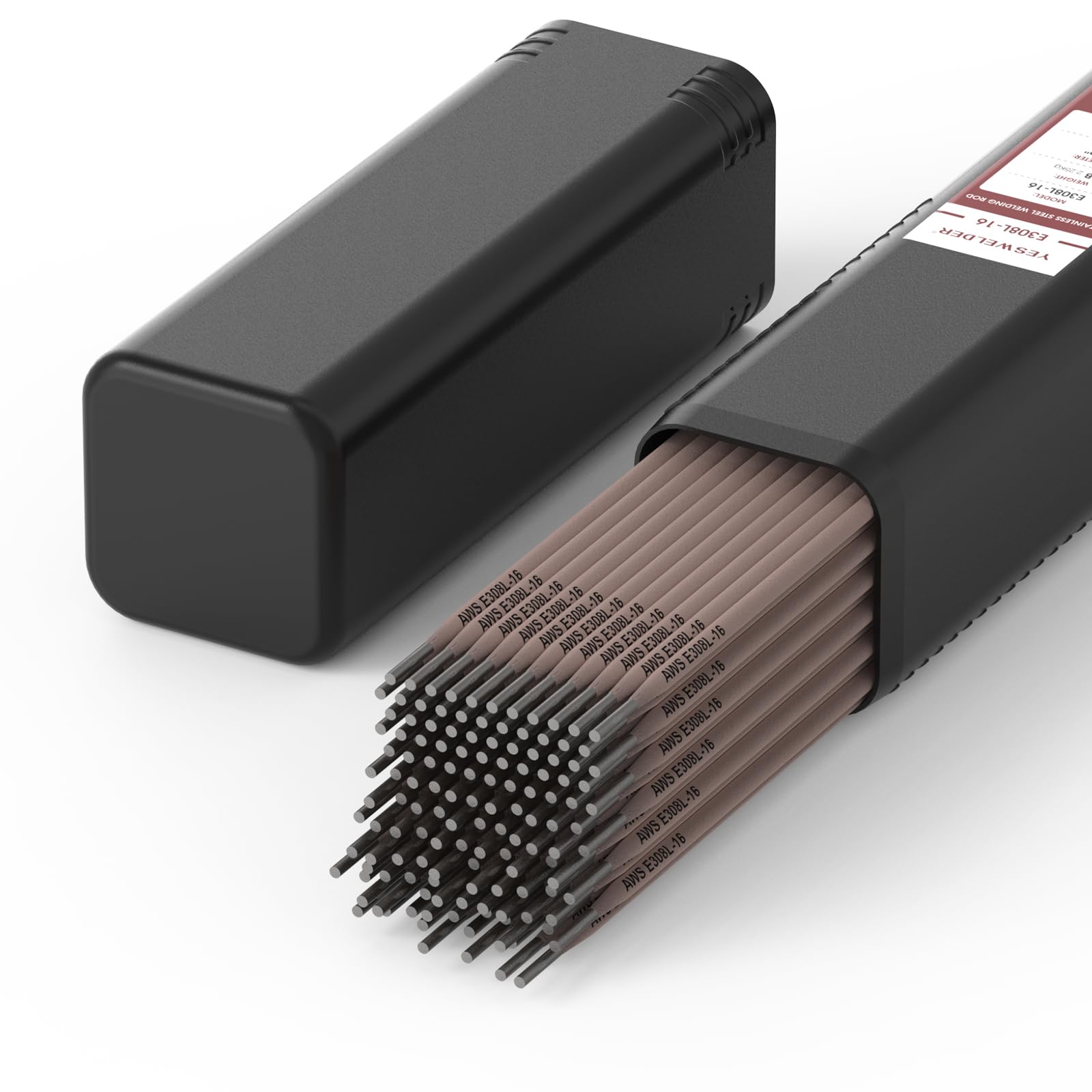
You’ll reach for these E308L rods when you need a stainless option but don’t have access to MIG or TIG gear. They produce a tidy, self-cleaning bead that looks good on exhaust work and thin stainless repairs, and the reusable tube helps keep rods dry between jobs.
In the shop they’re handy for maintenance, small fabrications, and on-the-spot stainless fixes where a clean finish matters. Try a couple rods first to confirm your machine settings, then treat them as a practical stainless backup that can save you a trip to a specialty welder.
Ease Of Use
|
Feature |
Ease Level |
|---|---|
|
Arc Control |
Easy |
|
Slag Removal |
Easy |
|
Finish Quality |
Easy |
|
Setup Guidance |
Moderate |
Durability
The rods produce durable, corrosion-resistant welds when parts are properly prepared, and the airtight reusable tube helps maintain rod condition if you store them dry.
Key Benefits
- Good self-cleaning bead for stainless finishes
- Reusable packaging helps protect from moisture
- Works well for exhaust and thin stainless repairs
- Useful when MIG or TIG aren’t available

You’ll reach for the Saker E6013 when you want an easy-to-use rod that handles everyday shop tasks without fuss. It’s forgiving on fit-up, starts reliably with small inverter machines, and produces a smooth bead that’s handy for sheet repairs, tractor fixes, and hobby projects. The compact pack is convenient to toss in your toolbox for on-the-go repairs, and once you dial in amperage it gives consistent results that help you move through jobs faster.
If you’re learning or just need a dependable general-purpose electrode, this one is a solid, practical choice.
Ease Of Use
|
Feature |
Ease Level |
|---|---|
|
Arc Starting |
Easy |
|
Bead Control |
Easy |
|
Amperage Tuning |
Moderate |
|
Portability |
Easy |
Durability
Coating holds up under normal handling and, if stored dry, the rods produce consistent joints suitable for routine workshop and field repairs.
Key Benefits
- Easy arc starting ideal for beginners
- Smooth bead profile for tidy welds
- Good fit for compact inverter welders
- Compact pack convenient for occasional use

You’ll appreciate these ER70S-6 rods when you need dependable mild steel filler that feeds smoothly and produces a clean weld puddle. They work well for daily shop use, fabrication touch-ups, and bodywork where a tidy bead matters, and they’re easy to handle with most TIG setups.
The shorter 16″ length makes these rods convenient for precise work, though you may find them a bit short for long runs. Overall they’re a practical choice if you want consistent filler performance and minimal fuss during cleanup.
Ease Of Use
|
Feature |
Ease Level |
|---|---|
|
Feeding |
Easy |
|
Arc Control |
Easy |
|
Cleanup |
Easy |
|
Rod Length |
Moderate |
Durability
The rods deliver consistent filler and solid welds when parts are properly cleaned; they remain usable as long as you store them dry and protected from moisture.
Key Benefits
- Smooth feeding and steady filler flow
- Clean weld appearance with minimal dross
- Works well with common TIG setups
- Generous 5 lb pack for multiple projects

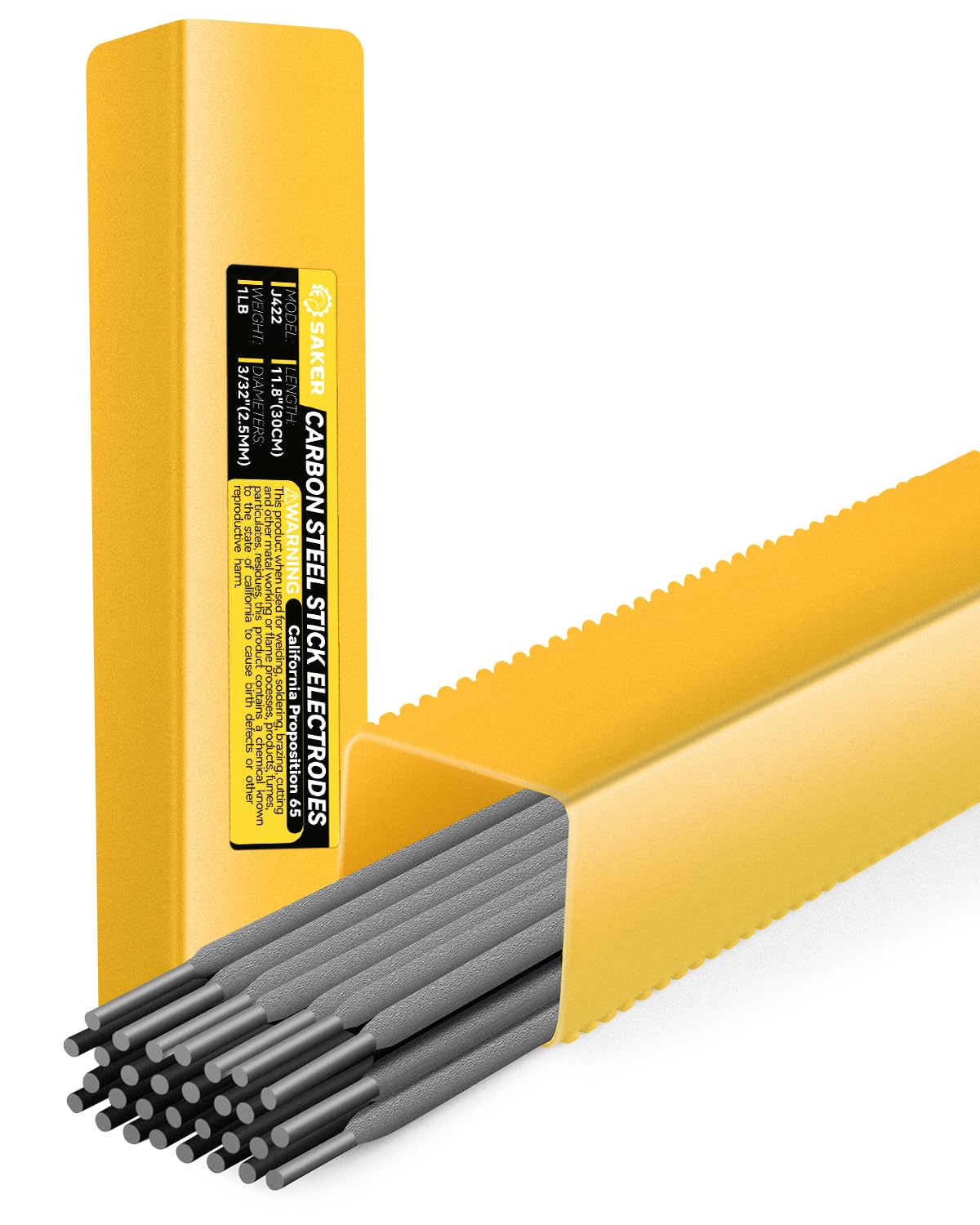
You’ll keep these J422 rods in the toolbox for quick repairs and routine shop work because they’re forgiving and reliable across different machines. They strike easily, flow into a tidy bead, and are simple to chip clean, which makes them handy for tractor fixes, small structural tacks, and hobby projects.
The 1 lb size is convenient for testing a new weld setup or carrying to a job site, and their consistency means fewer surprises when you change amps or machines. If you want a compact, predictable rod for everyday tasks, these are a solid pick.
Ease Of Use
|
Feature |
Ease Level |
|---|---|
|
Arc Strike |
Easy |
|
Slag Removal |
Easy |
|
Fit-Up Tolerance |
Easy |
|
Amperage Tuning |
Moderate |
Durability
The coating holds up during normal handling and, when rods are stored dry, they produce consistent joints suitable for regular workshop and field repairs.
Key Benefits
- Easy arc strike across a range of welders
- Forgiving on fit-up for quick repairs
- Clean bead appearance with simple slag removal
- Convenient 1 lb pack for portability
Related guides: E6013 3/32 rod review | E6010 3/32 rod review | TIG filler rod selection chart
FAQ
Which Rod Should I Choose?
You want to match the rod to the base metal and the job. For everyday shop repairs and sheet work a general-purpose E6013 gives forgiving arc starts and a tidy bead, while a low-hydrogen E7018 is the better pick when strength and crack resistance matter for structural or heavy repairs. Use ER4043 filler for aluminum TIG work and E308L if you need a stainless stick option when MIG or TIG aren’t available.
Keep a general-purpose rod, a low-hydrogen option, and an aluminum or stainless choice on hand so you can handle most common tasks without scrambling.
How Do I Set Amperage And Technique?
Start on scrap and adjust until the puddle looks right rather than relying only on numbers; manufacturers give ranges but real-world conditions like fit-up and plate thickness matter. Keep your arc short and steady with stick electrodes, chip slag between passes, and use a clean workpiece; for aluminum TIG you’ll need to remove oxide and feed the filler smoothly while controlling the puddle.
If beads are too convex or you see undercut, reduce travel speed or amps; if you see poor fusion increase heat slightly and retry on scrap until the weld behaves predictably.
How Should I Store And Maintain Rods?
Store rods dry in their original tube or in a sealed dry box and avoid leaving low-hydrogen electrodes exposed to humidity because moisture can cause porosity and cracks. If low-hydrogen rods have been exposed to moisture, follow the manufacturer’s guidance for re-baking before use or keep them in a rod oven for storage.
Check coatings for chips or flaking before welding and discard badly damaged rods, and always wipe or clean metals before welding so you’re not fighting contaminants while you work.
Which One Should You Choose?
Match the rod to the metal first: E6013 or J422 for general mild steel, E7018 where a low-hydrogen rod is called for, E308L for stainless, ER70S-6 for TIG on mild steel and ER4043 for aluminum TIG. Then pick a pack size that fits how often you weld; a 1 lb pack suits trial use and a 5 lb pack suits regular use.
Wrapping Up
Match the process and alloy to your metal first, then choose a pack size that fits how often you weld. Confirm details on each listing before you buy.
| Product Name | Image | Material | Item Weight | Power Source |
|---|---|---|---|---|
| YESWELDER E7018 3/32” 5LB Welding Rod |
 |
E7018 5LB | 5.19 pounds | N/A |
| Aluminum TIG Welding Rod 3/32″x 16″ 1.8LB, ER4043 |
 |
Aluminum | 2.51 pounds | AC |
| YESWELDER E6013 3/32” 2LB Welding Rod |
 |
E6013 2LB | 1 pounds | N/A |
| Welding Rods, E6013 3/32” 1LB |
 |
N/A | 1 pounds | AC/DC |
| 3/32″ Welding Rod J422 Carbon Steel Stick Electrodes 4.5LB |
 |
J422 | 4.33 pounds | N/A |
| E6013 Welding Rod 3/32″ 5LB |
 |
E6013 | 5.21 pounds | N/A |
| YESWELDER E308L-16 Stainless Steel Stick Electrodes |
 |
Stainless Steel | 5.26 pounds | Hand Powered |
| Saker E6013 Welding Rod 3/32” 1-Pound |
 |
N/A | 1.01 pounds | Hand Powered |
| TOOLIOM Mild Steel TIG Welding Rod ER70S-6 |
 |
Mild Steel | 5.17 pounds | Hand Powered |
| 3/32″ Welding Rod J422 Carbon Steel Stick Electrodes 1LB |
 |
J422 | 15.8 ounces | N/A |