The best welding rod for a beginner depends on the process, base metal, material thickness, machine output, and joint requirements. This guide compares beginner-friendly stick electrodes and TIG filler rods for mild-steel practice and compatible stainless TIG work.
Start with E6013 for basic stick practice. Use E7018 only when the job and procedure call for a low-hydrogen electrode and you can store and run it correctly. Choose ER308L only for compatible stainless TIG applications.
Top Picks
| Category | Product | Best Use |
|---|---|---|
| 🏆 Best Overall for Beginners | YESWELDER E6013 | First stick-welding practice |
| 🧰 Best Small Practice Pack | Saker E6013 | Trying E6013 in a small quantity |
| 🔰 General-Purpose Alternative | YesRight J422 | J422 practice after checking its standard |
| 💰 Best Larger E6013 Pack | Sunstac E6013 | Frequent practice |
| ⭐ Best Next-Step E7018 | YESWELDER E7018 | 3/32-inch E7018 work |
| 🔥 Low-Hydrogen Alternative | TOOLIOM E7018 | Mid-size E7018 supply |
| 🎨 Best Dual-Size Pack | YESWELDER Dual E7018 | Using two E7018 diameters |
| 🚀 Best for Thicker Steel | ARCCAPTAIN E7018 | 1/8-inch E7018 on capable machines |
| 🔬 Best Bulk TIG Pack | YESWELDER ER308L | Repeated compatible stainless TIG |
| 🧪 Best Small TIG Pack | Convivium ER308L | Occasional compatible stainless TIG |
How We Chose
We compared process, classification, diameter, package quantity, intended base metal, machine demands, and storage needs. We did not use temporary prices, star ratings, review counts, or sales badges as permanent quality scores.
Before You Buy
- E6013: The simplest category here for basic stick practice on suitable mild steel.
- E7018: A low-hydrogen category that needs correct polarity, amperage, handling, and moisture control.
- ER308L: Bare TIG filler for compatible stainless; it is not a coated stick electrode.
- Rod diameter: Match it to the joint, material thickness, welding position, and machine output.
Detailed Product Reviews
Review charts below are protected snapshots from the original article. Check the newest verified feedback and current product details on Amazon before ordering.
A 3/32-inch, 5 lb E7018 low-hydrogen stick-electrode pack for welders moving beyond basic E6013 practice.
Best for: Best when the job specifically calls for E7018 and your machine, polarity, amperage, storage method, and procedure are suitable.
Pros
- Common 3/32-inch diameter
- Practical 5 lb shop quantity
- Low-hydrogen E7018 classification
Cons
- Less forgiving than E6013
- Moisture control matters
- Not approval for critical structural work
Review Snapshot
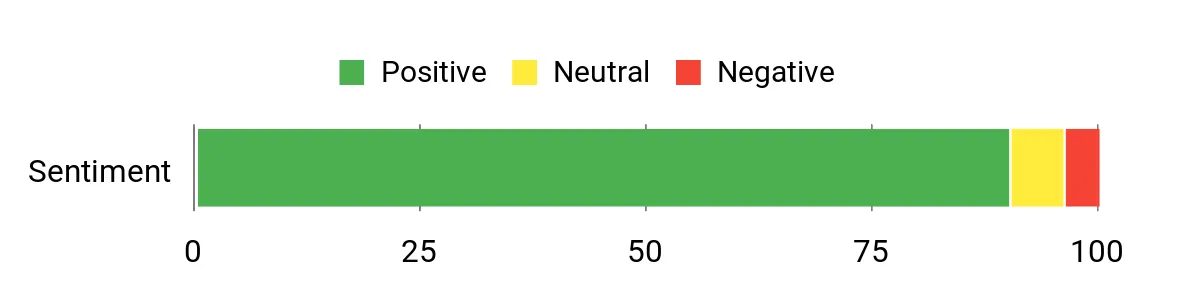
Use this chart only as a historical snapshot. Read recent verified reviews for packaging condition, cleanliness, consistency, and results on equipment similar to yours.
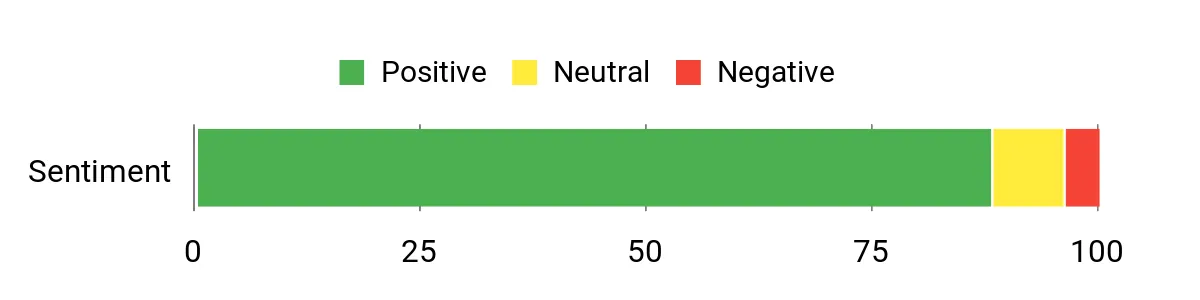
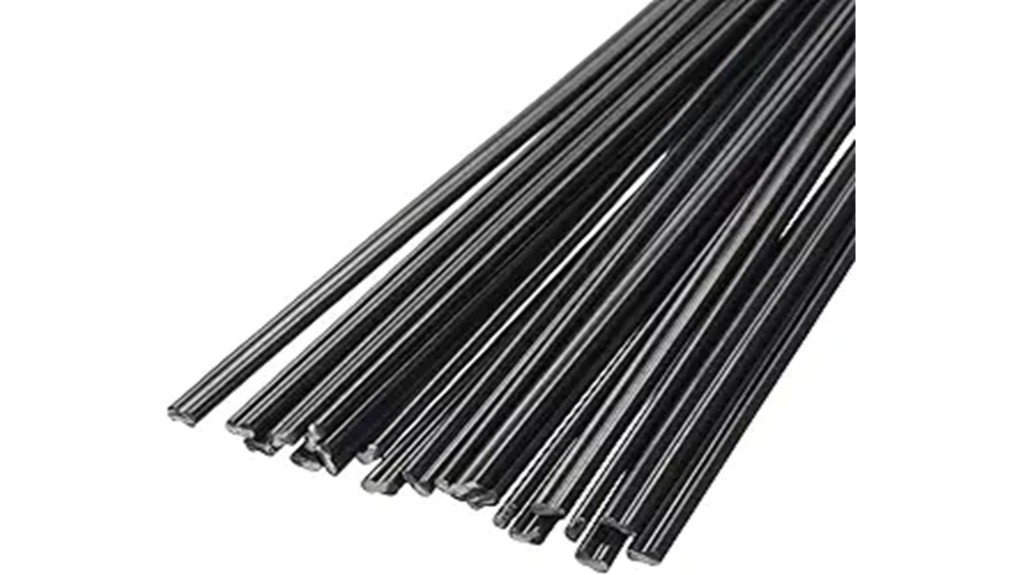
A 5 lb pack of 1/16-inch by 16-inch ER308L stainless TIG filler rods for repeated compatible stainless work.
Best for: Best for TIG welders who regularly join compatible 300-series stainless and want a bulk filler supply.
Pros
- Bulk 5 lb quantity
- 1/16-inch diameter for controlled filler addition
- Clearly separated from stick-electrode choices
Cons
- Requires a TIG setup and shielding gas
- Not for mild-steel stick welding
- Filler must match the exact stainless application
Review Snapshot
Use this chart only as a historical snapshot. Read recent verified reviews for packaging condition, cleanliness, consistency, and results on equipment similar to yours.
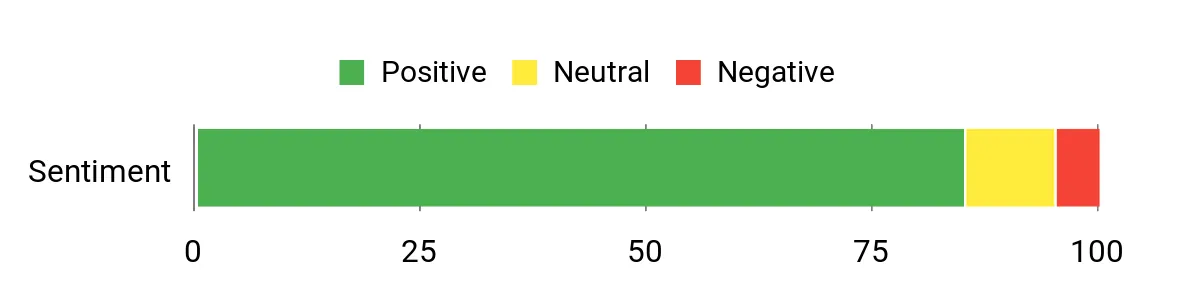
A 3/32-inch, 2 lb E6013 stick-electrode pack and the simplest starting choice in this roundup for basic practice.
Best for: Best for beginners practicing starts, arc length, travel speed, work angle, and slag removal on suitable mild-steel coupons.
Pros
- Beginner-focused E6013 classification
- Manageable 2 lb pack
- Useful 3/32-inch practice size
Cons
- Not a substitute for specified low-hydrogen rod
- Not for stainless TIG
- Still requires correct preparation and settings
Review Snapshot
Use this chart only as a historical snapshot. Read recent verified reviews for packaging condition, cleanliness, consistency, and results on equipment similar to yours.
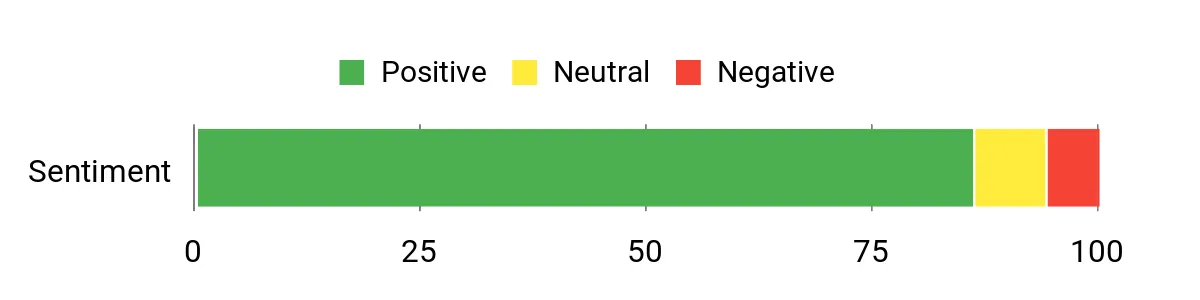
A 10 lb pack of 1/8-inch E7018 electrodes aimed at heavier sections and higher-output stick welders.
Best for: Best for users who already know they need 1/8-inch E7018 and can support its amperage and storage requirements.
Pros
- Large 10 lb supply
- 1/8-inch size for heavier work
- Low-hydrogen E7018 classification
Cons
- Too large and hot for many beginner projects
- Higher machine-output demand
- Bulk pack increases storage responsibility
Review Snapshot
Use this chart only as a historical snapshot. Read recent verified reviews for packaging condition, cleanliness, consistency, and results on equipment similar to yours.
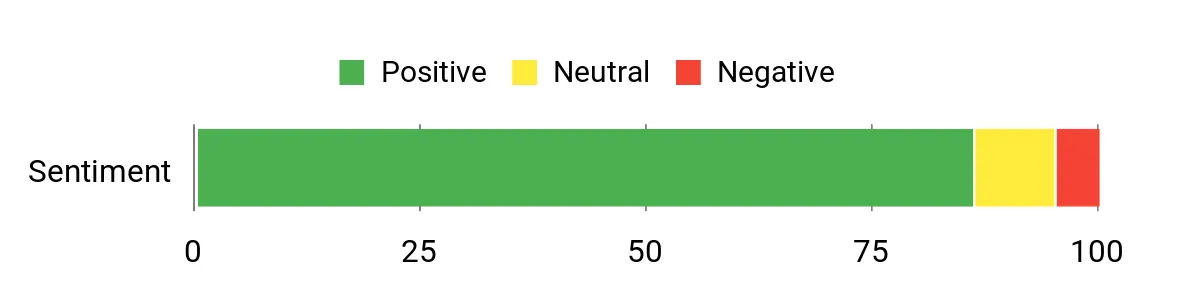
A 3/32-inch, 4.5 lb J422 carbon-steel stick-electrode pack positioned for general-purpose practice and fabrication.
Best for: Best for buyers comfortable checking the declared J422 standard instead of assuming it is identical to an AWS classification.
Pros
- General-purpose 3/32-inch format
- Useful mid-size pack
- Suitable as a practice-oriented alternative
Cons
- Different classification system from AWS labels
- Not for stainless TIG
- Project requirements must be checked carefully
Review Snapshot
Use this chart only as a historical snapshot. Read recent verified reviews for packaging condition, cleanliness, consistency, and results on equipment similar to yours.
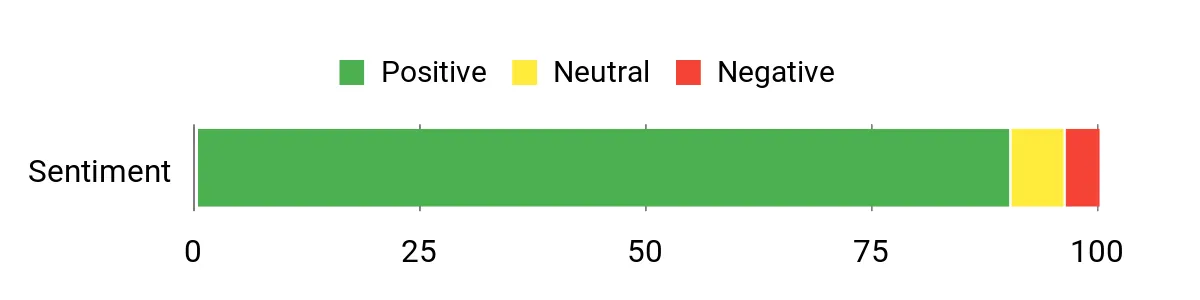
A compact 1 lb pack of 3/32-inch E6013 electrodes for short practice sessions or trial use.
Best for: Best for a beginner who wants to try E6013 on a suitable machine before buying a larger quantity.
Pros
- Small trial quantity
- Beginner-friendly classification
- Easy to store compared with a bulk pack
Cons
- Runs out quickly during frequent practice
- Not for TIG
- Not intended as a universal structural electrode
Review Snapshot
Use this chart only as a historical snapshot. Read recent verified reviews for packaging condition, cleanliness, consistency, and results on equipment similar to yours.
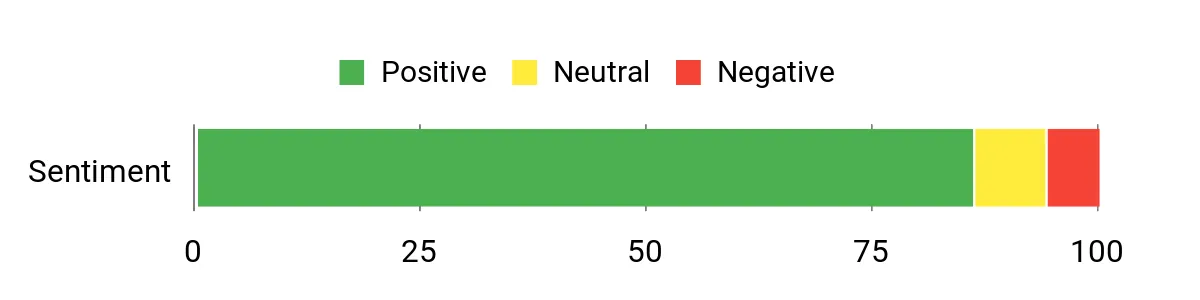
A 5 lb mixed pack containing 3/32-inch and 1/8-inch E7018 electrodes in one container.
Best for: Best for a welder who genuinely uses both diameters and wants one organized E7018 package.
Pros
- Two common diameters
- Reduces the need for two separate boxes
- Useful for varied material thicknesses
Cons
- Both sizes may not suit your machine
- Still needs proper low-hydrogen storage
- Unnecessary for simple first-practice work
Review Snapshot
Use this chart only as a historical snapshot. Read recent verified reviews for packaging condition, cleanliness, consistency, and results on equipment similar to yours.
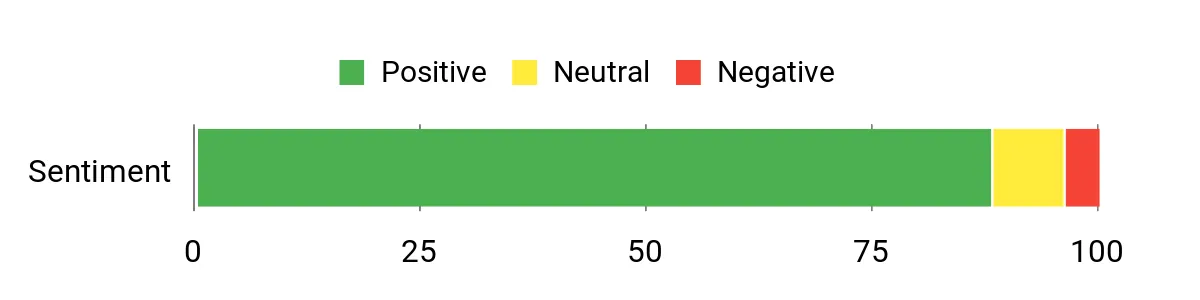
A 5 lb pack of 3/32-inch E6013 electrodes for buyers who expect frequent practice or routine general-purpose work.
Best for: Best for someone who already knows E6013 suits the intended mild-steel task and wants more practice quantity.
Pros
- Larger practice supply
- Common 3/32-inch format
- Straightforward E6013 category
Cons
- More storage commitment than a trial pack
- Not for stainless TIG
- Not a replacement for specified E7018
Review Snapshot
Use this chart only as a historical snapshot. Read recent verified reviews for packaging condition, cleanliness, consistency, and results on equipment similar to yours.
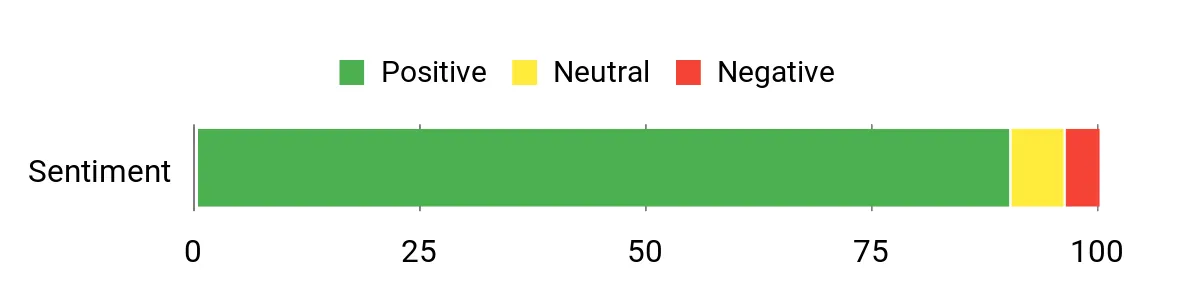
A 20-piece set of 1/16-inch by 16-inch ER308L stainless TIG filler rods for occasional compatible projects.
Best for: Best for light or infrequent stainless TIG work where a small piece-count pack makes more sense than 5 lb.
Pros
- Small 20-piece quantity
- 1/16-inch filler size
- Lower storage commitment than bulk TIG rod
Cons
- Not for stick welding
- Limited quantity
- Compatibility must be checked by stainless grade and service
Review Snapshot
Use this chart only as a historical snapshot. Read recent verified reviews for packaging condition, cleanliness, consistency, and results on equipment similar to yours.
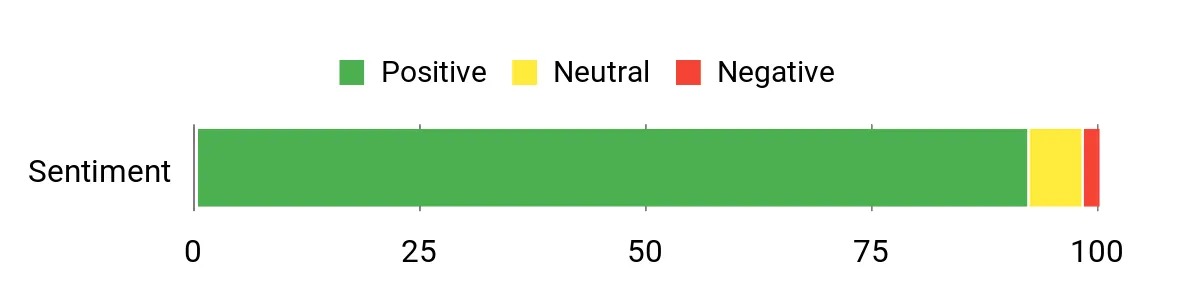
A 3/32-inch, 5 lb E7018 low-hydrogen stick-electrode pack for procedure-appropriate mild-steel fabrication.
Best for: Best for welders who want a mid-size E7018 pack and will follow the current polarity, amperage, and storage guidance.
Pros
- Common 3/32-inch diameter
- Practical 5 lb quantity
- Low-hydrogen E7018 category
Cons
- Not the easiest first electrode
- Storage and exposure control matter
- Critical joints need qualified procedure and inspection
Review Snapshot
Use this chart only as a historical snapshot. Read recent verified reviews for packaging condition, cleanliness, consistency, and results on equipment similar to yours.
How to Choose the Right Welding Rod
- Match the process: Stick electrodes and TIG filler rods are not interchangeable.
- Match the base metal: Confirm the exact steel or stainless grade and service conditions.
- Check the classification: Do not assume J422 and E6013 are automatically interchangeable for certified work.
- Check the machine: Confirm polarity, output, and the listed starting range.
- Control storage: Follow the manufacturer and applicable procedure, especially for E7018.
FAQ
Which Welding Rod Should a Beginner Start With?
For basic stick-welding practice on suitable mild steel, a 3/32-inch E6013 pack is usually the easiest starting point in this roundup.
When Should You Choose E7018?
Choose E7018 when the job or welding procedure calls for a low-hydrogen electrode and your machine, polarity, amperage, and storage method are suitable.
Can You Use ER308L TIG Rods in a Stick Welder?
No. ER308L TIG filler rods are bare filler metal and do not have a stick electrode’s flux coating.
Is J422 the Same as E6013?
They come from different classification systems. Do not assume they are interchangeable for certified work; check the declared standard and project requirements.
How Should You Store Welding Rods?
Keep rods clean and dry. For low-hydrogen electrodes, follow the manufacturer and applicable procedure for unopened storage, exposure time, holding temperature, and reconditioning.
How Do You Pick Rod Size and Amperage?
Match the diameter to the material, joint, pass, position, and machine output. Use the product data and welding procedure for the starting range.
What Beginners Usually Prioritize
Beginners usually need a clear process-and-metal match, a manageable diameter, a suitable package quantity, and instructions their machine can support. E6013 is the practical starting category, E7018 is a procedure-driven next step, and ER308L is a separate stainless TIG choice.
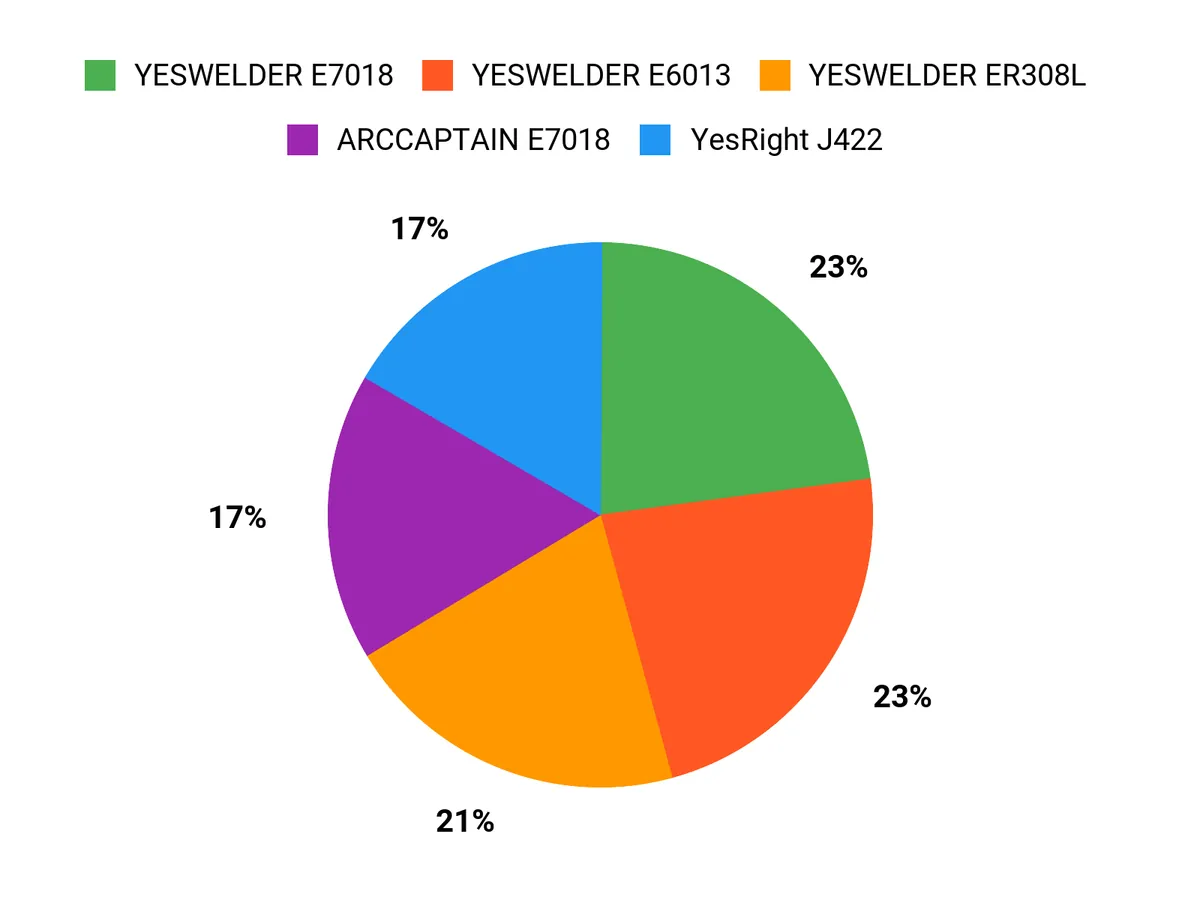
This chart is retained from the original article snapshot and should not be treated as current market data.
Final Recommendation
Start here: Choose the YESWELDER E6013 3/32-inch 2 lb pack for basic stick practice. Choose Saker when you want the smallest trial quantity, or Sunstac when you want a larger E6013 supply.
Choose carefully: Buy E7018 only when the project, machine, storage method, and procedure support it. Buy ER308L only for compatible stainless TIG work.
Full Specification Comparison
Ratings and review counts are omitted because they change frequently.
| Product Name | Image | Type | Material | Size |
|---|---|---|---|---|
| YESWELDER E7018 3/32” 5LB Welding Rod |
 |
Low Hydrogen Carbon Steel Stick Electrodes | E7018 5LB | 3/32″ |
| YESWELDER Stainless Steel TIG Welding Rod ER308L 1/16″x16″ 5LB |
 |
ER308L Stainless Steel | ER308L Stainless Steel | 1/16″ x 16″ |
| YESWELDER E6013 3/32” 2LB Welding Rod |
 |
Carbon Steel Stick Electrodes | E6013 2LB | 3/32″ |
| ARCCAPTAIN E7018 Welding Rod 1/8” 10LB |
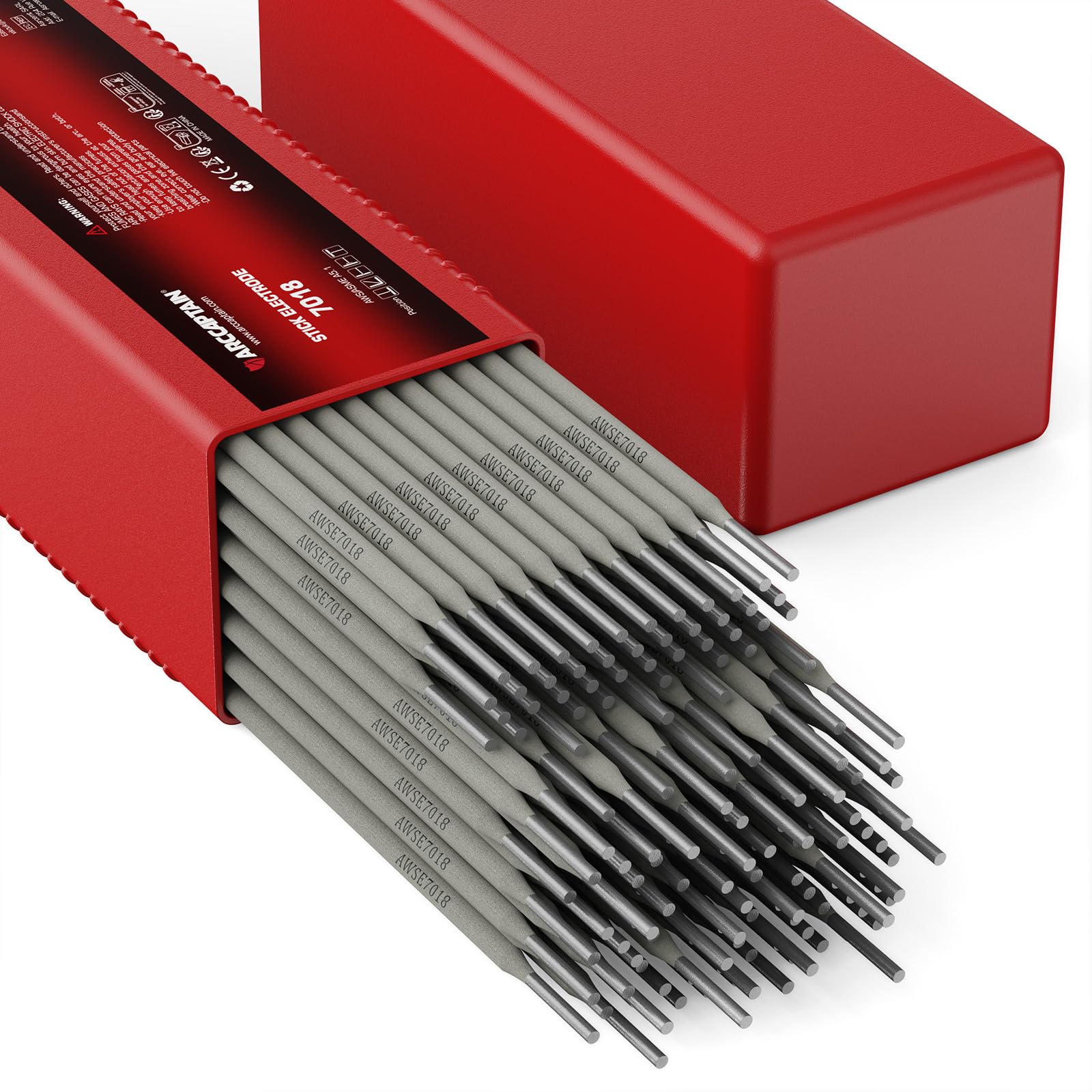 |
Low Hydrogen Carbon Steel | E7018 10LB | 1/8″ |
| 3/32″ Welding Rod J422 Carbon Steel Stick Electrodes 4.5LB |
 |
J422 Carbon Steel | J422 | 3/32″ 4.5LB |
| Saker E6013 Welding Rod 3/32” 1-Pound |
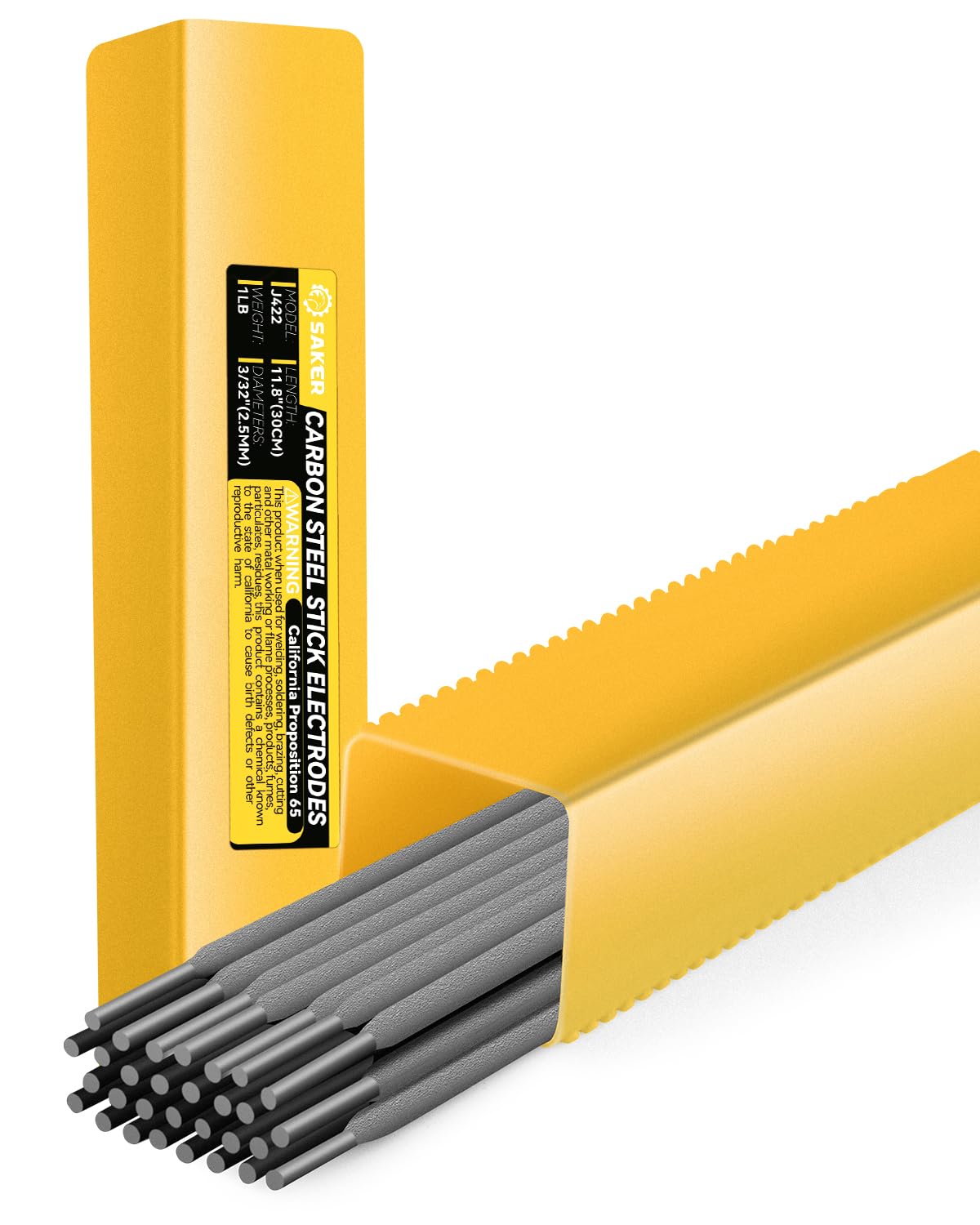 |
Carbon Steel Stick Welding Electrodes | E6013 | 3/32” 1LB |
| YESWELDER Dual E7018 Welding Rod Pack |
 |
Low Hydrogen Carbon Steel Stick Electrodes | E7018 5LB | 3/32″ and 1/8″ |
| Sunstac E6013 Welding Carbon Electrodes |
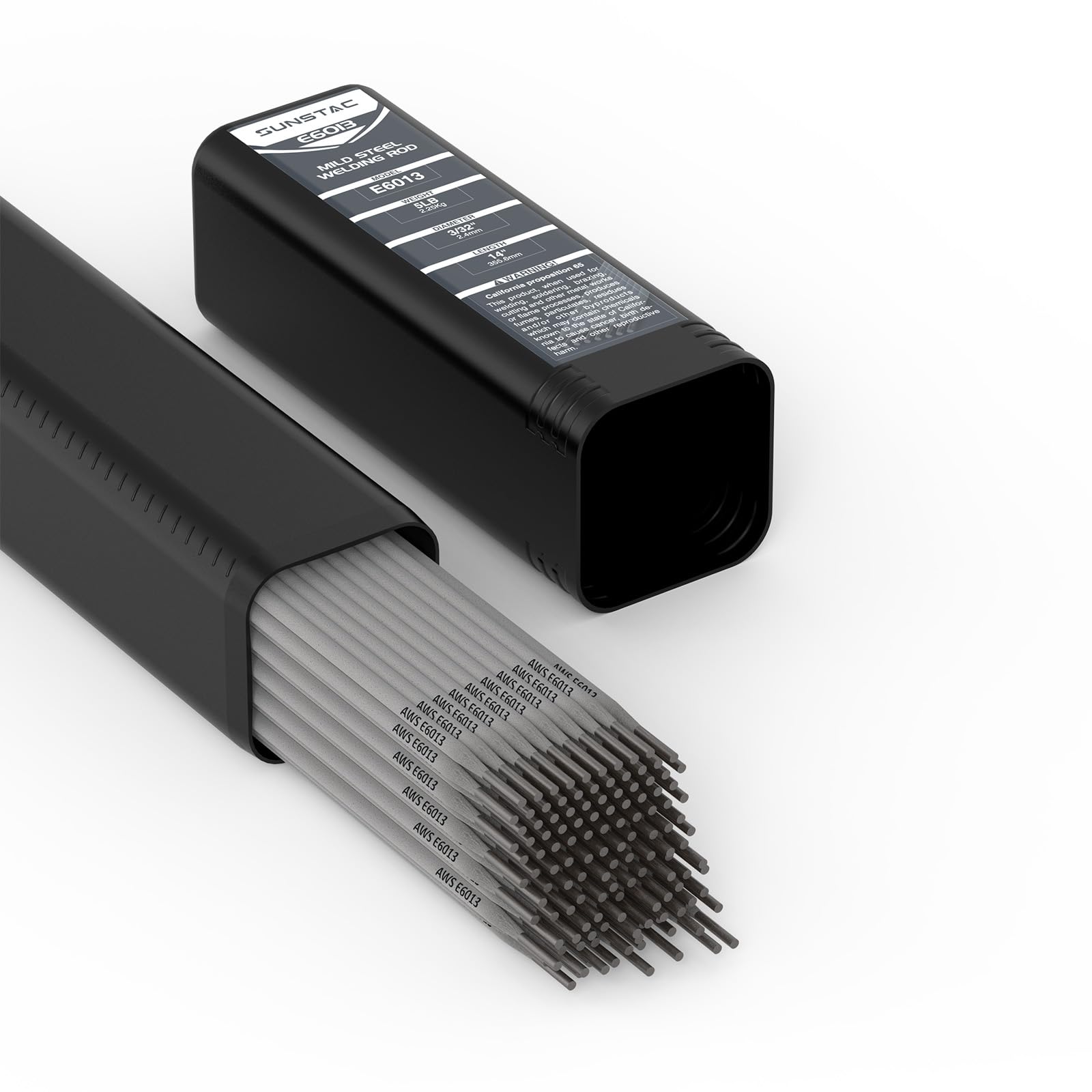 |
Carbon Steel Stick Electrodes | E6013 5LB | 3/32″ |
| Convivium ER308L Stainless TIG Welding Rods |
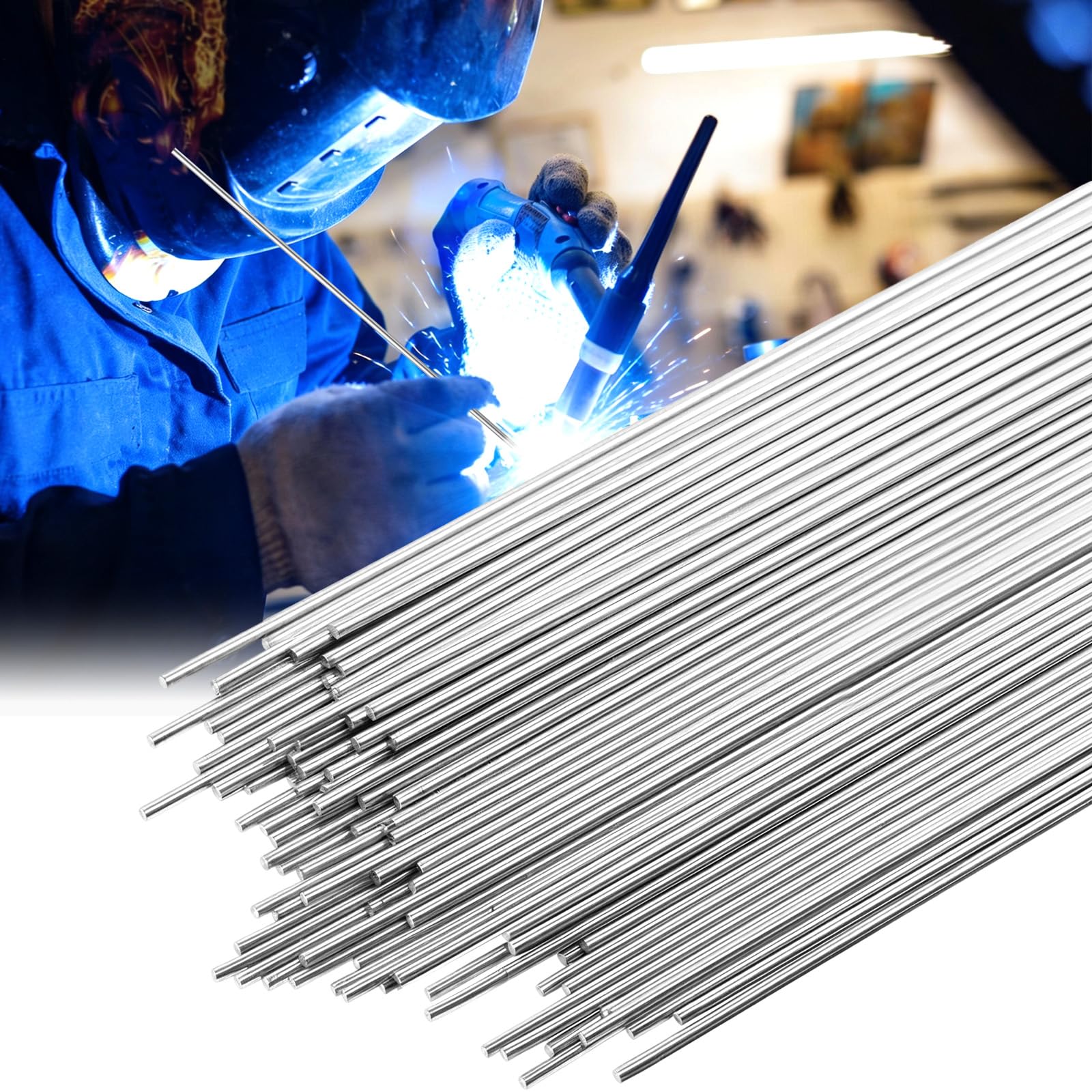 |
ER308L Stainless Steel TIG Filler Rods | ER308L Stainless Steel | 1/16″ x 16″ |
| TOOLIOM E7018 Low Hydrogen Welding Rod |
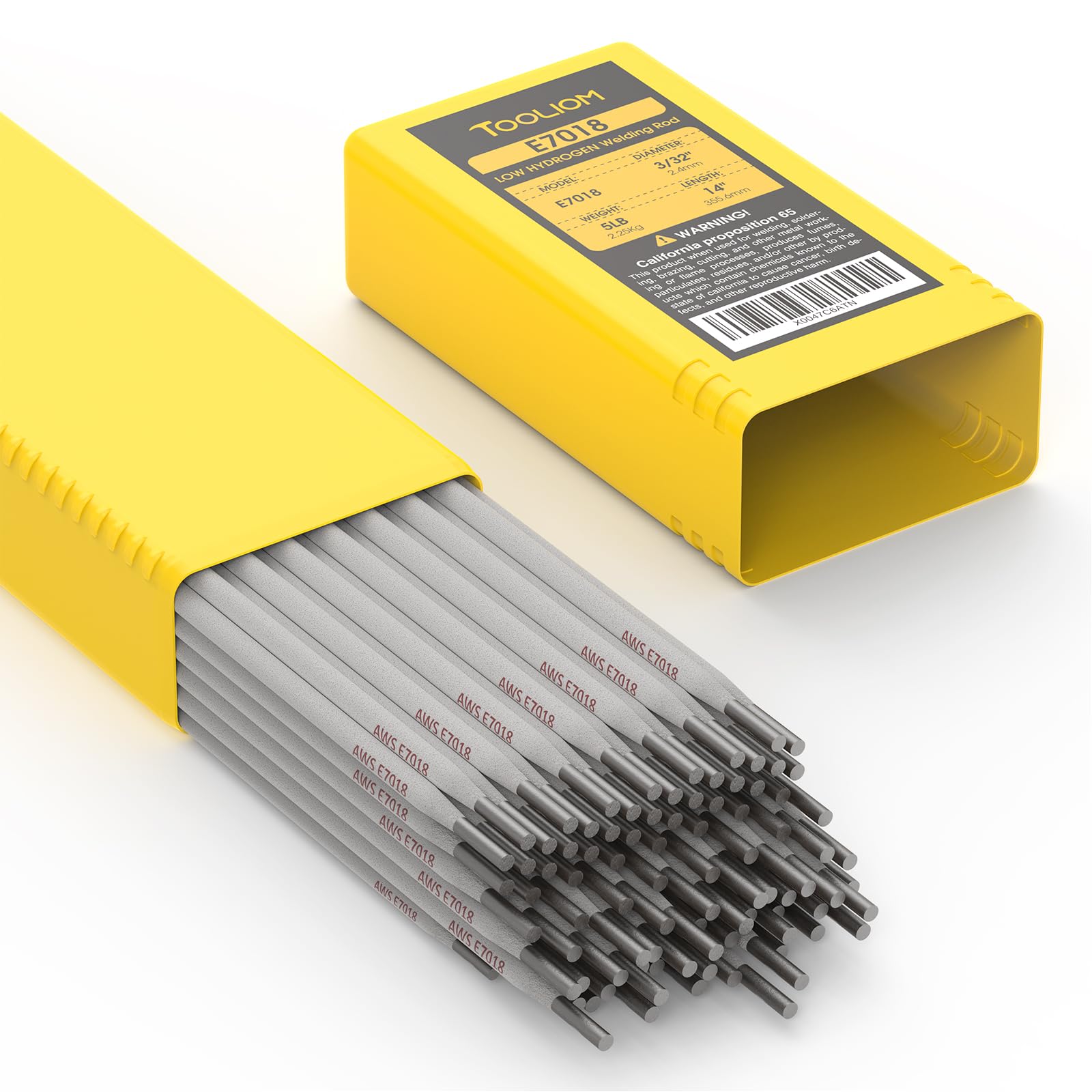 |
Low Hydrogen Carbon Steel Stick Electrodes | E7018 5LB | 3/32″ |
Disclosure: As an Amazon Associate, we may earn from qualifying purchases made through links in this article.