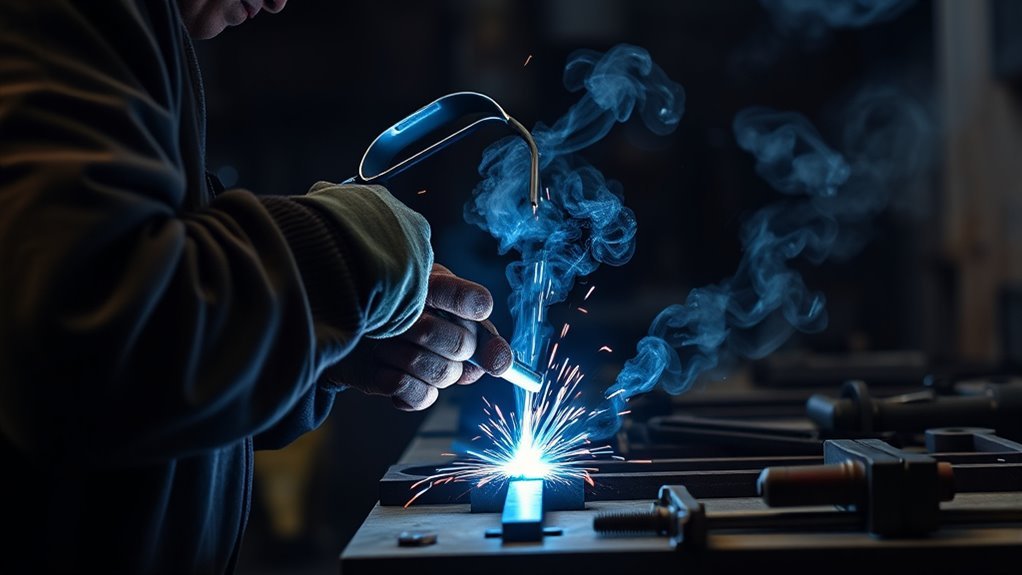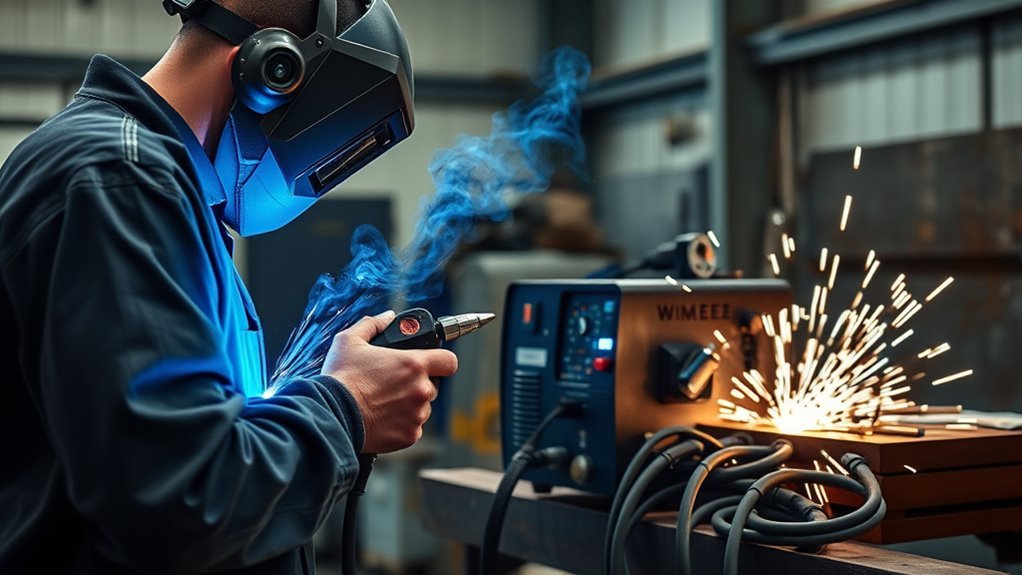
A weld can look solid on the surface and still hide a weak bond inside the joint. Lack of fusion happens when weld metal doesn’t fully bond with the base metal or a previous weld pass, which can reduce joint strength under load. This guide explains what lack of fusion means, how to spot it, why it happens, and how you can lower the risk before it becomes a costly repair.
Quick Answer
Lack of fusion in welding means the weld metal doesn’t bond well with the base metal, joint sidewall, or earlier weld pass. You can reduce the risk by using enough heat, cleaning the joint, setting the right travel speed, and keeping the torch or electrode angle steady.
Key Takeaways
- Lack of fusion creates a weak bond between weld metal and the material around it.
- Low heat input, fast travel speed, poor joint fit-up, and dirty surfaces raise the risk.
- Visual checks can find surface defects, but internal defects often need non-destructive testing.
- Proper joint preparation and steady welding technique help you produce stronger welds.
- Critical welds should be inspected by a qualified welding inspector or testing professional.
Understanding Lack of Fusion in Welding
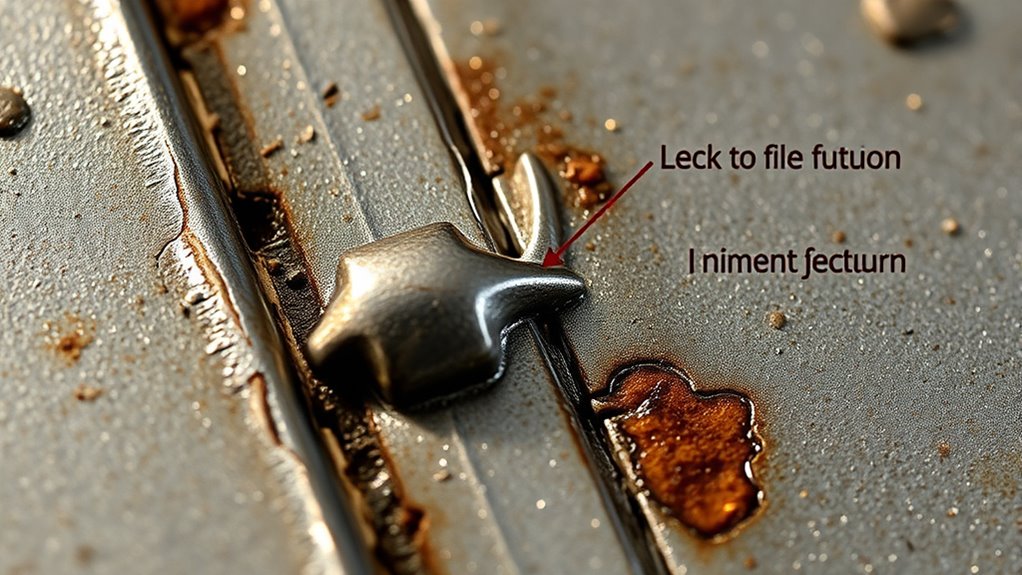
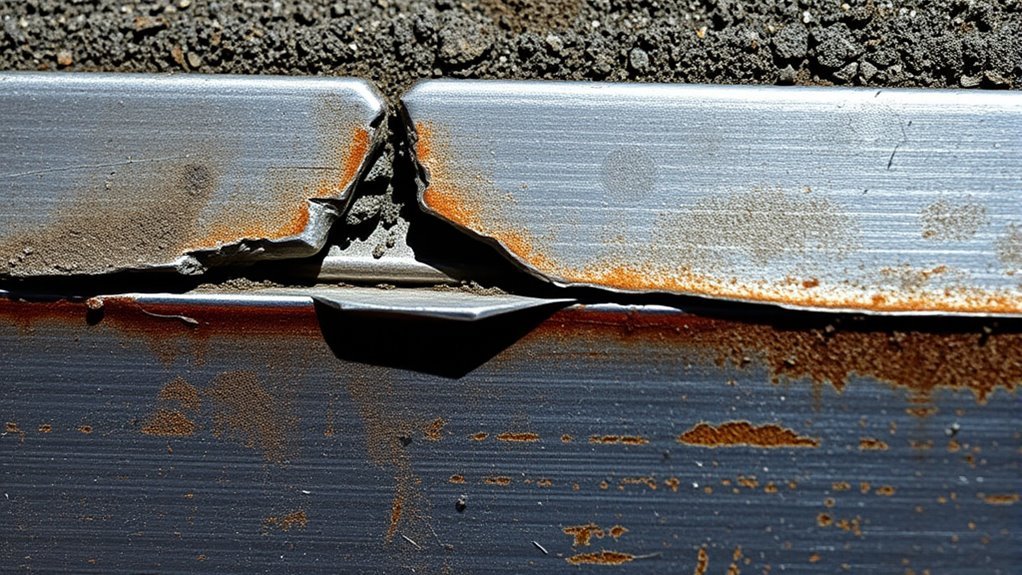
Lack of fusion in welding is a structural defect where the weld metal fails to bond with the base metal, the weld sidewall, or a previous weld pass. This poor bond can create weak points that reduce joint integrity and load capacity.
Lack of fusion can hide below the surface, so a weld that looks acceptable may still need deeper inspection.
This defect often develops when the arc or flame doesn’t deliver enough heat to melt the joint faces. It can also happen when joint edges, mill scale, rust, paint, oil, or slag block the molten metal from bonding.
To reduce the risk, you need clean surfaces, proper joint fit-up, and welding parameters that match the material and process. Proper joint preparation is essential to achieving optimal fusion and minimizing the risk of weld defects.
Types of Lack of Fusion
- Sidewall fusion: weld metal does not bond to the groove face or the toe of a fillet.
- Inter-run (interpass) fusion: a new pass does not bond to the pass below it, often because of slag, a cold surface, or a bead that is too convex.
- Root fusion: weld metal does not bond at the root of the joint. This overlaps with incomplete penetration, which is a depth problem at the root rather than a bonding problem.
Cold lap, where metal rolls over the base metal without melting it, is a surface form of the same problem. On thick plate, short-circuit MIG with the settings turned too low is a classic way to get it.
How to Identify Lack of Fusion in Welding
You can start with a visual inspection. Look for gaps, cold lap, irregular toes, visible cracks, trapped slag, or areas where the bead appears to sit on top of the base metal instead of blending into it.
Visual inspection only shows what reaches the surface. For critical welds, qualified inspectors often use non-destructive testing (NDT) methods to check for hidden defects without cutting the weld apart.
| Testing Method | Purpose |
|---|---|
| Visual Inspection | Identify surface irregularities |
| Ultrasonic Testing | Detect internal defects |
| Radiographic Testing | Reveal internal flaws (tight planar flaws can be hard to see) |
| Liquid Penetrant Testing | Expose surface voids |
Ultrasonic testing can help detect incomplete fusion inside thicker welds by sending sound waves through the joint. Radiographic testing can reveal internal flaws, while liquid penetrant testing helps expose surface-breaking defects on clean, nonporous materials.
Note: The best inspection method depends on the weld design, material, thickness, service conditions, and applicable code.
Key Causes of Lack of Fusion in Welding
Lack of fusion occurs when molten weld metal doesn’t fully melt and bond with the surfaces it touches. The most common causes involve heat, movement, surface condition, and access to the joint.
- Low heat input: Too little amperage, voltage, or flame heat can prevent full melting.
- Fast travel speed: Moving too quickly may not give the weld pool enough time to fuse.
- Poor joint preparation: Narrow gaps, tight root openings, or bad fit-up can restrict access.
- Surface contamination: Rust, paint, oil, mill scale, and slag can block bonding.
- Incorrect torch or electrode angle: A poor angle can direct heat away from the joint face.
- Unstable arc conditions: Arc blow, poor grounding, or inconsistent technique can disturb fusion.
Multi-pass welds add another risk. If you don’t remove slag or clean each pass before adding the next one, the new weld metal may fail to fuse with the previous bead.
Products Worth Considering

Economical Handy Tool for applying a variety of materials Interior, Exterior, such as Glue, Acid, Flux, Oil, Paste, Pipe Dope, Soldering, greasing, Touch-up, applying Zinc primer, Spreading, Dusting, Cleaning, Cooking, Baking, Art, Woodworking, Workbooking, Arts & Crafts, or other general-purpose applications and more, hobbyists and professionals.

Product dimensions: The product has a total length of 93mm, a brush length of 60mm, and a thread of M6. Manual measurements, please allow slight errors.

Lincoln Electric K3185-1 Carbon Steel Wire Brush, 4 x 16 Bristle Rows, 9.4" Length, Shoe Handle
How to Prevent Lack of Fusion in Welding
Start by setting enough heat for the process, metal thickness, joint type, and electrode or wire size. Follow the manufacturer’s suggested range for amperage, voltage, wire feed speed, and polarity, then fine-tune based on the weld pool.
Clean the joint before welding. Remove rust, paint, oil, moisture, slag, and heavy mill scale from the weld area so the molten metal can bond directly to clean metal.
Control travel speed and angle as you weld. A steady pace helps the puddle wash into the sidewalls, while the right torch or electrode angle keeps heat focused where fusion must occur.
Pro tip: Watch the front edge of the puddle, not just the arc, so you can confirm the sidewalls melt into the weld.
For groove welds, make sure the joint design allows the weld metal to reach the root and sidewalls. On thicker material, beveling, proper root opening, and multi-pass technique can help you get complete fusion.
Proven Techniques to Address Lack of Fusion
If you find lack of fusion, don’t cover it with another pass and hope the defect disappears. Grind or gouge out the defective area until you reach sound metal, then clean the repair area before rewelding.
Increase heat input when the weld pool looks cold or fails to tie into the base metal. You may need more amperage, higher voltage, a shorter arc length, or slower travel speed, depending on the welding process.
Use weaving only when the process, joint, and procedure allow it. A controlled weave can help sidewall fusion, but a wide or slow weave can overheat the joint or trap slag.
Warning: Don’t repair critical welds without following the required welding procedure, inspection standard, or code for the job.
For repeated defects, review the full setup instead of changing one setting at random. Check material prep, joint fit-up, consumable choice, shielding gas flow, work angle, travel angle, grounding, and welder technique.
Lack of Fusion by Welding Process
- Stick: keep a tight arc, chip slag fully between passes, and pause at the sidewalls on wide weaves.
- MIG and flux-core: short-circuit transfer runs cool and can bridge a joint without melting the sidewalls on thick material. Check voltage, wire feed speed, stickout, and gun angle, and clean flux-core slag between passes.
- TIG: keep the arc on the joint faces and add filler without chilling the puddle.
- Oxy-fuel: use a tip size and flame setting that melt both edges before adding filler.
When Lack of Fusion Becomes a Serious Safety Risk
Lack of fusion matters most when the weld supports weight, pressure, vibration, heat, or repeated stress. A small defect in a noncritical practice weld may only need retraining, but the same defect in a pressure vessel, trailer, structural bracket, or lifting point can create real danger.
Any weld used for structural, pressure, automotive, pipeline, or safety-related service should meet the relevant code or project specification. When you feel unsure, stop work and ask a qualified welding inspector or experienced welding professional to review the joint.
Related guides: see what incomplete penetration is, types of weld defects, and how to visually identify common weld defects.
Frequently Asked Questions
What Causes Lack of Fusion in Welds?
Lack of fusion in welds comes from low heat input, fast travel speed, poor surface preparation, incorrect electrode angle, bad joint fit-up, or slag left between passes. The defect forms when weld metal fails to melt and bond with the base metal or previous weld bead.
What Does Fusion Mean in Welding?
Fusion in welding means the base metal and filler metal melt and bond together. Good fusion creates a strong connection between the weld bead and the surfaces around it.
How to Check Lack of Fusion in Welding?
Start with visual inspection for surface signs such as cold lap, gaps, cracks, or poor bead tie-in. For hidden defects, use a suitable non-destructive testing method such as ultrasonic, radiographic, or liquid penetrant testing.
How to Avoid Lack of Fusion?
To avoid lack of fusion, clean the joint, set enough heat, keep a steady travel speed, and hold the correct torch or electrode angle. Match your consumables, shielding gas, and welding procedure to the material and joint design.
Can You Repair a Weld With Lack of Fusion?
Yes, you can repair it by removing the defective weld metal and rewelding the area with proper technique. For critical work, follow the approved repair procedure and inspect the repaired weld before use.
Safety Disclaimer: This article is for informational purposes only and does not replace professional welding training, inspection, or code guidance. Always follow the required welding procedure, safety rules, and inspection standards for your project.
Conclusion
Lack of fusion can weaken a weld even when the bead looks acceptable from the outside. Before you weld, clean the joint, check fit-up, set the right heat, and keep your travel speed under control. If the weld carries load or affects safety, get it inspected with the right testing method. Strong welds start with careful preparation and steady technique.
References
- American Welding Society — Welding standards, inspection, and education resources
- Welding, Cutting, and Brazing — Occupational Safety and Health Administration
- ISO 5817 Welding Quality Levels — International Organization for Standardization