As an Amazon Associate I earn from qualifying purchases. Buying through these links costs you nothing extra.
Spring is a good time to handle repairs, small fabrication jobs, trailer fixes, mower-deck patches, stainless projects, and aluminum shop work without wasting money on the wrong consumables. The best welding rod for you depends on the metal, welding process, rod diameter, storage needs, and how much cleanup you want after the weld.
This guide compares welding rods for spring repairs and shop projects: stainless TIG filler rods, aluminum TIG rods, E7018 low-hydrogen stick electrodes, E6013-style all-purpose rods, J422 repair electrodes, hardfacing rods, and bulk packs. Pick the right match and you can get cleaner arcs, less rework, better bead control, and stronger value for every spring project in the shop.
Specs below come from the Amazon listings and can change, so confirm size, piece count and weight on the listing before you buy.
Top Picks
|
Category |
Product |
|---|---|
|
Best for Stainless |
|
|
Best Aluminum Value |
|
|
Best Low-Hydrogen |
|
|
Best for Beginners |
|
|
Best All-Purpose |
|
|
Best Bulk Buy |
|
|
Most Versatile |
|
|
Best Hardfacing |
|
|
Best For Hobbyists |
|
|
Best for Heavier Steel |
Quick Verdict
Choose ER308L for 304 stainless TIG work, ER4043 for common aluminum TIG projects, E7018 when you need low-hydrogen stick electrodes for tougher carbon-steel repair work, and E6013 or J422 when you want easier starts and smoother handling for general shop repairs.
If your project is about rebuilding worn surfaces instead of joining parts, the hardfacing pick is the better match. For code-critical or load-bearing work, always follow the proper welding procedure, storage requirements, joint prep, and safety guidance for your machine and material.
Selection Criteria
The rods below were compared on base-metal match, rod chemistry, welding process, pack size and typical use, using listing details and general welding practice rather than hands-on testing. Hardfacing and low-hydrogen electrodes are included for worn-surface and structural carbon-steel work.
Whether the rod type fits common spring repairs also counted.
Before You Buy: Welding Rods for Spring Repairs
- Match the rod to the metal: stainless, aluminum, mild steel, and worn surfaces need different filler or electrode types.
- Check your process: TIG filler rods and stick electrodes are not interchangeable.
- Pick the right diameter: smaller rods help with thinner material, while larger rods can suit heavier sections when your machine has enough amperage.
- Store rods correctly: moisture can hurt performance, especially with low-hydrogen electrodes.
- Clean the joint first: oil, paint, mill scale, and oxidation can cause poor fusion, porosity, and extra cleanup.

You get a tidy pack of ER308L TIG filler rods that are geared toward precise work on 304 stainless. They feed smoothly, support good arc control, and help keep cleanup manageable when you want neat beads without fuss.
Use them for bench work, tubing, brackets and small repairs where control matters, and pair them with pure argon shielding for the best results. If you weld stainless occasionally or are learning TIG, these are a practical low-volume option.
Versatility
These rods are best for light fabrication, repair work and bench projects on 304/304L stainless. You can use them for tubing, sheet patching and small brackets where control and corrosion resistance matter, but they’re not aimed at high-volume production environments.
How It Helps
They help reduce excessive cleanup and rework by supporting a stable TIG process on clean stainless. Store them dry and use pure argon shielding to keep performance consistent.
Who Should Buy This
Choose this pack if you need a small amount of stainless TIG filler for occasional repairs, practice, or neat shop projects.
Who Should Avoid This
Skip it if you need stick electrodes, aluminum filler, or a large-volume production pack.
Key Benefits
- Clean, low-carbon filler for 304 stainless
- Smooth feed and stable control for tidy TIG beads
- 1/16″ diameter suits thin-gauge stainless
- Small pack is practical for occasional projects
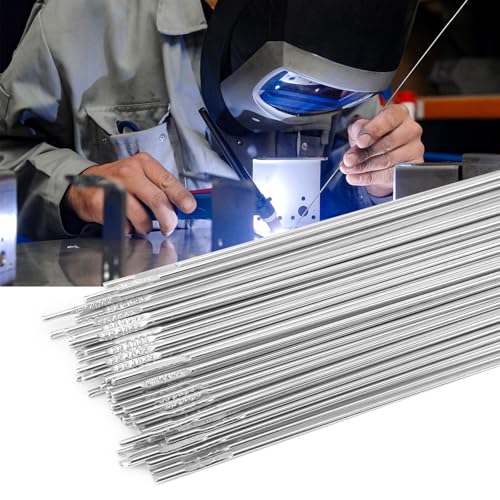
You get a 60-piece kit of ER4043 rods that can make aluminum TIG work less fussy when your prep and shielding are right. These rods are useful when you want good flow, controlled heat input, and less time spent cleaning up rough beads.
They’re handy for thin sheet, tubing and small aluminum projects where controllable heat and clean joint prep matter. Pair them with clean material and argon shielding for more predictable beads.
Versatility
You can use these for hobby builds, small fabrication jobs, and repairs on aluminum boats, tanks and panels. They’re best for thin to medium-thickness aluminum and everyday shop tasks rather than heavy industrial surfacing.
How It Helps
These rods make it easier to control filler feed and produce smoother beads, which can reduce time spent grinding or fixing poor starts. Clean prep and argon shielding are essential for consistent aluminum welds.
Who Should Buy This
Choose this pack if you need aluminum TIG filler for practice, hobby builds, or multiple small projects.
Who Should Avoid This
Skip it if you need stick electrodes, stainless filler, or a rod for dirty metal without careful prep.
Key Benefits
- Good wetting and flow on 6061 and similar alloys
- Large 60-piece quantity for multiple projects
- 1/16″ size suited to thin-gauge aluminum work
- Useful for aluminum TIG practice and small fabrication

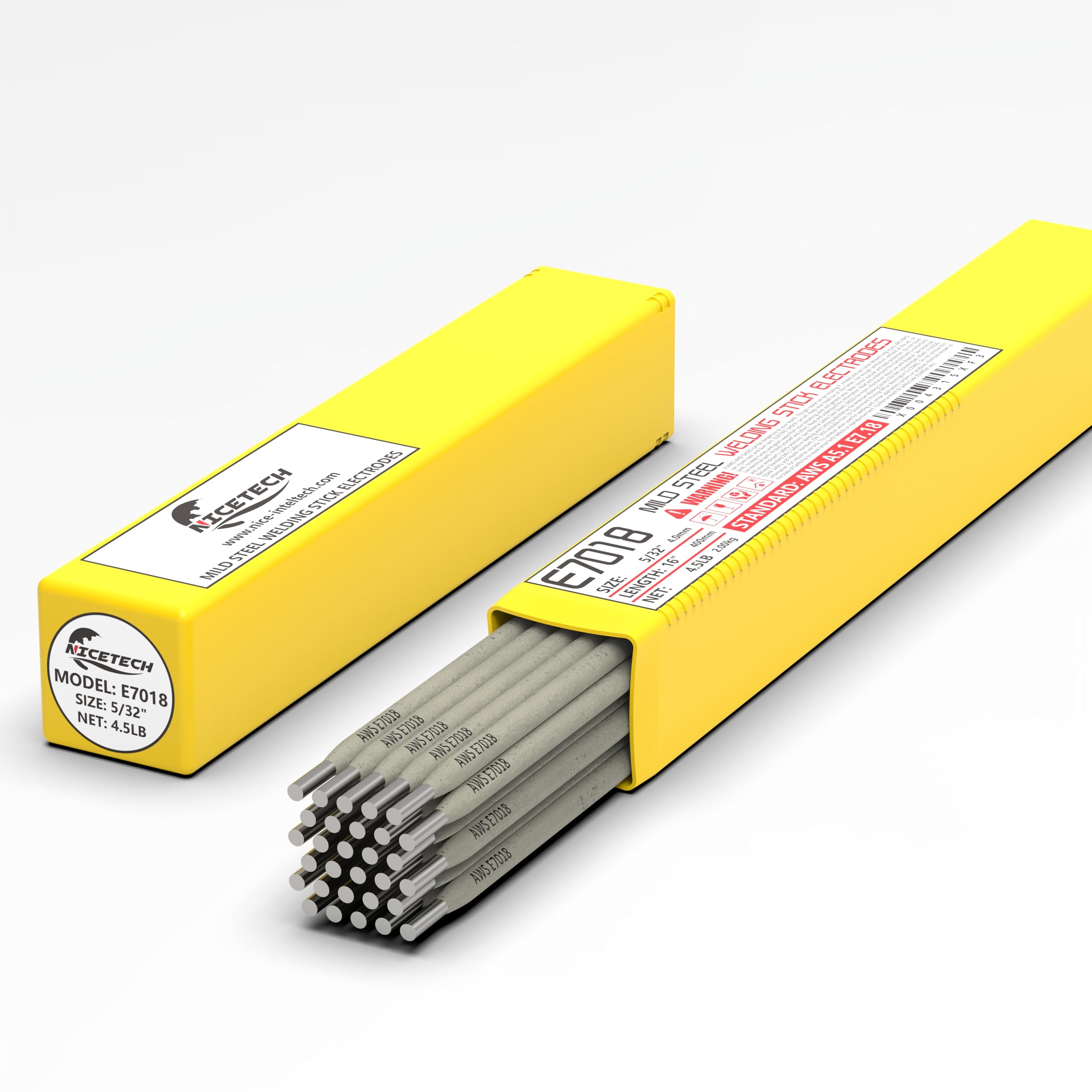
You get an E7018 low-hydrogen rod aimed at stronger carbon-steel repair and fabrication tasks. It is a better fit when you care more about toughness and penetration than quick cosmetic patching.
Use it for suitable frame repairs, gates, machinery touch-ups and other carbon-steel projects where the weld needs to hold up under stress. For critical or code-required work, follow a qualified welding procedure and store low-hydrogen rods correctly.
Versatility
Best for structural-style welding, repairs, and fabrication on mild to medium carbon steel when your machine and procedure match the rod. It’s a go-to type for jobs that demand toughness rather than cosmetic finish.
How It Helps
This rod helps reduce the risk of hydrogen-related cracking compared with general-purpose rods when storage, preheat, amperage, and joint prep are correct. That can mean fewer failed welds and less rework on demanding repairs.
Who Should Buy This
Choose it if you already have a stick welder that can run 5/32″ electrodes and you work on heavier carbon steel.
Who Should Avoid This
Skip it if you mainly weld thin sheet metal, need a beginner-friendly small rod, or cannot store low-hydrogen electrodes dry.
Key Benefits
- Low-hydrogen formulation helps reduce cracking risk when used correctly
- Stable arc for consistent fusion
- Good fit for heavier repair and fabrication work
- Useful where toughness matters more than appearance

You’ll like these E6013 rods if you want something that gets you welding quickly and stays predictable. They strike easily and run smoothly across thin to medium steel, which makes them handy for patching, brackets and general shop fixes.
The low-spatter behavior can mean less cleanup and more time on the project, and their AC/DC compatibility gives you flexibility with many common stick welders.
Versatility
Useful for home repairs, mower decks, trailer fixes, light fabrication and general maintenance. Best for thin to medium-gauge mild steel rather than heavy structural work.
How It Helps
These rods cut down on restart frustration with reliable arc starts and reduce grind time thanks to lower spatter, so you spend less time fixing messy beads and more time finishing the job.
Who Should Buy This
Choose this rod if you want an approachable stick electrode for learning, patching, and general household repair work.
Who Should Avoid This
Skip it for stainless, aluminum, heavy structural work, or jobs where low-hydrogen E7018 is required.
Key Benefits
- Easy arc start for quicker setup
- Low spatter for reduced cleanup
- AC/DC compatible for flexible use
- Consistent beads on thin to medium steel
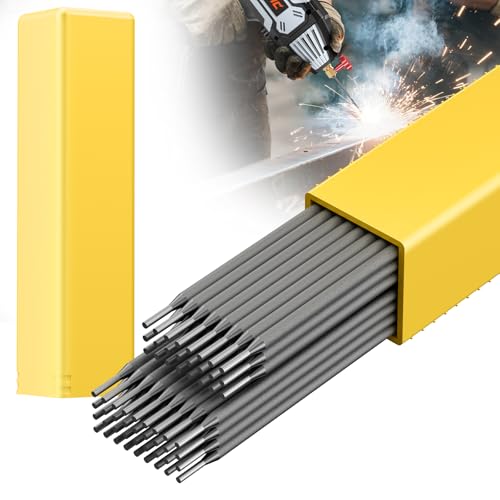
You’ll find these E6013 rods easy to run whether you’re patching a gate or tinkering in the garage. They strike reliably, lay down smooth beads and leave manageable slag, which means less time grinding and more time finishing the job.
Because they can work with both older buzz boxes and modern inverters, you don’t need to overthink the machine match for many common repair jobs. If your projects are general repair, fabrication or maintenance, these rods offer consistent, no-fuss results.
Versatility
Well suited to home repairs, porch rail fixes, trailer work and light fabrication. They handle flat, vertical and overhead welding, making them useful for a wide variety of DIY and maintenance tasks.
How It Helps
These rods cut down on restart frustration and reduce cleanup time thanks to easy arc starts and low spatter, helping you get through repair jobs faster and with fewer touch-ups.
Who Should Buy This
Choose this pack if you want a general-purpose rod supply for a mix of repair tasks and positions.
Who Should Avoid This
Skip it for aluminum, stainless TIG, hardfacing, or work that specifically calls for E7018.
Key Benefits
- Easy arc starts for less setup time
- Low spatter keeps cleanup minimal
- All-position performance for awkward jobs
- AC/DC compatibility for broad use

You get a 10 lb supply of E7018 rods geared toward repeat carbon-steel repair and fabrication work. They are a stronger fit for frames, trailers, farm gear, and other jobs where you want low-hydrogen electrodes and predictable handling.
Because this is a bulk pack, storage matters. Keep opened rods dry and protected so moisture does not create weld-quality problems.
Versatility
Well suited to structural-style welding, frame repairs, farm equipment and any application where toughness matters; not focused on thin-gauge cosmetic work.
How It Helps
These rods help you avoid rework by reducing hydrogen-related cracking risk when stored and used correctly, while providing predictable penetration on suitable carbon steel.
Who Should Buy This
Choose the 10 lb pack if you use E7018 often and want fewer reorder interruptions.
Who Should Avoid This
Skip it if you only weld occasionally and cannot store a larger quantity in a dry container or rod oven.
Key Benefits
- Low-hydrogen mix helps reduce cracking risk when handled correctly
- Stable arc and consistent bead shape
- Durable choice for heavier repairs
- Large 10 lb quantity for extended projects

You’ll like these rods if you want a dependable, no-nonsense electrode that runs in many common machines and behaves predictably. They’re forgiving on startups, lay down a tidy bead and leave slag that’s easy to remove, so you spend less time grinding.
Use them for porch rails, trailers, small fabrications and general shop repairs. They are a practical shelf stock option if you’re still learning the rhythm of stick welding.
Versatility
Suitable for home repairs, light fabrication, fence and railing fixes, and projects where an all-position, easy-running rod is useful; not aimed at heavy structural specs.
How It Helps
These rods cut down on restart frustration and save cleanup time so you can finish repairs faster. Their forgiving nature helps when you’re working in awkward positions or with older equipment.
Who Should Buy This
Choose this rod if you want a versatile repair electrode for general maintenance and mild steel projects.
Who Should Avoid This
Skip it if your work requires stainless filler, aluminum filler, hardfacing, or a specified low-hydrogen electrode.
Key Benefits
- Easy arc starts for less setup hassle
- Consistent beads with manageable slag
- Works well across a variety of machines
- Good choice for beginners and handheld work

You get a specialty hardfacing rod built for rebuilding worn surfaces and handling moderate abrasion repairs. It lays down smoothly, forges reasonably well and peels slag cleanly so you do not spend as much time grinding.
Use it to build up faces on anvils, resurface cast parts or add layers to worn machine components, and consider proper preheating for best results. If your goal is surface buildup rather than heavy impact resistance, this rod fits the job better than a normal joining electrode.
Versatility
Best for resurfacing, rebuilding and moderate abrasion tasks on cast steel, manganese steel and mild steel. It’s handy for repair shops, hobbyist anvil work and maintenance rather than heavy impact surfacing.
How It Helps
It helps you restore worn surfaces without a lot of cleanup, providing a predictable bead and hardness suitable for abrasion-resistant layers. Use layered deposits and proper preheat to reduce cracking and get the most durable finish for moderate wear.
Who Should Buy This
Choose it if your main problem is worn metal surfaces that need buildup and abrasion resistance.
Who Should Avoid This
Skip it if you need a normal rod for joining parts, thin sheet repair, stainless TIG, or aluminum TIG.
Key Benefits
- Hard surfacing with RC 52–58 for moderate abrasion
- Smooth arc and easy slag removal
- Can be forged and layered for buildup
- Consistent performance on cast and mild steel
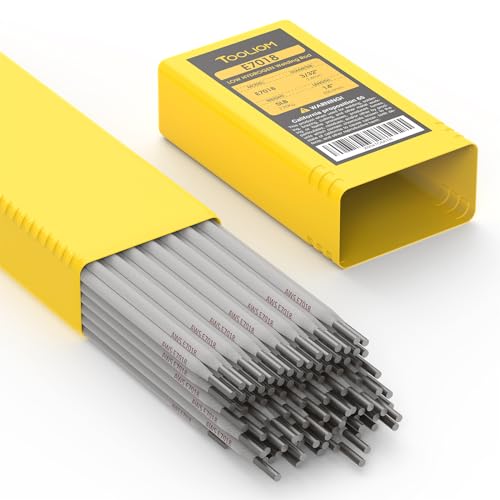
You get a reliable E7018 stick rod that’s built for strength and consistency in a more manageable 5 lb pack. It runs with a steady arc, peels slag cleanly, and gives predictable fusion on carbon steel when set up correctly.
These rods are a practical choice when joint integrity matters more than cosmetic finish and you want something that behaves the same run after run without buying the larger bulk pack.
Versatility
Well suited to carbon-steel structural-style work, farm and trailer repairs, and general fabrication where toughness matters; not focused on thin-gauge cosmetic welding.
How It Helps
These rods help you reduce hydrogen-related cracking risk and rework by offering reliable deposition and consistent penetration when stored dry and used with the right settings.
Who Should Buy This
Choose this 5 lb pack if you need E7018 for occasional tough repairs but do not want to store a larger box.
Who Should Avoid This
Skip it if you want an easy beginner rod for thin mild steel or a TIG filler rod for stainless or aluminum.
Key Benefits
- Low-hydrogen chemistry helps reduce cracking risk when used correctly
- Stable arc for consistent bead shape
- Good penetration for suitable carbon-steel repairs
- Manageable slag for easier cleanup

You’ll appreciate these E6013 rods if you want a no-nonsense electrode that behaves predictably across different machines. They strike reliably, lay down smooth beads and keep spatter to a minimum, which speeds up cleanup and keeps projects moving.
Use them for porch rails, trailer repairs, brackets and general shop fabrication where dependable, everyday performance matters. If you need an all-purpose stick rod in a larger 1/8″ size, these are a solid fit.
Versatility
Great for home repairs, automotive and trailer fixes, fence and railing work, and light fabrication. They work well with both older buzz boxes and modern inverter welders and handle flat, vertical and overhead welding.
How It Helps
These rods cut down on restart frustration and reduce grind time thanks to easy arc starts and minimal spatter, so you can finish repairs faster and with fewer touch-ups.
Who Should Buy This
Choose it if you want a 1/8″ E6013 rod for mild-steel repairs and your welder can comfortably run that size.
Who Should Avoid This
Skip it if you are working on very thin sheet metal, stainless TIG, aluminum TIG, or jobs that require low-hydrogen E7018.
Key Benefits
- Easy arc starts and steady arc stability
- Low spatter for less post-weld cleanup
- All-position capability for awkward joints
- Reliable bead appearance across runs
More rod guides: welding rod value packs, welding rods for newbies and stick welding rods for spring renovations.
FAQ
Which Rod Should I Choose?
Pick the rod that matches the metal you’re welding and the process you use. For 300-series stainless, ER308L is the better match for clean, corrosion-resistant TIG joints. For aluminum TIG projects, ER4043 is a common choice when it matches the base alloy. For tougher carbon-steel stick work, E7018 is useful when low-hydrogen electrodes are appropriate. For general shop repairs and easy arc starts, E6013 or J422-style rods are more beginner-friendly.
Also pay attention to diameter and position. Thinner rods suit sheet work and lower amperage, while larger diameters need more heat and are better suited to thicker parts.
What Is the Difference Between TIG Filler Rods and Stick Electrodes?
TIG filler rods are bare filler metal used with a TIG torch and shielding gas. Stick electrodes have a flux coating and are used in shielded metal arc welding. Do not buy ER308L or ER4043 TIG filler if you need a stick electrode for a basic arc welder.
How Should I Store Rods?
Keep your rods dry and sealed so they stay ready to run. Moisture is a concern for many electrodes, and it is especially important for low-hydrogen rods because moisture can contribute to porosity, cracking, and inconsistent results. Transfer opened packs into a sealed container with desiccant or use proper rod storage when the job requires it.
Are E7018 Rods Best for Structural Welding?
E7018 is a common low-hydrogen electrode type used for stronger carbon-steel welding, but the rod alone does not guarantee a structural-quality weld. Critical work depends on joint design, cleaning, preheat when required, correct amperage, dry storage, qualified technique, and the right welding procedure.
Tips For Getting Better Results
Clean joint prep and the right shielding are the fastest ways to improve weld quality, so remove scale, oil and paint and use pure argon for TIG on stainless and aluminum. Match amperage to rod diameter and thickness, keep a consistent arc length, and practice on scrap to dial in travel speed and angle.
If you’re doing stick work with rods like E7018, keep them dry and control heat to reduce cracking risk. For TIG practice, focus on steady filler feed, torch angle, and puddle control.
Choosing Between These Rods
When choosing between these rods, you’re mostly balancing material and purpose: go with ER308L for 304 stainless when corrosion resistance and tidy TIG beads matter, ER4043 for aluminum projects that need good wetting, and E7018 when you need low-hydrogen stick electrodes for tougher carbon-steel repair work. You’ll also prioritize arc stability, ease of use and how much cleanup the rod creates, since a steady arc and minimal spatter save you time on repairs and shop projects.
Wrapping Up
Now that you’ve seen ten solid welding rod options for spring projects, pick the rod that matches the metal, welding process, and workload you expect. If you work mostly with 304 stainless, ER308L TIG filler is the better match. If you need aluminum TIG filler, choose ER4043 when it fits your base alloy and project.
Low-hydrogen E7018 rods are the better choice for tougher carbon-steel repair work when stored and used correctly, while E6013 and J422-style options give you easier arc starts for repairs and hobby tasks. Match rod chemistry, diameter, pack size, and storage setup to your projects and you’ll reduce rework while getting better value from each job.
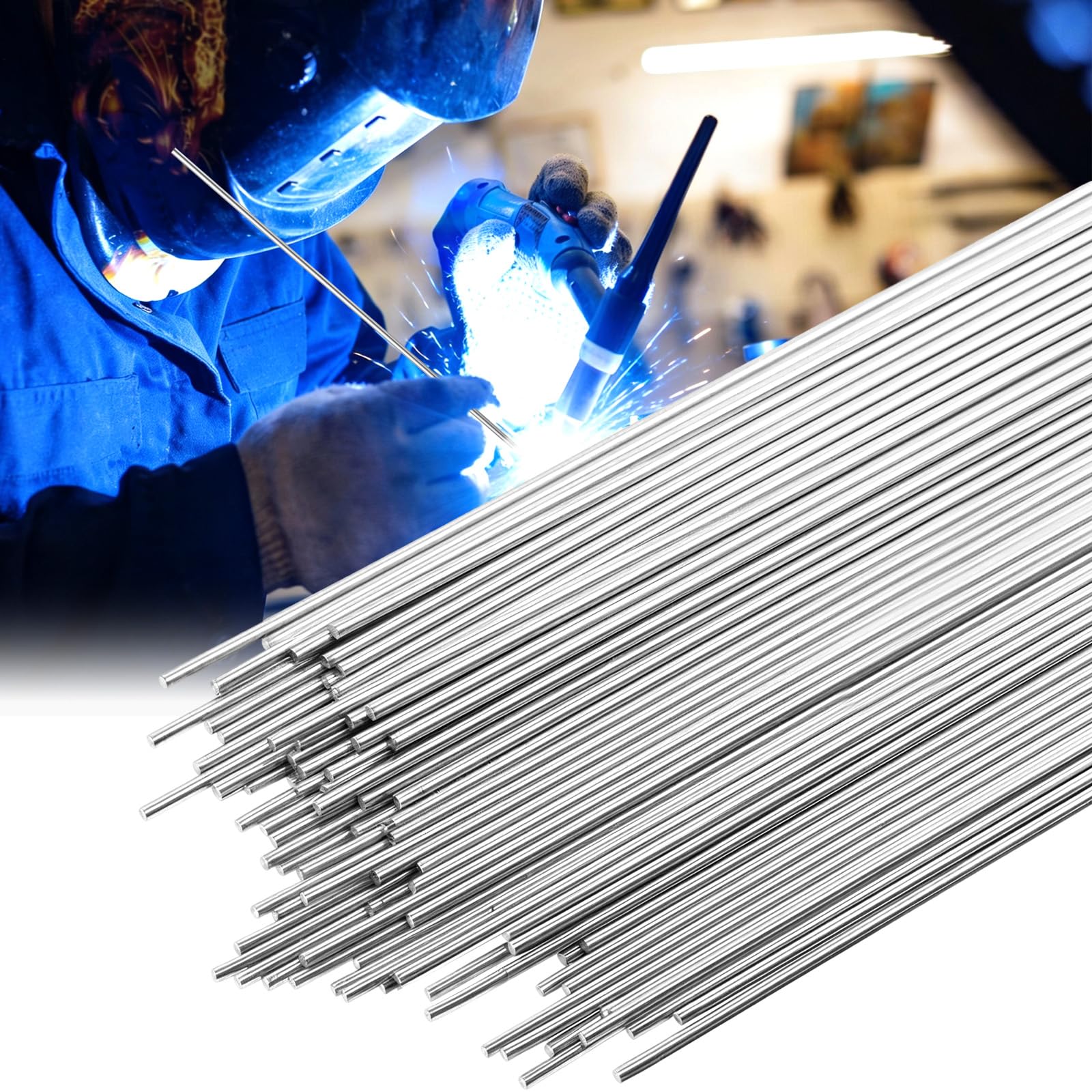
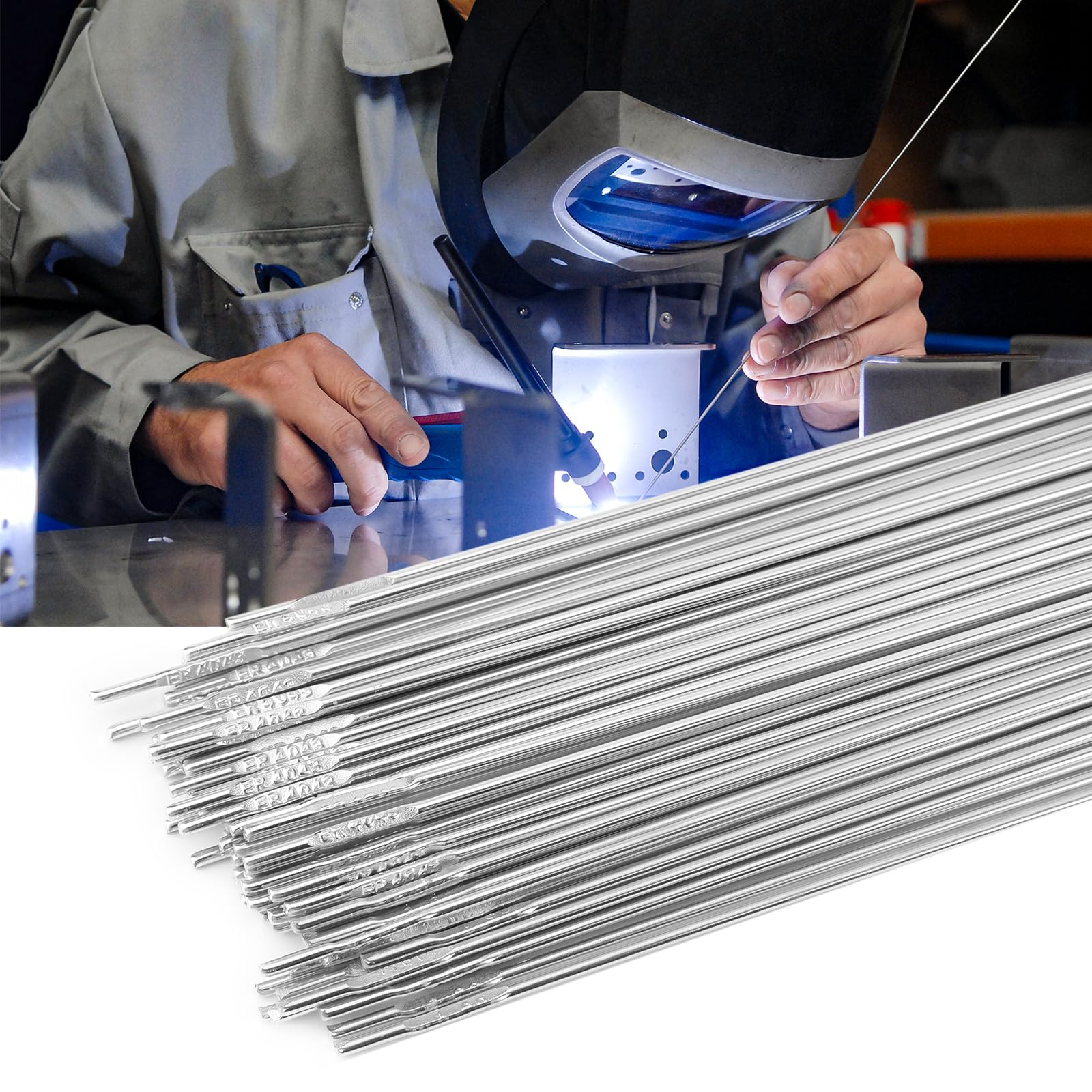
| Convivium ER308L Stainless Steel TIG Welding Rods | UNIFAMILY 60Pcs Aluminum Welding Rods ER4043 | E7018 5/32″ Arc Welding Rod | |
|---|---|---|---|
 |
 |
 |
|
| Best For | 304 stainless TIG repairs and small fabrication | Aluminum TIG practice, thin sheet, tubing and hobby builds | Low-hydrogen carbon-steel repair work |
| Rod Type | TIG filler rod | TIG filler rod | Stick electrode |
| Material | Stainless Steel | Aluminum | Carbon Steel |
| Item Weight | 6.7 ounces | 5.3 ounces | 4.62 pounds |
| Size | 1/16″ x 16″ | 1/16″ x 16″ | 5/32″ |
| Important Note | Use with proper TIG shielding gas and clean stainless prep | Use with proper aluminum cleaning and argon shielding | Store dry and use correct procedure for critical repairs |
| Check price on Amazon | Check price on Amazon | Check price on Amazon |