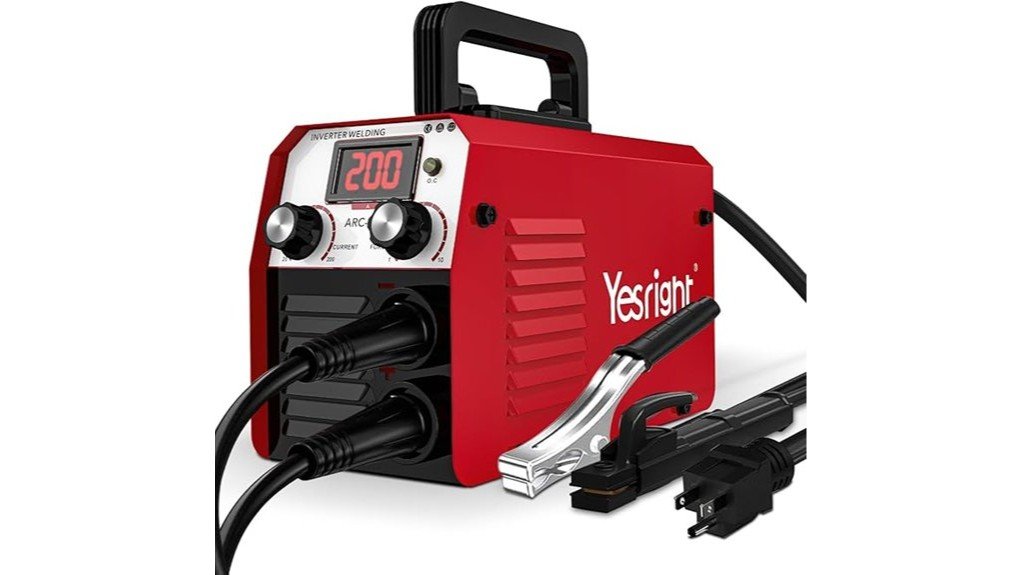
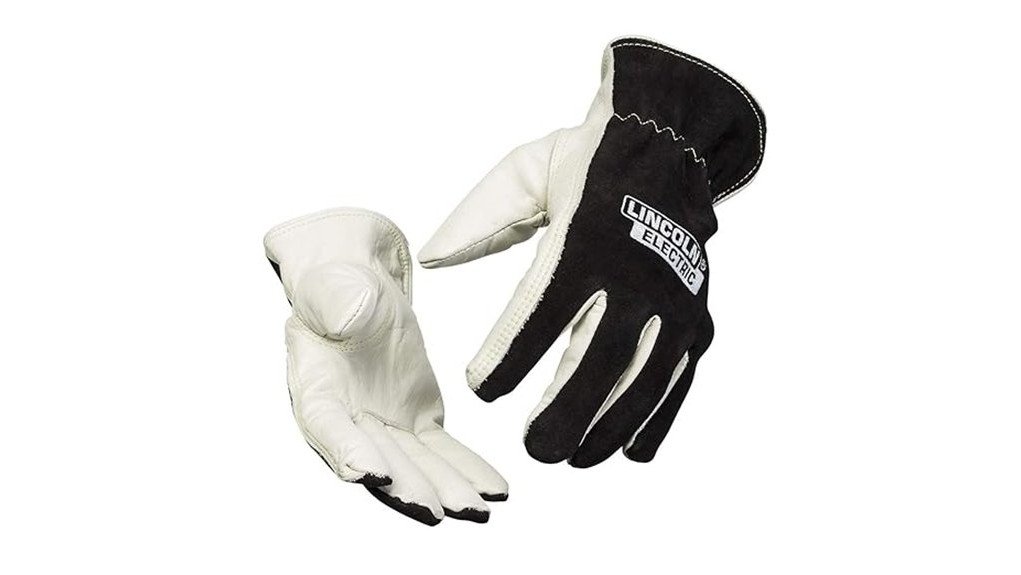
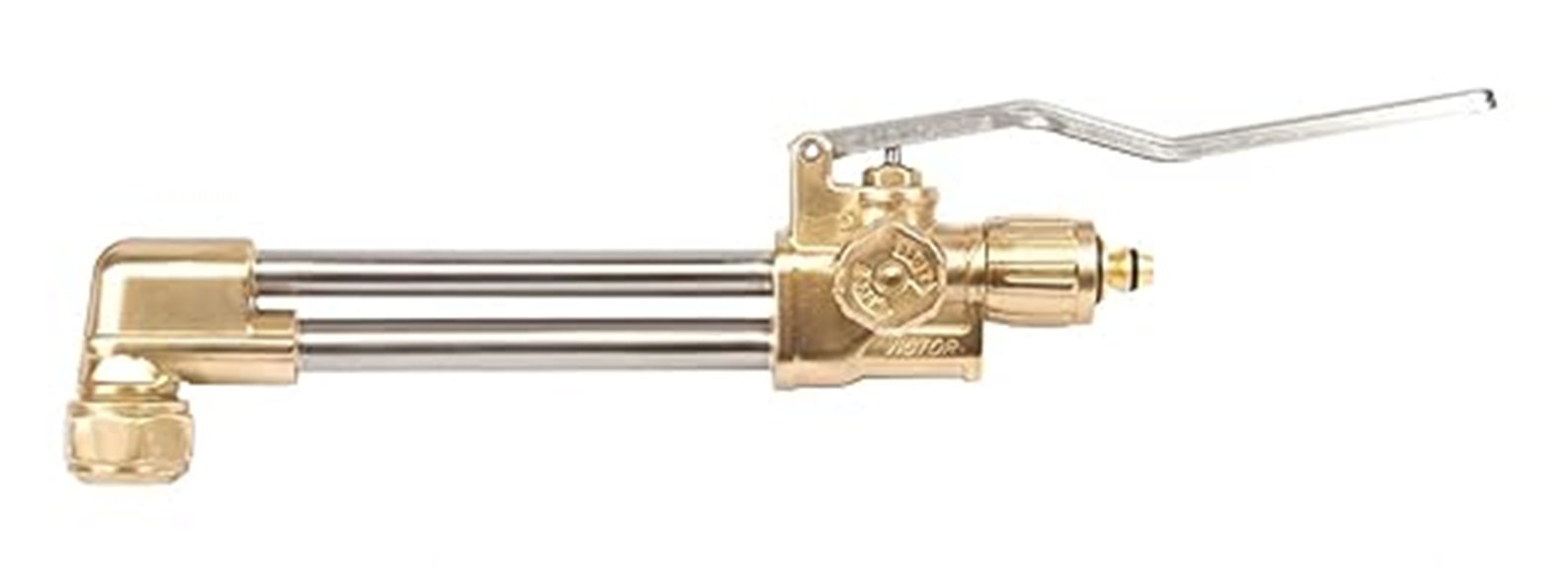
Best Welding Rods for Spring Projects and Repairs
Spring repair season usually means mixed metals, rusty brackets, cracked castings, thin sheet, and the occasional aluminum fix. The best welding rod for the job depends on the base metal, welding process, rod diameter, and how much cleanup or machining you need after the weld.
This guide compares welding rods and electrodes for cast iron, carbon steel, aluminum, stick welding, TIG welding, gas welding, and cutting or gouging work. Use the quick picks below to narrow the list, then check each product section for best use, limitations, and buying notes.
Fast answer: Choose Weldcote Nickel for cast-iron repair, ER70S-6 1/16 for regular steel TIG work, Weldcote 4043 for common aluminum repairs, and Weldcote 7014 when you want an all-position stick electrode with easy slag removal.
Top Picks
|
Category |
Product |
Score |
|---|---|---|
|
🏆 Best Cast-Iron Repair |
92/100 |
|
|
💰 Best Sealed-Tube Value |
85/100 |
|
|
🎯 Best For Steel Fabrication |
88/100 |
|
|
⭐ Best Performance Per Pound |
94/100 |
|
|
🎨 Best For Aluminum |
86/100 |
|
|
🚀 Best All-Position Stick |
89/100 |
|
|
🔰 Best Thin-Gauge Steel |
84/100 |
|
|
🔬 Best Precision TIG |
87/100 |
|
|
🛠️ Best For Cutting & Gouging |
80/100 |
|
|
💼 Best Gas Welding Rod |
83/100 |
How We Selected These Welding Rods
You want rods that match the metal, process, and working conditions for your projects. We prioritized material compatibility, diameter and package sizes that suit typical spring tasks, and any special chemistries such as nickel for cast iron or 4043 for aluminum.
Packaging and protection against moisture matter for shelf life, while user ratings and real-world versatility helped determine practical value. Finally, price per pound and intended application informed which rods earn specific recommendations so you can buy with purpose.
Verification note: Live Amazon pages, pricing, stock status, badges, and current review counts can change. Confirm the exact diameter, package weight, process compatibility, and availability on Amazon before ordering.
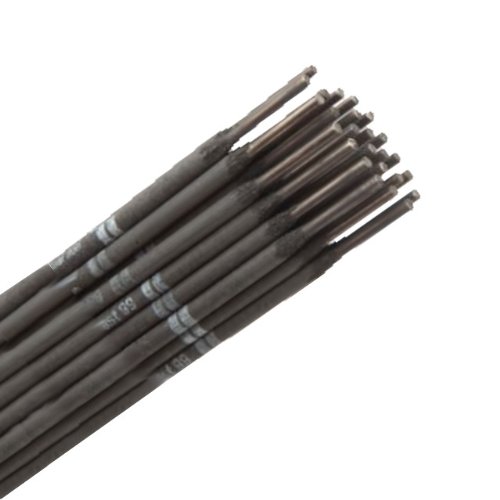
If you work on cast iron repairs you will appreciate how NI 99 simplifies tricky joins. You can weld gray iron to itself or tie it to mild steel and stainless when you follow the recommended preheat and slow cooling.
The deposits machine cleanly, so once you finish the weld and peen or dress it, parts come back to life rather than needing replacement. It’s a practical choice for garage repairs, vintage fence restoration, and occasional engine work when you want a dependable rod for stubborn castings.
Pros
- Built for gray iron repairs and castings
- Machinable weld deposits after cooling
- Useful for cast iron to mild steel or stainless repair work
Cons
- Requires careful preheat and slow cooling
- Not a general-purpose rod for every metal
- Technique matters more than with routine mild-steel welding
Best for: cracked castings, old fixtures, vises, and cast-iron repairs where machinability matters. Skip it if: you mainly weld mild steel sheet or aluminum.
What People Say
Customers commonly mention that the rod is easy to control and produces calm, workable puddles when used with proper preheat. People appreciate that repairs to engine parts, vises, and cast-iron fittings hold up well and can be machined after welding.
A few note the need for patience and proper technique, but most say it performs exactly as expected for cast iron work.
Overall Sentiment: Positive

Versatility
This rod is focused on cast iron jobs but also lets you tack to mild steel or stainless in repair scenarios. It’s not a general-purpose stick for every metal, but for any task involving castings you will find it suited to both small household fixes and heavier restoration work.
Problem Solving
When you face cracked engine blocks, broken vises, or old cast-iron fixtures, this rod helps you repair rather than replace. Follow preheat, use short beads, and cool slowly and you will minimize cracking and get durable, machinable results.
Key Benefits
- Specifically formulated for gray iron repairs and dissimilar metal joins
- Produces machinable welds that finish cleanly
- Reliable when you follow preheat and controlled cooling procedures
Rating: 4.6 (total: 198+)

This rod is a solid go-to when you need a reliable mild steel filler that handles everyday shop work and quick repairs. Because it contains deoxidants it can tolerate some rust or grime, which means you will often be able to make decent welds without perfect prep.
It’s great for single-pass jobs on plate and structural steel, and the sealed tube packaging keeps rods dry so you can grab them when a repair pops up. If you want a practical, low-fuss rod for common spring projects, this one fits the bill.
Pros
- Good match for routine mild steel TIG repairs
- Deoxidants help with less-than-perfect surfaces
- Sealed tube helps protect rods during storage
Cons
- Not intended for aluminum or cast iron
- Best results still require clean prep
- Single-pass focus may not suit every heavy repair
Best for: mild steel shop repairs, brackets, and general TIG work. Skip it if: you need aluminum filler, nickel cast-iron rod, or a stick electrode.
What People Say
Buyers frequently praise the protective sealed tube and the clean condition the rods arrive in, which matters when you store them between projects. Many users find the rod welds reliably for everyday steel repairs and appreciate its tolerance for less-than-perfect surface prep.
Overall feedback centers on consistent performance and practical packaging.
Overall Sentiment: Positive

Versatility
You will use this mainly for mild and structural steels in single-pass applications, and it can handle some multi-pass work if needed. It’s versatile for general fabrication and maintenance but not intended for aluminum or specialty alloys.
Problem Solving
When you need to fix a rusted bracket or patch a section of structural steel, this rod helps you get the job done without elaborate prep. It reduces downtime by allowing acceptable welds on slightly dirty surfaces, though cleaner metal still yields the best results.
Key Benefits
- Tolerant of light rust and dirty surfaces thanks to deoxidants
- Sealed tube packaging protects rods during storage
- Well suited for common single-pass steel welding tasks
Rating: 4.7 (total: 432+)

If you do carbon steel fabrication you will appreciate a rod that lays down strong, forgiving deposits. ER70S-6 is built to tolerate some surface rust and scale, so you can often get the job done without perfect prep, and its higher manganese and silicon content gives you good deposit strength for butt and fillet welds.
Use it for general sheet and plate work, shop repairs, and routine fabrication tasks. It’s a straightforward choice when you want a dependable filler that handles common spring projects with minimal fuss.
Pros
- Strong option for carbon steel sheet and plate
- Higher manganese and silicon help with rust and scale tolerance
- Useful for butt and fillet welds
Cons
- Not suitable for aluminum or cast iron
- Large package sizes may be more than occasional users need
- Surface prep still affects weld quality
Best for: carbon steel fabrication and stronger TIG deposits. Skip it if: you only need a small amount of filler for occasional light repair.
What People Say
Feedback is short and to the point: buyers generally report the rods do the job reliably for typical fabrication work. People highlight consistent performance and straightforward handling, and several note that the product meets expectations without surprises.
Overall Sentiment: Positive

Versatility
You will use this primarily on carbon steel plate and sheet for both shop fabrication and repairs. It’s versatile across single-pass butt and fillet welds and tolerates less-than-perfect surfaces, but it isn’t intended for aluminum or specialty alloys.
Problem Solving
When you need a dependable filler for structural repairs or routine fabrication, this rod reduces rework by providing strong, consistent deposits even on slightly dirty metal. It helps you finish common tasks faster while still producing durable joints.
Key Benefits
- Good tolerance to rust and scale saves prep time
- High deposit strength for durable joints
- Well suited to butt and fillet welding on plate and sheet
Rating: 4.7 (total: 11+)

If you keep a stock of filler rods for regular shop work, this 1/16 size is a reliable choice. It lays down strong deposits, tolerates some surface rust and scale, and is easy to handle for both short repairs and longer beads. You will find it useful for general carbon steel fabrication, maintenance tasks, and anything where consistent, durable weld metal matters.
It’s a practical rod to reach for when you need predictable results without fuss.
Pros
- Useful all-around diameter for many steel TIG jobs
- Strong visible rating and review count in the article
- Good shop-stock option for regular repairs
Cons
- Not for aluminum, stainless specialty work, or cast iron
- May be overkill for one-off users who need only a few rods
- Requires process and base-metal compatibility checks before buying
Best for: regular carbon steel TIG welding where you want a dependable filler to keep in the shop. Skip it if: you need a specialty alloy filler.
What People Say
Users commonly note the clean condition and reliable performance of the rods out of the tube, which makes storage and handling easier. Many highlight smooth feeding and consistent weld deposits, and several mention it feels like a dependable shop supply that rarely surprises you.
Overall Sentiment: Positive

Versatility
You will use this primarily on carbon steel plate and sheet for fabrication and repairs. It works well across single- and multi-pass applications on steel but isn’t intended for aluminum or specialty alloys.
Problem Solving
When you need to finish structural repairs or production-style welds, this rod helps by providing consistent deposits that cut down on rework. Keeping a tube on the shelf reduces downtime and gives you confidence that common repairs will come out strong.
Key Benefits
- High deposit strength for durable butt and fillet welds
- Tolerant of rust and scale to reduce prep time
- Clean, consistent wire packaged for good shelf life
Rating: 4.9 (total: 62+)

If you work with aluminum, this 4043 filler is a practical go-to that helps you finish radiators, brackets, and light structural pieces with predictable results. The 5% silicon improves flow and wetting, so welds come out smoother and are easier to dress. You will appreciate the simple packaging and generally clean rods, which make storage and handling less fussy when projects pile up in spring.
It’s not a magic bullet for every alloy, but for routine aluminum TIG/MIG work it’s a dependable choice to keep on the shelf.
Pros
- Good match for many common aluminum welding jobs
- 5% silicon supports smoother flow and wetting
- Works for TIG or MIG when compatible with the setup
Cons
- Not the right filler for every aluminum alloy
- Requires careful cleaning and aluminum-specific technique
- Buyers must confirm compatibility with their base metal
Best for: common aluminum repairs, brackets, and castings listed as compatible with 4043 filler. Skip it if: your project requires a different aluminum filler alloy.
What People Say
Customers often highlight that the rod welds consistently and produces smooth beads, especially when paired with the right tungsten and settings. Many like the packaging and the fact that rods arrive in usable condition, while a small number mention occasional cleanliness or sizing issues that require simple prep.
Overall Sentiment: Positive

Versatility
You will use this mostly for common wrought alloys and several casting grades, making it handy for radiator work, small fabrications, and repair jobs. It’s versatile across TIG and MIG when you match filler to the base metal.
Problem Solving
When you need a filler that helps tame aluminum’s tendency to run or undercut, this alloy delivers better flow and easier finishing. It reduces fiddly cleanup and helps you get usable, serviceable welds on everyday aluminum repairs.
Key Benefits
- Good flow and wetting from 5% silicon for smoother aluminum welds
- Suitable for many common aluminum alloys and castings
- Arrives in practical packaging that helps keep rods clean
Rating: 4.6 (total: 294+)

You will like this rod when speed and clean beads matter. It deposits quickly thanks to the iron powder coating, offers a steady arc that’s easy to control, and the slag peels off without fuss so you can move through multi-layer work faster. Use it for structural repairs, general fabrication, and any job where a predictable, smooth finish helps you skip extra cleanup.
Pros
- All-position stick electrode for flexible repair work
- Easy slag removal can reduce cleanup time
- Works with AC or DC setups as described
Cons
- Visible review count is very small in the article
- Not a TIG filler rod
- Not intended for aluminum or cast-iron filler work
Best for: stick-welding repairs where deposition speed, smooth bead appearance, and easy slag removal matter. Skip it if: you need TIG filler wire or specialty alloy repair rod.
What People Say
Reviewers tend to praise the consistent arc and the smooth, flat beads this electrode produces, which makes finishing easier. Users also note the rod handles all-position work well and that slag comes off cleanly, making it a practical choice for repeated repairs and routine fabrication.
Overall Sentiment: Positive

Versatility
You can use this across all welding positions and for both single-pass and multi-layer applications. It works with AC or DC power, so it fits a wide range of shop setups and repair scenarios.
Problem Solving
When you need to fill joints quickly without sacrificing bead quality, this electrode reduces the time spent on each pass and minimizes post-weld cleanup. It’s helpful for restoring structural parts and for jobs where consistent deposition speed matters.
Key Benefits
- High deposition efficiency for faster fills
- Stable arc and smooth bead appearance
- Easy slag removability for quicker cleanup
Rating: 5 (total: 4+)

You will find this thin .045″ rod handy when you need controlled, precise TIG work on mild steel. Its diameter makes it easier to avoid burn-through on thinner sheet while still giving good fusion and a tidy bead.
Use it for automotive patch panels, light fabrication, and small repairs where neat appearance and control matter. If you want a reliable small-diameter filler for everyday TIG tasks, this one is a solid pick.
Pros
- Small diameter helps control heat on thin steel
- Useful for patch panels and light fabrication
- Good choice when bead control matters
Cons
- Not meant for heavy plate work
- Visible review count is limited in the article
- Not compatible with aluminum or cast iron repair needs
Best for: thin-gauge mild steel TIG work, patch panels, and small repairs. Skip it if: you need a larger filler diameter for heavier joints.
What People Say
Users commonly note the rod’s usefulness for fine TIG work and small repairs, praising its consistency and the neat beads it produces. Reviewers appreciate that the thin size helps control heat input on thin metals, making it easier to get professional-looking results with steady technique.
Overall Sentiment: Positive

Versatility
You will use this primarily on mild steel sheet and light fabrication projects where a small-diameter filler is needed. It’s great for precise TIG applications but not intended for aluminum, cast iron, or heavy plate work.
Problem Solving
When you need to patch thin panels or perform delicate TIG welds without warping metal, this rod helps by delivering controlled heat and predictable fusion. It reduces the risk of burn-through and makes finishing simpler when appearance matters.
Key Benefits
- Thin diameter for precise TIG work and reduced burn-through
- Consistent weld bead suitable for patching and thin-sheet fabrication
- Easy to feed and manipulate for detailed repairs
Rating: 5 (total: 3+)
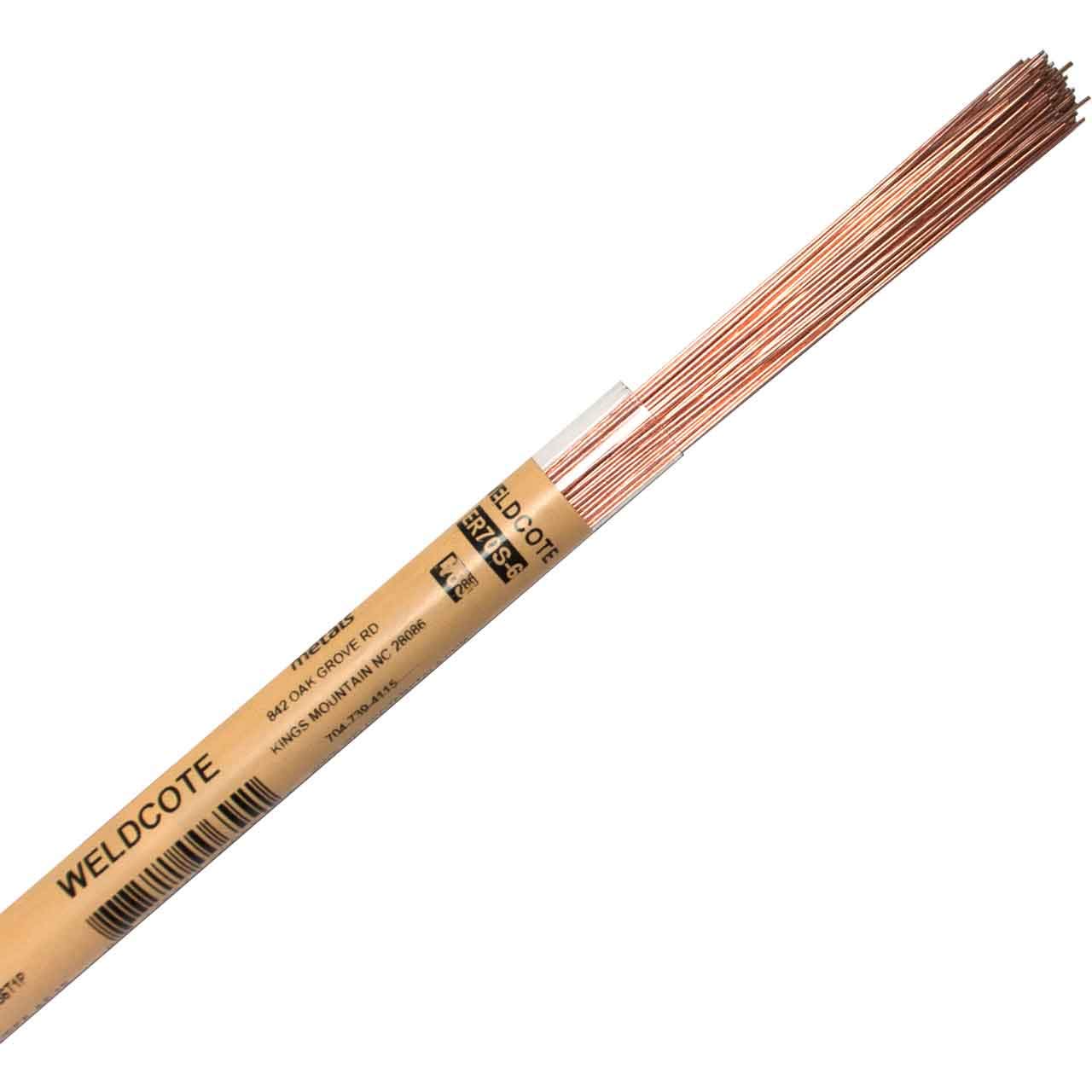
When you need a reliable filler for carbon steel work, this .035 rod strikes a good balance between control and strength. It tolerates a bit of surface rust and scale so you can often skip overly strict prep, and the deposits are strong enough for butt and fillet joints on sheet and plate.
You’ll find it useful for routine shop fabrication, maintenance repairs, and projects where predictable weld metal matters. Keep a tube handy and you’ll spend less time troubleshooting inconsistent welds.
Pros
- Very small diameter for detailed TIG control
- ER70S-6 chemistry helps with mild surface imperfections
- Useful for precise sheet and plate work
Cons
- Visible review count is minimal in the article
- Not a replacement for larger filler on heavier joints
- Not for aluminum, cast iron, or specialty alloys
Best for: precise carbon steel TIG work where a .035-inch filler helps control puddle size. Skip it if: you need a more widely reviewed option or a heavier rod.
What People Say
Users tend to highlight consistent performance and clean condition out of the tube, which makes storage and handling easier. Feedback emphasizes smooth feeding and dependable deposits that meet expectations for everyday fabrication and repair tasks.
Overall Sentiment: Positive

Versatility
You will use this mainly on carbon steel plate and sheet for butt and fillet welds in both single- and multi-pass situations. It’s well suited to general fabrication and repair but not intended for aluminum or specialty alloys.
Problem Solving
When you face routine structural repairs or production-style welds, this rod helps cut down on rework by delivering stable, strong deposits even on slightly imperfect surfaces. It’s a practical choice for finishing common jobs reliably.
Key Benefits
- High deposit strength for durable joints
- Good tolerance of rust and scale to reduce prep
- Consistent feed and predictable weld results
Rating: 5 (total: 1+)

When you need to cut or gouge metal rather than join it, this cut rod is made for that work. The heavy coating helps you get a reliable arc start and lets you run at higher currents so cutting, trimming, and removing rivets goes faster. It’s useful for teardown, repair prep, and any job where you need to open up or reshape metal parts quickly. Keep one in the box for maintenance days and those odd jobs where a grinder or torch isn’t the right tool.
Pros
- Useful for cutting, gouging, trimming, and teardown
- Designed for high-current cutting tasks
- Works across several metal types as described
Cons
- Not a joining rod for making weld beads
- No visible star rating or review count in the article
- Technique, current, and rod angle strongly affect results
Best for: cutting and gouging during repair prep. Skip it if: you came here only for rods that join metal and create finished welds.
What People Say
Users of cutting electrodes typically value a rod that starts easily and cuts cleanly under high current, and this product is often chosen for those traits. People who do maintenance and teardown work appreciate the ability to remove rivets and trim parts with less fuss, and many highlight that technique and rod angle affect results, so practice pays off.
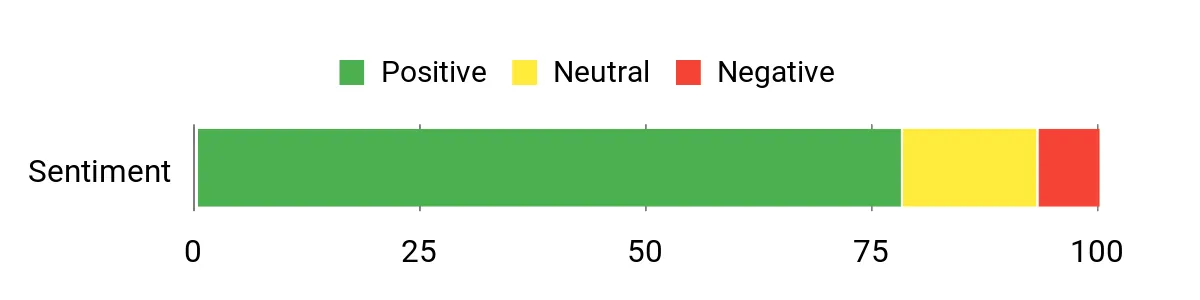
Overall Sentiment: Positive
Versatility
This rod is aimed at cutting and gouging rather than welding, so you will use it for demolition, fitting, and repair prep across a range of metals rather than for fabricating joints.
Problem Solving
When you face stuck bolts, damaged panels, or the need to open up castings, this electrode helps you get the metal apart cleanly and quickly, reducing the time spent on manual cutting and making follow-up work easier.
Key Benefits
- Heavy coating for reliable arc starts and high-current cutting
- Works across cast iron, stainless, and aluminum for versatile use
- Designed for tasks like rivet removal, enlarging openings, and trimming
Rating: (total: +)

You will reach for R45 when ductility and machinability matter more than sheer speed. This copper-coated gas rod produces welds that clean up nicely and resist porosity, so parts that need machining or structural integrity come out dependable.
It works well on sheets, plates, pipes, castings, and structural shapes up to about 1/4 inch and fits classroom, hobby, and light industrial setups that run gas welding. If you want a rod that prioritizes quality weld metal and easy post-weld work, this one is a solid option to keep in your toolbox.
Pros
- Good choice for gas welding low carbon steel
- Machinable and ductile weld metal as described
- No flux required according to the article description
Cons
- Only useful if your setup supports gas welding
- Not a TIG or stick electrode replacement
- Visible review count is limited in the article
Best for: gas-welding low carbon steel parts that need clean, machinable welds. Skip it if: you use TIG, MIG, or stick welding instead of gas welding.
What People Say
Most users point out that the rod performs reliably in both classroom and home shop environments, producing welds that are easy to work after cooling. People appreciate the consistent, ductile deposits and the fact that it handles typical gas-welding tasks without fuss.
Overall feedback highlights dependable results rather than surprises.
Overall Sentiment: Positive

Versatility
You will use this primarily for gas welding of low carbon steel up to 1/4 inch, making it handy for pipe work, structural repairs, and parts that require later machining. It’s not intended for aluminum or stainless welding without the appropriate setup.
Problem Solving
When you need joints that hold up to machining and service loads, this rod helps by delivering ductile, porosity-free weld metal that reduces scrap and rework. It’s especially useful when finishability and mechanical reliability are priorities.
Key Benefits
- Produces ductile, machinable welds suitable for parts that need finishing
- Copper coating and no-flux use produce clean, porosity-free deposits
- Good choice for sheets, plates, pipes and structural shapes up to 1/4 inch
Rating: 5 (total: 3+)
How to Choose the Right Welding Rod
Start with the base metal. Cast iron, aluminum, mild steel, and stainless repair work usually need different filler metals or electrodes. Then match the welding process: TIG rods are not the same as stick electrodes, and gas welding rods are only useful if you have the right torch setup.
Next, look at diameter and package size. Thin sheet usually benefits from smaller filler diameters that help control heat, while larger or production-style jobs may justify a heavier package. Also check whether your rod needs special handling, such as keeping electrodes dry or using preheat for cast iron.
- For cast iron: consider a nickel rod and plan for preheat, short beads, and slow cooling.
- For carbon steel TIG: ER70S-2 and ER70S-6 are common choices, but diameter should match the job.
- For aluminum: confirm the filler alloy is compatible with your base metal before buying.
- For stick welding: check polarity, position, deposition rate, and slag behavior.
- For cutting and gouging: choose a cutting electrode only when your goal is removal, trimming, or prep rather than joining.
FAQ
How Do I Choose The Right Rod For My Metal?
Start by identifying the base metal and the welding process you plan to use. For repairing cast iron you will want a nickel-based rod like Nickel 99, for aluminum choose a 4043 filler, and for most carbon steel fabrication the ER70S family fits the bill with ER70S-2 offering deoxidants for marginally dirty surfaces and ER70S-6 giving higher deposit strength and better tolerance of rust and scale. Match rod diameter to material thickness so you don’t burn through thin sheet or underfill heavy joints, and pick the electrode type (TIG, stick, gas, or cutting rod) that suits the job rather than forcing a single rod to do everything.
What Are The Key Steps For Welding Cast Iron Repairs?
Cast iron needs careful thermal management more than many other metals, so preheat the part and maintain interpass temperatures as recommended, typically around 350°F, use short weld runs and jump around to avoid concentrated heat, peen as needed, and allow a slow, controlled cool down in dry sand or with insulating blankets. Don’t expect ordinary carbon steel rods to behave like nickel filler; proper prep, fit-up, and the right rod are the difference between a lasting repair and repeated cracking.
How Should You Store And Handle Rods To Keep Them Ready?
Keep rods dry and clean by leaving them in their sealed tubes or containers and storing them in a cool, low-humidity place; the sealed plastic tubes many products ship in really help. If a rod gets exposed to moisture follow the manufacturer’s rehabbing instructions or bake low-hydrogen electrodes per spec before use, and always inspect for rust or contamination and clean the base metal before welding so you get predictable puddles and consistent results.
What Size Welding Rod Do I Need For Thin Steel?
For thin steel TIG work, smaller filler diameters such as .035 inch or .045 inch help you control heat input and reduce the chance of burn-through. Match the rod to your base metal thickness, machine settings, joint fit-up, and welding process before buying.
Can One Welding Rod Work For Every Metal?
No. Carbon steel, cast iron, aluminum, and gas-welding jobs need different filler metals or electrodes. A general steel filler can be useful in the shop, but cast iron often needs nickel, aluminum commonly uses 4043 for many repairs, and gas welding requires a compatible gas rod such as R45.
What Welders Prefer
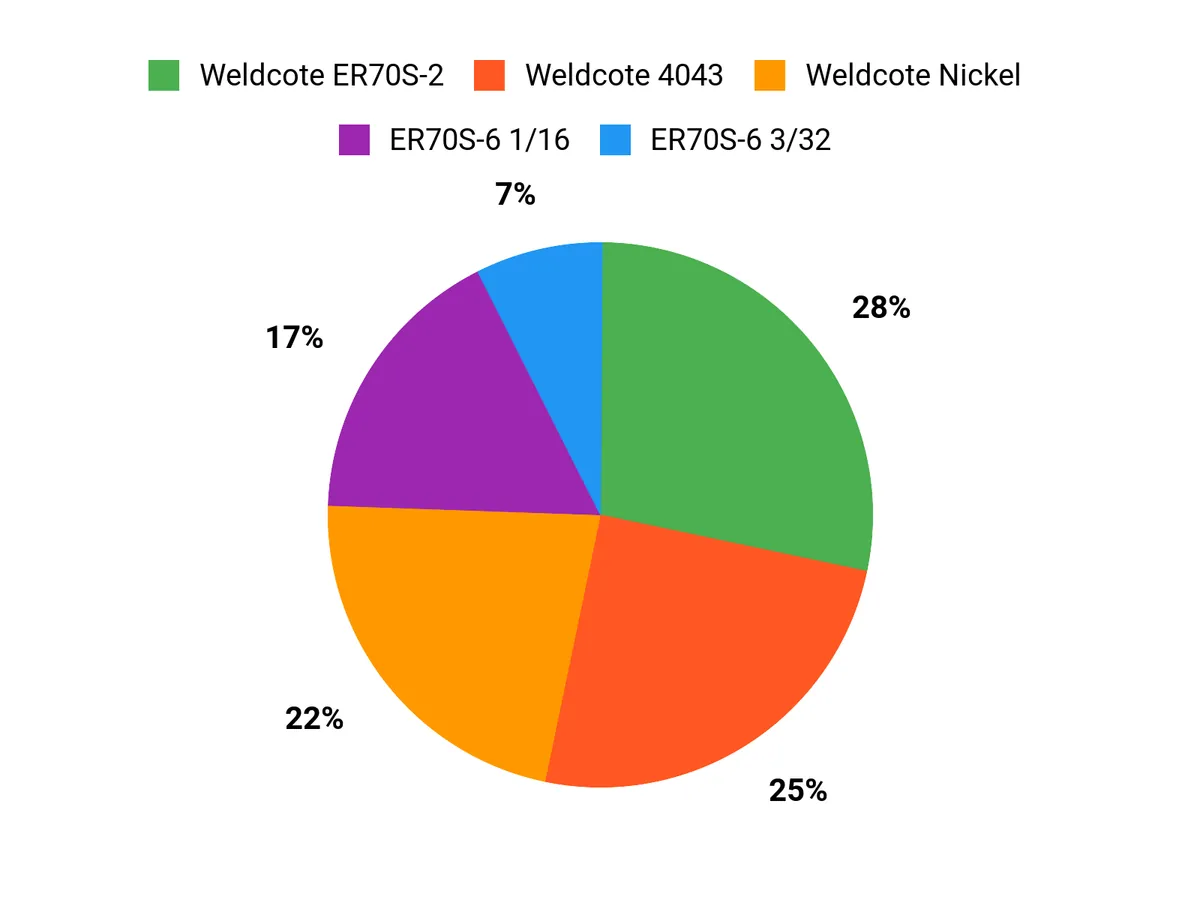
You usually pick based on the metal and the job: choose Weldcote Nickel for cast-iron repairs that need to be machinable, ER70S-2 when you want a sealed-tube, forgiving mild-steel rod for quick single-pass fixes, and ER70S-6 3/32 when deposit strength and tolerance of rust and scale matter for heavier fabrication. Across these options you prioritize material compatibility, ease of handling and packaging, and how robust the deposit will be for the weld you need.
Wrapping Up
The best welding rod in this list depends on what you are fixing. Pick Weldcote Nickel for cast iron, Weldcote 4043 for compatible aluminum jobs, ER70S-2 or ER70S-6 for mild and carbon steel TIG work, Weldcote 7014 for all-position stick welding, Weldcote Cut Rod for removal and gouging, and Weldcote R45 for gas welding low carbon steel.
Before you buy, confirm the rod diameter, package size, welding process, base-metal compatibility, and current Amazon listing details. With the right rod on hand, you can finish spring repair projects cleaner, reduce rework, and avoid forcing one filler to do every job.
This Roundup is reader-supported. When you click through links we may earn a referral commission on qualifying purchases.