This roundup is reader-supported. When you click through Amazon links, we may earn a referral commission on qualifying purchases.
You want welding rods that perform the first time so your joints are strong and your prep work does not go to waste. Vacuum packed, airtight, and well-sealed rod containers help protect electrodes from moisture, which can lead to more consistent arc starts, cleaner beads, and less rework. This guide focuses on stick electrodes that make sense for buyers who care about rod type, diameter, base metal, and storage protection.
Quick Verdict
If you want a compact vacuum-sealed general-purpose rod, start with YesWelder E6013. If you work on stainless steel, choose YesWelder E308L. If you want a protected low-hydrogen pack with two useful sizes, YesWelder E7018 is the most versatile pick.
Top Picks
|
Category |
Product |
Best For |
|---|---|---|
|
💰 Best Compact Vacuum Pack |
General repairs, practice, and light fabrication |
|
|
🔧 Best for Stainless |
Stainless repair when MIG or TIG is not available |
|
|
🚀 Most Versatile Low-Hydrogen Pack |
Stronger joints, thicker steel, and mixed rod sizes |
Selection Criteria
You need rods that match the base metal, welding position, rod diameter, and storage conditions you work with. For this update, we focused on stick electrodes that clearly support the article’s moisture-protection angle through vacuum-sealed, airtight, or sealed packaging.
We also looked at practical buyer concerns such as E6013 versus E7018 versus E308L, whether the pack size suits occasional or frequent welding, and whether the product copy gives enough guidance for storage, use case, and rod choice.
Before You Buy
- Match the rod to the metal: E6013 is a forgiving general-purpose option for mild steel, E7018 is a low-hydrogen choice for stronger welds on carbon steel, and E308L is for stainless work.
- Check your welder settings: Confirm rod diameter, amperage range, and AC/DC compatibility on the product page or packaging before welding.
- Keep rods dry: Reseal the tube or container after use and store rods away from humidity. For low-hydrogen rods used in critical work, follow the manufacturer’s storage and drying guidance.
- Inspect the flux: Do not use rods with badly chipped, cracked, or damp flux coatings for important joints.
If you want a no-nonsense rod for general repairs, light fabrication, and learning the basics, these E6013 sticks are a practical pick. The 3/32″ diameter is versatile enough for thin to medium gauge work, and the 2 lb vacuum-sealed pack helps keep the flux dry so you do not fight moisture-related issues.
The compact tube is handy when you take your welder on the road or need a smaller supply without committing to a full workshop-size tub.
Why You’ll Like It
You get a forgiving arc, a manageable pack size, and packaging that fits the article’s main goal: keeping rods protected until you need them.
Who Should Buy This
Choose this if you mostly weld mild steel, handle home repairs, practice stick welding, or want a compact rod pack that stores better than loose electrodes.
Who Should Avoid This
Skip it if you need stainless electrodes, heavy structural welding rods, or a larger 5 lb supply for daily shop use.
What People Say
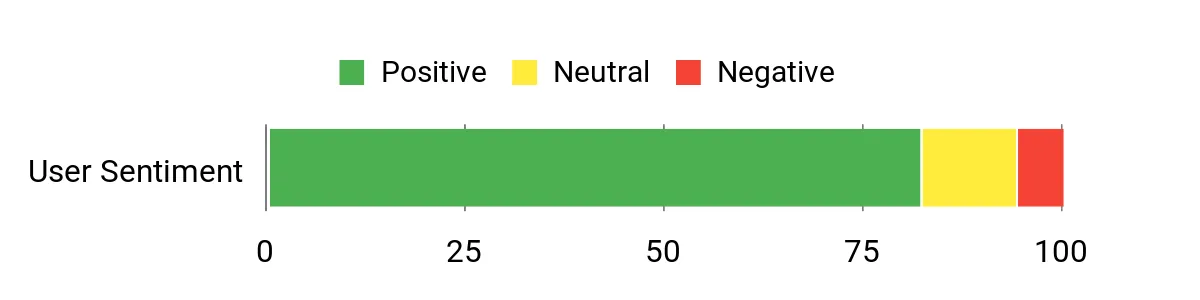
You’ll notice reviewers often praise the value and consistency of these rods, saying they perform like more expensive name-brand electrodes. Many point out easy arc starts, predictable bead appearance, and the helpful sealed storage tube.
A few comments remind you to set your heat correctly for best results, but overall people appreciate the price-to-performance balance.
Overall Sentiment: Positive
Durability
The vacuum-sealed packaging helps protect the flux coating during storage. Once opened, reseal the container carefully and keep it dry to preserve predictable performance.
Arc Start
These rods are designed for easy starts and steady general-purpose welding. Fine-tune amperage on scrap metal first so the rod does not stick and the puddle stays controllable.
Key Benefits
- Vacuum-sealed pack supports better moisture protection
- Forgiving E6013 behavior for light repair and practice
- 3/32″ diameter works for many thin to medium steel jobs
- Compact pack is easy to store, carry, and use occasionally
Check Product Details on Amazon
If you work with stainless and do not have access to MIG or TIG, these E308L sticks give you a practical alternative for patching exhaust, fabricating small stainless parts, or doing touch-up work. The rods are sized for common shop tasks and the longer length helps with reach and handling.
The reusable airtight tube is a useful storage feature because stainless electrodes still need protection from humidity and handling damage. You should still check your machine settings and technique before welding visible or critical stainless parts.
Why You’ll Like It
This is the most specialized option in the roundup. It gives you a stainless-focused rod in a protected tube, so you are not trying to make a mild-steel electrode do the wrong job.
Who Should Buy This
Choose this if your project involves stainless steel and you need a stick electrode rather than a MIG or TIG setup.
Who Should Avoid This
Skip it if you only weld mild steel or need a low-hydrogen rod for carbon-steel structural repairs.
What People Say
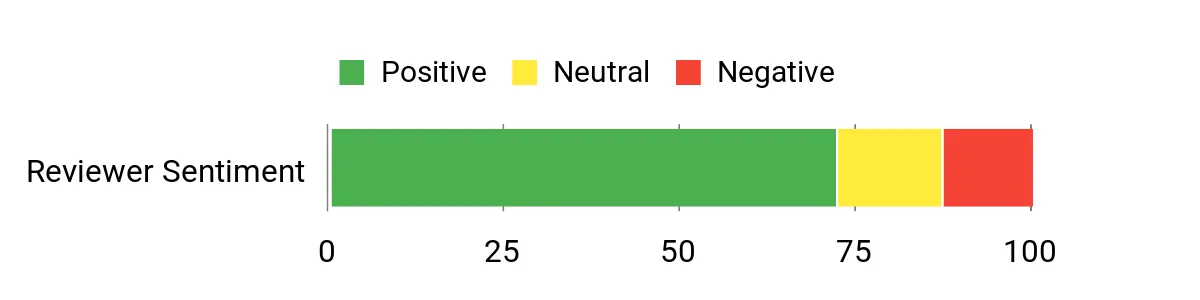
Customers frequently praise the stainless finish and the clean appearance of the welds, noting the rods work well when MIG or TIG is not an option. Many appreciate the reusable, airtight packaging for keeping rods dry, while a few mention the packaging lacks amp and polarity guidance and that results can vary if the settings are not dialed in.
Overall Sentiment: Positive
Durability
The airtight tube helps protect the flux coating from humidity and everyday handling. For best results, close the tube after each use and avoid storing it in a damp truck, garage corner, or open toolbox.
Arc Start
These rods strike reasonably quickly for stick welding stainless and re-strike well once you have found the right amperage. Stainless work can be less forgiving, so test settings before welding the final piece.
Key Benefits
- Formulated for stainless repair and fabrication tasks
- Reusable airtight tube helps reduce moisture exposure
- Good choice when MIG or TIG is not available
- Useful for stainless touch-up, exhaust, and small shop jobs
Check Product Details on Amazon
If you want a flexible workshop staple, this dual-size pack gives you two common E7018 diameters in one container so you can switch between lighter work and heavier welds without hunting for different boxes. The low-hydrogen E7018 chemistry is aimed at tougher joints and carbon-steel repairs where weld strength matters.
The separated bags inside the tub make it easier to grab the size you need. Because E7018 rods are more sensitive to moisture than casual general-purpose rods, you should reseal the container and follow storage guidance closely.
Why You’ll Like It
You get a more serious low-hydrogen rod option and two practical sizes in one protected pack, which makes this a strong choice for a mixed-use shop.
Who Should Buy This
Choose this if you weld carbon steel, want stronger welds than a casual E6013 setup, and like having both 3/32″ and 1/8″ rods available.
Who Should Avoid This
Skip it if you only need an easy beginner rod for thin steel or if you cannot store low-hydrogen rods properly after opening.
What People Say
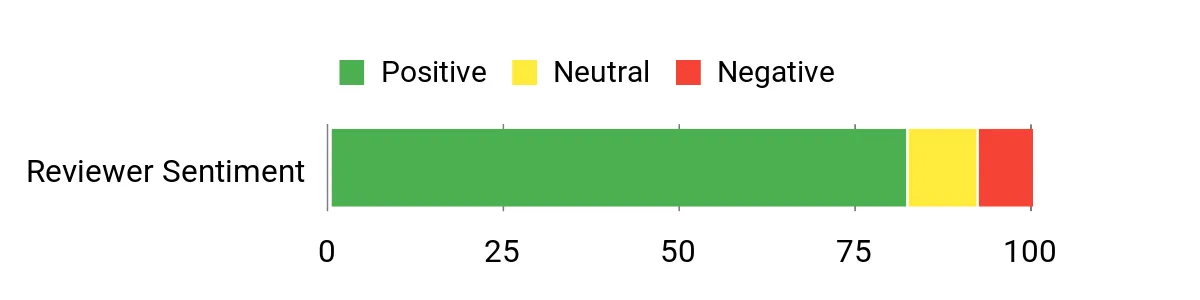
People often mention the reliable, consistent performance and appreciate the dual-size convenience. Reviewers like that the rods arrive well packaged with the sizes separated for easy access, and both novices and pros report steady arcs and good results.
A few notes remind you to store the tub properly to keep rods in top condition.
Overall Sentiment: Positive
Durability
The sealed container and separated bags reduce moisture exposure and physical damage during normal storage. Once opened, low-hydrogen rods need more careful handling, especially if you use them for critical welds.
Arc Start
These rods strike cleanly at the right amps and hold a steady arc once you dial in the settings. Minor amperage tweaks can improve puddle control and re-strike reliability.
Key Benefits
- Low-hydrogen E7018 rod for stronger carbon-steel welds
- Includes both 3/32″ and 1/8″ sizes for more flexibility
- Sealed container and separated bags help with organization
- Good fit for regular shop work, repairs, and skill-building
Check Product Details on Amazon
How to Choose the Right Protected Welding Rod Pack
Start with the base metal. For mild steel repairs, E6013 is usually the easiest option in this list. For carbon-steel welds where strength and crack resistance matter more, E7018 is the better match. For stainless steel, choose E308L rather than trying to use a general mild-steel rod.
Next, think about storage. A vacuum-sealed pack is useful if you weld occasionally and want rods to stay protected until the first opening. An airtight or sealed tube is useful after opening because you can close it again between jobs. No packaging replaces correct storage, so keep rods dry and inspect the flux before welding.
FAQ
Why Choose Vacuum Packed or Airtight Welding Rods?
You want rods that behave consistently when you strike an arc. Vacuum packed, airtight, and well-sealed containers help keep moisture away from the flux coating, which can reduce frustrating starts, poor bead appearance, and moisture-related weld problems.
Which Rod Should I Choose?
Pick the electrode to match the metal and the job. Choose E6013 for forgiving mild-steel repairs and practice, E7018 for stronger carbon-steel welds where low-hydrogen performance matters, and E308L for stainless repairs. Also check rod diameter, polarity, and amperage guidance before use.
How Should I Store Rods After Opening?
Close the original tube or container after every use and store it in a dry area. For E7018 and other low-hydrogen rods, follow the manufacturer’s storage and drying instructions if the rods will be used for important or code-sensitive welds.
Are These Rods Good for Beginners?
The YesWelder E6013 is the most beginner-friendly option here because it is a forgiving general-purpose rod. E7018 can be used by newer welders too, but it usually rewards better prep, cleaner technique, and more careful storage.
Final Recommendation
If you want the safest all-around choice for occasional repair work, choose YesWelder E6013 because it directly fits the vacuum-sealed storage angle and handles common mild-steel jobs. If your project involves stainless steel, choose YesWelder E308L. If you need a low-hydrogen rod pack with more range, choose YesWelder E7018 for the dual-size setup and sealed storage container.
| Product Name | Image | Best For | Rod Type | Storage Style | Amazon Details |
|---|---|---|---|---|---|
| YESWELDER E6013 3/32” 2LB Welding Rod |
 |
General repairs and light fabrication | E6013 carbon steel stick electrode | Vacuum-sealed pack | Check Price |
| YESWELDER E308L-16 Stainless Steel Stick Electrodes |
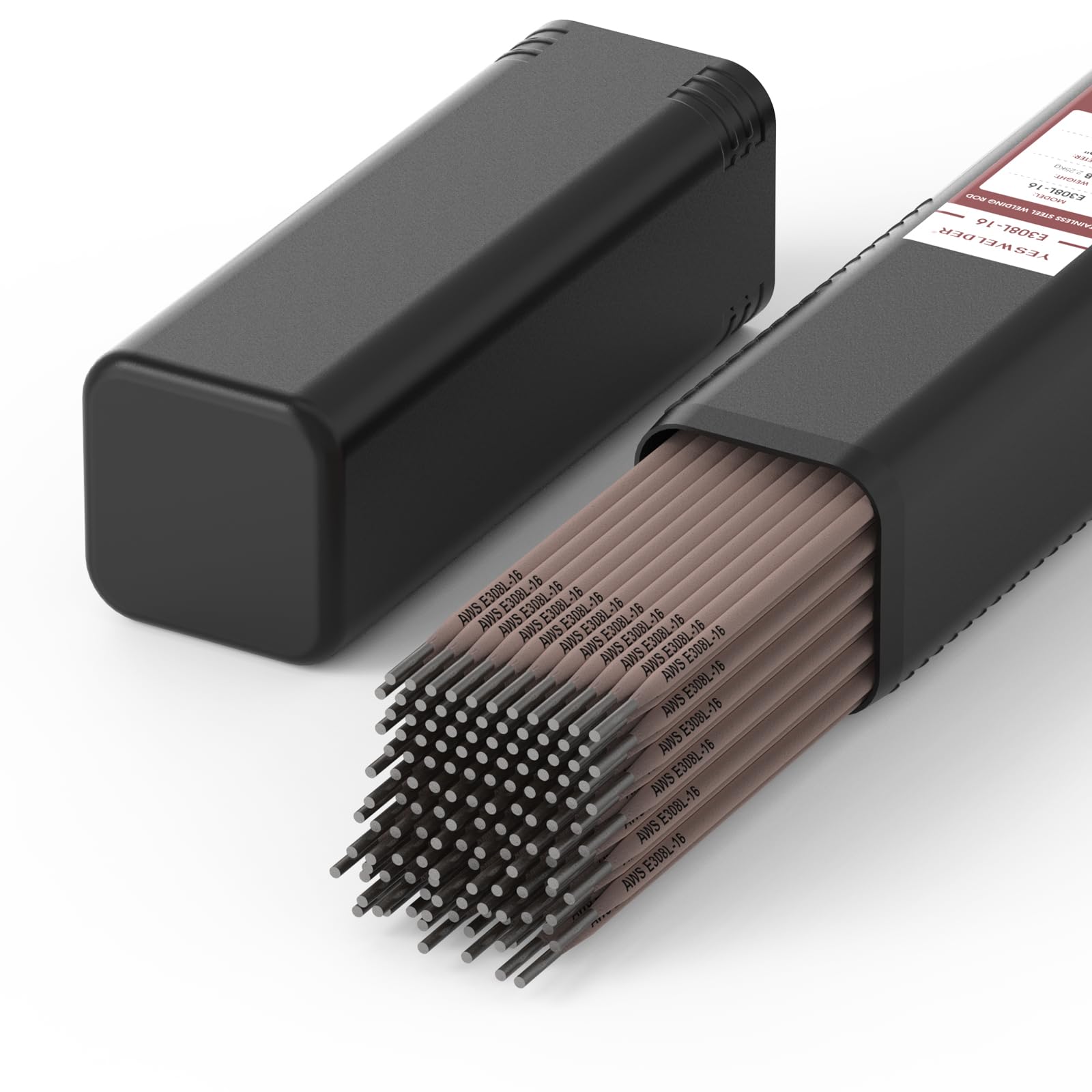 |
Stainless repair and touch-up work | E308L-16 stainless stick electrode | Reusable airtight tube | Check Price |
| YESWELDER E7018 3/32″(2.5lb)+1/8″(2.5lb) Welding Rod |
 |
Low-hydrogen carbon-steel welds | E7018 carbon steel stick electrode | Sealed container with separated sizes | Check Price |