Disclosure: As an Amazon Associate, we earn from qualifying purchases. If you click a link on this page and make a purchase, we may receive a small commission at no extra cost to you.
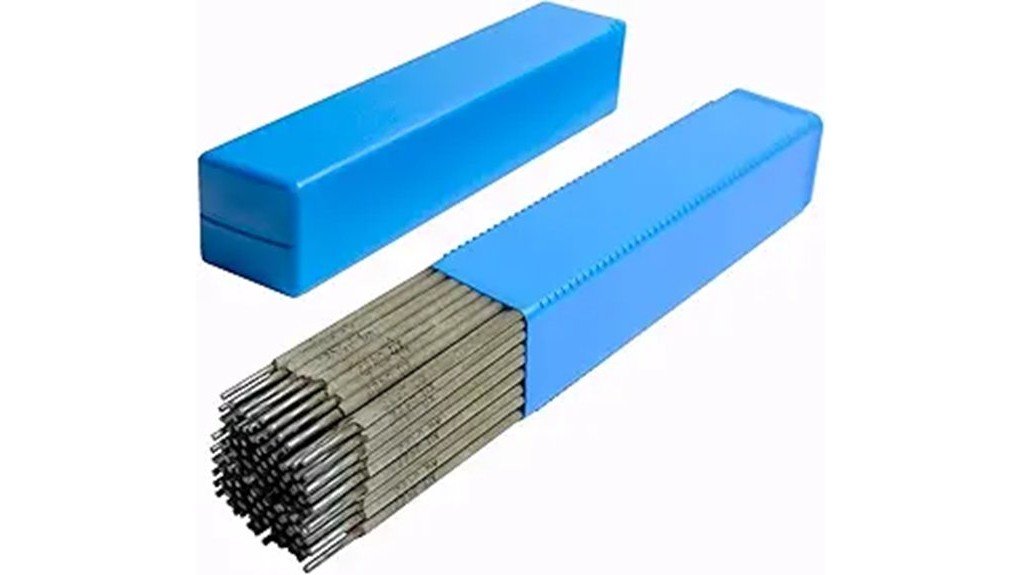
Choosing the right stick electrode matters when you need clean welds on medium-grade carbon steel without fighting constant spatter or unstable arc behavior. The 3/32″ Welding Rod J422 is built for weldable thicknesses of 2.5-4.0mm and offers a stated tensile strength range of 430-560MPa. It is sold in a sealed plastic tube with 105 sticks, which helps with storage and job-site handling. This review explains where this J422 electrode fits best, what its main limits are, and how to store and use it for more consistent welding results.
Quick Verdict
Rating: Recommended with caveats
Best For: Welders working on medium-grade carbon steel, light fabrication, automotive repair, construction tasks, and general shop work.
Bottom Line: The 3/32″ Welding Rod J422 is a practical choice if you want a stable arc, minimal spatter, and all-position flexibility on compatible carbon steel. It is not the right pick for every metal type or every thickness range, so you should match it to the base metal and welding machine setup before buying.
Key Takeaways
- The 3/32″ Welding Rod J422 is suited for medium-grade carbon steels and weldable thicknesses of 2.5-4.0mm.
- Its stated tensile strength range is 430-560MPa, giving it enough strength for many general welding jobs.
- The rod is designed to provide a stable arc with minimal spatter and easier slag removal.
- Its all-position capability makes it useful for automotive, construction, repair, and fabrication work.
- The sealed plastic tube includes 105 sticks and helps protect the rods during storage.
- Proper storage in a cool, dry, ventilated area is important because moisture can reduce electrode performance.
| Specification | Detail |
|---|---|
| Product Type | Stick welding electrode |
| Model | J422 |
| Rod Diameter | 3/32 inch |
| Weldable Thickness | 2.5-4.0mm |
| Tensile Strength | 430-560MPa |
| Material Compatibility | Medium-grade carbon steels and cold rolled steels |
| Welding Position | All-position capability |
| Count | 105 sticks |
| Packaging | Sealed plastic tube |
| Best Use | Automotive, construction, pressure pipe, machine elements, and fabrication tasks |
| Storage Note | Store in a cool, dry, ventilated area. If moisture is present, bake at 150℃ – 170℃ for 0.5-1 hour before use. |
What Is the 3/32 Welding Rod J422?
The 3/32″ Welding Rod J422 is a stick welding electrode made for medium-grade carbon steels. Its 3/32-inch diameter makes it useful for controlled work where you need a smaller rod than heavier shop electrodes, especially when the weldable thickness falls in the 2.5-4.0mm range.
The rod is also designed for all-position welding, which means you can use it across different joint angles and work positions when your setup and technique are correct. That makes it practical for repair, fabrication, construction, and automotive jobs where parts are not always flat on a bench.
The sealed plastic tube includes 105 sticks, which is useful if you want the rods organized and better protected from dirt and moisture. The packaging does not remove the need for proper storage, but it does make the rods easier to keep together between jobs.
Before You Buy: Match this J422 rod to the metal type and thickness you plan to weld. It is intended for medium-grade carbon steel and a 2.5-4.0mm weldable thickness range, so it may not be suitable for stainless steel, aluminum, very thin sheet metal, or heavy structural work outside its range.
Who Should Buy It?
Best For
- Welders working with medium-grade carbon steel in the 2.5-4.0mm thickness range.
- DIY users and shop welders who want a stable arc with minimal spatter.
- Automotive, construction, repair, and fabrication projects that need all-position flexibility.
Skip If
- You need electrodes for aluminum, stainless steel, cast iron, or specialty alloys.
- Your project requires a rod for metal much thinner or thicker than the supported range.
- You cannot store welding rods in a dry place or bake damp rods before use.
Key Features of 3/32 Welding Rod J422
The 3/32″ Welding Rod J422 focuses on practical welding performance rather than complex setup. Its design specifications include a weldable thickness of 2.5-4.0mm and a tensile strength range of 430-560MPa. These details make it a strong option for many medium-grade carbon steel jobs where the base metal falls within the recommended range.
The rods come in a sealed plastic tube containing 105 sticks. This packaging helps with storage, transport, and quick access when you are working in a garage, shop, or job-site setting.
Another useful feature is its ability to handle medium-grade carbon steels without preheating. That can save setup time on compatible materials, though you should still prepare the joint properly and follow safe welding practices.
Arc Stability and Spatter Control
Arc behavior is one of the most important buying points for a stick electrode. The J422 is described as producing a stable arc with minimal spatter, which can help you keep better control of the puddle and reduce cleanup time after welding.
Minimal spatter also matters when you care about the finished look of the weld area. You may still need to chip slag, brush the bead, and inspect the joint, but a cleaner arc can make the full process less frustrating.
This is especially helpful for general repair and fabrication jobs where you need repeatable results without spending too much time correcting surface mess. As with any welding rod, your final result still depends on machine settings, rod angle, travel speed, joint preparation, and the condition of the electrode.
Strength and Material Compatibility
The stated tensile strength range of 430-560MPa gives the J422 enough strength for many general welding applications. This makes it useful for machine elements, pressure pipes, automotive tasks, construction work, and fabrication projects where compatible medium-grade carbon steel is used.
The rod also performs well on cold rolled steels, according to the article-supported product details. That gives it a wider practical role for shop and repair work, especially when you need a stick electrode that can handle common steel materials.
The main limitation is that the article supports its use for medium-grade carbon steels, not every metal. Do not treat this rod as a universal electrode for specialty materials unless the product label or welding procedure confirms that use.
All-Position Welding Capability
The J422 has all-position capability, which gives you more flexibility when the workpiece cannot be placed flat. This can help during field repairs, construction tasks, automotive work, and fabrication jobs where the weld angle changes from one joint to another.
All-position capability does not mean technique no longer matters. Vertical, overhead, and awkward-position welds still require the right travel speed, arc length, amperage range, and control. If you are new to stick welding, practice on scrap steel before using the rod on an important repair.
Performance and Efficiency in Welding
Achieving ideal performance in welding requires the right electrode, good joint preparation, and controlled technique. The 3/32″ Welding Rod J422 stands out because it focuses on three practical performance points:
- A stable arc with minimal spatter
- Effortless slag removal for cleaner finishes
- High efficiency that helps produce visually appealing welds
With a tensile strength of 430-560MPa, the J422 is suitable for a range of medium-grade carbon steel uses. It can be a valuable electrode when you want dependable welds on compatible materials without adding extra complexity to your setup.
Its all-position capability improves flexibility because you can adapt it to different welding scenarios. That makes it useful for welders who move between shop work, construction tasks, automotive repairs, and general fabrication.
Applications and Storage Recommendations
Applications for the 3/32″ Welding Rod J422 are extensive within its intended category. It is a versatile choice for projects involving medium-grade carbon steel, especially when the weldable thickness is 2.5-4.0mm.
This electrode can be used for welding machine elements and pressure pipes. It also performs well on cold rolled steels, which makes it useful in automotive, construction, and fabrication sectors where clean and consistent welds matter.
For best results, proper storage conditions are essential. Keep the rods in a cool, dry, and ventilated area. If moisture is present, baking at 150℃ – 170℃ for 0.5-1 hour is recommended before use.
Pro Tip: Keep the tube sealed when you are not using the rods, and take out only what you need for the job. Damp electrodes can cause poor arc behavior, extra spatter, and weaker-looking welds.
How It Performs in Real Use
For Shop Fabrication
In shop fabrication, the J422 is useful when you are working with compatible medium-grade carbon steel and need a rod that can produce a steady arc. The 3/32-inch diameter can give you good control on parts that fit the 2.5-4.0mm weldable thickness range.
For Automotive Repair
Automotive repair often involves awkward angles and limited access. The all-position capability helps when the workpiece cannot be placed flat, though you still need to confirm that the metal type and thickness match the rod’s intended use.
For Construction and Field Work
For construction and field work, the sealed tube and 105-stick count make the rods easy to carry and organize. The stable arc and minimal spatter can help reduce cleanup, which matters when you are working outside a controlled bench setup.
For Practice and Skill Building
Because the rod is described as easy to control with stable arc performance, it can also be useful for practice on compatible steel. Newer welders should still start with scrap material, test machine settings, and inspect each weld before moving to a real project.
Setup and Usage Tips
Clean the base metal before welding. Dirt, oil, paint, rust, and moisture can affect arc behavior and weld quality, even when the electrode itself is suitable for the material.
Check your welding machine settings before starting the final weld. A stable arc depends on the rod, but it also depends on proper amperage, arc length, travel speed, and rod angle.
Use the correct storage method after each session. Return unused rods to the sealed tube, keep the tube away from moisture, and bake damp rods at 150℃ – 170℃ for 0.5-1 hour before use when needed.
Safety and Handling Notes
Welding safety is essential when using any stick electrode. Wear proper welding gloves, eye protection, a welding helmet, flame-resistant clothing, and closed footwear. You should also keep flammable materials away from the welding area.
Good ventilation is important because welding can create fumes. Work in a properly ventilated space and follow the product label, welding machine instructions, and local safety guidance.
Used welding rods and slag should be handled carefully after welding because they may remain hot. Let materials cool, collect waste safely, and check local recycling or disposal options for metal remnants.
Pros and Cons
Pros
- 3/32-inch rod size works well for controlled welding on compatible steel thicknesses.
- 430-560MPa tensile strength supports many general repair and fabrication tasks.
- Stable arc and minimal spatter can reduce cleanup time.
- All-position capability helps with awkward angles and non-flat workpieces.
- Sealed plastic tube with 105 sticks makes storage and transport easier.
Cons
- Not suitable for every metal type or every welding thickness.
- Moisture exposure can hurt performance, so dry storage is required.
- Beginners still need proper settings and practice to get clean results.
Is It Worth the Price?
The 3/32″ Welding Rod J422 is worth considering if you need a practical stick electrode for medium-grade carbon steel. Its value comes from the combination of 105 sticks, sealed tube packaging, all-position capability, and a stable arc with minimal spatter.
It is a smart buy for everyday welding tasks when your project matches the supported thickness range and material type. You get the most value if you regularly work on automotive, construction, repair, or fabrication jobs where 3/32-inch rods are a good fit.
It is not the best fit if you need a specialty electrode for stainless steel, aluminum, cast iron, or a metal thickness outside the stated 2.5-4.0mm range. In those cases, a different welding rod may be safer and more effective.
How It Compares to Alternatives
Compared with larger stick electrodes, this 3/32″ J422 rod can feel easier to control on compatible medium-thickness steel. A larger rod may be better for heavier material, while a smaller or specialty rod may be better for very thin metal or a different alloy.
If you want a general electrode for medium-grade carbon steel, the J422 makes sense because it focuses on stable arc behavior, lower spatter, and all-position use. If your project involves stainless steel, aluminum, or cast iron, compare it with electrodes made specifically for those materials.
Frequently Asked Questions
What is the shelf life of the 3/32 Welding Rod J422?
The shelf life depends on storage conditions. When kept in a cool, dry, and ventilated area, the rods can remain effective for an extended period and are more likely to deliver stable welding performance.
Can these rods be used in outdoor welding conditions?
They can be used in outdoor environments when the welding area is safe and the rods are kept dry. Wind, moisture, dirty metal, and poor grounding can still affect arc quality, so protect the work area as much as possible.
Are there any safety precautions while using these welding rods?
Yes. Wear a welding helmet, gloves, flame-resistant clothing, and proper eye and face protection. Work in a ventilated area, keep flammable materials away, and follow your welder’s instructions.
What is the diameter of each welding rod stick?
Each welding rod stick has a diameter of 3/32 inch. This size is useful for a range of general welding tasks on compatible medium-grade carbon steel.
What thickness can the J422 welding rod handle?
The article-supported weldable thickness range is 2.5-4.0mm. For metal outside that range, check the product label, your welding procedure, or a qualified welding reference before use.
Do the rods need preheating before use?
The article states that the J422 can handle medium-grade carbon steels without preheating. If the rods have absorbed moisture, baking at 150℃ – 170℃ for 0.5-1 hour is recommended before use.
How do I dispose of used welding rods properly?
Let used rods and slag cool before handling them. Collect the metal waste safely and check local recycling centers or waste guidelines for proper disposal.
Who should skip the 3/32 Welding Rod J422?
Skip it if your project involves a material or thickness not supported by the rod’s stated use. You should also choose a different option if you cannot store electrodes dry or if your welding procedure calls for a specific specialty rod.
The Bottom Line
The 3/32″ Welding Rod J422 is a reliable option for welders who need a stable, low-spatter electrode for medium-grade carbon steel in the 2.5-4.0mm weldable thickness range. It is best for automotive, construction, repair, and fabrication work where all-position flexibility is useful.
Skip it if you need a specialty rod for other metals or a project outside the supported thickness range. Its strongest advantage is stable, efficient welding performance, while its main limitation is the need to match it carefully to the right material and storage conditions.