Disclosure: As an Amazon Associate, we earn from qualifying purchases. If you click a link on this page and make a purchase, we may receive a small commission at no extra cost to you.
Choosing the right stick welding rod matters when you work on thin metal, small repairs, or general shop projects. The E6013 welding rod reviewed here is a 3/32 inch diameter, 14 inch electrode made for smooth arc starts, steady burn control, and light gauge mild steel work. It is a good fit when you want an easy-to-handle rod for clean practice beads, sheet metal repairs, and small fabrication jobs. The tradeoff is that E6013 is not the best choice when you need deep penetration, heavy structural work, or a rod with verified brand-specific specs.
Quick Verdict
Rating: Recommended with caveats
Best For: Beginners, hobby welders, and repair users working on light gauge metal or mild steel.
Bottom Line: This E6013 rod makes sense if you want a forgiving stick electrode with a stable arc and easy handling. Skip it for heavy steel, critical load-bearing welds, or jobs that require a verified low-hydrogen or deep-penetration electrode.
| Specification | Detail |
|---|---|
| Product type | Stick welding electrode for SMAW welding |
| Electrode classification | E6013 |
| Diameter | 3/32 inch |
| Length | 14 inches |
| Welding positions | Article-supported all-position use |
| Best use | Light gauge metal, sheet metal fabrication, mild steel repairs, and small construction tasks |
| Arc behavior | Smooth arc strike, steady burn, and stable arc control |
| Penetration profile | Shallow penetration compared with rods made for deeper digging |
| Storage note | Keep rods dry and protected from moisture before use |
What Is the E6013 Welding Rod?
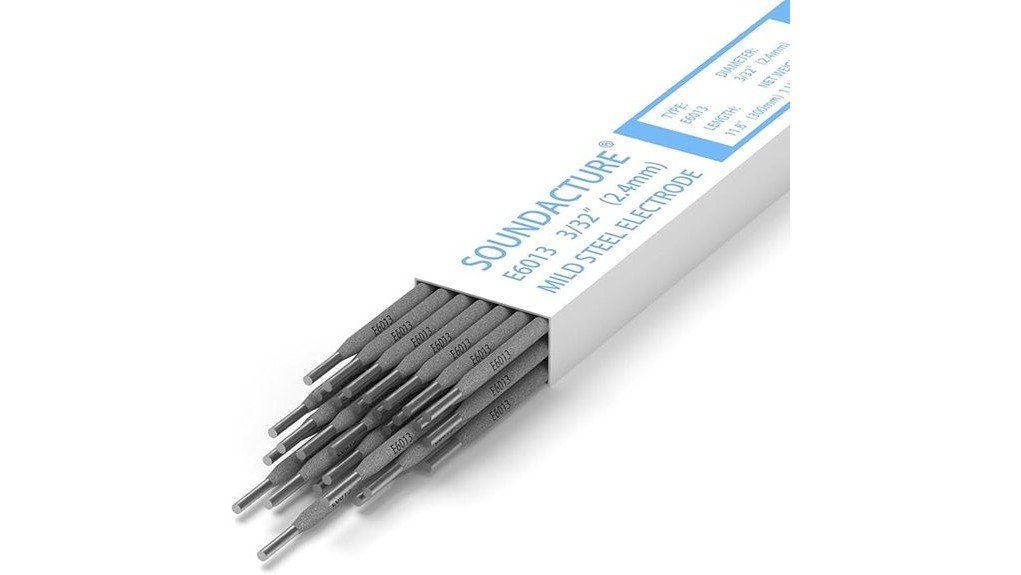
The E6013 welding rod is a stick electrode used with shielded metal arc welding, also called SMAW or stick welding. In the article-supported version reviewed here, the rod measures 3/32 inch in diameter and 14 inches long, which makes it compact enough for common home repair, shop practice, and light fabrication work.
This rod is built around ease of use. Its smooth strike and stable arc help you control the puddle without fighting constant sticking, harsh starts, or erratic burn behavior. That is why E6013 is often a practical choice for beginners learning bead control and for experienced users who want a cleaner, more manageable rod for thinner mild steel.
Before You Buy: The Amazon listing could not be independently verified during this edit, so confirm the brand, package count, exact rod size, and current product details on Amazon before ordering.
Who Should Buy It?
Best For
- Beginners who want a forgiving rod with a smoother arc strike.
- DIY users working on light gauge mild steel, small repairs, or practice coupons.
- Shop users who need a compact 3/32 inch rod for controlled work on thinner material.
Skip If
- You need deep penetration for thick steel or heavy structural welding.
- Your job requires a verified low-hydrogen electrode or certified welding procedure.
- You need confirmed brand, warranty, package quantity, or certification details before purchase.
Performance Features of E6013 Welding Rod
The main strength of this E6013 rod is arc control. A smooth arc strike helps you start the weld with less frustration, which matters when you are still learning travel speed, rod angle, and puddle shape. The stable burn also helps reduce stop-and-start problems during short repair beads.
The 3/32 inch diameter is useful for lighter work because it gives you more control than a larger rod when the base metal is thin. It is not a magic fix for poor settings, dirty metal, or bad fit-up, but it gives you a more forgiving starting point than aggressive rods designed for heavy penetration.
The 14 inch length is also practical. It gives you enough rod length for common beads while staying manageable for small shop jobs, home repairs, and practice sessions. Shorter handling demands can help you stay steady, especially when working around corners, brackets, and small joints.
Application Suitability for Various Projects
E6013 works best when you need a neat, controlled bead on mild steel or light gauge metal. Good examples include sheet metal fabrication, small brackets, non-critical repairs, farm or shop touch-ups, and general practice work. Its shallow penetration can help reduce the chance of burning through thinner material when your amperage, fit-up, and travel speed are set correctly.
It is less suitable for thick steel, dirty steel, rusty base metal, and high-strength structural work. For those jobs, you may need a different electrode type, better joint preparation, multiple passes, or a welding procedure approved for the material and load. When the weld matters for safety, follow your project specifications or ask a qualified welding professional.
Arc Stability and Ease of Use
Arc stability is one of the biggest reasons to consider this E6013 rod. A steady arc helps you keep a consistent puddle width, which can make your bead look cleaner and reduce the need for grinding. This is especially helpful when you are learning how small changes in arc length affect the weld.
The rod can also help with confidence during restart practice. Many beginners struggle with striking the rod, keeping the arc alive, and avoiding sticking. E6013 will not replace practice, but its easy-starting behavior makes practice less frustrating.
Fit and Compatibility
This rod is meant for stick welding machines that can run electrodes in the size and current range required for 3/32 inch E6013 rods. Before buying, check your welder manual to confirm that your machine supports this rod diameter and the recommended amperage range for your setup.
Adjustable amperage is important. Too little heat can lead to sticking, rough starts, and poor fusion. Too much heat can make the puddle hard to control and may burn through thin material. Start with the rod label or machine chart, then fine-tune on scrap metal that matches your project thickness.
Pro Tip: Practice on clean scrap metal before welding your actual part. Adjust amperage until the rod starts smoothly, the puddle stays controlled, and the slag lifts without excessive chipping.
Storage and Handling
Keep E6013 welding rods dry and protected when they are not in use. Moisture can affect arc behavior, slag quality, and weld consistency, even with general-purpose rods. Original packaging, a sealed tube, or a dry rod container can help protect the electrodes between jobs.
Handling is simple because the 3/32 inch by 14 inch size is easy to store and carry. That makes it practical for small workbenches, mobile repair kits, and hobby welding areas where space is limited. Do not leave rods loose on a damp bench, in a truck bed, or near water where the coating can absorb moisture or get damaged.
How It Performs in Real Use
For Beginner Practice
This rod is a strong practice choice because the arc is easier to start and maintain than many more aggressive electrodes. You can focus on rod angle, travel speed, and bead shape instead of fighting constant sticking. It is especially useful for learning straight beads and small fillet welds on clean mild steel.
For Light Gauge Metal
The shallow penetration profile helps when you work on thinner material, as long as your settings are correct. You still need clean metal, tight fit-up, and controlled travel speed. If the metal is very thin, test first because any stick electrode can burn through when amperage is too high.
For Mild Steel Repairs
For non-critical mild steel repairs, E6013 can produce neat welds with a controlled puddle. It is useful for small brackets, sheet metal patches, light frames, and simple shop fixes. It should not be your first choice for safety-critical repairs unless the job allows E6013 and you have the proper skill and procedure.
For Outdoor Use
E6013 can be used outdoors, but wind can still affect arc control and weld quality. Work behind a safe wind screen when possible and keep the weld area clean. Avoid welding in unsafe weather, wet conditions, or areas with fire hazards.
Safety and Material Notes
Stick welding creates heat, sparks, UV light, fumes, and slag. Wear a proper welding helmet, gloves, flame-resistant clothing, eye protection, and footwear before striking an arc. Work in a ventilated area and keep flammable materials away from the welding zone.
Do not treat E6013 as a universal rod for every metal. The article supports use on light gauge metals, sheet metal, and mild steel repairs. If you are welding stainless steel, cast iron, aluminum, galvanized material, unknown metal, or load-bearing parts, confirm the correct electrode and safety process before you start.
Pros and Cons
Pros
- Smooth arc strike makes it easier for beginners to start a bead.
- 3/32 inch diameter gives useful control on lighter mild steel work.
- 14 inch length is easy to handle, store, and use in small work areas.
- Good fit for sheet metal fabrication, mild steel repairs, and practice projects.
- Article-supported all-position performance gives it broad shop usefulness.
Cons
- Not ideal for deep penetration or heavy structural steel.
- Brand, package count, and warranty details were not verified in the source article.
- Needs correct amperage, clean metal, and dry storage for best results.
Is It Worth the Price?
This E6013 welding rod is worth considering if you need an easy-handling stick electrode for light gauge steel, sheet metal, and small repair jobs. Its value comes from arc stability, simple handling, and broad usefulness in common practice and repair settings.
It is a smart buy for everyday use if you already have a compatible stick welder and want a rod that is more forgiving than deep-digging electrodes. The main limitation is verification. Since brand and package details were not confirmed in the source article, check the Amazon page carefully before you decide.
How It Compares to Alternatives
Compared with E6010 or E6011, E6013 is usually the easier choice when you want a smoother arc and cleaner-looking bead on lighter material. E6010 and E6011 are often better when you need stronger digging action or have less-than-perfect base metal preparation.
Compared with E7018, E6013 is simpler for general practice and light repair work, while E7018 is often chosen for stronger welds where a low-hydrogen electrode is required. The E6013 rod makes the most sense when ease of use, shallow penetration, and light mild steel work matter more than maximum strength or deep fusion.
Frequently Asked Questions
What is the E6013 welding rod best used for?
It is best used for light gauge metal, sheet metal fabrication, mild steel repairs, and small shop projects. Its smooth arc and shallow penetration make it more forgiving on thinner material than rods made for aggressive digging.
Is E6013 good for beginners?
Yes, E6013 is often a beginner-friendly rod because it starts smoothly and maintains a steady arc. You still need practice with amperage, arc length, rod angle, and travel speed.
What welding machine should you use with 3/32 inch E6013 rods?
Use a stick welder with adjustable amperage that supports 3/32 inch electrodes. Check your welder chart and the rod packaging before welding because exact settings depend on the machine, polarity, metal thickness, and joint type.
Can you use E6013 rods for vertical or overhead welding?
The source article supports all-position use, which includes vertical and overhead work. Those positions still require better puddle control, correct amperage, and safe body positioning, so practice on scrap before using them on a real project.
How should you store E6013 welding rods?
Store them in a dry place, ideally in original packaging, a sealed rod tube, or a dry storage container. Avoid damp benches, open-air storage, or damaged packaging because moisture can affect arc quality and weld consistency.
Can you weld outdoors with E6013 rods?
You can weld outdoors, but wind, moisture, and poor grounding can make the weld harder to control. Use safe wind protection, keep the rods dry, and avoid welding in wet or unsafe conditions.
Who should skip this E6013 welding rod?
Skip it if you need deep penetration, verified low-hydrogen performance, or a rod for critical structural welds. You should also check the Amazon listing first if brand, package count, warranty, or certification details matter to your purchase.
The Bottom Line
The E6013 welding rod is a practical choice if you want a smooth, easy-handling stick electrode for light gauge metal, mild steel repairs, and beginner practice. It is not the right fit for heavy structural jobs, deep-penetration welding, or projects that require fully verified brand-specific specifications. For the right user, its main strength is control, while its main limitation is that listing-level details should be confirmed before purchase.