The Forney 30301 E6013 Welding Rod is a 3/32-inch, 1-pound box of E6013 electrodes for mild steel. It is a general-purpose, all-position rod that runs on AC or DC, which makes it a practical choice for light fabrication, repairs, DIY work and learning stick welding. Below you will find the specs, who should skip it and how to check that it suits your welder.
Quick Verdict
Best for: Mild steel fabrication, repair work, DIY welding, and all-position stick welding practice.
Bottom line: The Forney 30301 E6013 Welding Rod is a solid option if you want a manageable E6013 rod for smooth beads, low spatter, and general mild steel work. Check the current Amazon listing before buying because product details, warranty terms, and availability can change.
Key Specifications
| Specification | Detail |
|---|---|
| Brand | Forney |
| Model | 30301 |
| Rod Type | E6013 welding rod |
| Rod Size | 3/32 inch |
| Package Weight | 1 pound |
| Material Use | Mild steel fabrication and repair work |
| Tensile Strength | 60,000 psi minimum (the E60 in the E6013 class) |
| Amperage range | Use the range on the box; retailer data lists about 50 to 70 amps for 3/32 in |
| Welding Positions | All-position (E6013 class) |
| ASIN | B000CFH7QS |
What Is the Forney 30301 E6013 Welding Rod?
The Forney 30301 E6013 Welding Rod is a stick welding electrode for mild steel. It is designed for jobs where you need a steady arc, smooth bead shape, and lower spatter than harsher rods. The 3/32-inch size makes it useful for thinner mild steel and general repair tasks.
E6013 rods are often used because they are easier to control than some deeper-penetrating electrodes. This makes the Forney 30301 a good fit for users who want a rod that feels manageable during small fabrication, maintenance, and practice work.
Who It Is For
This welding rod is a good fit for hobby welders, DIY users, farm repair users, and light shop workers who weld mild steel. It can also suit beginners who want an all-position rod that is easier to handle during practice.
It may also work well for users who need smoother beads on lighter workpieces. E6013 rods are known for low spatter, good wetting action and smooth, flat beads, which suit clean-looking welds.
Who Should Skip It
Skip this rod if you need a welding electrode for TIG welding. These are stick welding rods, not TIG filler rods. TIG welding needs the correct filler rod for the material and process.
You should also look at another option if you need deep penetration for heavy structural work. E6013 rods are often chosen for smoother operation and lighter work, not for the deepest penetration.
Key Features
E6013 Stick Electrode Design
The Forney 30301 uses the E6013 rod classification. This rod type is commonly used for mild steel jobs that need smooth arc behavior and a neat bead. E6013 is classified for all-position welding.
3/32-Inch Size
The 3/32-inch size helps with smaller projects and more controlled welds. It is a practical size for repair work, thin mild steel, and general shop use.
60,000 PSI Tensile Strength
The 60 in E6013 stands for a minimum tensile strength of 60,000 psi in the AWS classification. That is a class minimum, not a promise for every finished weld, which also depends on joint prep and technique.
Amperage Range
Use the amperage range printed on the box for 3/32-inch rods; retailer data lists about 50 to 70 amps. Always match amperage to rod size, base metal thickness, welding position and your welder settings.
Low Spatter and Smooth Beads
E6013 rods are known for low spatter, good wetting action and smooth, flat beads. These traits help reduce cleanup and make the rod easier to control, especially for users still building skill.
Real-World Use
For light mild steel fabrication, this rod can help you make clean welds on small brackets, repair pieces, and general metal projects. Its 3/32-inch size is easier to manage than larger rods on lighter materials.
For repair work, the steady arc and low spatter can make the job less frustrating. The rod can be useful for basic maintenance tasks where appearance and control matter.
For creative metal projects, the smooth bead profile can help when the weld will stay visible. It may also suit practice sessions because beginners can focus on travel speed, angle, and arc length without fighting excessive spatter.
Pros and Cons
Pros
- Good fit for mild steel fabrication and repair work
- 3/32-inch rod size helps with smaller and more controlled welds
- Smooth beads, low spatter and good wetting action are typical of E6013
- All-position use makes it flexible for many basic welding tasks
Cons
- Not made for TIG welding
- Not the best choice when you need deep penetration on heavy structural steel
- Warranty and return details should be checked on the current Amazon listing before purchase
Is It Worth the Price?
The Forney 30301 E6013 Welding Rod is worth considering if you need a simple stick welding rod for mild steel work. Its value comes from ease of use, clean bead behavior, and flexible all-position performance.
It is most useful when you want a rod for smaller jobs instead of heavy industrial work. Since prices and availability change often, check the current Amazon page before you decide.
Alternatives
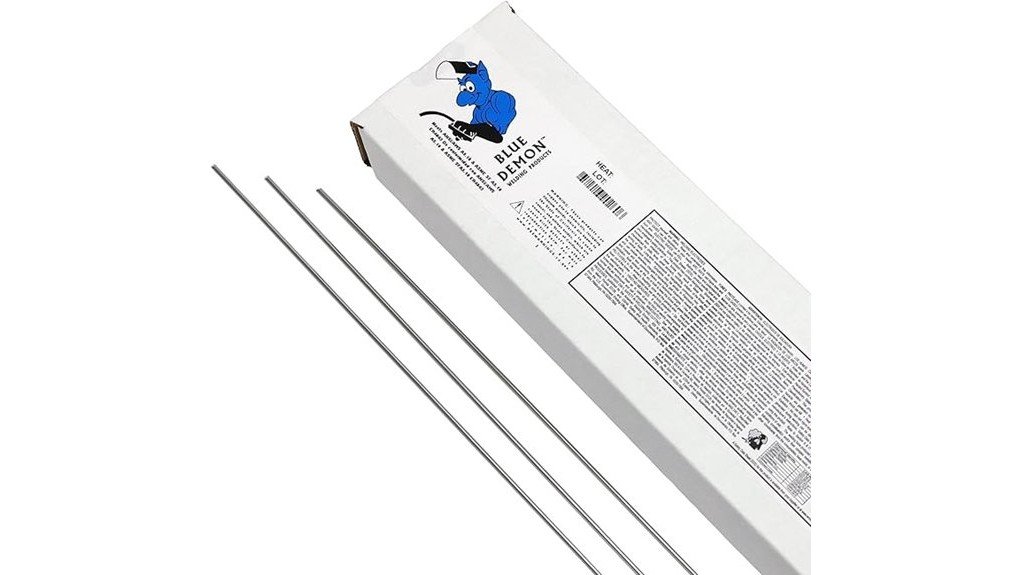
If you want to compare similar products, you can look at other E6013 welding rods from brands such as Hobart, Lincoln Electric, and Blue Demon. These alternatives give you context on rod size, package weight, and welding behavior. Do not assume they match the Forney 30301 exactly. Always compare the rod classification, diameter, amperage range, and intended material before buying.
Warranty and Return Policy
Warranty and return terms are not confirmed here. Forney lists a standard warranty and refers buyers to its complete written policy, so check that policy and the Amazon listing for current terms.
Warranty and return terms can change by seller, listing, and product condition. Check the current Amazon listing and the product packaging before relying on any warranty or return claim.
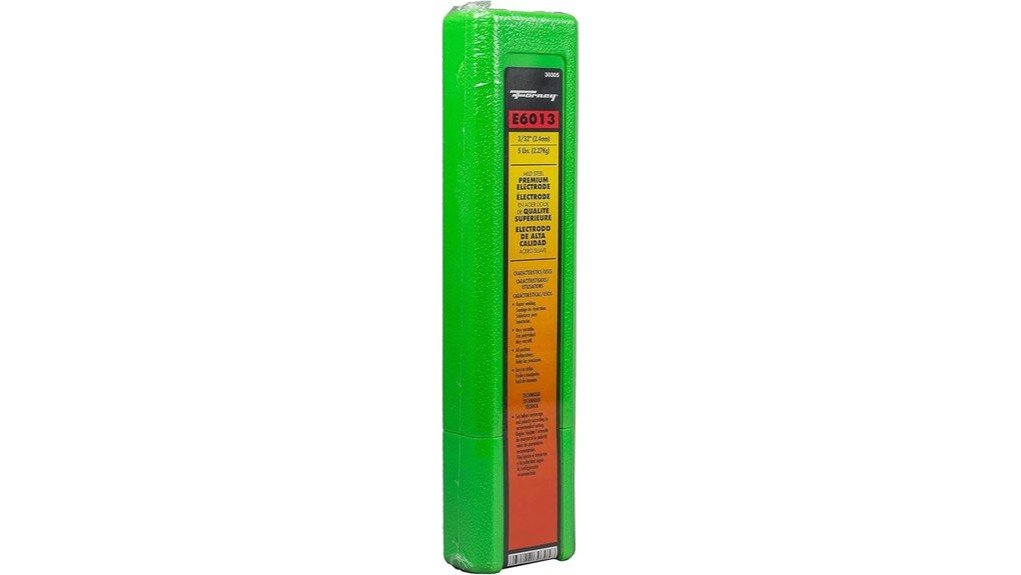
Related guides: Forney 30305 E6013 (same 3/32 in rod, 5 lb box) · Forney 31101 E6011 for rusty or dirty steel · Forney 32001 E7014 for smoother, higher-deposition beads
Frequently Asked Questions
Can I Use These Rods for TIG Welding?
No. These are stick welding rods, not TIG filler rods. TIG welding needs filler rods made for the TIG process and the material you are welding.
What Is the Recommended Storage for These Welding Rods?
Store welding rods in a cool, dry place. Keep them away from moisture. A sealed container can help protect them from damp air and contamination.
Are These Rods Suitable for Outdoor Welding?
Stick rods can be used outdoors. For best results, protect your weld area from strong wind, moisture, and dirty metal surfaces.
How Do I Know When to Replace My Welding Rods?
Replace rods if they are damaged, damp, rusty, or hard to strike. Poor arc stability, excessive spatter, or weak bead quality can also be signs that the rod is no longer in good condition.
Can These Rods Be Used for Welding Galvanized Steel?
Galvanized steel can be welded with stick rods, but zinc fumes are hazardous. Use proper ventilation, remove the coating where safe and practical, and follow welding safety guidance before working on galvanized metal.
What Material Is This Rod Best For?
The Forney 30301 E6013 Welding Rod is best suited for mild steel tasks. It is not a universal rod for every metal or every welding process.
Final Verdict
The Forney 30301 E6013 Welding Rod is a practical choice for mild steel welding, repair work, DIY jobs and all-position practice. Useful traits include the E60 class strength, low spatter, smooth beads and good wetting action.
Choose it if you want a manageable E6013 rod for general mild steel work. Skip it if you need TIG filler rods, deep-penetration rods for heavy steel, or a product with verified current warranty terms before purchase.