Disclosure: As an Amazon Associate, we earn from qualifying purchases. If you click a link on this page and make a purchase, we may receive a small commission at no extra cost to you.
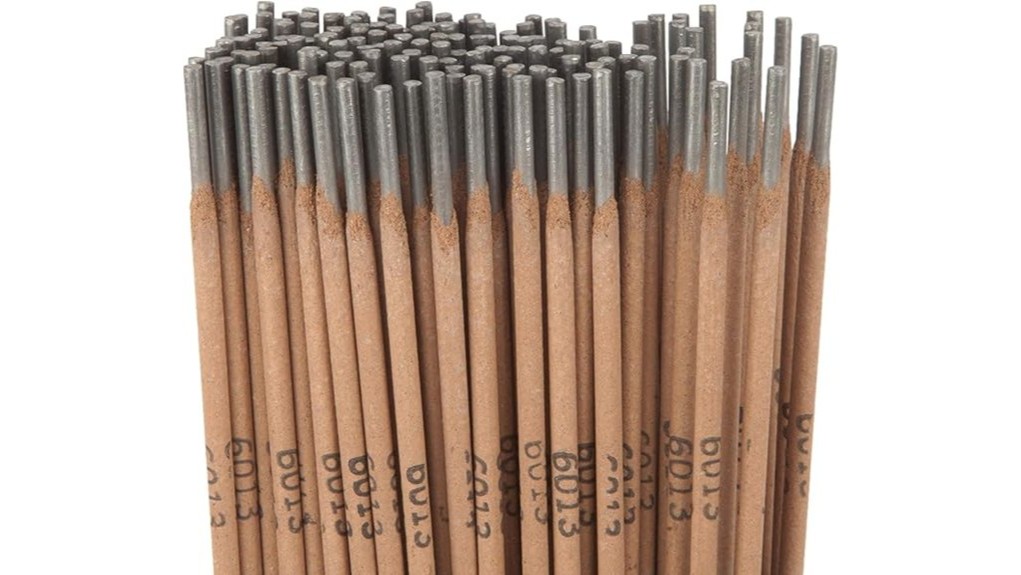
Clean stick welds depend on choosing the right electrode for the metal, joint, and finish you want. The Forney 30305 E6013 Welding Rod is listed as a 1/8-inch by 14-inch E6013 electrode for mild steel, with AC or DC compatibility and all-position use. It is built around controlled handling, shallow penetration, low spatter, good wetting action, and slag that is easier to remove after the bead cools. This review helps you decide whether it fits practice work, light fabrication, and general repairs, or whether your project needs a deeper-penetrating or procedure-specified rod instead.
Quick Verdict
Rating: 8/10
Best For: welders who want a forgiving E6013 rod for mild steel practice, light repairs, neat beads, and all-position shop work.
Bottom Line: The Forney 30305 E6013 Welding Rod is a strong pick when you value easy arc control, low spatter, and simple slag cleanup. The tradeoff is shallow penetration, so it is not the right choice for heavy structural jobs or welds that require a specified electrode.
| Specification | Detail |
|---|---|
| Brand | Forney |
| Model | 30305 |
| Product type | E6013 welding rod / stick electrode |
| Electrode size | 1/8 inch diameter by 14 inches long |
| Welding current | AC or DC |
| Welding positions | All positions |
| Compatible metal | Mild steel |
| Penetration profile | Shallow penetration |
| Arc behavior | Steady arc with low spatter production when settings and prep are correct |
| Bead profile | Smooth, flat beads with good wetting action |
| Slag behavior | Easier slag removal than rougher-running rods, based on article-supported claims |
| Best use | General mild steel welding, practice beads, light fabrication, and non-critical repairs |
| Safety note | Not a substitute for a procedure-specified, low-hydrogen, stainless, cast iron, aluminum, or structural electrode |
What Is the Forney 30305 E6013 Welding Rod?
The Forney 30305 is an E6013 stick welding electrode for mild steel work. The article-supported size is 1/8 inch in diameter and 14 inches long, which makes it suitable for many small shop tasks, repair jobs, and practice coupons.
E6013 rods are commonly chosen when you want a stable arc, a smoother-looking bead, and less aggressive digging action. That makes this rod more approachable for newer welders and useful for jobs where appearance and control matter more than deep penetration.
The main appeal is flexibility. You can run it on AC or DC, use it in all positions, and work toward a cleaner bead when your metal prep, amperage, rod angle, and travel speed are dialed in.
Before You Buy: E6013 rods are not the right electrode for every weld. If your project calls for deep penetration, low-hydrogen electrodes, structural work, galvanized material, or a code-approved welding procedure, follow the project specification instead of choosing a rod by convenience.
Who Should Buy It?
Best For
- Beginners practicing mild steel beads who want a forgiving, easy-running rod.
- DIY welders doing light repairs where low spatter and easier slag removal save cleanup time.
- Shop users who want an all-position E6013 rod that can run on AC or DC machines.
Skip If
- You need deep penetration for thick, dirty, rusty, or high-load joints.
- Your welding procedure requires E7018, E6010, E6011, or another specified electrode.
- You mainly weld structural parts where electrode choice must follow qualified guidance.
Welding Characteristics of Forney 30305 E6013
The Forney 30305 E6013 focuses on controlled handling rather than aggressive penetration. Its shallow penetration can help when you want a cleaner surface bead on mild steel, but it can be a limitation when the joint needs deeper fusion.
The rod is also described as having good wetting action. In practical terms, that means the puddle can spread more smoothly along the joint, which helps you create flatter beads when your travel speed and rod angle stay consistent.
Low spatter is another useful benefit. Less spatter can reduce cleanup time and help keep your surrounding metal neater, especially on small repairs or practice work where you want to inspect the bead quickly.
Arc Control and Bead Quality
Arc control is one of the strongest reasons to consider this E6013 rod. A steady arc lets you focus on arc length, rod angle, and puddle shape instead of fighting constant restarts or rough bead edges.
The smooth, flat bead profile helps when the weld will remain visible or when you are learning how small changes in travel speed affect bead shape. It can also make practice more useful because you can see problems such as piling, undercut, or uneven travel more clearly.
The tradeoff is penetration. A shallow-penetrating rod can feel easier to control, but it should not be used as a shortcut when the work needs deeper fusion or a different electrode classification.
Ease of Use and Slag Removal
Ease of use is a major reason buyers choose the Forney 30305 E6013. If you are newer to stick welding, the combination of low spatter, steady arc behavior, and easier cleanup can make practice less frustrating.
Slag removal matters because it affects how fast you can inspect your bead and prepare for another pass. A rod that releases slag more cleanly helps you see your work sooner, which makes it easier to adjust amperage, angle, or travel speed on the next bead.
Experienced welders may also find it useful for simple mild steel tasks that do not require a specialty rod. It works best when you want neat handling, not maximum digging action.
Performance and Applications
The Forney 30305 E6013 makes the most sense for mild steel fabrication, repair work, and practice beads where a smooth appearance matters. Because it can run on both AC and DC, it gives you more flexibility if your stick welder supports either current type.
The all-position design also makes it more versatile than a rod that only feels natural on flat welds. You can use it for flat, horizontal, vertical, and overhead practice, but you still need the correct amperage range and technique for the joint position.
This rod is also noted for vertical-down welding. That can help with light work and practice, but you should not use vertical-down technique on critical welds unless the project instructions clearly allow it.
Storage and Handling Tips
Welding rods perform best when they stay dry, clean, and protected from shop debris. Store the Forney 30305 E6013 in a dry rod container or sealed storage box when you are not using it.
Do not leave rods loose on a welding table, damp shelf, or open garage surface for long periods. Moisture, oil, dirt, and damaged flux can all affect arc behavior, starts, slag removal, and bead quality.
Before you order, check the Amazon listing details for the package size and quantity shown by the seller. The article supports the rod size and model, but package details can vary by listing presentation and should be checked before purchase.
Pro Tip: Before welding the actual part, run a short bead on scrap mild steel with similar thickness and prep. This lets you check amperage, arc length, slag behavior, and bead shape before the repair matters.
How It Performs in Real Use
For Practice Beads
This rod is a good fit for practice because it rewards steady technique with smoother bead appearance. Low spatter and easier slag removal make it easier to see what went right and what needs adjustment.
For Mild Steel Repairs
For non-critical mild steel repairs, the Forney 30305 E6013 offers a controlled arc and cleaner finish. It is useful when you want a rod that starts predictably and does not create excessive cleanup.
For Awkward Fit-Up
The shallow penetration can help when a fit-up is not perfect and you need more control over the puddle. Still, poor joint prep can weaken any weld, so clean the metal, improve alignment, and avoid using this rod to hide a bad setup.
For All-Position Work
Because it is designed for all positions, this rod gives you more flexibility during small shop jobs and practice sessions. Use the correct amperage range for your machine and adjust travel speed so the bead does not pile up or undercut.
How to Use It Correctly
Start by cleaning the mild steel as much as possible. Remove paint, heavy rust, oil, and scale from the weld area because even an easy-running rod performs better on clean metal.
Set your welder for the 1/8-inch rod size and current type you are using. Since this rod can run on AC or DC, choose the setting that matches your machine and the arc feel you prefer.
Keep a short, steady arc and watch the puddle rather than only watching the rod tip. If the bead looks too high, cold, uneven, or undercut, stop and adjust your amperage, rod angle, or travel speed before continuing.
Common Mistakes to Avoid
Do not choose this rod only because it is easy to run. Match the electrode to the joint, metal condition, required strength, and any welding procedure that applies to your project.
Avoid using it as a cure for dirty metal. E6013 can feel controlled, but paint, oil, heavy rust, and poor fit-up can still cause weak welds or inconsistent bead quality.
Do not store opened rods in damp conditions. If the flux coating absorbs moisture or gets damaged, the rod may become harder to start and less predictable during welding.
Safety and Compatibility Notes
Always use proper welding protection when working with the Forney 30305 E6013. Wear a welding helmet with the correct shade, welding gloves, flame-resistant clothing, and eye protection for chipping and brushing slag.
Ventilation is also important. Welding fumes can be hazardous, especially in enclosed areas, so work in a well-ventilated space and follow the safety instructions for your welder, electrode, and base metal.
This rod is intended for mild steel applications. Do not assume it is suitable for stainless steel, cast iron, aluminum, galvanized material, or structural jobs unless your project guidance confirms the correct electrode and process.
Pros and Cons
Pros
- Runs on AC or DC, which helps if you use different compatible stick welders.
- All-position design supports flat, horizontal, vertical, and overhead practice.
- Low spatter can reduce cleanup time after welding.
- Good wetting action helps create smoother, flatter mild steel beads.
- Easier slag removal makes bead inspection simpler between passes.
Cons
- Shallow penetration is not ideal for every joint or heavy-duty job.
- Not a substitute for a required low-hydrogen or procedure-specified electrode.
- Performance still depends on dry storage, clean metal, and correct machine settings.
Is It Worth the Price?
The Forney 30305 E6013 Welding Rod is worth considering if you want a general-purpose mild steel rod that is easy to control and simple to clean after welding. Its value comes from usability and finish quality, not from specialty performance.
You get the most value from it if you practice stick welding, handle light fabrication, or make non-critical mild steel repairs where low spatter and smooth bead appearance matter. It is not the best fit if your project needs deeper penetration, qualified structural welding, or a specific electrode type.
Before buying, confirm the package details on the Amazon listing and make sure the 1/8-inch rod size matches your welder output and project thickness. A good rod still needs the right machine settings and joint prep to perform well.
How It Compares to Alternatives
Compared with E6010 or E6011 rods, an E6013 rod is usually chosen for smoother handling and cleaner-looking beads rather than aggressive digging action. That makes the Forney 30305 a better match for controlled mild steel work than for dirty steel or joints that need deep penetration.
Compared with E7018, this rod is easier for many casual users to handle, but it is not a replacement when a project calls for a low-hydrogen electrode. Choose the rod that matches your metal, joint design, machine, and welding requirements.
Frequently Asked Questions
What is the Forney 30305 E6013 Welding Rod best for?
It is best for general mild steel welding where you want easy arc control, low spatter, and a smooth bead. It is a practical rod for practice, light fabrication, and non-critical repairs.
Can you use the Forney 30305 E6013 rod with AC and DC welders?
Yes. The article-supported details state that this rod works with both AC and DC welding current. Always match the machine setting, amperage, and polarity options to your welder and project guidance.
Is this rod good for beginners?
Yes, it can be a good beginner-friendly rod because it is described as low spatter, easy to control, and easier to clean after welding. New welders should still practice on scrap metal before using it on a real repair.
Can it be used in all welding positions?
Yes. The article identifies the Forney 30305 E6013 as an all-position rod. You still need to adjust travel speed, rod angle, and amperage for flat, horizontal, vertical, or overhead work.
Is E6013 good for deep penetration?
No, not as its main strength. This rod is described as having shallow penetration, which helps with control but may not suit thick material, dirty steel, or critical structural work.
How should you store Forney 30305 E6013 rods?
Store them in a dry place and protect them from moisture, dirt, oil, and damaged flux. A sealed rod container or dry storage box can help keep the rods ready for cleaner starts and steadier welding.
Can you use this rod outdoors?
You can weld outdoors only when conditions are safe and controlled. Wind, moisture, poor footing, and dirty metal can all affect weld quality, so use caution and follow safe welding practices.
Who should skip this welding rod?
Skip it if your job requires deep penetration, heavy structural welding, stainless steel, aluminum, cast iron, or a specific electrode listed in a welding procedure. It is better for general mild steel use than for specialized or code-driven work.
The Bottom Line
The Forney 30305 E6013 Welding Rod is a smart buy for mild steel welders who want an easy-running rod with low spatter, smooth bead appearance, and simpler slag removal. It is best for practice, light fabrication, and non-critical repairs, but you should skip it when the work requires deeper penetration or a procedure-specified electrode.