Disclosure: As an Amazon Associate, we earn from qualifying purchases. If you click a link on this page and make a purchase, we may receive a small commission at no extra cost to you.
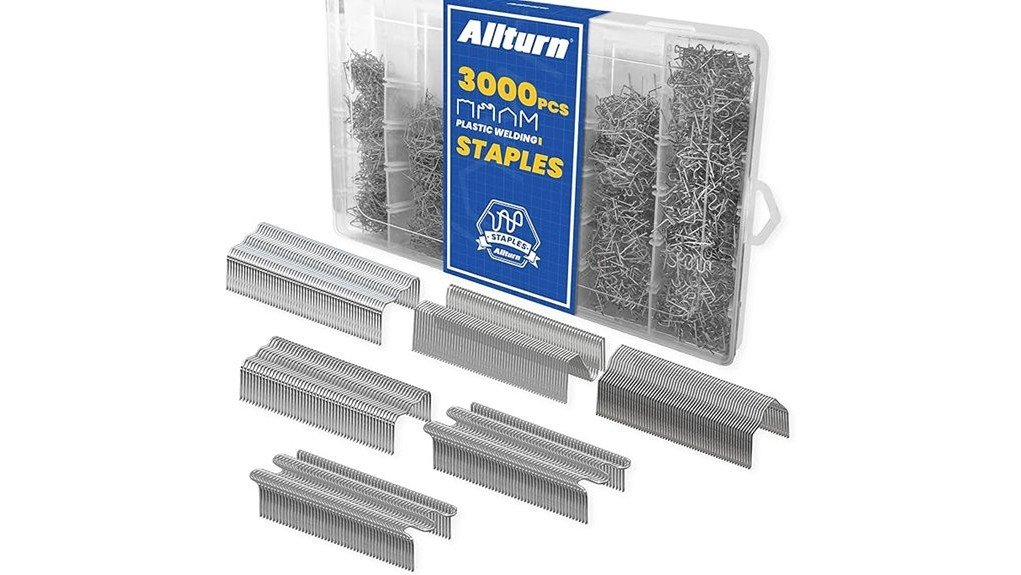
Cracked plastic parts can be frustrating because glue alone often does not add enough internal support. The Allturn 3000 Plastic Welder Staples are designed for hot-staple plastic repair, where heated stainless steel staples are embedded across a crack to help reinforce the damaged area. This review looks at the staple material, 0.6 mm and 0.8 mm size options, plastic compatibility, ease of use, and real repair situations. They make the most sense if you already use a compatible plastic repair stapler, but they are not a complete repair tool by themselves.
Quick Verdict
Rating: Recommended with caveats
Best For: DIY plastic repair, bumper tab repair, cracked trim repair, and general plastic reinforcement when you already have a compatible hot stapler.
Bottom Line: The Allturn 3000 staples are useful for adding internal reinforcement to cracked plastic parts, especially when you need stainless steel staples in 0.6 mm and 0.8 mm sizes. The main tradeoff is that you need the right plastic welder or hot stapler, and the article-supported details do not confirm package count or exact tool compatibility.
| Specification | Detail |
|---|---|
| Brand | Allturn |
| Model or series | 3000 |
| Product type | Plastic welder staples for hot-staple repair |
| Material | Stainless steel |
| Staple sizes mentioned | 0.6 mm and 0.8 mm |
| Compatible plastic types mentioned | ABS, PVC, nylon, and other repairable plastic materials |
| Best use | Automotive plastic repair, cracked trim, bumper repair, and general plastic reinforcement |
| Design note | Pre-cut staple design is intended to reduce trimming and grinding time |
| Safety note | Use only with a compatible plastic repair stapler and follow the tool instructions |
What Are the Allturn 3000 Plastic Welder Staples?
The Allturn 3000 Plastic Welder Staples are stainless steel repair staples made for use with a hot plastic repair stapler. In a typical repair, the stapler heats the metal staple so it can sink into the plastic across the cracked area. Once embedded, the staple helps bridge the crack and adds support from inside the plastic.
This type of repair is most useful when a plastic part has cracked but still has enough surrounding material to hold a staple. The article-supported compatibility list includes ABS, PVC, and nylon, which makes these staples relevant for many automotive and general repair jobs. You still need to confirm that your plastic part can tolerate hot-staple repair before using them.
Before You Buy: These are plastic welder staples, not a full plastic welding tool. Confirm that your hot stapler accepts 0.6 mm or 0.8 mm staples and that the plastic part you plan to repair is suitable for heat-based reinforcement.
Who Should Buy It?
Best For
- DIY users repairing cracked plastic trim, tabs, panels, or housings.
- Automotive repair users working on repairable plastic parts such as bumper areas or interior trim.
- Anyone who already owns a compatible plastic repair stapler and wants stainless steel staples in 0.6 mm and 0.8 mm sizes.
Skip If
- You need a complete plastic welder kit with the heating tool included.
- Your stapler requires a different staple thickness, shape, or connection style.
- The damaged part is structural, safety-critical, or made from plastic that should not be heat repaired.
Material Quality and Durability
Material quality is one of the main reasons to consider the Allturn 3000 staples. The article describes them as stainless steel, which is a practical material choice for repair staples because it resists corrosion better than plain steel. That matters when a repaired plastic part may be exposed to moisture, road grime, cleaning products, or outdoor storage.
The 0.6 mm and 0.8 mm sizes also give you some flexibility. A thinner staple can be useful where the plastic is smaller or more delicate, while a thicker staple can make sense on heavier plastic sections that need more reinforcement. The best size depends on the crack, the plastic thickness, and the hot stapler you use.
Repair Functionality and Performance
The main purpose of these staples is to reinforce cracked plastic by joining the two sides of the break from inside the material. When used correctly, a hot stapler can help seal and support an overlapping crack area. This can be more secure than relying only on surface glue, especially when the crack may flex again during use.
The staples are most useful as part of a repair process, not as the entire repair by themselves. For a clean result, you may still need surface preparation, trimming, grinding, filler, sanding, or finishing depending on the part. The staple adds internal strength, while the final appearance depends on how well you finish the surface after the staple is installed.
Fit and Compatibility
The article lists ABS, PVC, and nylon among the compatible plastic types. That covers many common repair needs, but compatibility still depends on the exact part and tool. Not every plastic reacts the same way to heat, and some parts can warp, melt unevenly, or lose strength if you use too much heat.
You should also check tool fit before buying. Staples must match the hot stapler’s accepted thickness and connection style. The listed 0.6 mm and 0.8 mm sizes are useful, but they are only helpful if your tool is designed to hold and heat those staples properly.
Pro Tip: Test your stapler and staple size on scrap plastic first when possible. It helps you judge heat, depth, and pressure before you work on the actual cracked part.
Ease of Use
The pre-cut staple design is one of the more practical details in the article. Pre-cut staples can reduce the time you spend trimming leftover metal after the repair. That is helpful when you want a neater repair area with less grinding and less risk of marking the surrounding plastic.
Beginners may find these staples easier to use than more complex plastic welding methods, but technique still matters. You need steady pressure, controlled heat, and correct placement across the crack. Pushing too hard or holding heat too long can damage the plastic instead of strengthening it.
How It Performs in Real Use
For Automotive Plastic Repair
These staples are a practical option for cracked plastic parts found around vehicles, such as trim pieces, tabs, covers, and some bumper-related plastic. Their stainless steel construction helps when the repair area may face humidity or outdoor exposure. For safety-critical parts, frame-related parts, or load-bearing components, you should get professional guidance instead of relying on a staple repair alone.
For General Plastic Repairs
For household or workshop plastic repairs, the staples can help when the crack keeps reopening after glue. The staple bridges the break from within the plastic, which can reduce movement at the damaged area. This is most useful when the plastic has enough thickness to hold the staple without burning through.
For Long-Term Use
Long-term performance depends on the plastic type, crack location, staple placement, and finishing work. Stainless steel gives the staple itself good durability, but the surrounding plastic still carries much of the load. If the part flexes often, use enough staples to support the crack without crowding the repair area.
For Outdoor Repairs
The article describes the staples as corrosion resistant, which is useful for outdoor or vehicle-related repairs. Still, the finished repair may need sanding, sealing, painting, or other surface protection depending on where the part is used. The staple can reinforce the crack, but it does not replace proper surface finishing.
How to Use Them Correctly
Start by cleaning the plastic around the crack so the area is free of dirt, oil, and loose debris. Choose a staple size that fits both your tool and the thickness of the plastic. Place the staple across the crack, not along the crack, so it can bridge both sides.
Use light, steady pressure and let the hot stapler do the work. The staple should sit below or near the surface without burning through the plastic. After the plastic cools, trim or smooth any raised metal if needed, then finish the surface based on the repair goal.
Do not rush the cooling step. Moving the part too soon can weaken the repair while the plastic is still soft. Always follow the instructions for your hot stapler, especially for temperature, contact time, and safe handling.
Common Mistakes to Avoid
One common mistake is using a staple that is too large for the plastic. A thicker staple can add strength, but it can also overheat or distort thin plastic if the part is not strong enough to hold it. Another mistake is placing staples too close together, which can weaken the surrounding plastic instead of reinforcing it.
You should also avoid using these staples as a shortcut for parts that should be replaced. If a plastic part is cracked in a safety-sensitive area or carries weight, a hot-staple repair may not be enough. In those cases, replacement or professional repair is the safer choice.
Pros and Cons
Pros
- Stainless steel construction supports corrosion resistance and longer service life.
- 0.6 mm and 0.8 mm size options give you flexibility for different plastic repair needs.
- Useful for automotive plastic repairs, trim repairs, and general crack reinforcement.
- Compatible plastic types mentioned include ABS, PVC, and nylon.
- Pre-cut design can reduce trimming and grinding time after installation.
Cons
- Requires a compatible hot stapler or plastic repair welder.
- Package count and exact included staple shapes are not confirmed in the article text.
- Not suitable for every plastic type, thin plastic part, or safety-critical repair.
Is It Worth the Price?
The Allturn 3000 staples are worth considering if you already have a plastic repair stapler and want stainless steel staples for everyday crack reinforcement. Their value comes from the material, the two listed size options, and their usefulness across automotive and general plastic repair tasks.
They are not the best fit if you need a full repair kit, a plastic welding gun, or a confirmed set of specialty staple shapes. You should also check the current Amazon listing before purchase because package details can vary by seller or listing version.
How It Compares to Alternatives
Compared with surface adhesives, hot-staple repair can add internal support across a crack instead of only bonding the outer surface. Compared with full plastic welding rods or mesh repair methods, staples are often faster for reinforcing cracks, tabs, and small broken plastic sections.
The Allturn 3000 staples make the most sense if you want stainless steel staple reinforcement and already have the right tool. If you need cosmetic finishing, large missing-plastic repair, or structural restoration, you may need filler, welding rods, replacement parts, or professional repair in addition to staples.
Frequently Asked Questions
Do the Allturn 3000 staples include the plastic welder tool?
The article describes the product as plastic welder staples, not a complete hot stapler kit. You should confirm the Amazon listing before buying if you need the heating tool included.
What staple sizes are mentioned for this product?
The article mentions 0.6 mm and 0.8 mm staple options. These sizes can help with different repair needs, but you should check that your hot stapler accepts them.
Can you use these staples on automotive plastic parts?
Yes, the article supports automotive plastic repair as a main use case. They are better suited for repairable plastic trim, tabs, covers, and similar parts than for safety-critical or load-bearing components.
Which plastics are listed as compatible?
The article lists ABS, PVC, and nylon. Since plastics vary by part and thickness, test carefully and follow your plastic repair stapler’s instructions.
Are stainless steel staples good for outdoor repairs?
Stainless steel helps with corrosion resistance, which is useful for parts exposed to moisture or outdoor conditions. The surrounding plastic and surface finish still need proper protection for the repair to last.
What is the best temperature setting for welding with these staples?
The safest answer is to follow your hot stapler’s manual and the plastic part’s repair guidance. Different plastics react differently to heat, so use enough heat to seat the staple without burning or warping the part.
How should you store the staples?
Store them in a dry container so they stay clean and ready for use. Keeping the sizes separated also helps you choose the right staple quickly during a repair.
Who should skip these plastic welder staples?
Skip them if you do not own a compatible hot stapler, need a complete plastic welding kit, or are repairing a part where failure could affect safety. In those cases, replacement parts or professional repair may be a better choice.
The Bottom Line
The Allturn 3000 Plastic Welder Staples are a practical buy if you need stainless steel staples for hot-staple plastic repair and your tool supports the listed 0.6 mm and 0.8 mm sizes. They are best for reinforcing cracks in compatible plastics such as ABS, PVC, and nylon, but they are not a complete repair tool and should not be used as a substitute for professional repair on safety-critical parts.