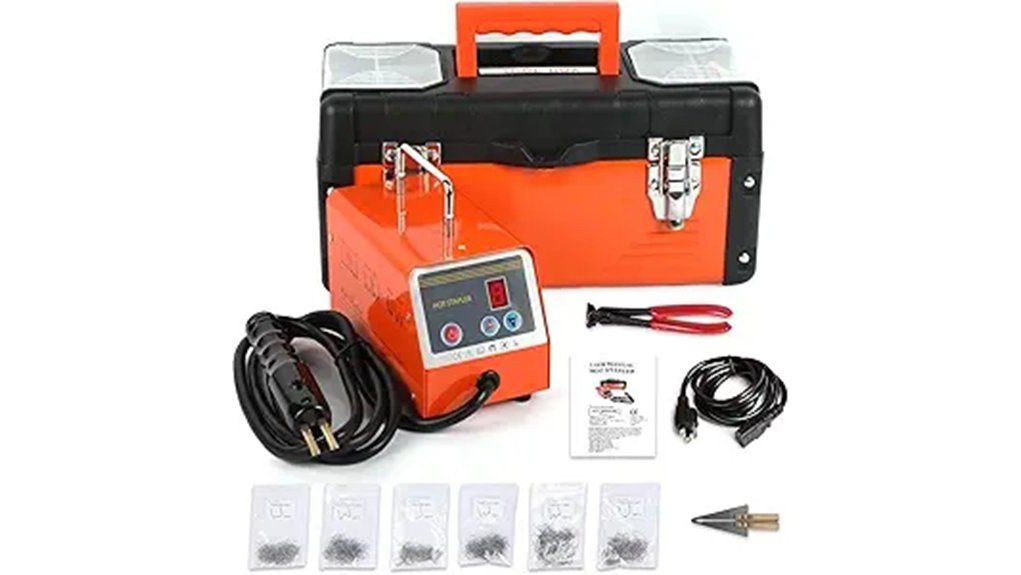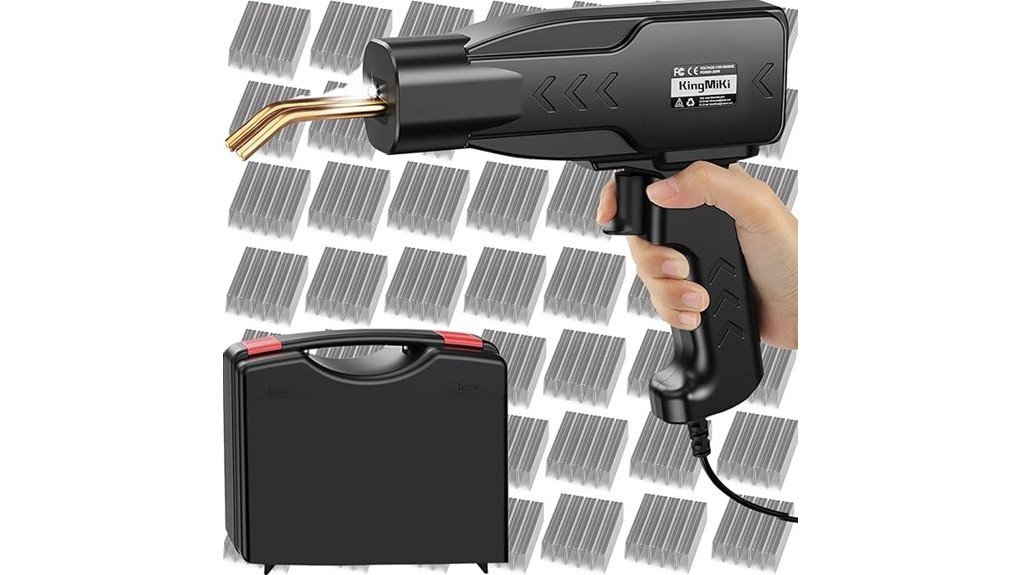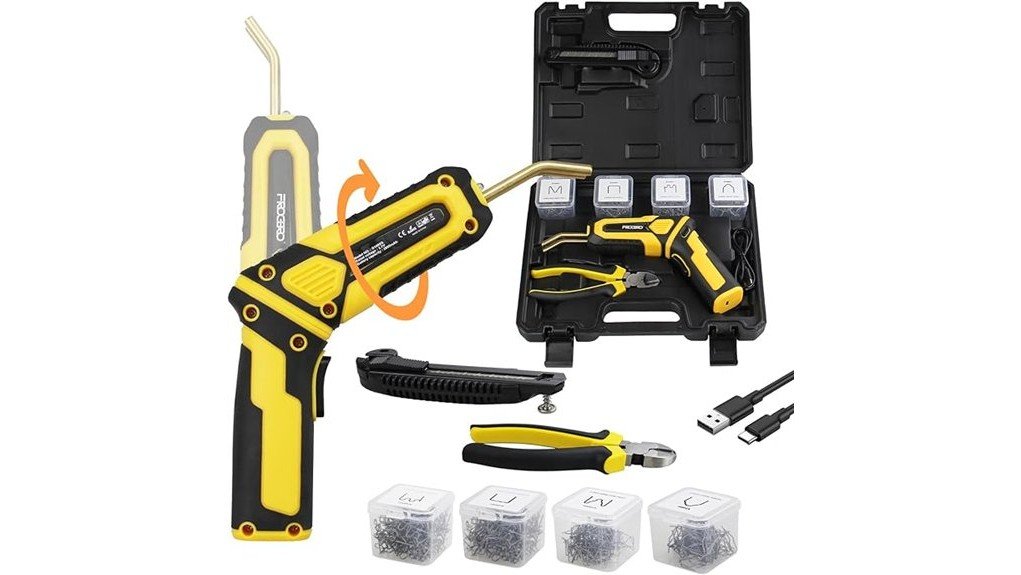
The 6 pcs plastic welding mesh set is a pack of six small stainless steel mesh sheets that you embed in heated plastic to reinforce cracks and splits, mostly on bumpers and other molded parts. The listing gives the size as 7.9 x 5.9 inches (20 x 15 cm) per sheet, so each one is big enough to cover a typical crack with room to trim. It only helps if you also have a heat tool to embed it, such as a plastic welder or hot stapler.
6 Pcs Plastic Welding Mesh: Specs From the Listing
These details come from the Amazon listing. Confirm them there before you order.
| Spec | Per the listing |
|---|---|
| Material | Stainless steel mesh |
| Quantity | 6 sheets |
| Sheet size | 7.9 x 5.9 inches (20 x 15 cm) |
| Weight | 3.7 oz for the set |
| Intended use | Thermoplastic and car part repair reinforcement |
How to Use Plastic Welding Mesh on a Cracked Part
- Identify the plastic. Look for a marking such as ABS, PP or PE on the back of the part. Weldable plastics accept mesh and hot staples best.
- Clean and prep. Wash off oil and wax, then V-groove the crack on the back side so filler has room to bond.
- Cut the mesh. Trim a piece that overlaps the crack by about an inch on each side and round the corners.
- Embed it. Heat the mesh with a plastic welder, hot stapler or soldering iron until it sinks into the softened surface. Keep the tool moving so you do not burn through thin plastic.
- Cover and finish. Melt plastic rod over the mesh, let it cool fully, then sand the repair flush.
Check Before You Buy
- You need a heat tool. The mesh does nothing on its own.
- You also need plastic welding rod or staples to cover and seal the mesh.
- Thin stainless mesh adds strength to cracks, but it is not a structural fix for parts that carry heavy loads.
- Six small sheets suit several small repairs. For one large panel, a bigger roll or sheet may suit you better.
Safety Notes
Work in a ventilated area, because melting plastic gives off fumes. Wear gloves and eye protection, since cut mesh edges are sharp and heated tools stay hot after you set them down. Let the repair cool before you handle or sand it.
Who It Fits and Who Should Skip It
A good fit: hobbyists and shops that already own a plastic welder or hot stapler and want extra reinforcement for bumper, kayak or trim repairs.
Skip it if: you have no heat tool, you need a repair for rubber or fiberglass, or you want mesh for fencing, coops or ventilation. Hardware cloth is the better product for those.
Related Plastic Repair Guides
Compare this set with the 5 PCS plastic welding mesh review and the 5PCS plastic welding mesh in 20 x 15 cm sheets. For the heating side of the repair, see the plastic welder hot stapler kit review and the hot staples and bumper welding rods review.
Frequently Asked Questions
What is plastic welding mesh used for?
It is a stainless steel screen that you press into softened plastic to reinforce a crack, split or broken tab. The mesh gives the repair something to grip, so it holds better than a bead of filler alone.
Can I cut the mesh to size?
Yes. Tin snips or heavy scissors cut thin stainless mesh. Cut each piece slightly larger than the damage and round the corners so they do not catch.
Does the mesh work on every plastic?
No. Check the recycling code or part marking first. Mesh and hot staples bond to weldable plastics such as ABS, PP and PE types. Fiberglass, rubber and some blends need a different repair method.
What tool do I need to embed the mesh?
A hot stapler, plastic welder or a soldering iron with a flat tip can heat the mesh into the plastic. Cover it with plastic welding rod or filler, then sand it flush.
Is this mesh suitable for garden fencing or ventilation screens?
The listing mentions other uses, but the sheets are small, so treat them as repair reinforcement. For fencing or coop work, use hardware cloth sold for that job.