Affiliate disclosure: This roundup is reader-supported. When you click through Amazon links, we may earn a referral commission on qualifying purchases.
You want welding rods that make your projects faster, stronger, and less frustrating. Choosing the right electrode saves you time on prep, reduces rework, and helps you get consistent welds whether you are repairing farm gear, fabricating metal art, or learning stick welding. Picking the right rod changes how your work flows and how confident you feel at the torch.
Quick Verdict
If you want the easiest rod to learn with, start with Forney E6013. If you need stronger penetration on light rust, mill scale, or field repairs, choose Forney E6011 or Forney E6010. If cracking resistance and structural strength matter most, look at the Forney E7018 options. For worn surfaces that need build-up, Forney Supercote is the specialty hardfacing pick.
Top Picks
|
Category |
Product |
Best Use |
|---|---|---|
|
🏆 Best For Beginners |
Easy starts and thin mild steel |
|
|
🚀 Best For Hardfacing |
Surface build-up and moderate wear |
|
|
🎯 Best For Field Repairs |
Deep penetration on imperfect steel |
|
|
⭐ Best Compact Pack |
Practice, small repairs, and hobby use |
|
|
💰 Best Value Workhorse |
Repair work on lighter steel |
|
|
🔧 Best For Deep Penetration |
Root passes and DC repair welding |
|
|
🏗️ Best For Structural Welds |
Low-hydrogen work on smaller sections |
|
|
🔒 Best Low-Hydrogen |
Thicker structural steel |
|
|
🛠️ Best For Fabrication |
General low-hydrogen fabrication |
|
|
🚚 Best For Mobile Repairs |
Portable AC/DC repair work |
How We Chose These Rods
You need rods that match the work you do, so we focused on performance across common stick welding scenarios. That means looking at penetration, ease of striking and restriking the arc, slag behavior, rod diameter, machine compatibility, storage needs, and how forgiving a rod is on light rust, mill scale, or imperfect fit-up.
We also considered pack size and buyer intent. A 1-pound pack makes sense for practice and small home-shop jobs, while 5-pound and 10-pound packs fit repeat repairs, farm work, and regular fabrication. Exact Amazon ratings, review counts, pricing, and availability can change, so check the current product page before buying.
Before You Buy
- Match the rod to the job: E6013 for easier learning, E6011 or E6010 for deeper penetration, E7018 for low-hydrogen structural work, and Supercote for wear build-up.
- Check your welder output: Make sure your machine can run the rod diameter and polarity listed on the rod package.
- Choose the right pack size: Small packs are better for practice; larger packs are better for repeated shop or field repairs.
- Store rods correctly: Keep electrodes dry, especially E7018 low-hydrogen rods.
- Use proper safety gear: Wear a helmet, gloves, protective clothing, and weld with safe ventilation and fire control.
You get a forgiving stick rod that makes everyday welding less fussy. This E6013 runs easily, strikes and restrikes without much drama, and lays a smooth bead that’s friendly to beginners while still useful for quick shop repairs. Use it on thin mild steel, patchwork, metal art, or jobs where you want to move fast without constant rework.
If you prefer a rod that helps you learn and still performs when the job matters, this is a solid go-to.
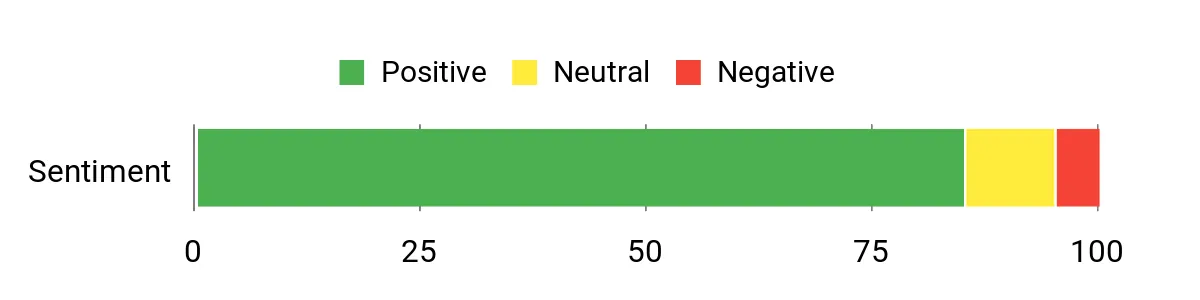
What People Say
Review feedback in the source article consistently points to easy starts, forgiving arc behavior, and dependable results on light repair work. A few users mention normal slag cleanup, but the overall tone is positive for beginner and home-shop use.
Overall Sentiment: Positive
Why You’ll Like It
It reduces the learning curve. The arc is easier to control than more aggressive deep-penetration rods, and the bead appearance is usually cleaner when your travel speed is steady.
Who Should Avoid This
Skip it if you need a deep root pass, heavy structural penetration, or a low-hydrogen rod for crack-sensitive work.
Key Benefits
- Easy arc starting and control
- Forgiving on thin or lightly imperfect metal
- Smooth bead with manageable slag
- Useful for learning and everyday repairs
- 5-pound pack fits repeat practice and shop work
You want a rod that helps you rebuild worn metal without a lot of fuss, and Supercote does that nicely. It lays down metal smoothly so you can build up faces, lips, or tool surfaces and then grind them to shape. It’s aimed at moderate abrasion and low-impact jobs, so think anvils, dies, and machine parts that need a hard layer rather than heavy impact protection.
If you need a practical hardfacing option that’s easy to run and forgiving during layering, this one is worth keeping in the toolbox.
What People Say
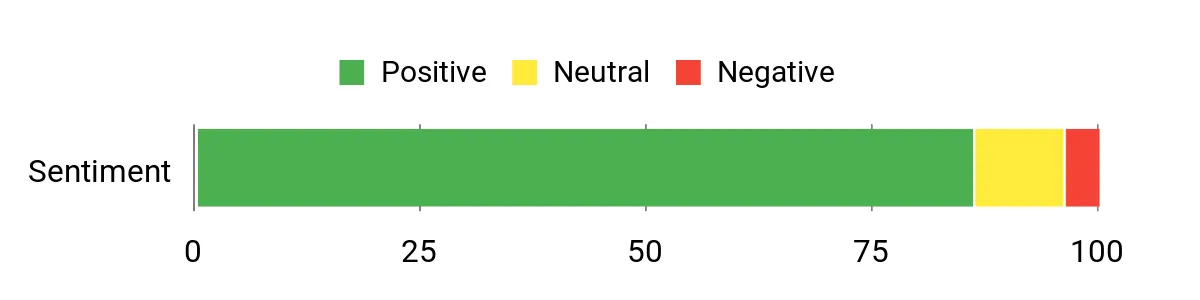
Readers commonly note that the rod runs smoothly and lays down clean beads, which makes layering and grinding easier. Many users report good results resurfacing worn parts, while some point out that it is not intended for high-impact applications.
The general consensus is that it meets its stated purpose and is straightforward to use.
Overall Sentiment: Positive
Why You’ll Like It
It solves a different problem than general welding rods. Instead of joining two pieces of steel, it helps add wear material to a worn surface so you can restore shape and extend service life.
Who Should Avoid This
Do not choose this as your only general-purpose rod. It is a specialty hardfacing electrode, not the best pick for basic weld joints, sheet metal, or cosmetic beads.
Key Benefits
- Smooth arc and easy slag removal
- Good for resurfacing and build-up work
- Forgeable and crack resistant for layered repairs
- Useful for moderate abrasion and low-impact surfaces
- Small pack size works well for occasional hardfacing jobs
You want a dependable rod when the metal is not pristine and the job cannot wait. The E6011 is a deep-penetrating electrode that runs well on many AC or DC setups and handles light rust, mill scale, or minor surface contamination better than smoother, shallower rods.
Use it for on-the-fly farm and equipment repairs, exhaust work, structural patches, or when you need a reliable rod for field welding. It is practical for everyday fixes and also solid enough for occasional heavier work when you need consistent penetration and a stable arc.
What People Say
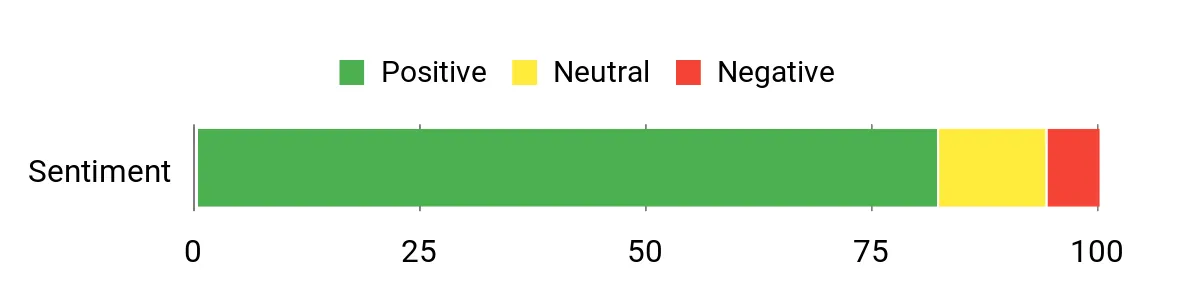
People tend to highlight how reliably these rods start and how well they weld through slightly dirty or rusty material. Reviewers also appreciate the strong penetration and consistent results across common repair and fabrication tasks, while some note that performance depends on matching the machine, polarity, and amperage.
Overall Sentiment: Positive
Why You’ll Like It
This rod helps when you cannot grind every surface spotless. It gives you more digging action than E6013 and is useful when strength and penetration matter more than bead appearance.
Who Should Avoid This
Skip it if you mainly weld thin clean sheet metal, want the smoothest possible bead, or only have a very small machine that cannot run 1/8-inch rods comfortably.
Key Benefits
- Deep penetration through lightly imperfect metal
- Works with many AC and DC power sources
- Reliable arc strike and restrike
- Good for field and repair work
- Large 10-pound pack for repeat use
You get a compact, easy-to-run 6013 that is ideal when you are learning or doing light shop work. It strikes and restrikes easily, lays down a smooth bead, and handles thin or slightly imperfect steel without needing perfection. Use it for practice sessions, small repairs, metal art, and quick farm or home fixes where ease and predictability matter.
If you want a lightweight pack that is beginner-friendly but still useful for real repairs, this one fits the bill.
What People Say
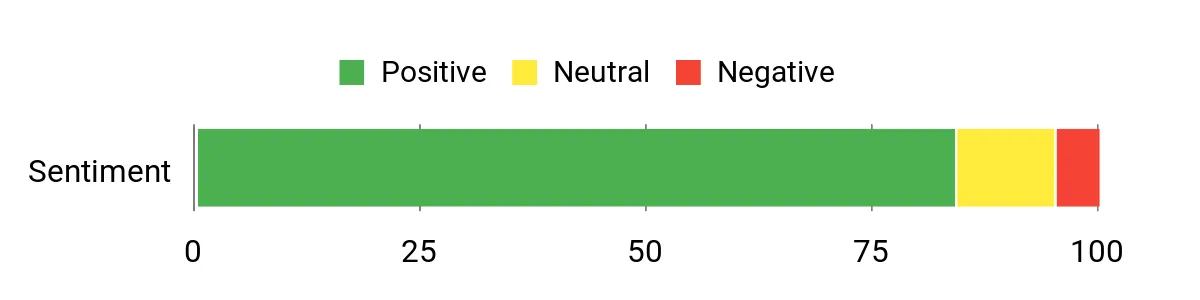
Customers commonly note how approachable these rods are for beginners while still delivering usable welds for repairs. Many mention reliable arc starts, consistent beads, and that the small pack is convenient for trying stick welding without committing to a large box.
A handful of users say they move to different rod types as skills grow, but most appreciate how predictable these run.
Overall Sentiment: Positive
Why You’ll Like It
It gives you a low-commitment way to practice stick welding. The smaller box is easier to store, easier to carry, and better for occasional use than a large pack you may not finish quickly.
Who Should Avoid This
Choose a larger pack if you weld often. Choose E6011, E6010, or E7018 if you need deeper penetration or structural low-hydrogen performance.
Key Benefits
- Very easy arc starting and restriking
- Forgiving on thin or lightly imperfect metal
- Low-frustration option for beginners
- Small, portable pack for hands-on practice
- Good learning tool that still works for light repairs
You need a rod that gets the job done when conditions are not perfect, and this 3/32 E6011 is built for that. It delivers deep penetration for its size and is useful on thin or slightly dirty steel where a larger 1/8-inch rod may be too much for the material or machine.
It runs well on many AC setups and inverter machines, so you can weld on the go without fuss. If you want a dependable electrode for quick repairs and structural touch-ups, this is a practical pick.
What People Say
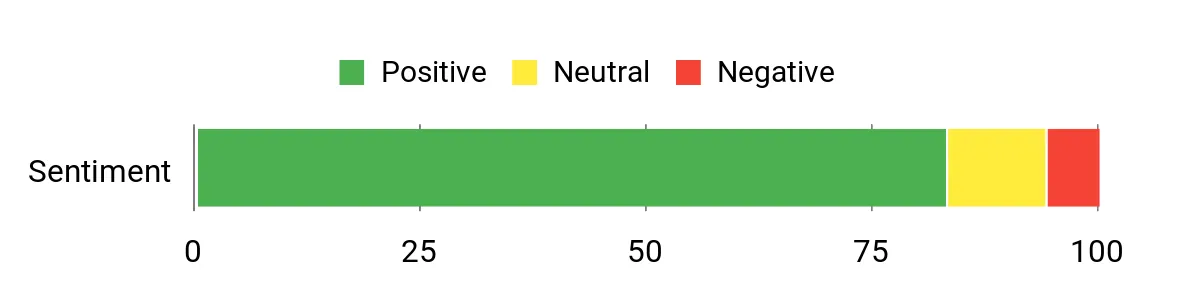
Customers frequently point out that these rods start easily and weld through imperfect metal, which makes them a go-to for repairs. Many users praise the penetration and steady arc, while others note that pairing the rod with the right machine and settings matters for best results.
Overall feedback emphasizes reliability and consistency during common repair tasks.
Overall Sentiment: Positive
Why You’ll Like It
The smaller 3/32-inch diameter gives you more control on lighter work while still keeping the E6011 advantage of digging into imperfect surfaces.
Who Should Avoid This
Use a 1/8-inch E6011 if you need heavier deposition on thicker steel, or use E6013 if ease and bead appearance matter more than penetration.
Key Benefits
- Deep penetration for strong fusion
- Reliable arc strike and restrike
- Tolerant of light rust or surface contamination
- Good for field and repair work
- Smaller diameter helps on lighter material
You want a rod that gets into the root of a weld and keeps going when conditions are not perfect, and this E6010 is built for that. It is made for deep penetration on carbon and galvanized steel and performs best when matched to the correct DC setup and polarity.
Use it when you need to weld through light rust, mill scale, or during field repairs where cleaning everything spotless is not possible. It is not about pretty beads so much as dependable fusion, and when you need a rod that will help put structure back together, this one does the job.
What People Say
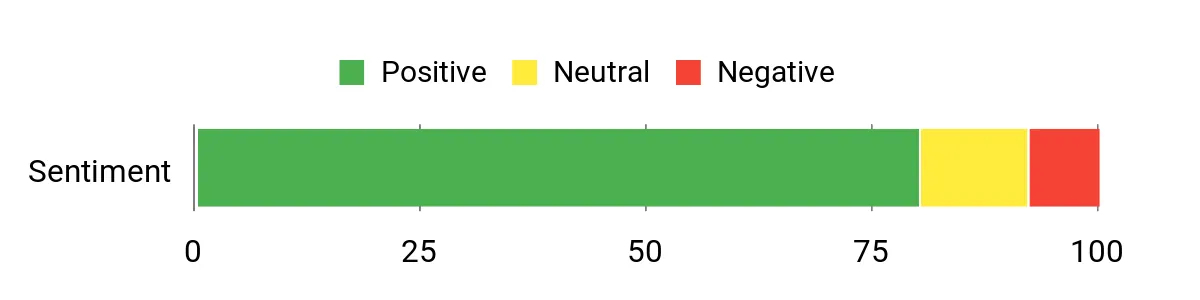
Users commonly praise how reliably this rod penetrates and fuses imperfect surfaces, making repairs quicker and less fussy. Many mention smooth running once the machine is dialed in and that the beads clean up well with controlled technique. A few note brand preferences for premium rods, but most agree it offers strong, dependable results for home and hobby work.
Overall Sentiment: Positive
Why You’ll Like It
It has a forceful arc that helps with root passes and repair joints where deep fusion is the priority. For experienced stick welders, it can be more useful than E6013 when the work is rougher.
Who Should Avoid This
Skip it if your machine does not support the needed DC output or if you are a beginner looking for the easiest bead control. E6013 is usually friendlier for learning.
Key Benefits
- Deep penetration for strong fusion
- Performs through light rust and mill scale
- All-position capability for versatile use
- Useful for repair and field applications
- Large 10-pound pack for repeat work
You want a low-hydrogen rod that gives steady, crack-resistant welds without fuss, and this E7018 is designed for that kind of work. It lays down a smooth, controlled bead and performs well once you dial in the amperage. Use it for structural repairs, farm gear, trailer work, and any job where toughness and low-hydrogen performance matter.
It is also handy in the garage when you want a cleaner-looking weld and reduced cracking risk on cooled welds. If you need a dependable general-purpose 7018 that is forgiving enough for hobbyists but solid for real repairs, this one is a reliable pick.
What People Say
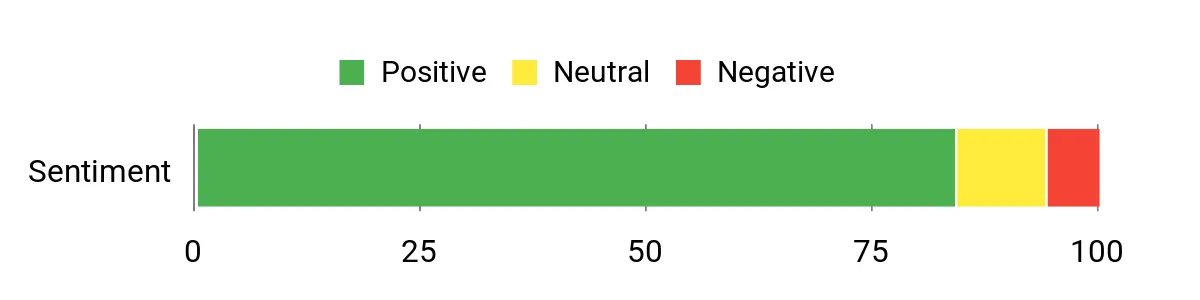
Users frequently note that these rods flow and penetrate well, even on smaller inverter machines, and that restriking is manageable compared with some other 7018s. Many mention consistent beads and reliable structural performance, while some call out packaging or moisture issues if not stored properly.
Overall feedback emphasizes dependable results when you keep them dry and match the amps to the rod.
Overall Sentiment: Positive
Why You’ll Like It
The 3/32-inch size is easier to run on smaller sections than thicker 7018 rods. It is a smart step up when you want stronger, cleaner welds than a beginner rod can provide.
Who Should Avoid This
Avoid it if you cannot keep rods dry or if you need to weld through dirty, rusty material. E6011 or E6010 is usually better for imperfect surfaces.
Key Benefits
- Low-hydrogen deposits reduce cracking risk
- Smooth bead and good arc control
- Useful on smaller sections and repair work
- Good tensile strength for structural welds
- More controlled than aggressive deep-penetration rods
You want a low-hydrogen 7018 that gives dependable, strong welds, and this 5/32 rod is built for thicker work. It is useful for structural repairs and fabrication when you have enough machine output and want a smooth, controllable puddle with strong tie-in.
It is not a flashy cosmetic rod, but when toughness and reduced cracking matter, think frames, trailers, and thicker sections, this one helps you get consistent mechanical strength with manageable slag and good fusion.
What People Say
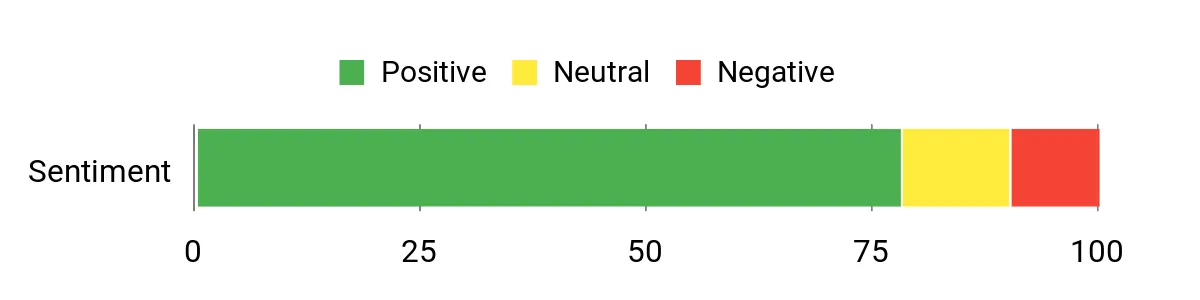
Most users appreciate that these rods lay down a steady puddle and produce clean, structural welds when you match the amperage. People also mention easy slag removal and good restart behavior once the rod tip is prepared, while some feedback calls out packaging or moisture concerns on arrival.
Overall, the consensus is that these deliver solid, predictable results for repair and fabrication tasks.
Overall Sentiment: Positive
Why You’ll Like It
The larger diameter helps when you need more deposition on thicker sections. It is a strong choice for welders with a capable machine and a need for low-hydrogen weld metal.
Who Should Avoid This
Avoid it if you have a small welder, mostly work on thin steel, or cannot store low-hydrogen rods properly. A smaller 3/32 or 1/8 rod may be easier to control.
Key Benefits
- Low-hydrogen deposit reduces cracking risk
- Designed for heavier structural work
- Smooth, controllable bead with good penetration
- Suitable for multi-position work when used correctly
- 10-pound pack fits regular repair and fabrication use
You get a dependable low-hydrogen 7018 that is built for strength and crack resistance. It runs on AC-capable setups and is forgiving once you find the right amperage, laying down smooth, controllable beads for structural repairs and build-up.
Use it on frames, trailers, and thicker steel where mechanical integrity matters more than cosmetics. Keep the rods dry and matched to your machine and you will have a reliable workhorse for demanding repairs.
What People Say
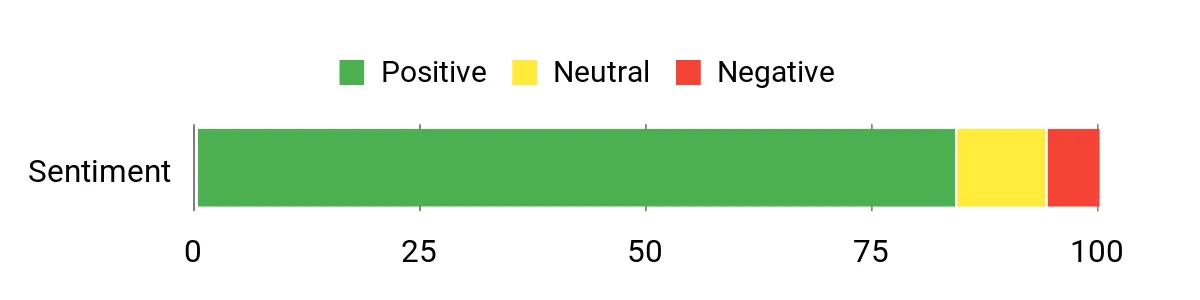
Users commonly praise the steady puddle and controllable bead this rod produces once amps are dialed in. Many comment that restriking and slag removal are manageable compared with other 7018 options, while some feedback flags packaging or moisture on arrival as an issue to watch for.
Overall, most welders report consistent structural results when stored correctly.
Overall Sentiment: Positive
Why You’ll Like It
The 1/8-inch size is one of the most useful all-around 7018 choices. It gives a good balance of deposition, control, and compatibility with common shop machines.
Who Should Avoid This
Do not choose it for dirty field work where E6011 or E6010 would be more forgiving. Also avoid it if you cannot keep rods sealed and dry between uses.
Key Benefits
- Low-hydrogen deposits reduce cracking risk
- Smooth bead and good arc control
- Works well on many AC machines and common inverters
- Suitable for structural and multi-position welding
- 10-pound pack works for repeated fabrication jobs
If you need a rod that gets the job done when the metal is not perfect, this E6011 is a solid choice. You will find it easy to strike and dependable across many AC and DC setups, with deep penetration that helps on lightly rusty, painted, or mill-scale surfaces.
It is a practical workhorse for field repairs, exhaust fixes, and general fabrication when cleaning everything spotless is not an option. Use it when you want reliable fusion rather than a cosmetic bead.
What People Say
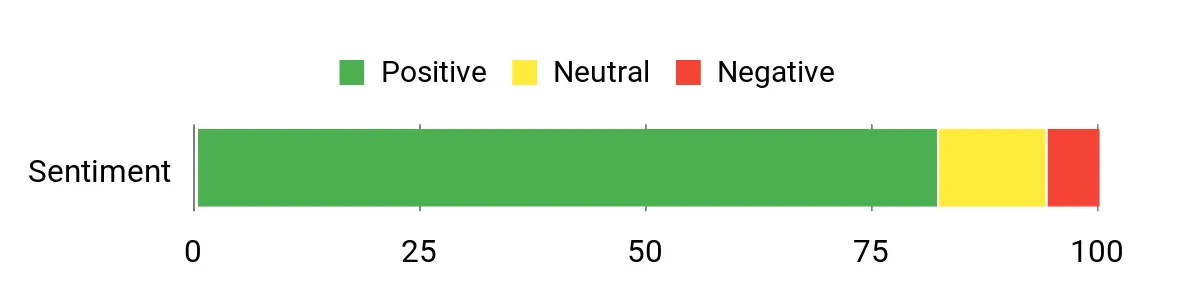
People often praise how reliably these rods start and how well they weld through slightly dirty or rusty material, which makes them popular for repairs. Reviewers also point to steady penetration and a consistent arc, while a smaller share mention that matching your machine and settings improves results.
Overall the consensus favors dependable performance for common repair tasks.
Overall Sentiment: Positive
Why You’ll Like It
This is the same practical E6011 style in a more manageable 5-pound pack. It is easier to store and carry than a 10-pound box, especially for mobile repair work.
Who Should Avoid This
Choose the 10-pound E6011 pack if you weld often. Choose E6013 if you want easier learning and a smoother finish on clean, thinner steel.
Key Benefits
- Deep penetration through lightly imperfect surfaces
- Works on many AC and DC power sources
- Reliable arc strike and restrike
- Consistent results for repair work
- 5-pound pack is easier to store and carry
FAQ
Which Rod Should I Choose?
You pick a rod by the metal and the job rather than by brand alone. For thin or beginner-friendly work, E6013 is forgiving and easy to run. When you need deep penetration through light rust, mill scale, or less-than-perfect surfaces, E6011 or E6010 are stronger choices. For structural work where cracking matters, choose a low-hydrogen E7018 and store it correctly.
For surface buildup or wear resistance, use a hardfacing rod like Supercote. Remember to match the rod type to the material, position, machine output, polarity, and expected load.
How Do I Get Consistent Welds?
Consistency comes from matching your machine settings and technique to the rod. Set amperage within the rod’s recommended range, maintain a steady short arc and travel speed, and practice a few beads to dial in the puddle. If you struggle to restart, try preparing the rod tip or slightly adjusting amps within the recommended range.
Also pay attention to joint prep and fit-up, since predictable gaps and clean contact make it much easier to lay repeatable beads.
How Should I Store And Care For Rods?
Keep your electrodes dry and protected from humidity because moisture can hurt rod performance, especially with low-hydrogen types like E7018. Store rods in a sealed container or rod oven when appropriate, carry more forgiving rods like E6013 for casual toolbox use, and discard or recondition rods only according to the manufacturer’s guidance if they show signs of corrosion or dampness.
What Is The Difference Between E6011, E6013, And E7018?
E6013 is usually easier to run and better for clean, lighter work. E6011 digs deeper and is better for repairs on light rust, mill scale, or imperfect surfaces. E7018 is a low-hydrogen rod used when strength and cracking resistance are more important than speed or forgiving surface tolerance.
Can One Welding Rod Handle Every Job?
No single rod is best for every situation. A beginner may start with E6013, keep E6011 for repairs, and add E7018 when structural strength or low-hydrogen performance matters. If you rebuild worn surfaces, a hardfacing rod belongs in the kit too.
What Welders Prefer
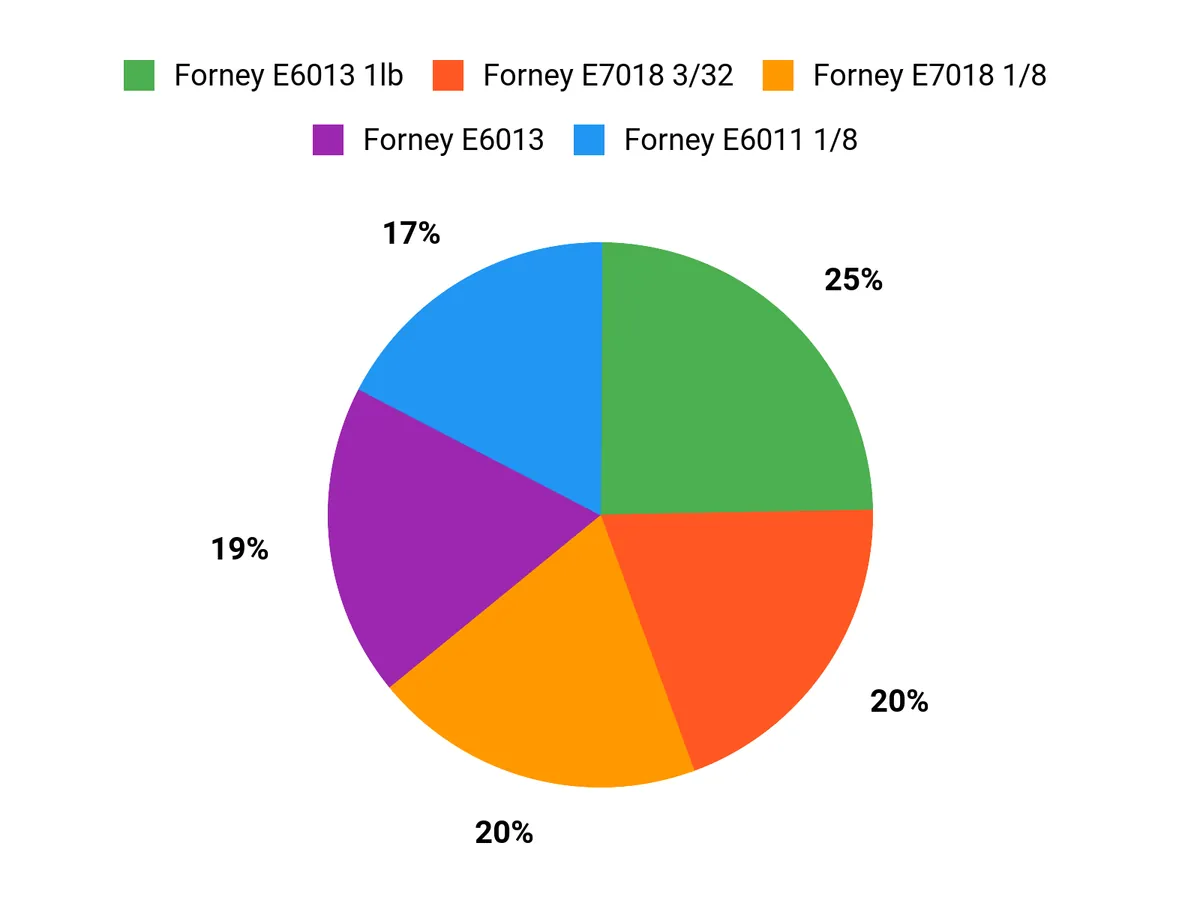
When you are choosing between E6013, Supercote, and E6011 1/8, you are really prioritizing the job first: ease and forgiveness for thin metal or learning with E6013, hardfacing and wear buildup for resurfacing with Supercote, or deep penetration through rust and mill scale for field repairs with E6011. You also care about arc stability, machine compatibility, pack size, and how a rod tolerates storage, so pick the electrode that matches the metal, the environment, and the finish you need.
Safety Note
Stick welding can expose you to heat, sparks, UV light, fumes, and electrical hazards. Wear a welding helmet, gloves, flame-resistant clothing, and proper eye and skin protection. Work with safe ventilation, keep flammables away, and follow your welder manual, rod packaging, and local safety rules.
Wrapping Up
If you want consistent, less stressful welding, match the rod to the job. Choose E6013 for easy starts and forgiving welds on thin or lightly imperfect steel, E6011 or E6010 when you need deep penetration through imperfect surfaces, and E7018 when low hydrogen and crack resistance matter for structural work.
For specialty wear surfaces, pick a hardfacing rod like Supercote. Keep an eye on amperage ranges, pack size, machine compatibility, polarity, and storage, and you will cut prep time and get stronger, cleaner welds that last.
| Product Name | Image | Best For | Diameter | Listed Amperage Reference | Weight | Amazon Details |
|---|---|---|---|---|---|---|
| Forney 30305 E6013 Welding Rod, 3/32-Inch, 5-Pound |
 |
Beginners and thin mild steel | 3/32 inches | 80 Amps | 5.2 pounds | Check Price |
| Forney 42401 Supercote Hardfacing Welding Rod, 5/32-Inch, 1-Pound |
 |
Hardfacing and surface build-up | 5/32 inches | 160 Amps | 8 ounces | Check Price |
| Forney 31210 E6011 Welding Rod, 1/8-Inch, 10-Pound |
 |
Field repairs and deep penetration | 1/8 inches | 130 Amps | 10 pounds | Check Price |
| Forney 30301 E6013 Welding Rod, 3/32-Inch, 1-Pound |
 |
Practice and small repairs | 3/32 inches | 80 Amps | 1 pound | Check Price |
| Forney 31105 E6011 Welding Rod, 3/32-Inch, 5-Pound |
 |
Lighter repair work | 3/32 inches | 90 Amps | 5.2 pounds | Check Price |
| Forney 31610 E6010 Welding Rod, 1/8-Inch, 10-Pound |
 |
Deep penetration and root passes | 1/8 inches | 65-130 Amps | 10 pounds | Check Price |
| Forney 30681 E7018 AC Welding Rod, 3/32-Inch, 5-Pound |
 |
Smaller low-hydrogen structural work | 3/32 inches | 110 Amps | 5.2 pounds | Check Price |
| Forney 30910 E7018 Welding Rod, 5/32-Inch, 10-Pound |
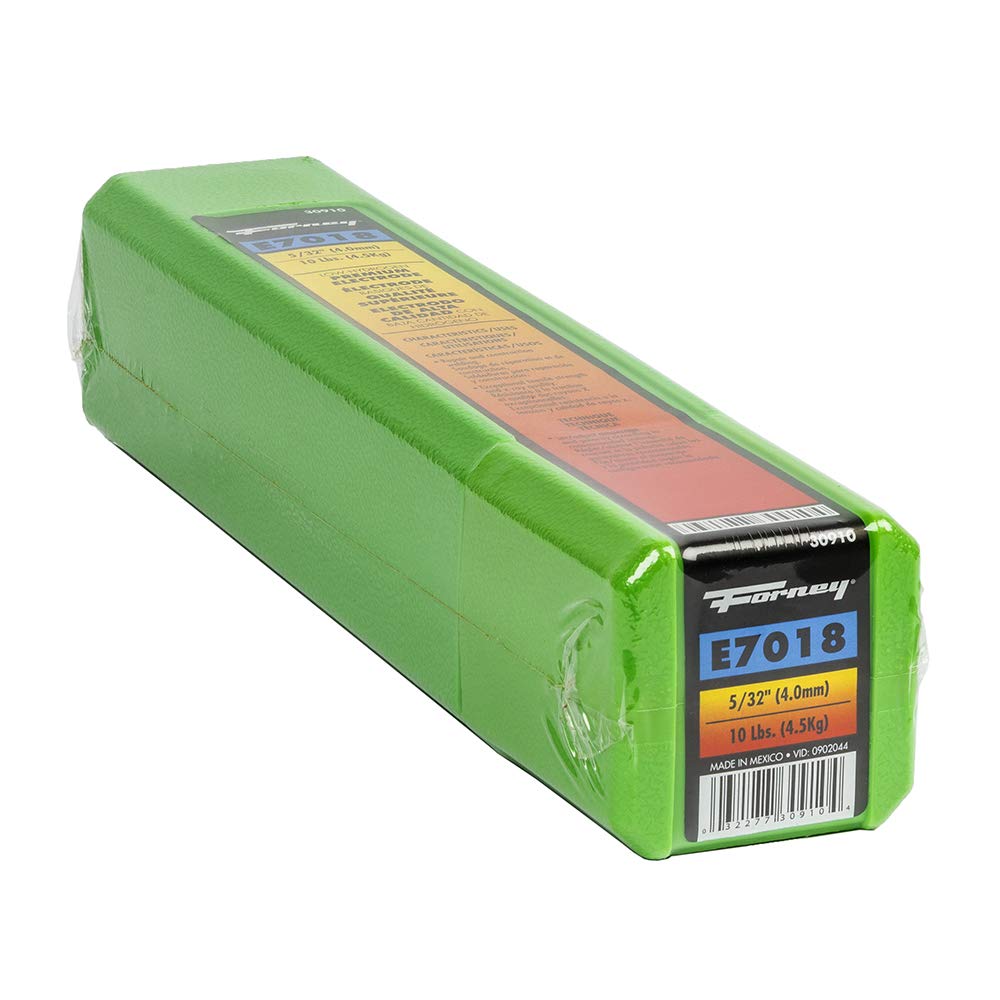 |
Thicker structural sections | 5/32 inches | 210 Amps | 10 pounds | Check Price |
| Forney 30686 E7018 AC Welding Rod, 1/8-Inch, 10-Pound |
 |
General fabrication and structural repairs | 1/8 inches | 165 Amps | 10.38 pounds | Check Price |
| Forney 31205 E6011 Welding Rod, 1/8-Inch, 5-Pound |
|
Mobile repairs and smaller pack storage | 1/8 inches | 130 Amps | 5 pounds | Check Price |
This Roundup is reader-supported. When you click through links we may earn a referral commission on qualifying purchases.