

Disclosure: As an Amazon Associate, we earn from qualifying purchases. If you click a link on this page and make a purchase, we may receive a small commission at no extra cost to you.
Learning stick welding is harder when the electrode sticks, sputters, or refuses to restart after you stop. The SOUNDACTURE E6013 3/32-inch welding rod is made to reduce that frustration with an easy-strike arc, a 1-pound package, and a size suited to light-gauge mild steel work. It is a practical choice for practice beads, small fabrications, and non-critical repairs, but it should not be treated as an automatic substitute for an electrode specified by a welding procedure. This review explains where the rod fits, what the listing confirms, and which limitations you should check before buying.
Quick Verdict
Rating: 8/10, recommended with caveats
Best For: Beginners, hobby welders, practice sessions, and light mild-steel repairs.
Bottom Line: The 3/32-inch E6013 format gives you a soft, manageable arc for light steel and all-position practice. The main tradeoffs are the small 1-pound pack and the need to verify suitability before any code-required or safety-critical weld.
Key Specifications
| Specification | Detail |
|---|---|
| Brand | SOUNDACTURE |
| Part number | E6013_3/32_1 |
| Product type | E6013 carbon-steel stick electrode |
| Welding process | Shielded metal arc welding, also called SMAW or stick welding |
| Diameter | 3/32 inch |
| Rod length | 14 inches, according to the Amazon listing |
| Pack size | 1 pound |
| Listed item weight | 1.01 pounds |
| Current compatibility | AC or DC, as stated in the product description |
| Welding position | Listed for all-position use |
| Best use | Light-gauge mild steel, practice, small fabrication, and non-critical repairs |
| Storage note | Keep the coating dry and inspect each rod for cracking or damage before use |
What Is the SOUNDACTURE E6013 3/32-Inch Rod?
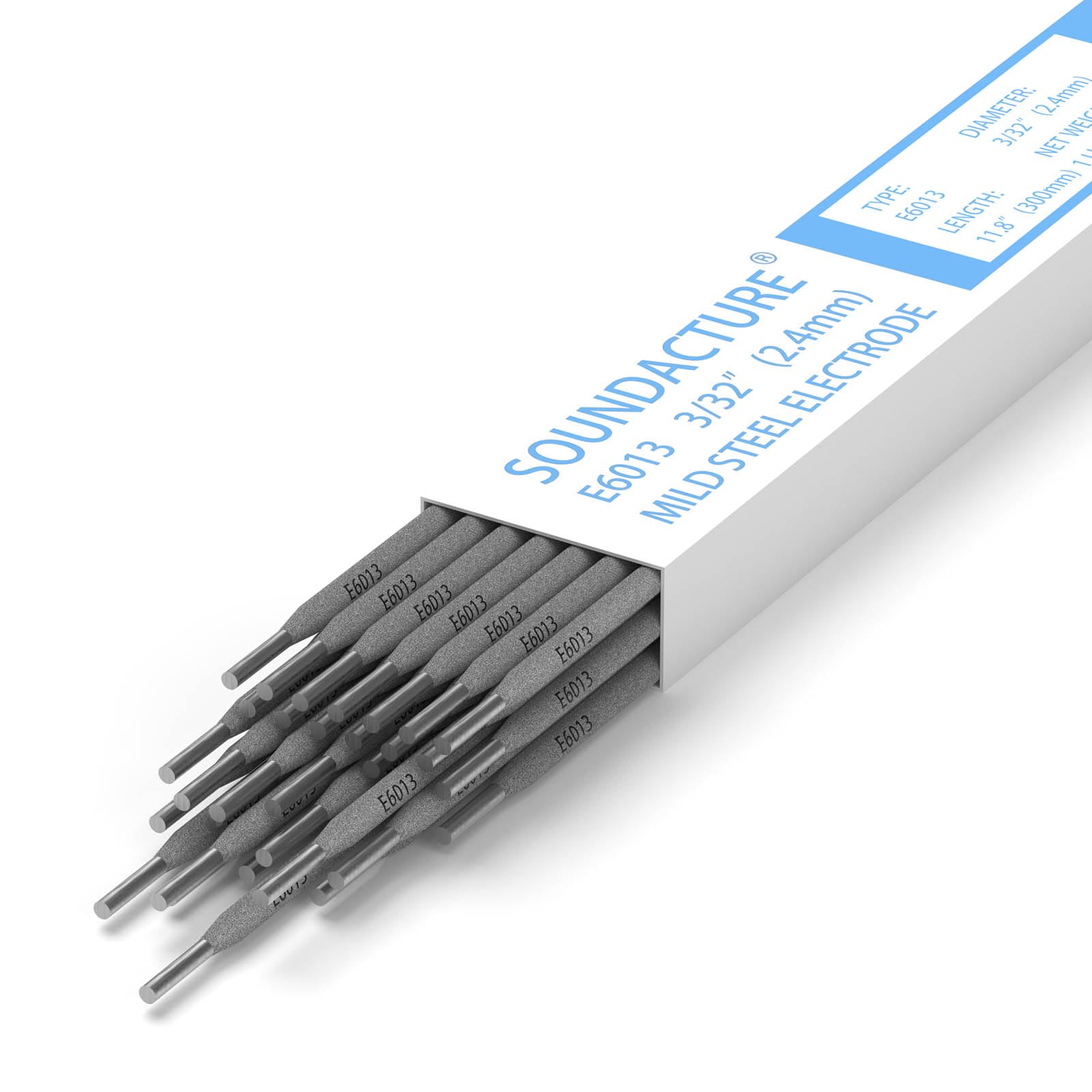
This is a 3/32-inch E6013 electrode for shielded metal arc welding. The Amazon listing identifies it as a carbon-steel rod designed for easy arc striking, a steady burn, all-position use, and light-gauge mild-steel projects. The 1-pound package is aimed more at occasional use and trial runs than high-volume shop production.
The listing also describes medium-to-shallow penetration, smooth bead appearance, low spatter, and slag that should release without excessive cleanup. Those traits are useful when you are learning to control arc length and travel speed. They do not remove the need for correct machine settings, clean base metal, sound joint preparation, and a suitable electrode for the job.
Who Should Buy It?
Best For
- New stick welders who want a manageable E6013 rod for practice beads and basic joints.
- DIY users repairing clean mild-steel brackets, panels, gates, or shop fixtures.
- Occasional welders who prefer a small 1-pound pack instead of a large bulk package.
Skip If
- You need an electrode specified by a welding procedure, engineer, code, or inspection requirement.
- You mainly weld dirty, heavily rusted, painted, galvanized, stainless, or aluminum material.
- You weld often enough that a 1-pound pack would be replaced quickly.
Before You Buy: E6013 describes an electrode classification, not approval for every project. Check the job requirements, your welder manual, and any welding procedure before using these rods on structural, load-bearing, trailer-frame, pressure, or safety-critical work.
Feature-by-Feature Review
Arc Starting and Re-Striking
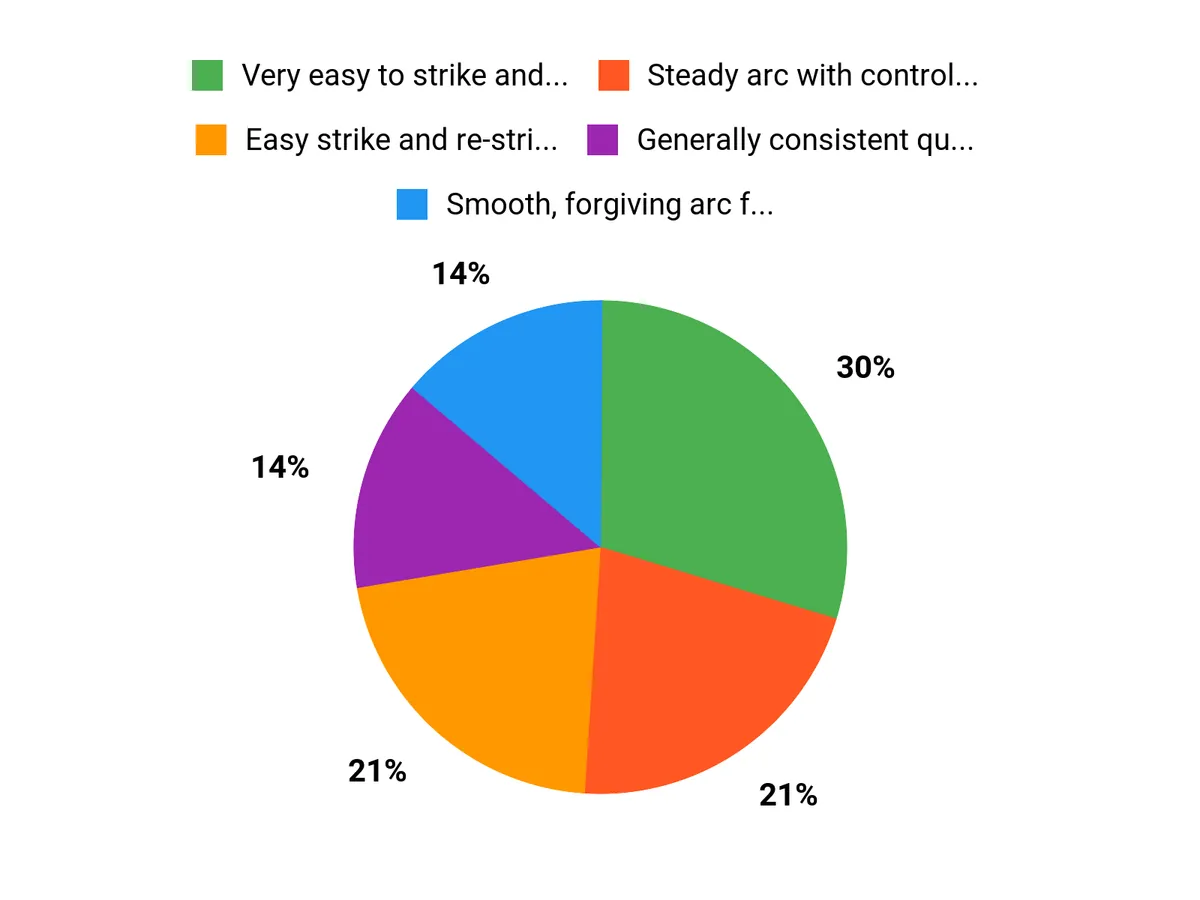
The product listing focuses on easy arc starts and consistent burning. That matters most when you are practicing because repeated sticking can make it harder to learn a steady hand. A clean restart also helps when you stop to reposition or replace a short electrode.
Easy-start claims still depend on your setup. A poor ground connection, damp coating, dirty metal, low open-circuit voltage, or an unsuitable amperage setting can make any rod harder to start. Treat the listing claim as a useful design goal, not a guarantee that every machine will behave the same way.
3/32-Inch Size and Light-Steel Control
A 3/32-inch rod is easier to match to lighter work than a larger 1/8-inch electrode. The listing positions this size for sheet metal, light-gauge mild steel, detailed work, and small projects where excessive heat can cause distortion or burn-through.
The tradeoff is deposition rate. A smaller rod lays down less metal per pass than a larger electrode, so it is slower on thick sections and long joints. It makes the most sense when control matters more than speed.
AC, DC, and Welding Positions
The listing states that these rods can run on AC or DC and are intended for all-position welding. That gives you more flexibility across common hobby-class stick welders and lets you practice flat, horizontal, vertical, and overhead joints.
Do not assume one polarity or amperage works best on every machine. Follow the rod packaging and welder instructions, then test on scrap that matches the final material thickness. If the arc is harsh, the rod keeps sticking, or the bead profile looks wrong, stop and adjust before welding the finished part.
Bead Appearance, Spatter, and Slag
SOUNDACTURE describes a smooth arc, low spatter, good wetting, and slag that cleans up easily. Those traits can help you see the puddle and judge travel speed, especially on visible practice beads and small repairs.
Slag must still be removed between passes and before inspecting the weld. A smooth-looking bead does not prove adequate fusion or strength. Grind out defects and restart when you see trapped slag, undercut, porosity, or poor tie-in.
How It Performs in Real Use
For Beginner Practice
This is the rod’s clearest use case. The small pack lets you test E6013 behavior without committing to a large box, while the 3/32-inch diameter suits practice coupons and basic lap, tee, and butt-joint exercises on clean mild steel.
For Small Fabrication
Light brackets, shop organizers, decorative frames, and simple mild-steel fixtures fit the product’s stated purpose. The smaller rod can help you control heat on thin sections, but joint design and fit-up still matter. Large gaps and poorly prepared edges can produce weak or inconsistent results.
For Maintenance and Non-Critical Repairs
The pack is convenient for occasional repairs where you only need a few rods. Examples include a loose mild-steel tab, a light gate component, or a non-load-bearing shop fixture. Remove paint, oil, heavy rust, and scale from the weld area before you start.
For Out-of-Position Practice
The all-position claim makes the rods useful for learning vertical and overhead control after you are comfortable in the flat position. Use scrap, keep your body out of the path of sparks and slag, and expect to adjust technique rather than copying the same travel angle used on a flat bead.
What People Say
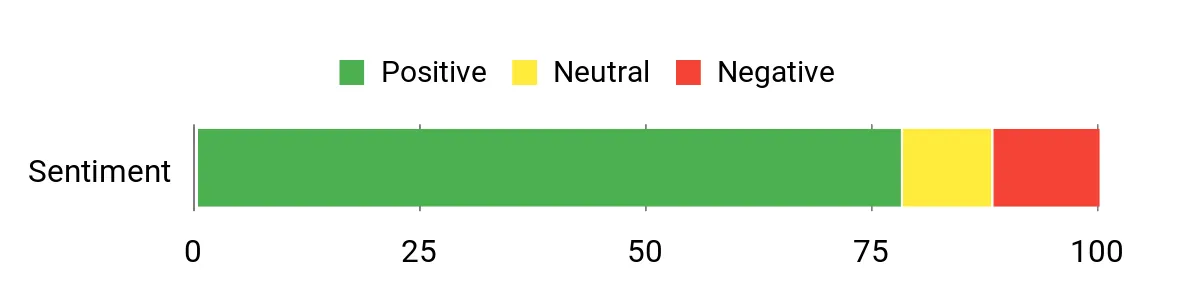
Verified Amazon listing data available during this review showed generally positive customer feedback. Common themes in the supplied article include easy starts, a controllable arc, and acceptable performance on light-to-medium mild steel.
The supplied article also noted isolated concerns about damaged coating or inconsistent packages. Inspect the rods as soon as they arrive. Chips, cracks, damp coating, or badly bent rods can affect arc stability and should be handled according to the seller’s return policy rather than used on an important job.
Overall Sentiment: Positive, with package inspection still recommended.
Setup and Usage Tips
- Confirm compatibility: Check that your stick welder supports the current type and output range recommended on the electrode packaging.
- Prepare the joint: Remove oil, moisture, paint, heavy rust, and loose scale from the weld zone and ground-clamp area.
- Test on matching scrap: Use the same material type and similar thickness before welding the final part.
- Keep the arc controlled: Use a short, steady arc and adjust travel speed based on puddle shape and bead profile.
- Clean between passes: Let the slag cool enough to handle safely, then chip and brush it away before adding another pass.
- Stop when the coating is damaged: A cracked or missing flux coating can cause an unstable arc and weld contamination.
Pro Tip: Write down the machine setting, polarity, joint position, and result for each scrap test. A simple practice log helps you repeat a good setup instead of guessing again on the next project.
Storage and Welding Safety
Store the rods in a dry container and keep them away from direct moisture. The flux coating is part of the electrode’s performance, so damaged or damp rods should not be treated as normal stock. Close the package after use and avoid leaving it on a damp garage floor or exposed workbench.
Stick welding produces intense light, hot slag, sparks, fumes, and electrical hazards. Use a properly rated welding helmet, gloves, flame-resistant clothing, suitable ventilation, and a safe work area. Remove fire hazards, protect nearby people from arc exposure, and follow the welder, electrode, and base-material instructions. Coated, painted, or galvanized metal may require additional preparation and controls before welding.
Pros and Cons
Pros
- 3/32-inch diameter is well suited to light-gauge mild steel and practice work.
- Listing supports AC or DC operation and all-position use.
- Easy-strike design can reduce frustration for new stick welders.
- Small 1-pound pack is practical for occasional repairs or testing a new rod.
- Seller describes a steady arc, low spatter, and manageable slag cleanup.
Cons
- A 1-pound pack may be poor value for frequent or high-volume welding.
- Smaller rods deposit metal more slowly than larger electrodes on thick work.
- Suitability for structural or code work must be confirmed separately.
Is It Worth the Price?
This rod is best viewed as a budget-friendly trial or occasional-use pack. You get a verified 3/32-inch E6013 format, a compact 1-pound quantity, and listing-supported compatibility with AC or DC stick welding. That combination offers strong value when you want to practice or keep a small supply for light repairs.
It is less compelling for a busy shop because the package can disappear quickly. Frequent users should compare the cost per pound with larger SOUNDACTURE variants or established welding-consumable brands, while also considering storage conditions and how quickly the rods will be used.
Review the current package details on Amazon before ordering because seller, package, and offer information can change.
How It Compares to Alternatives
Comparable 3/32-inch, 1-pound E6013 packs from brands such as WISUNO and LIIJII target the same light-steel and occasional-use buyer. Compare rod length, package condition, seller support, and the cost per pound rather than relying only on the front-label classification.
A different electrode class may be a better choice when you need deeper penetration, better performance on contaminated steel, or a low-hydrogen consumable required by a procedure. The SOUNDACTURE rod makes the most sense when you specifically want a small E6013 pack for clean mild steel, smooth practice beads, and light fabrication.
Frequently Asked Questions
Are these rods good for beginners?
Yes, beginner practice is one of their strongest use cases. The listing emphasizes easy starts and a steady arc, while the 3/32-inch size gives you better heat control on lighter mild steel than a larger rod.
Can the SOUNDACTURE E6013 run on AC and DC?
The product description states that the rods work with AC or DC welding machines. Confirm the recommended polarity and amperage on the package or with the seller, then test your setup on scrap before starting the final weld.
What metal is this rod made for?
The listing identifies it as a carbon-steel electrode and positions it for mild steel, sheet metal, and light fabrication. It is not a filler rod for aluminum or stainless steel.
What thickness can a 3/32-inch E6013 weld?
The listing describes light-gauge and thinner mild-steel work but does not provide a verified thickness range. Actual capacity depends on joint design, material, machine output, amperage, position, fit-up, and the number of passes.
Can I use these rods for structural welding?
Do not assume that you can. Structural and safety-critical jobs may require a specific electrode, certification, procedure, joint design, inspection, and qualified welder. Follow the governing requirements for the project.
How should I store the 1-pound pack?
Keep the electrodes dry, protected from impact, and sealed when not in use. Inspect the flux coating before welding and set aside rods that are damp, cracked, chipped, or badly bent.
Is a 1-pound pack enough?
It is enough for limited practice, small repairs, or testing compatibility with your welder. A larger pack usually makes more sense when you weld often or have several projects planned.
Why Customers Choose It
The main appeal is straightforward: you get a small E6013 pack that is easy to store and aimed at smooth, manageable welding on clean mild steel. That makes it less intimidating for a first purchase and more convenient for occasional users who do not want a large carton of electrodes.
The rod is not the best fit for every job. Buyers should choose it for light fabrication, practice, and non-critical repair work, then switch to the electrode class and brand documentation required when the project becomes thicker, dirtier, load-bearing, or code-controlled.
The Bottom Line
The SOUNDACTURE E6013 3/32-inch, 1-pound pack is a solid choice for beginners and occasional welders who want easy starts, flexible AC or DC use, and better control on light mild steel. Skip it when you need bulk quantity, a different electrode class, or documented compliance for structural and safety-critical work.
Ready to Buy?
Check the latest package, seller, and product details before you decide.


