This Roundup is reader-supported. When you click through links we may earn a referral commission on qualifying purchases.
Last Updated: 2026-06-03
Choosing the right welding rod affects how quickly you can set up, how clean your bead looks, and how long your repair lasts. This guide is for welders who need filler rods or stick electrodes for mild steel, stainless steel, aluminum, shop repairs, field repairs, and beginner practice.
Below, you’ll find a mix of TIG filler rods and stick welding electrodes. Each pick is organized by use case so you can match the rod to your metal, welding process, skill level, and job type before you buy.
Top Picks
| Category | Product | Score |
|---|---|---|
| 🏆 Best Short TIG Rod | YESWELDER ER70S | 92/100 |
| 💼 Best for Structural Welds | ARCCAPTAIN E7018 | 90/100 |
| ⭐ Best Stainless TIG | YESWELDER ER308L | 91/100 |
| 🎯 Best General Purpose Stick | YESWELDER E6013 | 88/100 |
| 🔰 Best Low-Hydrogen | YESWELDER E7018 | 89/100 |
| 🚀 Best for Aluminum | ARCCAPTAIN ER4043 | 91/100 |
| 💰 Best Budget Choice | YesRight J422 | 86/100 |
| 🎨 Best For Beginners | Saker E6013 | 87/100 |
| 🔧 Most Versatile Pack | YESWELDER E7018 Dual | 88/100 |
| 🏅 Best Stainless Stick | YESWELDER E308L-16 | 85/100 |
How We Picked
You need rods that match the base metal, welding process, and job conditions. We prioritized TIG filler rods and stick electrodes that fit common garage, farm, repair, and light fabrication work.
We looked at material type, rod classification, diameter, length, packaging, and likely use case. Low-hydrogen electrodes were valued for structural and crack-sensitive work. Stainless and aluminum rods were judged by whether they fit the correct metal and process.
We also considered buyer feedback on arc stability, ease of striking, bead control, packaging, and storage. Ratings and review counts should still be manually checked before publishing because Amazon data can change.
Quick Buying Guide
| Need | Choose This Rod Type | Why It Fits |
|---|---|---|
| Mild steel TIG work | ER70S-6 TIG filler | Good for clean TIG beads on common mild steel repairs and fabrication. |
| Structural stick welding | E7018 low-hydrogen electrode | Better choice when strength and crack resistance matter. |
| Beginner stick welding | E6013 electrode | Usually easier to strike and control on general repairs. |
| Stainless TIG welding | ER308L TIG filler | Made for stainless work where corrosion resistance matters. |
| Aluminum TIG welding | ER4043 aluminum TIG filler | Useful for common aluminum repairs and small fabrication jobs. |
You get a practical pack of ER70S-6 filler rods that fit snugly into a hobbyist or small-shop workflow. The shorter 16″ length makes handling in confined spaces much easier, and the alloy puddles predictably for routine mild steel repairs and light fabrication.
If you do a lot of TIG work on cars, brackets, or thin plate, these rods save you from constantly cutting longer sticks and make tacking and short runs more convenient. Heavy users who burn through filler fast may prefer full-length rods for fewer swaps.
What People Say
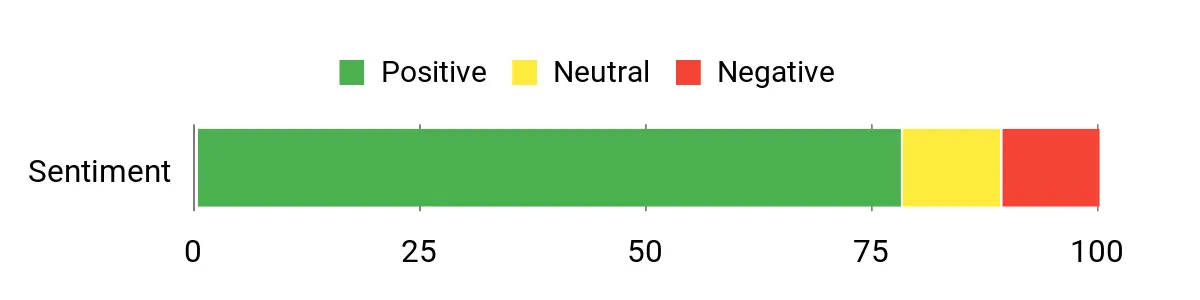
Customers commonly note that these rods perform like you would expect from a reliable ER70S-6 filler. They puddle well and give consistent results. People appreciate the shorter length for close-in work and the overall value for the package size. A few mention mixed opinions about the advertised packaging versus what arrived.
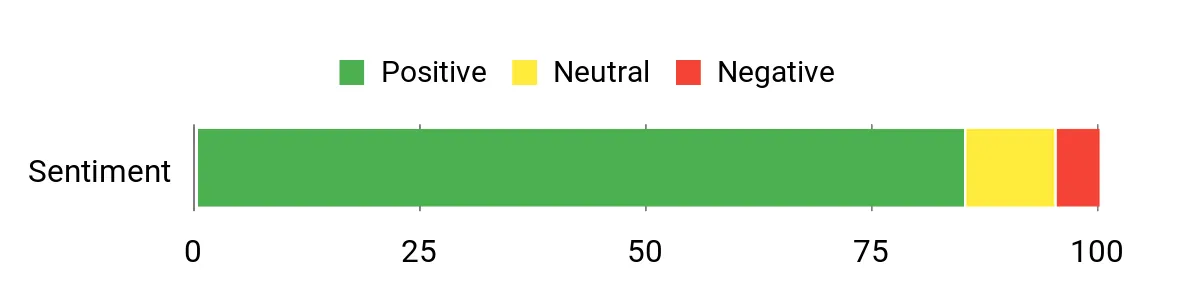
Overall Sentiment: Positive
Ease Of Use
| Feature | Ease Level |
|---|---|
| Arc Stability | Easy |
| Tack & Short Runs | Easy |
| Handling Short Sticks | Moderate |
| Storage/Packaging | Moderate |
Problem Solving Ability
These rods address the common issue of maneuvering filler in cramped joints and tight access areas by offering shorter, easier-to-control pieces. They also remove the extra step of cutting long rods for small repairs and provide a dependable filler chemistry for routine mild steel work.
If your projects require long continuous runs, expect to swap rods more often. For tacks, patching, and practice, they streamline the job.
Key Benefits
- Short 16″ length for better control in tight spaces
- Consistent ER70S-6 chemistry for predictable mild steel beads
- Good pack size for hobbyists and occasional TIG work
- Convenient storage option helps keep rods dry when sealed
Manual verification note: Rating, review count, package details, and current availability should be checked on Amazon before publishing.
Rating: 4.7 (total: 901+)
You get a classic E7018 low-hydrogen rod built for strength and predictable performance. It lays down a steady bead and is useful when you need consistent control on thicker materials or farm and structural repairs.
These rods fit heavy maintenance, brackets, welded frames, and similar jobs where the correct electrode matters. They work well for welders who already understand stick welding basics and need dependable consumables.
What People Say
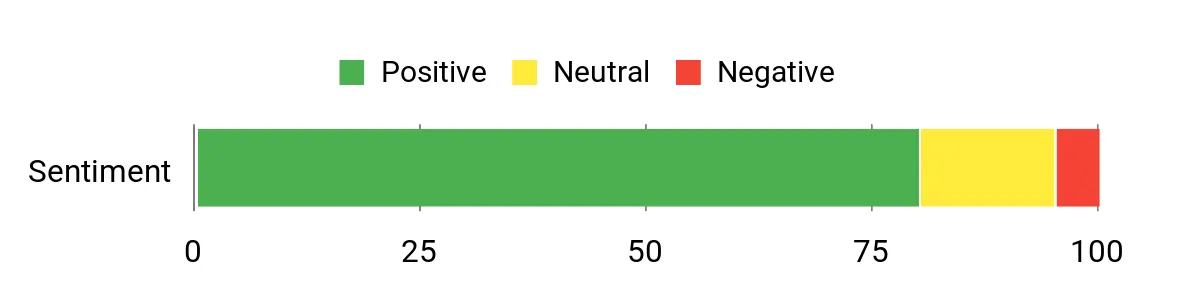
You’ll notice most users praise the rod for its steady burn and reliable bead shape, saying it strikes easily and runs clean for stick welding. People also point out the low-hydrogen mix works well for structural repairs, and the packaging keeps rods protected during shipping.
A small number mention occasional brittle pieces, but the general consensus is that these feel like a solid, professional-grade option.
Overall Sentiment: Positive
Ease Of Use
| Feature | Ease Level |
|---|---|
| Arc Stability | Easy |
| Strike & Re-strike | Easy |
| Slag Removal | Moderate |
| Handling Heavy Work | Easy |
Problem Solving
These rods solve common stick welding challenges by delivering low-hydrogen welding for better crack resistance and a stable arc for cleaner beads. If you need to join thick sections, repair worn equipment, or do on-site structural fixes, they give you the strength and control to finish the job with fewer surprises.
Key Benefits
- Low-hydrogen formulation for reduced cracking risk
- Stable arc that produces a steady bead
- Easy striking and re-strike for less downtime
- Good choice for structural and repair work
Manual verification note: Confirm rating, review count, packaging, and any structural-use claims before publishing.
Rating: 4.6 (total: 457+)
You get ER308L filler rods meant for stainless TIG work where corrosion resistance and a clean finish matter. The 16″ length makes them easy to handle in cramped spots like exhausts or small fabrications, and the alloy is intended for 304 and similar stainless applications.
They’re handy for hobbyists who want consistent results and for pros who need a reliable filler for touch-ups and small assemblies. If you prefer longer continuous runs, these short sticks mean more frequent swaps, but they simplify tacks, trims, and tight access welding.
What People Say
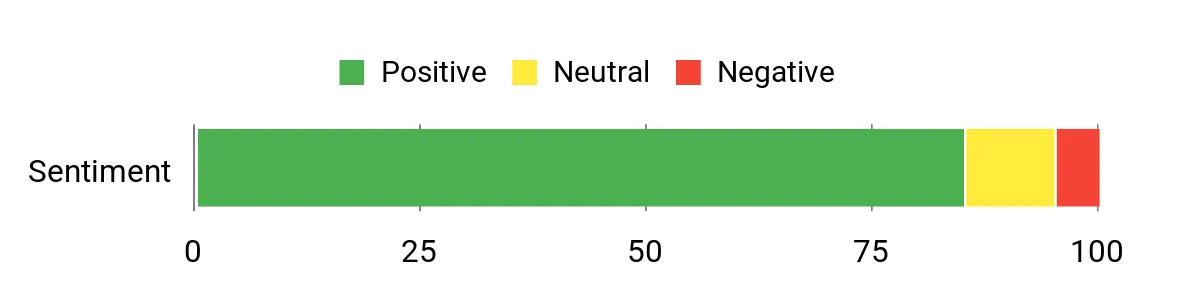
Most users say these rods perform as expected for stainless TIG work. They puddle cleanly and give consistent results. A lot of feedback highlights the convenience of the shorter lengths for tight spots and that the rods arrive in usable condition, while a few buyers note packaging could be better.
Overall Sentiment: Positive
Ease Of Use
| Feature | Ease Level |
|---|---|
| Arc Stability | Easy |
| Tight Access Handling | Easy |
| Clean-Up/Slag | Moderate |
| Storage | Moderate |
Problem Solving
These rods help you tackle stainless repairs where corrosion resistance and a neat finish matter. The shorter lengths make it simpler to work in cramped spaces without cutting longer rods.
They’re not ideal if you need long continuous passes. For spot repairs, tacking, and small fabrications, they reduce fiddling and deliver predictable results.
Key Benefits
- ER308L chemistry for corrosion-resistant stainless welds
- Short 16″ length improves control in confined areas
- Consistent puddle and predictable fusion
- Pack size suits hobbyists and light shop use
Manual verification note: Confirm current rating, review count, stainless compatibility notes, and packaging details before publishing.
Rating: 4.7 (total: 901+)
You get a dependable, general-purpose E6013 rod that’s forgiving and predictable for everyday stick welding. It’s a good fit for light maintenance, farm repairs, and hobby projects where you want easy arc starts and smooth beads.
The 3/32″ size balances heat and control, so you can move between thin sheet and slightly thicker sections without too much fuss. If you’re learning stick or need a reliable workhorse for routine jobs, these make the task less frustrating.
What People Say
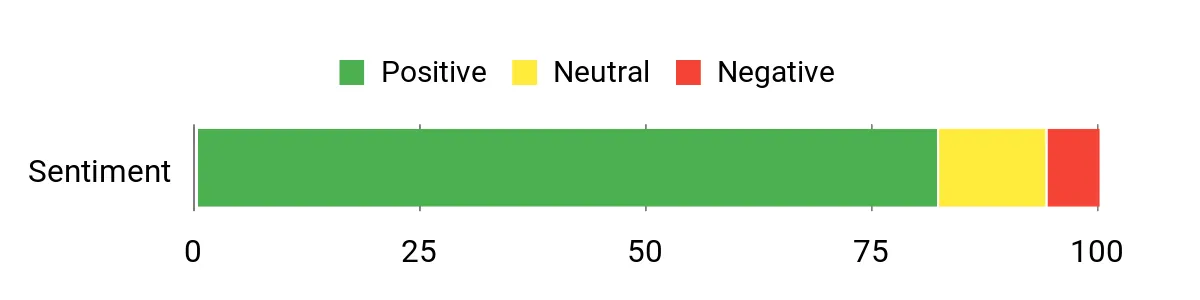
Most buyers highlight the rod’s consistent performance and easy strike, saying it behaves similarly to well-known name-brand electrodes. Users appreciate the predictable bead and that it works well for general repairs and light fabrication, with many noting it’s a good value replacement for pricier options.
Overall Sentiment: Positive
Ease Of Use
| Feature | Ease Level |
|---|---|
| Arc Starting | Easy |
| Bead Control | Easy |
| Slag Removal | Moderate |
| Versatility | Easy |
Problem Solving
These rods help you tackle typical stick-welding tasks by offering stable strikes and consistent fusion across common steels. They’re useful for quick repairs, maintenance tasks, and learning the basics of stick welding without fighting unpredictable behavior.
For critical structural work, you may want specialized low-hydrogen electrodes. For day-to-day fixes, these simplify the process.
Key Benefits
- Easy arc starts and reliable re-strikes
- Predictable bead shape for consistent results
- Versatile 3/32″ size for many common repairs
- Packed to stay organized for shop use
Manual verification note: Confirm current rating, review count, and exact diameter/pack size before publishing.
Rating: 4.6 (total: 1719+)
You get a dependable E7018 designed for low-hydrogen, high-strength stick welding where crack resistance matters. It runs a stable arc and lays down consistent beads, which makes it useful for structural repairs, farm equipment fixes, and heavier fabrication work.
The 3/32″ size balances penetration and control, so you can handle a variety of plate thicknesses without constantly changing electrodes. If you need a reliable workhorse for tougher jobs, these rods keep things predictable.
What People Say
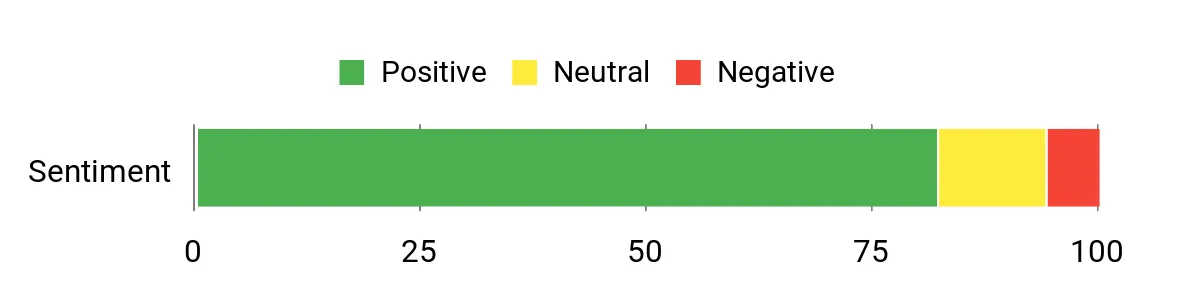
Buyers frequently praise the rod’s steady burn and how it produces a consistent bead similar to more expensive name-brand electrodes. Many users note it’s easy to strike and re-strike, and that it performs well for structural repairs and maintenance.
A few comments mention packaging or occasional brittle pieces, but most feedback treats this as a solid, professional-grade option.
Overall Sentiment: Positive
Ease Of Use
| Feature | Ease Level |
|---|---|
| Arc Stability | Easy |
| Strike & Re-strike | Easy |
| Slag Removal | Moderate |
| Versatility | Easy |
Problem Solving
These rods help you handle common stick-welding challenges by offering low-hydrogen welding for improved crack resistance and a stable arc for cleaner beads. They’re well-suited for joining thicker sections, repairing worn gear, and structural work where predictable performance matters.
If you need long, continuous runs, you may swap rods more often. For on-site fixes and robust joints, they give you reliable results.
Key Benefits
- Low-hydrogen formula reduces cracking on critical joints
- Stable arc for predictable bead appearance
- Good strike and re-strike behavior for less downtime
- Versatile 3/32″ size for many repair and fabrication tasks
Manual verification note: Confirm rating, review count, storage guidance, and exact E7018 classification details before publishing.
Rating: 4.6 (total: 1719+)
You get clean, straight ER4043 filler rods that make aluminum TIG work less fussy. The 3/32″ diameter and 16″ length are easy to manage in tight spots, and the alloy delivers predictable puddles for common repairs and small fabrications.
Use them for small aluminum repairs, trim pieces, or hobby projects that need compatible aluminum filler. Make sure your base metal and welding setup match ER4043 before buying.
What People Say
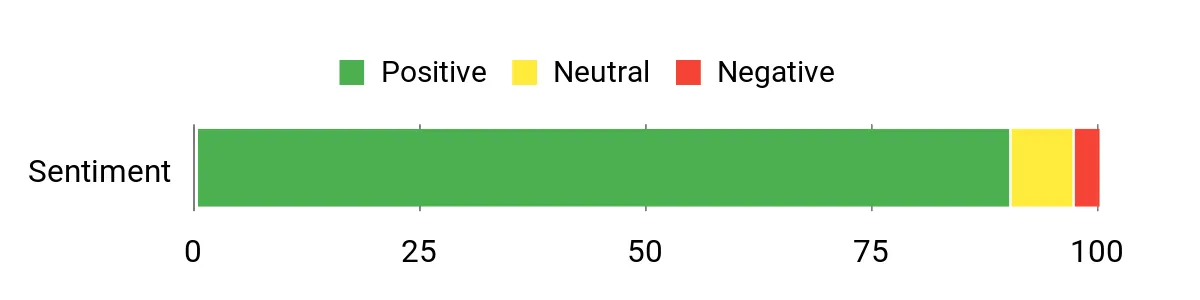
People commonly note these rods arrive clean and straight, and that they weld reliably with good penetration. Users appreciate the consistent thickness and how the rods handle without obvious contaminants, while a few mention they would prefer longer lengths for continuous runs.
Overall, the feedback points to a dependable filler for everyday aluminum TIG tasks.
Overall Sentiment: Positive
Ease Of Use
| Feature | Ease Level |
|---|---|
| Arc Stability | Easy |
| Pool Control | Moderate |
| Tight Access Handling | Easy |
| Storage/Packaging | Moderate |
Problem Solving
These rods help you avoid common aluminum TIG headaches by offering clean filler chemistry and consistent dimensions, which may reduce inclusions and erratic puddles. They’re useful for quick repairs, small fabrications, and any job where access is limited and you need predictable fusion.
If you require long continuous welds, the shorter sticks mean more swaps. For spot repairs and tight work, they save time.
Key Benefits
- ER4043 aluminum filler for compatible aluminum TIG jobs
- Consistent straightness and thickness for predictable feeding
- Useful diameter for small repairs and fabrication tasks
- Compact lengths that are easier to handle in cramped areas
Manual verification note: Confirm rating, review count, alloy details, and compatibility with your aluminum base metal before publishing.
Rating: 4.7 (total: 200+)
You’ll find these J422 rods are a practical, no-nonsense choice for everyday stick welding. They’re forgiving on startups and perform well across light-to-medium steel repairs, which makes them handy for farm gear, home maintenance, and hobby projects.
The 3/32″ size gives a good balance of control and penetration, so you can move between thin sheet and slightly thicker material without swapping too often. If you want a reliable, easy-to-use rod for routine jobs, these are worth considering.
What People Say
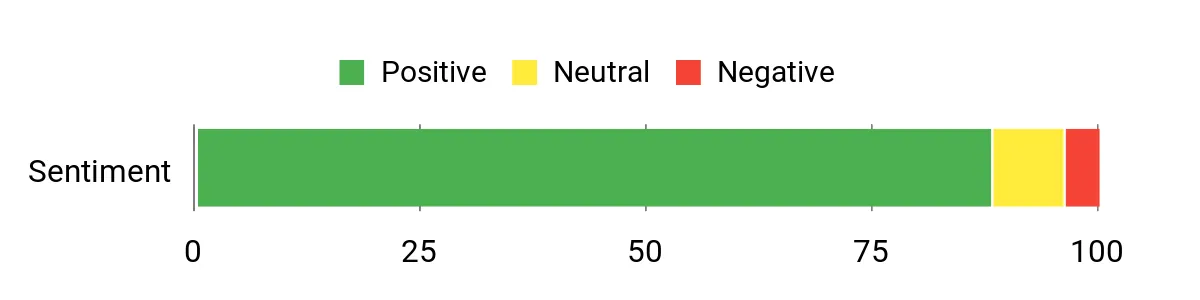
People commonly praise these rods for being forgiving and consistent, especially when striking an arc with smaller machines or in handheld setups. Many reviewers mention reliable bead shape and easy slag removal, and several note the product meets expectations for typical repair work.
A few comments remind you that this is a commodity item where delivery and packaging can influence the experience.
Overall Sentiment: Positive
Ease Of Use
| Feature | Ease Level |
|---|---|
| Arc Starting | Easy |
| Bead Quality | Easy |
| Slag Removal | Easy |
| Versatility | Moderate |
Problem Solving
These rods help you tackle routine stick-welding tasks by offering dependable strikes and consistent fusion, which reduces rework on repairs and small fabrications. They’re useful when access is tight or when you need a forgiving electrode for learning the process.
They should not replace specialty electrodes for critical or high-spec structural work unless you verify the classification and job requirements.
Key Benefits
- Easy arc starts for less fumbling
- Consistent bead and smooth flow
- Works across common steel thicknesses
- Good choice for beginners and handheld welders
Manual verification note: Confirm J422 classification, rating, review count, and current package details before publishing.
Rating: 4.7 (total: 358+)
You’ll find these E6013 rods are patient and predictable, which makes them a solid choice if you weld around the house or are still building stick skills. They start easily and produce tidy beads across light to medium steel, so they work well for maintenance, patching, and small fabrications.
The 3/32″ size balances control and heat input, letting you move between thin sheet and heavier stock without too much fuss. If you want a dependable, user-friendly electrode for everyday jobs, these are worth keeping on hand.
What People Say
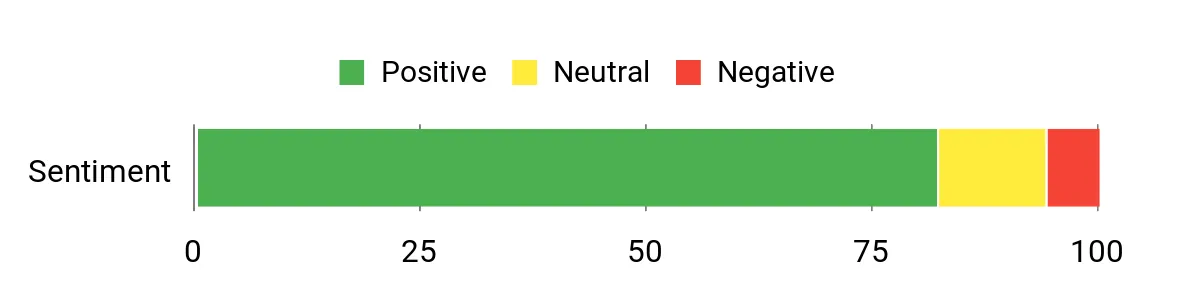
Most users mention the rods are easy to strike and offer consistent performance similar to name-brand alternatives. Buyers appreciate the smooth bead and that the electrodes handle well for learning and general repairs, while a few note occasional minor coating chips in transit.
Overall Sentiment: Positive
Ease Of Use
| Feature | Ease Level |
|---|---|
| Arc Starting | Easy |
| Bead Control | Easy |
| Slag Removal | Moderate |
| Packaging | Moderate |
Problem Solving
These rods help you get routine stick-welding tasks done without fuss by offering dependable strikes and steady fusion, which reduces rework on repairs and small fabrications. They’re especially useful for handheld welders and beginners who need forgiving behavior.
For highly critical structural work, pick a suitable specialty electrode and confirm the required procedure first.
Key Benefits
- Reliable arc starts for less frustration
- Consistent bead shape for cleaner results
- Versatile 3/32″ size for common repairs
- Protective packaging keeps rods organized
Manual verification note: Confirm rating, review count, packaging, and current listing details before publishing.
Rating: 4.6 (total: 333+)
You get a practical dual-spec pack that covers common repair and fabrication needs without swapping boxes. The mix of 3/32″ and 1/8″ rods gives you flexibility for thinner work and heavier plates, and the low-hydrogen formulation helps reduce cracking on suitable joints.
The container is usefully organized, so you can grab the size you need quickly and store unused rods to keep them dry. If you want one flexible option for both learning stick welding and handling tougher repairs, this pack makes that easier.
What People Say
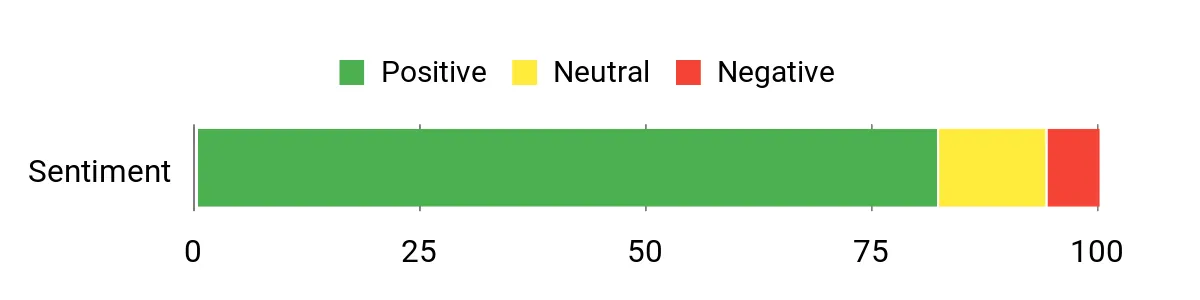
Buyers tend to praise the consistent burn and stable arc, noting the two-size package is handy for switching between thin and thicker materials. Many appreciate the organized, nearly airtight container that keeps rods usable, and users from beginners to experienced welders report reliable performance with minimal fuss.
Overall Sentiment: Positive
Ease Of Use
| Feature | Ease Level |
|---|---|
| Arc Stability | Easy |
| Size Selection | Easy |
| Storage/Packaging | Easy |
| Slag Removal | Moderate |
Problem Solving
This pack solves the common problem of needing different electrode sizes on the same job by offering both 3/32″ and 1/8″ rods in one container. The low-hydrogen chemistry helps reduce cracking on thicker or structural pieces when the rod is stored and used correctly.
It’s a convenient choice for on-site fixes, maintenance, and mixed shop tasks where flexibility and reliable performance matter.
Key Benefits
- Two common sizes in one kit for greater versatility
- Low-hydrogen formula for improved crack resistance
- Organized packaging that helps keep rods fresh
- Stable arc and predictable bead for consistent results
Manual verification note: Confirm the exact sizes, rating, review count, and storage container details before publishing.
Rating: 4.6 (total: 103+)
These E308L stick electrodes are geared toward stainless repairs where you want a clean, corrosion-resistant finish without switching to TIG or MIG. The slightly longer 14″ sticks give a comfortable reach, and the rods may produce self-cleaning beads when the machine settings and technique are right.
The reusable sleeve helps keep rods dry between jobs, and they work well for hobbyists and pros who need a practical stainless stick option. Because the listed review count is lower than the other picks, verify current buyer feedback before making this a main recommendation.
What People Say
Buyers frequently mention the finished appearance on stainless and that the rods are handy when you do not have TIG or MIG on hand. Many appreciate the packaging that keeps rods dry and report smooth beads on thin tubing and small fabrications.
A few users note inconsistent results or missing amp/polarity guidance, so results can vary depending on your setup.
Overall Sentiment: Positive
Ease Of Use
| Feature | Ease Level |
|---|---|
| Arc Stability | Moderate |
| Slag Removal | Easy |
| Tight Access Handling | Moderate |
| Storage/Packaging | Easy |
Problem Solving
These rods help you address stainless repairs where corrosion resistance and a neat finish matter, especially on exhausts and small fabrications. They’re a solid fallback when TIG or MIG isn’t available, though you may need to tweak amps and technique to get the best consistency.
Key Benefits
- E308L chemistry for corrosion-resistant stainless joints
- Useful for stainless stick welding when TIG or MIG is not available
- Reusable sleeve helps protect rods from moisture
- Good for small exhaust, trim, and field repairs
Manual verification note: Confirm rating, review count, amperage guidance, polarity guidance, and current availability before publishing.
Rating: 4.5 (total: 18+)
Pros and Cons of Buying Welding Rods Online
| Pros | Cons |
|---|---|
| You can compare rod types, sizes, and pack weights quickly. | Ratings, stock status, and listing details can change. |
| Bulk packs may be convenient for garage and shop storage. | Packaging damage can affect coated electrodes during shipping. |
| You can choose rods by process, material, and diameter. | Some listings may not show enough amperage or polarity details. |
FAQ
How Do I Choose The Right Rod?
You want to start by matching the rod to the metal and the welding process. Use ER70S-6 for mild steel TIG, ER308L for stainless TIG, ER4043 for aluminum TIG, and E7018 or E6013 for stick work depending on strength and crack resistance.
Consider diameter and length based on plate thickness and access. Your skill level matters too because some rods are more forgiving for beginners.
How Should I Store And Maintain Rods?
Keep rods dry and sealed between uses to prevent moisture pickup and inconsistent performance. Store them in their original tube or an airtight container with desiccant if possible.
For low-hydrogen electrodes like E7018, use a rod oven or follow the manufacturer’s baking and storage guidance if they’ve been exposed to humidity. Do not guess with damp electrodes on important welds.
Are Short Rods Worth Using?
Short sticks, like 16″ TIG filler rods, make welding in cramped spaces and tight joints much easier. They can speed up tacking and short runs, which is handy for hobby work and spot repairs.
The trade-off is that you’ll swap rods more often and may use more filler on long continuous beads. Keep a mix of lengths on hand if you work on varied projects.
What Is The Difference Between E6013 And E7018?
E6013 is often chosen for easier starts, light repairs, and beginner-friendly stick welding. E7018 is a low-hydrogen electrode often chosen when strength and crack resistance matter more.
For simple practice and light maintenance, E6013 may feel easier. For heavier or more critical steel work, E7018 may be the better match if your machine and storage setup are suitable.
Can One Welding Rod Work For Every Metal?
No. Welding rods are not universal. Mild steel, stainless steel, and aluminum usually need different filler metals or electrodes.
Check the base metal, process, diameter, machine settings, and rod classification before buying. Using the wrong rod can lead to poor bead quality, weak joints, or wasted material.
What Welders Prefer
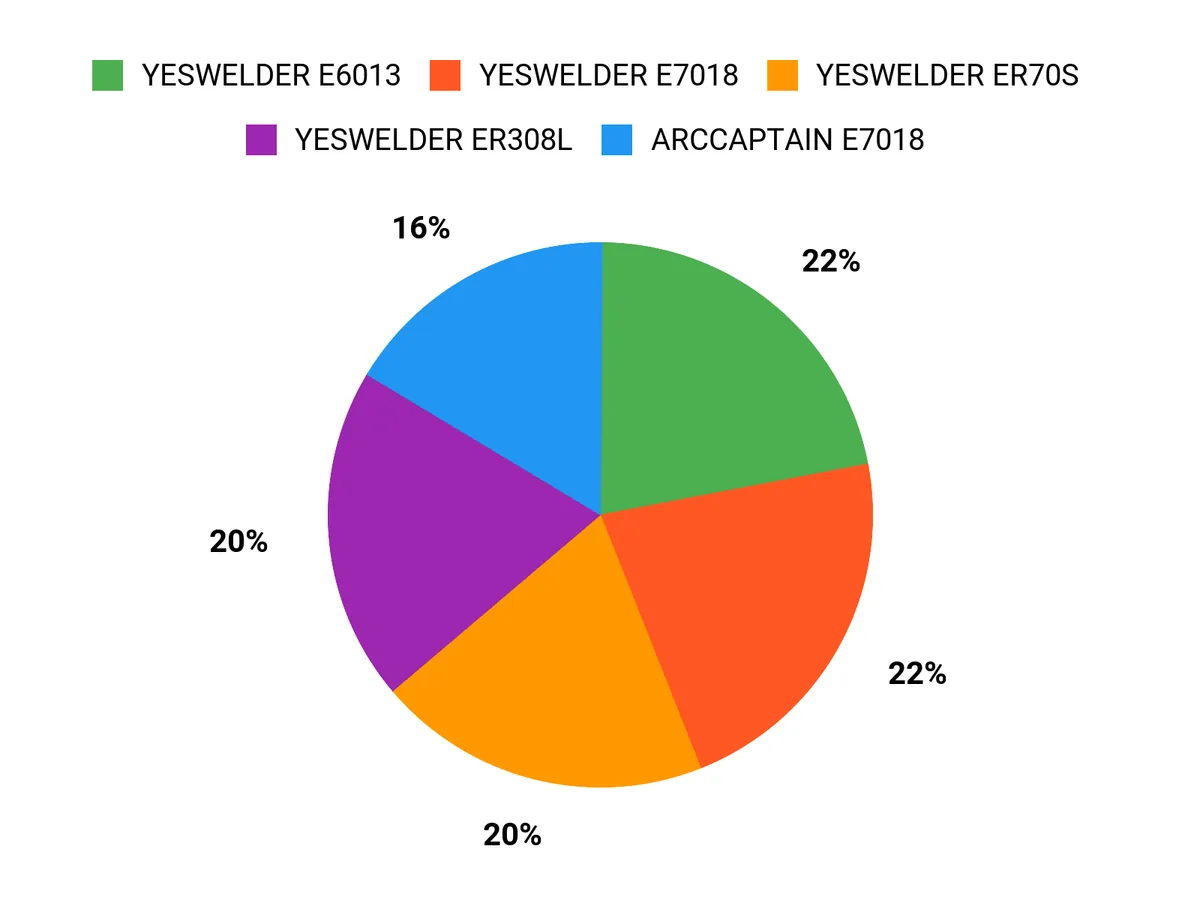
You usually prioritize matching the rod to the metal and the job. Pick ER70S for mild-steel TIG in tight spots, E7018 when strength and low-hydrogen crack resistance matter, and ER308L when you need corrosion resistance and a neat stainless finish.
You also care about arc stability, how easy the rod is to strike and handle, and practical details like rod length and packaging. Predictable behavior and fewer surprises save time on the job.
Wrapping Up
If you want clean, reliable welds, match the rod to the metal, process, and environment you work in. Choose low-hydrogen rods for structural or crack-sensitive joints, aluminum TIG filler for compatible aluminum work, and stainless options when corrosion resistance matters.
Short TIG rods are convenient for tight spots, while full-length stick or dual-size packs can give better value and flexibility. Keep rods dry, check the coating, store them sealed, and pick the rod that fits your skill level to reduce rework.
| Product Name | Image | Rating | Material | Item Weight | Package Dimensions |
|---|---|---|---|---|---|
| YESWELDER Mild Steel TIG Welding Rod ER70S-6 1/16″x16″ 5LB |
 |
4.7/5 (901 reviews) | ER70S-6 Mild Steel | 5 pounds | 16.5 x 1.73 x 1.73 inches |
| ARCCAPTAIN E7018 Welding Rod 1/8” 10LB |
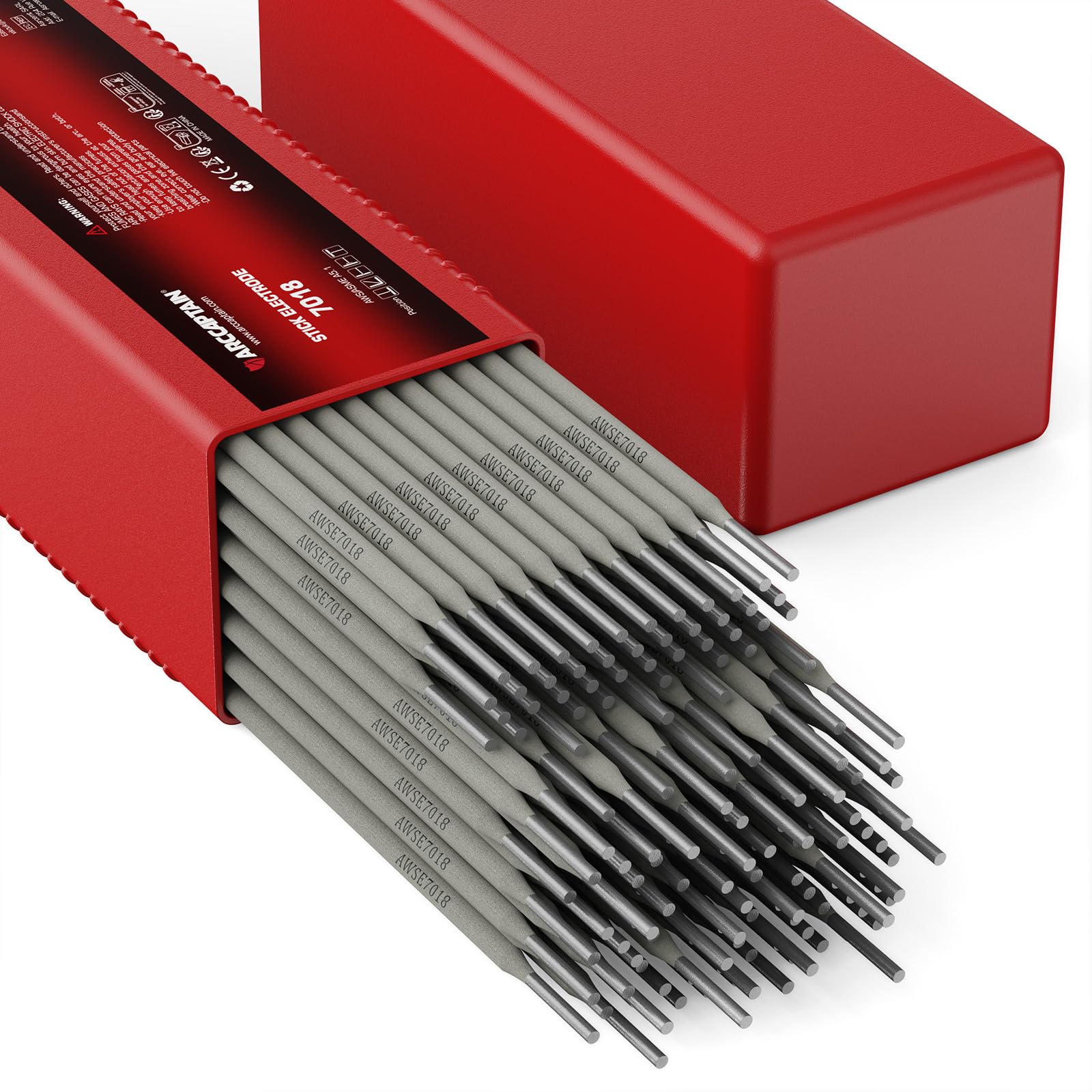 |
4.6/5 (457 reviews) | E7018-10LB Low Hydrogen Carbon Steel | 10.21 pounds | 14.13 x 2.83 x 2.83 inches |
| YESWELDER Stainless Steel TIG Welding Rod ER308L 1/16″x16″ 5LB |
 |
4.7/5 (901 reviews) | ER308L Stainless Steel | 5.13 pounds | 16.54 x 1.77 x 1.73 inches |
| YESWELDER E6013 3/32” 5LB Welding Rod Carbon Steel Stick Electrodes |
 |
4.6/5 (1,719 reviews) | E6013 5LB Carbon Steel | 5.21 pounds | 14.21 x 2.4 x 2.4 inches |
| YESWELDER E7018 3/32” 5LB Welding Rod Low Hydrogen |
 |
4.6/5 (1,719 reviews) | E7018 5LB Low Hydrogen | 5.19 pounds | 14.02 x 2.52 x 2.2 inches |
| ARCCAPTAIN Aluminum TIG Welding Rod ER4043 3/32″ X 16″ 5LB |
 |
4.7/5 (200 reviews) | ER4043 Aluminum | 5.35 pounds | 16.34 x 2.64 x 2.56 inches |
| YesRight J422 Carbon Steel Stick Electrodes 3/32″ 4.5LB |
 |
4.7/5 (358 reviews) | J422 Carbon Steel | 4.5 pounds | Manual verification needed |
| Saker E6013 Carbon Steel Stick Electrodes 3/32″ 5LB |
 |
4.6/5 (333 reviews) | E6013 Carbon Steel | 5 pounds | Manual verification needed |
| YESWELDER E7018 Dual Size Stick Electrodes |
 |
4.6/5 (103 reviews) | E7018 Low Hydrogen Carbon Steel | Manual verification needed | Manual verification needed |
| YESWELDER E308L-16 Stainless Steel Stick Electrodes |
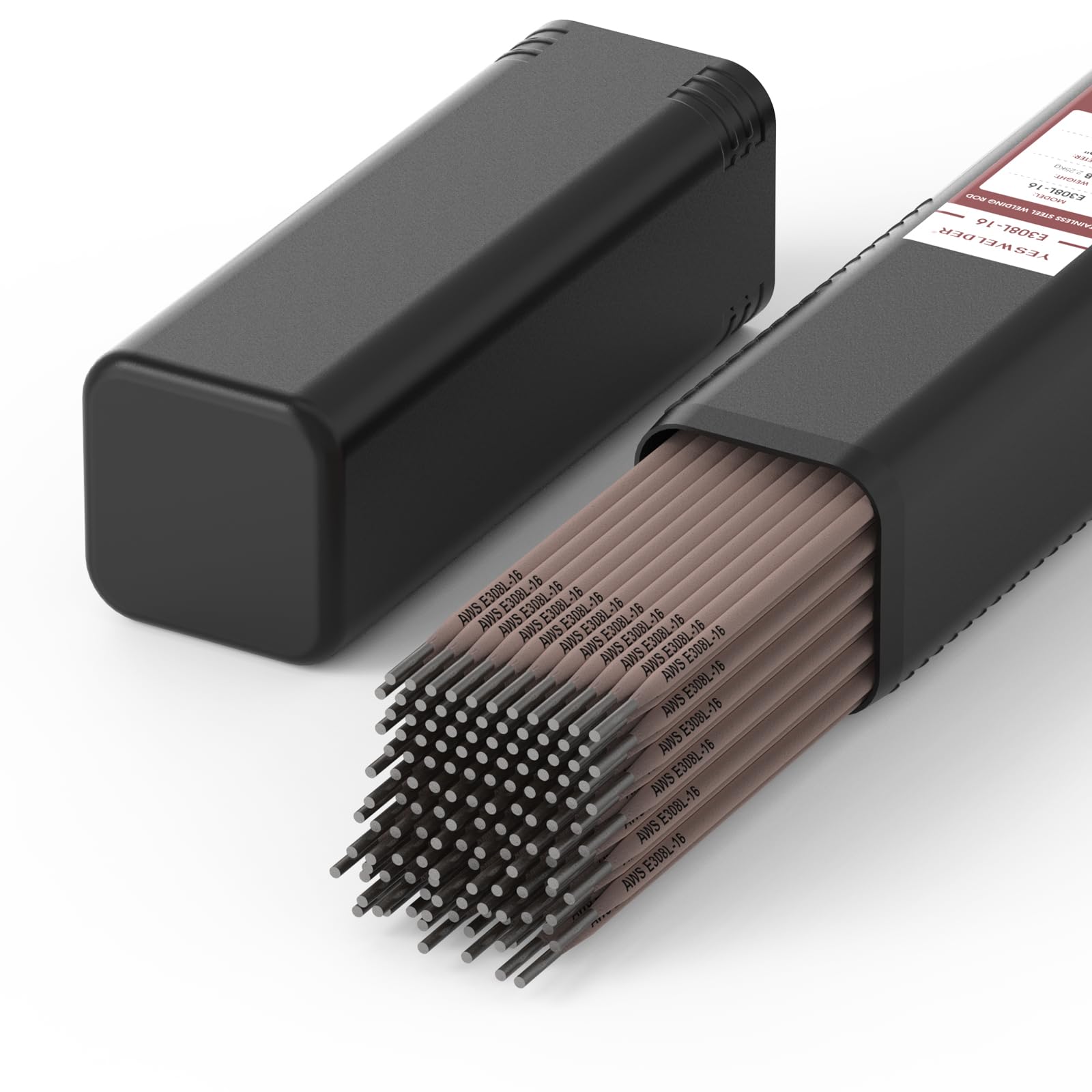 |
4.5/5 (18 reviews) | E308L Stainless Steel | 5 pounds | Manual verification needed |