
Best Welding Rods for Stick and TIG Welding
Disclosure: This roundup is reader-supported. When you click through Amazon links, we may earn a referral commission on qualifying purchases.
Last updated: June 4, 2026
If you want cleaner, stronger welds, start by matching the rod to the job. This guide compares ten welding rods, stick electrodes, and TIG filler rods for carbon steel, aluminum, and stainless steel work. Use it to choose the right rod type for your base metal, welding process, joint size, and skill level before you buy.
Quick answer: Choose E7018 for stronger carbon steel and structural repairs, E6013 for easier general-purpose stick welding, ER4043 for aluminum TIG, and ER308L or E308L for stainless steel jobs. Always confirm diameter, pack size, polarity, storage needs, and metal compatibility on the Amazon listing before ordering.
Top Picks
| Category | Product | Best Fit |
|---|---|---|
| 🏆 Best For Structural Stick Welding | Check Price on Amazon ➜ | Carbon steel strength and repair work |
| 💰 Best Value E7018 Stick Rod | Check Price on Amazon ➜ | Smaller E7018 jobs and repairs |
| 🎯 Best Aluminum TIG Filler Rod | Check Price on Amazon ➜ | Aluminum TIG filler work |
| 🔰 Best Stick Rod For Beginners | Check Price on Amazon ➜ | Practice and light steel repairs |
| 🚀 Best Stainless TIG Filler Rod | Check Price on Amazon ➜ | 304 stainless TIG work |
| ⭐ Best Stainless Stick Electrode | Check Price on Amazon ➜ | Stainless stick welding repairs |
| 💼 Most Consistent General Rod | Check Price on Amazon ➜ | General-purpose carbon steel |
| 🔧 Best Easy-Start Stick Rod | Check Price on Amazon ➜ | Learning and small shop repairs |
| ⚖️ Best E7018 Diameter Kit | Check Price on Amazon ➜ | Switching between common E7018 sizes |
| 💸 Best Small Stainless TIG Pack | Check Price on Amazon ➜ | Small stainless TIG projects |
How We Picked These Welding Rods
This roundup focuses on product-category fit first. Every main pick is a welding rod, stick electrode, or TIG filler rod that matches the buyer intent behind a welding rod roundup. The list avoids unrelated accessories, tools, machines, gas regulators, gloves, carts, and helmets as main recommendations.
The key buying factors were rod classification, base-metal compatibility, process type, diameter, pack size, storage needs, ease of striking, arc control, bead cleanliness, and practical use case. Since Amazon ratings, review counts, prices, coupons, and availability can change often, check the live Amazon page before publishing or buying.
How To Choose The Right Rod Fast
- For stronger carbon steel repairs: Start with E7018, then confirm the diameter and amperage range.
- For beginner stick welding: Start with E6013 because it is usually easier to strike and control.
- For aluminum TIG: Use aluminum TIG filler such as ER4043 only when your base metal is compatible.
- For stainless TIG: Use ER308L for compatible 300-series stainless work.
- For stainless stick welding: Use coated stainless electrodes such as E308L instead of TIG filler rods.
You get a low-hydrogen E7018 in a shop-friendly 10 pound pack that targets stronger carbon steel welds. It fits repairs, frame work, farm gear, and maintenance jobs where a basic utility rod may not be the right choice.
The rods are positioned for steady bead control and stable arc behavior. That makes them useful when you want a predictable structural stick electrode, not a general-purpose practice rod.
What To Check Before Buying
- Confirm the 1/8″ diameter matches your welder output and joint thickness.
- Check the listing for polarity and amperage guidance before use.
- Plan dry storage because low-hydrogen rods need better moisture control.
What People Say
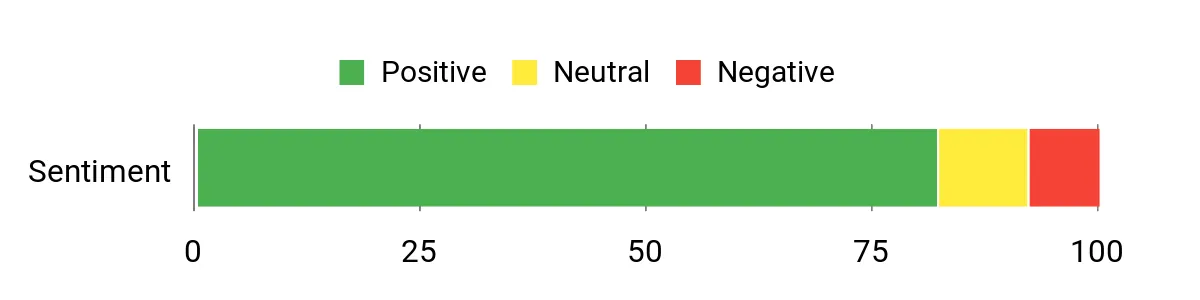
The supplied article data points to reliable arc starts, steady burn, and good bead control. Some buyers may still want to inspect the coating on arrival, because flux condition matters with any stick electrode.
Overall Sentiment: Positive based on the supplied article data. Verify current Amazon rating and review count before publishing.
DIY Guide
Keep the pack sealed in a dry place and avoid humid storage. If a rod has been exposed to moisture, dry or bake it only according to the manufacturer’s guidance.
Clean the joint, use the correct amperage range for 1/8″ electrodes, and keep a short, steady arc. Let slag cool before chipping, then inspect each pass for fusion and penetration.
Durability
The low-hydrogen coating is meant to reduce hydrogen-related cracking when the rods are stored and used correctly. For long-term storage after opening, reseal the container or use proper rod storage.
Key Benefits
- Low-hydrogen stick electrode for carbon steel jobs
- Good fit for structural repair and fabrication work
- 1/8″ size suits many medium to heavier stick welding tasks
- Better choice than E6013 when strength is the main concern
- Best used with dry storage and proper machine settings
This YESWELDER E7018 gives you a lower-diameter low-hydrogen option for carbon steel repairs. The 3/32″ size can be easier to control on smaller joints than a heavier 1/8″ rod.
Pick it when you want a stick electrode for strength-focused repairs but do not need the larger pack or larger diameter of the top structural pick.
What To Check Before Buying
- Confirm your welder can run 3/32″ E7018 with the required settings.
- Check whether the 5 lb pack is enough for your project size.
- Store opened rods dry so the low-hydrogen coating stays usable.
What People Say
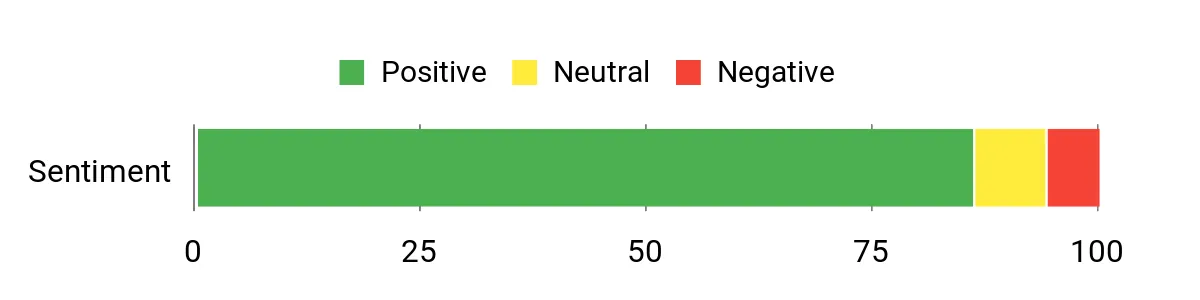
The supplied article data says buyers often mention consistent starts, smooth burn, and useful packaging. As with any low-hydrogen rod, coating condition and dry storage should be checked before important work.
Overall Sentiment: Positive based on the supplied article data. Verify current Amazon rating and review count before publishing.
DIY Guide
Store the pack in a dry place and reseal the container after use. Clean joint surfaces, match your machine settings to the 3/32″ electrode, and keep a short arc for better control.
Chip slag between passes and inspect each bead before moving to the next pass.
Durability
The low-hydrogen coating is designed for stronger, more crack-resistant welds when used correctly. Keep the rods dry after opening, because moisture can reduce performance and increase weld risk.
Key Benefits
- Low-hydrogen chemistry for carbon steel repairs
- 3/32″ size works well for smaller joints
- Useful for structural maintenance and repair work
- More strength-focused than E6013 general rods
- Good option when you want a smaller E7018 pack
ARCCAPTAIN ER4043 belongs in this roundup because many buyers use “welding rods” to compare both stick electrodes and TIG filler rods. This pick is for aluminum TIG work, not structural stick welding.
The 3/32″ diameter and 16″ length suit bench projects, light fabrication, and common aluminum repair tasks. Choose it only if your base metal and welding process match ER4043 filler.
What To Check Before Buying
- Confirm ER4043 is compatible with your aluminum base metal.
- Make sure you are using TIG equipment and proper shielding gas.
- Check whether 16″ rods are long enough for your work style.
What People Say
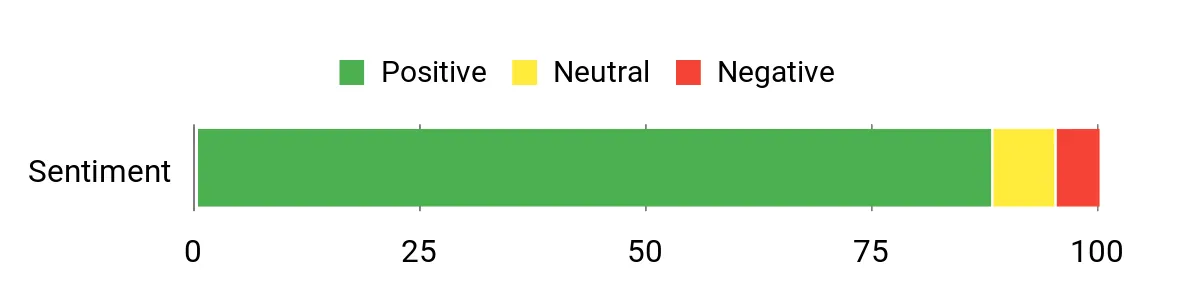
The supplied article data highlights clean rods, straightness, and smooth feeding. Some buyers may prefer longer filler rods for larger or higher-volume TIG jobs.
Overall Sentiment: Positive based on the supplied article data. Verify current Amazon rating and review count before publishing.
DIY Guide
Keep the rods in their sleeve until you use them. Wipe the joint with acetone to remove oil and use proper shielding gas for TIG welding.
Set amperage for the 3/32″ filler and keep the torch hand steady. If you need more reach, tack first and add short filler movements to keep control.
Durability
Aluminum filler rods should stay clean and dry before use. After opening, store them in a sealed tube or container to reduce surface contamination.
Key Benefits
- Correct product type for aluminum TIG filler work
- Useful for light fabrication and thin aluminum repairs
- 3/32″ size suits many common TIG jobs
- 16″ length can be easier to manage at a bench
- Best for buyers who already have a TIG setup
YESWELDER E6013 is a better fit for ease of use than maximum weld strength. It works as a beginner-friendly carbon steel stick rod for practice, maintenance, and light repairs.
Use this when a smooth bead and simple arc start matter more than low-hydrogen structural performance.
What To Check Before Buying
- Confirm the 3/32″ size fits your welder and material thickness.
- Use it for light to medium carbon steel, not aluminum or stainless TIG work.
- Choose E7018 instead if the job calls for low-hydrogen strength.
What People Say
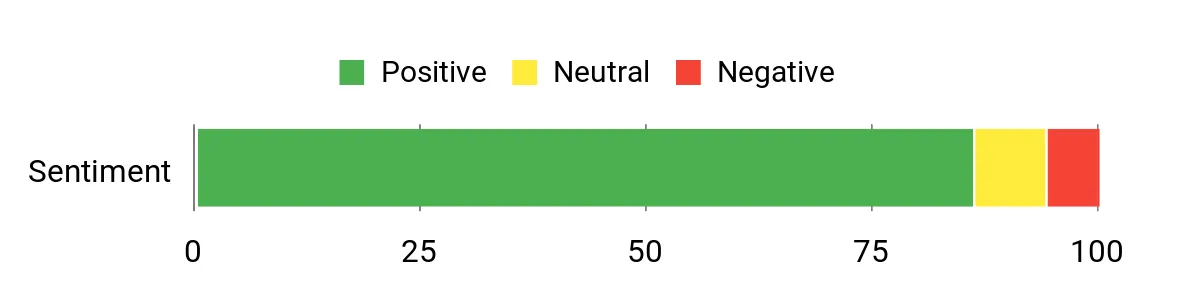
The supplied article data says buyers often mention easy starts, predictable beads, and useful packaging. Heat settings still matter, especially on thin material.
Overall Sentiment: Positive based on the supplied article data. Verify current Amazon rating and review count before publishing.
DIY Guide
Store the rods dry and reseal the container after use. Clean and prep the joint, set your welder to the recommended range for 3/32″ electrodes, and keep a short arc.
Chip slag between passes and check each bead for fusion before continuing.
Durability
E6013 is a general-purpose rod. It can work well for routine shop use when stored properly, but it should not replace E7018 when the job calls for low-hydrogen structural welds.
Key Benefits
- Beginner-friendly stick electrode for carbon steel
- Easy arc starts for practice and repairs
- Smooth bead appearance on light to medium steel
- Small pack is convenient for occasional use
- Good option when learning stick welding basics
YESWELDER ER308L is a stainless TIG filler rod, so it fits buyers comparing welding rods for stainless TIG work. It is not a stick electrode and should not be chosen for a stick-only setup.
The 1/16″ diameter and 16″ length make sense for thinner stainless, bench projects, tube repairs, and controlled filler additions.
What To Check Before Buying
- Confirm ER308L matches your stainless grade and job requirements.
- Make sure you need TIG filler rods, not coated stick electrodes.
- Check whether 1/16″ diameter fits your material thickness and technique.
What People Say
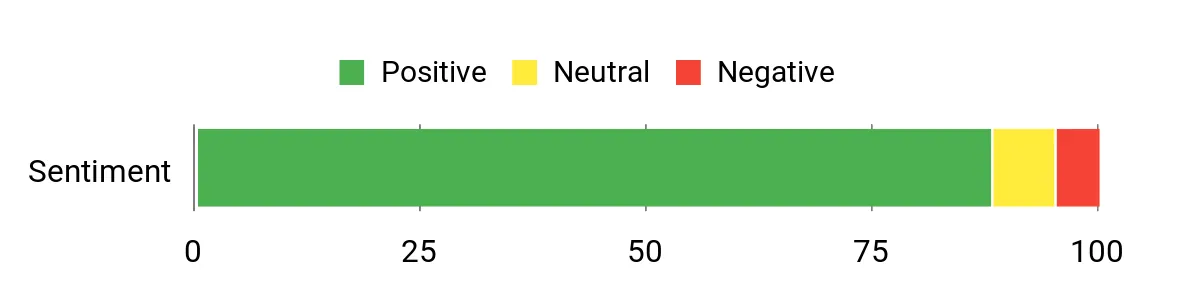
The supplied article data points to clean packaging, consistent feed, and good results on 304 stainless. Some users may prefer longer rods for larger production work.
Overall Sentiment: Positive based on the supplied article data. Verify current Amazon rating and review count before publishing.
DIY Guide
Keep rods in their sleeve until use and wipe the filler if needed. Use proper TIG shielding gas, match amperage to the 1/16″ diameter, and feed steadily into a clean puddle.
For tight spots, tack first and add short filler movements to maintain control.
Durability
Stainless TIG filler should be kept clean and dry. Store opened rods in a sealed container to limit contamination and surface oxidation.
Key Benefits
- Correct match for stainless TIG filler work
- Useful for 304 stainless repairs and tubing
- 1/16″ size supports controlled filler use
- Good fit for hobby and light fabrication jobs
- Low-carbon stainless filler option for clean work
YESWELDER E308L is the stainless stick electrode pick in this list. It fits buyers who need coated rods for stainless repair work and do not want a TIG filler rod.
Use it for small stainless repairs, tubing, and light fabrication after confirming polarity and amperage guidance on the product listing or packaging.
What To Check Before Buying
- Confirm the stainless grade and electrode type match your project.
- Check polarity and amperage guidance before running final beads.
- Choose ER308L instead if you are TIG welding rather than stick welding.
What People Say
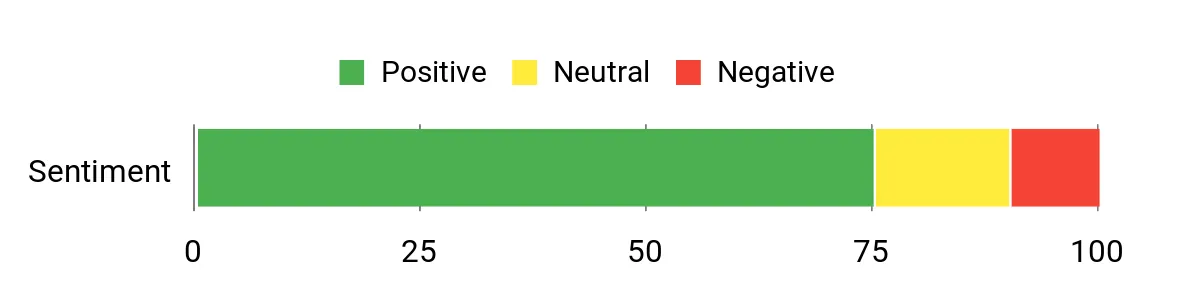
The supplied article data mentions stainless performance, easy cleanup, and useful packaging. It also notes that some buyers may want clearer polarity or amp guidance, so a scrap test matters before final work.
Overall Sentiment: Positive based on the supplied article data. Verify current Amazon rating and review count before publishing.
DIY Guide
Keep the rods in their tube until use and store them dry. Test a scrap piece to confirm polarity and amperage before working on the final part.
Use a controlled drag technique, wear eye protection because slag can pop, and chip between passes so you can inspect fusion.
Durability
The stainless electrode type fits corrosion-resistant repair work when matched to the right stainless grade. Store opened rods in a sealed dry container to protect the coating.
Key Benefits
- True stainless stick electrode for SMAW users
- Useful for 304 stainless repair and tubing work
- Good alternative when TIG is not available
- 14″ length can work well for bench and field repairs
- Best used after a scrap test for settings
ARCCAPTAIN E6013 is another general-purpose carbon steel stick rod. It overlaps with the YESWELDER E6013, so the main reason to compare it is pack size, brand preference, and storage format.
Choose it for easy starts, simple repairs, and light steel work. Choose E7018 instead when low-hydrogen strength is the main need.
What To Check Before Buying
- Confirm the pack size and 3/32″ diameter on the Amazon listing.
- Match it with carbon steel repair work, not TIG filler applications.
- Use proper heat control when welding thinner steel.
What People Say
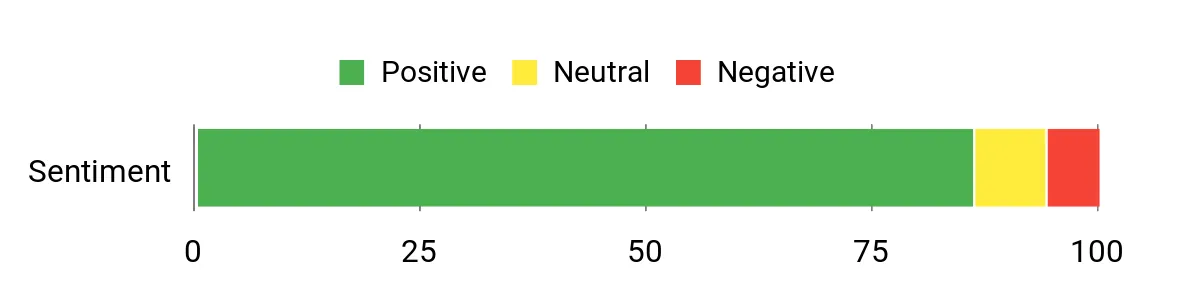
The supplied article data says users often mention easy starts, consistent bead appearance, and practical packaging. As with all E6013 rods, heat control matters on thin steel.
Overall Sentiment: Positive based on the supplied article data. Verify current Amazon rating and review count before publishing.
DIY Guide
Store the rods dry and reseal the container after use to protect the coating. Clean and prep the joint, set your welder to the recommended range for 3/32″ electrodes, and keep a short arc.
Chip slag between passes and inspect each pass so you can catch fit-up or heat issues early.
Durability
The E6013 coating is suitable for general shop use when stored correctly. Keep opened rods in a dry container or rod oven if they will sit for a long time.
Key Benefits
- General-purpose carbon steel stick electrode
- Easy arc starts for routine repair work
- Good fit for thin to medium steel projects
- Useful option for practice and shop maintenance
- 5 lb pack suits buyers who weld more often
Saker E6013 gives you another beginner-friendly stick electrode option for carbon steel. It belongs in this roundup because it is a main welding rod product, not an accessory.
Use it for practice, hobby repairs, and general maintenance. Do not choose it for aluminum TIG, stainless work, or code-level structural jobs unless the job specification allows it.
What To Check Before Buying
- Confirm the rod diameter, pack weight, and storage tube details.
- Use it for carbon steel practice and repair, not stainless or aluminum work.
- Inspect the flux coating before welding because chipped coating can affect performance.
What People Say
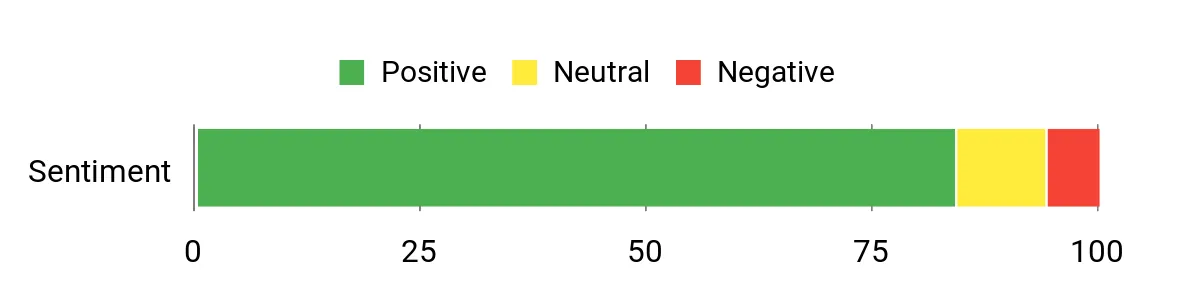
The supplied article data says buyers often mention easy use, reliable starts, and smooth bead appearance. Some feedback notes possible flux chips, so inspect rods before use.
Overall Sentiment: Positive based on the supplied article data. Verify current Amazon rating and review count before publishing.
DIY Guide
Store the rods in their tube and keep them dry. Clean the joint surface, set your machine to the recommended range for 3/32″ electrodes, and maintain a short arc.
Chip slag between passes and inspect beads for fusion before continuing.
Durability
E6013 rods can stay consistent for general workshop use when stored properly. For long-term storage, keep them in a dry container to protect the coating.
Key Benefits
- Main welding rod product, not an accessory
- Easy-start E6013 type for carbon steel
- Useful for learners and routine repairs
- Protective tube helps with storage and transport
- Best for light to medium general-purpose work
This YESWELDER dual pack is still a main welding rod product because it contains E7018 electrodes. The value is diameter flexibility rather than a different chemistry.
The 3/32″ rods help with smaller joints, while the 1/8″ rods suit heavier work. Confirm the exact pack contents on Amazon before ordering, because bundle details can change.
What To Check Before Buying
- Confirm the kit includes the exact two diameters you need.
- Set separate amperage ranges for 3/32″ and 1/8″ electrodes.
- Store both sizes dry after opening to protect the low-hydrogen coating.
What People Say
The supplied article data says reviewers like the combo format and organized container. A scrap test is still smart because each diameter needs its own amperage range.
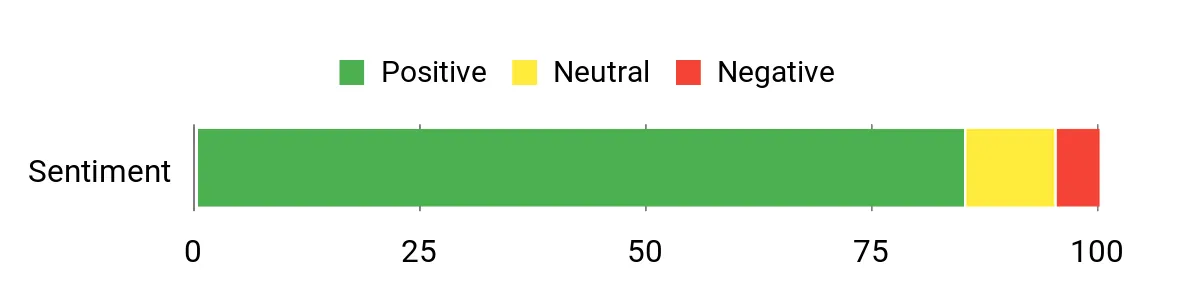
Overall Sentiment: Positive based on the supplied article data. Verify current Amazon rating and review count before publishing.
DIY Guide
Keep the container sealed when not in use and store the pack in a dry area. Test a scrap piece before the job to dial in amperage for both 3/32″ and 1/8″ rods.
Use a short arc, chip slag between passes, and inspect the bead before continuing.
Durability
The E7018 coating depends on dry storage. Reseal the container after opening and use proper rod storage if the rods will sit for long periods.
Key Benefits
- Two common E7018 diameters in one kit
- Useful for switching between small and larger joints
- Low-hydrogen rod type for carbon steel repair work
- Organized format can help small shops
- Good fit when you do not want to buy two separate packs
Convivium ER308L is relevant as a small-pack stainless TIG filler rod. It is best treated as a lower-volume option, not as the main pick for high-use shops.
Choose it for small stainless practice, thin tubing, brackets, and light 304 stainless repairs. Confirm the current pack count and dimensions on Amazon before buying.
What To Check Before Buying
- Confirm the current pack count and rod dimensions before ordering.
- Use it only for TIG filler work, not stick welding.
- Check ER308L compatibility with your stainless base metal.
What People Say
The supplied article data points to clean rods, easy feeding, and useful short length for bench projects. The small pack size may not suit frequent stainless TIG work.
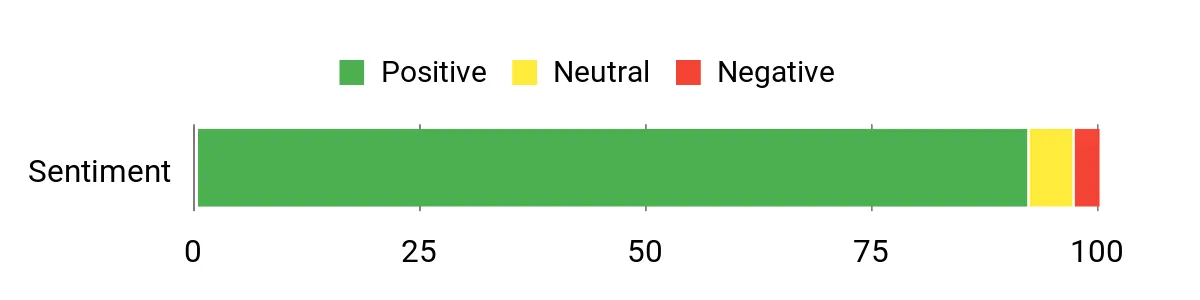
Overall Sentiment: Positive based on the supplied article data. Verify current Amazon rating and review count before publishing.
DIY Guide
Keep the rods in their tube until use and wipe contact areas clean before welding. Use proper TIG shielding gas, set amperage for 1/16″ filler, and feed steadily into a controlled puddle.
For tight joints, tack first and use short filler additions to maintain accuracy.
Durability
Stainless TIG filler should stay dry and clean. After opening, move rods into a sealed container if the original package will not protect them long term.
Key Benefits
- Relevant small-pack ER308L stainless TIG filler
- Good fit for 304 stainless practice and repairs
- 1/16″ size supports control on thinner material
- Useful when you do not need a large 5 lb pack
- Best for hobby and low-volume stainless TIG work
Welding Rod Buying Guide
Start with the metal. Carbon steel stick welding usually points to E7018 or E6013. Aluminum TIG points to ER4043. Common 300-series stainless TIG points to ER308L, while stainless stick welding uses coated stainless electrodes such as E308L.
- Choose E7018 when you need stronger carbon steel welds and better crack resistance.
- Choose E6013 when you want easier arc starts for light repairs and practice.
- Choose ER4043 when you are TIG welding aluminum and the base metal is compatible.
- Choose ER308L when you are TIG welding compatible 300-series stainless steel.
- Choose E308L when you need stainless stick electrodes instead of TIG filler.
Also check rod diameter, amperage range, polarity, pack size, and storage requirements. A strong rod choice can still perform poorly if it is damp, mismatched to the metal, or used with the wrong machine settings.
Common Mistakes To Avoid
- Do not buy TIG filler for a stick-only setup. Bare TIG rods and coated stick electrodes are different products.
- Do not use E6013 as a direct replacement for E7018. E6013 is easier for many light jobs, but it is not the same low-hydrogen rod type.
- Do not ignore storage. Moisture can hurt arc quality and weld strength, especially with low-hydrogen electrodes.
- Do not choose by brand only. Match the rod classification, base metal, diameter, and process first.
FAQ
How Do I Choose The Right Welding Rod?
Match the rod chemistry to the metal first, then choose a diameter that fits the joint size and penetration needs. For carbon steel, use E7018 when strength and crack resistance matter, and E6013 when easy starting and light repairs matter more.
For TIG, choose filler based on the base metal. ER4043 is commonly used for compatible aluminum work, while ER308L is commonly used for compatible 300-series stainless work. Always test on scrap before welding the final piece.
Are Low-Hydrogen Rods Suitable For Structural Work?
Yes, low-hydrogen electrodes like E7018 are made for stronger carbon steel welds when used correctly. They still need proper fit-up, correct amperage, dry storage, and clean slag removal between passes.
Do not treat E7018 as a magic fix for poor prep. Damp rods, dirty metal, and wrong settings can still cause weak welds.
How Should I Store And Prepare Rods For Best Results?
Keep rods dry and sealed in their original container, dry box, or rod oven if required. Moisture can hurt arc stability and weld quality, especially with low-hydrogen rods.
Before welding, clean the joint, confirm machine settings, and run a short test bead. After welding, chip slag between passes so you can inspect each layer.
Can I Use TIG Filler Rods In A Stick Welder?
No. TIG filler rods and stick electrodes are different products. TIG filler rods are bare filler metal used with a TIG torch, while stick electrodes have flux coating and are used in SMAW stick welding.
What Is The Difference Between E7018 And E6013?
E7018 is a low-hydrogen stick electrode often used when strength and crack resistance matter. E6013 is easier to use and gives a smooth bead, but it is usually a better fit for light repairs, practice, and general shop work.
Should Beginners Start With E7018 Or E6013?
Many beginners find E6013 easier because it starts and runs smoothly on light work. E7018 is still worth learning, but it needs better storage and more attention to technique.
Which Welding Rod Is Best For Aluminum?
For aluminum TIG welding, choose an aluminum TIG filler rod such as ER4043 when it matches your base metal. Do not use carbon steel stick electrodes for aluminum work.
Which Welding Rod Is Best For Stainless Steel?
For compatible 300-series stainless TIG work, ER308L is a common filler choice. For stainless stick welding, use coated stainless stick electrodes such as E308L when they match the job requirements.
What Welders Prefer
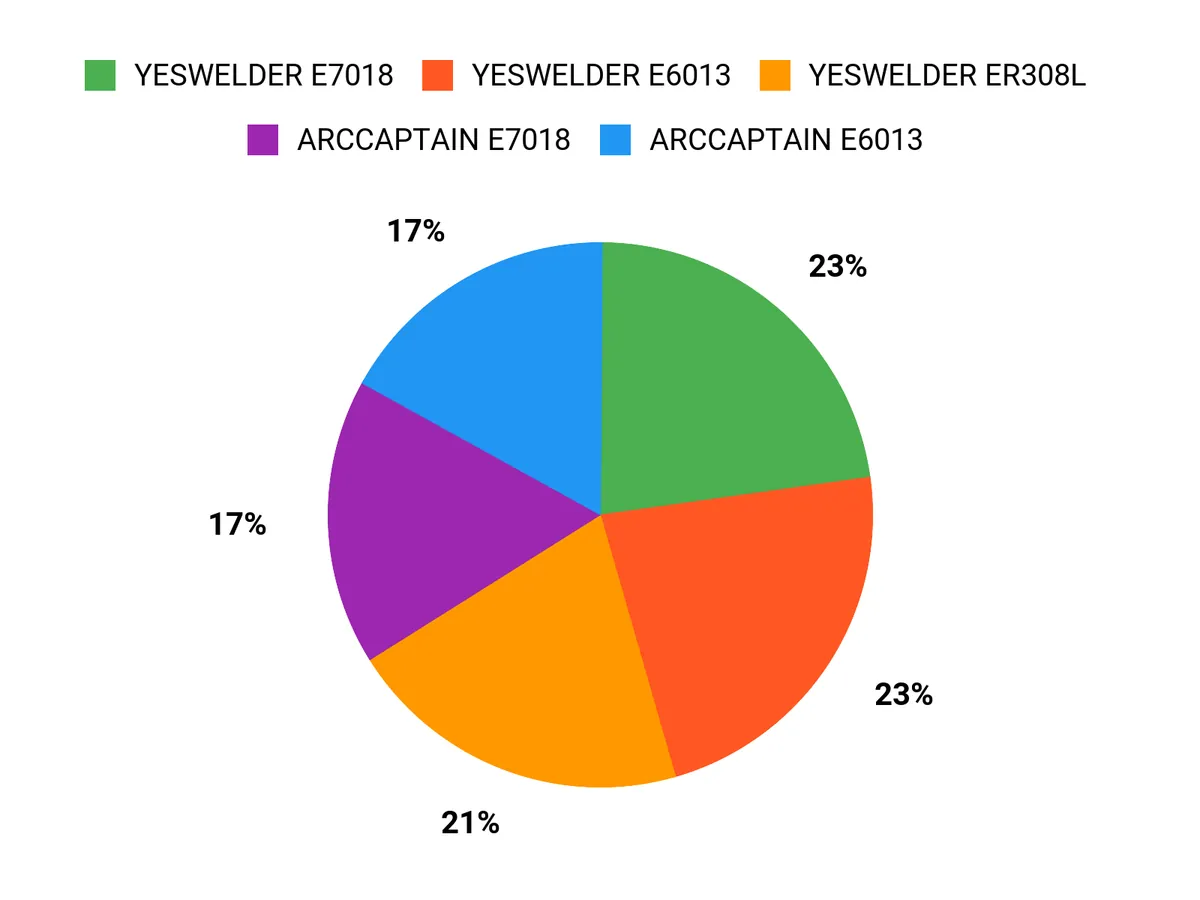
When choosing among ARCCAPTAIN E7018, YESWELDER E7018, and ARCCAPTAIN ER4043, focus on the job first. Choose E7018 when you need low-hydrogen carbon steel strength. Choose ER4043 only when the job is aluminum TIG welding and the base metal is compatible.
For beginners and light steel repairs, E6013 rods may feel easier. For stainless work, choose ER308L for TIG filler or E308L for stick welding.
Wrapping Up
The best welding rod is the one that matches your base metal, process, joint size, and strength needs. Choose E7018 for stronger carbon steel repairs, E6013 for easier general-purpose stick welding, ER4043 for aluminum TIG, ER308L for stainless TIG, and E308L for stainless stick welding.
Before you buy, confirm the current Amazon listing details, including diameter, pack size, polarity guidance, storage notes, and compatibility. Then store the rods dry and test on scrap so you can dial in clean, repeatable welds.
| Product Name | Image | Rod Type | Pack / Size Mentioned | Best Use |
|---|---|---|---|---|
| Check Price on Amazon ➜ |
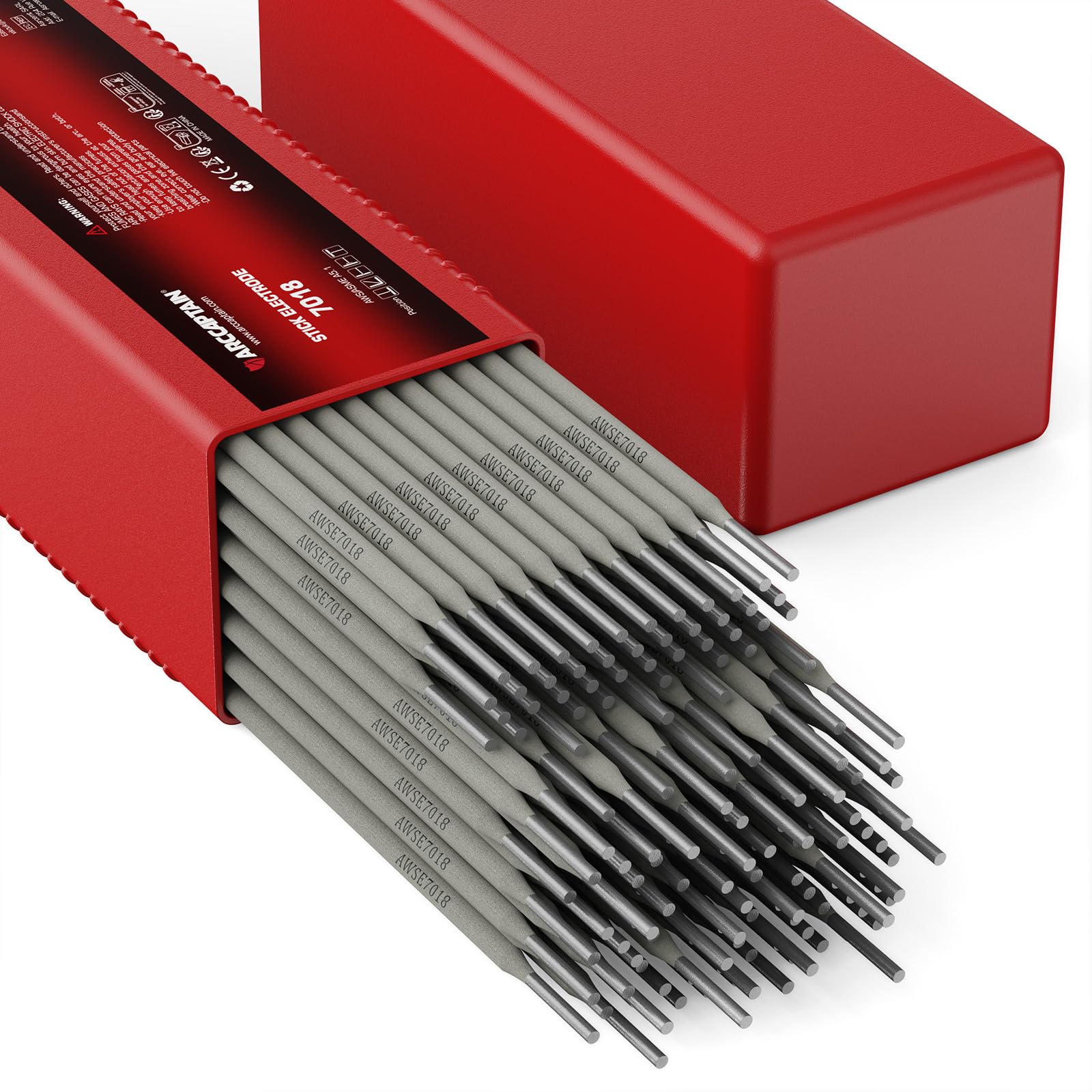 |
E7018 low-hydrogen stick electrode | 1/8″ rod, 10 lb pack | Structural carbon steel repairs |
| Check Price on Amazon ➜ |
 |
E7018 low-hydrogen stick electrode | 3/32″ rod, 5 lb pack | Smaller structural and repair welds |
| Check Price on Amazon ➜ |
 |
ER4043 aluminum TIG filler rod | 3/32″ x 16″, 5 lb pack | Aluminum TIG welding |
| Check Price on Amazon ➜ |
 |
E6013 carbon steel stick electrode | 3/32″ rod, 2 lb pack | Beginners and light repairs |
| Check Price on Amazon ➜ |
 |
ER308L stainless TIG filler rod | 1/16″ x 16″, 5 lb pack | 304 stainless TIG work |
| Check Price on Amazon ➜ |
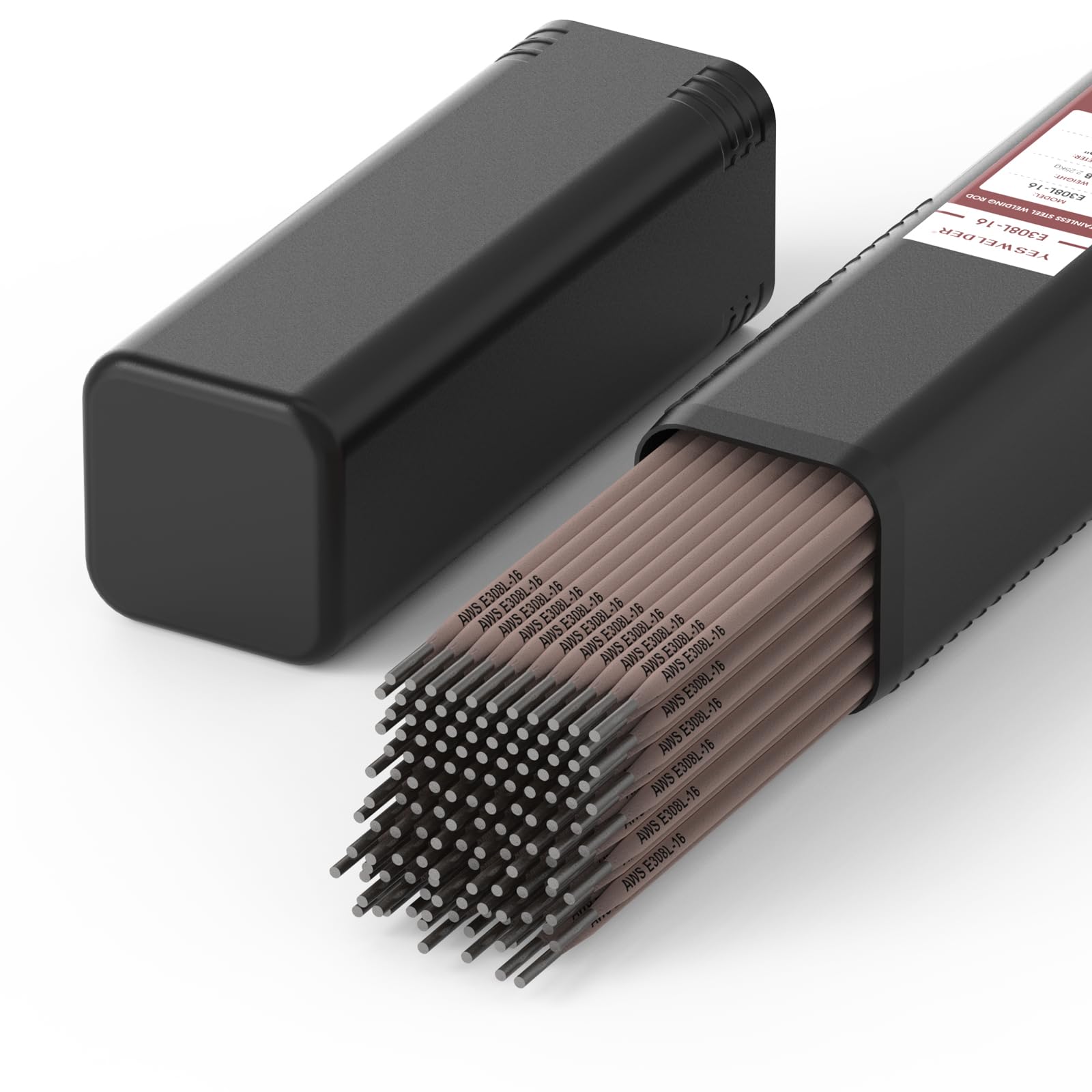 |
E308L stainless stick electrode | 3/32″ x 14″, 5 lb pack | Stainless stick welding repairs |
| Check Price on Amazon ➜ |
 |
E6013 carbon steel stick electrode | 3/32″ rod, 5 lb pack | General-purpose carbon steel |
| Check Price on Amazon ➜ |
 |
E6013 carbon steel stick electrode | 3/32″ rod, 5 lb pack | Learning and small repairs |
| Check Price on Amazon ➜ |
 |
E7018 low-hydrogen stick electrode kit | 3/32″ and 1/8″ rods, 5 lb kit | Two-size E7018 shop kit |
| Check Price on Amazon ➜ |
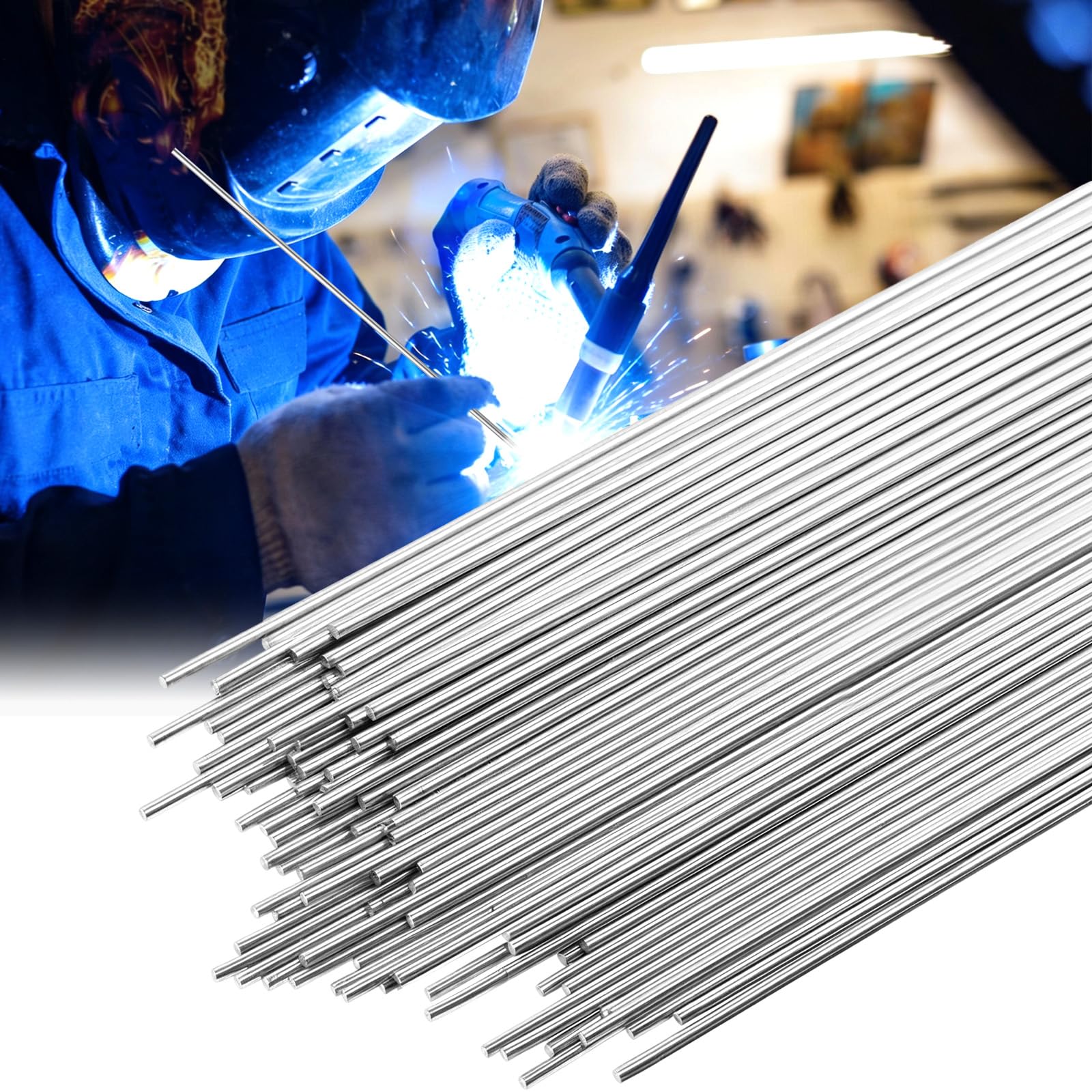 |
ER308L stainless TIG filler rod | 1/16″ x 16″, 20 pieces | Small stainless TIG projects |
This roundup is reader-supported. When you click through links, we may earn a referral commission on qualifying purchases.


