Running out of the right consumable mid-job is more frustrating than a bad weld. The rod in your hand decides penetration depth, slag behavior, and whether the joint holds under stress — so matching electrode type to metal, thickness, and process matters before you strike an arc. This guide covers ten affordable welding rods across stick, TIG, aluminum brazing, and hardfacing categories so you can stock your toolbox without overpaying.
Use the quick-picks table below to jump straight to the rod that fits your process, or read through each section for full specs, real user feedback, and a clear verdict on who each rod suits best.
⚡ Quick Picks — Jump to the Right Rod
- Easiest stick rod for beginners (thin steel): WISUNO E6013 3/32
- Best stick rod for heavier repairs: WISUNO E6013 1/8
- Best structural stick electrode: WISUNO E7018
- Best TIG filler for mild steel: WeldingCity ER70S-6
- Best TIG filler for stainless: Convivium ER308L
- Best hardfacing electrode: Forney Supercote
- Best low-temp aluminum brazing (torch): VITASHYNX Aluminum
Top Picks at a Glance
| Category | Product | Score |
|---|---|---|
| 🔧 Best DIY Aluminum Brazing | SpaceWings Aluminum | 50/100 |
| 🎯 Best Stick Rod for Light Fabrication | WISUNO E6013 3/32 | 92/100 |
| 🏋️ Best Stick Rod for Heavy Repairs | WISUNO E6013 1/8 | 94/100 |
| 🏆 Best TIG Filler — Mild Steel | WeldingCity ER70S-6 | 93/100 |
| ⚡ Best Flux-Core Aluminum Brazing Rod | AZB Flux Aluminum | 74/100 |
| ⭐ Best Low-Temp Aluminum Brazing Pack | VITASHYNX Aluminum | 100/100 |
| 🔒 Best Structural Stick Electrode | WISUNO E7018 | 86/100 |
| 🌟 Best TIG Filler — Stainless Steel | Convivium ER308L | 98/100 |
| ⚠️ Most Temperamental Aluminum Brazing Rod | NIEFARG Aluminum | 66/100 |
| 🚀 Best Hardfacing Electrode | Forney Supercote | 95/100 |
How We Selected These Rods
Every rod here was chosen against three practical filters. First, process and metal compatibility: stick electrodes (E6013, E7018), TIG filler rods (ER70S-6, ER308L), aluminum brazing rods, and a hardfacing electrode are each grouped in sections that match the process they serve — so you are not comparing apples to anvils.
Second, ease of use relative to skill level. The E6013 rods earned their spots partly because they are forgiving for hobbyists and learners; the E7018 and hardfacing options lean toward welders who already know how to manage amperage and prep. Third, verified buyer feedback shaped the verdicts — ratings, review counts, and common complaints are drawn from the listed Amazon data and noted honestly, including the rods that underperformed.
1. SpaceWings Aluminum Brazing Rods — Best Budget DIY Aluminum Option
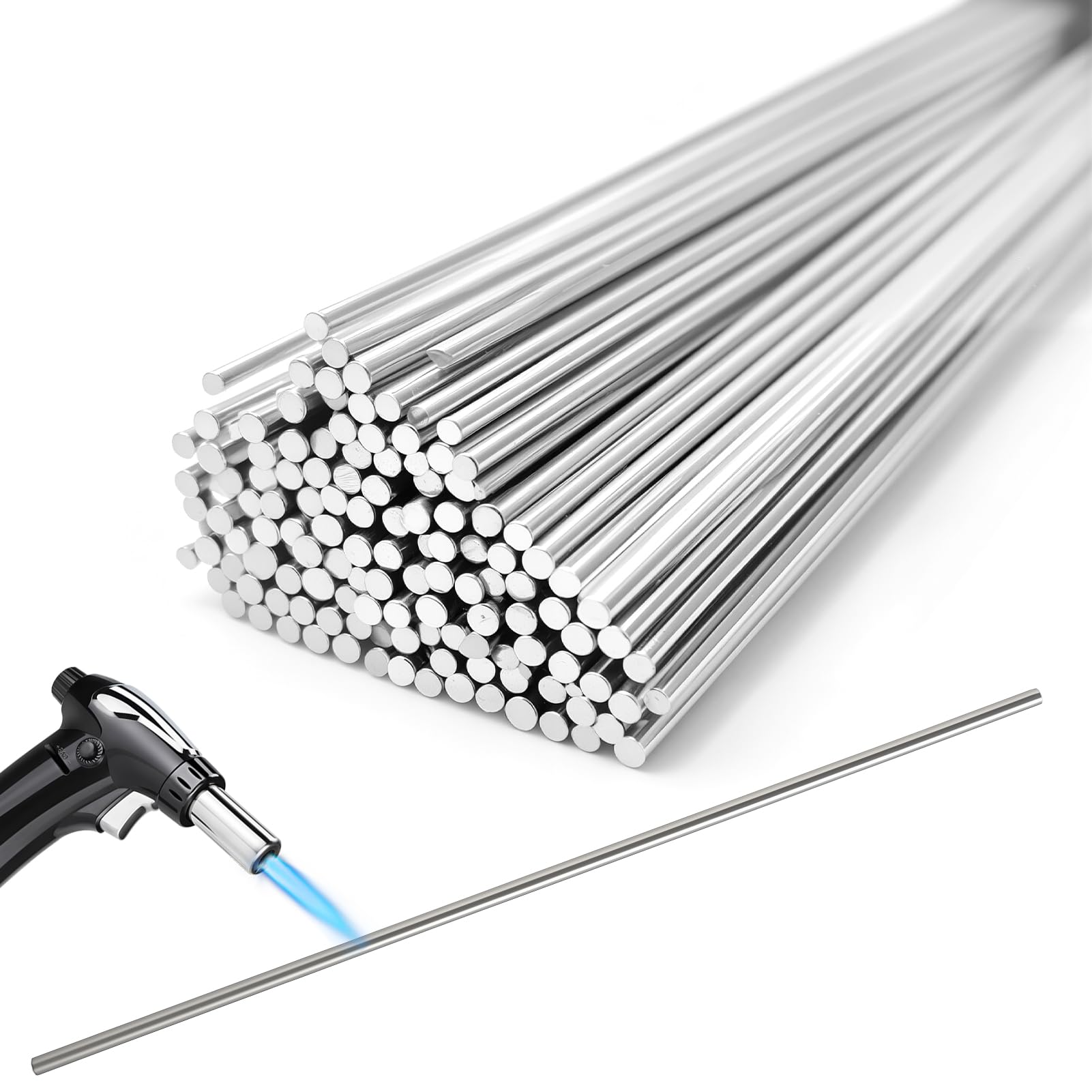
These rods are built for low-temperature aluminum brazing — patching thin sheet, HVAC fittings, and small fabrication work you can tackle without a full TIG setup. The 30-stick pack is compact and easy to store, and the solid aluminum composition is meant to flow into clean, properly heated joints when used with aluminum brazing flux.
They suit experienced DIYers and automotive technicians who already know how to prep aluminum and control torch heat. If you are still learning torch technique or working with thicker sections, you will likely find the margin for error too narrow here.
What People Say
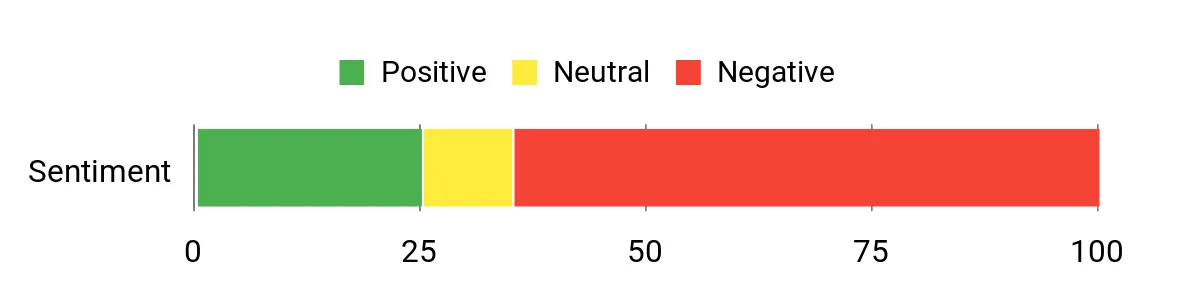
The handful of verified reviews note the rods work for small brazing jobs when torch heat and flux are both correct, but several buyers report inconsistent bonding unless the workpiece is heated thoroughly and the surface is clean down to bare metal. A few find them useful for light repairs; others say the rods melt without fusing when heat or prep falls short.
Overall Sentiment: Neutral
Versatility
Aimed at brazing and low-temperature torch work rather than arc welding. Works on aluminum, Al‑Mg alloys, and similar white metals with a propane/MAPP or higher-output torch. Success depends on material thickness and heating method — thicker sections are harder to bond reliably.
Durability
Brazed joints hold up well when prep and heat control are both correct. Poor technique or insufficient heat produces weak bonds, so outcomes vary more than with stick electrodes.
Key Benefits
- Low-temperature brazing for thin aluminum and alloys
- Compact 30-piece pack, easy to store and carry
- Solid aluminum construction for corrosion resistance in finished joints
Who Should Skip This
- Beginners learning torch technique — margin for error is low
- Anyone working on thick aluminum sections (>3mm)
- Welders who do not have a dedicated aluminum brazing flux on hand
Rating: 2.5/5 (3 reviews — limited data; use with caution)
2. WISUNO E6013 3/32 — Best Stick Electrode for Light Fabrication
Reach for these when you need a dependable, easy-to-run stick electrode. They strike readily, maintain a forgiving arc, and lay consistent beads on mild steel — which makes them a natural fit for hobbyists, learners, and anyone doing farm repairs or maintenance tasks with a compact inverter welder.
The 3/32″ diameter suits thinner plate and lighter-gauge work. If you move between repair jobs and don’t want to fuss with setup, these are a solid everyday rod to keep in the cabinet.
What People Say
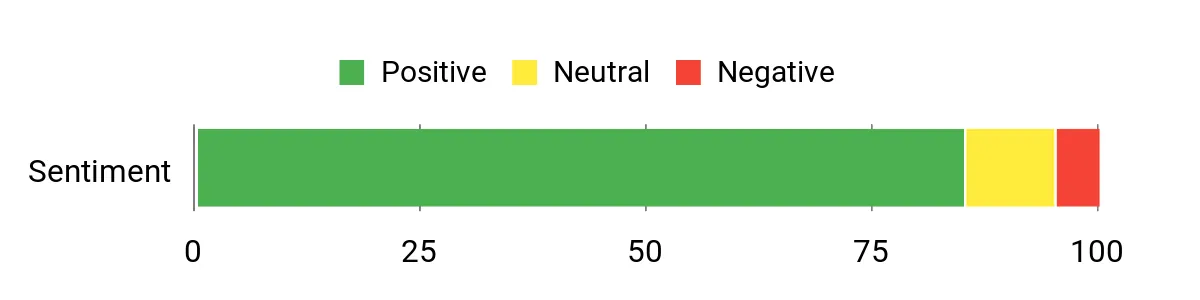
Buyers consistently praise how easily these rods start and how well they perform with compact stick welders. Many point to consistent beads on farm and maintenance repairs, and several call them good value for occasional or hobby welding. No significant pattern of complaints beyond the expected learning curve with stick welding in general.
Overall Sentiment: Positive
Versatility
Covers light fabrication, maintenance, and field repairs across AC and DC machines. Works with 110–220V inverters and standard AC transformer welders, making it one of the most flexible rods in the lineup for mixed equipment environments.
Durability
Produces solid penetration and durable welds for routine repairs when run with proper technique. Rods store well in original packaging — keep them sealed and dry between uses.
Key Benefits
- Easy to strike and maintain arc — ideal for beginners
- Works with small inverter and 110–220V welders
- Consistent bead quality for general repairs and light fabrication
Who Should Skip This
- Welders needing structural strength — step up to E7018 for load-bearing joints
- Anyone welding thicker plate (>3/16″) where 3/32″ diameter limits deposition
Rating: 4.6/5 (118 reviews)
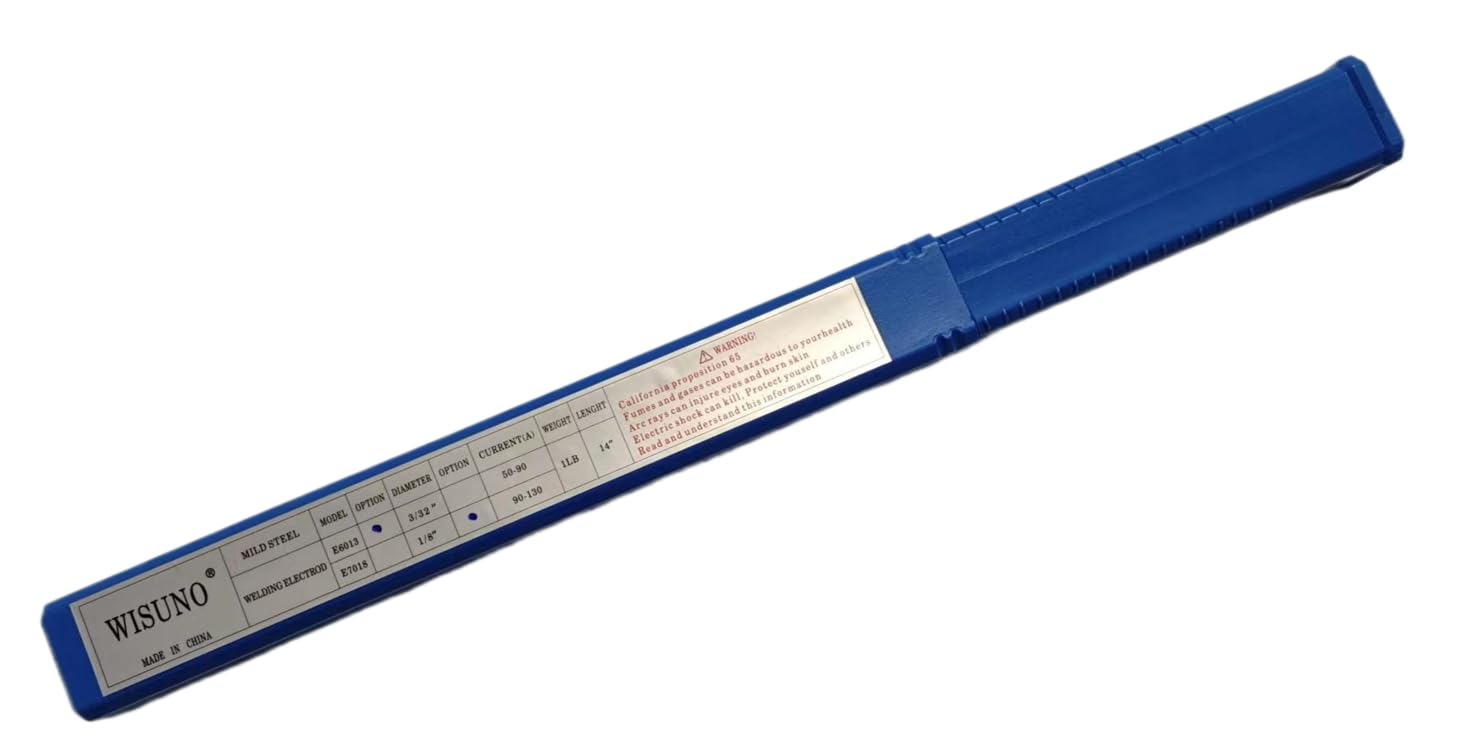
3. WISUNO E6013 1/8 — Best Stick Electrode for Heavier Repairs
Same forgiving E6013 chemistry as the 3/32″ version, stepped up to 1/8″ for more deposition on moderate-thickness mild steel. You get the same easy striking and steady arc, but with slightly better penetration suited to thicker plate, farm equipment repairs, and basic construction touch-ups.
Both inverter and conventional machines handle these well, so you can rotate between jobs without changing consumables. A buyer note worth flagging: packaging can allow moisture in, so inspect rods before use and re-seal the box after each session.
What People Say
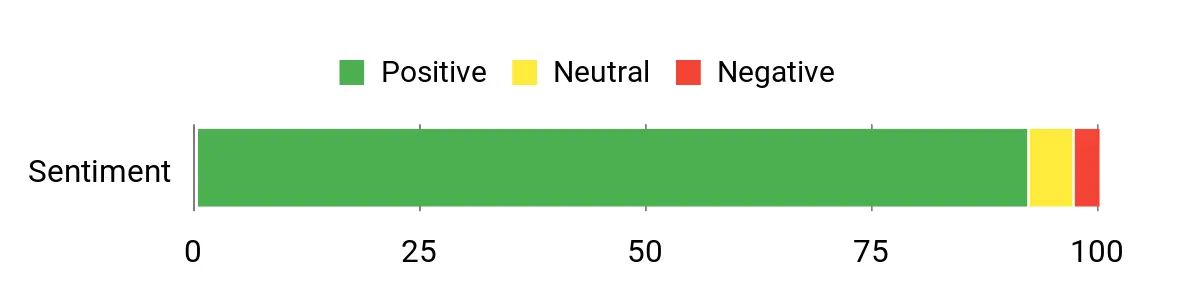
Most users praise the straightforward operation, especially with compact inverter welders. Consistent bead quality and reliable performance on farm and shop repairs are the most common positives. A few buyers mention packaging that can let moisture in, so storing rods in a sealed container between jobs is consistently recommended.
Overall Sentiment: Positive
Versatility
Handles routine maintenance, patching, structural touch-ups, and practice on mild steel. Works across AC and DC machines, making this a flexible option for welders who move between equipment.
Durability
Produces durable welds with decent penetration on everyday repairs when stored properly and run at the right amperage. Keep the packaging sealed to preserve coating quality.
Key Benefits
- Easy striking and steady arc on moderate-thickness mild steel
- Compatible with AC and DC welders
- Step up in deposition from the 3/32″ version for heavier plate
Who Should Skip This
- Anyone needing structural-grade welds — E7018 is the right call there
- Welders working very thin sheet — the 3/32″ version is easier to control
Rating: 4.7/5 (58 reviews)
4. WeldingCity ER70S-6 — Best Budget TIG Filler for Mild Steel
If you TIG mild steel regularly, ER70S-6 is the standard filler you reach for — and this 5 lb box from WeldingCity is one of the most consistently reviewed budget options available. The 36″ rod length and multiple diameter choices suit bench work and larger assemblies equally well, and the rods respond predictably to standard argon or argon/CO2 shielding.
Keep them dry and you have a dependable go-to for color-matched welds, routine fabrication, and repair tasks where clean puddle control matters.
What People Say
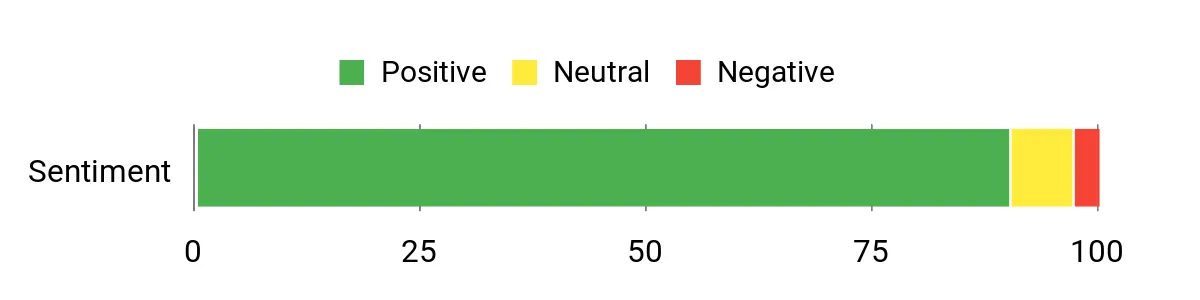
Buyers frequently highlight consistent weld quality and the attractive colorization these rods produce in the finished bead. Many appreciate the packaging and overall value per pound for workshop use. A few mention the 5 lb box adds shipping weight, but the quality feedback is overwhelmingly positive across a large review base.
Overall Sentiment: Positive
Versatility
Works across shop TIG tasks from light fabrication to production touch-ups. Multiple diameters in the same order suit thin to moderate plate thicknesses without ordering separate packs.
Durability
Produces strong, well-formed welds when stored dry and used with proper gas coverage. The long 36″ rod length reduces handling interruptions on longer seams.
Key Benefits
- Smooth arc and consistent bead control across diameters
- Multiple diameter options in the same purchase
- Good colorization and predictable weld quality — important for visible work
- 5 lb pack offers better cost per pound than small retail packs
Who Should Skip This
- Stick welders — ER70S-6 is a TIG filler and requires a TIG machine and shielding gas
- Anyone welding stainless or aluminum — wrong filler for those metals
Rating: 4.7/5 (221 reviews)
5. AZB Flux Aluminum Rods — Best Flux-Core Aluminum Brazing Rod
These rods simplify small aluminum repairs by combining flux inside the wire so you skip carrying separate flux. They work for patching thin sheet, pontoons, and light fabrication when you can bring the metal up to temperature and keep surfaces completely clean. The 50-piece pack gives you enough material for multiple small jobs.
The catch — and it comes up consistently in reviews — is that these rods demand stronger heat than many buyers expect. A small butane torch will not cut it on most repairs. You need at least a high-output propane or MAPP torch, and in some cases oxy-acetylene, to get reliable bonding.
What People Say
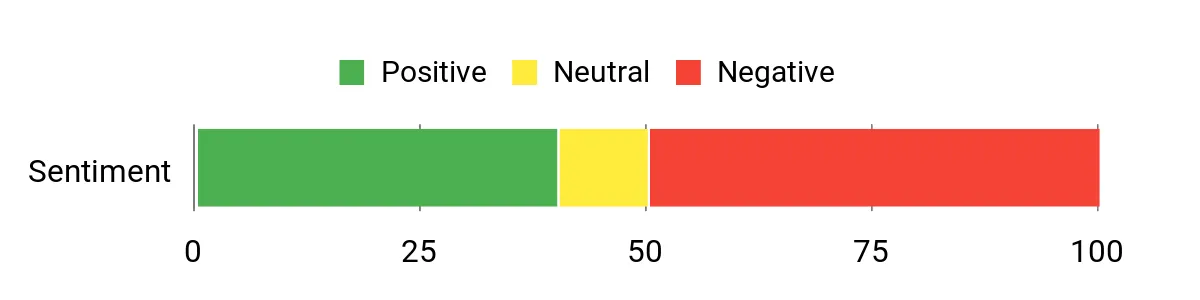
With 612 reviews this is the most-reviewed product in the roundup, and the split is informative. Some buyers report clean results on thin panels and pontoons; a larger group notes the rods melt without bonding unless a high-output heat source is used. The flux-core convenience draws people in, but heat requirements push many toward frustration without enough torch power.
Overall Sentiment: Neutral
Versatility
Good for thin aluminum and small patch work where you can apply high, even heat. Less reliable for thicker sections or radiator work without an industrial-grade heat source.
Durability
Joints hold up when heat and prep are both correct. Insufficient heat or contaminated surfaces produce weak beading that does not penetrate — which is the most common failure mode in the reviews.
Key Benefits
- Built-in flux — no separate flux needed
- 50-piece pack suited to multiple small repairs
- Compact length for access in tight spots
Who Should Skip This
- Anyone using a small butane or low-output propane torch
- Welders expecting arc-weld-level bond strength from a brazing rod
- Beginners who haven’t yet developed torch heat control
Rating: 3.7/5 (612 reviews)
6. VITASHYNX Aluminum — Best Low-Temp Brazing Pack
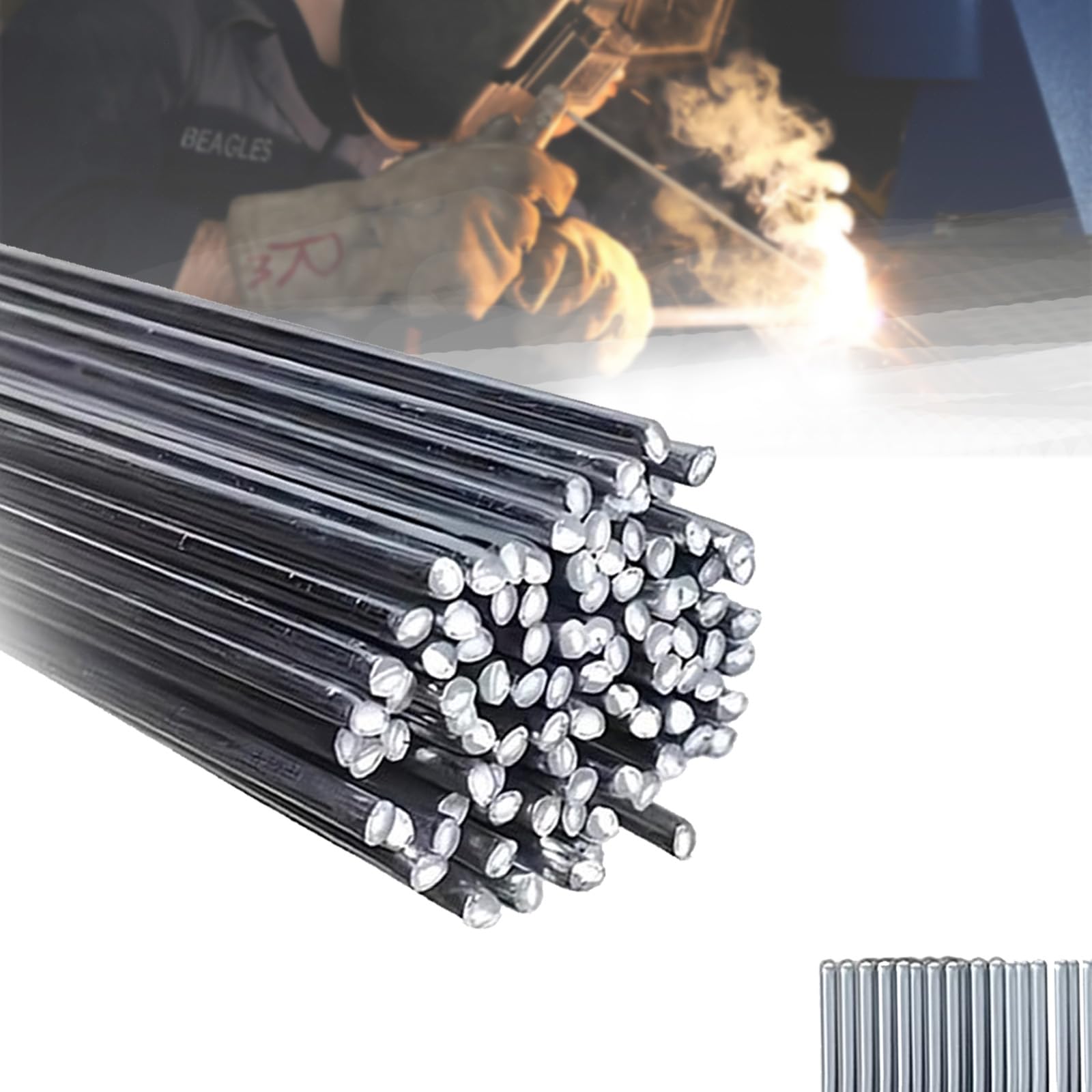
These low-melt brazing sticks are designed to speed up small aluminum repairs without a TIG rig. The built-in flux simplifies setup, the 572°F–752°F working range suits propane and MAPP torches, and the 60-piece pack keeps you stocked across multiple jobs. For thin panels, HVAC fittings, and portable repair work, they are a practical addition to a torch kit.
The 5.0/5 rating is based on only three reviews, so treat it as an encouraging early signal rather than a proven track record. The approach here is sound and the specs are clearly stated, but verify your torch output and surface prep match before depending on these for a critical repair.
What People Say
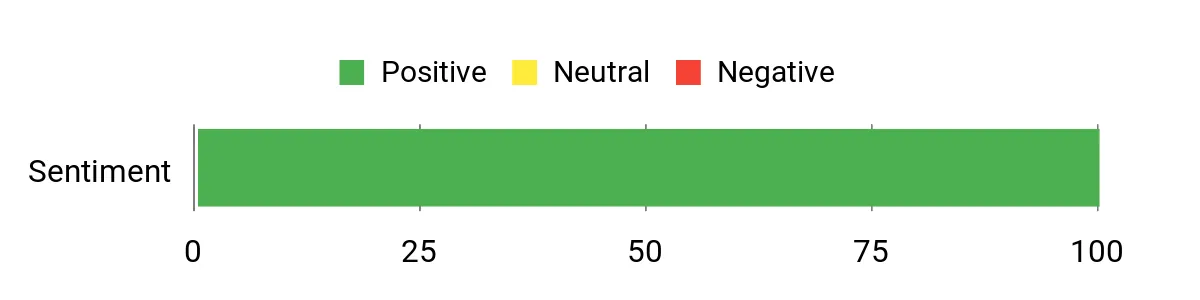
Early buyers highlight fast shipping and the convenience of built-in flux. Those who report results confirm the rods work well for thin aluminum and quick repairs when torch heat and surface prep are both dialed in. A few note that these are brazing sticks, not arc electrodes — torch choice and technique are everything.
Overall Sentiment: Positive (limited data)
Versatility
Best for brazing and filler work on thin aluminum, Al‑Mg alloys, and small components with a propane/MAPP torch. Not intended for arc welding or thick-section aluminum work.
Durability
Joints hold up for light-duty repairs when prep and heat control are both correct. As with all brazing rods, joint strength depends on clean surfaces and process discipline.
Key Benefits
- Low melting range suits propane and MAPP torches
- Built-in flux eliminates separate flux handling
- 60-piece quantity for repeated repairs
- Clear temperature rating (572°F–752°F) makes heat matching straightforward
Who Should Skip This
- Welders using stick machines — this is a torch brazing rod only
- Anyone needing structural repair strength on load-bearing aluminum
Rating: 5.0/5 (3 reviews — treat as early signal, not proven average)
7. WISUNO E7018 — Best Structural Stick Electrode
When a joint needs to hold under load, E7018 is the standard step up from E6013. The low-hydrogen coating resists moisture absorption and reduces the risk of hydrogen-induced cracking — which matters for structural fabrication, equipment maintenance, and any weld that will face stress in service. These give you a steadier arc and deeper penetration than the E6013s in this roundup.
The key discipline with E7018: store them in a sealed rod oven or airtight container. Exposed rods can absorb moisture and produce porosity. If you know your storage is solid, these are a reliable workhorse.
What People Say
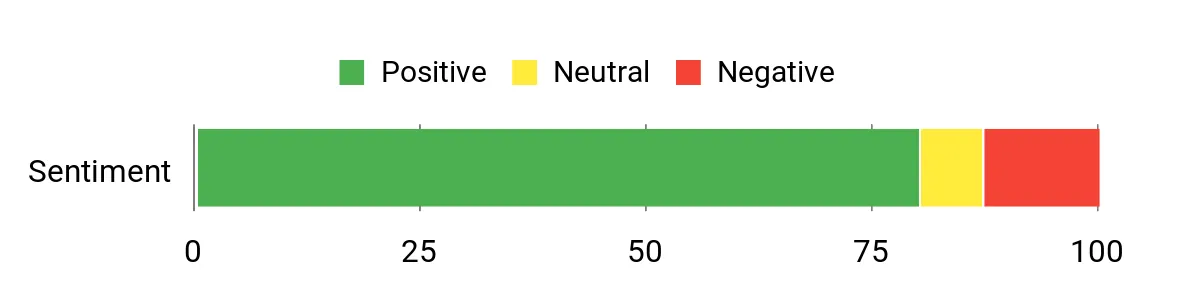
Buyers commonly report strong, clean welds and consistent arc behavior for structural and repair work. Many note the steady bead and low spatter when rods are properly stored. A minority reports occasional difficulty starting or inconsistent results in batches — which typically traces back to moisture exposure, so proper storage is consistently flagged as the most important handling factor.
Overall Sentiment: Positive
Versatility
Reliable for fabrication, equipment maintenance, and on-site repairs where joint strength matters. Suits hobbyists moving up to heavier structural work and professionals who need a dependable field electrode.
Durability
Produces crack-resistant welds when stored dry and run at the correct amperage. Joint strength depends on prep, amperage, and clean surfaces — fundamentals that pay off more with E7018 than with forgiving E6013.
Key Benefits
- Low-hydrogen coating reduces cracking risk on structural welds
- Deeper penetration than E6013 for load-bearing applications
- Compatible with AC and DC stick welders for field and shop use
Who Should Skip This
- Complete beginners — E6013 is more forgiving for learning stick technique
- Anyone without proper dry storage — E7018 rods exposed to moisture underperform
- Thin-plate work where E6013 gives better control
Rating: 4.3/5 (93 reviews)
8. Convivium ER308L — Best TIG Filler for Stainless Steel
ER308L is the standard TIG filler for 304 stainless, and the low-carbon composition is specifically important: it reduces carbide precipitation near the weld zone, which is what gives 308L its edge on corrosion resistance compared with regular 308. These rods feed cleanly into the puddle and give you predictable puddle control — useful for thin-gauge work where heat management matters.
The 16″ length and 20-piece pack suit bench work and lower-volume projects well. As with all stainless TIG work, pure argon shielding and clean base metal are non-negotiable for a quality result.
What People Say
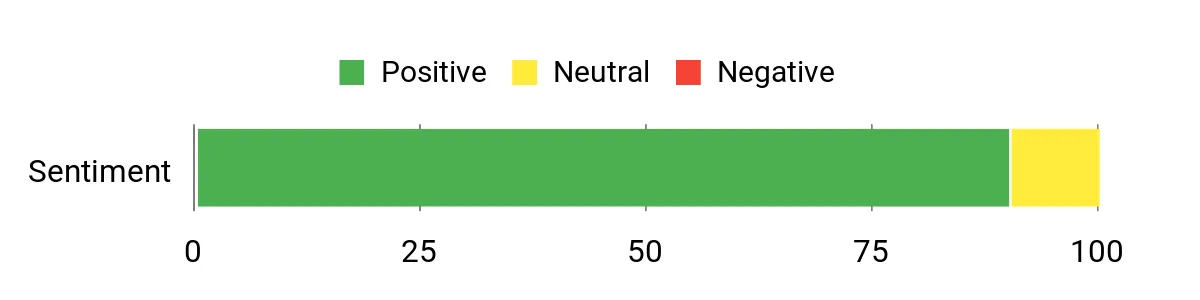
Early buyers consistently highlight clean puddle control and stable arc behavior. Most note the rods arrive clean and ready to use, and that they suit light fabrication and repair on 304 stainless well. The pack size is modest — better matched to occasional projects than high-volume production.
Overall Sentiment: Positive (limited data)
Versatility
Best for TIG on 300-series stainless in thin to moderate thicknesses. Ideal for repair, light fabrication, and TIG practice on stainless rather than high-volume production runs.
Durability
The low-carbon composition gives good corrosion resistance in finished joints. Rods perform reliably when stored dry and used with proper argon gas coverage.
Key Benefits
- Low-carbon ER308L composition — correct choice for 304 stainless
- Smooth feed and stable arc for clean, consistent beads
- 16″ length suits bench work without excessive rod waste
Who Should Skip This
- Stick welders — ER308L requires a TIG machine and argon gas
- Anyone welding 316 stainless — ER316L is the correct filler there
- High-volume production work where a larger pack makes more sense
Rating: 5.0/5 (7 reviews — treat as early signal)
9. NIEFARG Aluminum — Most Temperamental Aluminum Brazing Rod
These rods are aimed at quick torch aluminum repairs without a full TIG rig and without the need for separate flux. The slender sticks fit into tight joints, and the no-flux claim simplifies setup in theory. In practice, the 155-review dataset at 3.3/5 tells a more cautious story — these are the most contested product in this roundup.
They can work for small, well-prepped, well-heated repairs. But the margin for error is narrow: buyers who get bad results almost always trace it to insufficient torch heat, surface contamination, or expecting performance closer to TIG or stick welding than brazing can deliver.
What People Say
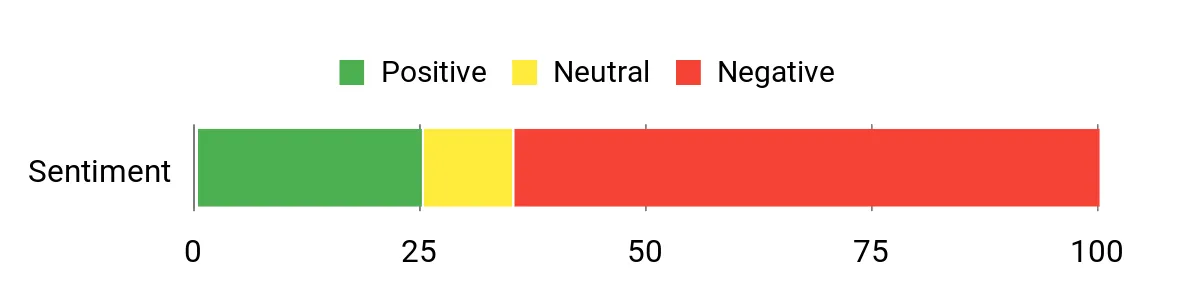
Buyers are split down the middle. Those who succeed report useful results on small, well-heated repairs. The majority of critical reviews cite rods that melt without bonding, heat requirements higher than the spec suggests, packaging issues, and rod diameter that makes handling difficult. Several experienced users recommend a stronger heat source or a different filler for anything thicker than thin sheet.
Overall Sentiment: Neutral
Versatility
Suited only to thin aluminum and small patch work where heat control and surface cleanliness are both excellent. Not a reliable option for thicker sections or low-output torches.
Durability
Joints can hold when process conditions are exactly right, but inconsistent heating or contaminated surfaces produce weak or non-bonding results more often than with the other aluminum brazing options in this roundup.
Key Benefits
- No separate flux required
- Thin sticks for tight joints and detail work
- Designed for aluminum and Al-Mg alloys
Who Should Skip This
- Beginners — the failure rate in reviews is too high without experienced torch control
- Anyone expecting easy bonding on thicker aluminum
- Welders using low-output propane torches
Rating: 3.3/5 (155 reviews)
10. Forney Supercote — Best Budget Hardfacing Electrode
Hardfacing electrodes occupy a niche the other rods in this roundup don’t touch — you use them to build up worn surfaces and apply a wear-resistant overlay rather than to join two pieces of metal. The Supercote lays down a hard, machinable layer suited to resurfacing anvils, rebuilding machine surfaces, and adding abrasion resistance to wear plates and agricultural equipment.
The arc runs smoothly and the slag lifts cleanly, which speeds cleanup after each pass. The finished weld metal forges and grinds well, so you can shape the repair to fit. For heavy-impact applications — hammer dies, rock crushers — you would want a tougher specialty alloy, but for common workshop and farm resurfacing this rod hits the right balance of performance and price.
What People Say
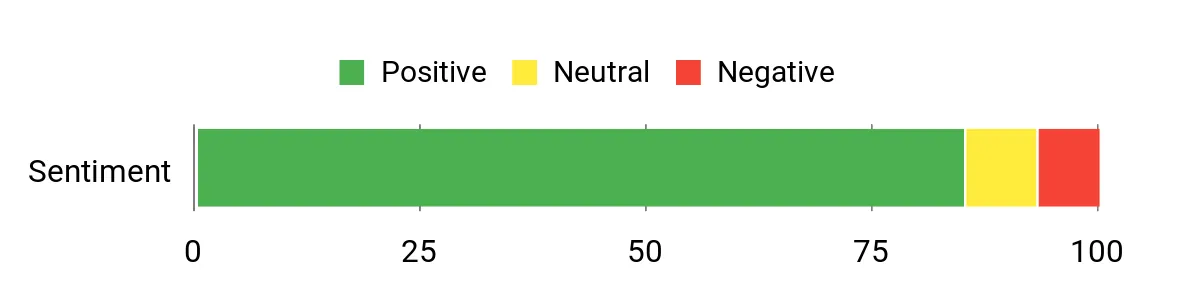
Users consistently highlight the smooth arc and how easily the slag lifts off, which makes multi-pass resurfacing faster. Successful results on anvil resurfacing, machine rebuilds, and farm-equipment wear surfaces are the most common positive reports. The main caveat across reviews: this rod is not built for high-impact applications, and buyers who use it expecting impact resistance are usually disappointed.
Overall Sentiment: Positive
Versatility
Well suited to resurfacing, buildup, and mild hardfacing tasks in workshop and farm settings. Not the best pick for high-impact or extreme abrasion environments — for those applications, look at specialty chromium-carbide or manganese hardfacing alloys.
Durability
Deposits a hard, wear-resistant layer that machines and grinds well for finishing. Longevity of the overlay depends heavily on whether the application involves abrasion, impact, or both — Supercote is optimized for the former.
Key Benefits
- Smooth arc and easy slag removal — faster cleanup between passes
- Good for moderate abrasion resistance and surface rebuilding
- Weld metal can be forged and ground for finished surfaces
- Proven track record with 184 reviews at 4.7/5
Who Should Skip This
- Anyone needing impact-resistant hardfacing — this rod is for abrasion, not shock
- Beginners unfamiliar with multi-pass hardfacing technique
Rating: 4.7/5 (184 reviews)
Full Comparison Table
| Product Name | Image | Rating | Rod Type | Material | Length | Best Application |
|---|---|---|---|---|---|---|
| SpaceWings Aluminum Brazing Rods (30 pc) |
 |
2.5/5 (3 reviews) | Brazing Rod | High-Purity Aluminum | 13 inches | Low-temp torch brazing — thin aluminum and Al-Mg alloys |
| WISUNO E6013 3/32 Stick Electrodes (1 lb) |
 |
4.6/5 (118 reviews) | Stick Electrode (SMAW) | Carbon Steel | ~14 inches (1 lb pack) | Light fabrication, thin-plate repairs, beginner stick welding |
| WISUNO E6013 1/8 Stick Electrodes (1 lb) |
 |
4.7/5 (58 reviews) | Stick Electrode (SMAW) | Carbon Steel | ~14 inches (1 lb pack) | Heavier mild steel repairs, farm equipment, general fabrication |
| WeldingCity ER70S-6 TIG Filler Rods (5 lb) |
 |
4.7/5 (221 reviews) | TIG Filler Rod (GTAW) | Mild Steel (ER70S-6) | 36 inches | TIG welding mild steel — fabrication, repair, bench work |
| AZB Flux Core Aluminum Rods (50 pc) |
 |
3.7/5 (612 reviews) | Flux-Core Brazing Rod | Aluminum with built-in flux | 13 inches | Torch brazing thin aluminum — patches, pontoons, small repairs |
| VITASHYNX Low-Temp Aluminum Brazing Rods (60 pc) |
 |
5.0/5 (3 reviews) | Brazing Rod (torch) | Aluminum with built-in flux | 13 inches | Low-temp propane/MAPP torch brazing — thin aluminum repairs |
| WISUNO E7018 Stick Electrodes (1 lb) |
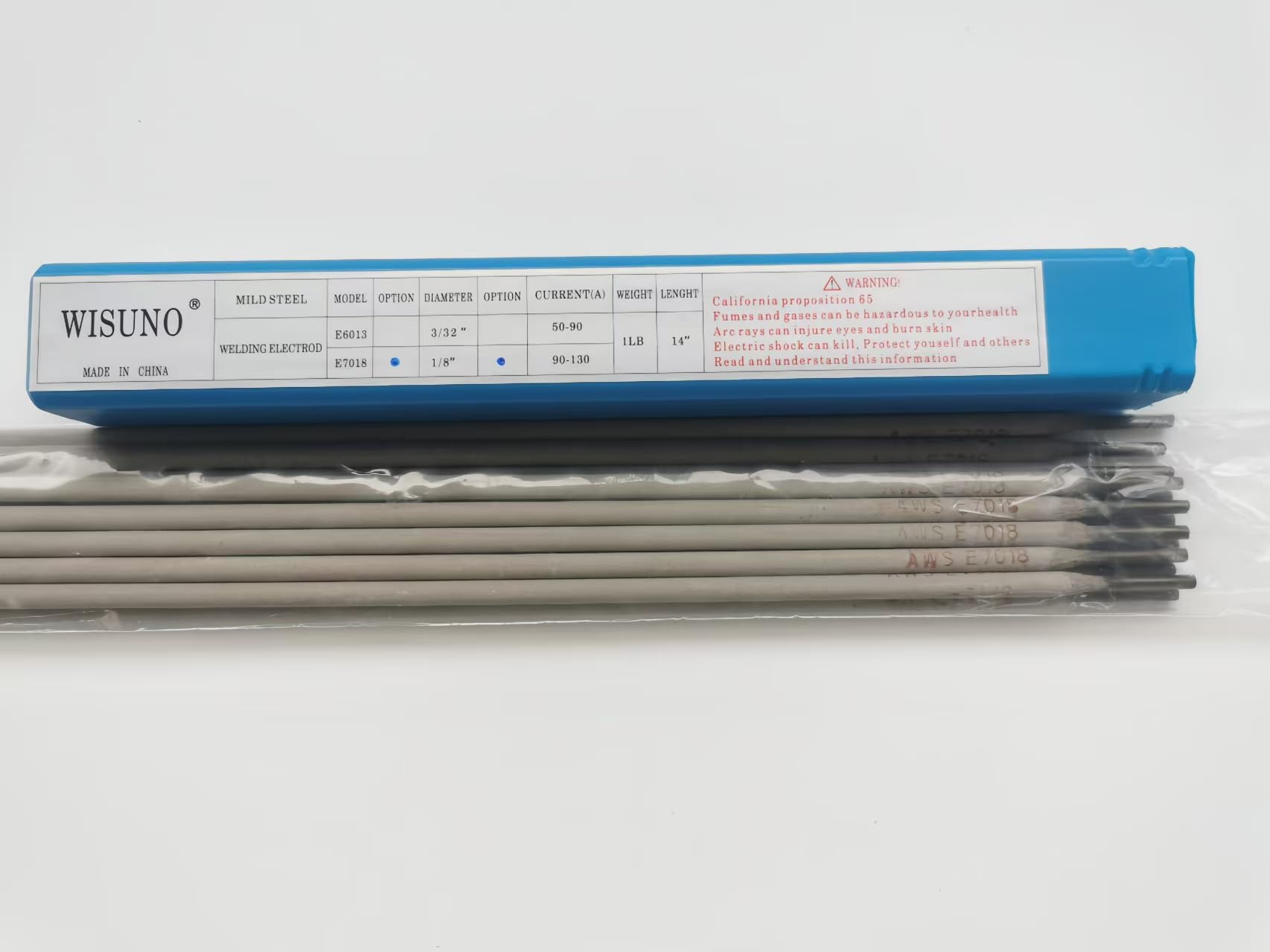 |
4.3/5 (93 reviews) | Stick Electrode (SMAW) | Carbon Steel, Low-Hydrogen | ~14 inches (1 lb pack) | Structural welds, load-bearing repairs, equipment fabrication |
| Convivium ER308L Stainless TIG Filler Rods (20 pc) |
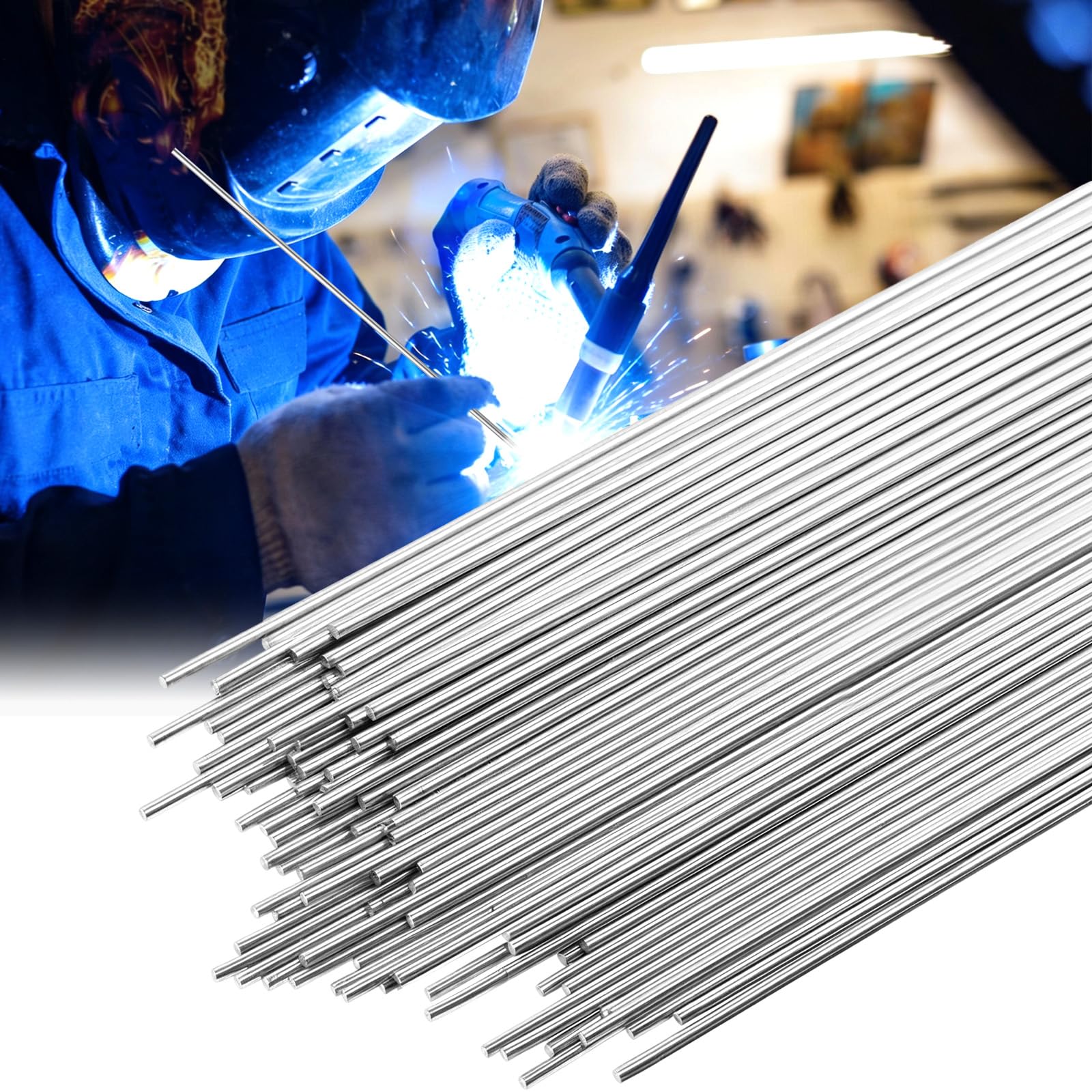 |
5.0/5 (7 reviews) | TIG Filler Rod (GTAW) | Low-Carbon Stainless (ER308L) | 16 inches | TIG welding 304 stainless — repair, light fab, food-grade work |
| NIEFARG Aluminum Brazing Rods (30 pc) |
 |
3.3/5 (155 reviews) | Brazing Rod (torch) | Aluminum | 13 inches | Torch brazing thin aluminum — experienced users only |
| Forney 42401 Supercote Hardfacing Electrodes (1 lb) |
 |
4.7/5 (184 reviews) | Hardfacing Electrode (SMAW) | Super Hard Facing Alloy | ~15 inches (1 lb pack) | Surface buildup, abrasion overlay — anvils, machine parts, wear plates |
FAQ
Which Rod Should I Use?
Match the rod to the metal and the process you are running. For stick welding mild steel, reach for E6013 when you want easy striking and forgiving behavior — the 3/32″ for thinner plate, the 1/8″ for heavier sections. Move up to E7018 when the joint needs structural strength and crack resistance. For TIG on mild steel, ER70S-6 is the industry standard; for 300-series stainless, ER308L is correct. For aluminum without a TIG setup, choose a torch brazing rod matched to your heat source — propane/MAPP for low-temp options like VITASHYNX or AZB, or higher-output torch for SpaceWings and NIEFARG. The Forney Supercote sits in its own category for surface buildup and abrasion resistance. Process and base metal come first — match those before you think about price.
Why Won’t My Aluminum Rods Bond?
The three most common causes: insufficient heat, surface oxide layer, or wrong rod for the application. Aluminum forms an oxide layer instantly on exposure to air — that layer has a much higher melting point than the base aluminum and will prevent bonding if you don’t remove it. Wire-brush the joint with a stainless brush dedicated to aluminum, heat the base metal to the rod’s working temperature before touching the rod to the joint, and confirm your torch can actually reach that temperature. Small butane and low-output propane torches often cannot sustain the heat needed on aluminum thicker than thin sheet. Also remember: brazing rods are not arc electrodes and will not function correctly in a stick welder.
How Should I Store and Handle Rods?
Moisture is the biggest enemy for coated electrodes like E7018 — it degrades the low-hydrogen coating and causes porosity and cracking in the finished weld. Store E7018 in a sealed rod oven or airtight container; once opened, re-seal between sessions. E6013 is more moisture-tolerant but should still be kept in dry storage. For TIG filler rods (ER70S-6, ER308L), keep them in a dry tube or sealed bag and inspect for contamination before use. Aluminum brazing rods should be kept clean and away from oils and contaminants — surface cleanliness on the rod matters as much as on the base metal.
What Is the Difference Between E6013 and E7018?
Both are mild steel stick electrodes, but they are designed for different performance levels. E6013 uses a rutile coating that makes it easy to strike, forgiving on inconsistent technique, and good for light fabrication on thinner plate. E7018 uses a low-hydrogen iron powder coating that produces stronger, crack-resistant welds suited to structural applications, but it requires dry storage and slightly more technique to run well. If you are learning stick welding, start with E6013. If you are welding something that needs to hold under load, use E7018.
Can I Use TIG Filler Rods in a Stick Welder?
No. TIG filler rods (ER70S-6, ER308L, and similar) are bare wire without flux coating — they cannot sustain an arc in a stick welder and will not produce a weld. They require a TIG machine, a tungsten electrode, and shielding gas to function. Similarly, aluminum brazing rods are not electrodes and cannot be used in any arc welding process.
What Welders Choose — Process Guide
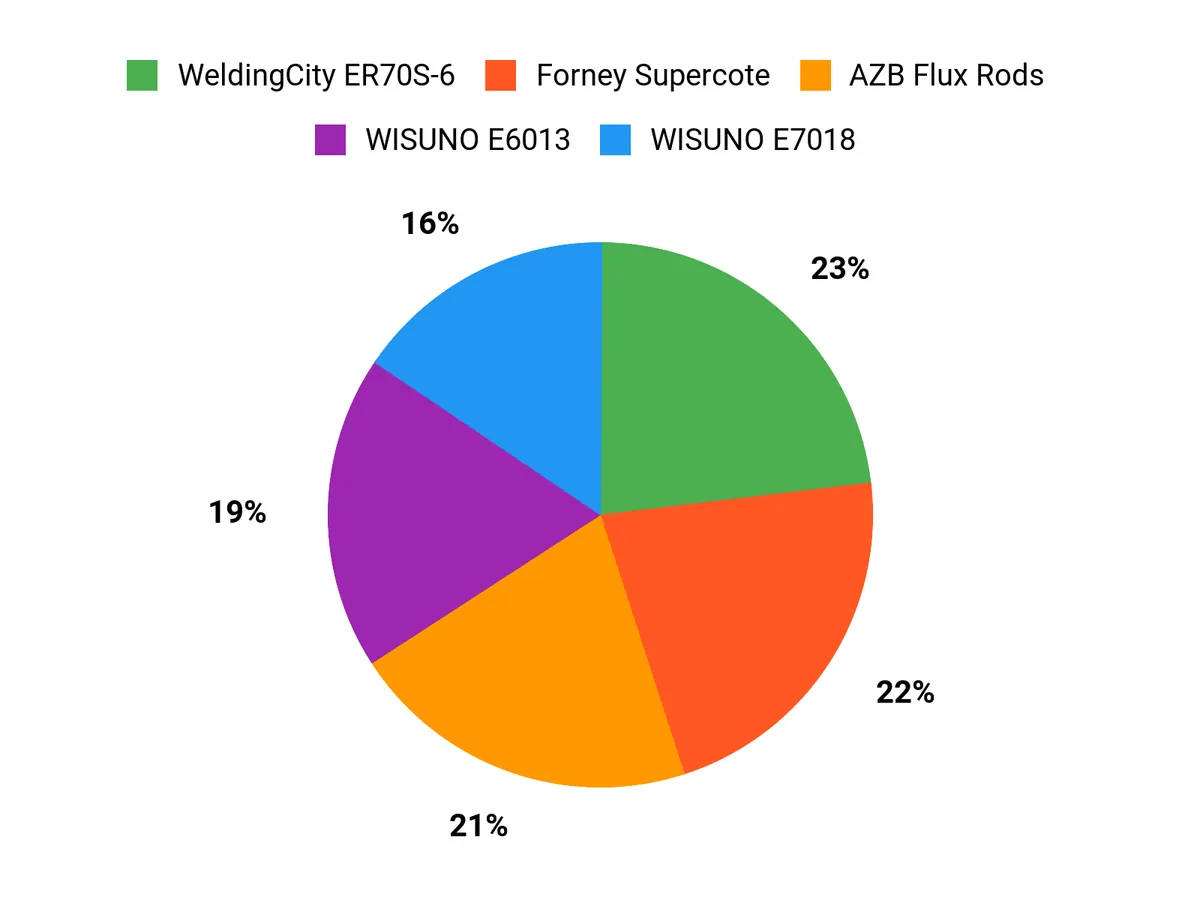
The most common selection pattern in verified feedback: buyers running stick setups with inverter welders tend to land on the WISUNO E6013 rods as the everyday choice, with E7018 reserved for jobs where structural integrity is the priority. TIG welders running mild steel consistently return to the WeldingCity ER70S-6 for its reliable puddle behavior and value per pound. For stainless TIG work, the Convivium ER308L fills the gap cleanly. The aluminum brazing options serve a specific subset of buyers — those doing torch repair work without a TIG setup — and the VITASHYNX and AZB options draw the most positive feedback in that group. The Forney Supercote is the only hardfacing electrode here and earns strong, consistent praise from the workshop and farm maintenance audience it is built for.
Final Verdict
Ten rods, five processes. If you weld mild steel with a stick machine, the WISUNO E6013 rods (3/32″ or 1/8″ depending on plate thickness) are the most consistent performers in this price range — and E7018 is the right upgrade when load-bearing strength matters. For TIG on mild steel, the WeldingCity ER70S-6 has the strongest review base in the roundup and earns the recommendation outright. Stainless TIG welders should go with the Convivium ER308L. Aluminum brazing buyers will get the most reliable experience from VITASHYNX or AZB — but only with the right torch and meticulous prep. The Forney Supercote fills a specific role no other rod here covers, and the review data backs it up.
Match the rod to your process and base metal before you consider price. Get that right and the weld follows.
This roundup is reader-supported. When you click through links on this page we may earn a referral commission on qualifying purchases at no additional cost to you.