Disclosure: As an Amazon Associate, we earn from qualifying purchases. If you click a link on this page and make a purchase, we may receive a small commission at no extra cost to you.
Small metal repairs can be frustrating when a full welding setup feels excessive and too much heat could distort a thin part. The Seimneire Low Temperature Welding Rods are a compact six-piece option for practice, hobby work, and light nonstructural repairs involving aluminum, stainless steel, copper, and iron. Their short 72 mm length and low-melt formula make them easy to store, but the small pack and limited strength keep them firmly in the light-duty category. This review explains the verified specifications, realistic uses, safety concerns, and reasons you may want a more conventional brazing or welding product instead.
Editorial note: This assessment is based on the current product listing and buyer-focused technical review. It is not a laboratory strength test or a substitute for the product instructions.
Quick Verdict
Rating: Recommended with caveats
Best For: Practice pieces, craft projects, and small non-load-bearing repairs on compatible clean metal.
Bottom Line: The six short rods are portable and designed to melt with modest heat. You still need careful surface preparation, ventilation, and realistic expectations because this is not a structural welding solution.
Key Specifications
| Specification | Detail |
|---|---|
| Brand | Seimneire |
| Part number | DX2230 |
| ASIN | B0FQJSKBVW |
| Product type | Low-temperature multipurpose repair rods |
| Material listed | Aluminum powder |
| Rod length | 72 mm, about 2.83 inches |
| Package quantity | 6 rods |
| Item weight | 1.76 ounces |
| Package dimensions | 3.07 × 2.44 × 1.26 inches |
| Listed metal uses | Aluminum, stainless steel, copper, and iron |
| Best use | Practice, hobby projects, and small nonstructural repairs |
| Safety limit | Not for structural, load-bearing, pressure, vehicle-frame, lifting, or safety-critical joints |
What Are the Seimneire Low Temperature Welding Rods?
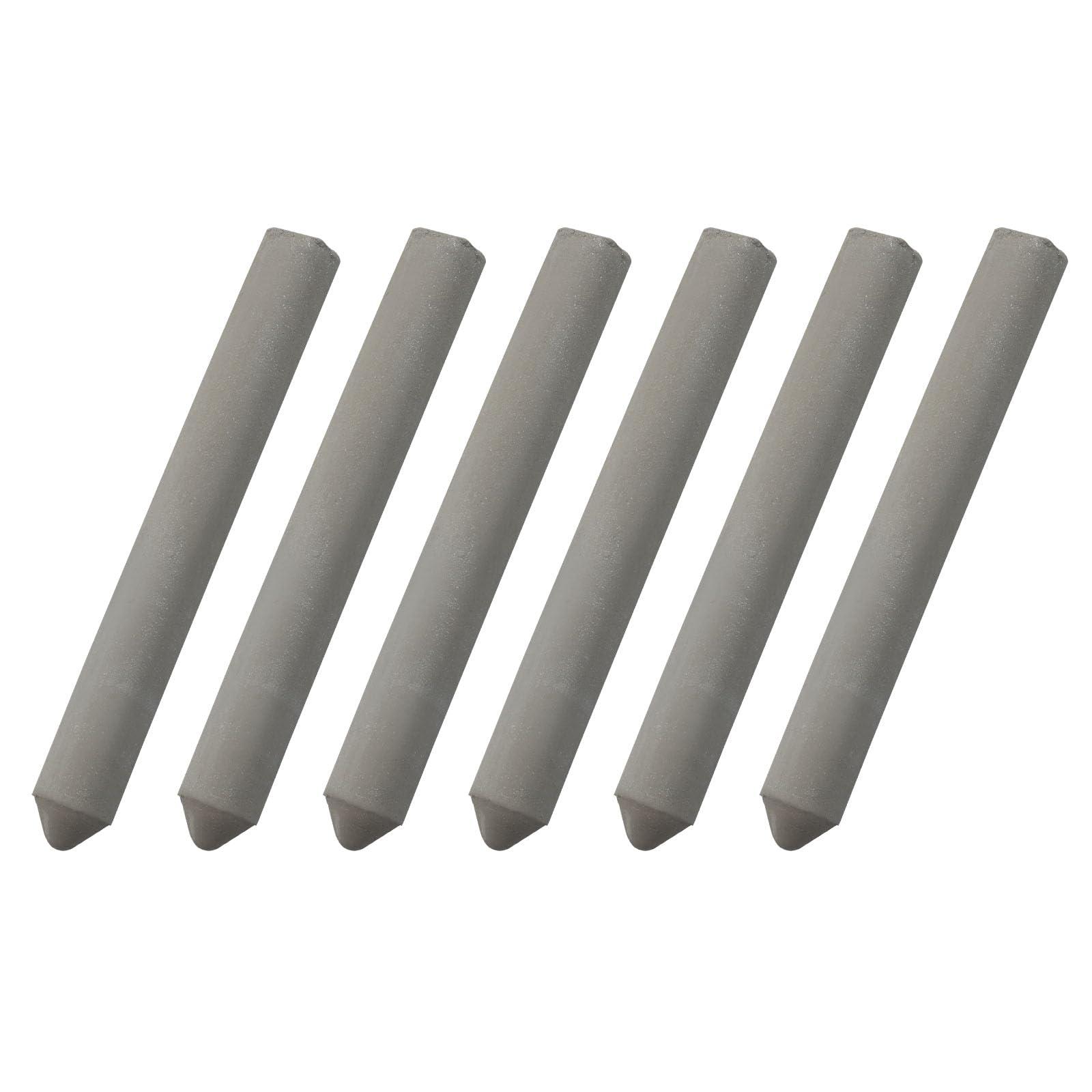
The Seimneire rods are short, low-melt repair consumables sold in a six-piece pack. The Amazon listing identifies aluminum powder as the material and says the rods can be used for repairs involving aluminum, stainless steel, copper, and iron. The listing also describes them as easy-melt rods that do not need separate soldering powder and may be heated with a lighter.
That description can make the product sound like a direct substitute for welding, but it is safer to view it as a small repair and practice product. A low-temperature filler may bond or bridge a prepared surface, yet the finished joint should not be assumed to match a properly engineered weld or brazed connection. The lack of a published alloy grade, melting range, tensile strength, or recognized classification limits how confidently you can use it.
Before You Buy: The listing does not publish a certified alloy designation, joint-strength rating, or structural-use approval. Do not use these rods where joint failure could injure someone, release pressure, damage a vehicle, or support weight.
Who Should Buy It?
Best For
- DIY users practicing heat control and filler flow on scrap metal.
- Hobbyists making small decorative or non-load-bearing repairs.
- Buyers who want a tiny, portable pack for occasional light work.
Skip If
- You need a structural, pressure-tight, code-compliant, or load-bearing repair.
- You need a known alloy, published melting range, or documented joint strength.
- You want enough material for repeated projects or long seams.
Build, Size, and Package Details
Each rod is listed at 72 mm long, which is about 2.83 inches. That short format keeps the pack compact, and the full item weighs only 1.76 ounces. It is easy to place in a small tool drawer or carry case, but you have less material to hold and feed than you would with a full-length brazing rod.
The package contains six grey rods. That quantity is enough for short practice runs and a few small repairs, depending on how much material each joint needs. It is not a good value format for repeated fabrication, larger gaps, or long seams because the rods can be consumed quickly.
Ease of Use and Heat Control
The main selling point is the low-melt design. Lower heat can help when you are working with thin parts that may distort or burn through under a stronger torch. The listing says the rods can be ignited with a lighter, but you should treat that as a product claim rather than a guarantee of joint quality. The base metal still needs enough even heat for the filler to wet and flow across the surface.
A common mistake with easy-melt rods is heating the rod directly until it drips onto cold metal. That may create a bead that sits on top without forming a dependable bond. Heat the work area gradually, keep the flame and fumes away from your face, and stop if the base material begins to discolor or deform.
Pro Tip: Practice on an offcut of the same metal before repairing the real part. Mark the heat zone, clean it to bright metal, and test whether the filler spreads across the surface instead of forming a loose ball.
Metal Compatibility and Joint Limits
The listing names aluminum, stainless steel, copper, and iron. That is a broad claim for one low-temperature product, so compatibility should be tested rather than assumed. Different metals develop different oxide layers and conduct heat at different rates. Aluminum can form a stubborn oxide film, copper pulls heat away quickly, and stainless steel may need more careful cleaning and temperature control.
You should also separate material compatibility from joint suitability. A rod may melt against a metal without producing a strong or durable joint. Use these rods only for repairs where failure would be inconvenient, not dangerous. Avoid vehicle frames, suspension parts, fuel systems, brake components, lifting points, pressure vessels, gas lines, electrical safety grounds, and structural brackets.
Surface Preparation and Usage Tips
- Identify the base metal. Do not start until you know what the part is made from and whether it has a coating or plating.
- Remove paint, grease, and oxidation. Use a suitable degreaser and a dedicated abrasive or wire brush to expose clean metal.
- Fit the joint closely. A wide gap consumes the short rods quickly and usually produces a weaker repair.
- Support the part. Clamp it so the joint cannot move while the filler cools.
- Heat the work, not just the rod. Bring the base metal up gradually and touch the filler to the heated area.
- Let the joint cool naturally. Rapid quenching can stress some metals and makes it harder to judge the finished bond.
- Inspect before use. Look for cracks, poor wetting, loose edges, and movement under light hand pressure.
How It Performs in Real Use
Practice on Scrap Metal
This is the strongest use case. The six-pack lets you learn how a low-temperature filler behaves without committing to a large package. You can compare cleaned and uncleaned surfaces, vary the heat, and see whether the filler wets the metal or simply piles up.
Small Brackets and Decorative Pieces
A light bracket, ornament, trim piece, or non-load-bearing housing may be a reasonable candidate when the part can be removed, cleaned, and clamped. Keep the repaired item away from high heat, vibration, and repeated bending until you know how the joint holds up.
Copper Fittings and Thin Metal Housings
The listing includes copper among the intended metals, but do not use these rods on plumbing, refrigerant lines, gas lines, or pressure systems unless the filler is specifically approved for that service. For a decorative copper piece or a nonpressurized craft item, a scrap test can help you judge flow and adhesion.
Temporary Field or Emergency Fixes
The compact pack is easy to carry, but a low-temperature repair should not be treated as an emergency fix for a critical part. It may help secure a loose nonessential cover or small workshop item until a proper repair is made. It should never be used to return an unsafe vehicle, tool, pressure system, or load-bearing assembly to service.
Safety and Material Considerations
The listing notes that the product can produce an odor during use. Work with local ventilation that pulls fumes away from your breathing zone, and do not rely on an ordinary dust mask as your only protection. Use appropriate gloves, clothing, and eye protection for the heat source and metal being worked.
Keep flames away from solvents, fuel, sawdust, paint, batteries, upholstery, and other combustible materials. Do not heat sealed containers, coated parts, galvanized metal, or unknown alloys until you understand the fume hazard. OSHA identifies metal fumes, burns, eye damage, and fire as hazards associated with welding, cutting, and brazing, so review its welding, cutting, and brazing guidance before hot work.
Customer Feedback Context
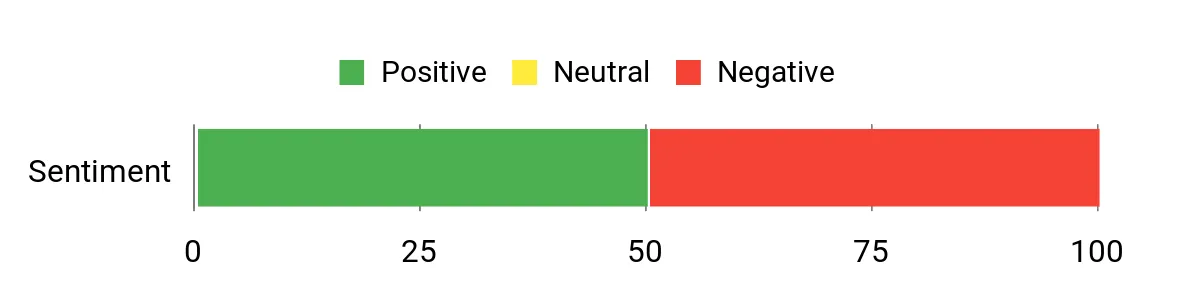
The original article included a neutral sentiment summary based on a very small review sample. That is not enough evidence to predict long-term durability or consistent results across different metals. Treat the chart as a limited historical snapshot, not as proof that the rods will perform the same way on your project.
Overall Sentiment: Neutral, based on limited historical feedback.
Pros and Cons
Pros
- Compact 72 mm rods are easy to store and carry.
- Six-piece pack is suitable for practice and occasional small repairs.
- Low-melt design may reduce heat exposure on thin parts.
- Listing covers several common metals, including aluminum, copper, stainless steel, and iron.
- The listing says no separate soldering powder is required.
Cons
- No published alloy grade, melting range, joint-strength data, or structural certification.
- Short rods and a six-piece count provide limited material for larger work.
- Results can vary with metal type, surface preparation, heat control, and joint fit.
Why Buyers Consider This Six-Pack
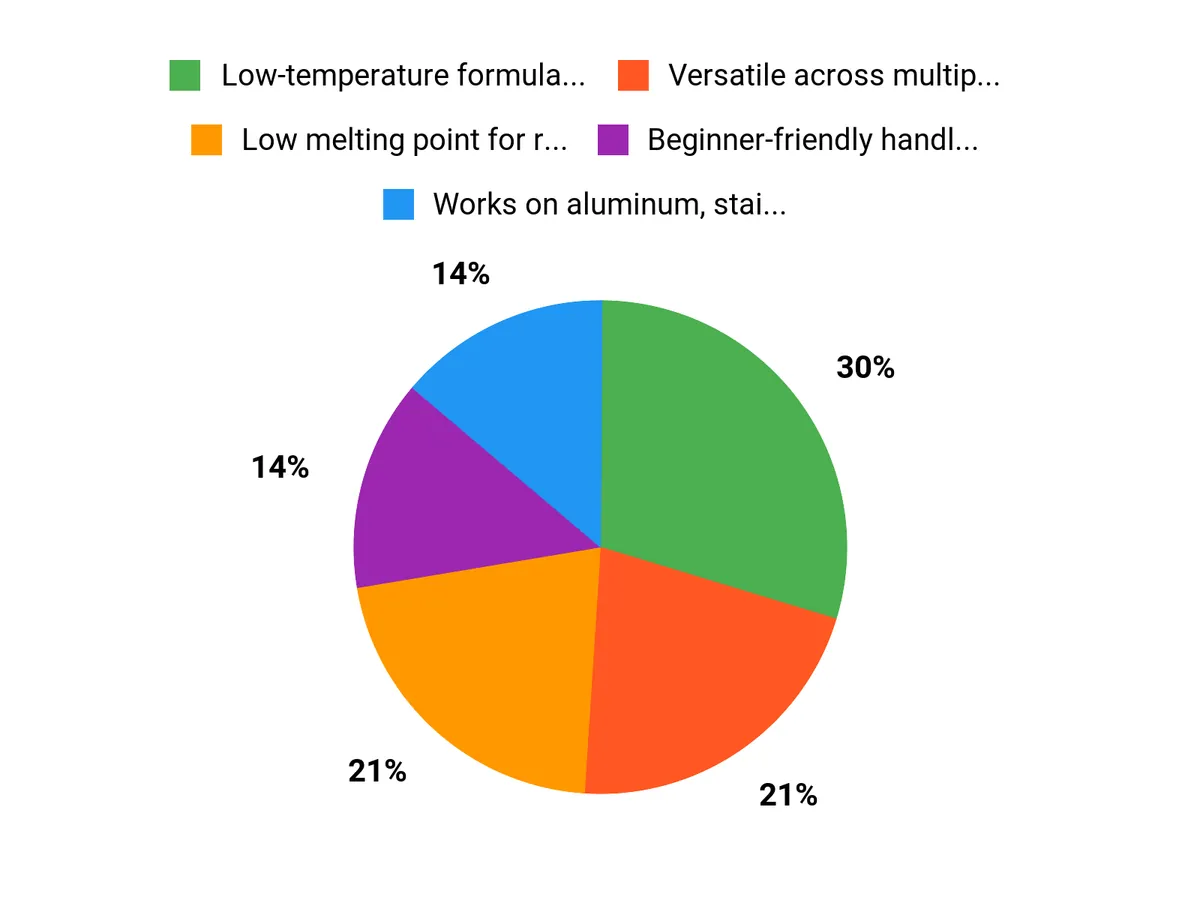
The main appeal is convenience. You get a tiny pack that is easy to store, and the product is marketed as usable with lower heat than conventional welding consumables. That can make it less intimidating for a beginner who wants to practice on scrap or complete a small craft repair.
The limitation is equally clear. The rods are not backed by the technical data you would expect from a filler metal selected for structural or code work. Buyers who value portability and low commitment may find the pack useful, while anyone who needs repeatable strength should choose a documented brazing alloy or welding filler matched to the base metal.
Is It Worth the Price?
This is a budget-oriented trial pack rather than a full workshop supply. It offers the most value when you want to test low-temperature repair rods on scrap or complete one or two tiny, noncritical jobs. The six-piece quantity also limits waste if you are unsure whether this type of filler suits your metal and heat source.
It is less compelling for frequent use because each rod is only 72 mm long. A larger pack, a longer aluminum brazing rod, or a conventional filler alloy may provide better value for repeated repairs. The absence of published strength and alloy data is the main reason not to buy solely on the low-melt claim.
How It Compares to Alternatives
A Tandefio low-temperature rod pack may suit you better when you want more pieces for practice, while ALUMALOY-style aluminum repair rods are worth comparing if your work is limited to aluminum and you prefer a longer rod format. Conventional aluminum brazing alloys or properly selected welding filler are the better choice when joint strength, service temperature, or repeatability matters.
The Seimneire six-pack makes the most sense when compact size and a small trial quantity matter more than technical documentation or bulk value.
Frequently Asked Questions
Are these rods suitable for structural repairs?
No. The listing does not provide a structural rating, alloy classification, or joint-strength data. Use them only for small non-load-bearing work where failure will not cause injury or serious damage.
Which metals are listed as compatible?
The product listing names aluminum, stainless steel, copper, and iron. Compatibility can still vary with oxide layers, coatings, surface preparation, and heat control, so test an offcut of the same metal first.
Can you really melt them with a lighter?
The listing says they can be ignited with a lighter, but melting the rod is not the same as creating a sound joint. The base metal must be heated evenly enough for the filler to wet the prepared surface.
Do the rods need flux or soldering powder?
The listing says no separate soldering powder is required. It does not publish a full composition or explain whether flux is built into the product, so follow the package directions and avoid adding unknown chemicals.
How many rods are included and how long are they?
The package contains six rods. Each rod is listed at 72 mm, or about 2.83 inches, so the set is better for short practice runs and small repairs than long seams.
What preparation gives the best chance of a clean bond?
Remove paint, grease, and oxidation until you reach clean metal. Fit and clamp the joint closely, heat the work area gradually, and practice on scrap before touching the final part.
Who should skip this product?
Skip it if you need certified strength, a pressure-tight joint, a repair on a vehicle safety system, or a documented filler alloy. It is also a poor fit for large projects because the rods are short and only six are included.
The Bottom Line
The Seimneire Low Temperature Welding Rods are worth considering for scrap practice, crafts, and tiny noncritical repairs where compact size and a low-melt design are useful. Skip them for structural, pressure, vehicle-safety, or load-bearing work because the listing does not provide the alloy classification or strength data needed for those jobs. Their main strength is convenience, and their main limitation is the lack of technical documentation.
Ready to Buy?
Check the latest price, seller status, and product details before you decide.