As an Amazon Associate I earn from qualifying purchases. Buying through these links costs you nothing extra.
ER308L TIG rods are the standard filler for TIG welding 304 and other 300-series stainless, and the right pick mostly comes down to rod diameter and pack size. For thin sheet and tubing, choose 1/16″ rods; for thicker joints, step up to 3/32″ or 1/8″. This guide compares ten ER308L TIG rods sold on Amazon by diameter, pack size and best use.
For most light stainless TIG work, 1/16″ rods are easier to control. For medium joints, exhaust work and brackets, 3/32″ or 1/8″ rods give you more filler and deeper fusion. Sizes and pack contents below come from the Amazon listings and can change, so confirm them on the listing before you order.
Quick Picks
- Best overall ER308L TIG rod: YESWELDER ER308L 1/16″ x 16″ 5 lb pack.
- Best for consistent handling: ARCCAPTAIN ER308L 1/16″ x 16″ 5 lb pack.
- Best for light stainless projects: Convivium 1/16″ ER308L pack.
- Best for heavier stainless joints: ARCCAPTAIN 1/8″ ER308L pack.
Top Picks
| Category | Product | Best For |
|---|---|---|
| Best Overall | YESWELDER ER308L | Reliable 1/16″ ER308L stainless TIG work |
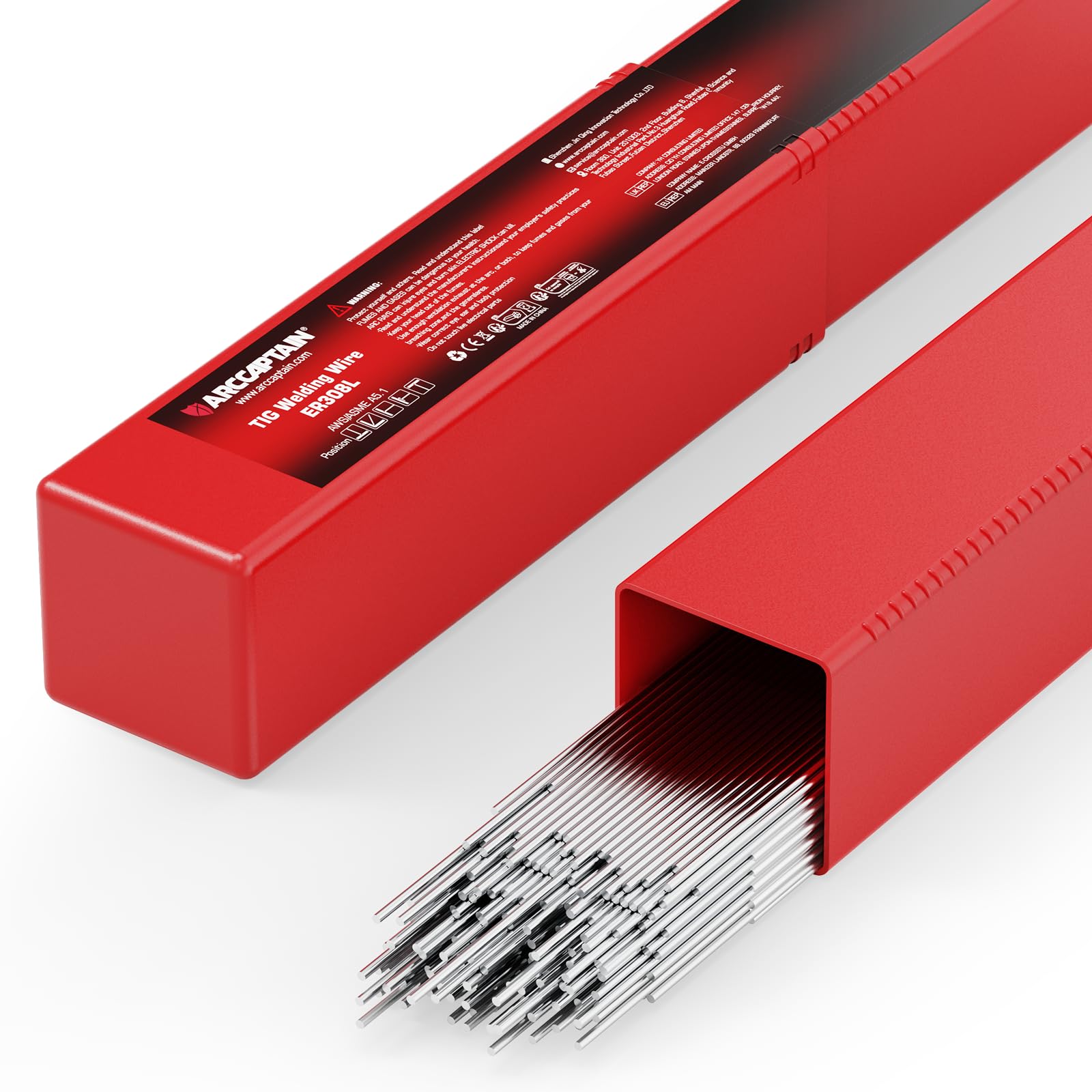
| Most Consistent | ARCCAPTAIN ER308L | Clean handling and organized storage |
| Best For Light Projects | Convivium 1/16 | Thin stainless, tubing, and practice |
| Best For Heavier Joints | SONNLER 3/32 | Medium stainless joints and repairs |
| Best Penetration | ARCCAPTAIN 3/32 | More filler for medium-thickness work |
| Best for Beginners | YESWELDER 3/32 | Practice plus general repair work |
| Best Quantity Pack | UNIFAMILY 1/16 | Small repairs and occasional use |
| Best Budget Pick | YXINANOM 1/16 | DIY practice and light shop projects |
| Best For Heavy Fabrication | ARCCAPTAIN 1/8 | Thicker stainless and fewer passes |
| Best Workshop Pack | Convivium 40pc | Organized thin stainless benchwork |
Selection Criteria
Pick filler that matches the base metal, the diameter you need and the type of job. Every product here is an ER308L stainless steel TIG filler rod for 300-series stainless work. No accessories, welders or other consumables are included.
Diameter matters most. Use 1/16″ rods for thin sheet, tubing, tack welds, and detailed bench work. Step up to 3/32″ or 1/8″ when you need more filler, deeper fusion, or fewer passes on medium and thicker stainless joints.
Pack size also matters. Smaller 1 lb or piece-count packs suit learning, repair work, and low-volume jobs. Larger 5 lb packs fit steady shop use, repeated repairs, and fabricators who do not want to reorder filler rods often.

You get a reliable 1/16″ ER308L filler rod that suits hobby work, practice, and light stainless fabrication. The 16″ length is easy to handle at the bench, while the 5 lb pack gives you enough material for repeated repairs and small shop jobs.
Pick this option if you want one practical rod size for thin stainless sheet, tubing, brackets, and general repair work. Skip it if you mostly weld long continuous seams or thicker joints that need a larger diameter filler rod.
Best Use Case
These rods work well on thin-gauge 304 stainless, tube repairs, small brackets, and general shop fabrication where ER308L is appropriate. They are a good baseline choice when you need clean control more than heavy filler volume.
Key Benefits
- Consistent arc stability for tidy beads
- Convenient 16″ length for bench work and tight spots
- 5 lb pack for repeated stainless TIG jobs
- Good fit for hobbyists and occasional stainless work

This 1/16″ ER308L rod is geared toward hobbyists and light shop users who care about straight rods, predictable feed, and clean puddle control. It fits small brackets, tubing, thin stainless patches, and practice sessions where a fine filler rod gives better control.
The included sleeve helps keep rods organized, which can reduce handling contamination and clutter on the bench. Choose this pack if you want a direct alternative to the YESWELDER 1/16″ option with similar stainless TIG use.
Best Use Case
These rods handle thin sheet, tubing repairs, decorative projects, and small structural welds where ER308L matches the base metal. Choose larger diameters if your work involves thicker joints or repeated heavy welds.
Problem Solving
When you need filler that reduces contamination risk and keeps a steady arc, these rods help limit rework from dirty filler or inconsistent feeding. They are especially useful in cramped areas where short, straight rods make hand control easier.
Key Benefits
- Straight, consistent rods that feed predictably
- Good control for 304 and other 300-series stainless
- Reusable sleeve for tidy storage and transport
- Direct fit for common stainless TIG repair work

You get a smaller 1/16″ ER308L pack for thin 300-series stainless, light repair jobs, and practice work. This makes sense if you do not need a large 5 lb pack sitting in the shop.
The 16″ length and tube format make these rods easy to handle for tubing, brackets, tack welds, and small fabrication. Choose this pack for occasional stainless work, not high-volume production jobs.
Best Use Case
These rods suit thin-gauge stainless tasks like tubing, brackets, and patch repairs. They also work well for hobby projects and learning TIG because the smaller pack lowers waste.
Problem Solving
When you need predictable filler for neat tack welds and small beads, this pack helps you avoid buying more rod than you need. For long continuous seams or heavy structural welds, choose a larger diameter or larger pack.
Key Benefits
- Smooth feed and stable arc for tidy beads
- Low-carbon ER308L suited to 304 stainless
- Smaller 20-piece pack for low-volume users
- Clean packaging that reduces prep time

These 3/32″ ER308L rods are a useful step up when you need more filler than thinner 1/16″ sticks provide. The diameter suits small structural seams, exhaust work, brackets, and decorative stainless projects where you want more body in the puddle.
The included PVC screw tube makes storage easier, so you can keep rods clean and organized between jobs. Pick this option if your work sits between thin sheet and heavier fabrication.
Best Use Case
These rods work well on medium-thickness 300-series stainless, tubing, brackets, and decorative pieces. Use them when a little extra filler and penetration matter more than fine control.
Problem Solving
When 1/16″ rods leave you making extra passes, 3/32″ filler can help build the joint faster. The storage tube also helps keep rods organized and easier to protect from dirt and moisture.
Key Benefits
- Better filler volume for medium stainless joints
- Low-splatter performance for cleaner bead appearance
- PVC screw tube for organized storage
- Useful for decorative and functional stainless work

These 3/32″ ER308L rods fit jobs that need more filler and stronger joint build-up than 1/16″ rods can provide. They make sense for medium-thickness seams, exhaust repairs, and small stainless structural work.
The 16″ length is easy to manage at the bench, and the included sleeve keeps rods organized for quick access. Choose this pack if you need a balance between torch control and added filler volume.
Best Use Case
These rods work well on medium-thickness 300-series stainless, tubing repairs, exhaust work, and decorative metal projects. They are useful when you need more filler than 1/16″ rods provide but still want manageable hand control.
Problem Solving
When you need fewer passes and stronger filler build-up, these rods help you put more material into the joint. The low-splatter positioning on the listing also makes them a good fit for visible or functional pieces where cleanup time matters.
Key Benefits
- Improved filler volume for medium-thickness joints
- Low-splatter performance for cleaner beads
- Consistent rod straightness and feed
- Storage sleeve for tidy organization

This 3/32″ ER308L rod is aimed at jobs needing more filler than thin 1/16″ sticks. It is a practical choice for routine repairs, exhaust work, brackets, and small structural seams where you still want manageable torch control.
The 16″ length can help new welders control the filler more easily at the bench. If you are practicing stainless TIG and want a rod that can handle more than thin sheet, this is a sensible step up.
Best Use Case
These rods suit medium-thickness 300-series stainless tasks like tubing repairs, exhaust patches, and small structural seams. They are a good choice when you want more filler than 1/16″ rods offer.
Problem Solving
When you need to reduce passes and build a stronger bead, 3/32″ filler helps add more material with each dip. That can save time during repair work and practice projects.
Key Benefits
- Stronger filler volume for medium-thickness joints
- Consistent feed and controlled puddle formation
- Suitable for exhaust, brackets, and light structural work
- Manageable 16″ length for bench and tight spots

You get a compact 1/16″ pack that is handy for small repairs, practice runs, and light fabrication on 300-series stainless. The rods are easy to handle in tight spots, which makes them useful for tubing, brackets, and patch work.
The 50-piece bundle makes it simple to use fresh rods without buying a larger 5 lb pack. Choose this option if you weld stainless only sometimes and want a smaller pack for the shelf.
Best Use Case
These rods are best for light fabrication, tubing repairs, hobby projects, and practice sessions where 1/16″ filler is appropriate. They are not ideal for heavy structural seams or long continuous runs.
Problem Solving
When you need a straightforward filler for tidy tack welds and controlled beads, this smaller pack reduces waste. If your rig struggles with sticking, check your machine settings, material cleanliness, and shielding gas before blaming the rods alone.
Key Benefits
- Good feed and puddle control for thin stainless
- Compact 1 lb bundle suits occasional use
- Useful for practice, repairs, and small shop work
- Easy to handle in tight or detailed work

This compact 1/16″ ER308L pack is geared toward hobbyists and light shop users who want clean puddles and predictable feed without buying a large pack. The 16″ length is convenient for bench work, tubing, and small repairs.
Pick this rod for practice and noncritical stainless projects. For certified work, code jobs, or load-bearing welds that require paperwork, choose traceable filler rods from a supplier that provides proper documentation.
Best Use Case
These rods work well on thin sheet, tubing, brackets, and light fabrication where ER308L is appropriate. They are handy for practice sessions, exhaust work, and small noncritical repairs.
Problem Solving
When you need a simple filler for consistent tack welds and controlled passes, these rods give you a practical small-pack option. Reserve certified rods for critical applications that require material traceability.
Key Benefits
- Smooth feed and stable arc for tidy beads
- Low-splatter, corrosion-resistant ER308L chemistry
- Compact 16″ length is easy to handle at the bench
- Good fit for hobby use and light repair work
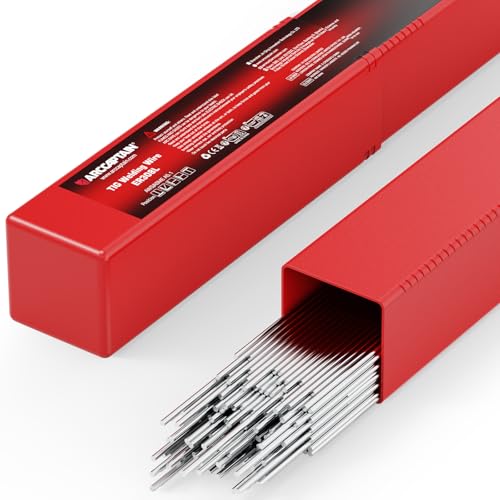
Reach for these 1/8″ ER308L rods when a job needs more filler than 1/16″ or 3/32″ rods provide. They fit thicker stainless, larger joints, and repair work where fewer passes can save time.
The 16″ length is still manageable at the bench, and the sleeve helps keep rods organized. Choose this option if your stainless projects demand stronger bead build-up without moving away from ER308L chemistry.
Best Use Case
These rods suit medium- to thicker 300-series stainless tasks like tubing, exhaust, brackets, and light structural work. They make the most sense when you need more filler volume and stronger joint build-up.
Problem Solving
When you need to reduce passes and fill a joint faster, 1/8″ filler can help. Use this diameter only when the material thickness and weld setup justify the added filler size.
Key Benefits
- More filler volume for thicker stainless joints
- Low-splatter performance for cleaner finishing
- Straight, consistent rods that feed predictably
- Storage sleeve for tidy organization and quick access
This 40-piece 1/16″ ER308L set fits thin 300-series stainless work, bench repairs, and practice sessions. It gives you more pieces than the smaller Convivium pack while still avoiding a large 5 lb bundle.
The individually separated rod format helps with organization, which matters when you want clean filler close to the welding table. Choose this pack for low-volume workshop use, not heavy production.
Best Use Case
These rods are useful for thin sheet, tubing, small brackets, and light fabrication where ER308L is appropriate. They work well for practice sessions and repair jobs that do not require large packs.
Problem Solving
When you want a clean, organized rod set for occasional use, this pack helps limit clutter and waste. If you weld stainless often, compare it against 5 lb packs before deciding.
Key Benefits
- Smooth feed and steady arc for tidy beads
- Low-carbon ER308L suited to 304 stainless
- Piece-count pack for neat storage
- Good fit for bench repairs and learning TIG
How to Choose ER308L TIG Rods
Match ER308L To The Right Stainless Steel
ER308L is commonly used for 304 and other 300-series stainless work. Do not choose a filler rod only by diameter. Match the filler chemistry to the base metal and project requirements first.
Choose The Right Diameter
- 1/16″: Best for thin sheet, tubing, small repairs, tack welds, and learning TIG control.
- 3/32″: Best for medium stainless joints, exhaust repairs, brackets, and general shop work.
- 1/8″: Best for thicker joints and jobs that need more filler per pass.
Check Pack Size Before Buying
A 1 lb or piece-count pack is better for beginners and occasional repairs. A 5 lb pack is better for repeated shop use. If you weld only a few times a month, a smaller pack may reduce storage issues and wasted material.
Know When To Skip Retail Rods
For noncritical repairs and practice, retail ER308L rods can be practical. For inspected, certified, or load-bearing work, use consumables with proper lot traceability and documentation.
Related guides: TIG welding filler rod selection chart | ER308L stainless steel TIG welding rods review | stainless TIG welding rods review
FAQ
Which ER308L TIG Rod Diameter Should I Choose?
Choose 1/16″ for thin sheet, tubing, small brackets, and tidy bench work. Step up to 3/32″ or 1/8″ when you need more filler volume for exhaust repairs, brackets, or medium stainless joints. Short 16″ sticks are easier to handle in tight spots but can leave more unused ends on long seams.
For amperage, use lower settings for thinner rods and higher settings for larger diameters. Always match your machine settings, base metal thickness, and shielding gas setup to the job.
How Do I Prep And Store These TIG Rods?
Keep the rods clean and dry before welding. Wipe them if they show residue, and avoid touching the filler end with greasy hands. Store rods in a sealed tube or container with desiccant to reduce moisture exposure and surface contamination.
If you see light residue, a quick acetone wipe can help. Organized sleeves or tubes also make it easier to grab a clean rod while you work.
Are ER308L Rods Suitable For Certified Or Structural Work?
For casual repairs, hobby projects, and many shop fabrications, retail ER308L rods may be enough. For certified or load-bearing work, use consumables with traceable batch numbers and mill certificates.
If a weld will be inspected, check the project requirements before buying filler rods. Do not rely on generic retail product claims for code work.
Can I Use ER308L Rods On Mild Steel?
ER308L is made for stainless TIG work, especially common 300-series stainless applications. If you are welding mild steel, choose a filler rod that matches mild steel instead of using stainless filler by default.
Do I Need Pure Argon For Stainless TIG Welding?
Pure argon shielding is commonly used for TIG welding stainless steel. Clean shielding gas, clean base metal, and dry filler rods all help reduce contamination and improve bead appearance.
Which ER308L Rod to Start With
Choose ER308L TIG rods by job type first, then by diameter and pack size. A 1/16″ rod gives better control for thin stainless and detail work. A 3/32″ or 1/8″ rod gives more filler volume for medium and thicker joints.
For an all-around starting point, YESWELDER 1/16″ is a sensible baseline in this list. For more filler volume, compare the SONNLER 3/32″, ARCCAPTAIN 3/32″, and ARCCAPTAIN 1/8″ options. For smaller low-volume packs, compare Convivium, UNIFAMILY, and YXINANOM.
Wrapping Up
If you want one safe starting point, choose the YESWELDER ER308L 1/16″ 5 lb pack because it balances common stainless TIG use, pack size, and handling. If you work mostly on thin stainless or want smaller packs, compare the Convivium, UNIFAMILY, and YXINANOM 1/16″ options.
For thicker joints and heavier fabrication, step up to 3/32″ or 1/8″ rods from SONNLER, YESWELDER, or ARCCAPTAIN. The best choice depends on your base metal, joint size, welding setup, and how often you use stainless TIG filler rods.
Before buying, confirm the exact diameter, pack size and availability on the Amazon listing. Listings change often, and the best purchase is the one that matches your current job.





Sizes and weights in the table come from the Amazon listings and can change; confirm them on the listing before ordering.