Disclosure: As an Amazon Associate, we earn from qualifying purchases. If you click a link on this page and make a purchase, we may receive a small commission at no extra cost to you.
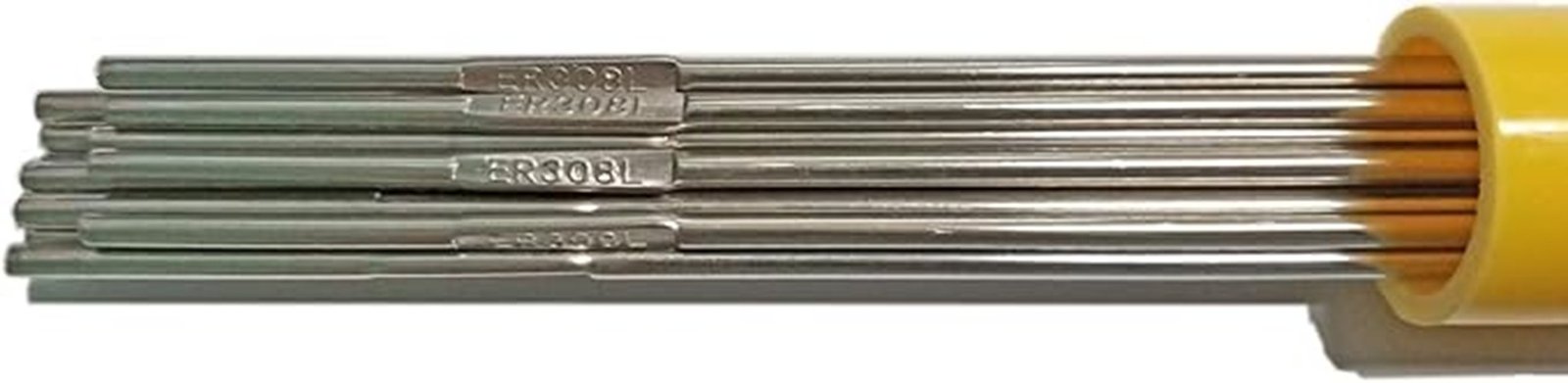
Choosing the wrong stainless filler rod can leave you with weak color match, poor corrosion resistance, or welds that fail sooner than expected. The KUNWU ER308L Stainless Steel TIG Welding Rods are made for common 304-series stainless work where clean puddle control and low-carbon filler metal matter. This review helps you decide if the 3/32 inch x 36 inch, 1 lb pack fits your shop, repair work, or fabrication projects. The rods make sense for many stainless TIG jobs, but they still require clean base metal, good shielding gas coverage, and steady heat control.
Quick Verdict
Rating: 8/10, Recommended with caveats
Best For: TIG welders working on 304, 304L, 308, or similar stainless steel parts
Bottom Line: These KUNWU ER308L rods offer a practical low-carbon stainless filler option for clean TIG welds on common stainless grades. They are not a fix for poor prep, wrong shielding gas, or projects that need a different filler alloy.
| Specification | Detail |
|---|---|
| Brand | KUNWU |
| Product Name | ER308L Stainless Steel TIG Welding Rods |
| ASIN | B08CRLZ7S6 |
| Product Type | Stainless steel TIG filler rod |
| Filler Classification | ER308L |
| Diameter | 3/32 inch, about 2.4 mm |
| Length | 36 inches, about 914 mm |
| Package Size | 1 lb pack |
| Material | Low-carbon stainless steel filler metal |
| Best Base Metals | 304, 304L, 308, and 308L stainless steel |
| Process | TIG welding, also called GTAW |
| Shielding Gas Note | Typically used with 100% argon for TIG welding |
| Best Use | Stainless fabrication, food-service repairs, tanks, railings, and maintenance work |
| Storage Note | Keep rods clean, dry, and protected from shop contamination |
What Is the KUNWU ER308L Stainless Steel TIG Welding Rod?
The KUNWU ER308L Stainless Steel TIG Welding Rod is a filler rod for TIG welding austenitic stainless steels. The 3/32 inch diameter gives you a useful balance between puddle control and filler deposition for thin to medium stainless work.
The “L” in ER308L means low carbon. That matters because lower carbon helps reduce carbide precipitation, which can hurt corrosion resistance in the heat-affected zone. It does not make the weld corrosion-proof, but it gives you a better match for many 304-series stainless jobs than a filler with the wrong chemistry.
This 1 lb pack is a practical size for small shops, mobile repair kits, and occasional stainless projects. If you weld stainless every day, you may prefer a larger package, but this size is easier to store and less likely to sit open for too long.
Key Features and Why They Matter
Low-Carbon ER308L Chemistry
ER308L is made for stainless welds where corrosion resistance matters more than raw structural strength. The low-carbon design helps limit sensitization risk during welding, especially when you work on stainless that may see moisture, cleaning chemicals, or outdoor exposure.
This filler is a strong match for common 304 and 304L stainless steel. You should not treat it as a universal rod for every stainless alloy, because chloride-heavy or aggressive chemical environments may call for a different filler such as ER316L.
3/32 Inch Diameter
The 3/32 inch size works well for many shop jobs because it feeds more metal than a 1/16 inch rod without feeling as heavy as a 1/8 inch rod. You can use it for brackets, small tanks, railings, kitchen equipment, and maintenance repairs when the base material thickness supports it.
For very thin stainless sheet, this diameter may feel too large unless your amperage and travel speed are dialed in. For heavier stainless sections, you may need more passes or a larger filler rod depending on joint design.
36 Inch Rod Length
The 36 inch length is common for TIG filler rods and gives you enough reach for bench work, fixtures, and longer beads. Fewer rod changes can help you keep a steady rhythm, especially when you are working on visible stainless welds.
The tradeoff is storage. Full-length rods need a clean tube, rack, or drawer so they do not bend, pick up grease, or collect grinding dust from the shop.
Stainless Compatibility
These rods fit best when you are welding similar stainless grades, especially 304, 304L, 308, and 308L. They can also be relevant for some 321 and 347 stainless applications, but you should confirm the filler choice against your project requirements before welding critical parts.
They are not the right pick for mild steel, aluminum, cast iron, or projects where the print calls for a specific qualified filler. If your work involves pressure, food-contact compliance, structural load, or code requirements, follow the welding procedure and material specification for that job.
Before You Buy: ER308L is not a universal stainless filler. Check your base metal grade before ordering, especially if you are welding 316 stainless, dissimilar metals, or parts exposed to saltwater or harsh chemicals.
Who Should Buy It?
Best For
- TIG welders working on 304, 304L, 308, or 308L stainless steel
- Small shops that need a 1 lb pack for stainless repairs and fabrication
- Maintenance welders who want a clean low-carbon filler for corrosion-sensitive joints
Skip If
- You are welding mild steel, aluminum, cast iron, or unknown scrap metal
- Your project requires ER316L, ER309L, or another specified filler alloy
- You need a certified procedure, material test report, or project-specific documentation not shown in the listing
Build Quality and Handling
A TIG filler rod needs to stay straight, clean, and consistent. The KUNWU ER308L rods use the familiar 36 inch format, so they fit standard welding rod tubes and shop storage racks. That makes them easy to keep near your TIG bench without taking up much space.
The 3/32 inch diameter gives your hand enough stiffness for controlled feeding. This helps when you are trying to keep a smooth bead on visible stainless work, such as railing joints, kitchen equipment, trim, or small tanks.
As with any stainless TIG rod, cleanliness matters. Oil, dust, moisture, or metal particles on the rod can affect the puddle and may leave discoloration or inclusions in the finished weld.
Weld Performance and Arc Control
These rods are best judged by how well they support a clean puddle on stainless steel. With clean base metal, the right tungsten, and steady argon coverage, ER308L can produce smooth beads with good color control and low spatter.
Heat control is the main challenge. Stainless holds heat differently than mild steel, and too much heat can cause warping, heavy oxidation, or a wide heat tint area. The rod can help with corrosion resistance, but it cannot correct poor travel speed or contaminated shielding gas.
Compatibility and Safety Notes
Use these rods only when the filler classification fits your base metal and job requirements. They are a common choice for 304 and 304L stainless, but they are not ideal for every stainless alloy or every service environment.
For TIG welding, you also need suitable shielding gas, clean tungsten, proper PPE, ventilation, and safe workholding. Stainless welding fumes and surface contamination can create hazards, so follow your shop safety procedures and the instructions for your welder, gas setup, and filler material.
If the part touches food, water, chemicals, or people, pay extra attention to surface prep and post-weld cleaning. Passivation may be needed for some stainless parts after welding, depending on the application and finish requirements.
How It Performs in Real Use
For Food-Service and Kitchen Equipment Repairs
ER308L is a practical match for many 304 stainless kitchen parts, sinks, tables, and light equipment repairs. The low-carbon filler helps preserve corrosion resistance when the weld is cleaned correctly after finishing.
For Shop Fabrication
In a small fabrication shop, the 3/32 inch rod size works well for brackets, frames, guards, small tanks, and stainless fixtures. It gives you enough filler flow for general work without forcing you into a heavy rod that may overpower thinner joints.
For Outdoor Stainless Railings and Fixtures
For outdoor stainless parts, these rods can help create a corrosion-resistant weld on compatible base metal. You still need to remove heat tint, clean the surface, and avoid cross-contamination from carbon steel brushes or grinding dust.
For Maintenance and Emergency Repairs
A 1 lb pack is useful to keep in a maintenance cart or welding drawer. It is enough for many repair jobs, but heavy production work will likely require a larger package to avoid reordering too often.
How to Use It Correctly
Clean the stainless before welding. Remove oil, paint, mill marks, dirt, and oxidation from the joint area before you strike an arc. Use stainless-only brushes and abrasives when possible so you do not embed carbon steel particles into the surface.
Match the rod size to your joint and amperage. A 3/32 inch rod is versatile, but it may be too much filler for very thin sheet metal. If you keep dipping too much filler into a small puddle, consider a smaller diameter for that job.
Control shielding gas coverage. ER308L rods are commonly used with 100% argon in TIG welding, and poor gas coverage can cause sugar, porosity, gray welds, or heavy discoloration. Check cup size, gas flow, tungsten stickout, drafts, and torch angle before blaming the filler rod.
Pro Tip: Store stainless TIG rods in a dedicated tube and label them clearly. Mixing ER308L with ER309L, ER316L, or mild steel filler can create expensive weld mistakes.
Storage and Maintenance
Keep the rods dry, capped, and separated from grinding dust. Stainless filler can pick up contamination in a busy shop, especially when it sits open near carbon steel cutting or grinding work.
If a rod falls on a dirty floor, wipe it before welding or set it aside for noncritical practice. Clean filler metal gives you a better chance of consistent puddle behavior and a cleaner finished bead.
Do not bend the rods into a small toolbox unless you have no other choice. Bent TIG rods are harder to feed smoothly, and they can make precision stainless work more frustrating.
Pros and Cons
Pros
- Low-carbon ER308L filler suits many 304 and 304L stainless applications
- 3/32 inch diameter offers a useful balance of control and filler deposition
- 36 inch length works well for standard TIG bench and shop setups
- 1 lb package is practical for small shops, repairs, and occasional stainless projects
- Good choice when you need clean stainless welds with proper argon shielding
Cons
- Not suitable for mild steel, aluminum, cast iron, or unknown base metals
- May not be the right filler for 316 stainless or chloride-heavy environments
- Requires clean prep, correct shielding gas, and solid TIG technique
Is It Worth the Price?
The KUNWU ER308L rods are worth considering if you need a small pack of stainless TIG filler for common 304-series work. A 1 lb package makes sense for occasional repairs, home shop projects, or maintenance welding where you do not need a large production box.
The value depends on how often you weld stainless. If you only need a few rods for one repair, the pack may be more than enough. If you run stainless TIG jobs every week, a larger pack from the same or another trusted supplier may be more convenient.
The main limitation is alloy fit. ER308L is useful, but it is not the best choice for every stainless project, so confirm your base metal before you buy.
How It Compares to Alternatives
Compared to ER309L rods, ER308L is better for welding similar 304-series stainless steels rather than many stainless-to-carbon-steel joints. ER309L is often considered when you need a dissimilar-metal filler, but you should still follow the project specification.
Compared to ER316L, ER308L is usually the more practical choice for general 304 stainless fabrication. ER316L can be a better match for 316 stainless or more chloride-prone environments, but it may not be necessary for basic 304 stainless work.
Frequently Asked Questions
What metals can KUNWU ER308L rods weld?
They are mainly intended for TIG welding 304, 304L, 308, and 308L stainless steel. They are not meant for mild steel, aluminum, cast iron, or unknown base metals.
Is 3/32 inch the right size for thin stainless sheet?
It can work on many thin-to-medium stainless jobs, but very thin sheet may be easier with a smaller filler rod. If the puddle gets crowded or overheated, a smaller diameter may give you better control.
Do these rods need shielding gas?
Yes. TIG welding stainless steel typically uses clean argon shielding gas. Poor gas coverage can cause porosity, oxidation, dull weld color, or contamination.
Can I use ER308L rods on 316 stainless steel?
ER308L is not usually the first choice for 316 stainless. For 316 stainless or chloride exposure, ER316L is often a better match, but you should follow the job specification.
Are these rods good for food-grade stainless repairs?
They can be a good fit for many 304 stainless food-service parts when the base metal matches. You still need proper cleaning, weld finishing, and any required passivation or compliance steps for the application.
How should I store ER308L TIG rods?
Keep them dry, capped, and away from carbon steel grinding dust. A labeled rod tube helps prevent mix-ups with ER309L, ER316L, or mild steel filler rods.
Who should skip these TIG rods?
Skip them if your project requires a different filler alloy, a certified welding procedure, or documentation not listed with the product. You should also skip them for non-stainless materials.
The Bottom Line
The KUNWU ER308L Stainless Steel TIG Welding Rods are a smart buy for welders who need a 1 lb pack of 3/32 inch filler for common 304-series stainless work. They offer useful corrosion-resistance support and good handling, but they are not suitable for every stainless alloy or poor welding setup. Skip them if your job calls for ER316L, ER309L, carbon steel filler, or verified project documentation.